
Georgia’s clay soil presents a unique challenge for gardeners, often compacting and retaining water in ways that make it difficult for many plants to thrive. However, several native plants have adapted to these conditions, offering a beautiful and sustainable solution for your garden. Discover these resilient plants that not only survive but flourish in Georgia’s distinctive soil.
Eastern Redbud
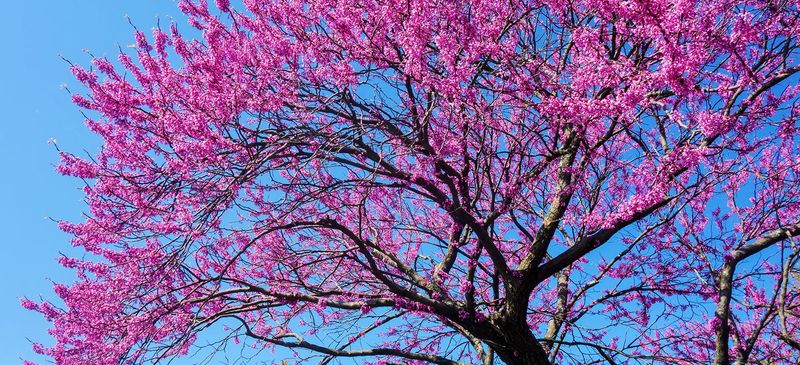
Known for its striking springtime display, the Eastern Redbud bursts into bloom with clusters of pink flowers decorating its branches. This small tree thrives in clay soil, providing a stunning visual in any landscape. Its heart-shaped leaves create a lush, green backdrop throughout the summer.
Interestingly, the Eastern Redbud has been a part of southern folklore, often referred to as the “Judas tree” due to its historical association with betrayal. Despite its dramatic nickname, this tree is a symbol of beauty and resilience.
Butterfly Weed
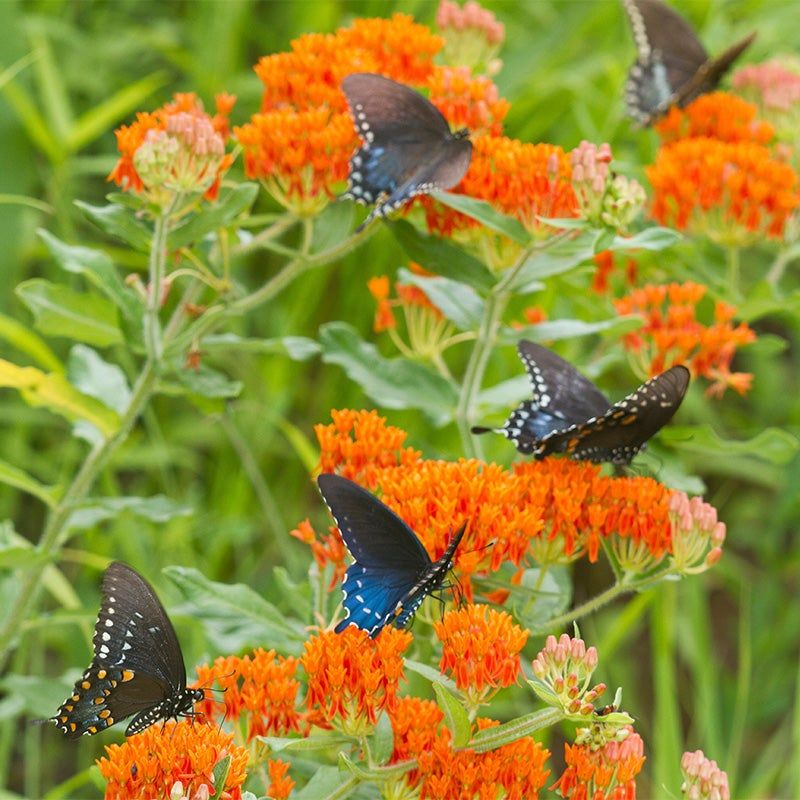
The Butterfly Weed is a magnet for pollinators, drawing butterflies and bees with its vibrant orange blooms. This hardy perennial is perfectly suited to Georgia’s challenging clay soils, thriving with minimal care.
A unique feature of the Butterfly Weed is its deep taproot, which allows it to access nutrients and withstand drought conditions. This plant not only supports local wildlife but also adds a splash of color to any garden.
Georgia Aster
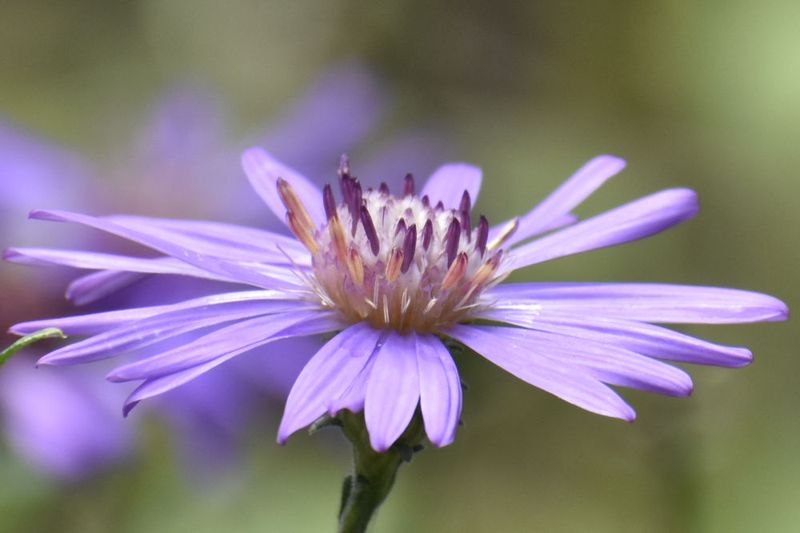
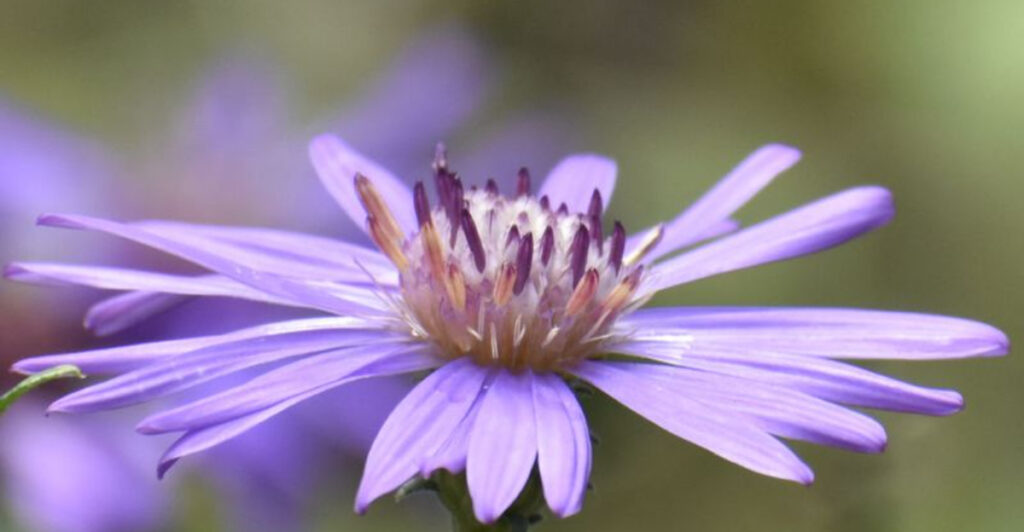
The Georgia Aster is a native wildflower known for its late-season blooms of striking purple petals. It flourishes in clay soils, making it a perfect choice for gardeners looking to extend their garden’s color into the fall.
This plant has a rich history of being the centerpiece in many conservation efforts due to its declining natural habitats. Its resilience and beauty make it a cherished addition to Georgia landscapes.
Cardinal Flower
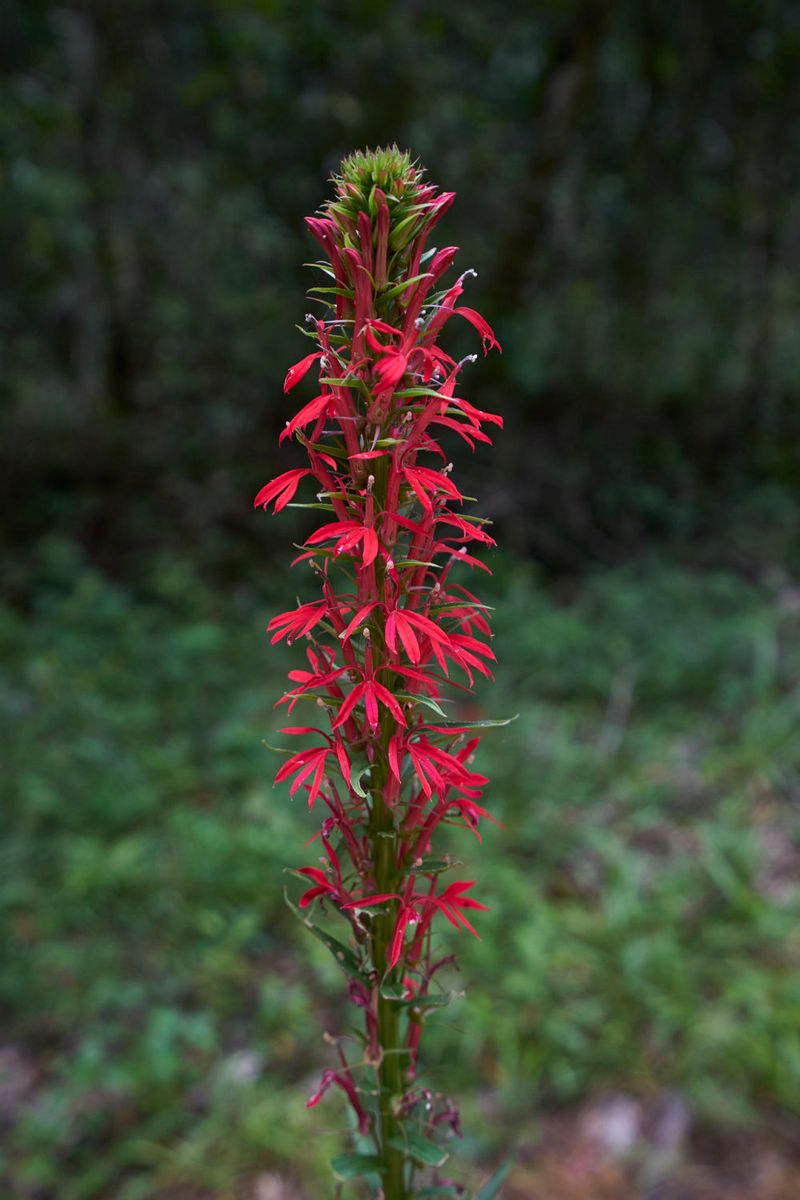
With its brilliant red spikes, the Cardinal Flower is a standout in moist, clay-rich areas. This perennial attracts hummingbirds, adding movement and life to your garden scene.
Known for its affinity to wet environments, the Cardinal Flower is often found in natural settings alongside streams and ponds. Its striking appearance and ecological benefits make it a favorite among native plant enthusiasts.
Southern Blue Flag Iris
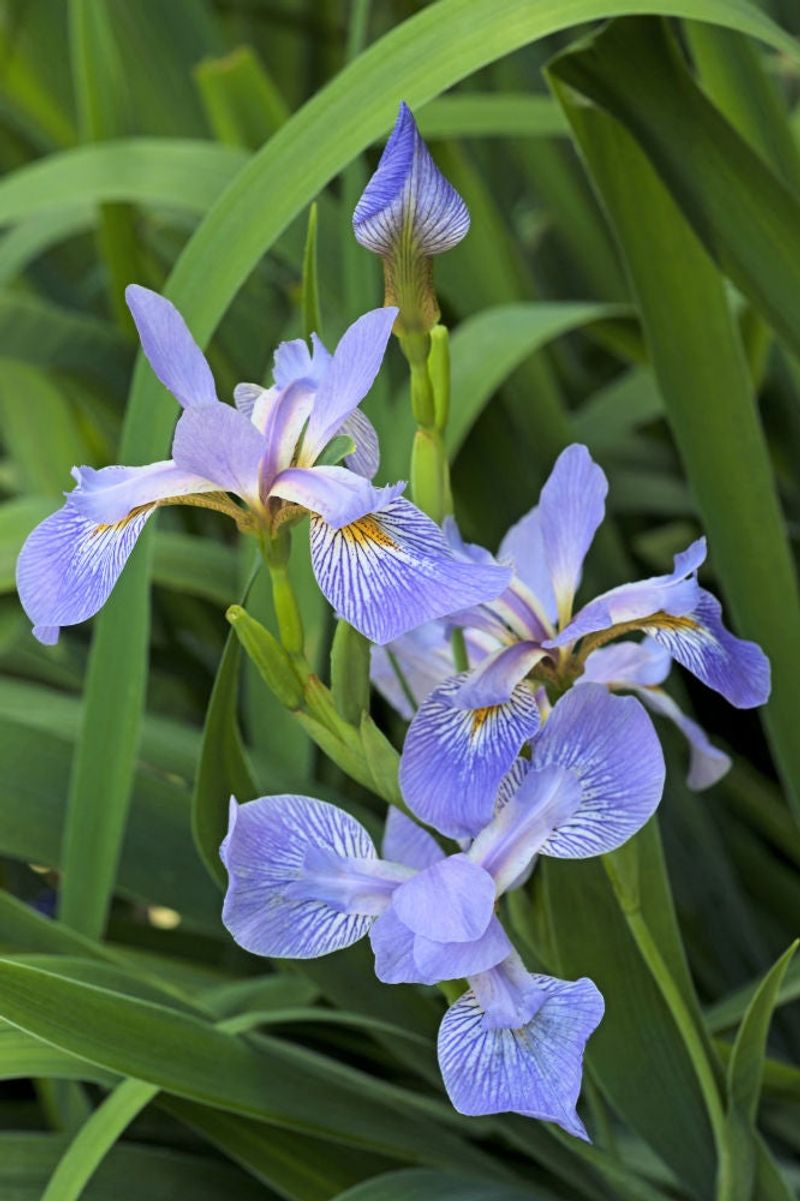
The Southern Blue Flag Iris is renowned for its elegant blue-violet flowers. It thrives in moist clay soils, creating an enchanting display in gardens and natural water edges alike.
This iris is not only beautiful but also serves as an indicator of healthy wetland environments. Its presence is a testament to the ecological balance and adds a touch of class to any planting.
Oakleaf Hydrangea
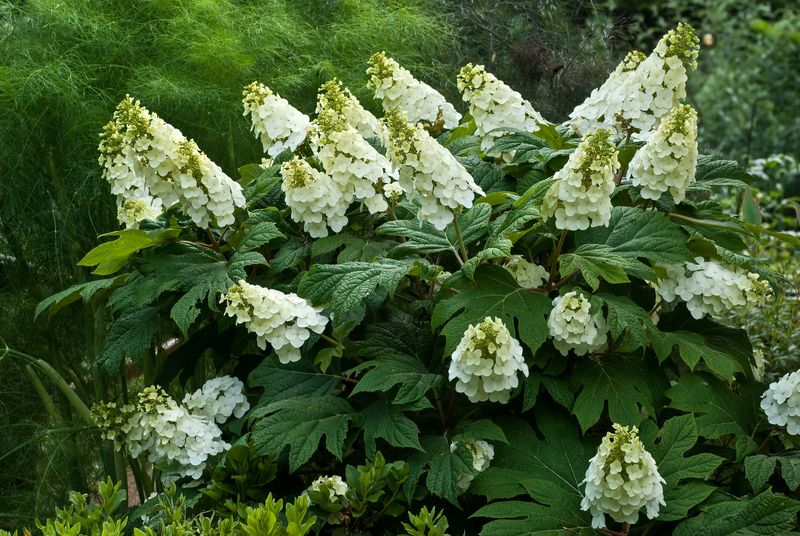
This native shrub is beloved for its large, cone-shaped white flowers and rich, textured foliage that changes color with the seasons. The Oakleaf Hydrangea is particularly well-suited to Georgia’s clay soils.
Its adaptability and dramatic seasonal transformation make it a versatile choice for gardens. In autumn, its leaves turn a deep shade of crimson, providing a striking visual contrast.
Switchgrass
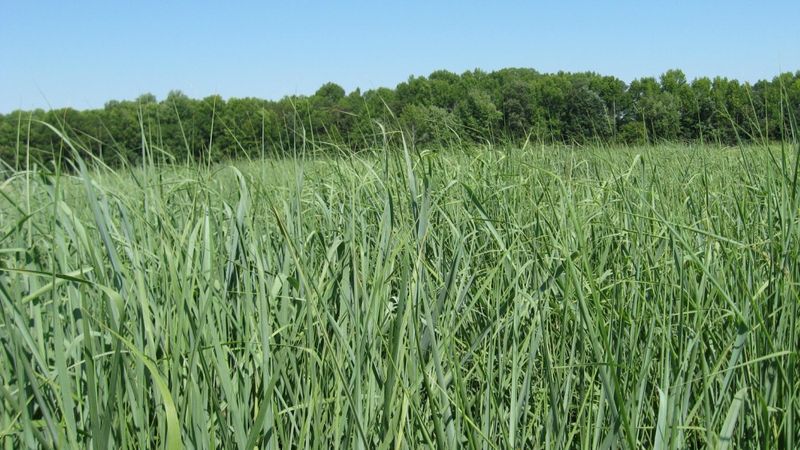
Switchgrass is a native, perennial grass known for its resilience and adaptability to different soil types, including clay. Its tall, graceful stems provide a natural texture and movement in the landscape.
Once used by Native Americans for various practical purposes, Switchgrass is now a pioneer species in ecological restoration and sustainable landscaping. Its versatility and utility are unmatched.