
Growing tomatoes in Colorado’s short growing season can be challenging due to the unique climate conditions. However, with the right techniques and expert tips, you can enjoy a bountiful harvest of juicy tomatoes. This guide provides seven essential strategies to maximize your tomato yield in Colorado.
Choosing the Right Tomato Variety
Selecting the appropriate tomato variety is crucial for success in Colorado. Opt for short-season or determinate varieties that mature quickly. Varieties like ‘Early Girl’ or ‘Celebrity’ are excellent choices. These tomatoes thrive in shorter growing seasons, producing fruit in less than 70 days.
Look for plants that are disease-resistant to prevent common tomato issues. Compact bush varieties are also ideal for container gardening, offering flexibility in smaller spaces.
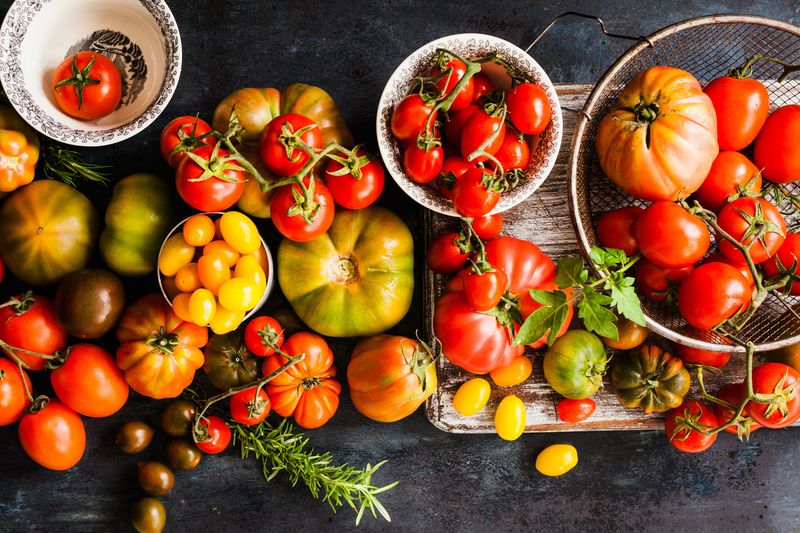
Consider heirloom varieties for unique flavors and colors. Their adaptability can also be beneficial in varying Colorado climates.
Starting Seeds Indoors
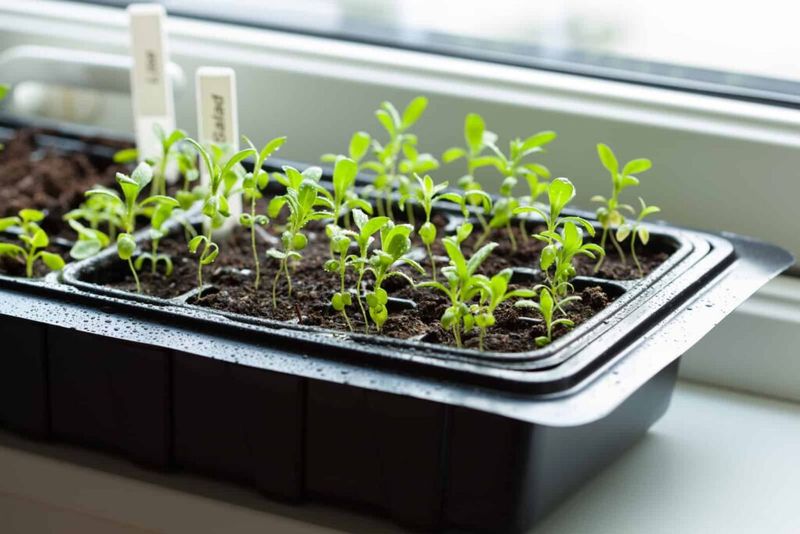
Commencing your tomato journey indoors is beneficial in Colorado. Begin by sowing seeds indoors six to eight weeks before the last expected frost. A sunny windowsill or grow lights can provide ample light.
Transplant seedlings outdoors after hardening them off, acclimating them to outdoor conditions. This practice prevents transplant shock and promotes robust growth.
Using seed-starting trays with quality soil ensures healthy roots. It’s a hands-on process that rewards you with vigorous plants ready to thrive when moved outside.
Utilizing Frost Protection Methods
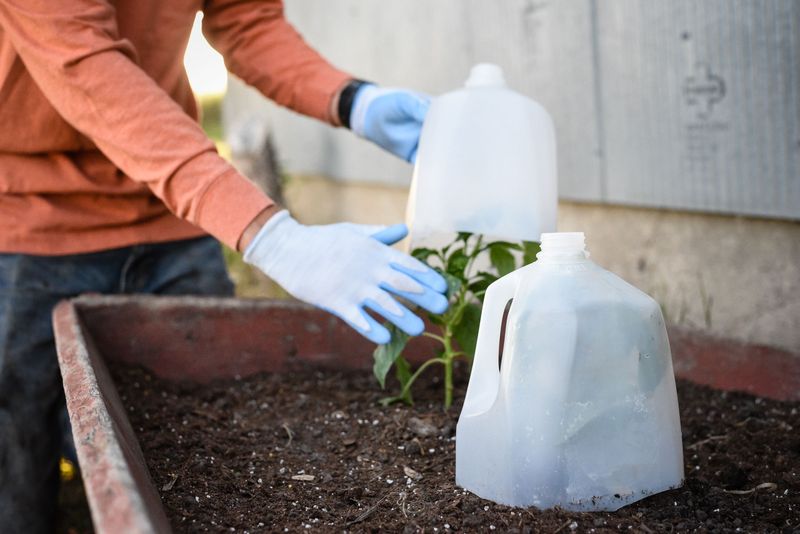
In Colorado, frost can strike unpredictably. Protecting your tomatoes from unexpected chills is key. Use frost blankets or cloches to insulate plants during cold snaps.
These protective measures act as a barrier, maintaining warmth around the plants. Consider using water-filled row covers to absorb heat during the day, releasing it at night.
This precaution not only safeguards against frost but also extends the growing season, ensuring your tomatoes reach maturity without stress from cold temperatures.
Optimizing Sunlight and Heat
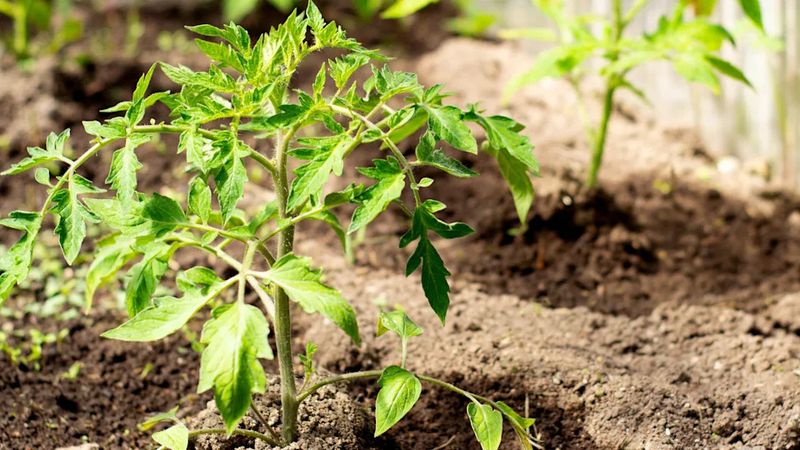
Maximizing sunlight is essential for tomato growth in Colorado. Position your garden in a south-facing area to capture the most sunlight. Reflective surfaces like white stones around plants can enhance light exposure.
Consider using black plastic mulch to retain soil heat, promoting faster growth. This practice warms the soil, crucial in cooler climates like Colorado’s.
Ensuring adequate sunlight and heat not only boosts growth but also enhances fruit ripening, giving you sweeter and juicier tomatoes.
Implementing Efficient Watering Techniques
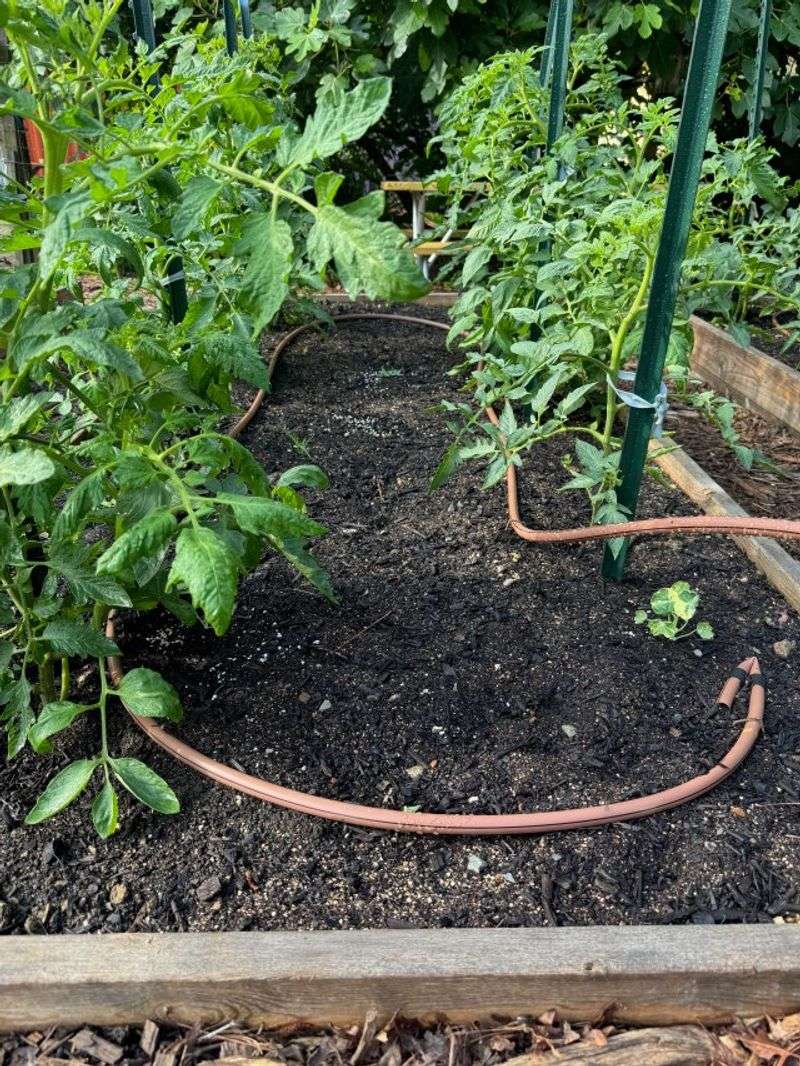
Watering efficiently is vital in Colorado’s arid climate. Drip irrigation systems deliver water straight to the roots, reducing evaporation. This method conserves water while ensuring plants receive consistent moisture.
Mulching around plants retains soil moisture, vital during dry spells. Overhead watering should be minimized to prevent leaf diseases.
An efficient watering schedule, adjusting for rainfall and temperature, maintains optimal moisture levels, promoting healthy, productive plants. Proper hydration is key to a successful tomato harvest in Colorado.
Enhancing Soil Quality
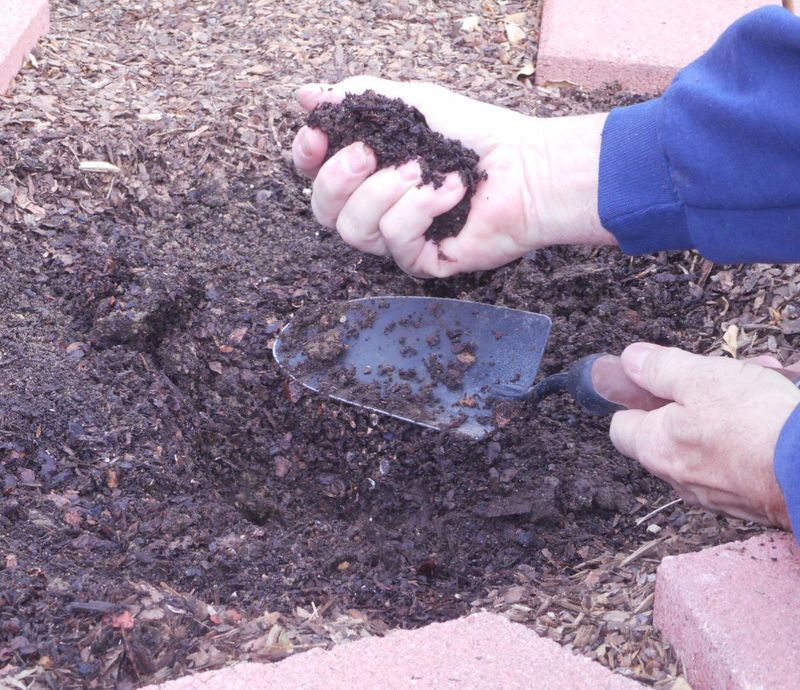
Healthy soil is the foundation of successful tomato cultivation. Incorporate organic matter like compost to enrich the soil, providing essential nutrients. Colorado’s soil can be compact, so loosening it aids root expansion.
Testing soil pH ensures optimal conditions, with tomatoes preferring slightly acidic soil. Amendments like lime or sulfur can balance pH levels, tailored to your garden’s needs.
Regularly adding mulch improves soil structure and retains moisture, creating a thriving environment for your tomato plants.
Companion Planting with Beneficial Herbs
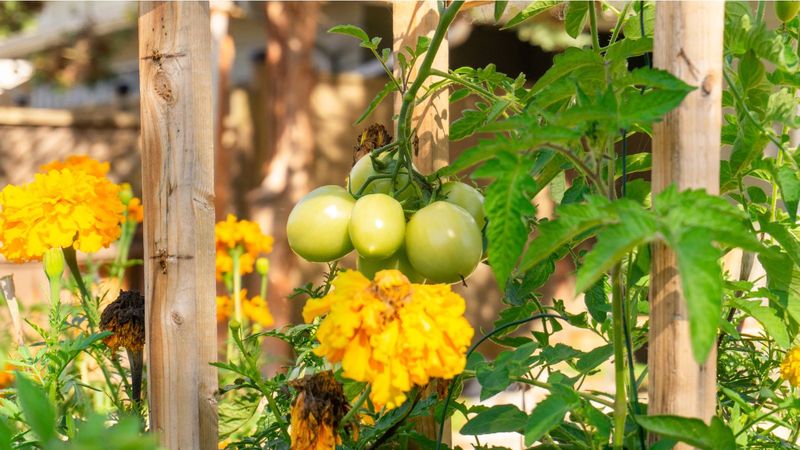
Companion planting enhances tomato growth by introducing beneficial herbs. Basil and marigolds are excellent companions, deterring pests and attracting pollinators. The aroma of basil enhances tomato flavor, a delightful bonus.
Interplanting these herbs in your tomato garden creates a balanced ecosystem. Marigolds repel nematodes and other harmful insects, reducing pesticide need.
This natural approach not only boosts tomato health but also enriches your garden’s biodiversity, making it a harmonious space for plants to flourish.