
Florida’s unique humid climate presents some challenges for growing certain vegetables that might thrive elsewhere. This post explores 17 vegetables that struggle in Florida’s environment and suggests alternatives that prosper in the Sunshine State’s conditions. Whether you’re a seasoned gardener or a curious newbie, understanding these challenges is crucial to growing a successful garden in this region.
Lettuce
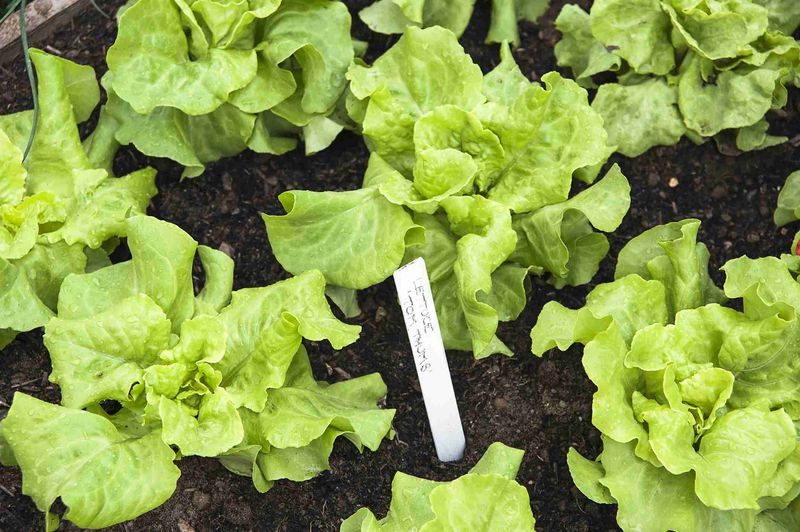
Lettuce may be a salad staple, but in Florida’s heat, it wilts under the pressure. High humidity and warmth cause lettuce to bolt quickly, making it bitter and tough. Instead, consider growing Swiss chard, which handles the heat and remains tender. Chard’s robust leaves offer similar culinary uses without the fuss.
Broccoli
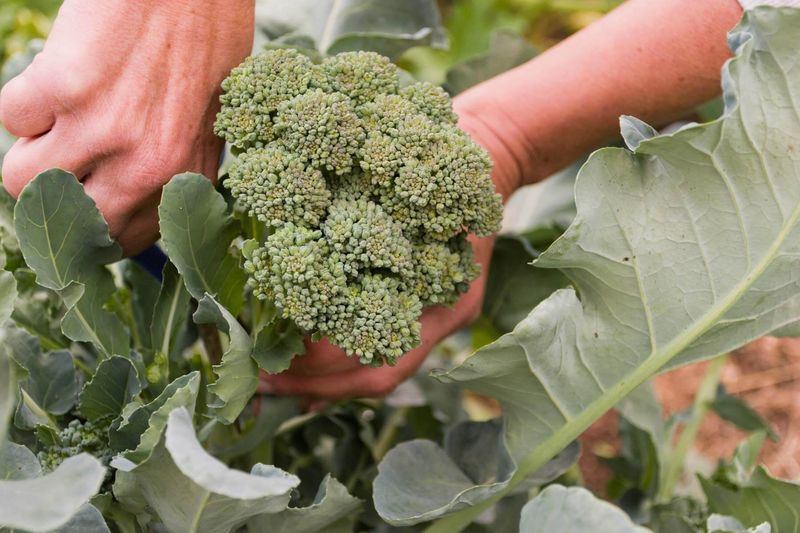
Broccoli desires cooler climates to mature properly, something Florida’s humid environment struggles to provide. The warmth leads to inadequate head formation and pest issues. Opt for collard greens instead, a heat-tolerant leafy green thriving under Florida’s sun. Collards bring similar nutrients and versatility to your table.
Cauliflower
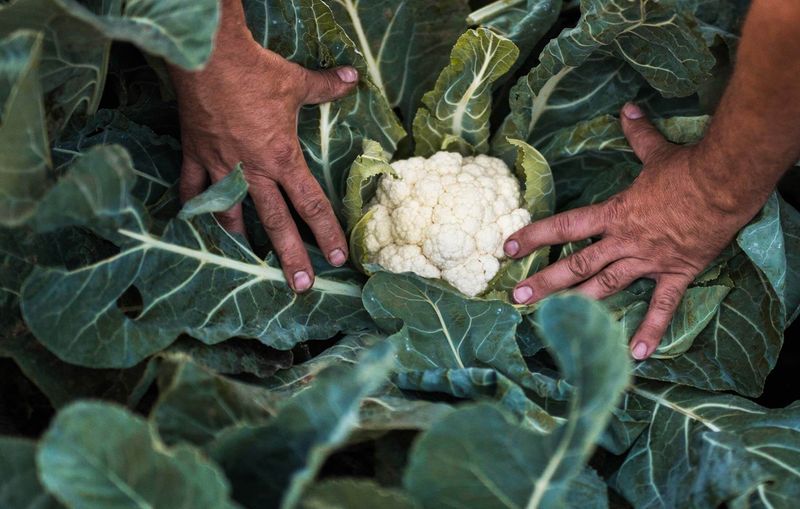
Cauliflower’s delicate nature doesn’t fare well in Florida’s humidity, leading to discolored and uneven heads. The alternative? Try growing sweet potatoes. They love the heat and humidity, providing a robust and rewarding crop. Sweet potatoes are versatile in the kitchen and store well after harvest.
Peas
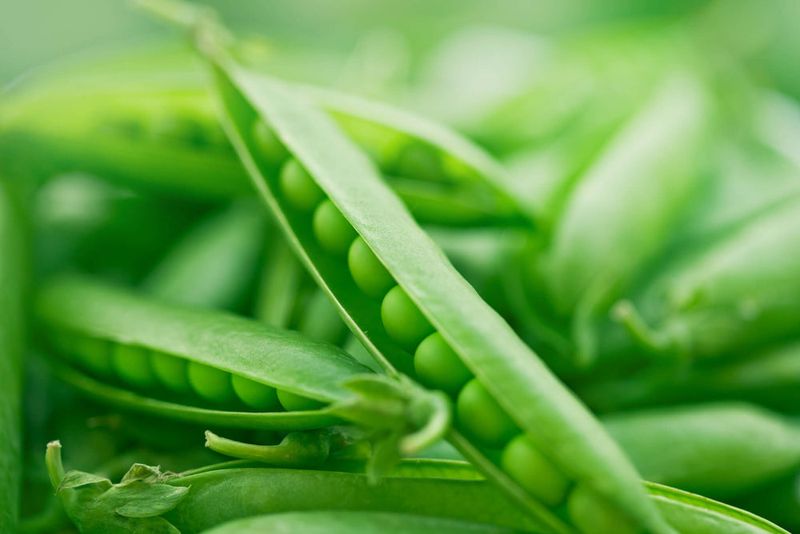
Peas, with their sweet pods, prefer cool and dry conditions. Florida’s humidity causes poor pod development and disease issues. Instead, consider Southern peas (cowpeas) like black-eyed peas, which flourish in the humid climate. These legumes are heat lovers, providing excellent yield and flavor.
Spinach
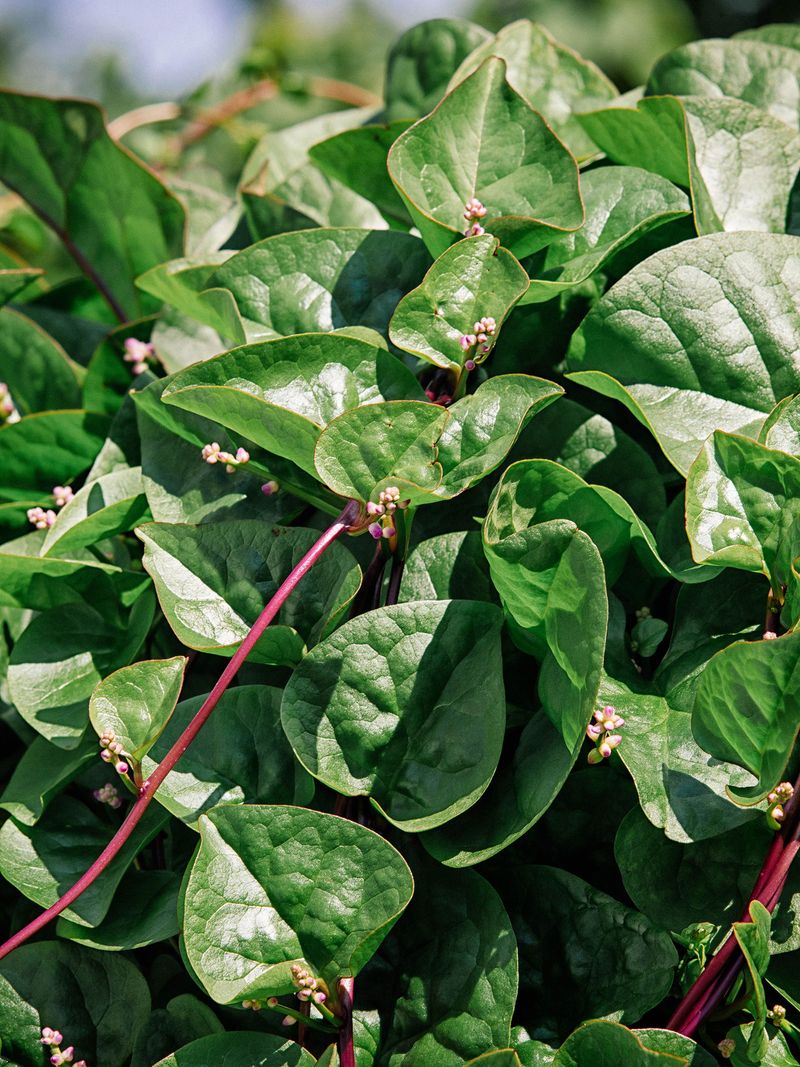
Spinach quickly succumbs to Florida’s relentless heat, leading to bolting and bitter leaves. Malabar spinach, though not true spinach, thrives in heat and humidity, offering a similar texture and taste. It’s a climbing plant with lush, glossy leaves perfect for salads and cooking.
Radishes
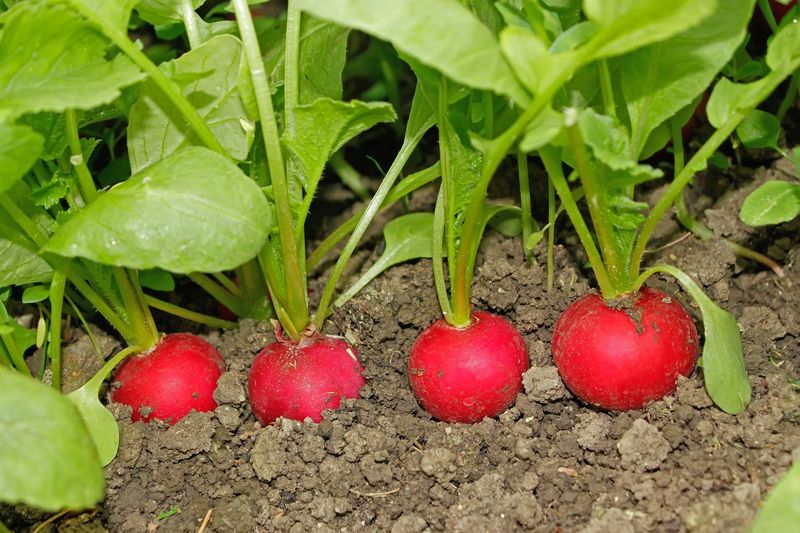
Radishes require cool and consistent moisture, making Florida’s warmth and humidity a challenge. For a similar quick-growing root, try growing jicama. Adapted to warm climates, jicama offers a refreshing crunch and mild sweetness, perfect for fresh salads and slaws.
Carrots
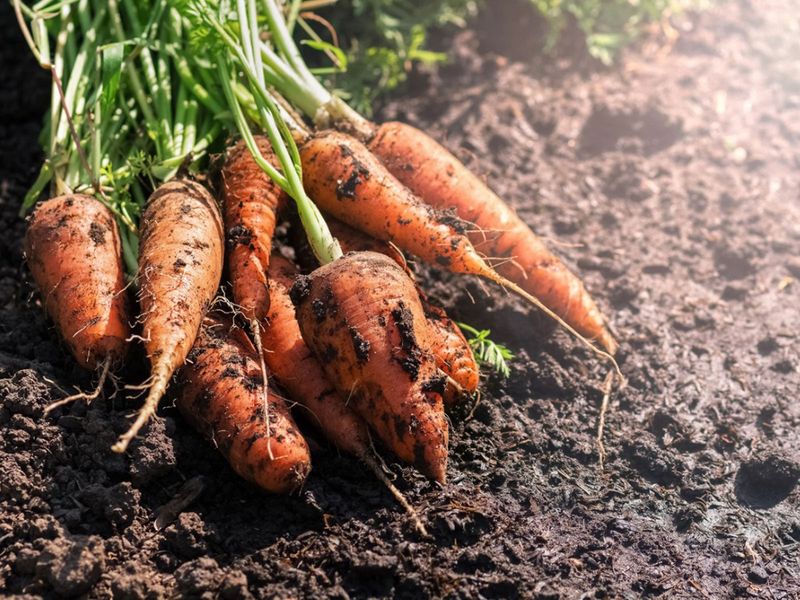
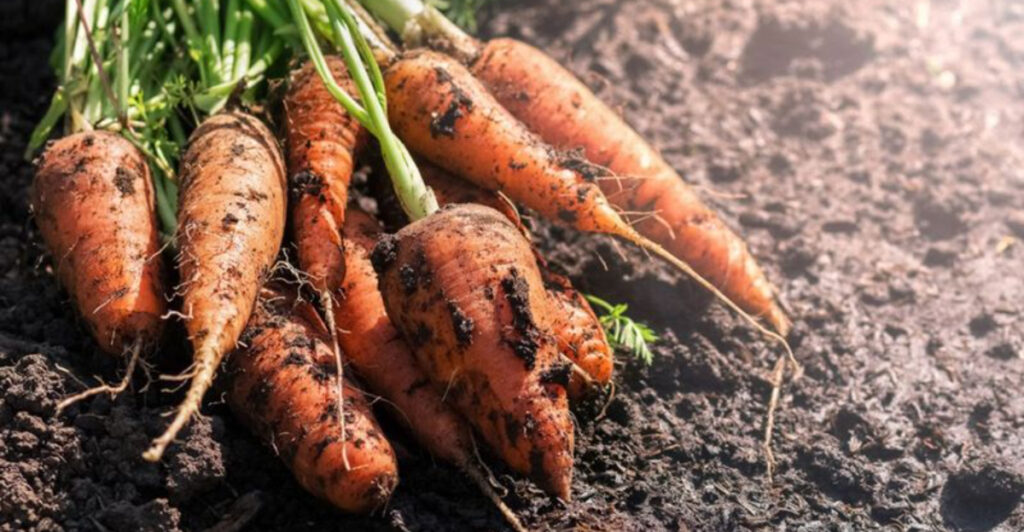
Carrots struggle in Florida’s sandy soils, coupled with humidity that encourages rot. Instead, grow cassava, a tropical root that thrives in heat and provides starchy goodness. Cassava’s resilience to Florida’s climate makes it an excellent substitute in the garden.
Tomatoes
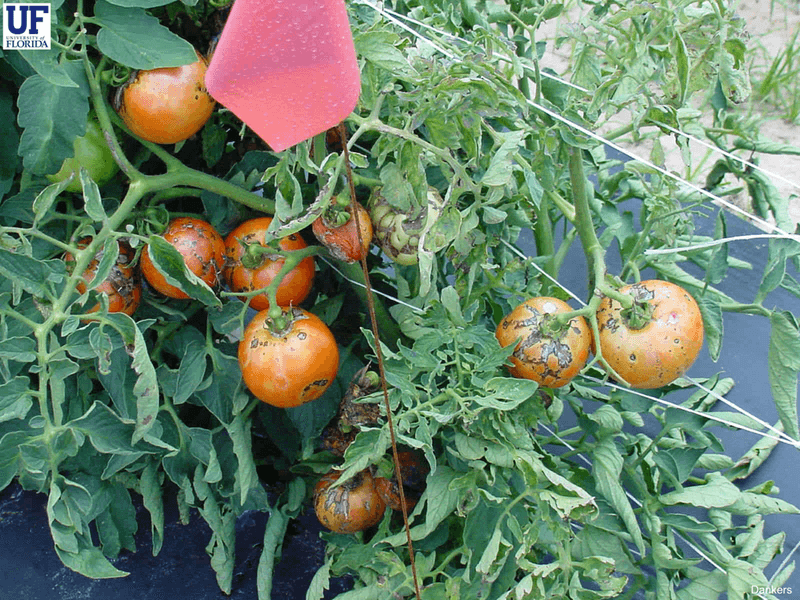
Tomatoes face numerous challenges in Florida, from humidity-induced diseases to pests. Cherry tomatoes offer a resilient alternative, better suited to handle the humidity and still deliver sweet, juicy fruits. Their small size and vigorous growth make them a favorite among Florida gardeners.
Strawberries
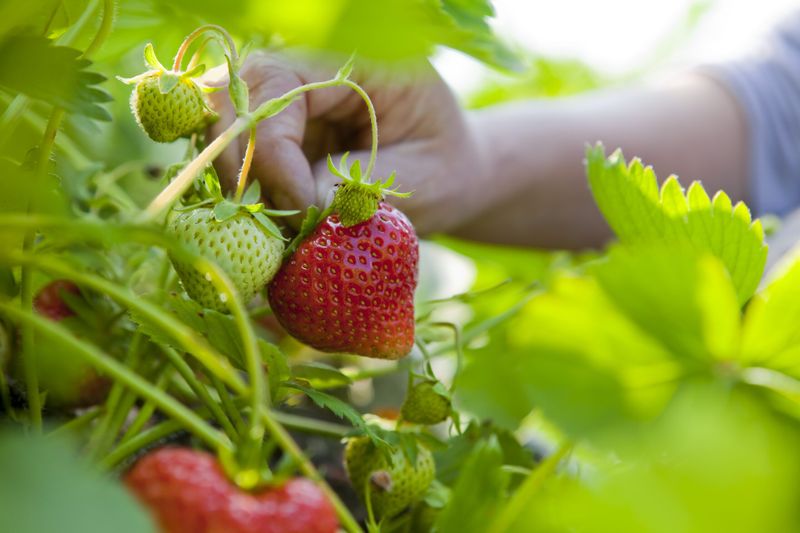
Strawberries in Florida often face mildew and pest issues due to humidity. Go for pineapples instead, which thrive in tropical climates and share a similar sweetness. Pineapples are not only delicious but also add a tropical feel to your garden with their spiky leaves and exotic fruits.
Cabbage
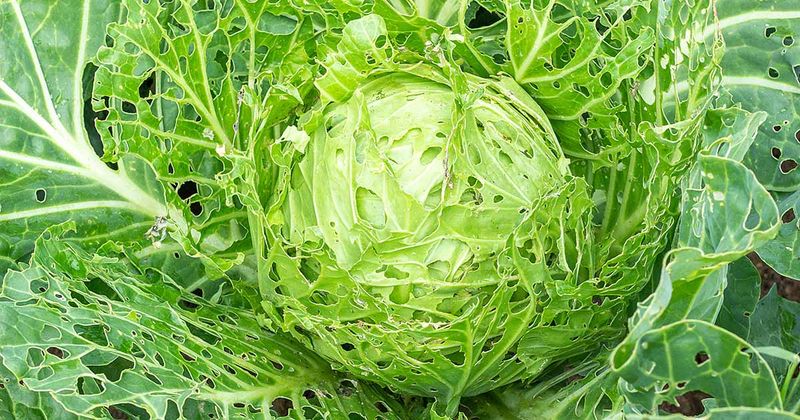
Cabbage struggles with Florida’s heat, leading to loose heads and pest problems. Grow kale instead, a leafy green that thrives under the sun and provides a nutrient-rich harvest. Kale’s hardiness makes it a favored choice for those tackling Florida’s unique gardening challenges.
Celery
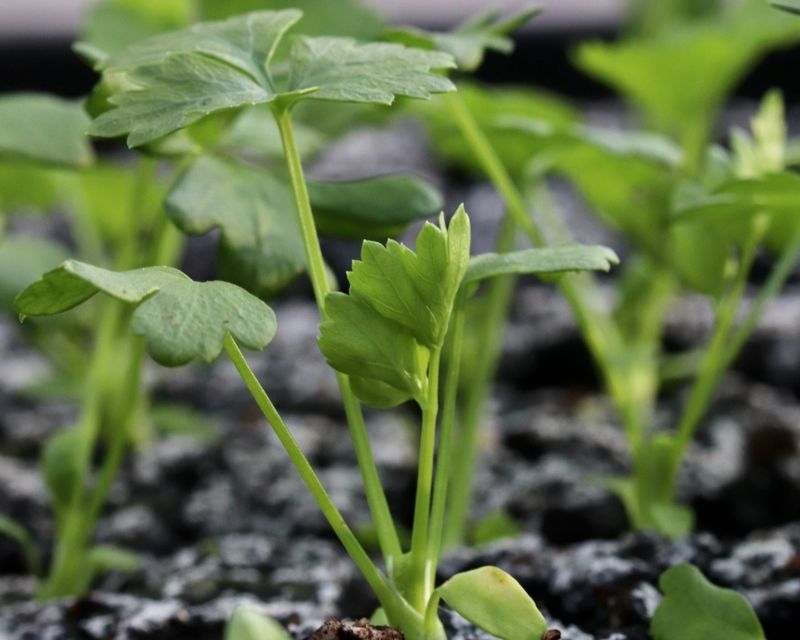
Celery demands constant moisture and cool temperatures, ill-suited for Florida’s climate. Opt for okra, which loves warmth and humidity, growing tall and providing crisp pods. Okra’s natural resilience to Florida’s conditions makes it an ideal crop for this region.
Garlic
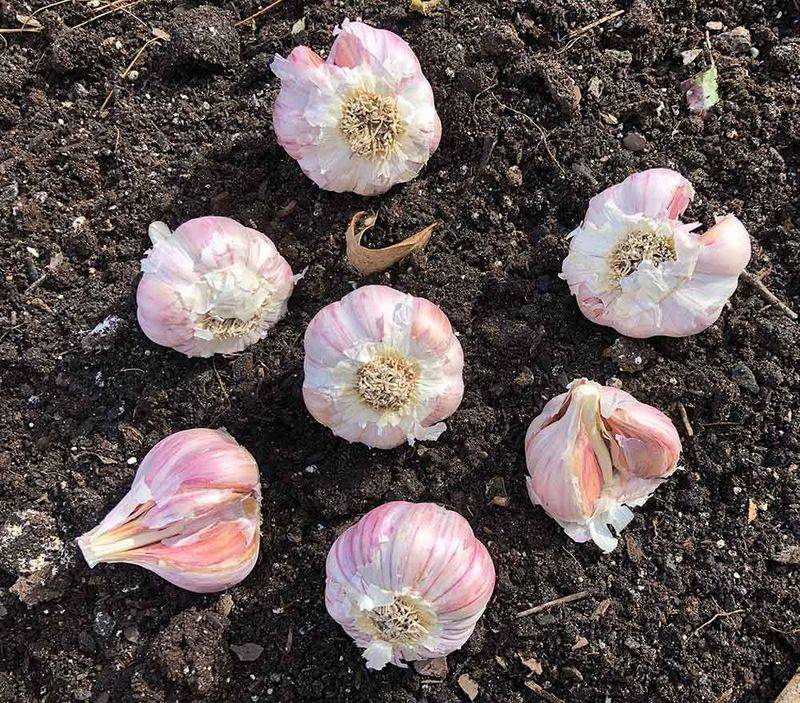
Garlic’s preference for cold periods means Florida’s climate is a mismatch, stunting growth. Grow shallots as an alternative; they adapt well to Florida’s warmth and offer a similar pungent flavor. Shallots are great for spicing up any dish and flourish in the Sunshine State.
Onions
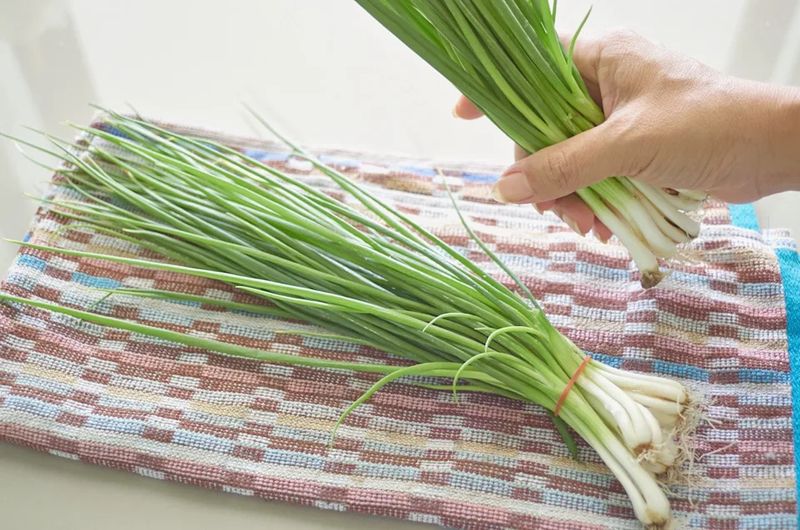
Onions often struggle in Florida due to the sandy soil and humid conditions. Opt for scallions, which are less demanding and adapt well to the climate, providing a continuous harvest. Scallions offer a mild onion flavor, perfect for salads and garnishes.
Beets
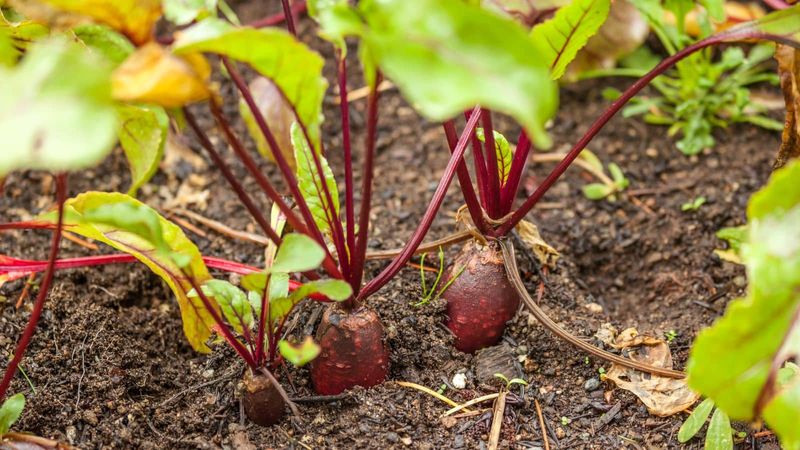
Beets require cooler weather and consistent moisture, making Florida’s environment challenging. Instead, plant sweet corn, which loves the heat and provides a rewarding crop. Sweet corn grows tall and produces deliciously sweet kernels that are perfect for summer barbecues.
Brussels Sprouts
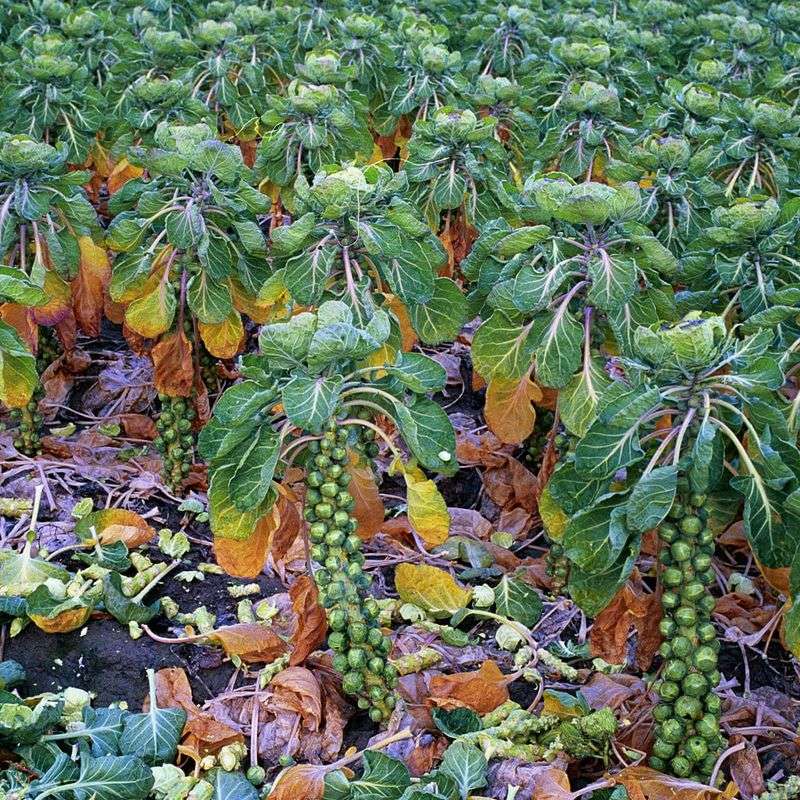
Brussels sprouts dislike Florida’s heat and humidity, leading to pest infestations and poor sprouts. Choose mustard greens, which thrive in heat and offer a peppery flavor perfect for salads and cooking. Mustard greens are resilient and provide a quick and tasty harvest.
Beans
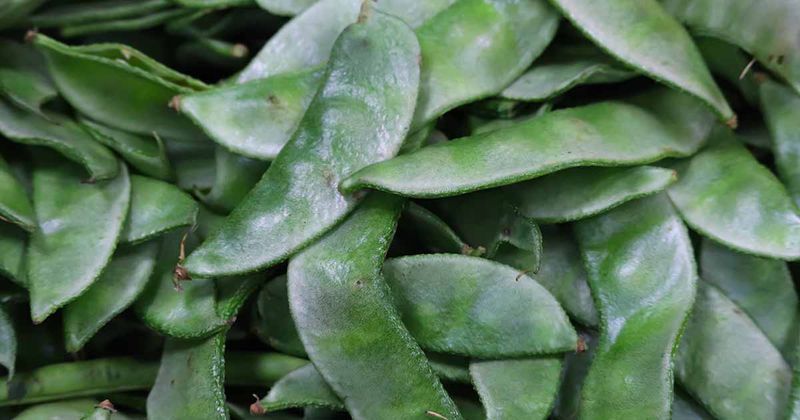
Beans face challenges in Florida’s climate, with humidity leading to disease and poor yields. Opt for lima beans, which are heat-tolerant and produce plump pods. Lima beans thrive where others fail, offering a creamy texture and rich flavor.
Eggplant
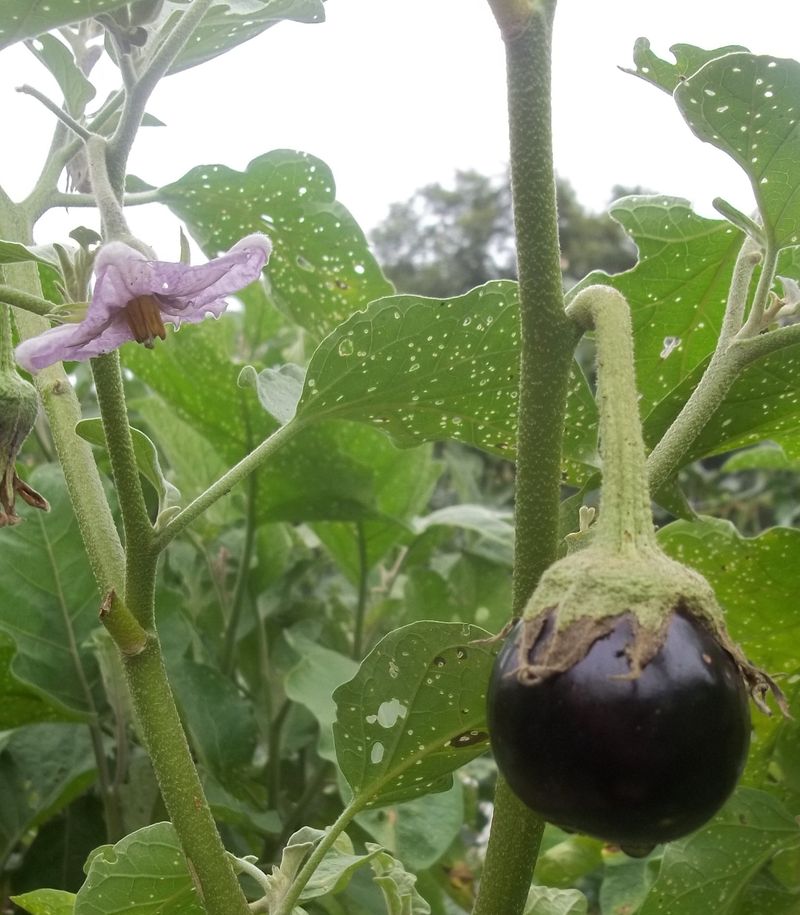
Eggplants struggle with Florida’s humid conditions, often falling prey to pests and diseases. Grow peppers instead, which thrive in heat and humidity and yield bountiful crops. Peppers come in various colors and heat levels, adding spice to your garden and plate.