
Michigan’s cold winters can be harsh, but certain perennials thrive in these conditions, returning year after year with more vigor. These resilient plants are perfect for gardeners looking to maintain a vibrant garden despite the chilly climate.
Coneflower (Echinacea)
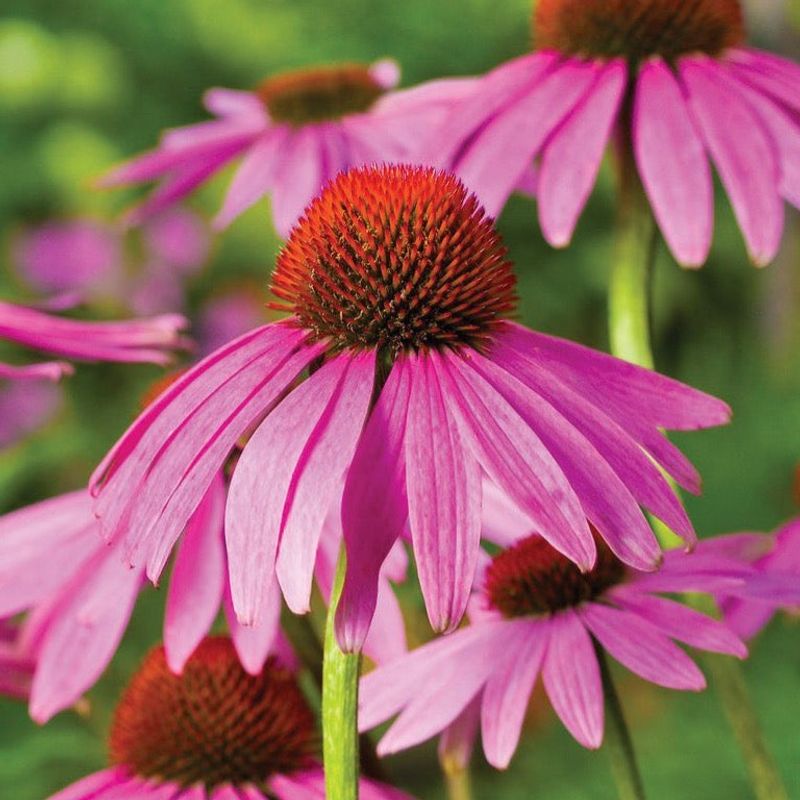
The coneflower stands tall and proud, its vibrant purple petals a stark contrast against the white of winter snow. Known for its hardiness, the coneflower doesn’t just survive Michigan’s cold winters—it thrives.
This perennial is a favorite among both novice and seasoned gardeners, thanks to its low maintenance nature and stunning appearance. Its resilience is matched only by its beauty, bringing a splash of color to gardens each summer.
Moreover, the coneflower attracts pollinators, aiding in the health of your garden. Its medicinal properties are an added bonus.
Black-eyed Susan (Rudbeckia)
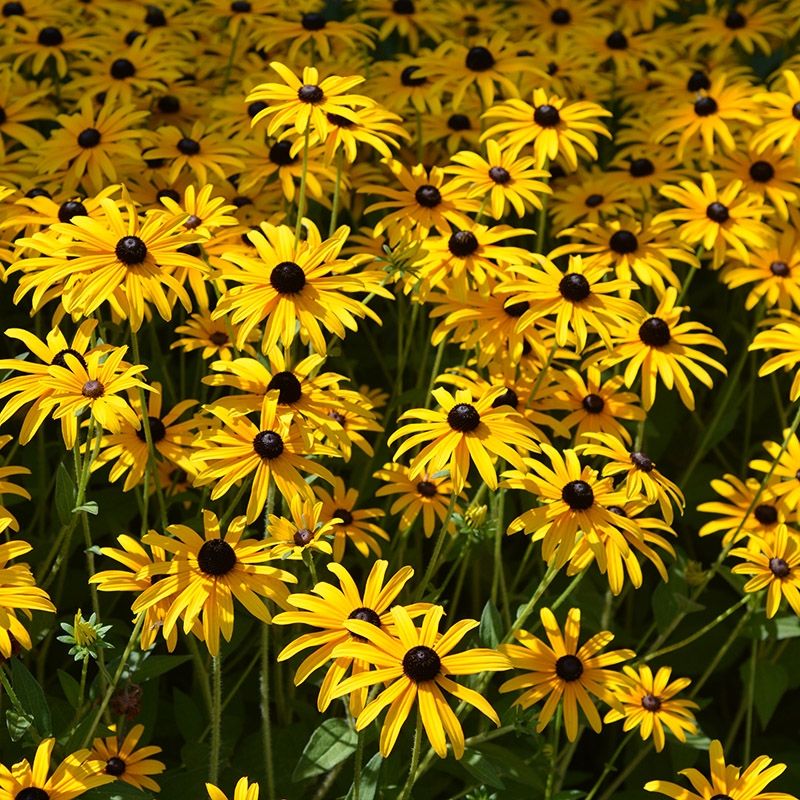
With its sunny yellow petals and dark centers, the black-eyed Susan is a ray of sunshine in any garden. This perennial effortlessly withstands the biting cold of Michigan winters, returning each year more vibrant than before.
Black-eyed Susans are not just visually appealing; they are also incredibly resilient. Their ability to adapt to various soil types makes them a versatile choice for many gardeners.
Furthermore, they serve as an excellent pollinator attractor, bringing bees and butterflies to your garden every summer.
Peony (Paeonia)
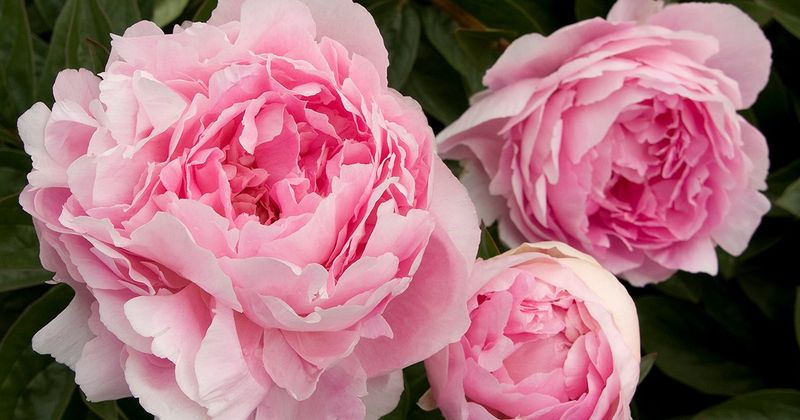
Few flowers can rival the sheer elegance of the peony. Each spring, these lush blooms emerge from the cold, barren ground, a testament to their strength and beauty.
Peonies are a gardener’s delight, with their fragrant blossoms and vibrant colors. They require minimal care, yet reward with a stunning display each year.
Peonies have a rich history, once revered by ancient cultures for their beauty and medicinal uses. Today, they continue to enchant gardeners and florists alike.
Daylily (Hemerocallis)
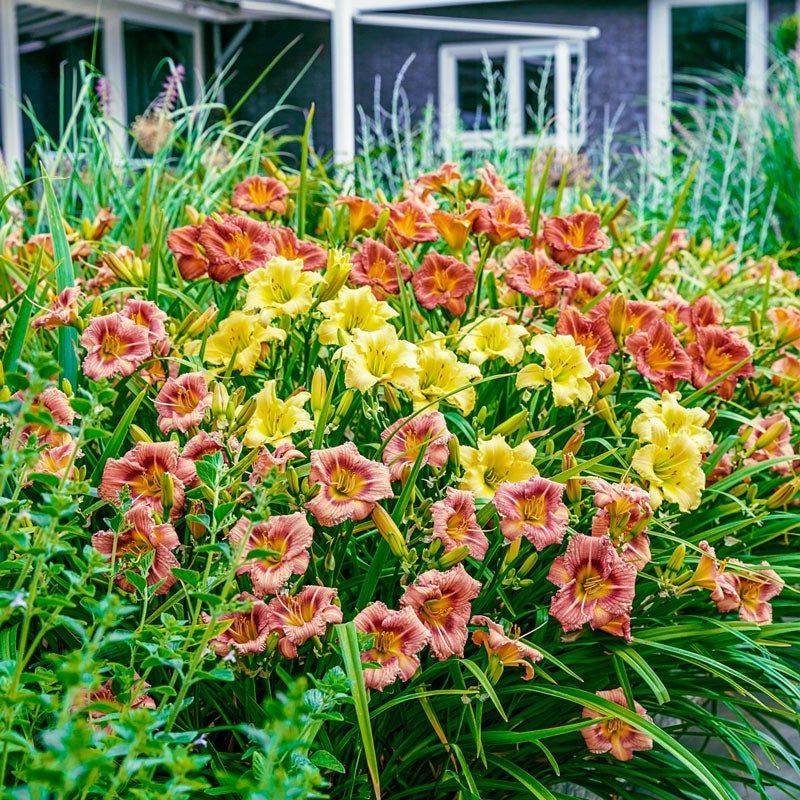
Daylilies are the epitome of resilience. These perennials flourish in Michigan’s harsh winters, emerging each spring with renewed vigor. Their bright, trumpet-shaped flowers bring joy and color to gardens.
Known for their exceptional adaptability, daylilies thrive in several environments, making them a favorite among gardeners. Their ability to survive in poor soil conditions further enhances their appeal.
Beyond their beauty, daylilies are often used in culinary dishes, adding a touch of flavor and color.
Hosta
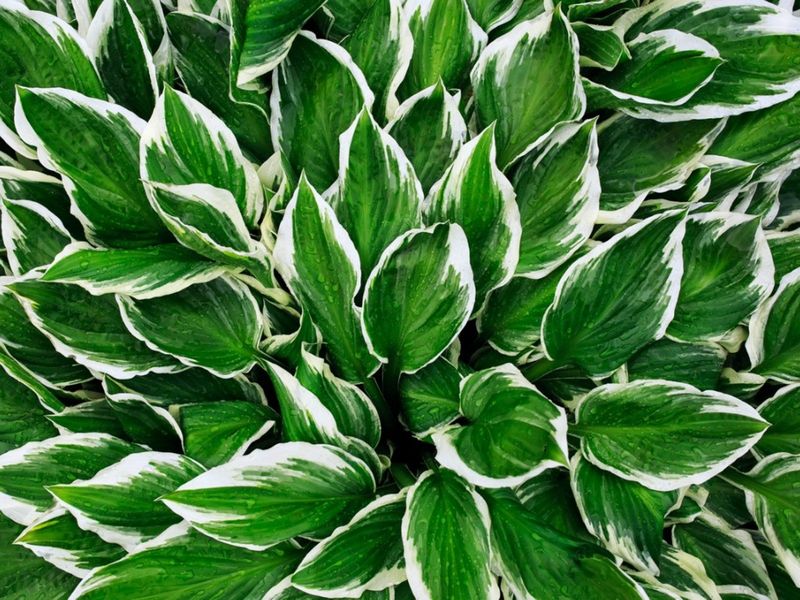
Hostas, with their lush, broad leaves, are a staple in many Michigan gardens. Despite the icy grip of winter, they return each year, more robust and stunning.
Their foliage offers a rich variety of textures and colors, from deep greens to variegated patterns. Hostas are ideal for shaded areas, making them versatile and easy to grow.
These plants are not just ornamental; they provide excellent ground cover, helping to prevent soil erosion and maintain garden health.
Sedum (Stonecrop)
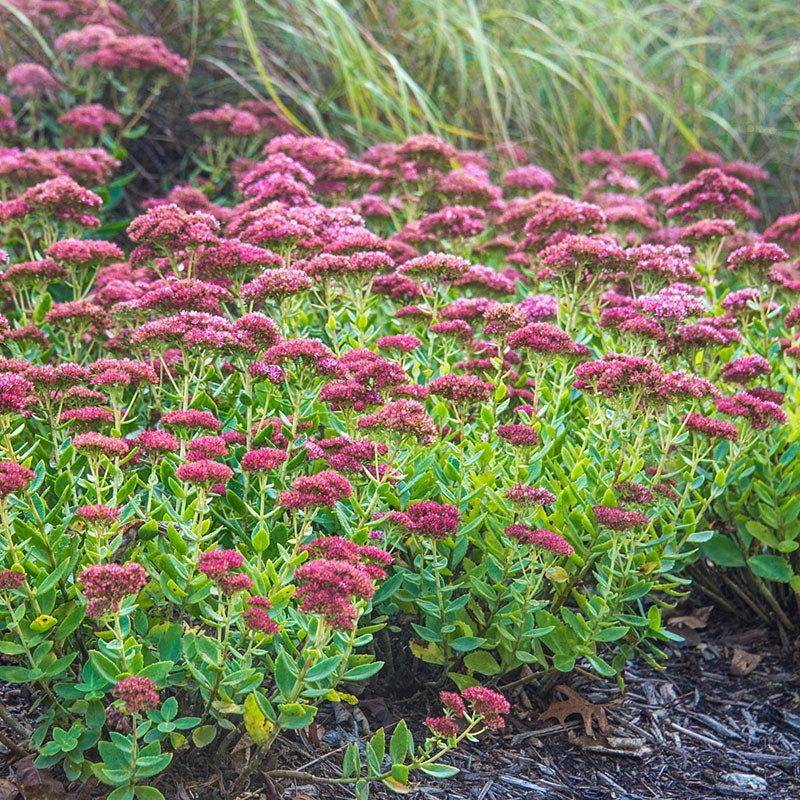
Sedum, also known as stonecrop, is a testament to nature’s ability to endure. Its succulent leaves are designed to withstand harsh winters, making it a perfect choice for Michigan gardens.
Sedum’s unique appearance adds texture and interest to any garden. Available in various shapes and colors, it offers endless possibilities for creative garden designs.
In addition to its aesthetic appeal, sedum is incredibly low maintenance, requiring minimal water and care.
Bee Balm (Monarda)
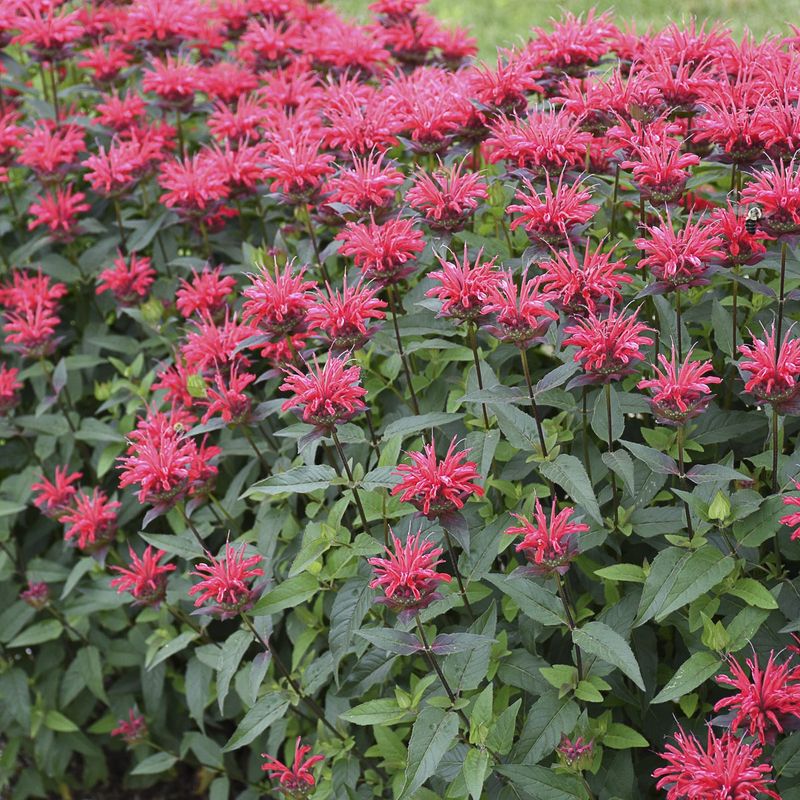
Bee balm, with its striking red blooms, is a favorite among pollinators and gardeners alike. Its ability to withstand Michigan’s cold winters ensures it returns each year more splendid than before.
This perennial is known for its vibrant flowers and aromatic foliage. It’s not only beautiful but also beneficial, attracting bees, butterflies, and hummingbirds.
Bee balm has historical significance, used by Native Americans for its medicinal properties and as a tea flavoring.
Lupine (Lupinus)
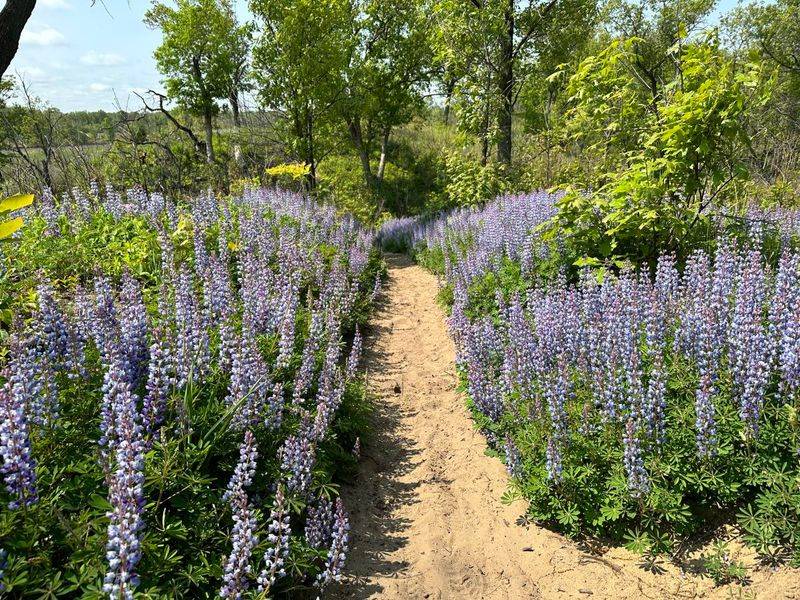
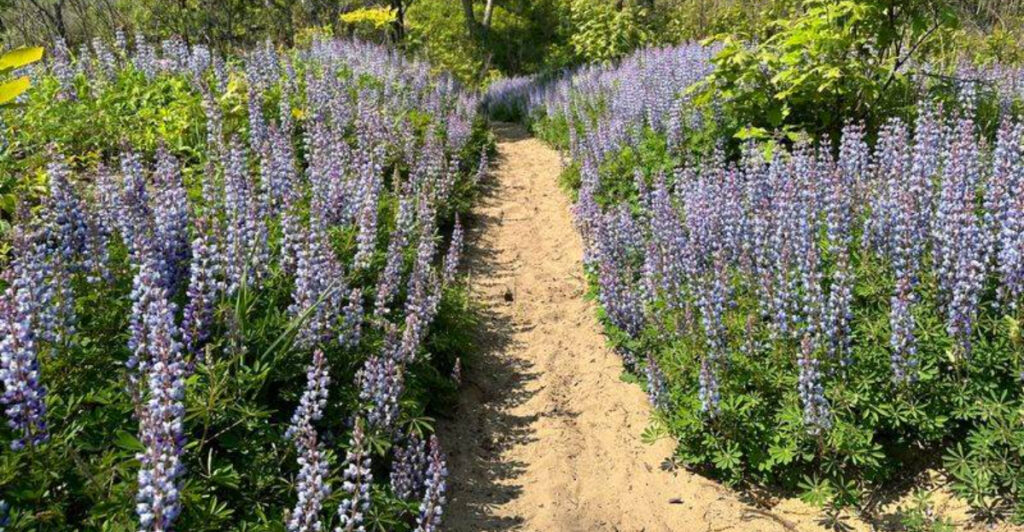
Lupines bring a touch of whimsy to any garden with their tall, spiky blooms. Despite Michigan’s cold winters, they stand tall and proud, returning each spring with renewed vigor.
Their vibrant colors and unique shapes create a stunning visual display. Lupines are easy to grow, thriving in various soil types and conditions.
Fun fact: Lupines were used in ancient times for healing purposes and are still appreciated today for their nitrogen-fixing properties, enhancing soil fertility.
Coral Bells (Heuchera)
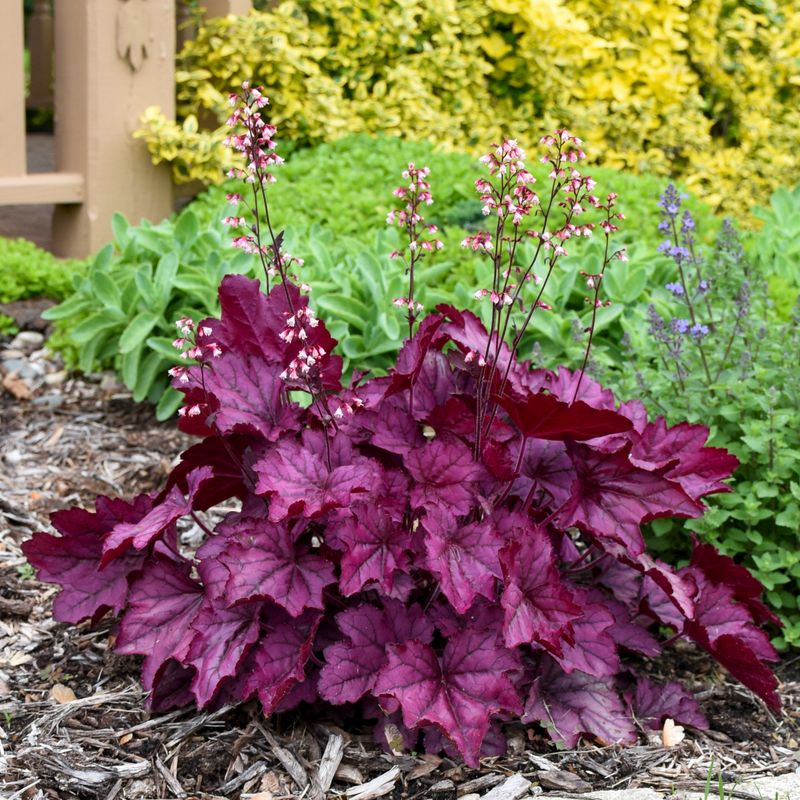
Coral bells, with their colorful foliage, add year-round interest to any garden. They are remarkably hardy, surviving Michigan’s cold winters with ease.
These perennials are available in a range of colors, from deep purples to bright greens, offering endless design possibilities. Their delicate flowers attract pollinators, bringing life to gardens each season.
Coral bells are not only beautiful but also versatile, thriving in both sun and shade, making them a favorite among gardeners.
Russian Sage (Perovskia atriplicifolia)
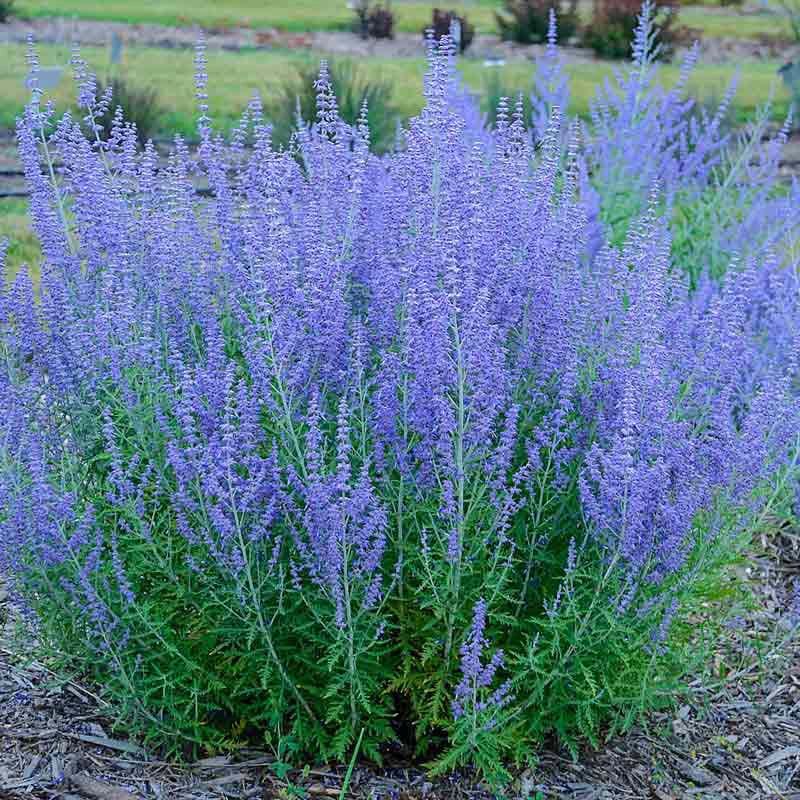
Russian sage is a gardener’s dream, with its fragrant, lavender-like blooms and silvery foliage. Despite the harsh Michigan winters, it returns each year, more resilient than ever.
This perennial is not only visually striking but also incredibly easy to care for. Its drought-tolerant nature makes it an ideal choice for low-maintenance gardens.
Russian sage’s aromatic foliage adds a sensory element to gardens, delighting both humans and pollinators alike.
Yarrow (Achillea)
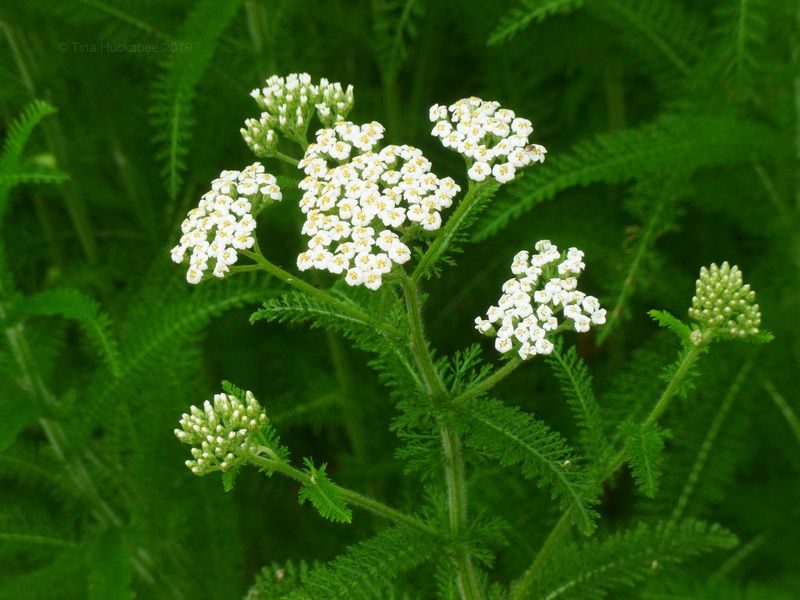
Yarrow is known for its feathery foliage and clusters of bright blooms. This hardy perennial thrives in Michigan’s cold climate, returning each year with more vigor.
Its medicinal properties are well-documented, with yarrow used historically for its healing abilities. Today, it remains a favorite for its beauty and resilience.
Yarrow’s drought-tolerant nature makes it an excellent choice for low-maintenance gardens, adding both texture and color.
Astilbe
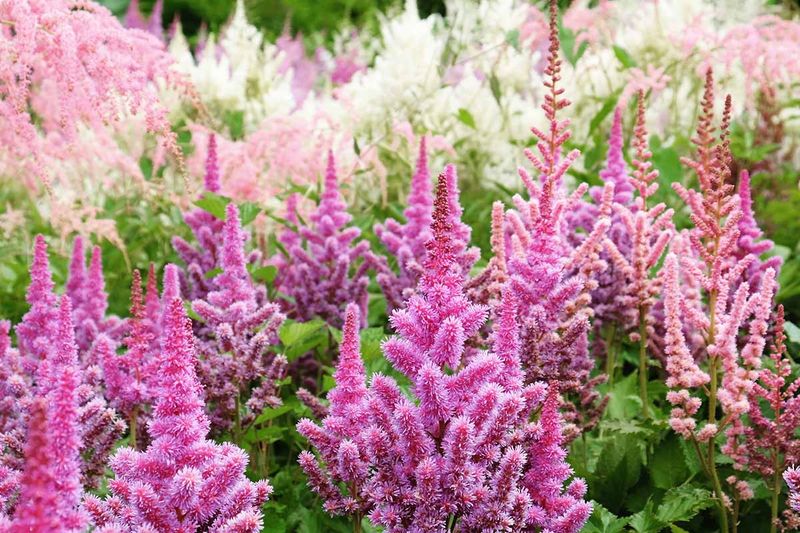
Astilbe’s feathery plumes and lush foliage make it a standout in any garden. Despite the cold Michigan winters, this perennial returns each year, more dazzling than before.
Astilbe thrives in shaded areas, offering a splash of color where other plants may struggle. Its ability to adapt to various conditions makes it a versatile choice for gardeners.
This plant not only enhances garden aesthetics but also attracts butterflies, adding life and movement to your landscape.
Bleeding Heart (Dicentra)
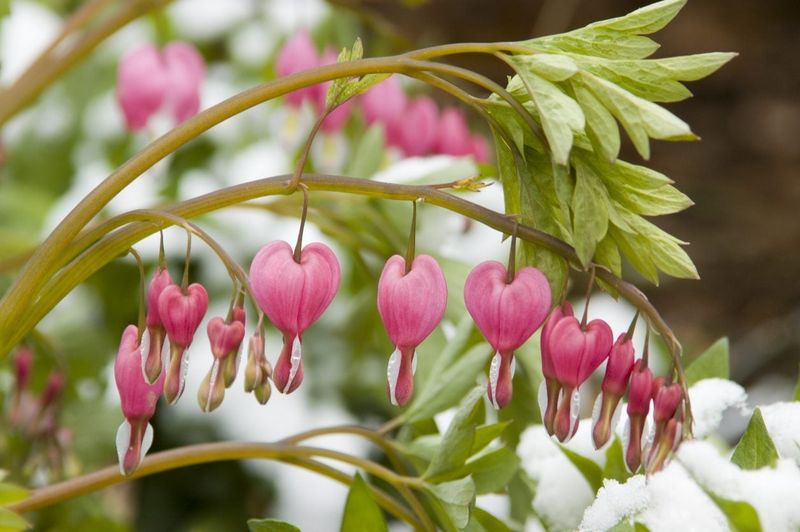
Bleeding hearts are a symbol of beauty and resilience. Their heart-shaped flowers dangle gracefully, returning each spring despite Michigan’s harsh winters.
These perennials thrive in shaded areas, offering a unique charm to gardens. Their delicate appearance belies their hardiness, making them a favorite among gardeners.
Fun fact: Bleeding hearts have a rich history in folklore, symbolizing love and compassion across cultures.
Lady’s Mantle (Alchemilla)
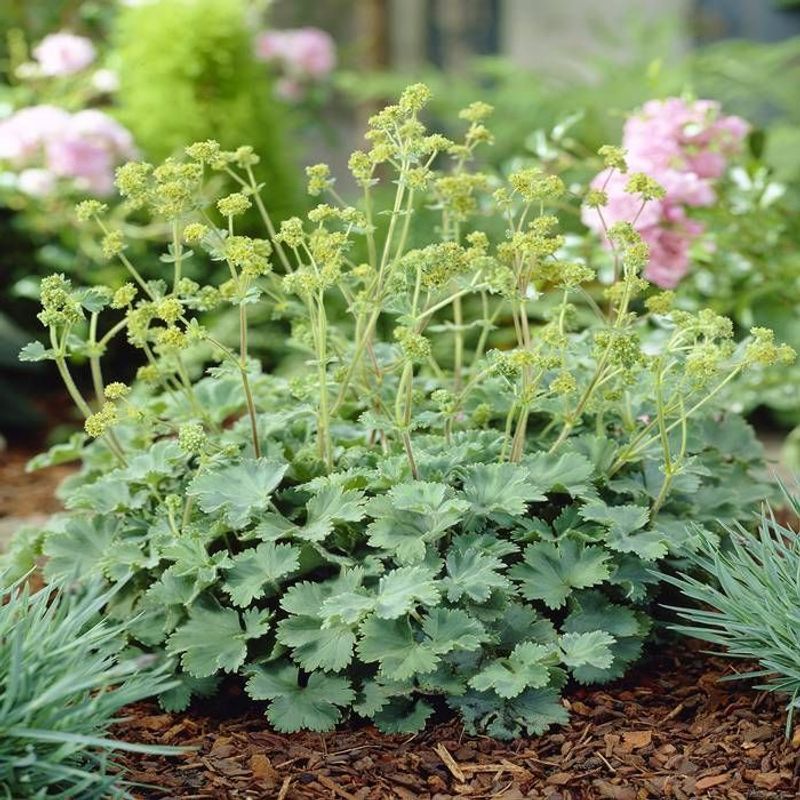
Lady’s mantle is a gardener’s delight, with its soft, scalloped leaves and delicate yellow flowers. Despite the cold, it returns each year, adding charm to Michigan gardens.
This perennial is known for its ability to thrive in shaded areas, making it ideal for locations where other plants may falter. Its low maintenance nature is an added bonus for busy gardeners.
Historically, lady’s mantle was used for its medicinal properties, and its unique appearance continues to captivate today.
Foxglove (Digitalis)
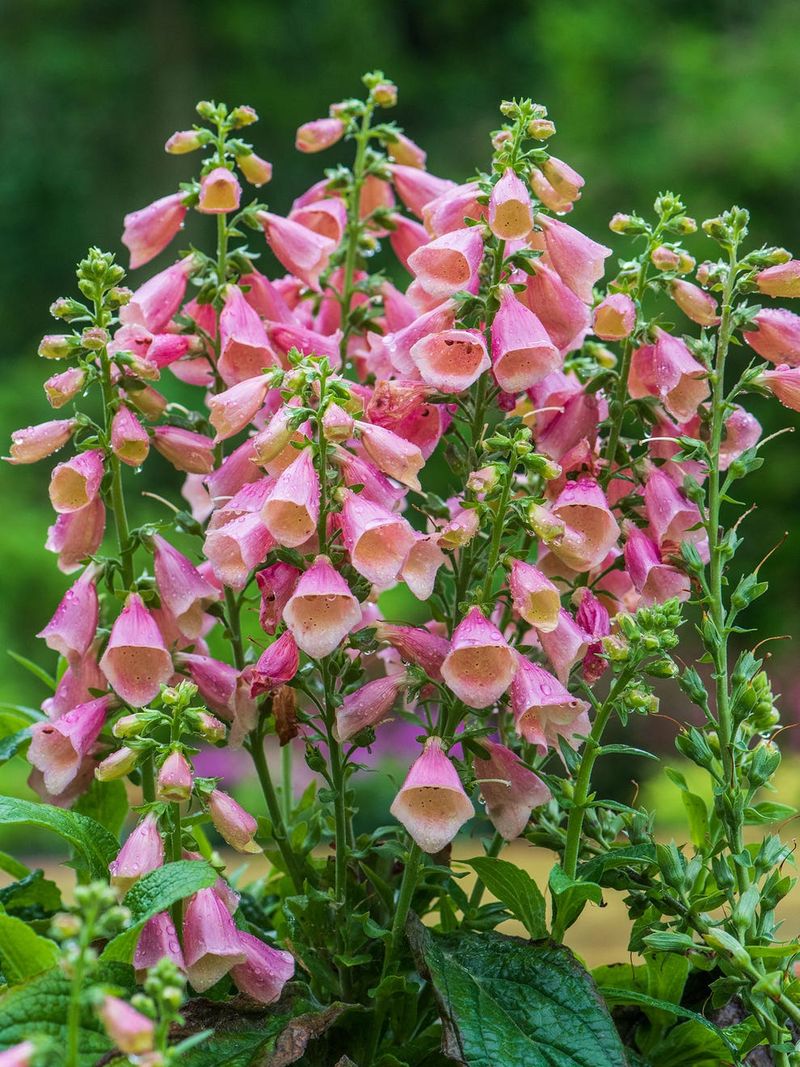
Foxgloves, with their towering spikes and bell-shaped blooms, are a sight to behold. These perennials bravely return each year, undeterred by Michigan’s cold winters.
Their vibrant flowers attract pollinators, bringing life to gardens each summer. Foxgloves are easy to grow, requiring minimal care yet offering maximum impact.
Despite their beauty, caution is advised: Foxgloves are toxic if ingested, so plant them with care, especially around children and pets.
Hellebore (Helleborus)
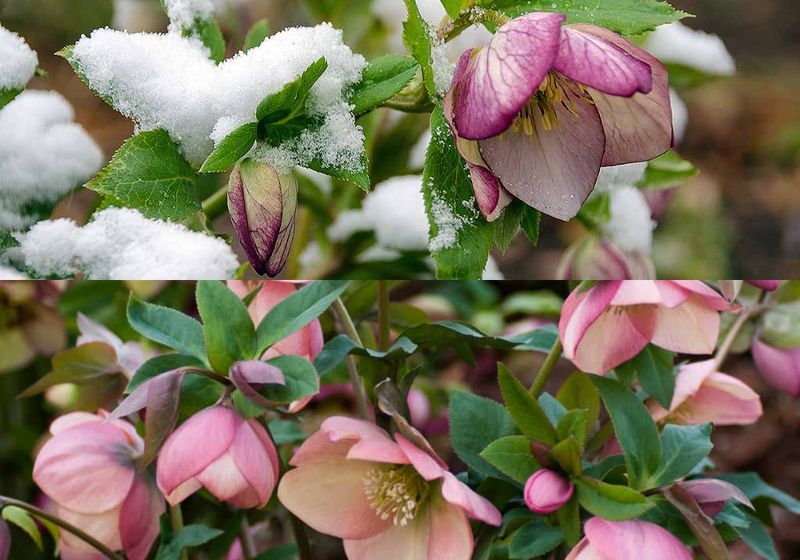
Hellebores, often called Lenten roses, are among the first to bloom in early spring, defying the harshness of Michigan winters. Their resilience is matched by their delicate beauty.
These perennials are available in a variety of colors, from whites to deep purples, adding early-season interest to gardens. Hellebores thrive in shaded areas, making them versatile and easy to grow.
Fun fact: Hellebores have a rich history in folklore, once thought to ward off evil spirits.
Brunnera
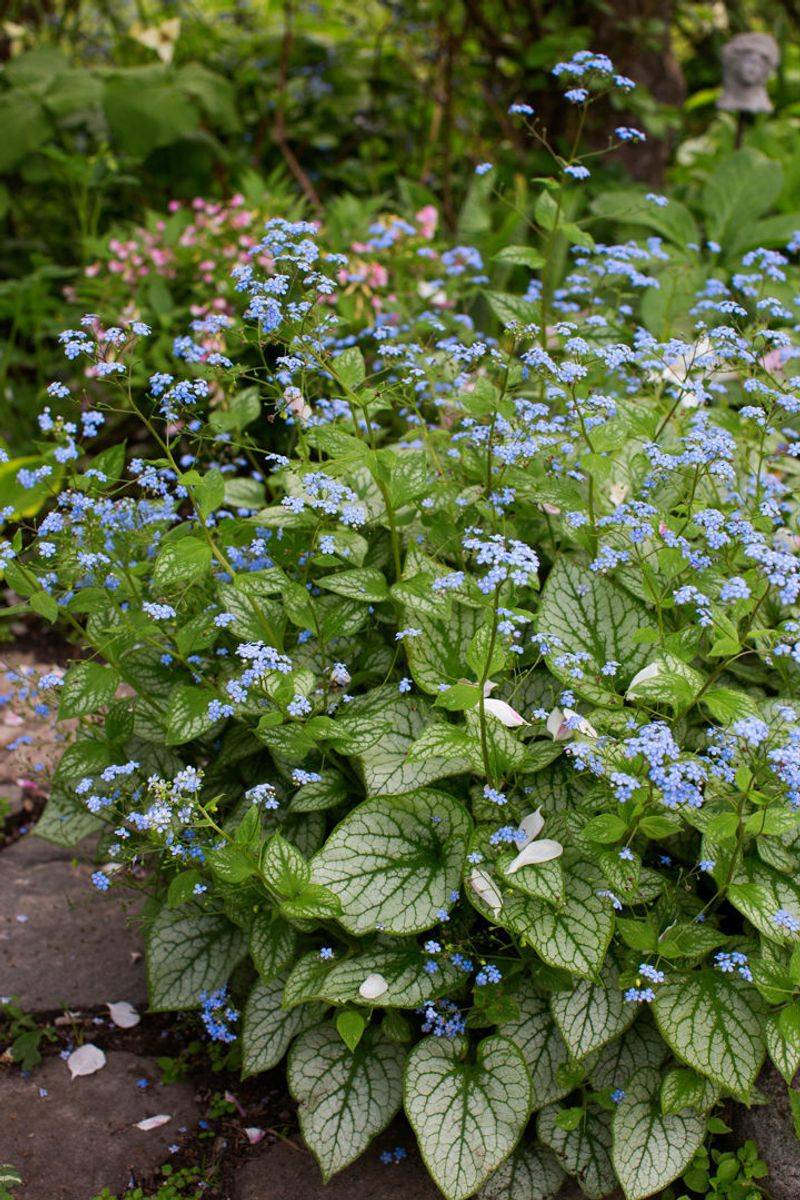
Brunnera, with its heart-shaped leaves and delicate blue flowers, is a gem in any garden. Despite the cold Michigan winters, it returns each spring, more vibrant than before.
This perennial thrives in shaded areas, offering a splash of color where others may not. Its low maintenance nature makes it a favorite among busy gardeners.
Brunnera’s unique appearance and resilience make it a standout, adding both texture and color to landscapes.
Phlox
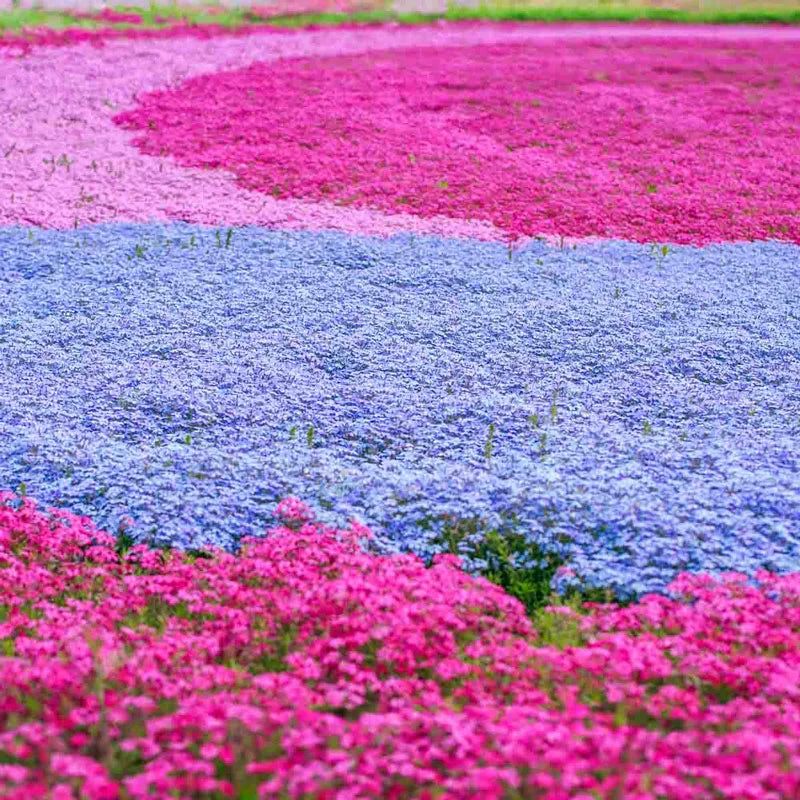
Phlox, with its vibrant blooms, is a gardener’s delight. Despite the harsh Michigan winters, it returns each year, more colorful than ever.
This perennial is known for its ability to cover ground quickly, providing lush carpets of color. Its fragrant flowers attract pollinators, adding life to gardens each season.
Phlox is easy to grow, thriving in various conditions and offering endless possibilities for creative garden designs.
Liatris (Blazing Star)
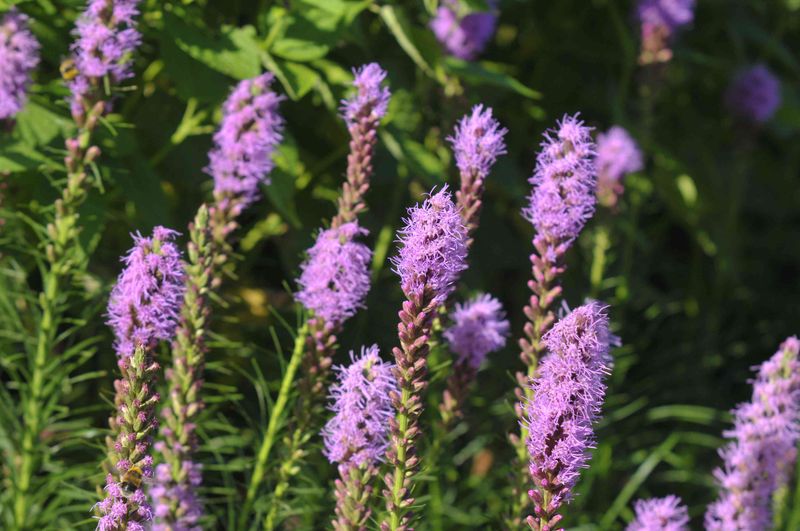
Liatris, also known as blazing star, adds a touch of drama to any garden with its tall, spiky blooms. This perennial defies Michigan’s cold winters, returning each year with vigor.
Its vibrant purple flowers attract pollinators, making it a favorite among gardeners. Liatris is easy to grow, thriving in a variety of conditions.
Fun fact: Liatris has been used in traditional medicine for its anti-inflammatory properties, adding to its appeal beyond just aesthetics.
Japanese Anemone
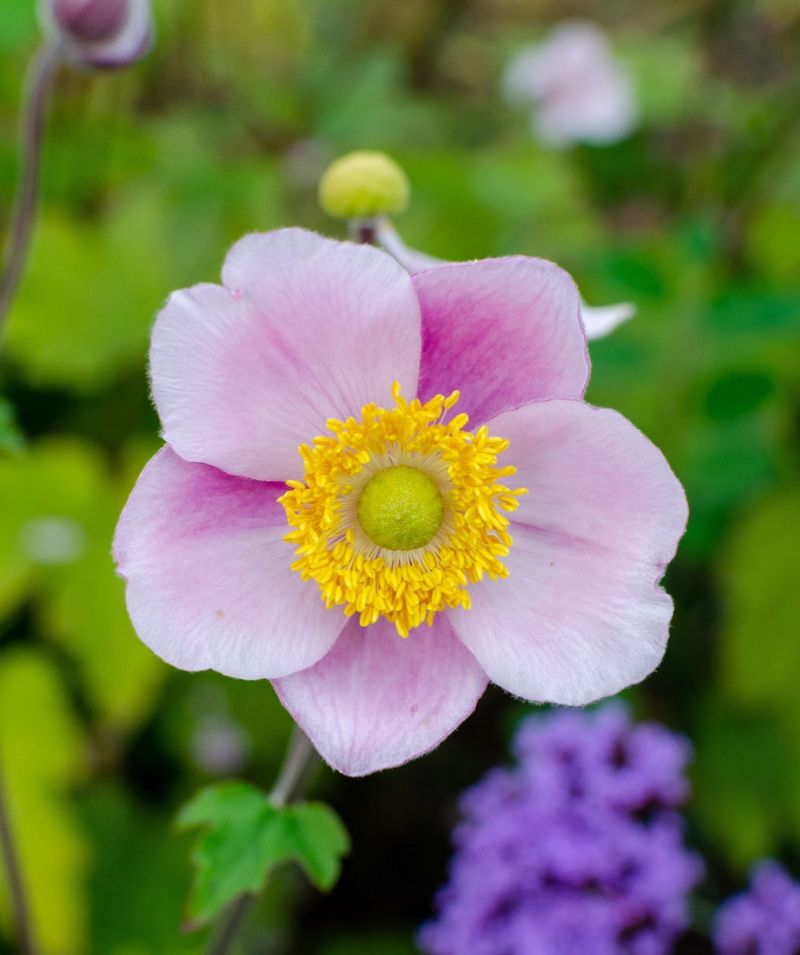
Japanese anemones, with their delicate pink blooms, add elegance to any garden. Despite the brutal Michigan winters, they return each year, more graceful than before.
These perennials are ideal for late-season color, thriving in both sun and shade. Their ability to adapt to various conditions makes them a versatile choice for gardeners.
Japanese anemones have a storied history, once revered in traditional medicine for their healing properties.