
Discover the surprising ease with which you can cultivate a variety of fruits in the famously dense and stubborn red clay soil of Georgia. Whether you’re a seasoned gardener or just starting out, these easy-to-grow fruits will thrive in your backyard, offering a bounty of flavors and nutrients.
Blueberries
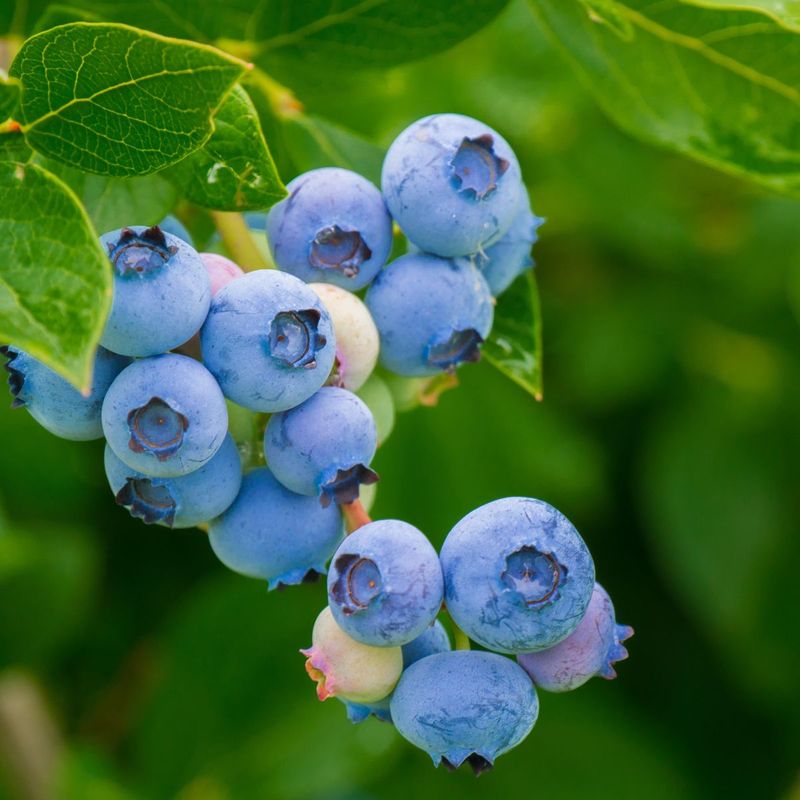
Imagine the burst of a ripe blueberry as you stroll through your garden. Blueberries not only offer a sweet addition to your diet but are remarkably suited for Georgia’s red clay. They thrive in the acidic conditions, making them a garden favorite.
A few bushes can transform your garden and provide a steady supply of these delicious berries. Their resilience and ability to produce fruit year after year make them an exceptional choice for both novice and experienced gardeners.
Did you know? Georgia is a top producer of blueberries, often considered a superfood due to their high antioxidant content.
Strawberries
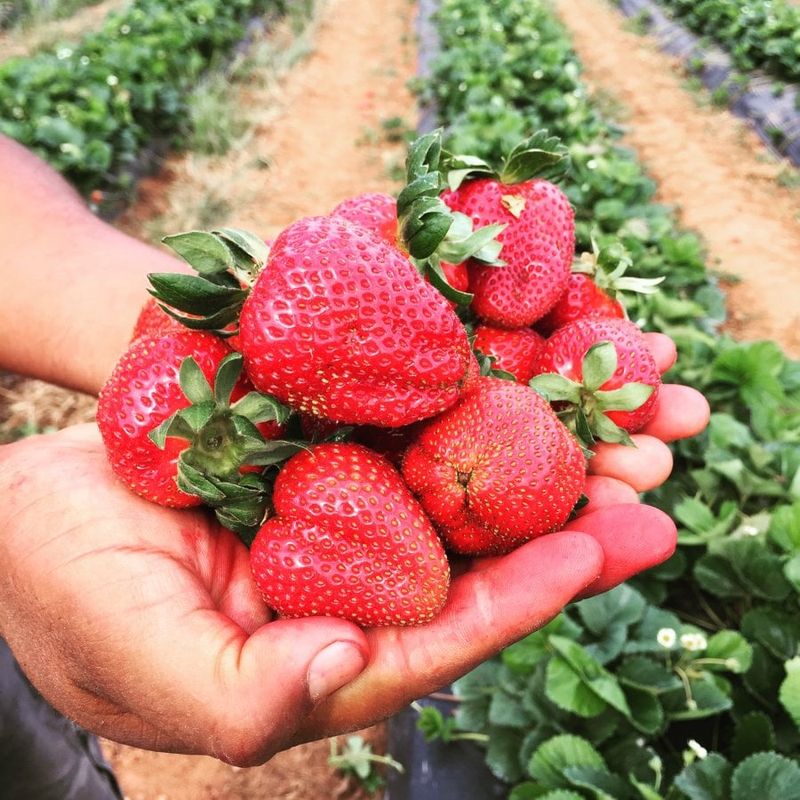
Picture a bowl of freshly picked strawberries, their sweet aroma filling the air. In Georgia, strawberries flourish with minimal care. The red clay provides excellent drainage, crucial for these fruits.
With the right amount of sunlight, your strawberry plants will reward you with lush, juicy berries that are perfect for snacks or desserts. Their fast-growing nature means you could enjoy your first harvest within months.
Fun Fact: Strawberries are one of the first fruits to ripen in the spring, symbolizing renewal and the coming of warmer days.
Peaches
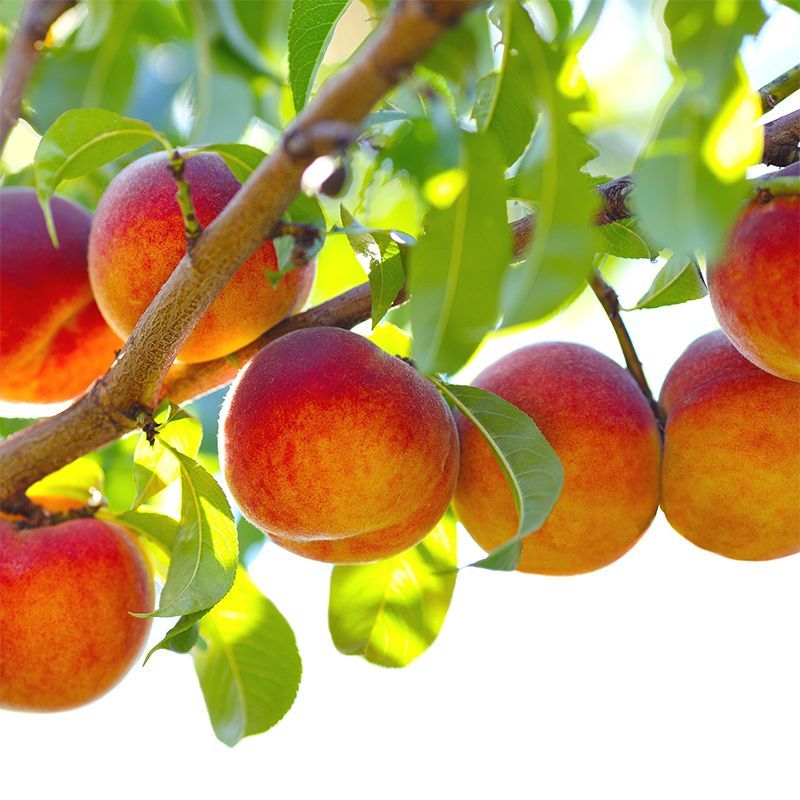
The peach, a symbol of Georgia, grows surprisingly well in its native red clay soil. With their juicy, flavorful flesh, peaches are more than just a state icon; they’re a gardener’s delight.
These trees require well-drained soil to prevent root rot, making Georgia’s red clay an ideal growing medium. With proper care, a single tree can produce a bountiful harvest.
Quirky Fact: Georgia is often called ‘The Peach State,’ but did you know? South Carolina actually produces more peaches annually!
Figs
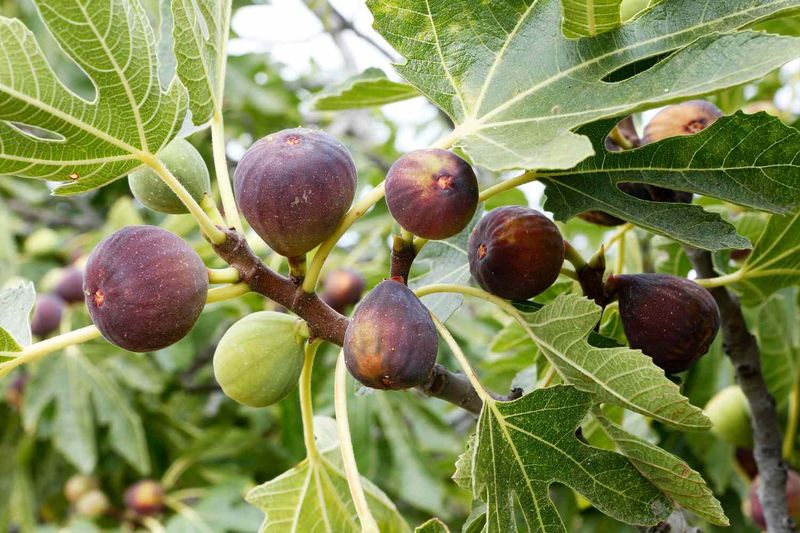
Figs, with their sweet and honey-like flavor, are surprisingly adaptable to the red clay of Georgia. These fruits can tolerate the region’s summer heat and continue to prosper with minimal watering.
Fig trees are known for their resilience and ease of growth, making them perfect for beginners. With their broad leaves and rich fruits, they add a touch of Mediterranean beauty to your garden.
Historical Tidbit: Figs have been cultivated since ancient times, symbolizing prosperity and peace in various cultures.
Apples
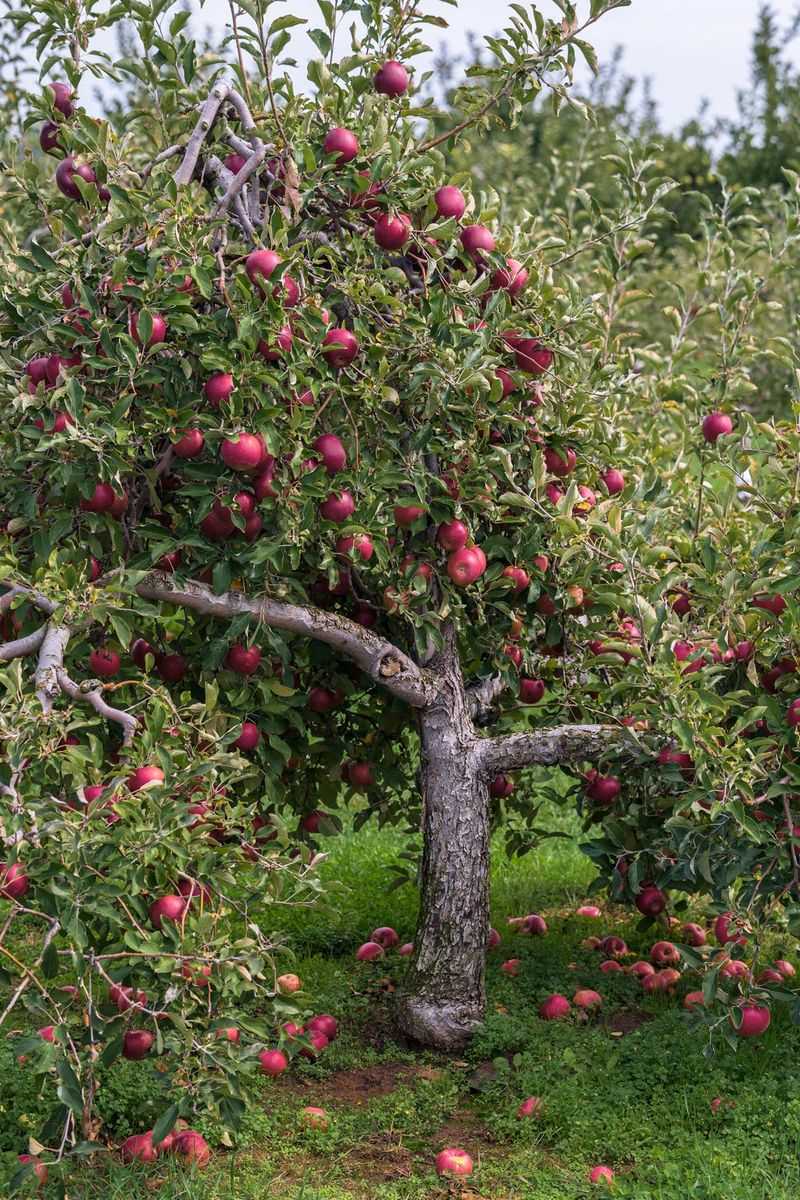
Envision biting into a crisp apple, grown right in your backyard. Apple trees are well-suited for Georgia’s climate and soil, providing both beauty and bounty.
These trees require a bit of care in their formative years but will reward you with delicious fruits for decades. The red clay offers a stable environment for their roots, ensuring robust growth.
Fun Fact: Apples are a member of the rose family, which includes other fruits like pears and peaches.
Pears
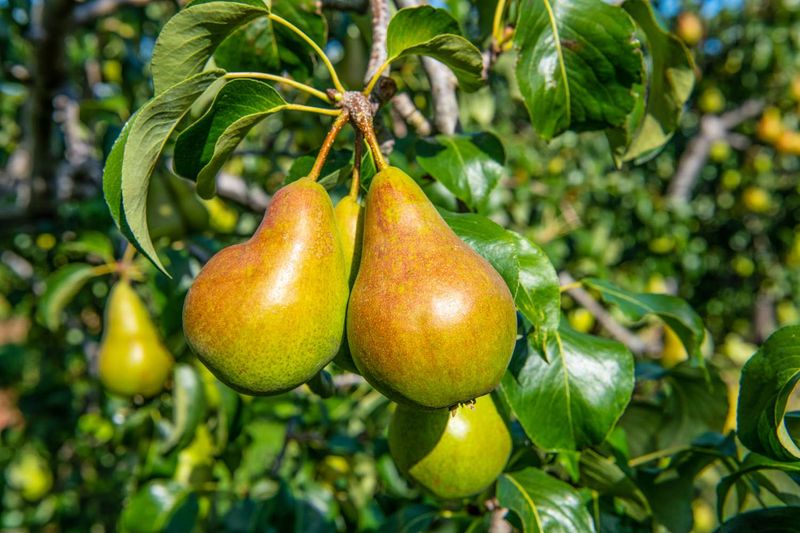
Imagine the delicate sweetness of a ripe pear. Pear trees adapt well to Georgia’s challenging red clay, offering a reliable source of fruit.
Their charming blossoms herald the arrival of spring, and their fruit matures in late summer, providing a fresh, juicy treat. With simple pruning and care, your pear tree can thrive for years.
Did You Know? Pears were called “gift of the gods” by the ancient Greeks, valued for their unique taste and texture.
Blackberries
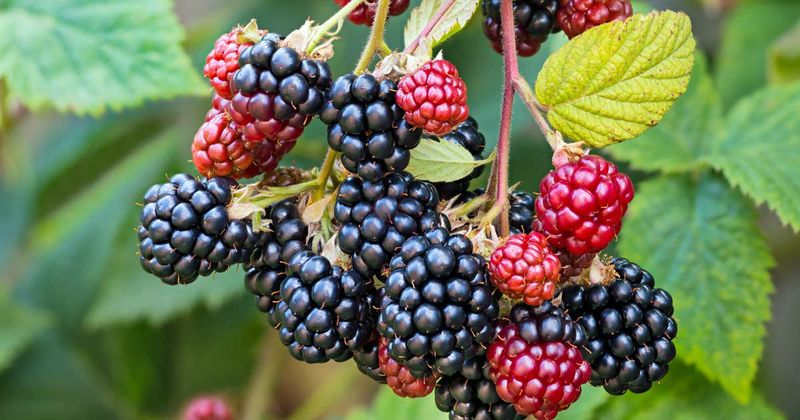
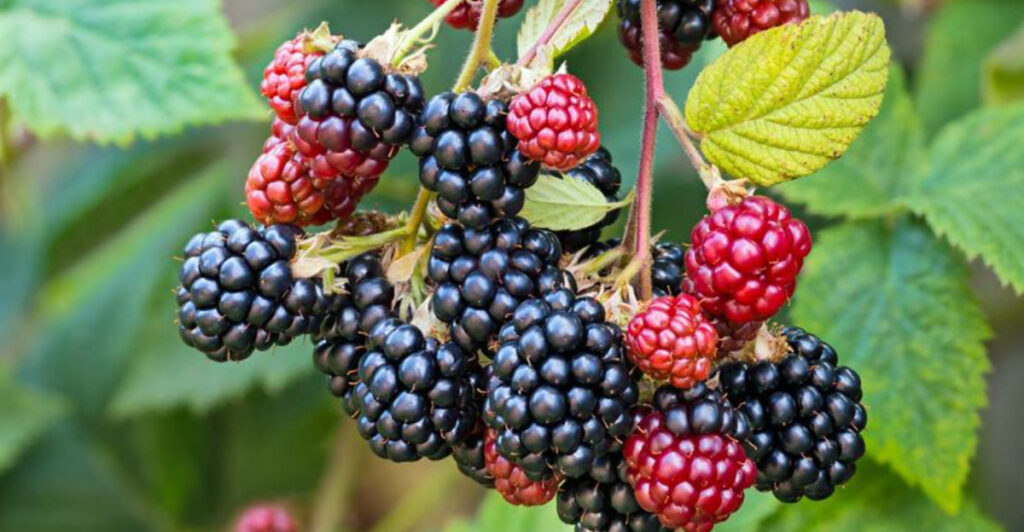
Consider the allure of wild blackberries, now easily cultivated in your backyard. Blackberries are a hardy fruit, thriving even in Georgia’s red clay.
Their vigorous growth and minimal care requirements make them ideal for gardeners seeking a fuss-free fruit option. Plus, their delicious berries are perfect for jams, desserts, or fresh eating.
Fun Fact: Blackberries have historically been used for medicinal purposes, believed to aid in digestive health.
Grapes
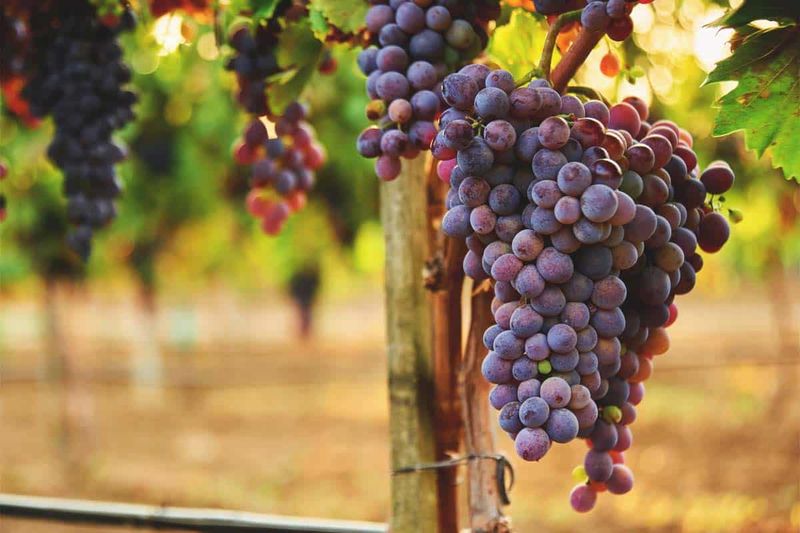
Envision a glass of homemade wine or a fresh grape snack. Grapes flourish in Georgia’s climate and soil, with the red clay providing excellent drainage.
Grapevines add elegance to any garden, and with proper trellising, they can produce abundant clusters of sweet grapes. Their versatility in uses, from table grapes to wine production, makes them a valuable addition.
Historical Note: Georgia (country) is one of the oldest wine-producing regions, with traditions dating back over 8,000 years.
Pomegranates
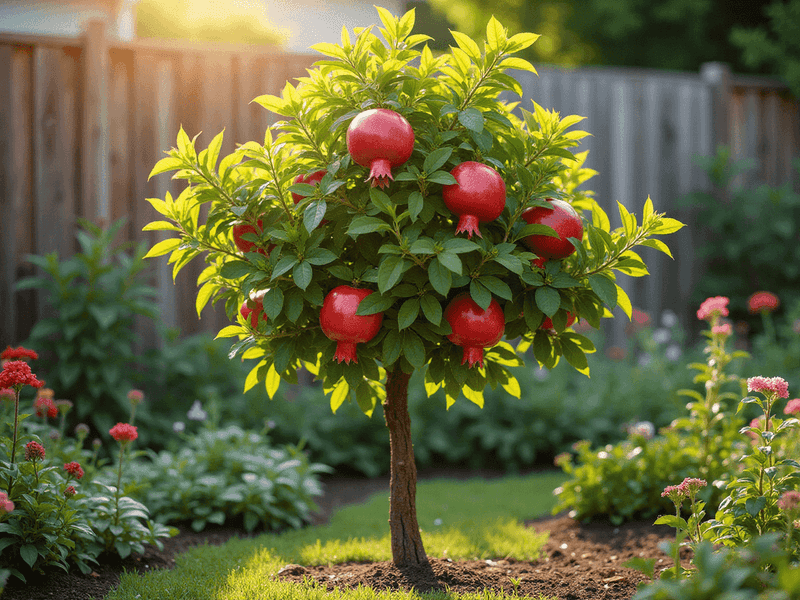
With their jewel-like seeds, pomegranates add exotic flair to Georgia gardens. Surprisingly, they adapt well to the red clay and climate.
Pomegranates are known for their drought tolerance and long lifespan, making them a sustainable choice. Their vibrant flowers and unique fruits create a visually appealing and bountiful garden centerpiece.
Did You Know? Pomegranates were revered in ancient times, often seen as symbols of fertility and prosperity.
Plums
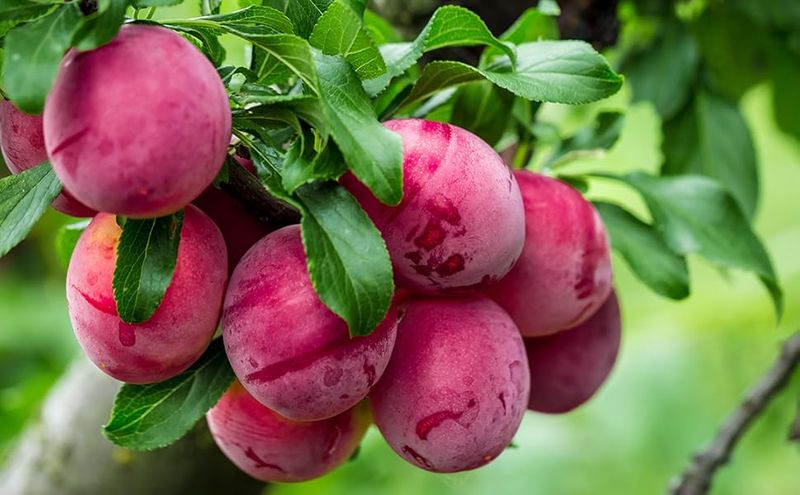
Plums, with their tart and sweet flavor, are surprisingly easy to grow in Georgia’s red clay. They require little more than annual pruning and occasional watering.
These trees are not only productive but also offer beautiful spring blossoms. Their adaptability to various soil conditions makes them a go-to for many gardeners.
Fun Fact: Plums are one of the first fruits domesticated by humans, with a history dating back thousands of years.
Cherries
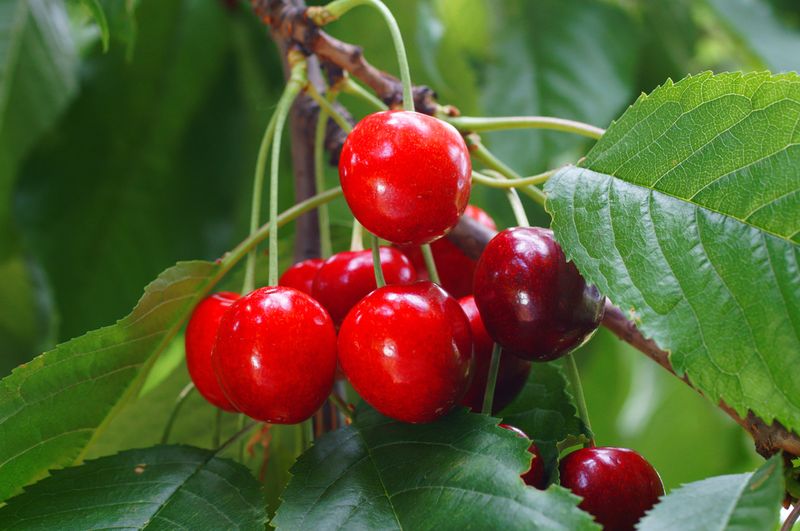
Imagine the joy of picking fresh cherries from your very own tree. Cherries are not only delicious but also well-suited to Georgia’s red clay.
These trees require some patience to establish but will reward you with delightful fruits each season. Their beautiful blossoms and rich cherries make them a favorite among home gardeners.
Quirky Fact: Cherry blossoms have been celebrated in Japan for centuries during Hanami festivals, which honor the transient beauty of flowers.
Persimmons
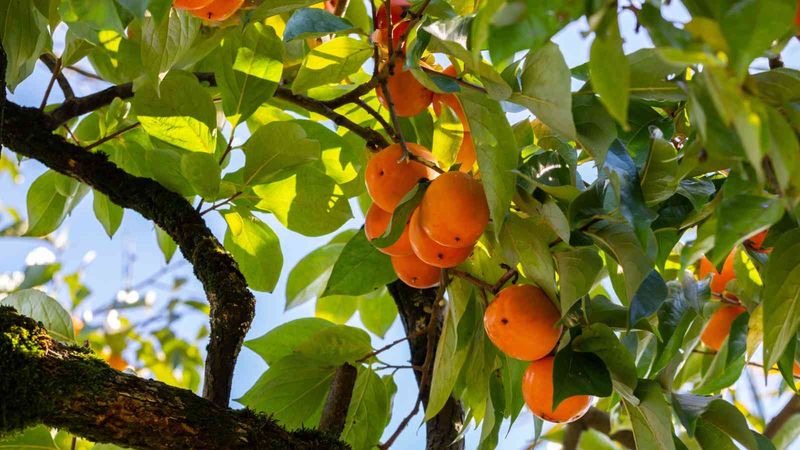
Persimmons, with their sweet, honeyed flavor, thrive in Georgia’s red clay. These trees require minimal care and are incredibly drought-tolerant.
Their autumnal fruits provide not only a treat for the taste buds but also a spectacular display of color. Persimmons are an excellent choice for those looking to add a unique fruit to their garden.
Did You Know? Persimmons are native to China and have been cultivated for thousands of years, often used in traditional medicine.
Citrus (Satsuma Oranges)
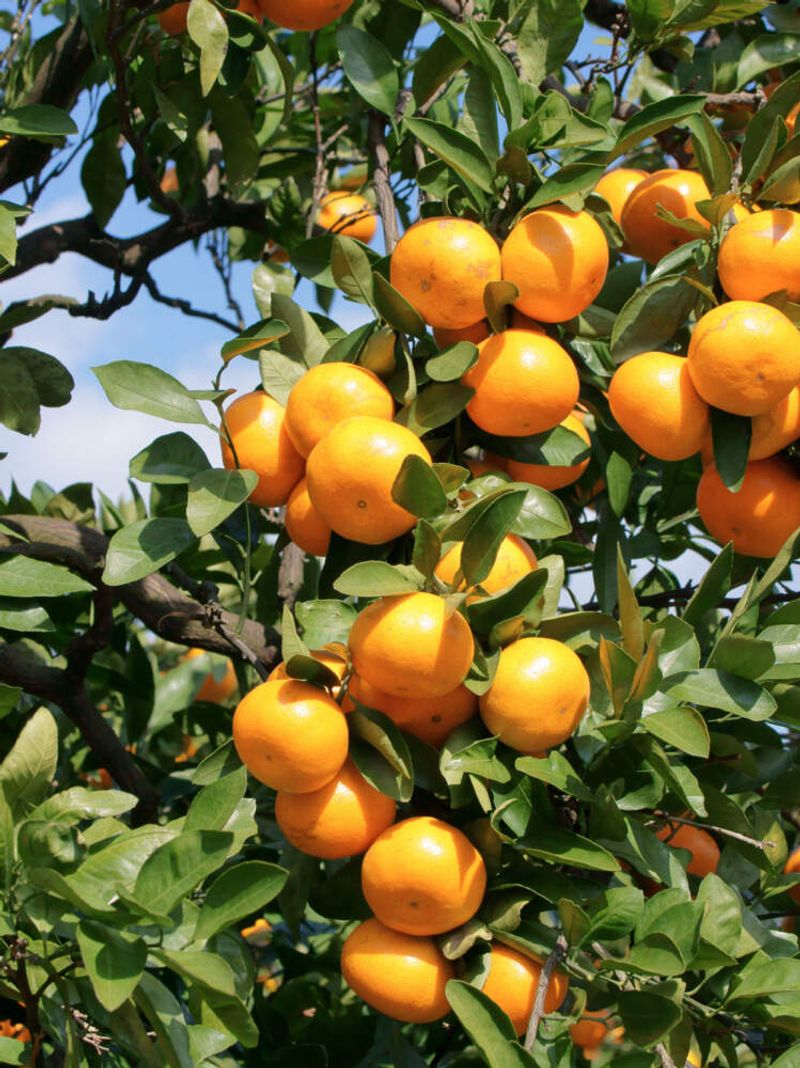
Satsuma oranges, with their easy-to-peel skin and sweet segments, are a delightful addition to Georgia gardens. They are cold-hardy, making them a viable option in the state’s climate.
These citrus trees require well-drained soil, and Georgia’s red clay fits the bill perfectly. With a bit of care during harsh winters, satsumas offer a tasty reward.
Fun Fact: Satsumas are often associated with Christmas stockings in Europe, symbolizing abundance and prosperity.
Mulberries
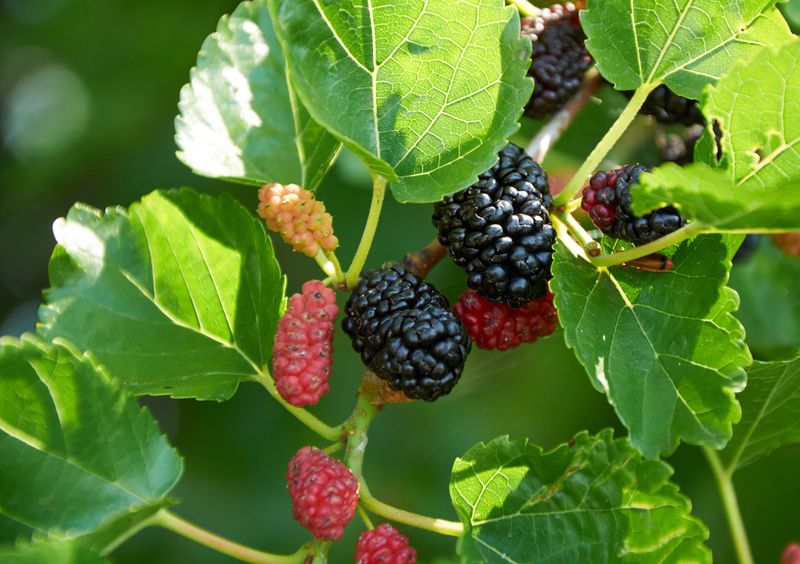
Mulberries offer a sweet and slightly tart taste, thriving in the diverse conditions of Georgia’s red clay. Their fast growth and minimal maintenance make them ideal for eager gardeners.
These trees are not only productive but attract a variety of wildlife, adding an ecological aspect to your garden. Their berries are perfect for pies, jams, and fresh consumption.
Historical Tidbit: Mulberries were once cultivated for silkworms, essential to the silk industry due to the leaves being their primary food source.
Kiwi
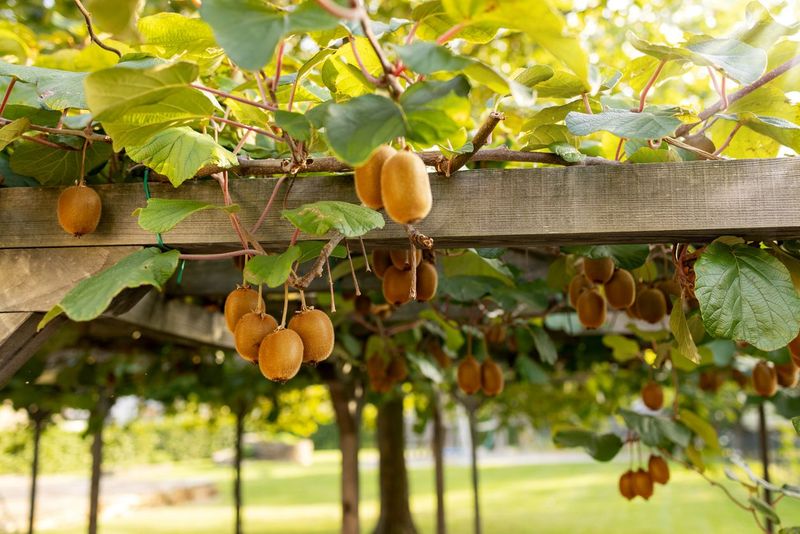
Kiwi, with its unique tartness and bright green flesh, grows surprisingly well in Georgia. These vines enjoy the red clay’s drainage and can be trained to grow on trellises.
With adequate sunlight and support, kiwi plants can produce bountiful harvests, adding a tropical twist to your garden. Their vines also provide excellent shade during hot summers.
Fun Fact: Despite their exotic look, kiwifruits originally hail from China and were known as “Chinese gooseberries.”