
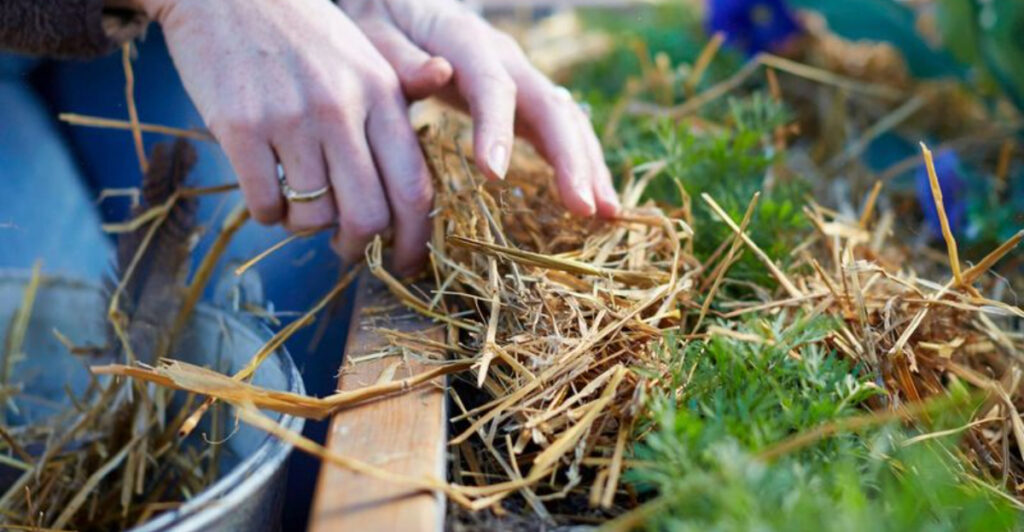
Gardening in Colorado can be a rewarding yet challenging endeavor, especially when dealing with raised beds at high altitudes. The unique climate and soil conditions require specific knowledge and techniques. Here, we’ll explore the top 16 common mistakes that gardeners often make in Colorado, and how to avoid them.
Using Non-Native Soil
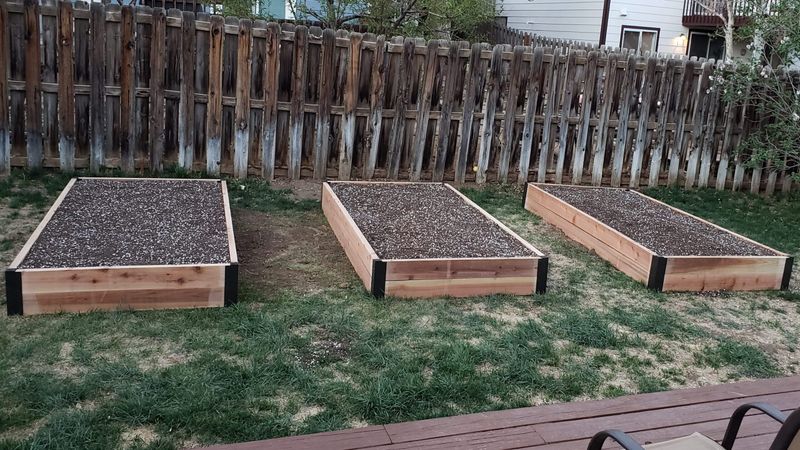
Many gardeners make the mistake of filling their raised beds with non-native soil, thinking it will work just fine. But in Colorado, where the soil can be quite different, this approach often leads to poor plant growth.
Using soil that’s not suited to the local climate can cause nutrient deficiencies, affecting plant health. It’s crucial to use a soil mix that mimics the native soil to some extent, ensuring plants get the nutrients they need.
Consider consulting local gardening experts to find the best soil mix for your area, ensuring your raised beds thrive in Colorado’s unique environment.
Ignoring Altitude Effects
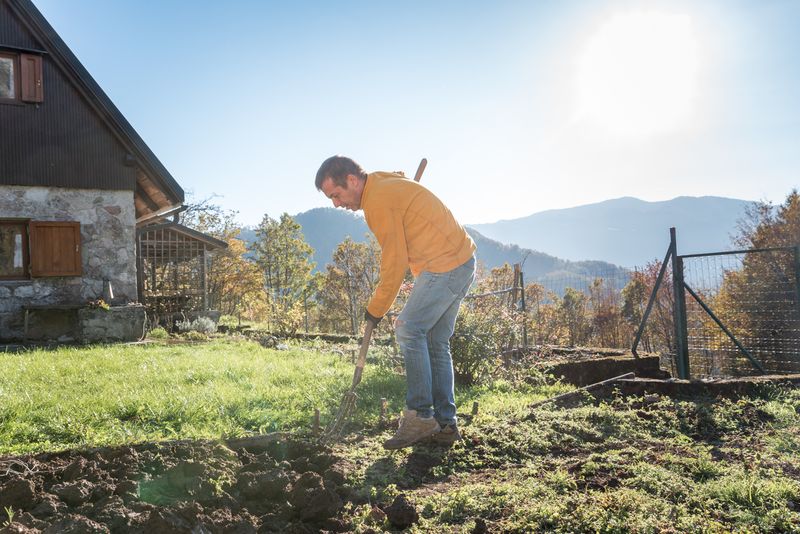
Altitude plays a significant role in gardening success. In Colorado, where elevations vary, the thinner atmosphere can be a challenge for many plants. Gardeners overlook this factor at their peril.
At higher altitudes, plants may face increased UV radiation and lower temperatures, affecting growth. Selecting altitude-appropriate plants is essential for healthy gardens.
Research altitude-specific gardening techniques and plants that thrive in high-altitude conditions to avoid common pitfalls in your raised beds.
Overwatering Due to Dry Climate
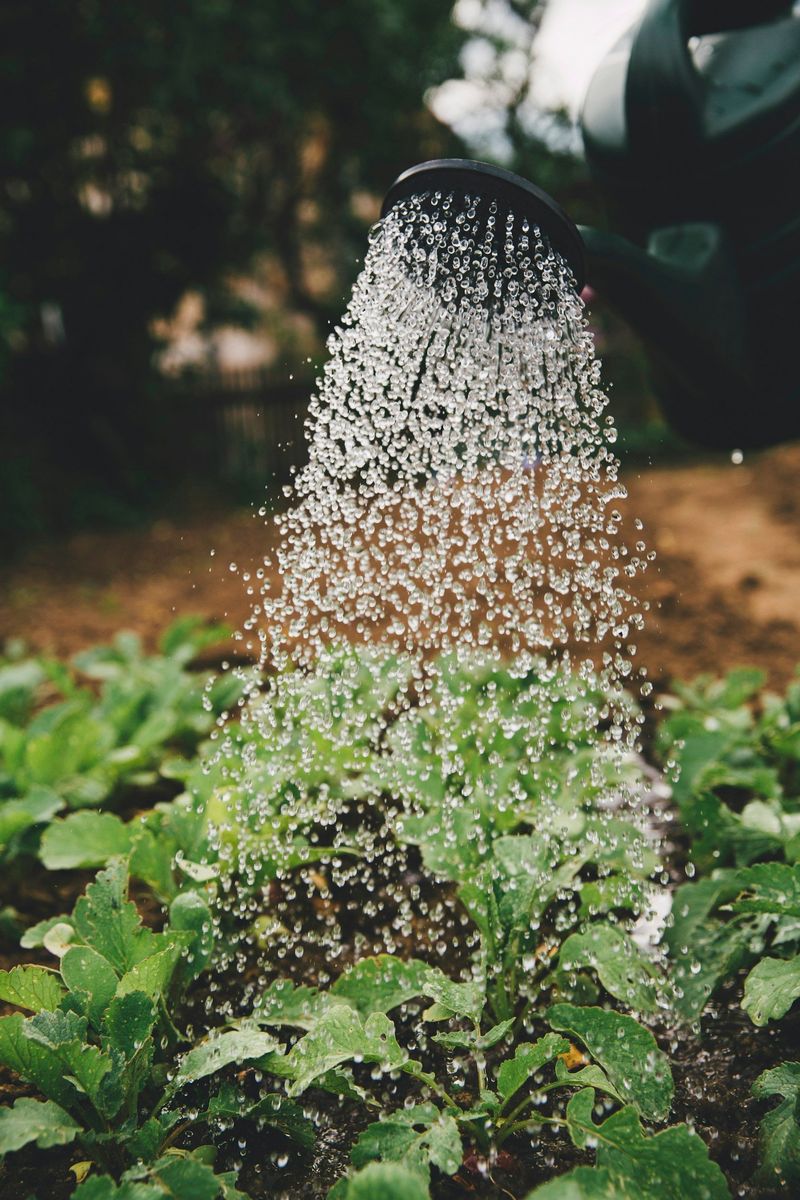
Colorado’s dry climate often leads gardeners to overwater their plants, thinking they need extra moisture. However, this can lead to root rot and other water-related issues.
Plants in raised beds can suffer from overwatering, especially when drainage is poor. It’s important to understand the specific watering needs of your plants based on the season and weather conditions.
Utilize moisture meters and adjust watering schedules according to your plants’ real needs, rather than assumptions about the dry climate.
Neglecting Wind Protection
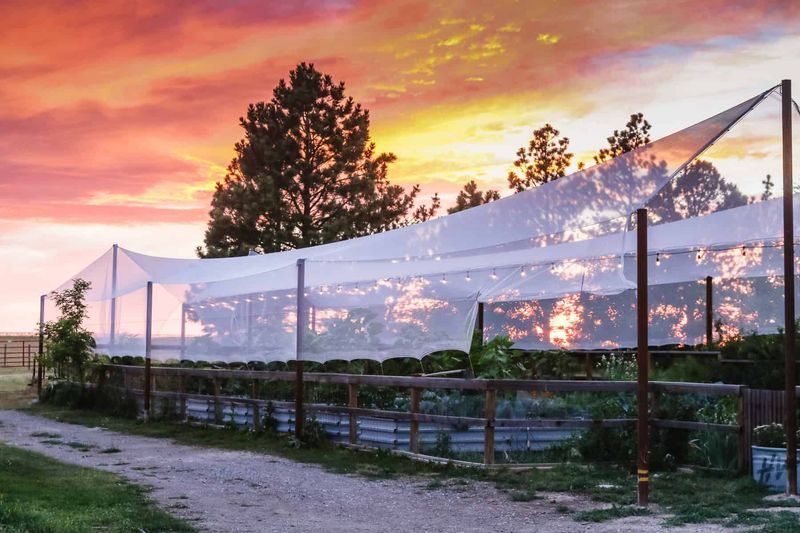
Colorado’s windy conditions can wreak havoc on unprotected raised beds. Many gardeners fail to account for this, leading to damaged or uprooted plants.
Wind can strip moisture from soil and plants, leading to dehydration and stress. Implementing windbreaks or protective structures is crucial to prevent damage.
Consider using natural barriers like hedges or man-made structures to shield your raised beds from Colorado’s frequent winds.
Improper Bed Orientation
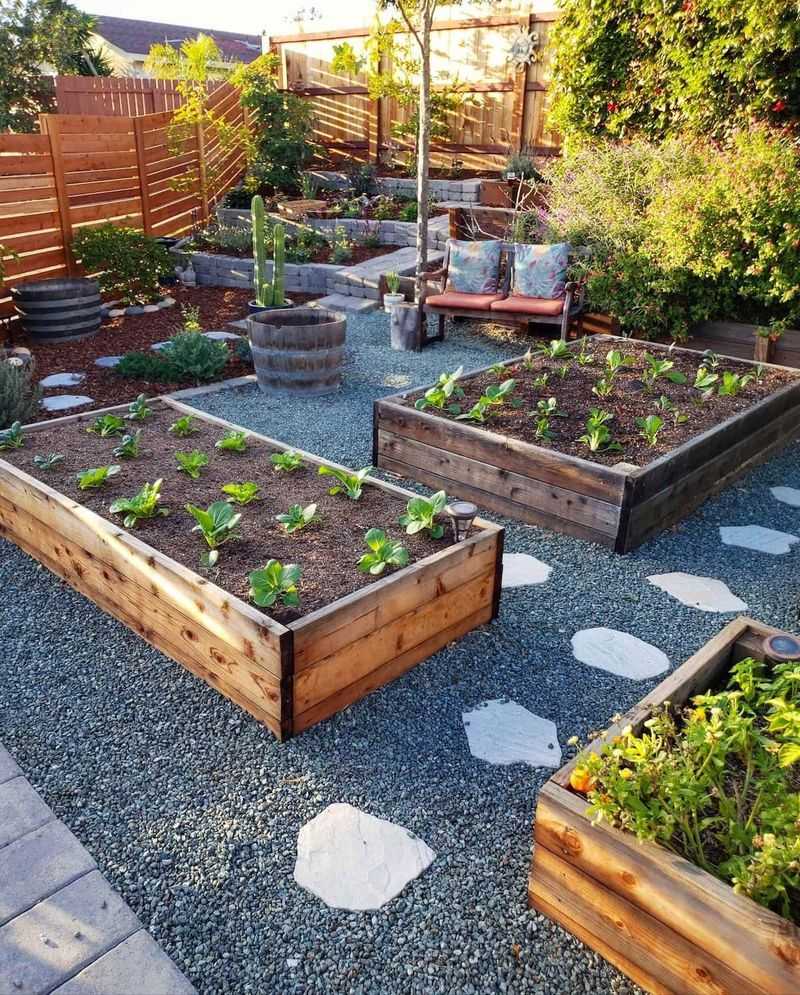
The orientation of raised beds is often overlooked, leading to insufficient sunlight for plants. In Colorado, where sunlight can be intense, proper placement is key.
South-facing beds typically receive the most sunlight, which is beneficial for most plant types. It’s important to consider the sun’s path and ensure your beds are oriented to maximize exposure.
Carefully planning the layout of your garden can prevent the common mistake of suboptimal bed orientation, helping your plants flourish.
Not Adjusting for Seasonal Changes
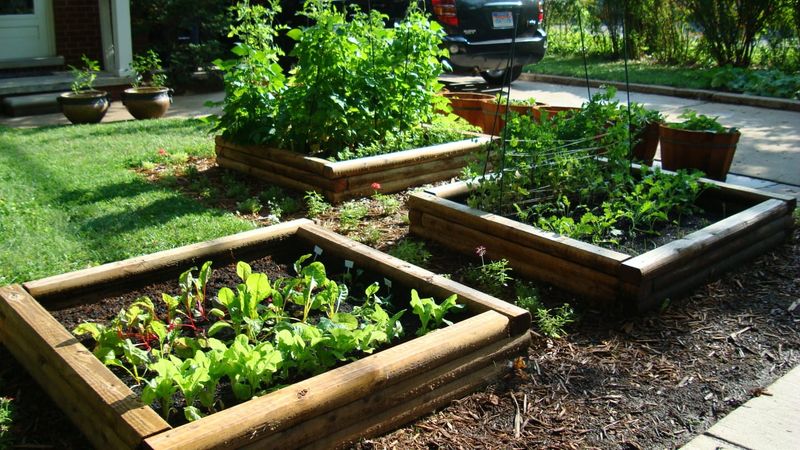
Colorado’s weather can change rapidly, and failing to adjust your gardening techniques accordingly can lead to plant loss. Many gardeners do not account for these seasonal shifts.
Understanding the local climate and seasonal patterns helps in selecting the right plants and protecting them from unexpected frosts or heatwaves.
Stay informed about the weather forecasts and be ready to cover your plants or adjust watering schedules to match Colorado’s unpredictable weather shifts.
Using Inadequate Raised Bed Materials
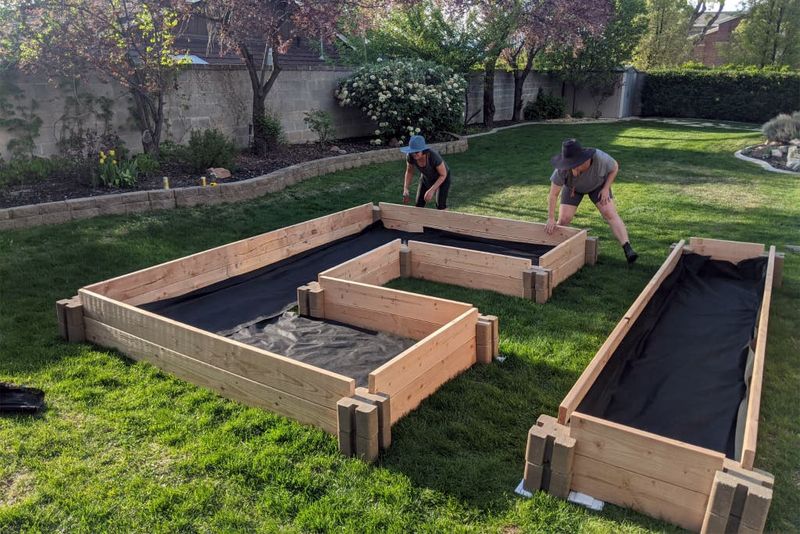
The materials used for raised beds can significantly impact their longevity and effectiveness. Many gardeners use inappropriate materials that deteriorate quickly in Colorado’s climate.
Wood, metal, or plastic can be used, but it’s essential to choose durable and weather-resistant options that can withstand the local conditions.
Researching materials that will last and perform well in Colorado’s variable climate will save time and resources in the long run.
Skipping Soil Testing
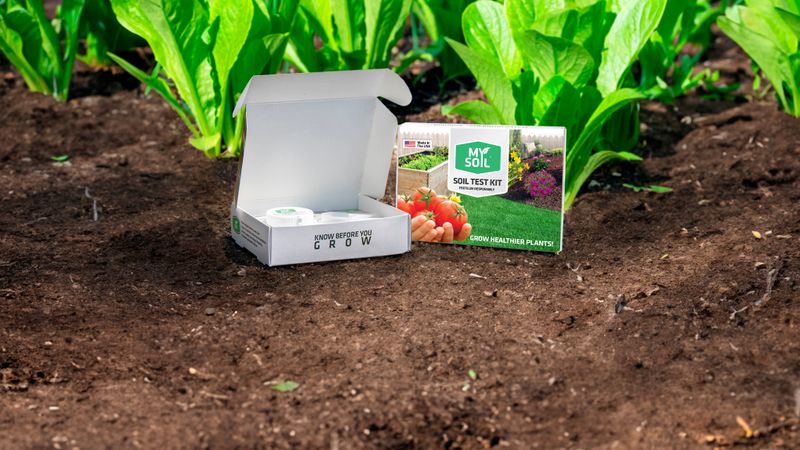
Soil testing is often neglected, leading to poor plant health due to nutrient imbalances. In Colorado, soil characteristics can vary greatly, making testing even more crucial.
Soil testing reveals essential information about pH levels, nutrient content, and soil composition, allowing for tailored amendments and planting choices.
Incorporating regular soil tests into your gardening routine ensures your raised beds are primed for optimal growth and productivity in Colorado.
Overcrowding Plants
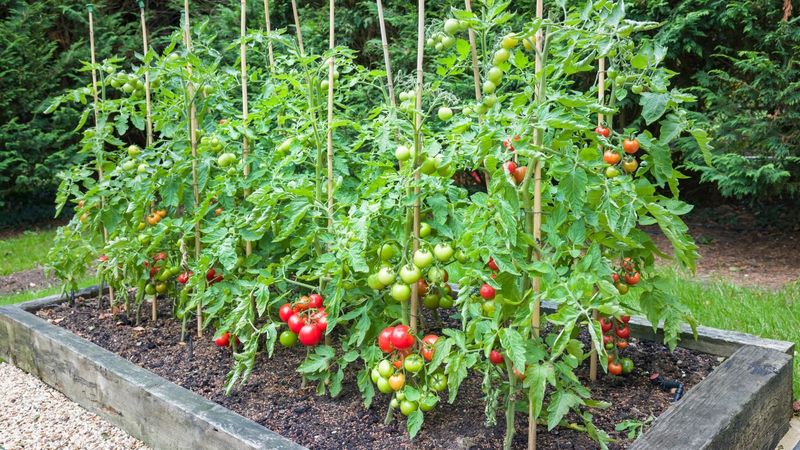
The temptation to plant too densely can lead to overcrowding, a common mistake in raised bed gardening. In Colorado, where resources are limited, this can hinder plant growth.
Overcrowding reduces air circulation and increases competition for nutrients, leading to weaker plants and increased susceptibility to disease.
Plan your layout carefully, allowing adequate space for each plant’s growth needs, ensuring healthier and more productive raised beds.
Inadequate Drainage Planning
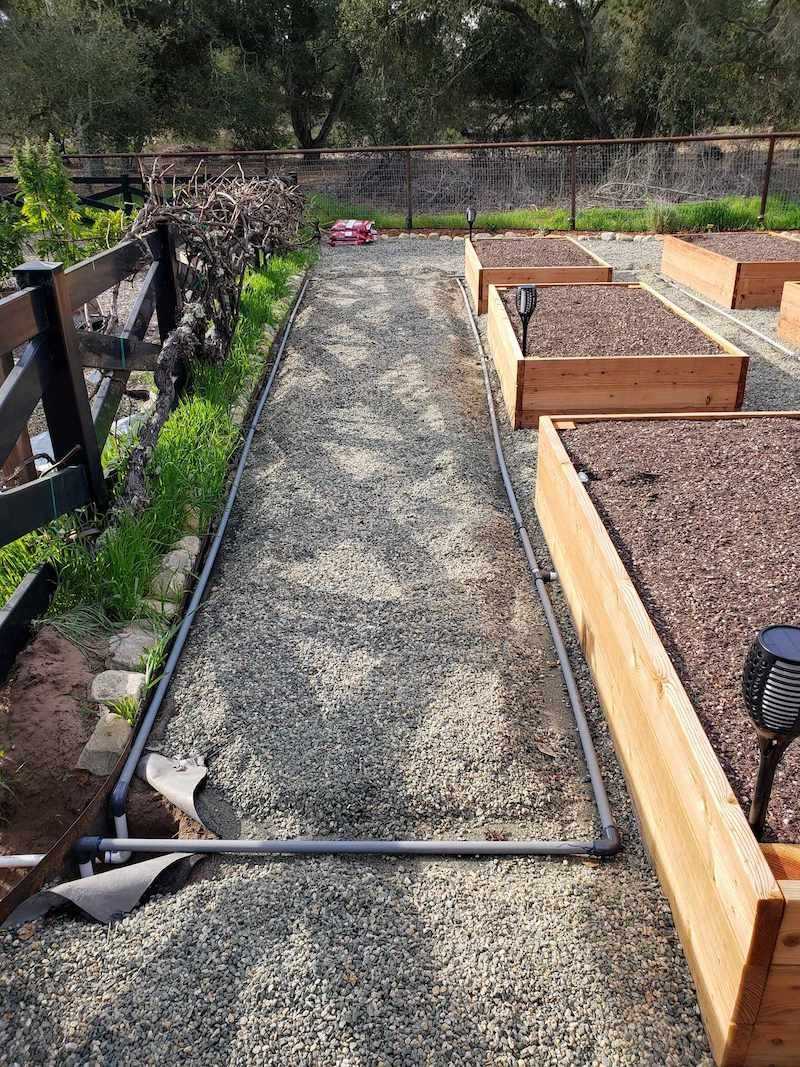
Drainage is a critical factor often overlooked by gardeners in Colorado. Without proper planning, raised beds can suffer from waterlogging, affecting plant health.
Ensuring that beds are equipped with sufficient drainage solutions will prevent root rot and other water-related issues.
Consider incorporating gravel or specialized drainage materials into your raised beds to facilitate proper water flow, safeguarding your garden from common drainage problems.
Neglecting Pollinator Attraction
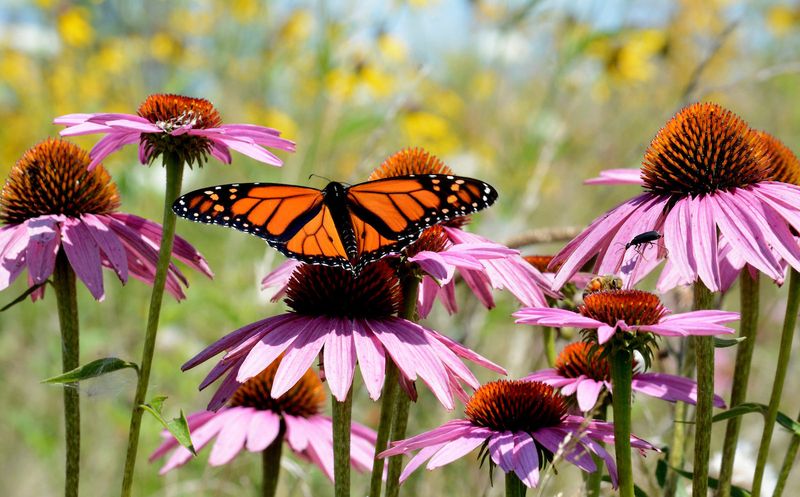
Pollinators play a vital role in the success of a garden, yet many gardeners neglect to attract them. In Colorado, attracting these helpers is crucial for plant pollination.
Incorporating pollinator-friendly plants like wildflowers can greatly enhance the productivity of your raised beds.
Design your garden with an array of colorful, nectar-rich plants to draw pollinators, boosting the overall health and yield of your raised beds.
Failing to Rotate Crops

Crop rotation is a practice often overlooked, leading to nutrient depletion in raised beds. In Colorado, where soil fertility is precious, this mistake can be costly.
Rotating crops helps maintain soil health by varying nutrient demands and reducing pest buildup.
Implement a rotation plan that includes diverse plant types, ensuring your raised beds remain fertile and productive year after year.
Ignoring Local Wildlife Threats
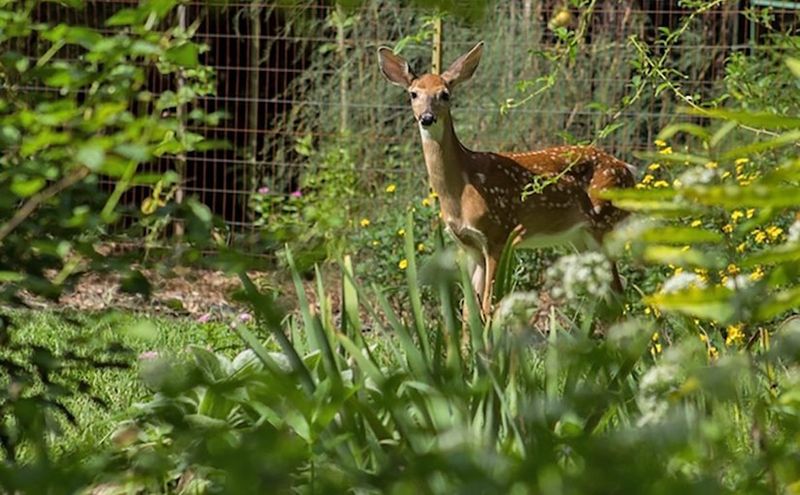
Wildlife intrusion is a reality in Colorado, yet many gardeners overlook protective measures. This can lead to plants being damaged or eaten by local fauna.
Implementing barriers or deterrents will protect your raised beds from deer, rabbits, and other local wildlife threats.
Consider fencing or natural deterrents to safeguard your garden, ensuring your hard work isn’t undone by curious and hungry visitors.
Incorrect Mulching Techniques
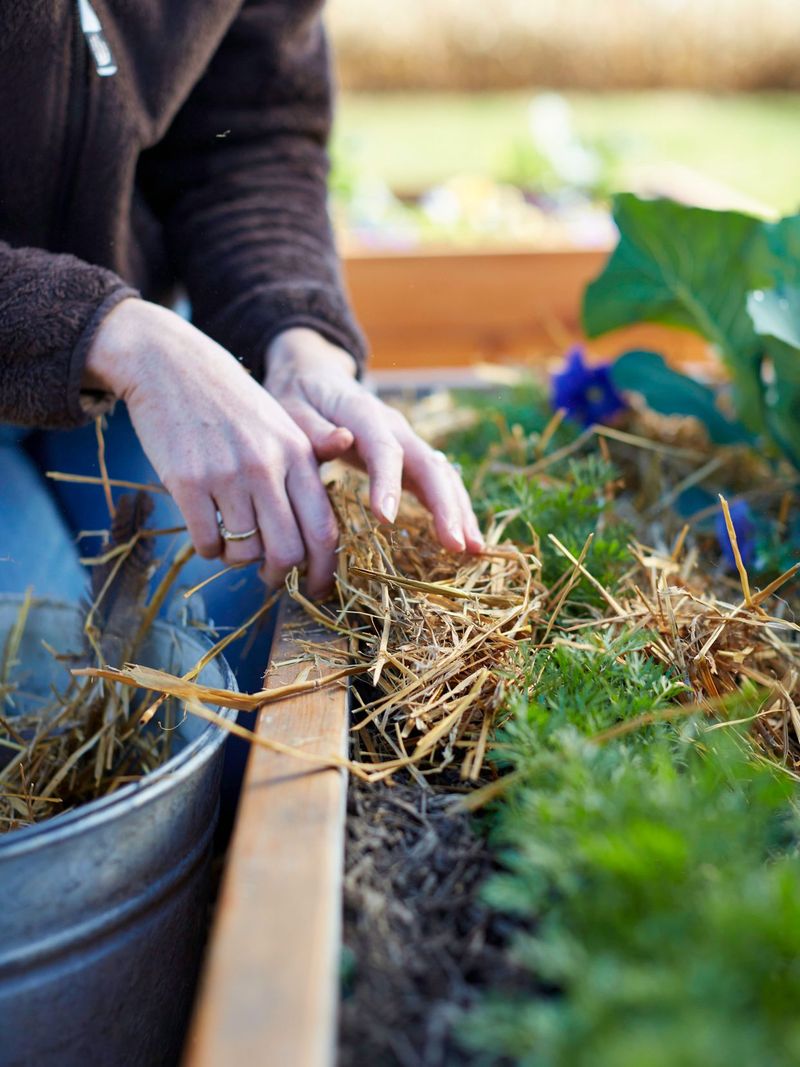
Mulching is a valuable gardening technique, but incorrect application can lead to issues in Colorado’s climate. Many gardeners use the wrong type or amount of mulch.
Proper mulching conserves moisture, suppresses weeds, and regulates soil temperature, all vital for Colorado gardens.
Choose the right mulch for your plants and climate, and apply it correctly to maximize its benefits, avoiding common mulching pitfalls.
Failing to Plan for Expansion

Gardeners often underestimate their future needs, leading to cramped and inefficient garden layouts. In Colorado, planning for expansion is key to long-term success.
Designing with growth in mind allows for new plants and beds, accommodating changing gardening needs and ambitions.
Consider future expansion possibilities when setting up your initial layout, ensuring your raised bed garden can grow with you over time.
Overlooking Pest Management
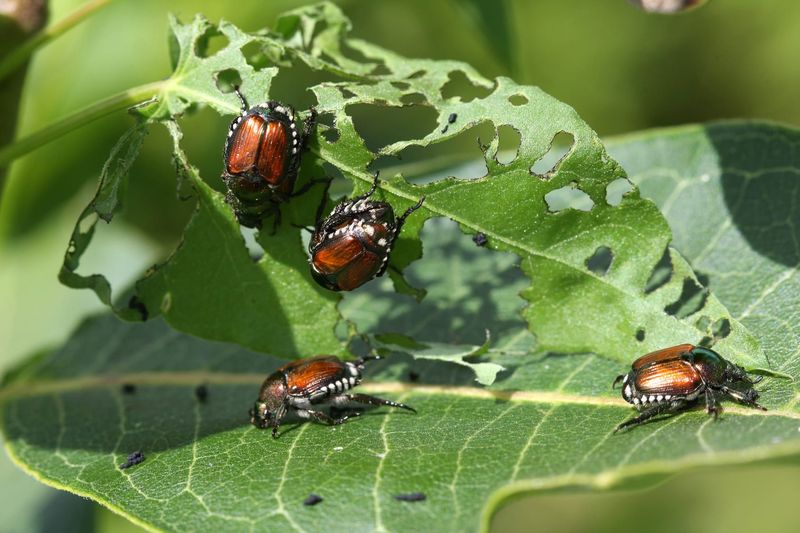
Pests can quickly become a problem in raised beds, yet many gardeners do not implement effective management strategies. In Colorado, proactive pest control is essential.
Regular monitoring and early intervention can prevent pests from becoming a significant threat to your garden’s health.
Utilize natural pest control methods, encouraging beneficial insects and maintaining a balanced ecosystem within your raised beds to keep pests at bay.