
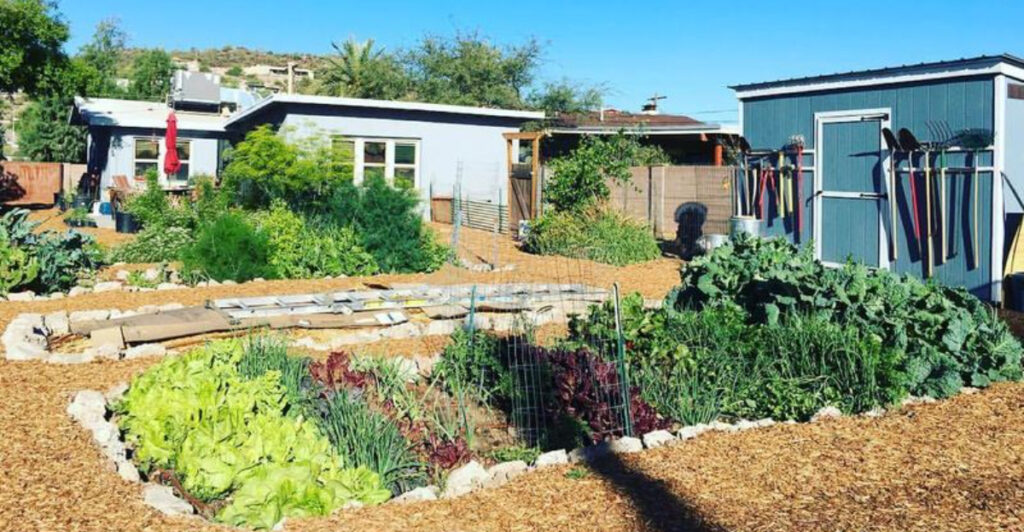
Arizona’s blazing desert sun can turn your beautiful garden into a graveyard faster than you might think. Many plant lovers believe they’re helping their green friends survive the heat, but common watering mistakes often do more harm than good.
Understanding these deadly errors can mean the difference between thriving plants and expensive replacements.
1. Drowning Your Plants with Too Much Love
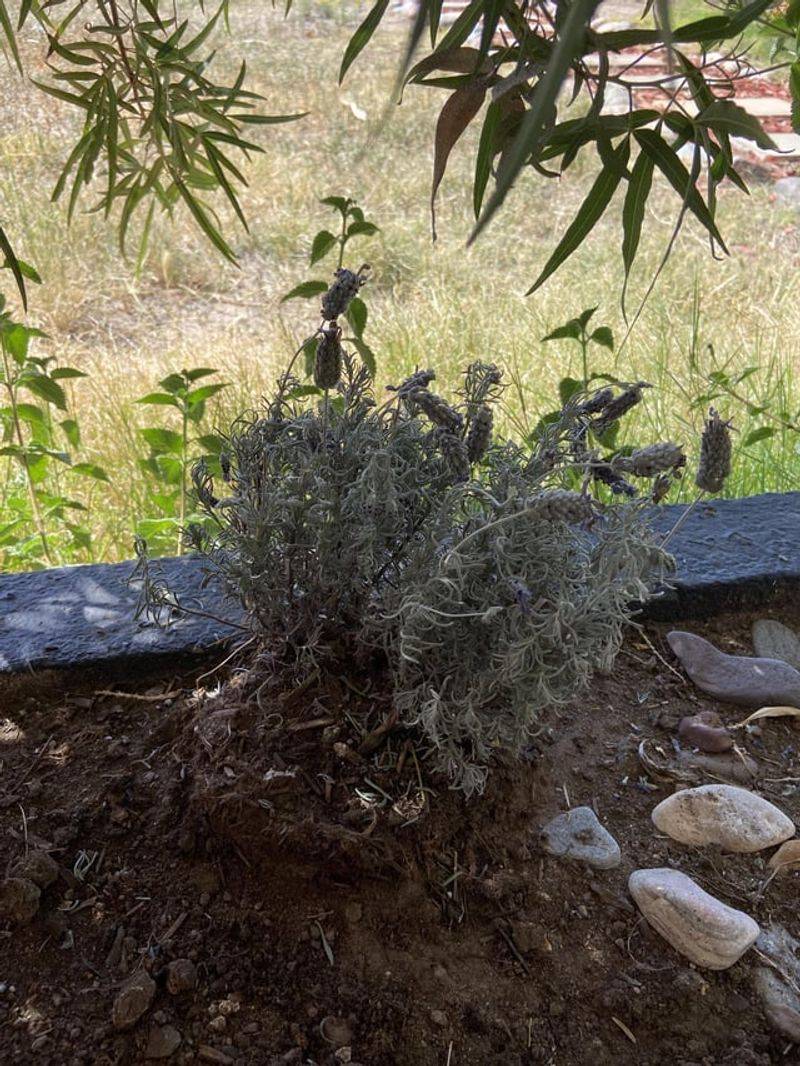
Believe it or not, most Arizona plants die from too much water rather than too little. When roots sit in soggy soil, they can’t breathe properly and start to rot.
Root rot creates a domino effect that kills plants within days. The damaged roots turn black and mushy, unable to absorb nutrients or water effectively.
Check soil moisture by sticking your finger two inches deep before watering. If it feels damp, wait another day or two before adding more water to prevent this deadly mistake.
2. Leaving Plants Thirsty in Extreme Heat
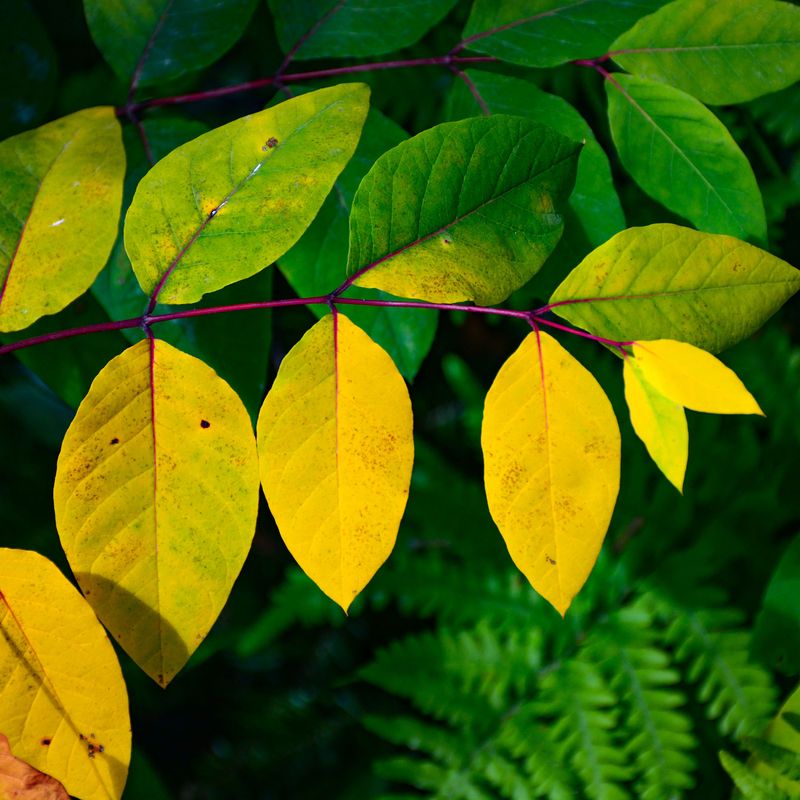
While overwatering kills plants, underwatering in Arizona’s brutal heat creates its own deadly problems. Plants start wilting, dropping leaves, and eventually shut down completely.
Desert heat sucks moisture from soil faster than most people realize. Even drought-tolerant plants need regular water during summer months to survive temperatures above 110 degrees.
Watch for early warning signs like drooping leaves in morning hours or crispy leaf edges. Create a consistent watering schedule based on your specific plants’ needs rather than guessing when they look thirsty.
3. Watering During the Hottest Part of the Day
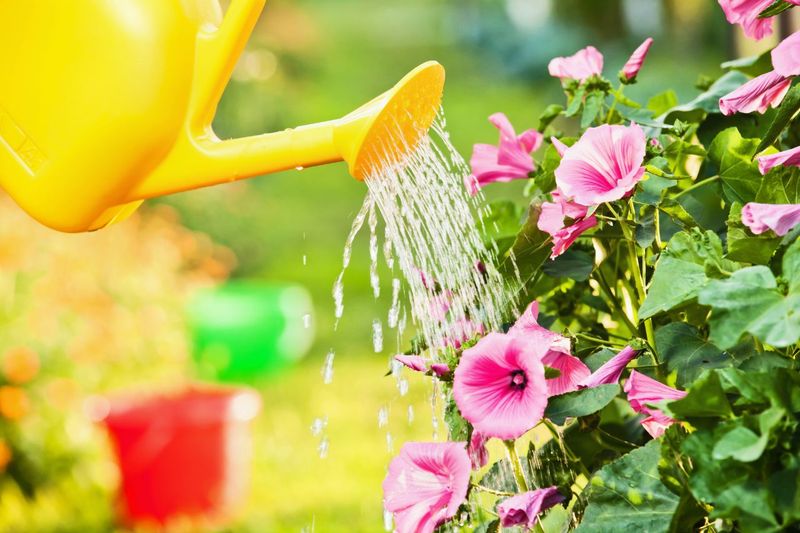
Picture this: you water your plants at noon when temperatures hit 115 degrees. Most of that precious water evaporates before reaching the roots, leaving plants still thirsty.
Midday watering also creates steam around plant leaves, essentially cooking them from the outside. Water droplets act like tiny magnifying glasses, burning delicate foliage.
Water between 4 and 10 in the morning for best results. Early morning watering gives plants time to absorb moisture before the day’s heat arrives, maximizing every drop you use.
4. Spraying Water All Over Plant Leaves
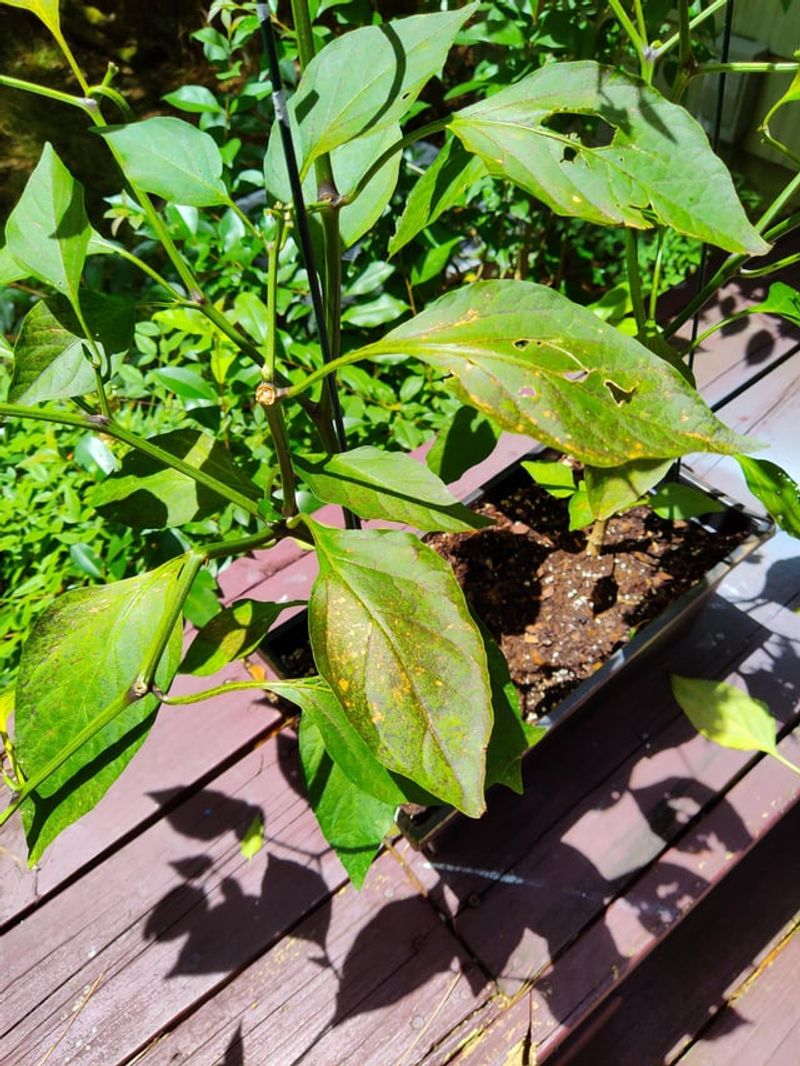
Wet leaves in Arizona’s heat become breeding grounds for fungal diseases and create perfect conditions for leaf scorch. Many gardeners think they’re being thorough by soaking entire plants.
Water sitting on leaves during hot weather literally cooks the plant tissue. Fungal spores love warm, moist conditions and spread rapidly across wet foliage.
Direct water straight to the soil around plant bases instead. Use soaker hoses or drip irrigation systems to keep foliage dry while delivering moisture exactly where roots can access it most effectively.
5. Quick Sprinkles Instead of Deep Soaking
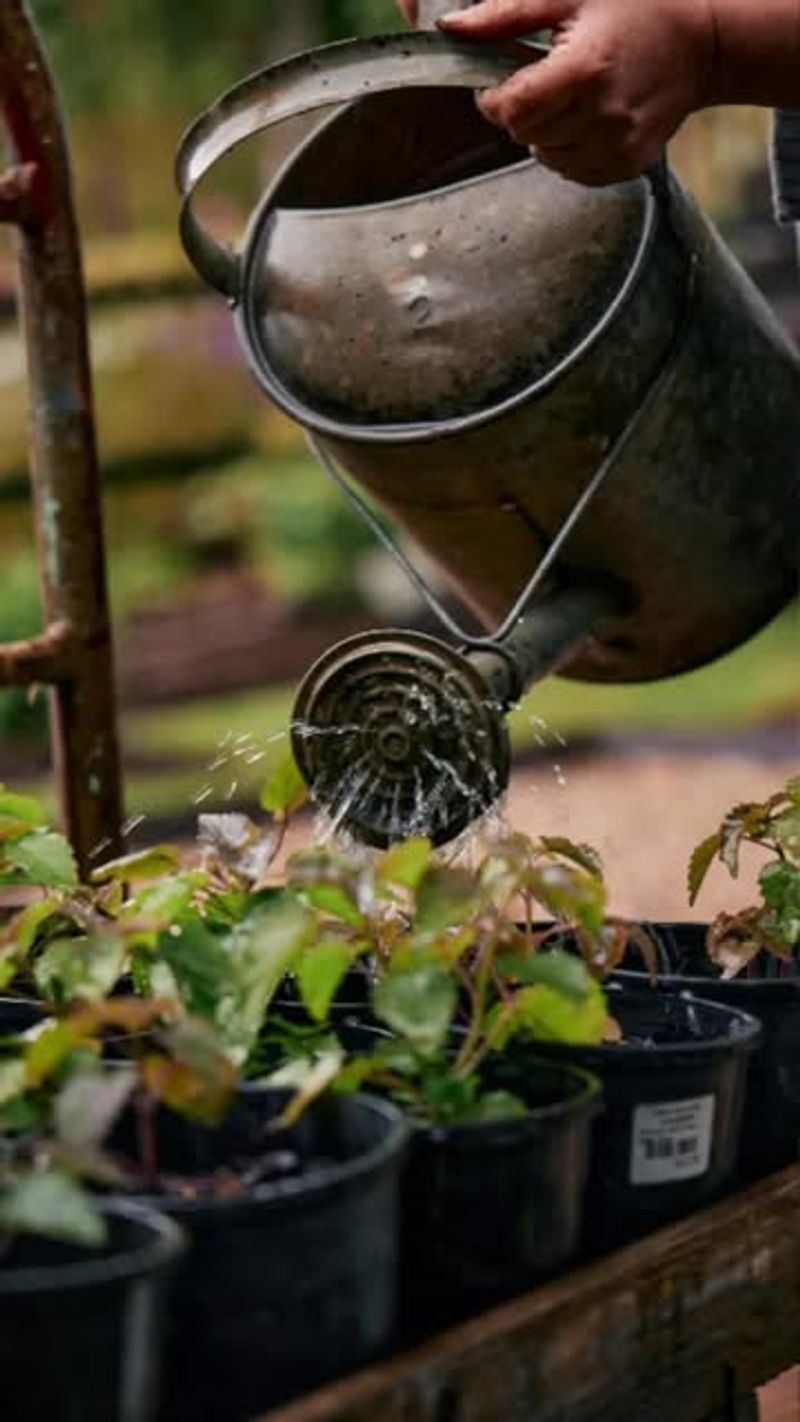
Light, frequent watering trains plant roots to stay near the surface where they’re most vulnerable to heat damage. Shallow roots can’t access deeper soil moisture during extreme weather.
Surface roots dry out quickly in Arizona’s intense heat, leaving plants defenseless during temperature spikes. Deep roots provide stability and access to cooler, moister soil layers.
Water slowly and deeply, allowing moisture to penetrate at least 12 inches down. Run water for longer periods less frequently to encourage strong, deep root systems that can weather desert conditions successfully.
6. Ignoring Your Soil’s Unique Personality
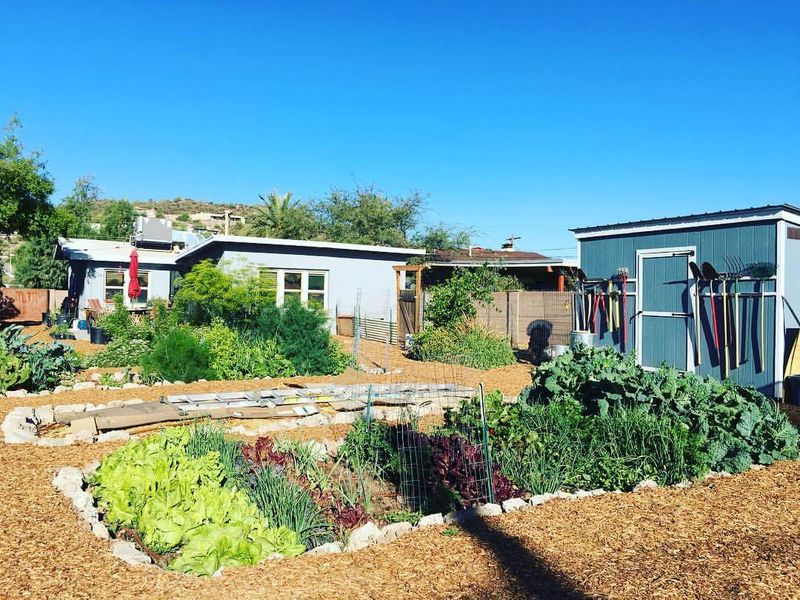
Arizona soil varies dramatically from sandy washes to heavy clay deposits, and each type handles water completely differently. Sandy soil drains fast while clay holds water much longer.
Treating all soil the same leads to overwatering in clay areas or underwatering in sandy spots. Plants suffer when their specific soil needs aren’t understood or addressed.
Test your soil type by digging a small hole and observing how quickly water drains. Sandy soil needs more frequent watering, while clay soil requires less frequent but deeper watering sessions for optimal plant health.
7. Overdoing Fertilizer During Summer Stress
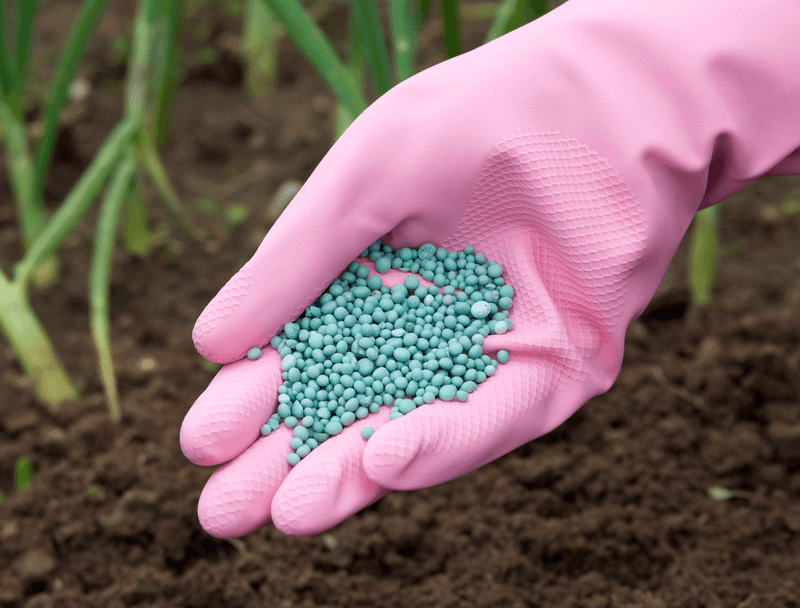
Extra fertilizer seems like a good idea to help stressed plants, but it actually makes desert heat problems much worse. Fertilizer increases salt levels in soil, making water absorption harder.
High salt content burns plant roots and prevents them from taking up water efficiently. Plants become more vulnerable to heat stress when their roots are damaged by excess fertilizer.
Skip fertilizing during peak summer months in Arizona. Focus on proper watering techniques instead, and save fertilizer applications for cooler spring and fall seasons when plants can actually benefit from extra nutrients.
8. Skipping Mulch Around Your Plants
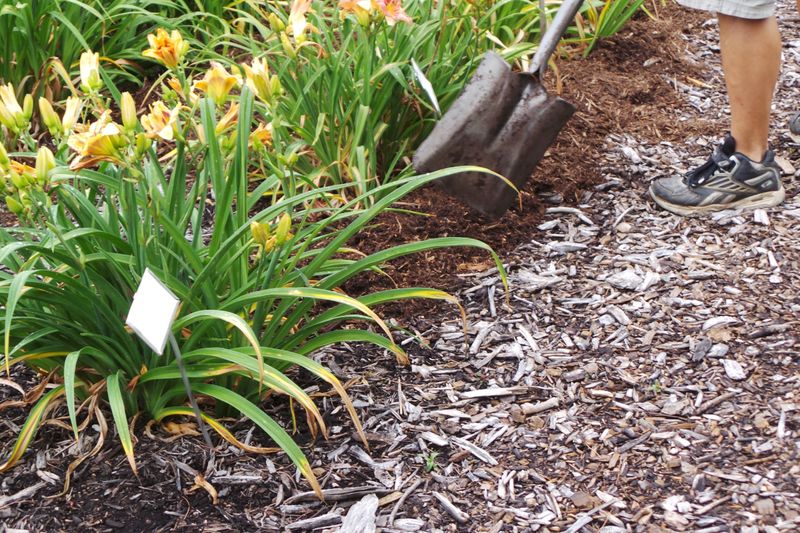
Bare soil in Arizona loses moisture incredibly fast, forcing you to water much more often while plants still struggle with heat stress. Mulch acts like a protective blanket for roots.
Good mulch keeps soil temperatures cooler and reduces water evaporation by up to 70 percent. Wood chips, gravel, or decomposed granite work well in desert conditions.
Apply 2-3 inches of mulch around plants, keeping it away from plant stems to prevent rot. Replace organic mulch annually as it breaks down, maintaining consistent soil protection throughout harsh summer months.
9. Treating New Plants Like Established Veterans
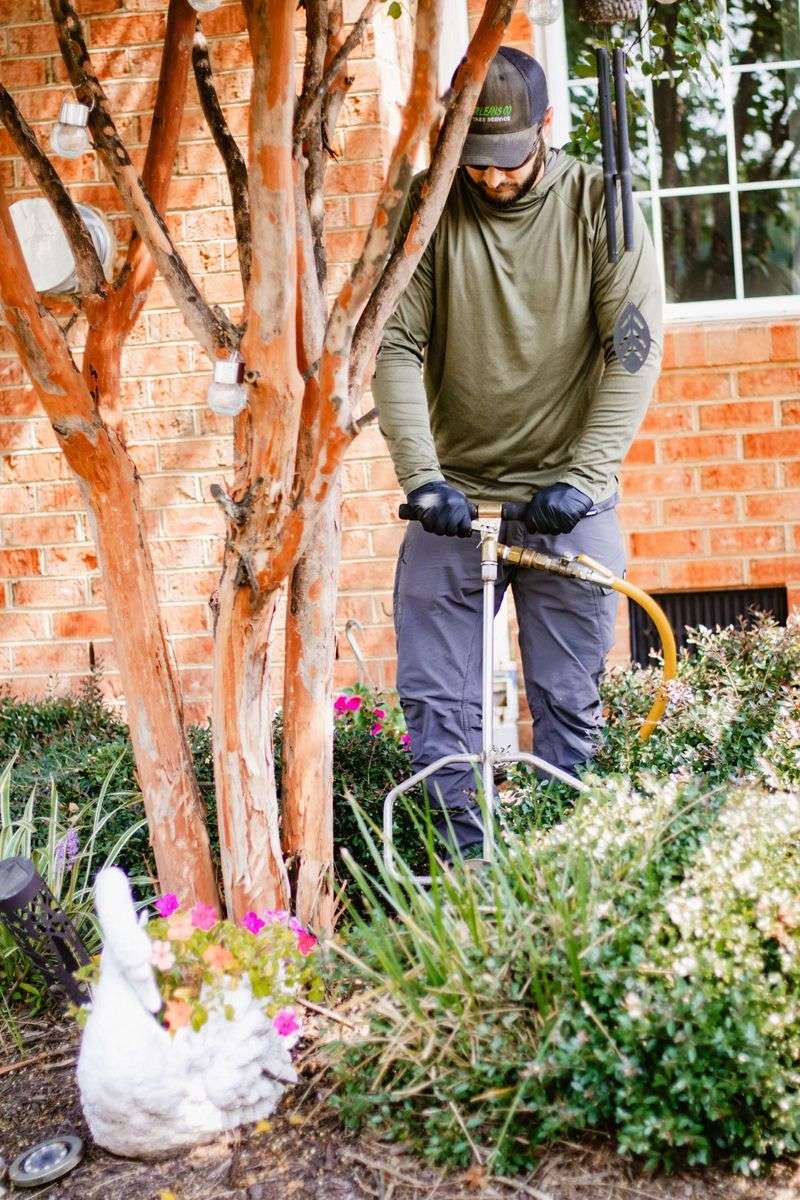
Newly planted or transplanted plants need completely different watering care than established ones. Their root systems haven’t spread out yet to find moisture independently.
New plants often need daily watering for the first few weeks, even if established plants nearby only need water twice weekly. Their limited root zones dry out much faster.
Monitor new plantings closely and adjust watering frequency based on their establishment progress. Gradually reduce watering frequency as roots spread and plants show strong new growth, typically after 4-6 weeks in desert conditions.