
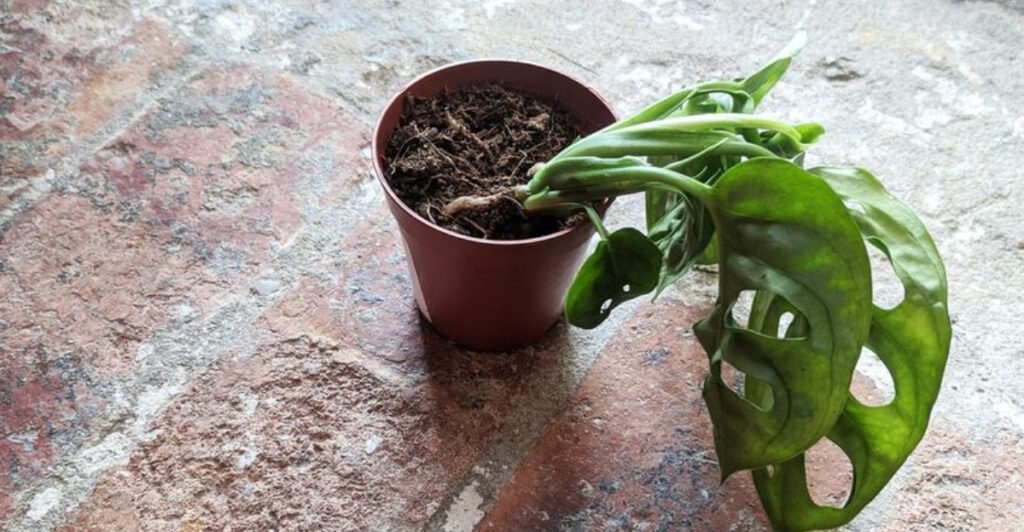
Gardening in Alabama during the humid summer months presents unique challenges. From understanding the climate to choosing the right plants, avoiding common mistakes is crucial for a thriving garden. This guide explores 15 frequent errors and how to prevent them.
Ignoring Soil Quality
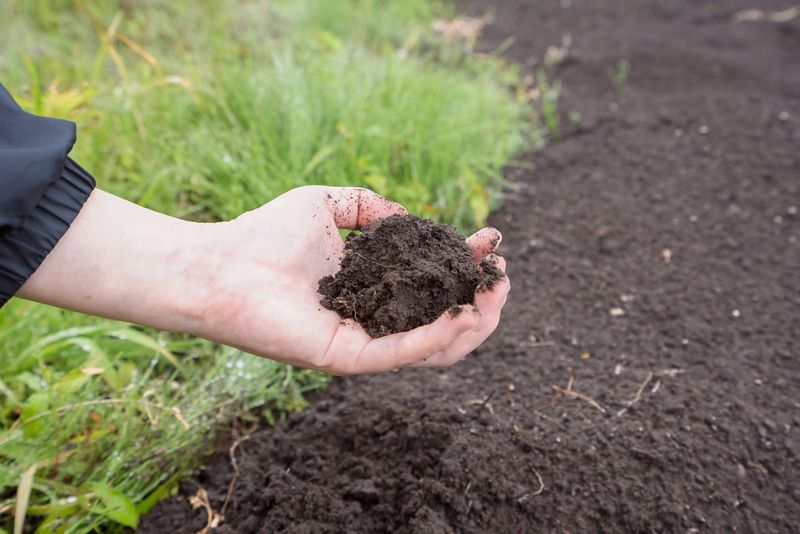
Soil quality is the foundation of a healthy garden. In Alabama, the soil can vary greatly, often becoming compacted and low in nutrients.
Ignoring soil quality can lead to stunted plant growth and increased vulnerability to pests. Regularly test your soil and amend it with organic compost to improve its fertility.
Invest time in understanding your soil type. This knowledge helps in selecting suitable plants that will thrive in your garden’s specific conditions.
Planting at the Wrong Time
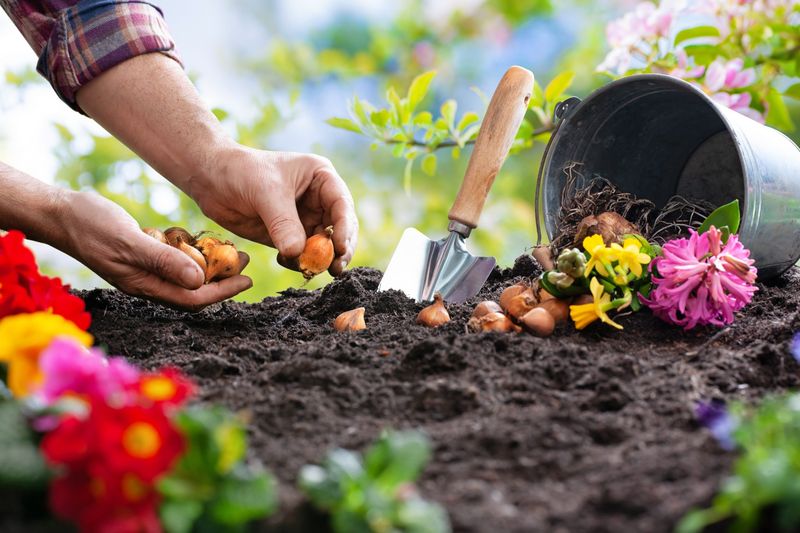
Timing is everything in gardening. Planting at the wrong time can expose plants to unfavorable weather conditions, such as extreme heat or unexpected frost.
In Alabama, summers can be particularly harsh. Knowing the best planting times for each species ensures they mature in optimal conditions.
Consult a local planting calendar to guide your decisions. This strategy helps in synchronizing your planting activities with Alabama’s unique climate patterns.
Using Inappropriate Plant Varieties
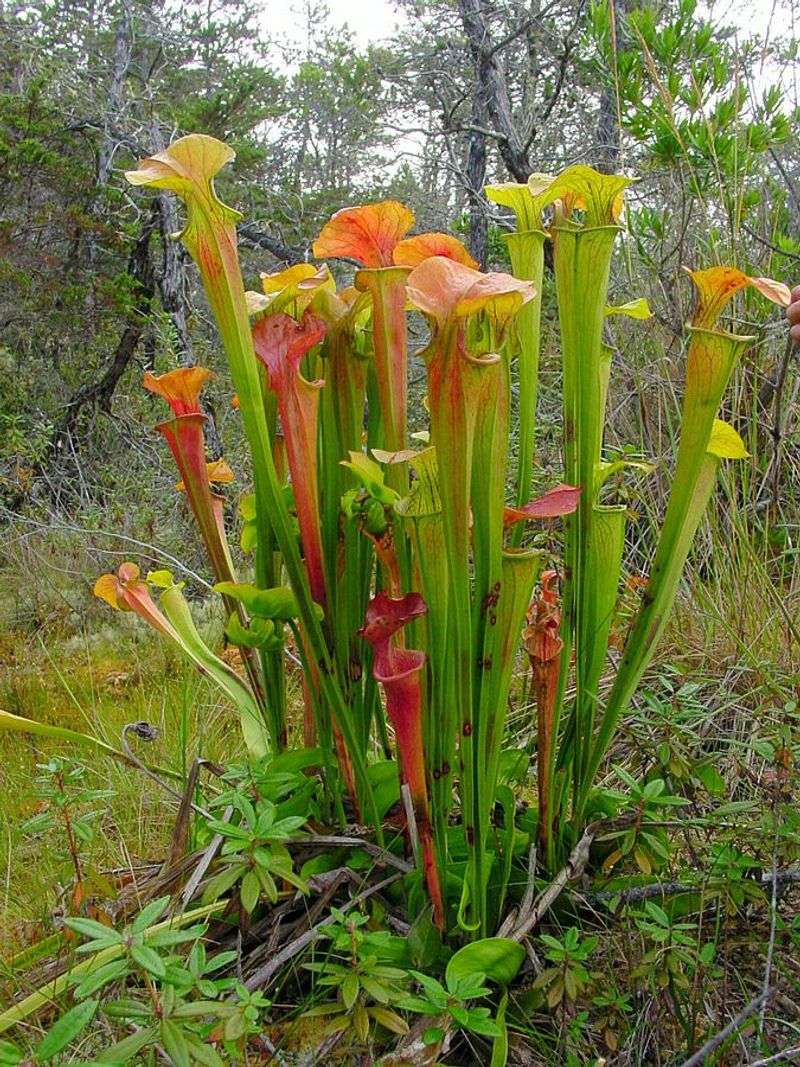
Selecting plants unsuited to Alabama’s climate can lead to disappointing results. Some plants may not withstand the intense summer heat or high humidity levels.
Research plant varieties that are known to thrive in Southern climates. Native plants are often the best choice as they have adapted to local conditions.
Consider the humidity and temperature preferences of each plant. This attention to detail ensures your garden flourishes rather than competes with its environment.
Neglecting Pest Control
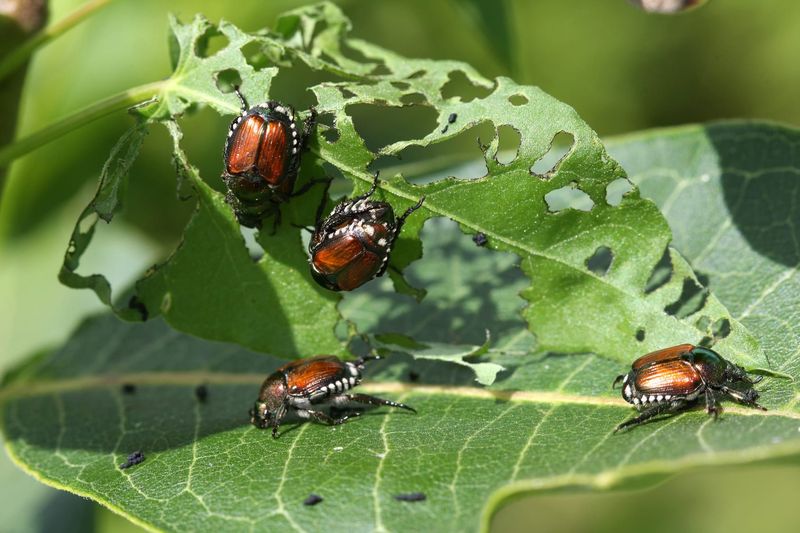
Pests can quickly become a major problem if not addressed early. Alabama’s warm, humid summers create an ideal habitat for many garden pests.
Regular monitoring and early intervention are key. Employ natural predators like ladybugs or use organic pesticides to control pest populations.
Understanding the common pests in your area helps tailor your pest control strategy effectively, preventing infestations before they start.
Poor Pruning Techniques
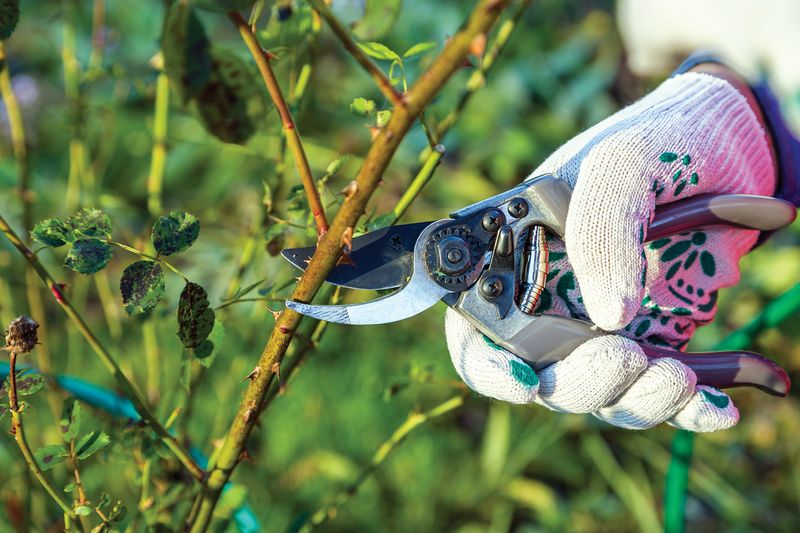
Pruning is an art that, when done correctly, can invigorate plant growth. However, poor pruning practices can cause harm.
In Alabama’s climate, improper pruning can lead to sunburned leaves and branches. Learn correct techniques to ensure healthy plant development.
Consider the specific needs of each plant. Some require more frequent pruning than others. Tailoring your approach helps maintain a balanced and thriving garden.
Ignoring Mulching
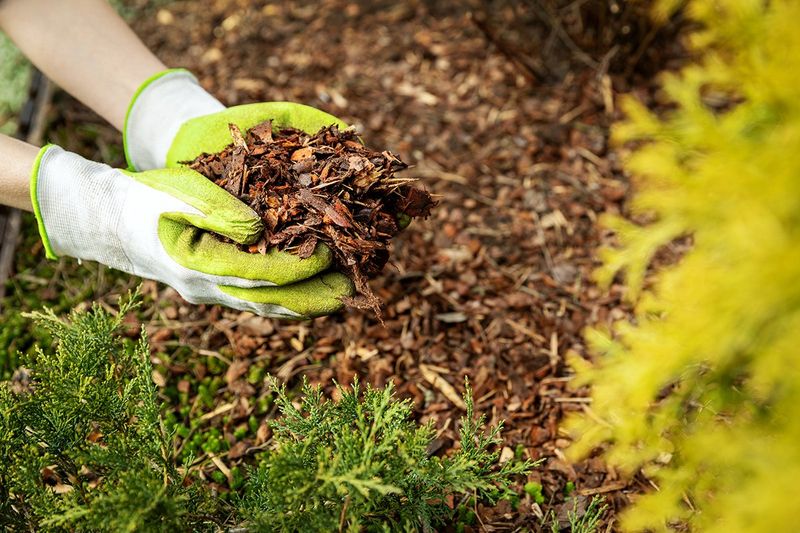
Mulch is essential in Alabama’s summer gardens. It helps retain soil moisture, suppress weeds, and regulate soil temperature.
Without mulch, plants can suffer from heat stress and water loss. Applying a layer of organic mulch can mitigate these issues.
Experiment with different mulch materials like straw or wood chips. Each option offers unique benefits, providing both practical and aesthetic enhancements to your garden.
Not Rotating Crops
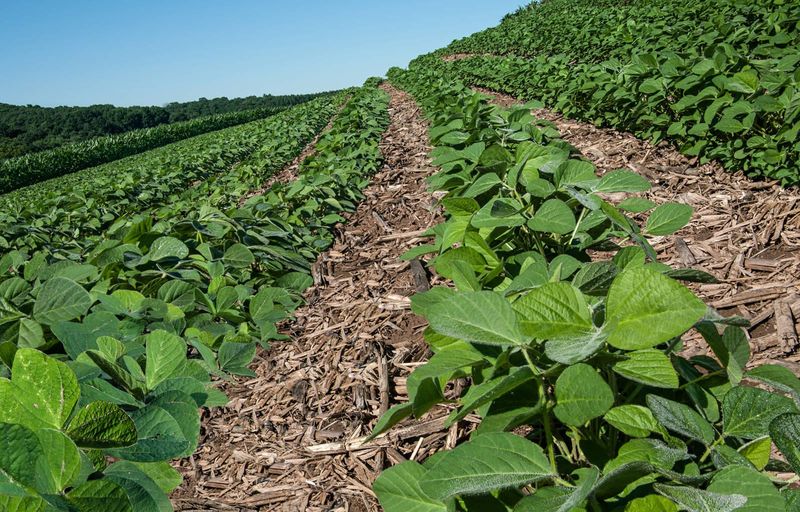
Crop rotation is vital for maintaining soil health and preventing disease. Planting the same crops repeatedly depletes soil nutrients and increases the risk of disease.
In Alabama, rotate crops annually, paying attention to plant families. This practice ensures nutrient balance and breaks pest cycles.
Create a rotation plan tailored to your garden. It can boost yields and promote a more sustainable gardening approach.
Using Chemical Fertilizers Excessively
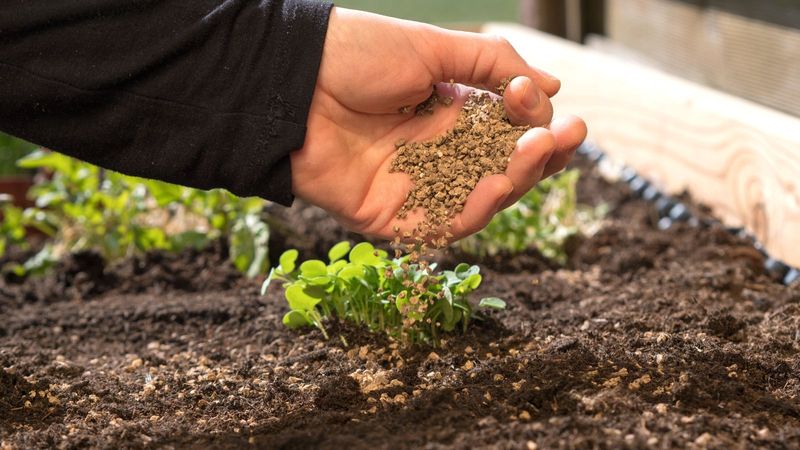
Excessive use of chemical fertilizers can harm your garden. They can lead to nutrient imbalances and damage beneficial soil organisms.
In Alabama’s climate, natural amendments like compost or manure are often better choices. They release nutrients slowly, promoting healthy growth.
Understanding your plants’ nutrient needs prevents over-fertilization. Tailor your fertilizing strategy to keep your garden vibrant and sustainable.
Overwatering
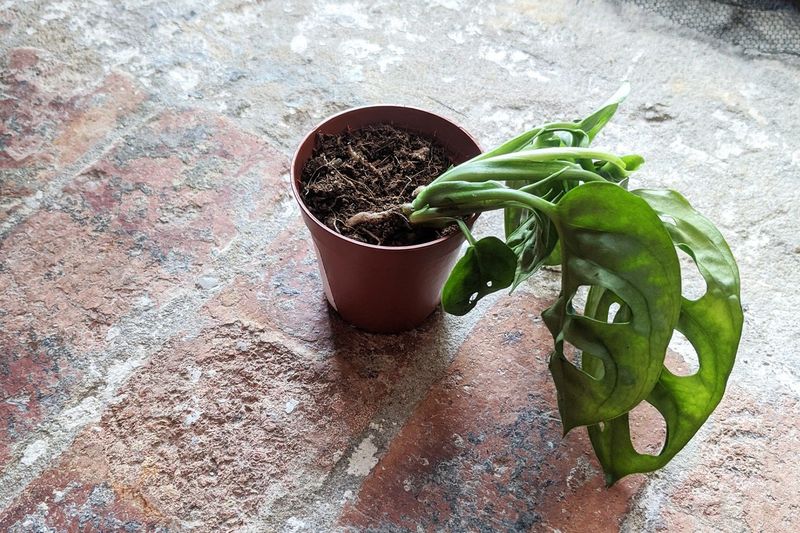
In Alabama’s humid climate, it’s easy to overestimate the amount of water your plants need. When too much water is given, the soil becomes waterlogged, depriving roots of vital oxygen.
Instead of a watering schedule, check the soil’s moisture level. If it feels dry two inches below the surface, it’s time to water. This method prevents overwatering and keeps your plants healthy.
Remember, different plants have varying water needs. Research each species to understand its preference, ensuring each plant receives optimal care.
Neglecting Shade and Sun Needs
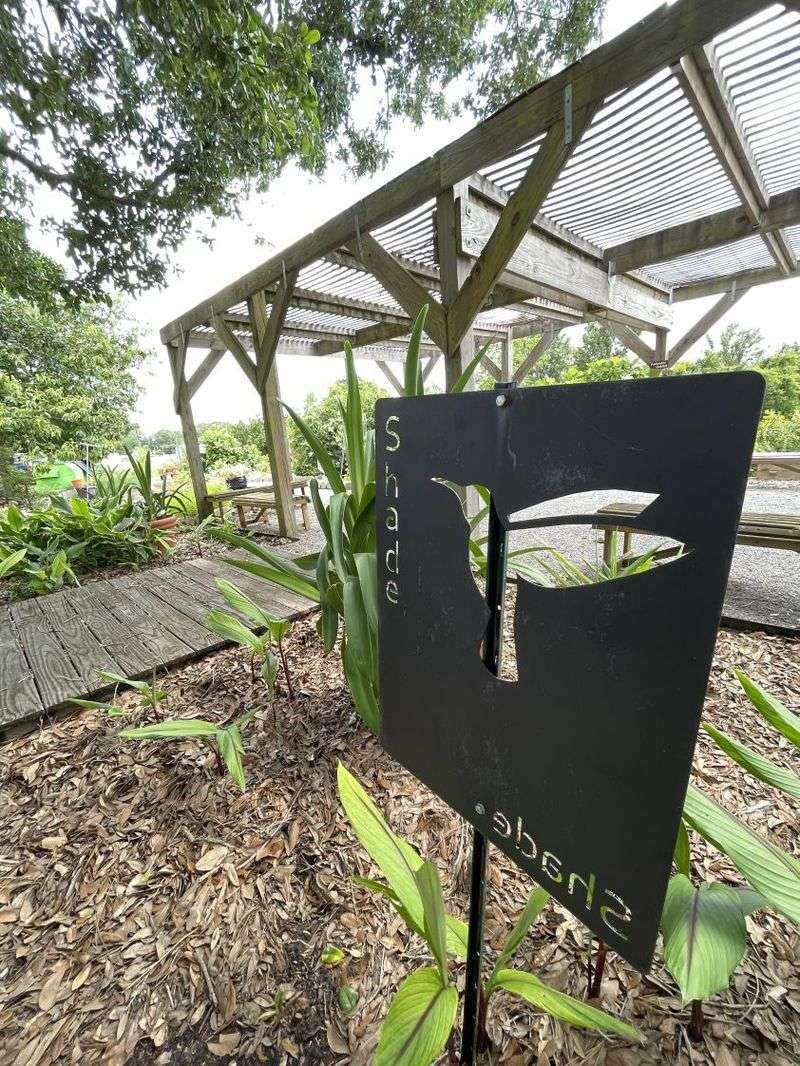
Every plant has its unique sunlight requirements. In Alabama, where the sun can be intense, understanding these needs is crucial.
Neglecting to provide adequate shade for sun-sensitive plants can lead to scorched leaves. Conversely, plants that need full sun might underperform in shaded areas.
Arrange your garden to match each plant’s sunlight preference. This thoughtful placement supports healthier growth and maximizes bloom potential.
Overcrowding Plants
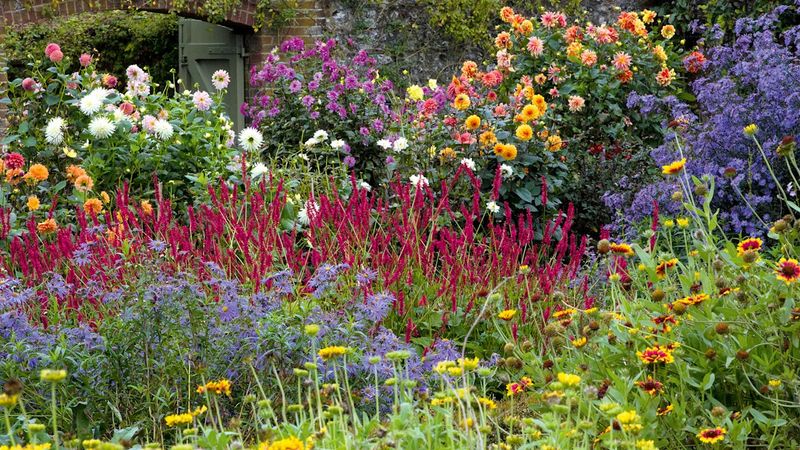
Overcrowding plants can stifle their growth and increase susceptibility to disease. In Alabama’s humid climate, good air circulation is vital.
Giving plants ample space allows them to access necessary sunlight and nutrients. It also reduces the likelihood of fungal infections.
Plan your garden layout carefully. Proper spacing ensures a healthier and more manageable garden environment.
Skipping Regular Maintenance
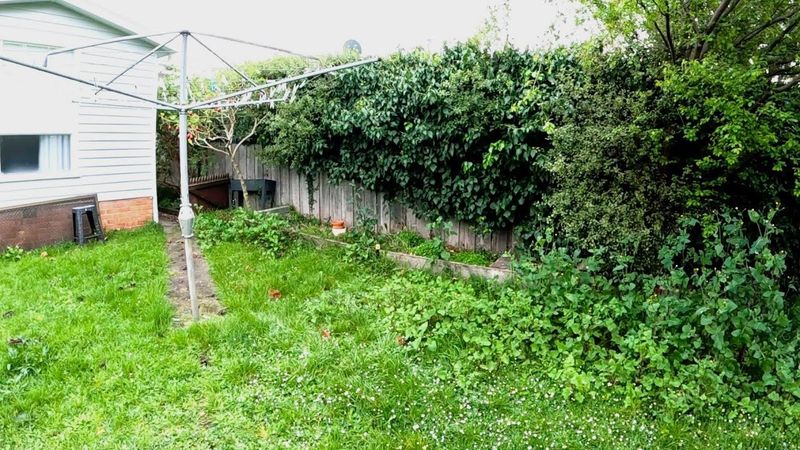
Gardening requires consistent care. Skipping regular maintenance tasks like weeding, watering, and checking for pests can lead to a disordered garden.
In Alabama, where rapid growth is common, routine care is essential. Regular inspections allow you to address issues promptly.
Schedule maintenance tasks weekly. This proactive approach keeps your garden in peak condition, minimizing potential problems.
Ignoring Local Wildlife
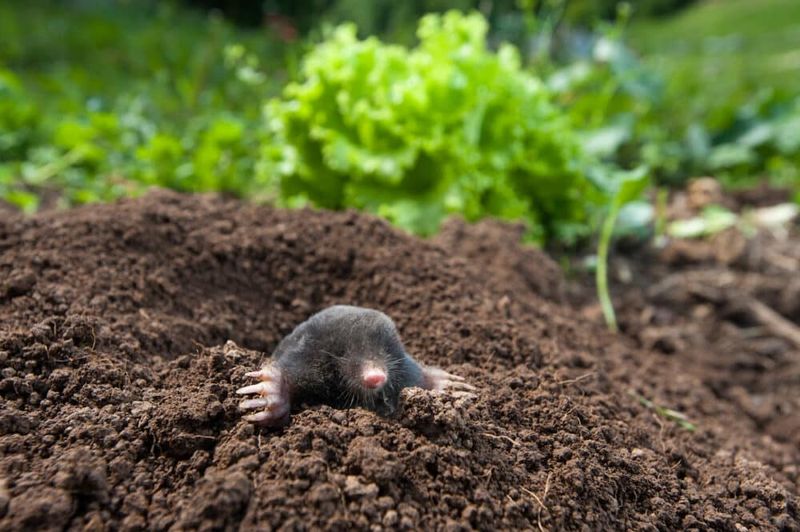
Local wildlife can be both a friend and foe to gardeners. While some creatures aid by controlling pests, others may damage plants.
Understanding Alabama’s native wildlife helps in creating a garden that accommodates beneficial animals while deterring harmful ones.
Incorporate wildlife-friendly practices, such as birdhouses or natural barriers, to encourage harmony between your garden and the local ecosystem.
Not Considering Humidity
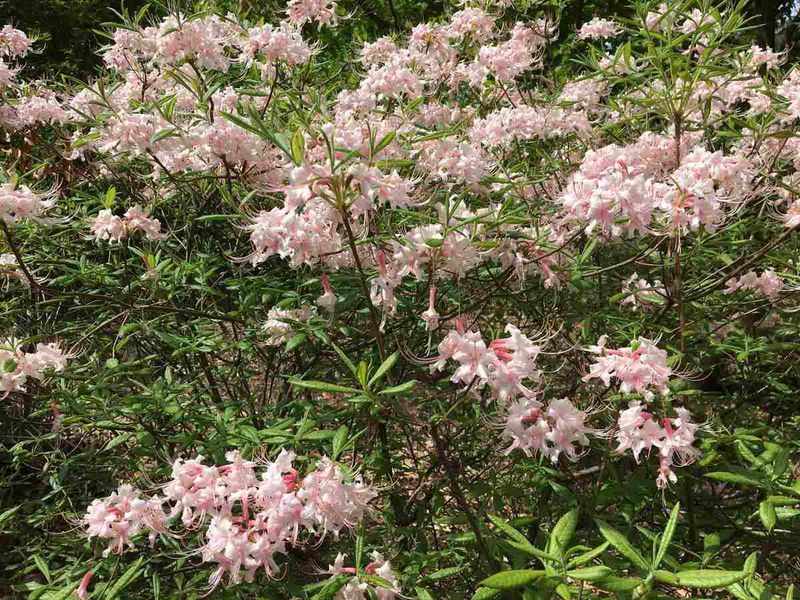
Humidity is a significant factor in Alabama gardens. High humidity can lead to mold and mildew issues, especially if plants are overcrowded.
Consider humidity-tolerant plant varieties. Regularly check plants for signs of mildew and take corrective action.
Ventilate your garden area well to reduce humidity levels. This step helps prevent fungal diseases and supports robust plant health.
Forgetting to Replenish Soil Nutrients
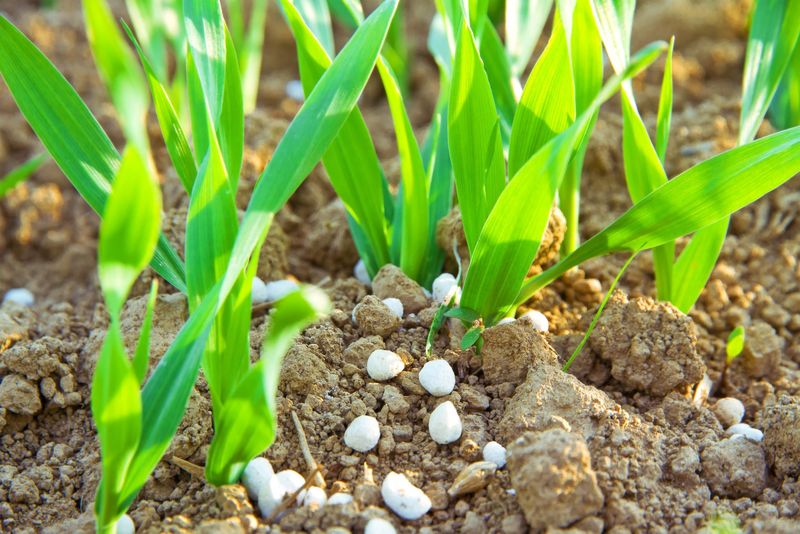
Soil nutrients deplete over time, especially in active gardens. Forgetting to replenish these can result in poor plant health.
Alabama’s rich growing season demands regular soil amendment. Use organic compost or green manure to restore vitality.
Monitor soil nutrient levels and amend as needed. This practice ensures a fertile growing medium for your plants.