
Gardening in Nevada’s desert climate presents unique challenges that often render common gardening habits ineffective. This blog post explores 17 such habits and suggests smarter alternatives that thrive in arid conditions, ensuring your garden flourishes even in the harshest environments.
Overwatering
It might seem counterintuitive, but overwatering is a common mistake in the desert. Many believe that more water equals healthier plants. However, in Nevada’s arid climate, too much water can drown roots and lead to plant decay.
To conserve water, focus on deep, infrequent watering. This encourages roots to grow deeper in search of moisture, making plants more resilient to drought.
Consider installing a drip irrigation system, which delivers water directly to the roots, minimizing evaporation. This method is not only efficient but also supports sustainable gardening practices.
Planting Non-Native Species
The allure of exotic plants can be irresistible, yet non-native species often struggle in Nevada’s climate. Used to humid environments, these plants face challenges such as intense sunlight and dry winds.
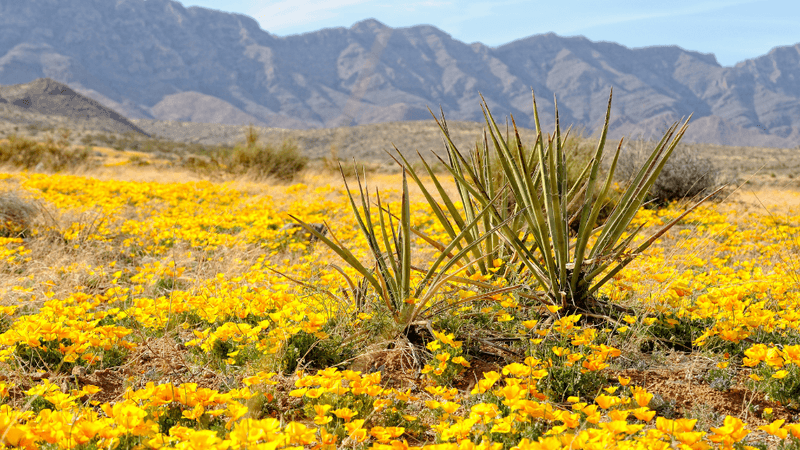
Opt for native species like the Desert Marigold or Joshua Tree, which have evolved to thrive in local conditions. These plants require less water and care, making them ideal for desert gardens.
Embracing native flora not only beautifies your garden but also supports local wildlife, including pollinators essential for ecosystem health.
Ignoring Soil Quality
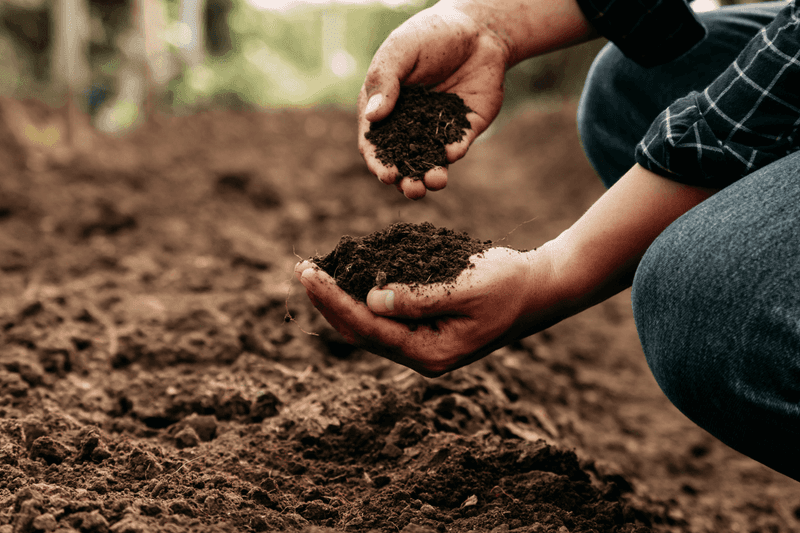
In Nevada, the soil is often sandy and low in nutrients, posing a challenge for plant growth. Many gardeners overlook soil quality, hoping plants will adapt on their own.
Improve soil health by incorporating organic matter like compost or well-rotted manure. These amendments enhance moisture retention and nutrient content.
Conduct regular soil tests to understand its composition and adjust your amendments accordingly. Healthy soil is the foundation of a thriving garden and can make all the difference in arid climates.
Using Chemical Fertilizers
Relying on chemical fertilizers may seem like a quick fix, but in the desert, they can lead to soil degradation. These fertilizers often contain salts that accumulate over time, harming plants.
Switch to organic fertilizers or compost, which release nutrients slowly and improve soil structure. Organic options are less likely to cause salt buildup and support the natural balance of the soil.
Your garden will benefit from healthier growth and a reduced environmental footprint, aligning with sustainable gardening practices.
Planting in Full Sun
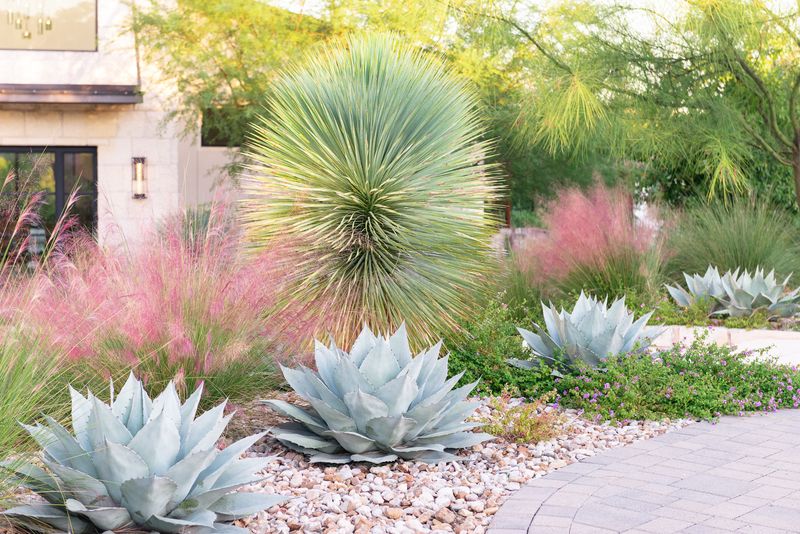
While it may seem that desert plants love sun, constant exposure to intense sunlight can stress even the hardiest varieties. Many gardeners underestimate the power of afternoon sun, leading to sunburnt leaves and stunted growth.
Select plants that tolerate partial shade and provide shade during the hottest parts of the day. Consider using shade cloth or planting near structures that cast shadows.
Creating microclimates within your garden can help manage temperature extremes and protect plants from sun damage.
Over-fertilizing
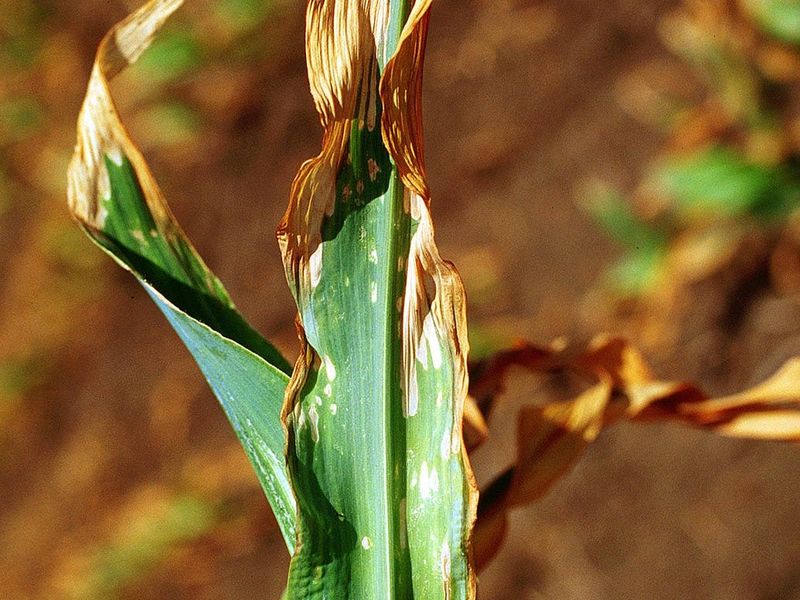
The notion that more fertilizer leads to better growth is misleading, especially in the desert. Over-fertilizing can cause nutrient imbalances and harm plants rather than help them.
Adopt a balanced fertilization approach, using slow-release options that match plant needs. Test soil regularly to determine existing nutrient levels before applying any fertilizers.
This mindful practice not only protects plants but also prevents nutrient runoff, which can have adverse environmental impacts.
Ignoring Mulching
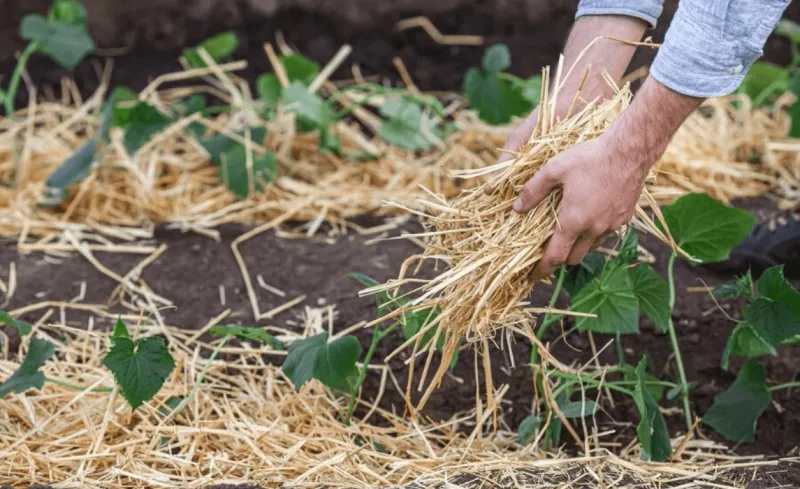
Mulching is often skipped in desert gardening, yet it’s crucial for retaining soil moisture and suppressing weeds. Many underestimate its benefits, thinking it unnecessary in dry climates.
Use organic mulch like bark or straw to insulate soil, keeping it cooler and reducing evaporation. As it decomposes, mulch also enriches the soil, promoting healthy plant growth.
Mulching is an effective way to conserve water and maintain a stable environment for your plants, especially during hot spells.
Neglecting Plant Spacing
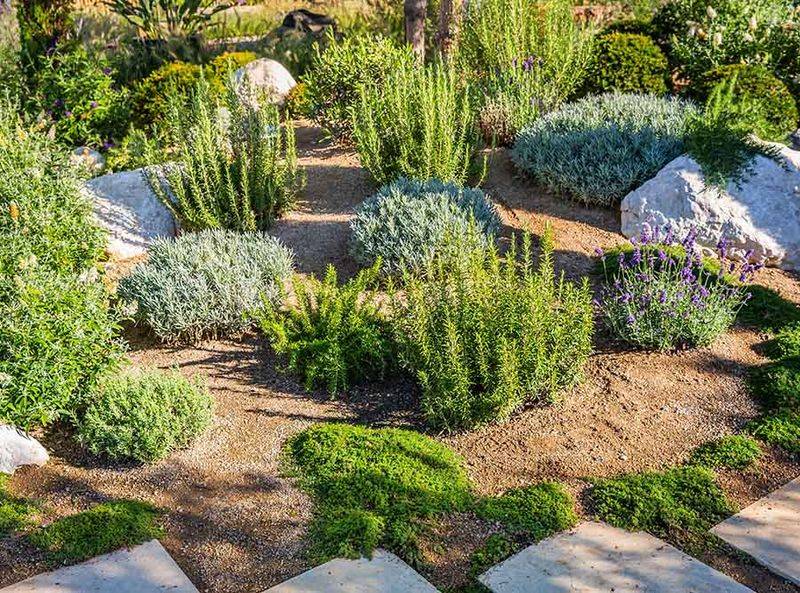
In the quest for lush gardens, overcrowding plants can lead to fierce competition for resources like water and nutrients. This practice often backfires in arid climates, leading to stunted growth.
Proper spacing allows for better air circulation and resource allocation, reducing stress on plants. Each species has unique spacing needs; consult guidelines for optimal arrangements.
Thoughtful planning ensures that all plants have access to necessary resources, facilitating healthier growth and a more aesthetically pleasing garden.
Using Turf Lawns
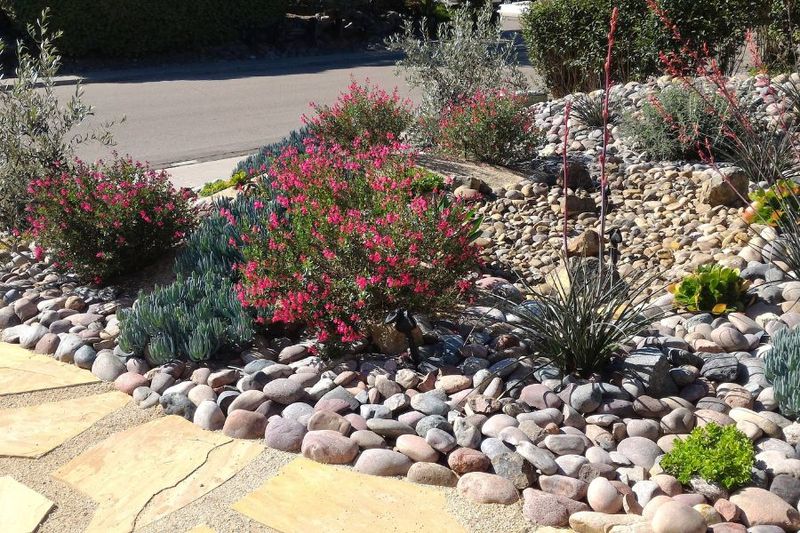
Turf lawns are water-intensive and unsuitable for the desert environment. Trying to maintain a green lawn in Nevada can lead to excessive water use and frustration.
Consider xeriscaping, which uses drought-tolerant plants and decorative stones to create beautiful, low-maintenance landscapes. Native grasses and groundcovers are excellent alternatives to traditional lawns.
This approach not only conserves water but also reduces maintenance time and costs, aligning with sustainable living principles.
Neglecting Seasonal Planting
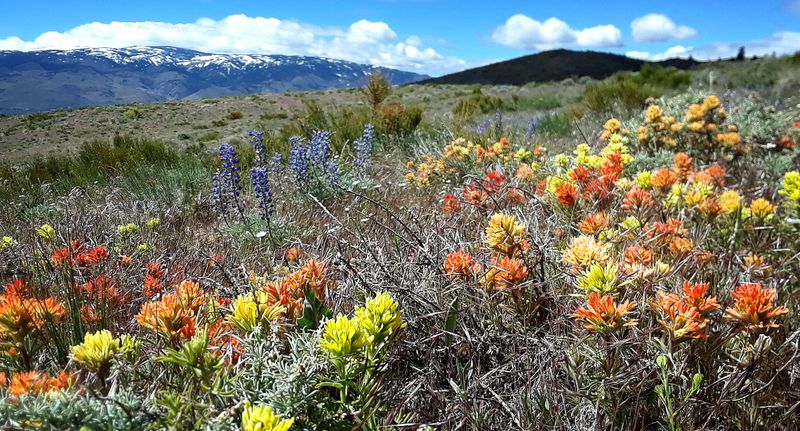
Planting at the wrong time of year can set your garden up for failure. In Nevada, the planting season is short, and timing is crucial to avoid temperature extremes.
Plan your planting schedule around the mild seasons of spring and fall, when temperatures are more forgiving. This gives plants time to establish before facing harsh conditions.
By aligning planting with the natural climate rhythm, you can optimize growth and ensure your garden thrives throughout the year.
Disregarding Wind Protection
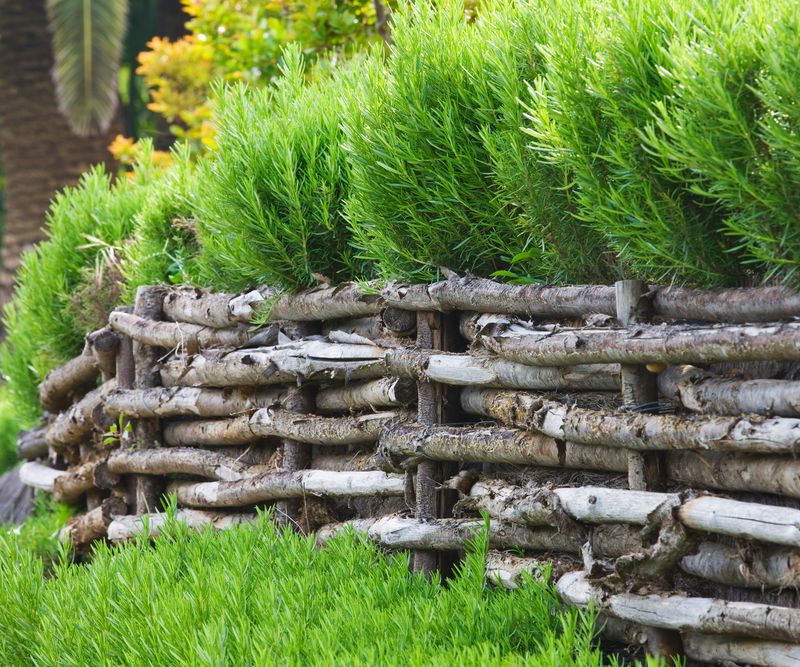
Nevada’s strong winds can damage plants, especially young or delicate species. Many gardeners overlook wind protection, leading to broken branches and uprooted plants.
Establish windbreaks using shrubs, fences, or rocks to shield your garden. These barriers reduce wind speed and protect plants from damage.
By taking wind into account, you create a more stable environment that supports plant health and growth, even in exposed locations.
Skipping Pest Management
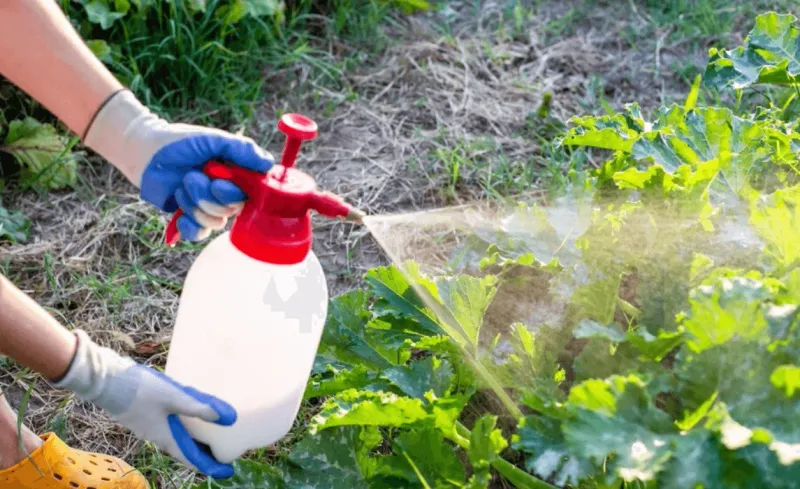
Even in the desert, pests can pose significant threats to gardens. Ignoring pest management can lead to infestations that quickly damage plants.
Implement integrated pest management (IPM) practices, using natural predators and barriers to keep pests in check. Companion planting can also deter pests naturally.
A proactive approach to pest management ensures a healthy, thriving garden without relying on harsh chemicals.
Using Shallow Containers
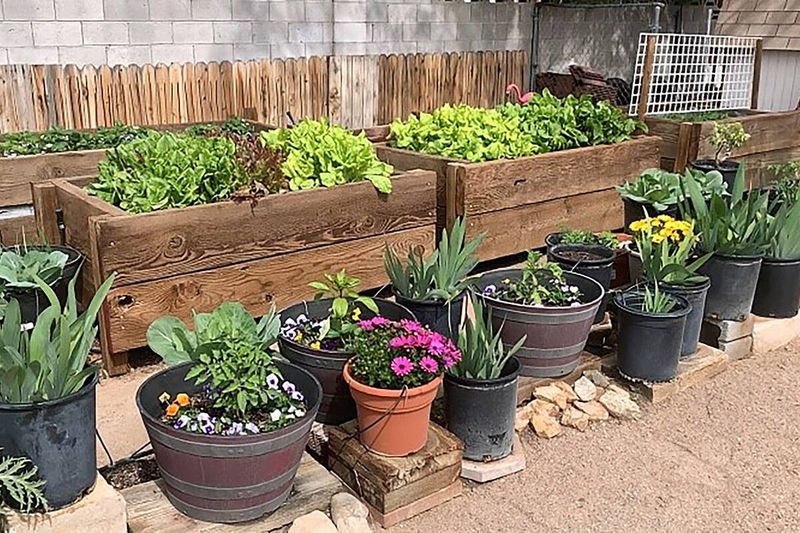
Shallow containers limit root growth, making it difficult for plants to access moisture in the desert. Many underestimate the depth needed for robust growth.
Opt for deep pots that allow roots to expand and seek out water. This is crucial for container gardening in arid conditions.
Deep containers not only support healthier plants but also reduce the frequency of watering, making maintenance more manageable.
Ignoring Microclimates
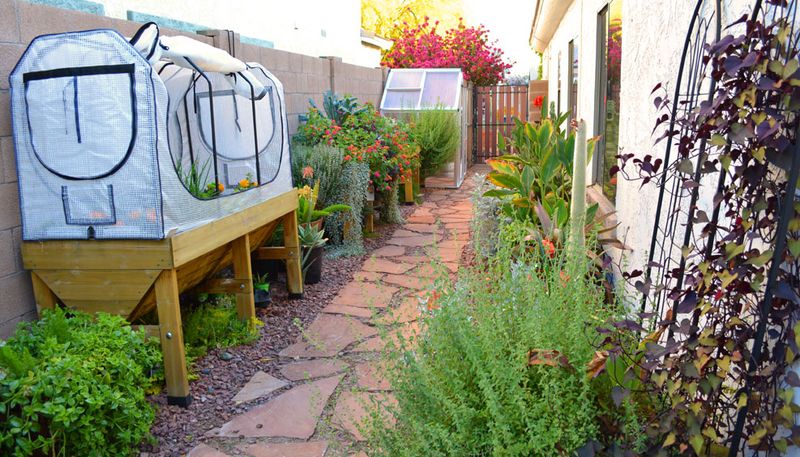
Microclimates are small areas with unique conditions that can be leveraged for successful gardening. Many dismiss these variations, missing opportunities for diverse plantings.
Identify microclimates in your garden to match plants with their preferred conditions. Use walls, rocks, or water features to create different temperature and light zones.
Embracing microclimates allows for a more varied and resilient garden, adapting to Nevada’s challenging climate.
High Maintenance Plant Choices
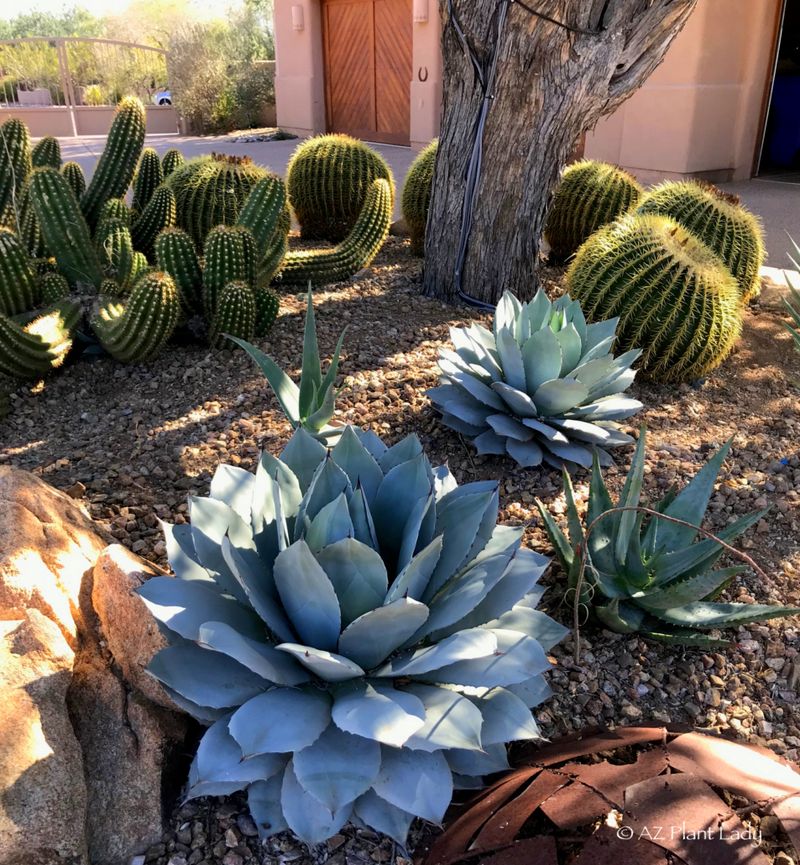
High-maintenance plants require frequent watering and care, which can be burdensome in a desert climate. Choosing such plants often leads to disappointment as they struggle to survive.
Select low-maintenance, drought-resistant plants that align with the environment. Succulents and cacti are excellent choices, thriving with minimal intervention.
This approach reduces the time and resources needed to maintain your garden, providing satisfaction and beauty with less effort.
Forgetting to Rotate Crops
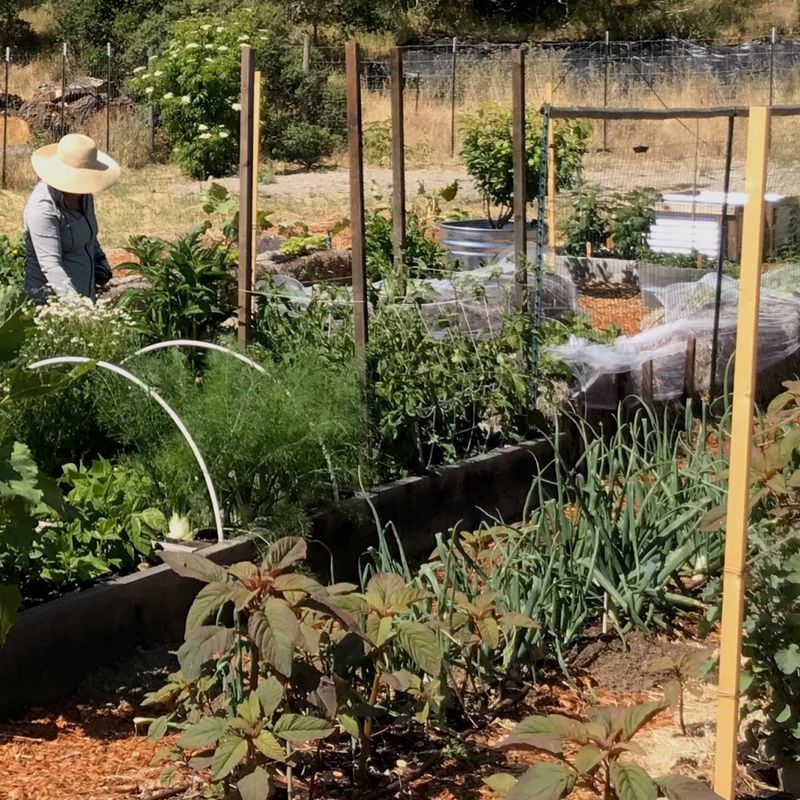
Crop rotation is vital for maintaining soil health, yet it’s often neglected in desert gardening. Repeatedly planting the same crops depletes soil nutrients, leading to poor yields.
Rotate crops annually to balance nutrient demands and reduce pest buildup. Include nitrogen-fixing plants like legumes to enhance soil fertility naturally.
By implementing crop rotation, you strengthen soil health and boost productivity, ensuring a flourishing garden year after year.
Neglecting Water Conservation
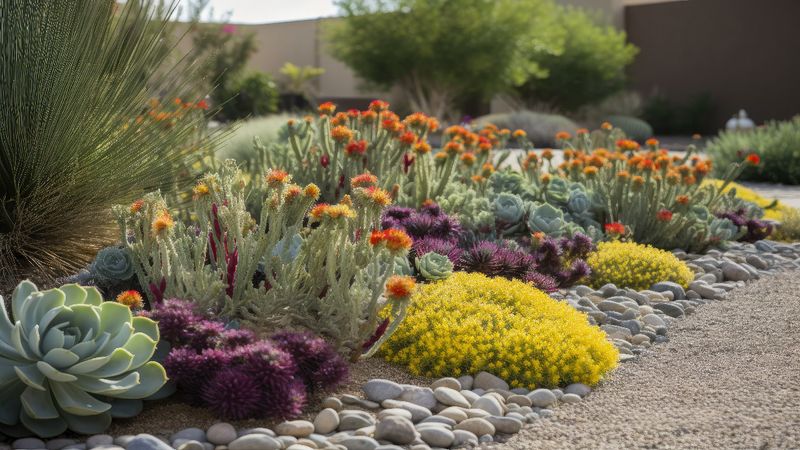
Water is a precious resource in the desert, and conservation is crucial for sustainable gardening. Many overlook efficient watering techniques, leading to waste and increased costs.
Install drip irrigation systems to focus water delivery directly to plant roots, minimizing loss through evaporation. Use rain barrels to collect and reuse rainwater, further conserving resources.
Focusing on water conservation not only benefits the environment but also ensures that your garden remains viable and beautiful in the arid climate.