
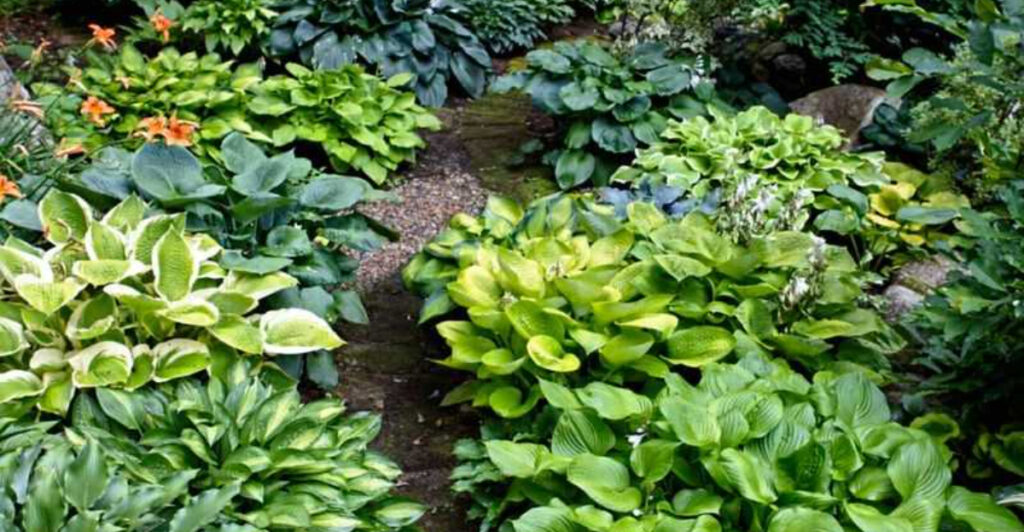
Minnesota’s winters are notorious for their harshness, but gardeners need not despair. There are resilient perennials that can brave the cold and return each year, providing beauty and color to landscapes. This list explores 16 such hardy perennials, each with unique characteristics and an ability to withstand the freezing temperatures of Minnesota’s winters.
Hellebore
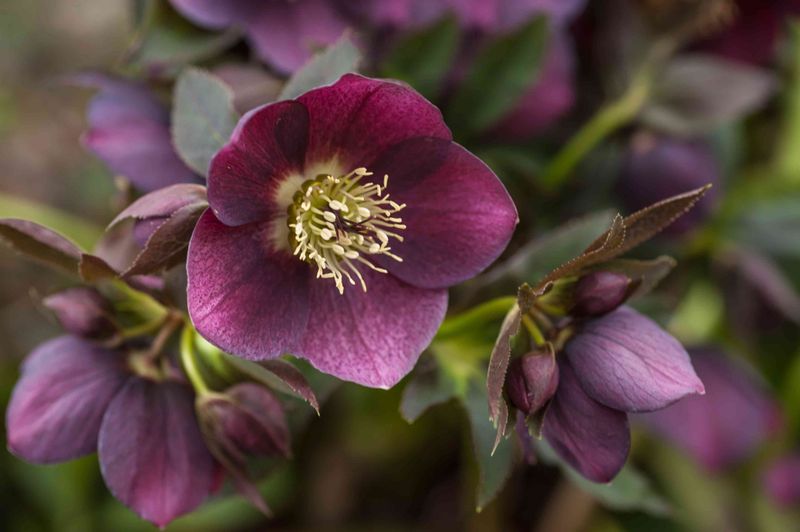
Hellebores are the unsung heroes of winter gardens. Emerging as early as February, they bravely face the snow with nodding blooms. Gardeners love their ability to thrive in shaded areas, providing a splash of color when most plants are dormant.
Known as the ‘Christmas Rose,’ hellebores are not only beautiful but hardy. Their evergreen foliage adds year-round interest, making them a consistent favorite.
The intriguing structure of their flowers has captivated botanists for centuries. With over 20 species, they are as diverse as they are resilient.
Liatris
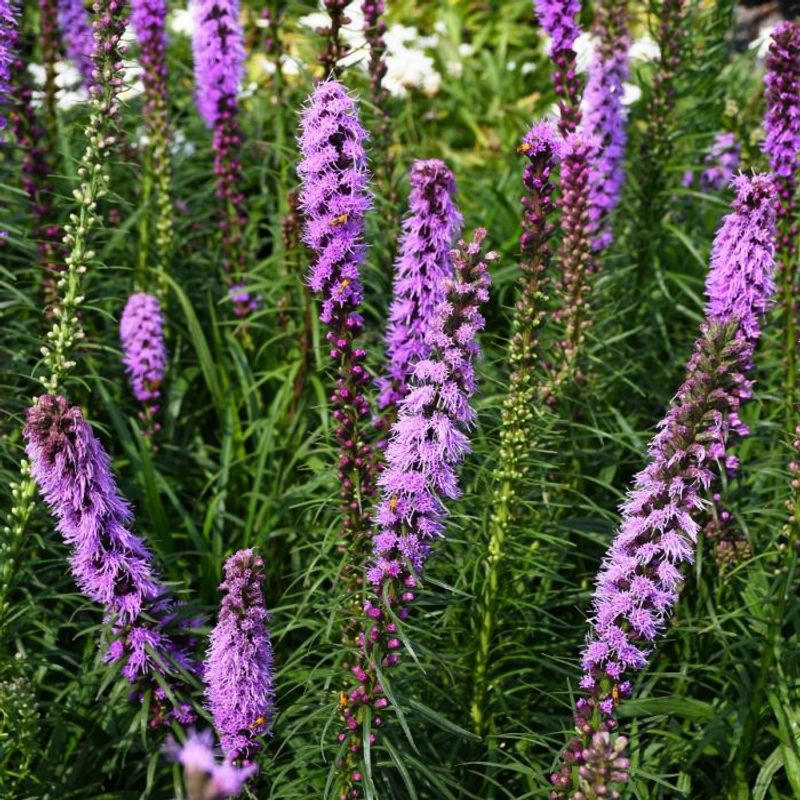
Liatris, or ‘Blazing Star,’ is a beacon of vibrancy. Its tall, purple spikes stand proudly, attracting butterflies and bees alike. Every garden benefits from its graceful presence and ease of care.
These perennials are sun-lovers, thriving in Minnesota’s summer warmth. Their resilience to cold ensures a robust return come spring.
Did you know? Liatris is native to North America, making it a natural choice for local gardens. Its ability to adapt to various soils is commendable.
Peony
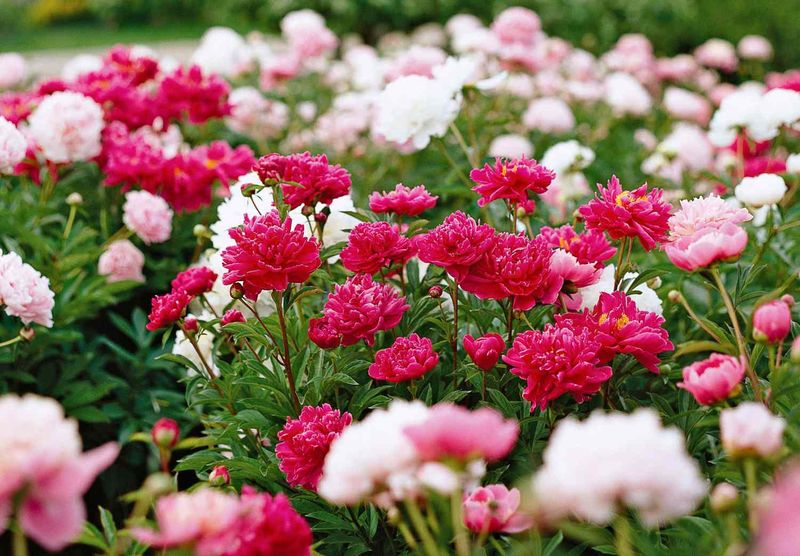
Peonies are the aristocrats of perennials. With their lush and large blooms, they fill gardens with elegance and fragrance. Each flower tells a story of beauty and endurance, surviving harsh winters with ease.
These plants are wonderfully low-maintenance, requiring only patience for their stunning blossoms. Their longevity is adored by gardeners, often passed down through generations.
The peony’s history dates back to ancient China, where it symbolized wealth and honor. In Minnesota, it reigns supreme in spring gardens.
Sedum
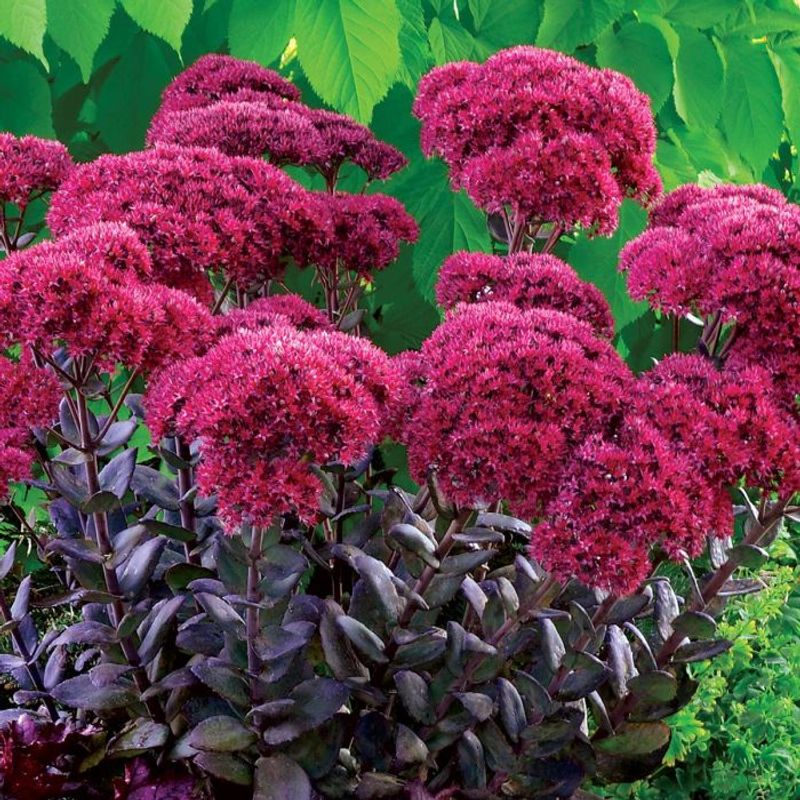
Sedum, the succulent of the north, is a tough contender against the cold. Its thick, fleshy leaves store water, making it drought-resistant and ideal for harsh climates.
These perennials bring texture and color to rock gardens, thriving in full sun and well-drained soil. Their adaptability is unmatched, ensuring beauty year-round.
The diversity within the sedum family provides endless options for creative gardeners. From ground covers to tall species, sedums are a versatile addition to any landscape.
Daylily
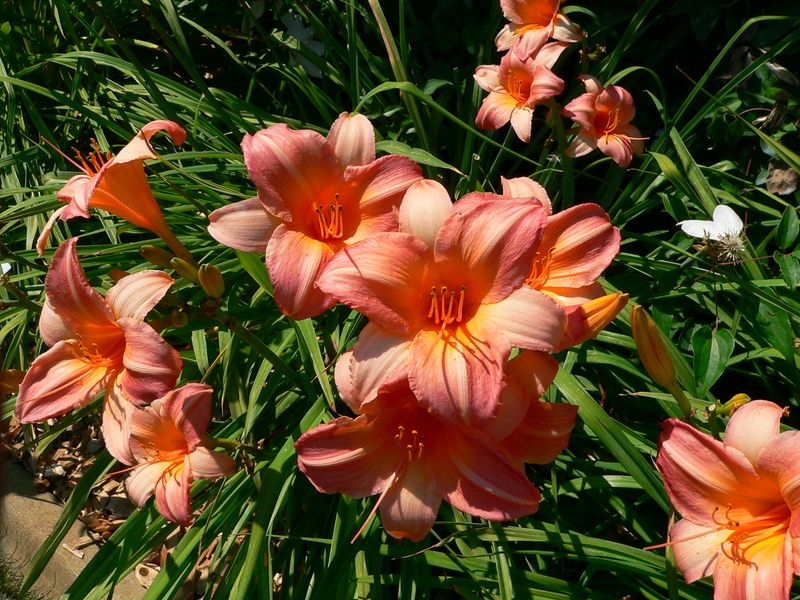
Daylilies, characterized by their vibrant colors and fleeting blooms, bring life to gardens. Each flower lasts just a day, yet they continue to bloom for weeks, creating a dynamic and lively display.
These perennials are incredibly low-maintenance and thrive in various conditions, from full sun to partial shade. Their robust nature makes them perfect for Minnesota’s climate.
A symbol of flirtatiousness and happiness, daylilies are celebrated for their resilience and abundance. Their ability to multiply and spread is both impressive and delightful.
Russian Sage
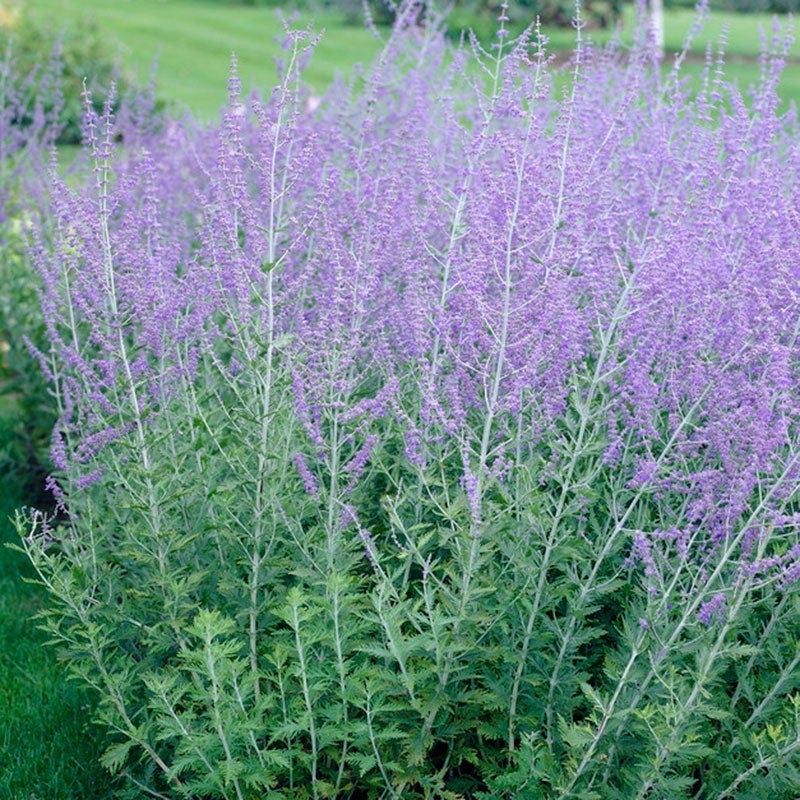
Russian Sage is a perennial powerhouse. With its aromatic, silvery foliage and delicate purple flowers, it brings a sense of calm and beauty to any garden. Its airy appearance belies its tenacious spirit.
These plants thrive in sunny spots, enduring the cold winters without a fuss. Their drought tolerance is a bonus, reducing the need for frequent watering.
This plant’s ethereal beauty has made it a favorite among garden designers. It’s often used to soften hardscapes and add movement to garden beds.
Coneflower
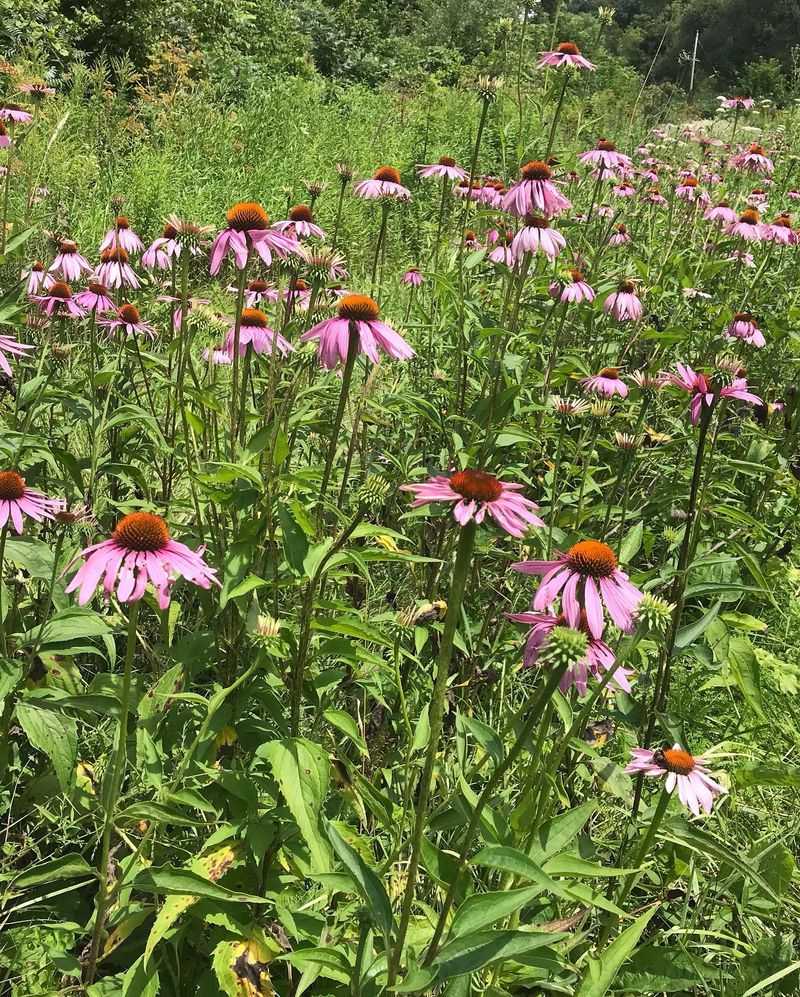
Coneflowers, or Echinacea, are the cheerful greeters of any garden. With their daisy-like petals and prominent centers, they attract pollinators in droves. Their robust nature ensures they’re here to stay through winter.
These perennials are adaptable, thriving in a variety of soil types. Their resilience and long bloom period make them a staple in Minnesota gardens.
Beyond their beauty, coneflowers hold medicinal properties, historically used for their healing powers. They continue to be a symbol of health and vitality.
Hosta
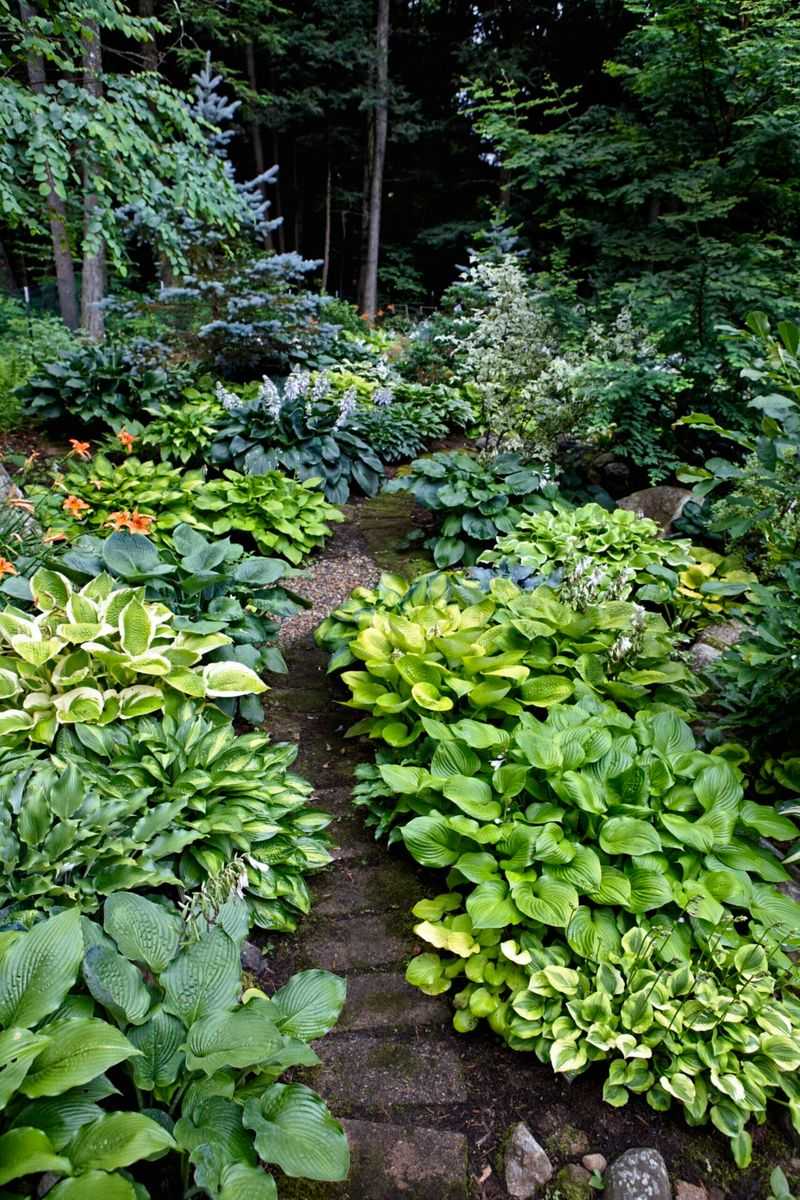
Hostas are the masters of the shade. With a wide array of leaf shapes and colors, they bring texture and interest to shaded garden spaces. Their ability to flourish where others fail is remarkable.
These perennials are cherished for their low-maintenance nature and longevity. They’re perfect for adding depth to garden beds and borders.
Hostas have been cultivated for centuries, with origins in Asia. They have become a favorite in Minnesota for their beauty and adaptability.
Astilbe
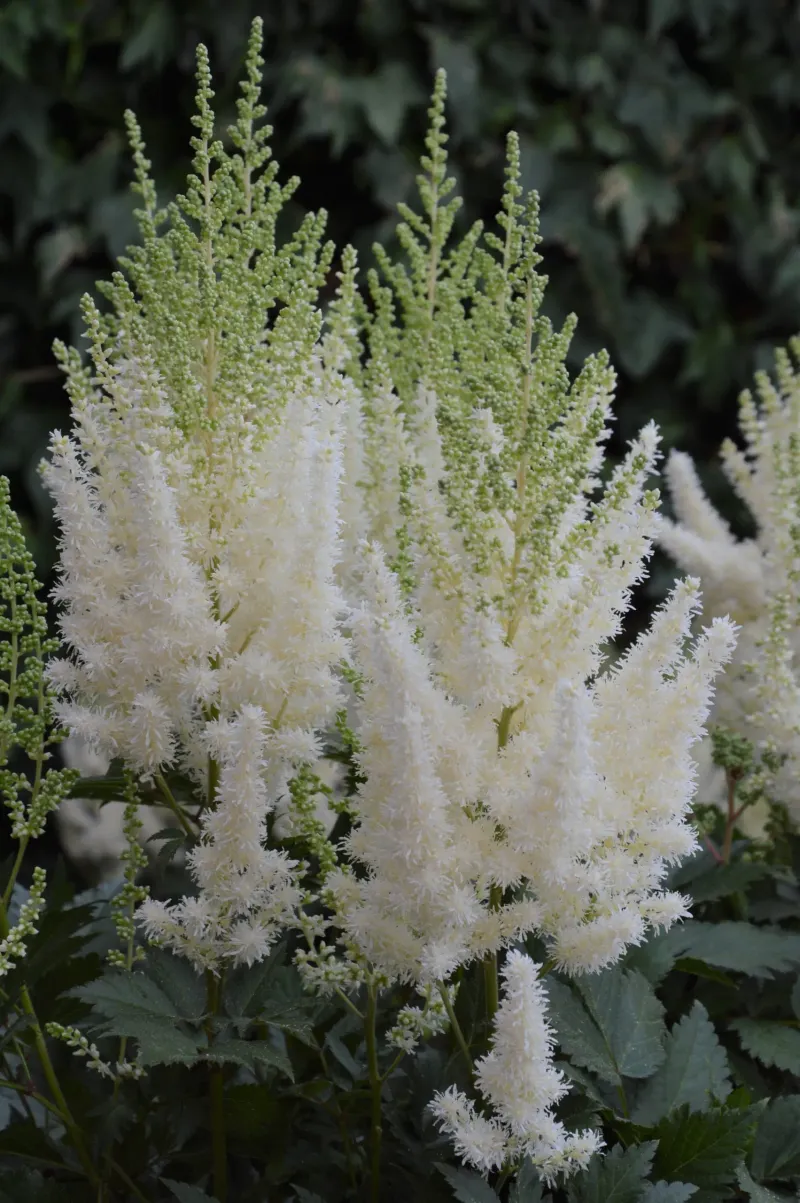
Astilbe, with its feathery plumes and lush foliage, creates a soft tapestry in the garden. These perennials are shade-loving, preferring moist environments to thrive.
The delicate appearance of astilbe is deceiving; they’re remarkably hardy, enduring cold temperatures with grace. Their long-lasting blooms add elegance to any garden setting.
This plant is often used in woodland gardens, where its texture and color provide a beautiful contrast to greens and browns. A must-have for any shaded Minnesota garden.
Yarrow
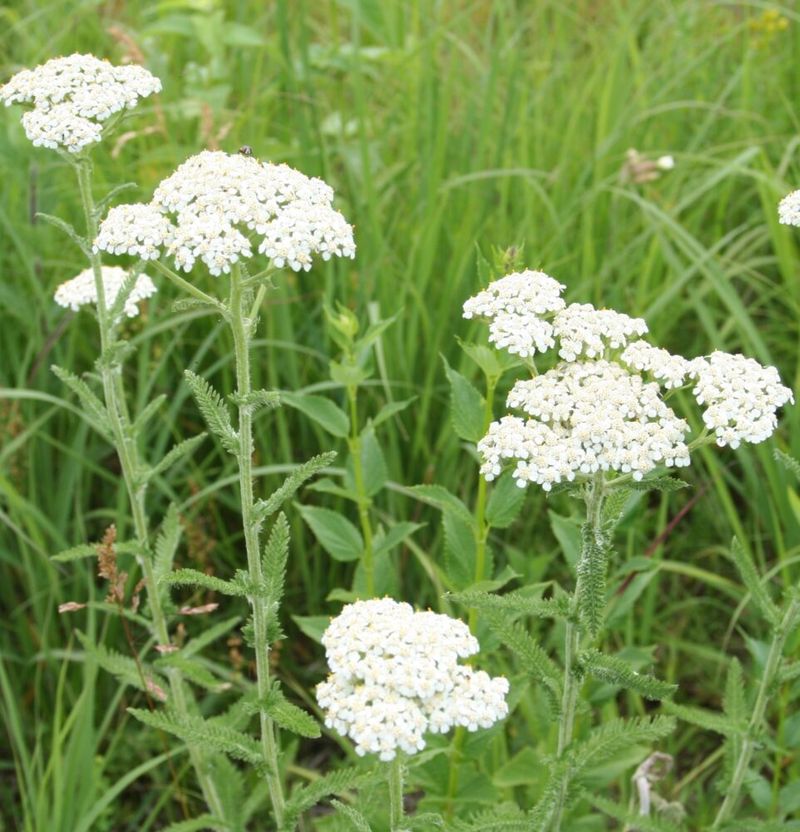
Yarrow is the unsung hero of wildflower gardens. With clusters of flat-topped flowers and fern-like foliage, it adds a rustic charm to any landscape.
These perennials are drought-tolerant and thrive in full sun, making them ideal for Minnesota’s varying climate. Their ability to attract beneficial insects is an added bonus.
Historically, yarrow was used for medicinal purposes, believed to heal wounds and reduce inflammation. Its resilience and beauty remain celebrated today.
Black-Eyed Susan
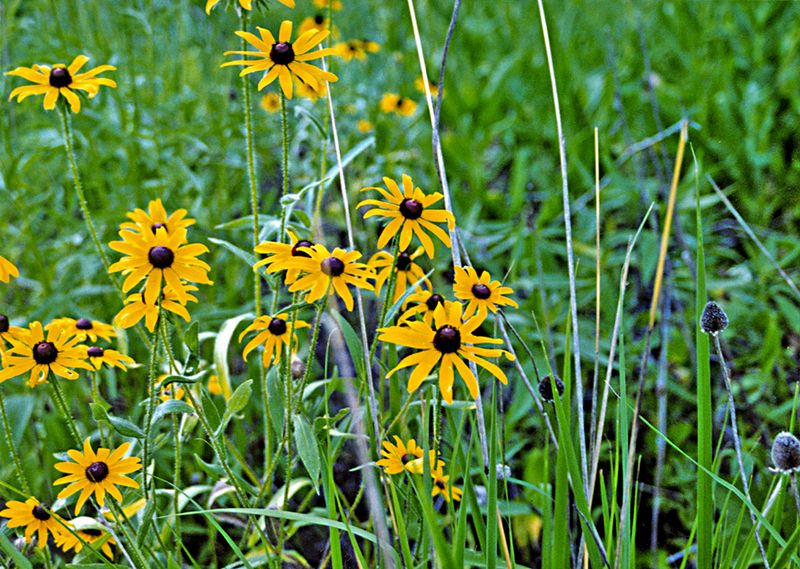
Black-Eyed Susans are like bursts of sunshine in the garden. Their bright yellow petals and dark centers create a striking contrast, drawing in pollinators and garden enthusiasts alike.
These perennials are notorious for their hardiness, thriving in various soil conditions. They require minimal care, making them a favorite for Minnesota gardens.
With a history rooted in North American prairies, Black-Eyed Susans symbolize encouragement and motivation. Their cheerful appearance is a welcome sight in any landscape.
Bee Balm
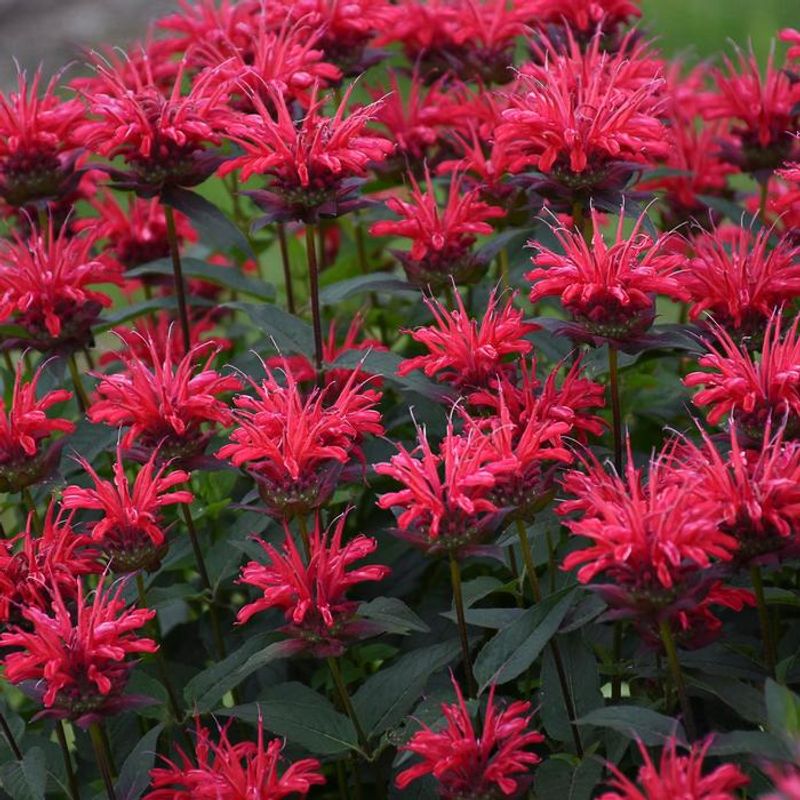
Bee Balm, known for its vibrant blooms and fragrant leaves, is a magnet for pollinators. Its fiery red flowers are a sight to behold, adding drama to any garden.
These perennials love the sun and are surprisingly adaptable to Minnesota’s chilly winters. Their ability to spread quickly fills gardens with color and life.
Bee Balm’s medicinal properties are well-documented. Historically used by Native Americans, it symbolizes healing and protection. Its captivating presence is both functional and decorative.
Coral Bells
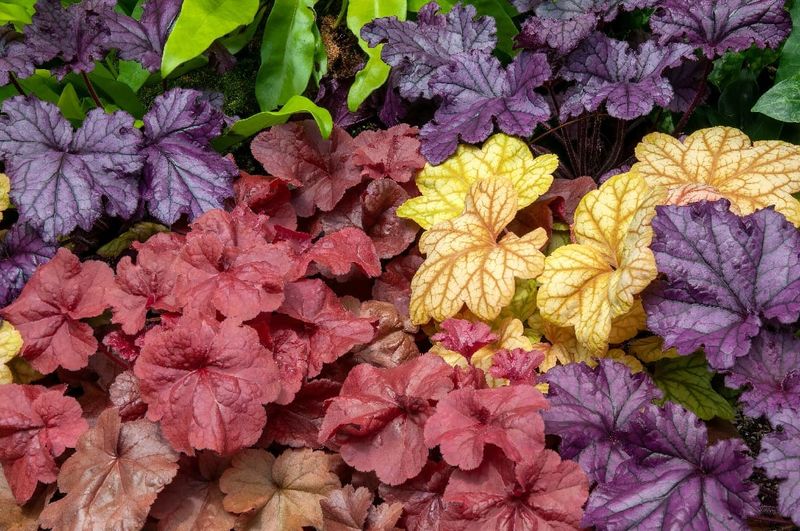
Coral Bells, or Heuchera, bring color beyond blooms. Their foliage, ranging from deep purple to lime green, adds depth and intrigue to shaded areas.
These perennials are perfect for borders and containers, thriving in well-drained soil. Their resilience to cold weather makes them a staple in northern gardens.
The delicate flowers of Coral Bells rise above the foliage, adding a whimsical touch to the garden. They are a testament to the beauty of leaves as much as flowers.
Bleeding Heart
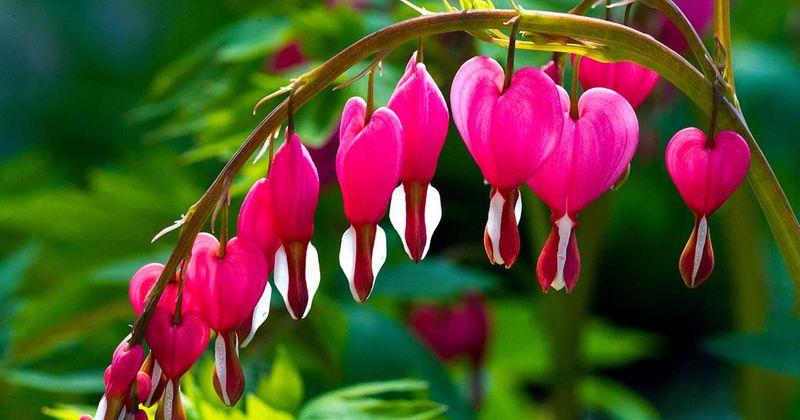
Bleeding Hearts captivate with their romantic and unique appearance. The heart-shaped flowers dangle from arching stems, telling tales of love and beauty.
These perennials prefer shaded, moist environments, thriving even in the coldest of winters. Their enchanting blooms are a highlight of spring gardens.
The bleeding heart’s timeless beauty has inspired many legends. Its presence in a garden signals a touch of whimsy and grace, beloved by gardeners.
Lupine
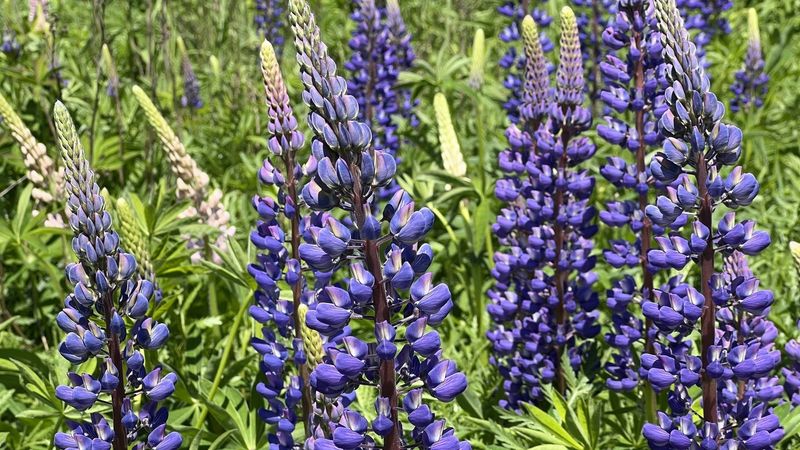
Lupines are the artists of the perennial world, painting landscapes with tall spires of color. Their ability to transform a garden is unparalleled, with hues ranging from blue to pink.
These perennials thrive in full sun and well-drained soil, showing resilience against Minnesota’s cold winters. They symbolize imagination and creativity.
Native to North America, lupines have adorned wild landscapes for centuries. Their nitrogen-fixing ability enriches the soil, making them a gardener’s ally.
Foamflower
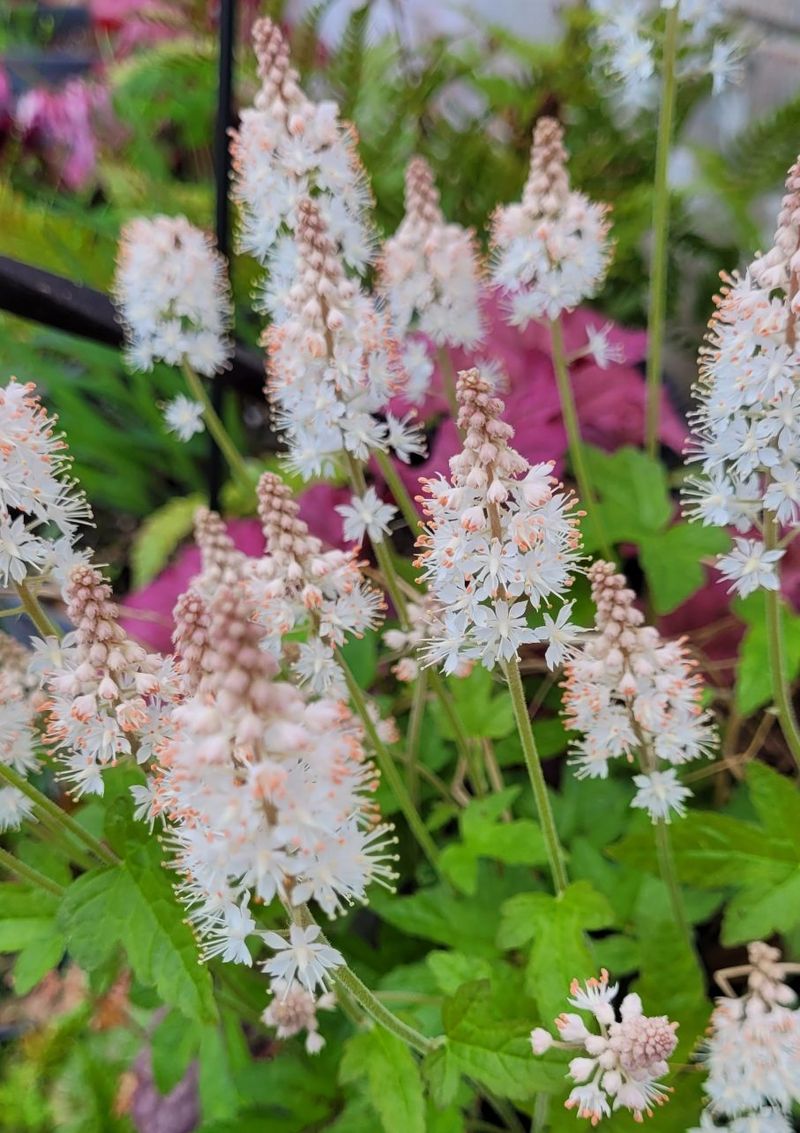
Foamflower, with its ethereal white blooms, is a gentle addition to any shaded garden. Its delicate nature belies its hardy character, surviving Minnesota’s cold with ease.
These perennials prefer moist, well-drained soils and bring a woodland charm to garden beds. Their foliage adds interest long after the blooms have faded.
The plant’s name derives from the frothy appearance of its flowers. Foamflowers are a subtle yet striking choice for landscape design.