
Texas is home to many beautiful trees, but not all of them are ideal for your yard. Some popular species can actually cause damage to your property, or create maintenance headaches. In this article, we explore ten common Texas trees that might be more trouble than they’re worth, and suggest safer alternatives that are kinder to your yard.
Silver Maple
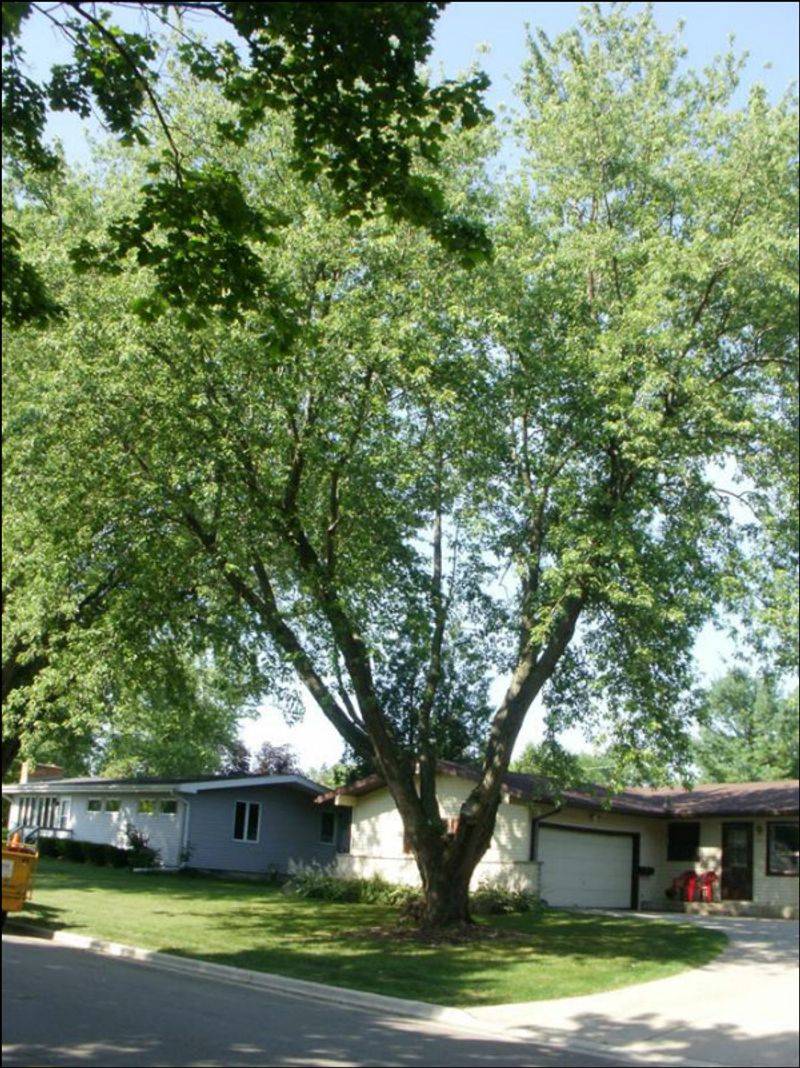
The Silver Maple is a common sight in many Texas yards, admired for its fast growth and large, shimmering leaves. However, its shallow, aggressive root system can wreak havoc on lawns and even damage sidewalks and foundations.
Homeowners frequently find themselves battling surface roots that make mowing difficult and disrupt the aesthetic of a neatly manicured lawn. The brittle branches are also prone to breaking during storms, posing a risk to property.
A safer alternative is the native Cedar Elm. This tree offers a similar shade without the root issues, and its hardy nature stands up well to Texas storms.
Bradford Pear
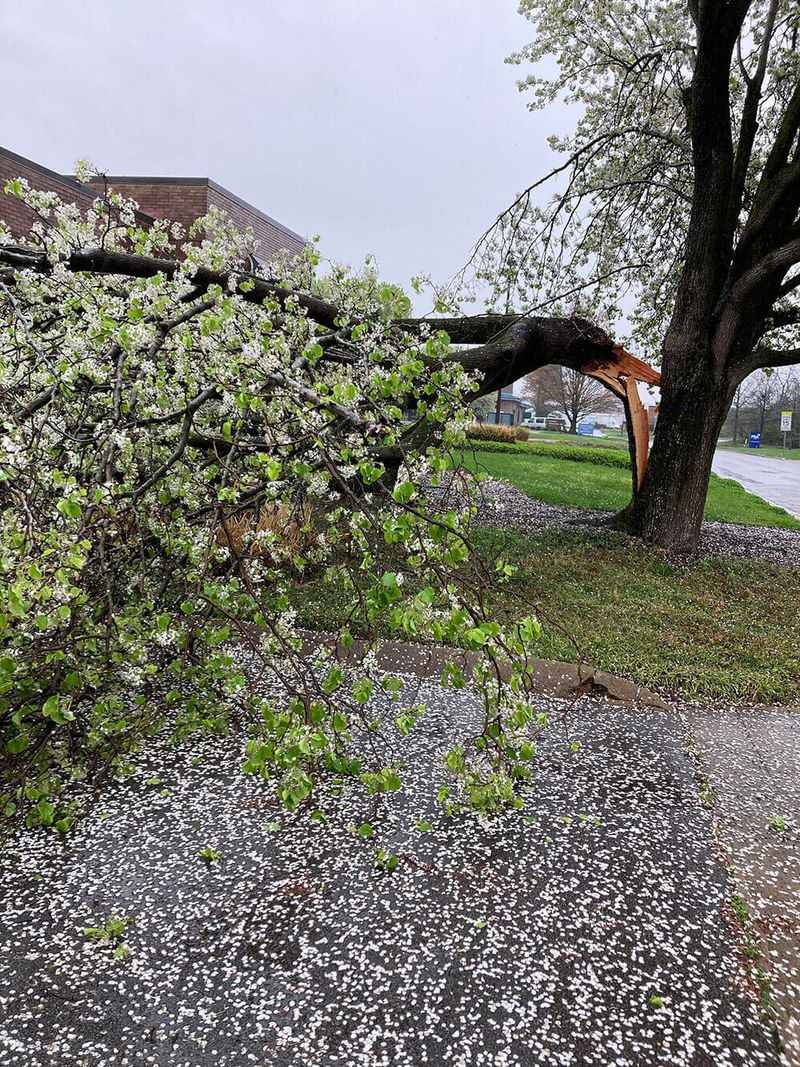
With its springtime explosion of white blooms, the Bradford Pear was once a darling of suburban landscaping. Unfortunately, this beauty comes at a cost. As the tree matures, its weak branch structure often leads to splitting, especially under the weight of its own blossoms or during storms.
This propensity for breakage means constant maintenance and a potential hazard for nearby structures. Additionally, its uniform shape and rapid growth can outcompete other plants for resources.
Consider planting a Dogwood tree instead. Dogwoods offer beautiful blooms without the structural issues, providing a more sustainable choice for your yard.
Cottonwood
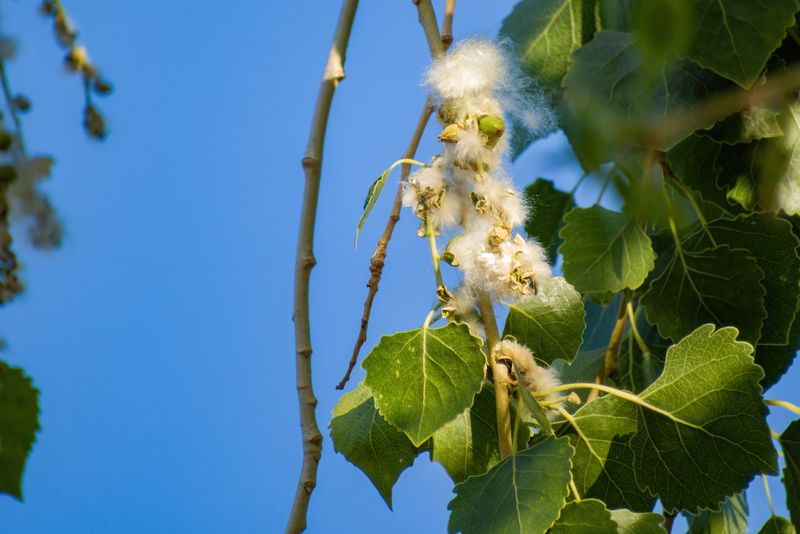
The Cottonwood tree, often found near rivers and streams, is known for its towering presence and quick growth. However, its prolific seed production is a nuisance, as the fluffy seeds blanket everything in sight, creating a mess that’s tough to clean up.
Beyond the seeds, the tree’s roots are invasive, often causing damage to sewage systems and foundations. Its large size can also overshadow other plants, depriving them of sunlight.
The Bald Cypress is a great alternative. It thrives in similar conditions without the mess, offering a more controlled growth and stunning fall color change.
Hackberry
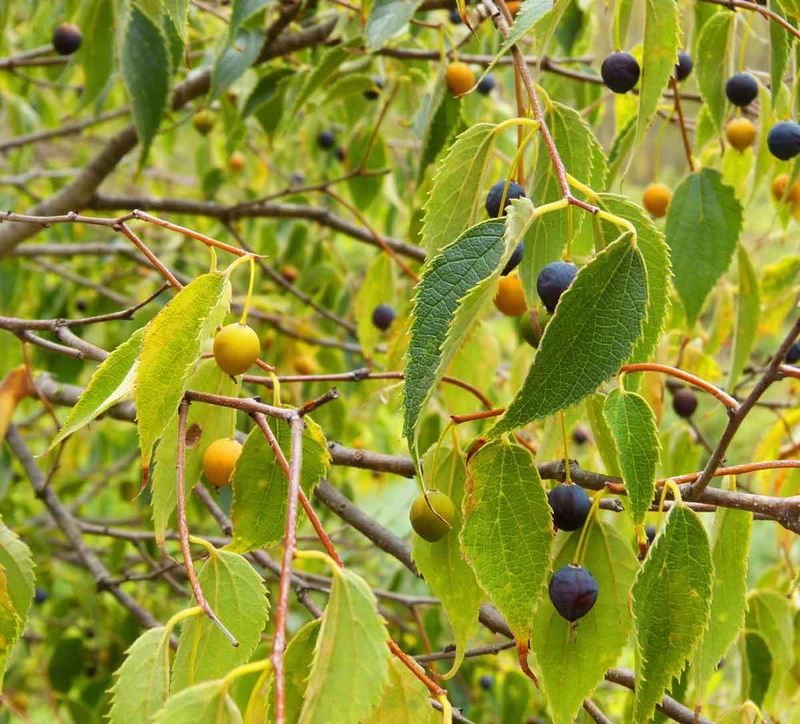
Hackberry trees are resilient and adaptable, thriving in many Texas environments. Despite their hardiness, they’re often considered a nuisance due to their messy nature. The tree sheds leaves, twigs, and bark, which can clog gutters and litter the yard.
These trees are also prone to pests like scale insects, which can stress the tree and create further maintenance issues. Their rapid growth and weak wood mean they are susceptible to storm damage.
Opt for a Chinquapin Oak instead. It’s sturdy, less messy, and supports local wildlife with its acorns.
Mimosa
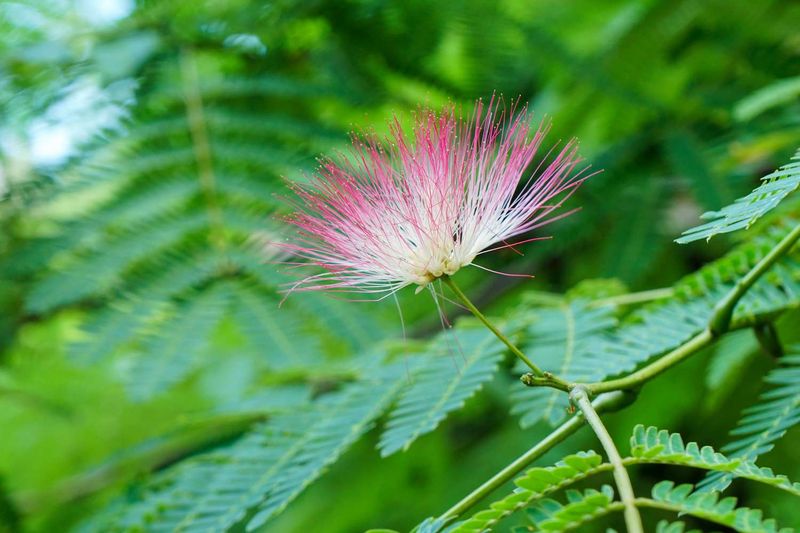
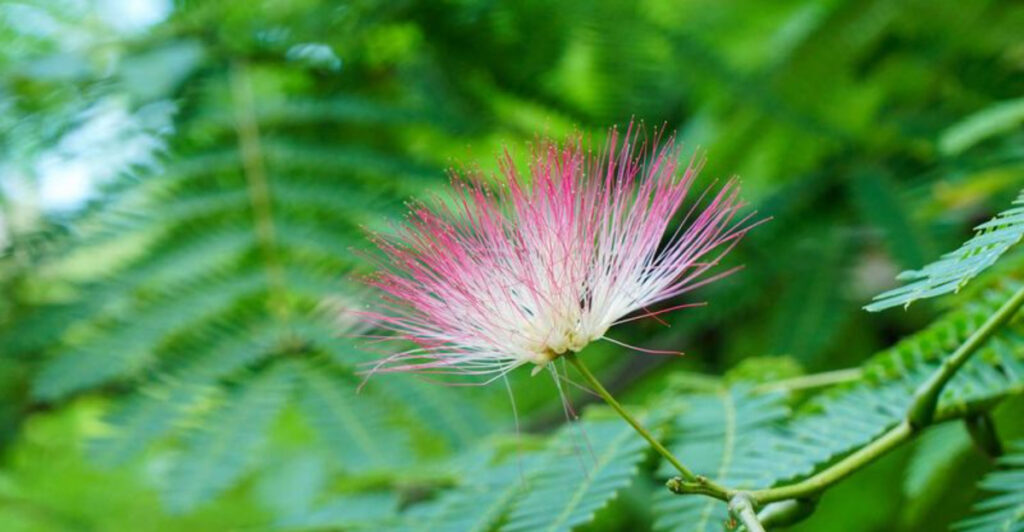
Mimosas, with their delicate pink flowers, seem like a whimsical addition to any yard. However, their beauty belies a more sinister nature. This invasive species spreads rapidly, often displacing native plants and altering local ecosystems.
The tree’s weak wood and susceptibility to pests like webworms mean it requires constant upkeep and can break easily in high winds.
Instead, plant an Eastern Redbud. Its vibrant spring blooms offer a charming display without the invasive tendencies, making it a safer choice for Texas yards.
Arizona Ash
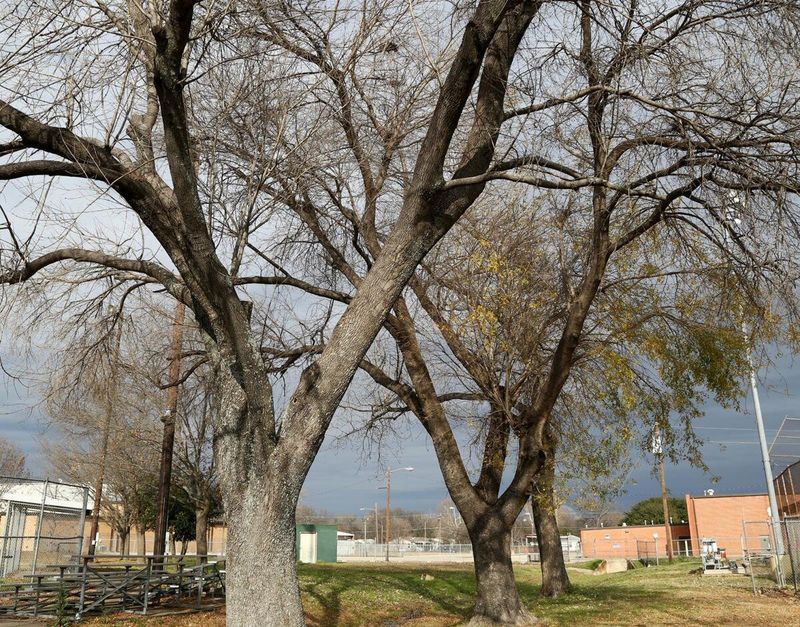
Arizona Ash is popular for its shade, but its drawbacks quickly overshadow its benefits. The tree grows rapidly, which often results in weak wood prone to disease and breakage.
Additionally, its short lifespan means it will require replacement sooner than other species, often within 20 years. During its life, it drops a significant amount of leaves and branches, adding to yard maintenance.
Planting a Bur Oak instead can provide the shade you desire without the fragility, offering a long-lasting and robust alternative.
Chinaberry
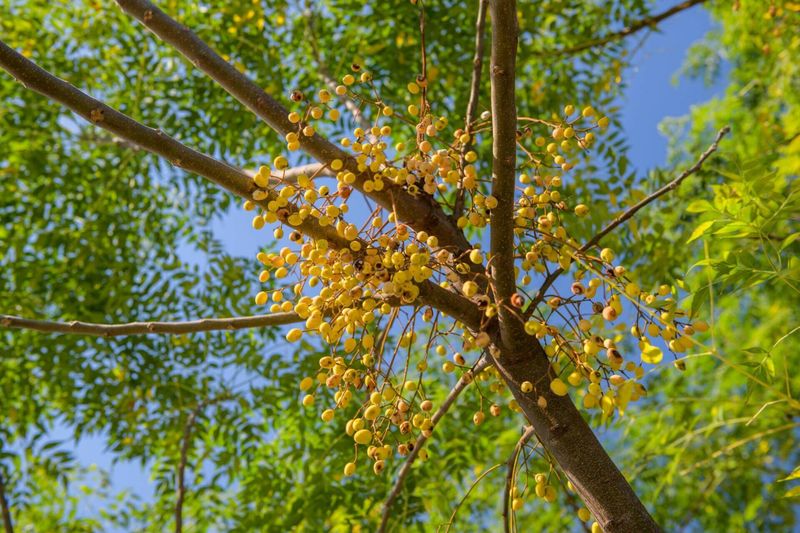
Chinaberry trees are easily recognizable with their attractive clusters of yellow berries. However, these berries are toxic to pets and wildlife, posing a danger if they fall into accessible areas.
The tree also has invasive tendencies, often spreading rapidly and outcompeting native species. Its weak wood and susceptibility to pests add to the challenges, making it a high-maintenance choice.
For a safer option, consider the Texas Mountain Laurel. It’s a native tree with beautiful purple flowers and a non-invasive nature, offering a stunning and safer alternative.
Sweetgum
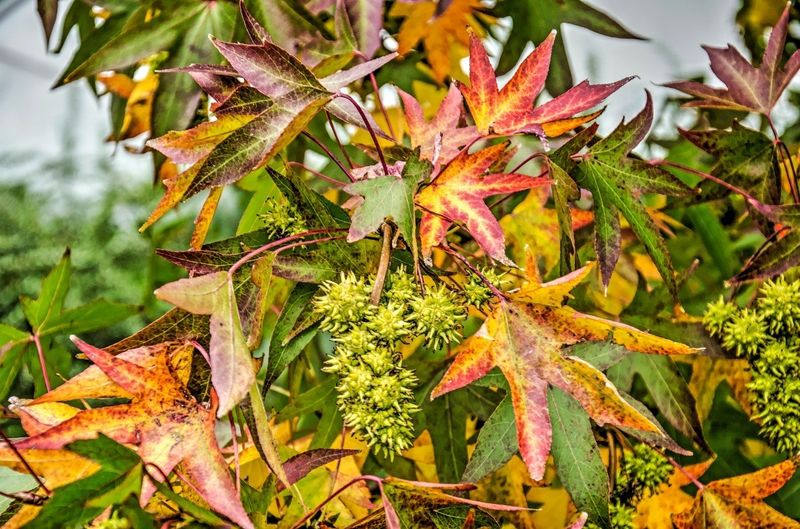
Sweetgum trees are appreciated for their vibrant fall foliage, but they come with their own set of problems. The tree produces hard, spiky seed balls that are not only a chore to clean up but can also be a hazard if stepped on.
These seed balls litter lawns and pathways, and the tree’s aggressive root system can disrupt nearby surfaces. The branches are also prone to storm damage, requiring regular checks and maintenance.
Opt for a Red Maple for similarly stunning fall colors without the mess of spiky seeds, providing a cleaner and safer environment around your home.
Chinese Tallow
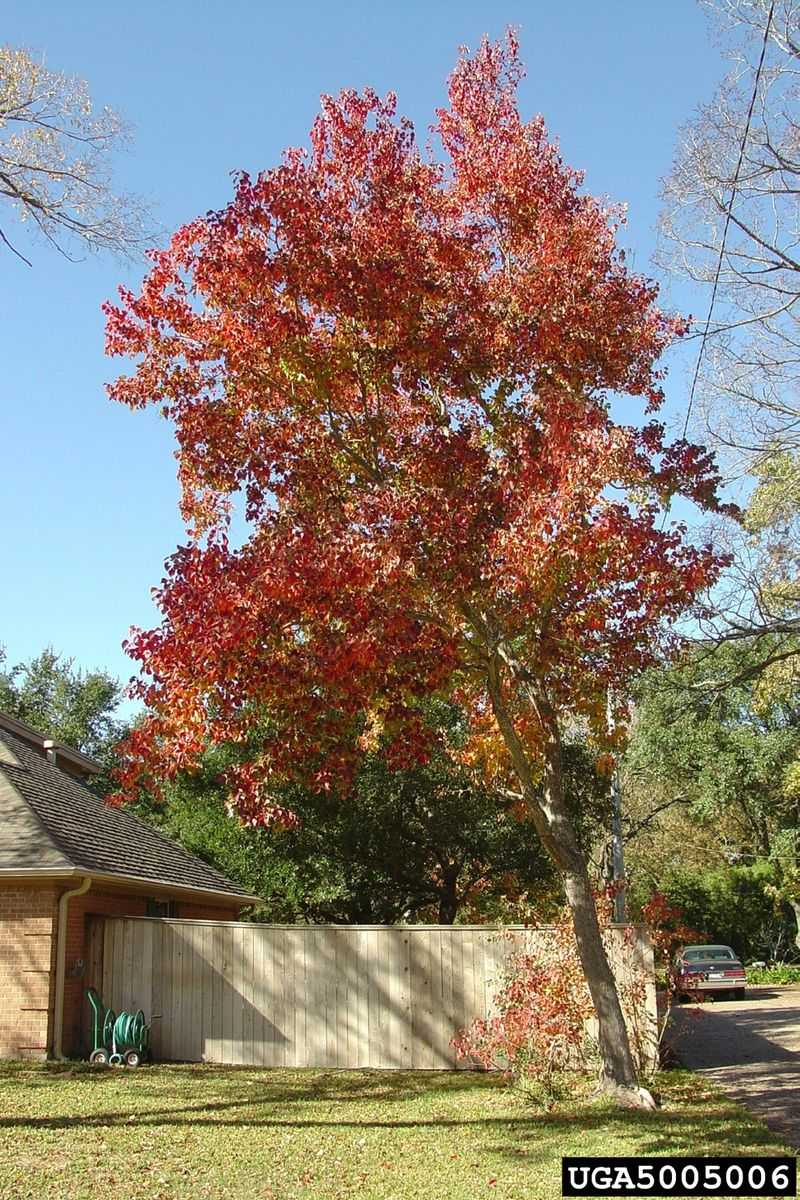
The Chinese Tallow, known for its stunning autumn colors, is also infamous for its invasive nature. Its leaves fall in large quantities, forming a thick, smothering carpet that prevents other plants from thriving.
This tree spreads aggressively, often taking over entire areas and outcompeting native flora. Its rapid growth and invasive roots can be challenging for homeowners looking to maintain a balanced ecosystem in their yard.
A better choice would be the American Holly, which provides year-round greenery without the threat to local biodiversity.
Russian Olive
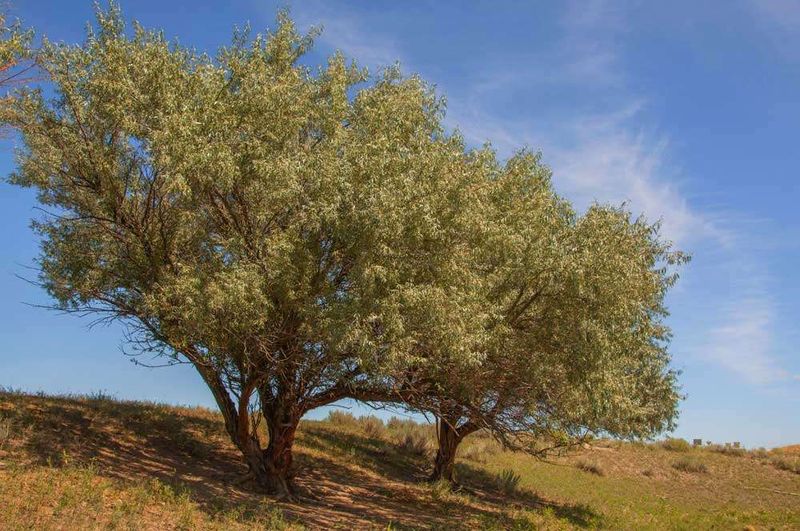
The Russian Olive tree, with its silvery leaves and fragrant flowers, might seem appealing, but it’s notorious for its invasive nature. This tree spreads quickly, often forming dense thickets that crowd out native plants.
Its thorny branches can be a hazard to people and pets, and its aggressive root system can damage nearby structures. The maintenance required to keep it in check often outweighs its aesthetic value.
Consider the Desert Willow instead. It offers beautiful blooms and a more manageable growth habit, without the invasive and thorny characteristics of the Russian Olive.