
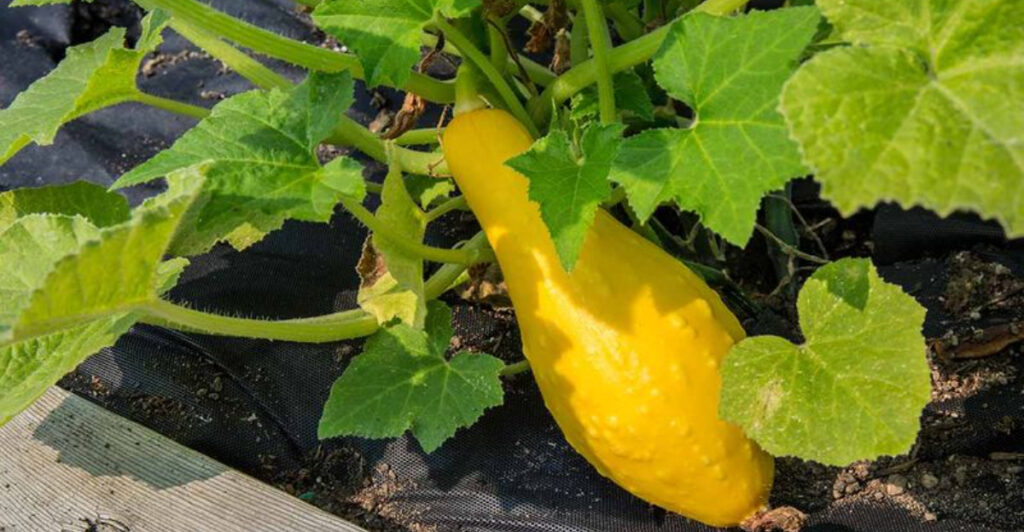
Gardening in Kansas presents unique challenges, especially when it comes to the scorching summer heat. Not all vegetables can thrive in such conditions. While some wilt under the intense sun, others bask in the heat, producing bountiful harvests. Whether you’re planning your garden or just curious, this guide will help you understand which vegetables to nurture and which to avoid planting in the Kansas summer.
Lettuce
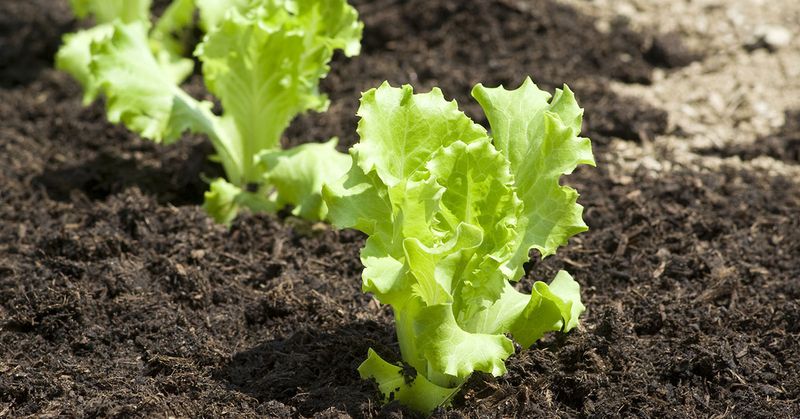
Many gardeners love lettuce for its crisp texture and fresh taste. However, in the sweltering Kansas summers, this leafy green struggles to survive. The heat causes it to bolt quickly, turning leaves bitter and unpalatable.
Planting lettuce in Kansas requires careful planning, ensuring it grows during cooler months or under shade cloth to extend its season. Unfortunately, the peak summer days are often too harsh for this vegetable to thrive.
Despite its challenges, lettuce remains a favorite for its rapid growth and versatility in salads and wraps. Yet, a little too much heat, and it vanishes from the garden.
Spinach
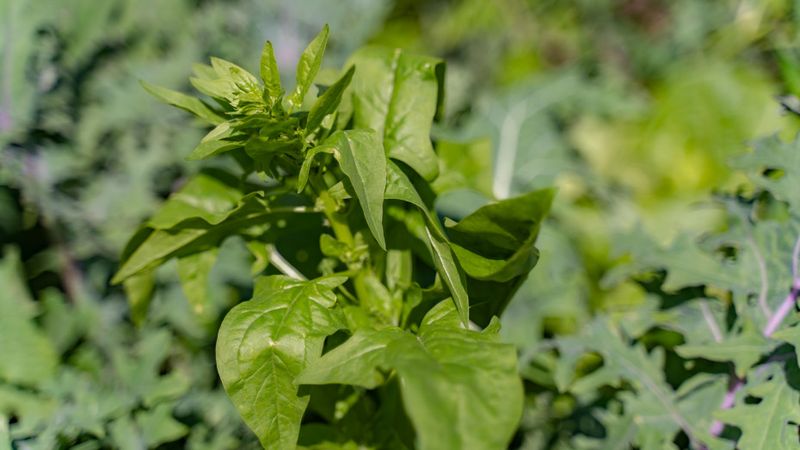
Spinach, known for its nutrient-rich leaves, wilts under the relentless Kansas sun. The heat accelerates its growth cycle, causing it to bolt and become bitter prematurely.
In Kansas, spinach is best planted in early spring or fall when temperatures are milder. Attempting to grow it through summer often leads to disappointment as it struggles to cope with high temperatures.
While spinach is a garden staple, its inability to handle the heat makes it less suitable for Kansas summers. Those who love its flavor must time their planting carefully or seek alternatives for the hotter months.
Broccoli
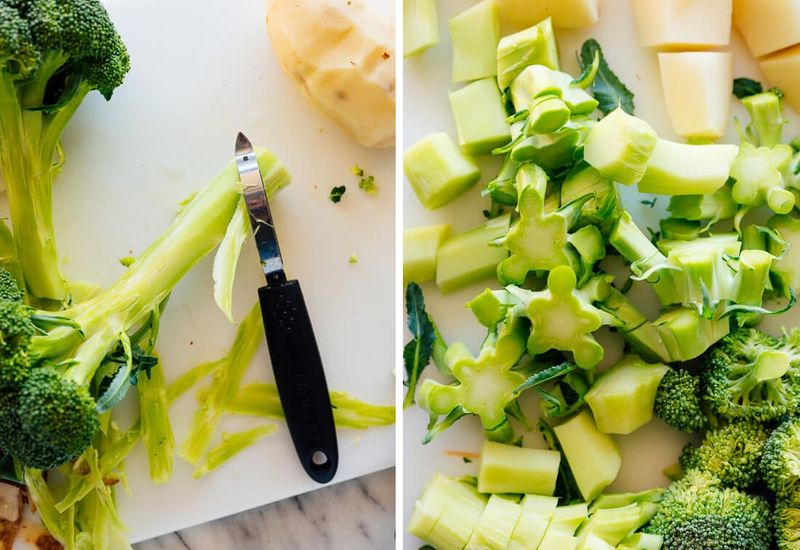
Broccoli is a beloved cool-weather crop that falters in Kansas’s summer heat. The high temperatures cause it to mature too quickly, resulting in small, underdeveloped heads.
With a preference for cooler climates, broccoli is best suited for early spring or fall planting in Kansas. The summer sun can severely limit its production, leaving gardeners with sparse yields.
Despite its struggles, broccoli remains popular for its nutrients and versatility, but those in Kansas must adapt to its temperamental nature when summer arrives.
Cauliflower
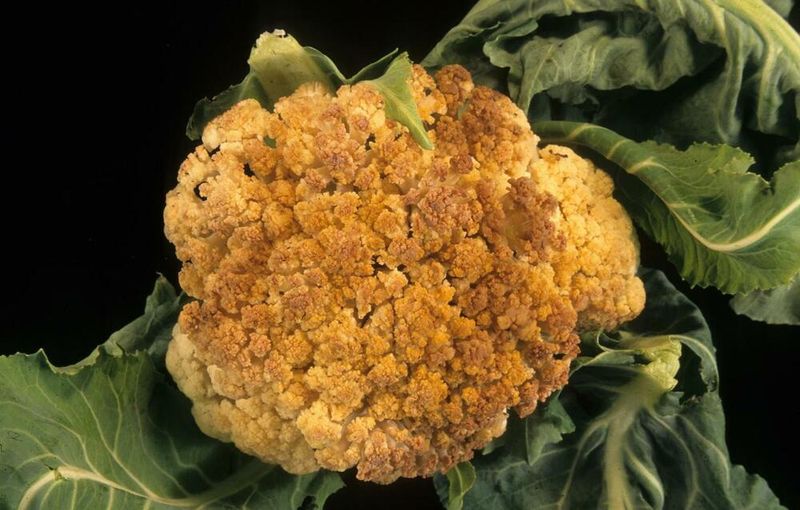
Cauliflower, with its delicate white heads, doesn’t fare well under the intense Kansas sun. The heat causes it to bolt, turning the heads brown and unappetizing.
Successfully growing cauliflower in Kansas requires careful timing and protective measures like shade cloth. The hot summer days demand extra care to prevent sun damage and ensure a decent harvest.
Though it can be a challenge, many gardeners persevere with cauliflower for its unique taste and nutritional benefits, often opting for an early spring or late fall planting.
Peas
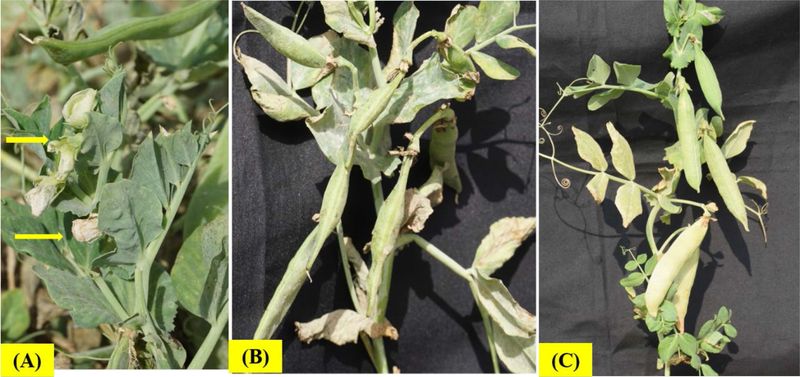
Peas are often associated with spring gardens, and for good reason. The intense Kansas heat can quickly dry out pea plants, leading to withered vines and empty pods.
Ambitious gardeners might attempt to grow peas in Kansas during early spring, hoping to harvest before the summer heat sets in. However, once temperatures rise, peas struggle to survive.
Despite their sweet flavor and popularity, peas are better suited for cooler climates, making them a challenging choice for Kansas summer gardens.
Radishes
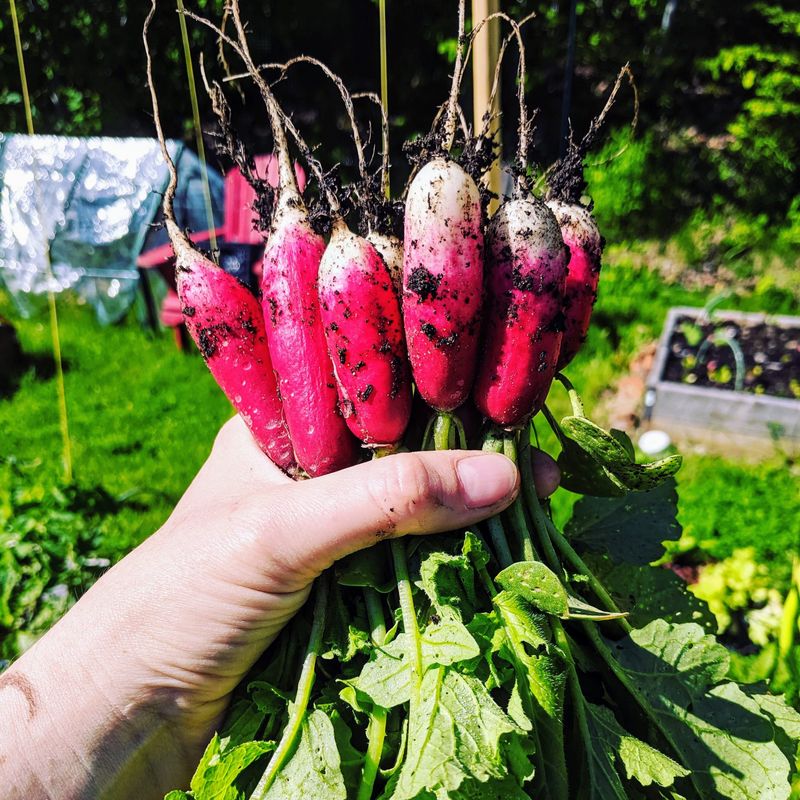
Known for their rapid growth and sharp flavor, radishes can be a gamble in the Kansas summer. The heat can cause them to crack or become overly spicy, diminishing their appeal.
Radishes thrive in cooler weather, and Kansas’s hot summers can accelerate their growth too quickly. This often results in less flavorful roots and a disappointing harvest.
While they are easy to grow, the timing must be just right to enjoy radishes at their best, making them a challenging option for mid-summer planting.
Carrots
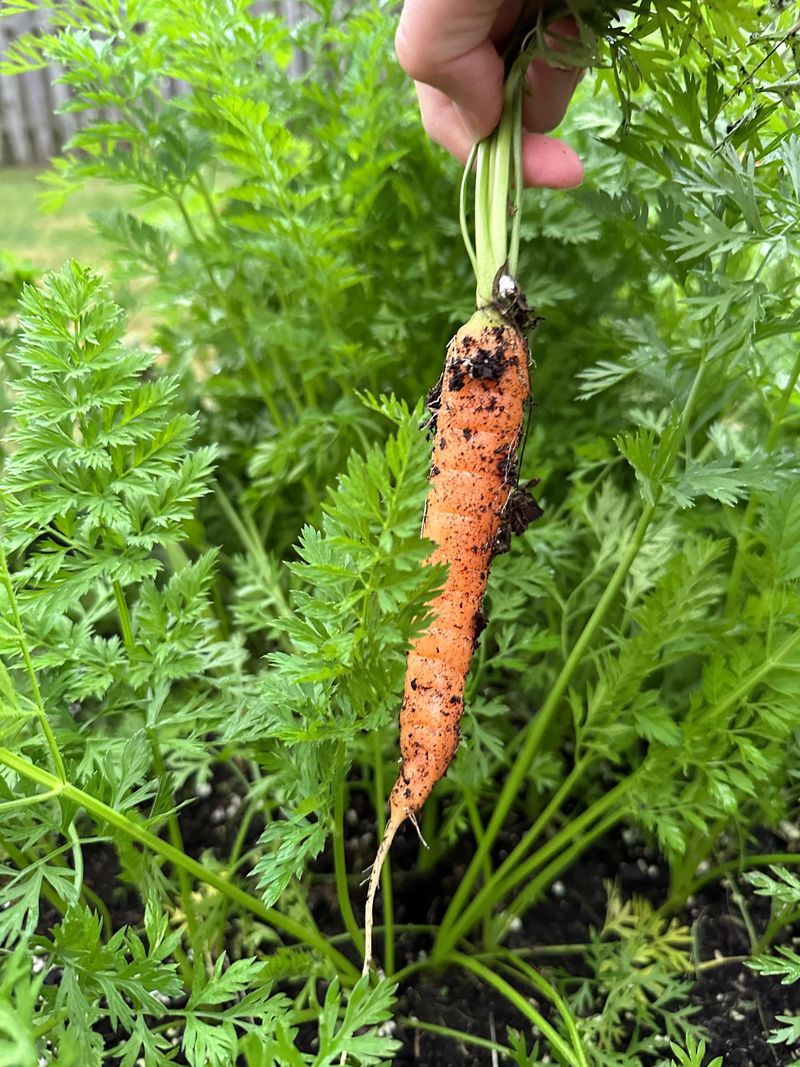
Carrots, with their sweet, crunchy roots, struggle under Kansas’s summer conditions. The intense heat can lead to poor root development and a lackluster harvest.
To grow carrots successfully in Kansas, planting should occur in cooler months. The summer’s heat can cause them to become woody and split, detracting from their natural sweetness.
Despite these challenges, carrots remain a popular choice for their nutritious value, but summer planting requires precise timing and care.
Cabbage
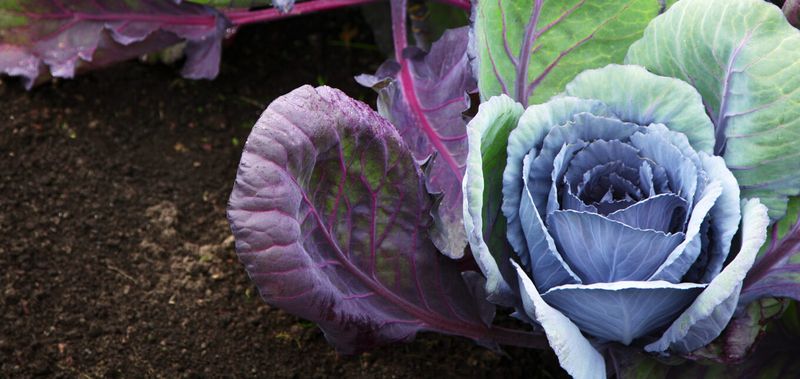
Cabbage, a staple in many gardens, wilts under the relentless Kansas sun. The heat makes it prone to bolting, leading to loose, less flavorful heads.
For optimal growth, cabbage should be planted in early spring or fall when temperatures are cooler. The summer sun can be unforgiving, causing it to lose texture and taste.
Though it requires careful timing, cabbage is valued for its versatility in the kitchen, making it worth the effort for Kansas gardeners who plan accordingly.
Potatoes
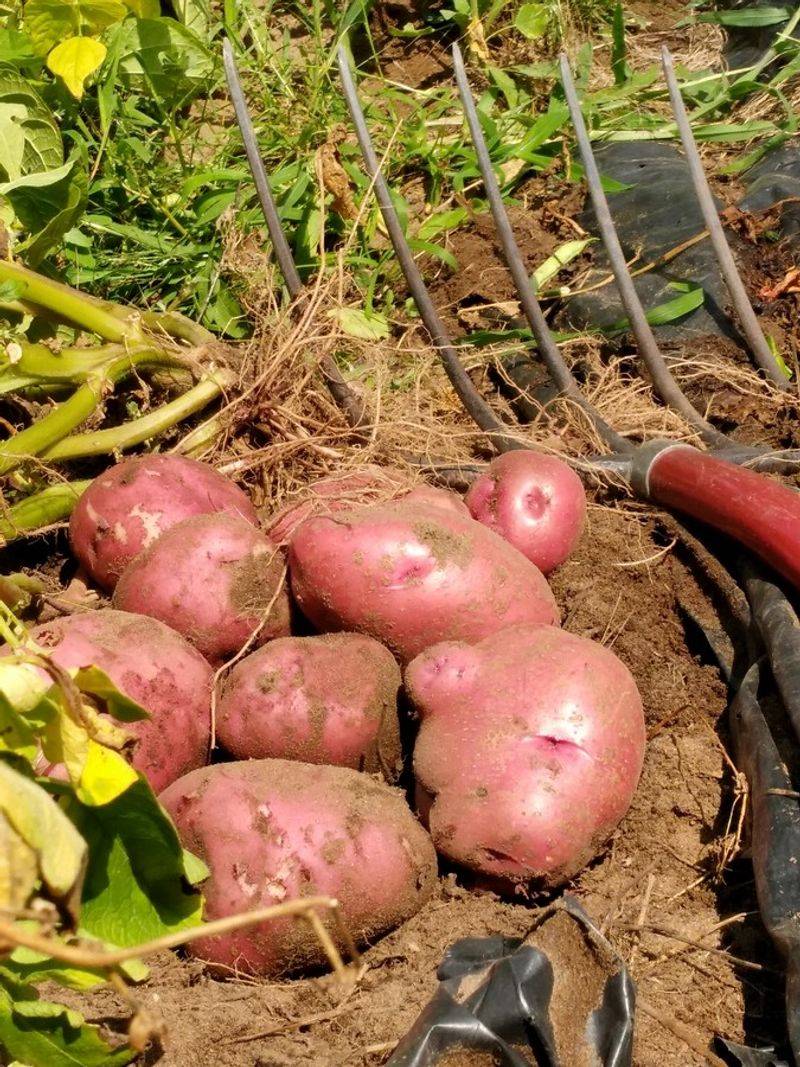
Potatoes, beloved for their versatility, face challenges in Kansas heat. The high temperatures can cause early die-back of the foliage, impacting tuber development.
For successful potato cultivation in Kansas, planting should be timed to mature before the peak summer heat. The intense sun and dry conditions can hinder growth and reduce yields.
Despite these issues, potatoes remain a staple crop, but careful planning is essential to ensure a successful harvest in such a climate.
Beets
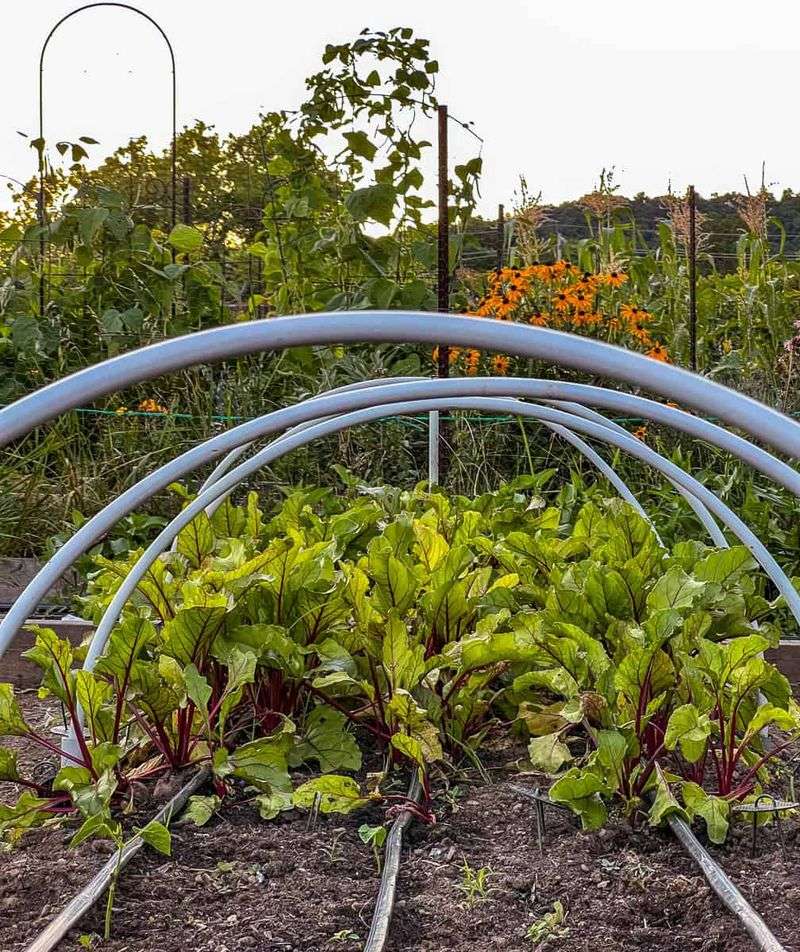
Beets, with their vibrant color and earthy flavor, struggle in Kansas’s summer heat. The high temperatures can lead to poor root development and a lackluster harvest.
To grow beets successfully in Kansas, it’s important to plant them in cooler weather. Summer heat can cause them to become woody and less flavorful.
Despite these hurdles, beets remain a favorite for their nutritional value and unique taste, making them worth the effort for gardeners who can time their planting carefully.
Swiss Chard
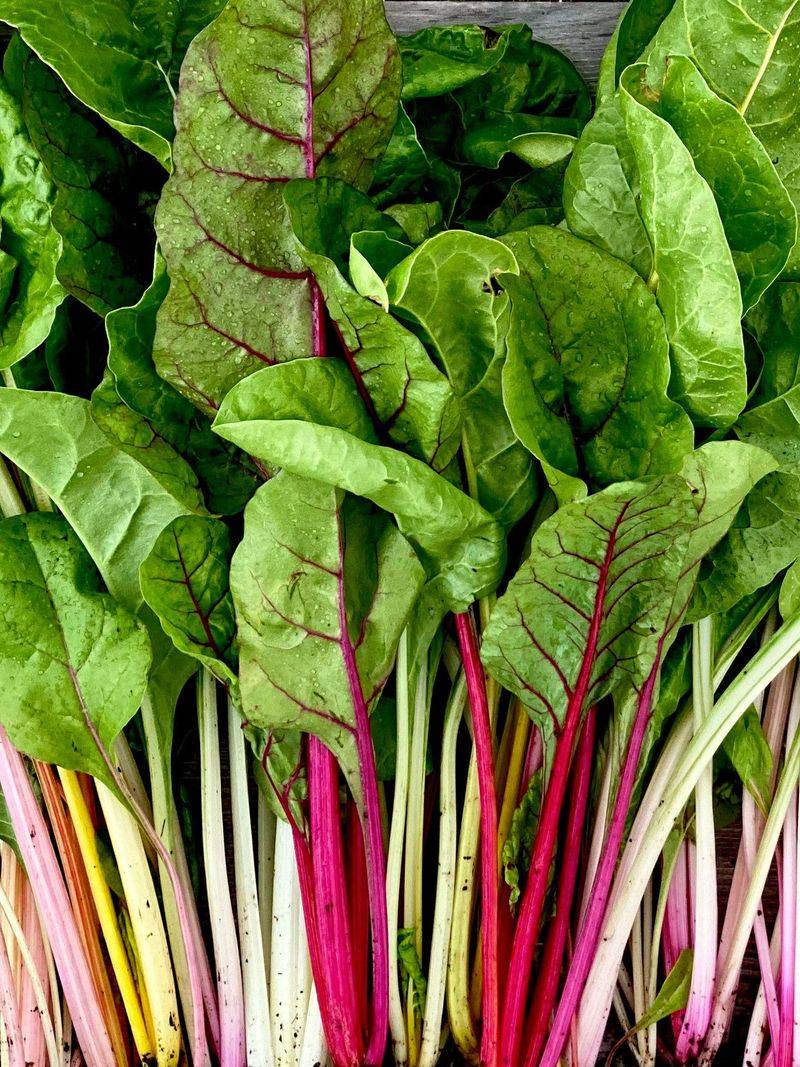
Swiss chard, with its colorful stalks, faces challenges in the Kansas summer. The heat can cause it to wilt and lose its vibrant color, affecting its appeal.
In Kansas, Swiss chard is best planted in early spring or fall when temperatures are milder. The hot summer sun can lead to a reduction in quality and yield.
Despite these difficulties, Swiss chard remains a popular choice for its nutritional benefits, offering a splash of color to any garden when grown under the right conditions.
Arugula
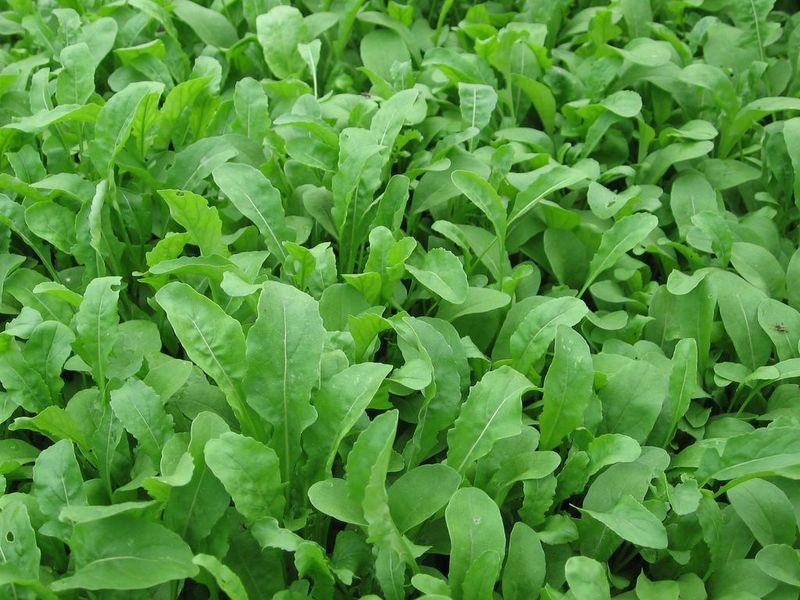
Arugula, known for its peppery flavor, wilts quickly in Kansas’s summer heat. The intense sun accelerates its growth cycle, causing it to bolt and become overly bitter.
For Kansas gardeners, arugula is best planted in cooler months. The heat can quickly render it unpalatable, challenging those who attempt summer cultivation.
Despite its struggles, arugula remains a popular choice for its unique taste, but growing it in Kansas requires careful timing and consideration.
Sweet Potatoes
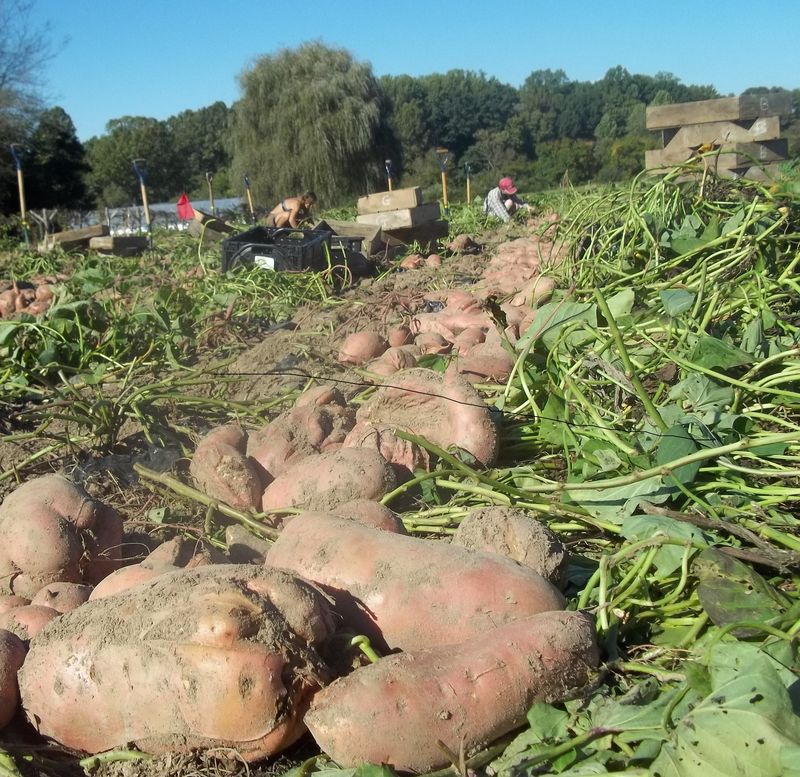
Sweet potatoes thrive in the Kansas summer, loving the heat and sun. Their vines spread quickly, covering the ground with a lush green canopy that protects the roots.
Planting sweet potatoes in Kansas is a rewarding endeavor, as the warm weather accelerates their growth. They are less susceptible to the heat-related issues that plague other vegetables.
With their sweet flavor and high nutritional value, sweet potatoes are an excellent choice for Kansas gardeners looking to make the most of the summer season.
Tomatoes
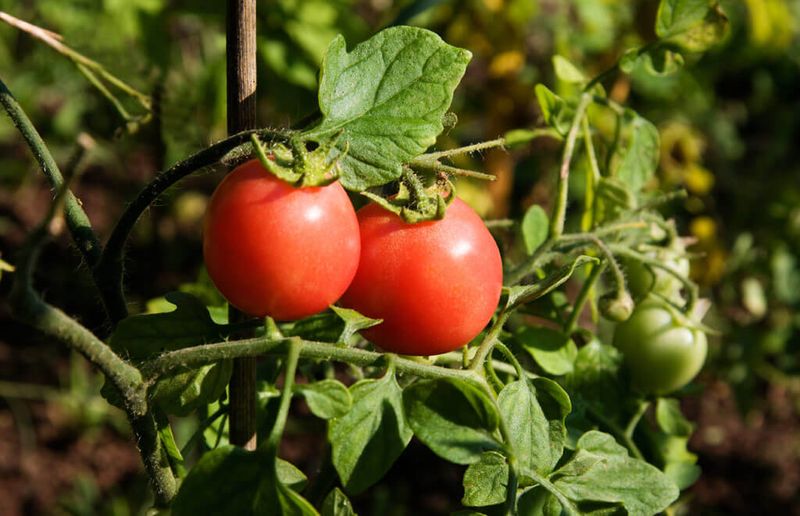
Tomatoes are a favorite among Kansas gardeners, thriving in the summer heat. The warm temperatures enhance their flavor, making them sweeter and more robust.
Kansas’s climate provides the perfect environment for tomatoes to flourish, with plenty of sun to ripen their juicy fruits. Careful watering and staking ensure a bountiful harvest.
With a variety of uses, from salads to sauces, tomatoes are an essential crop, eagerly embraced by those who garden in the Kansas heat.
Okra
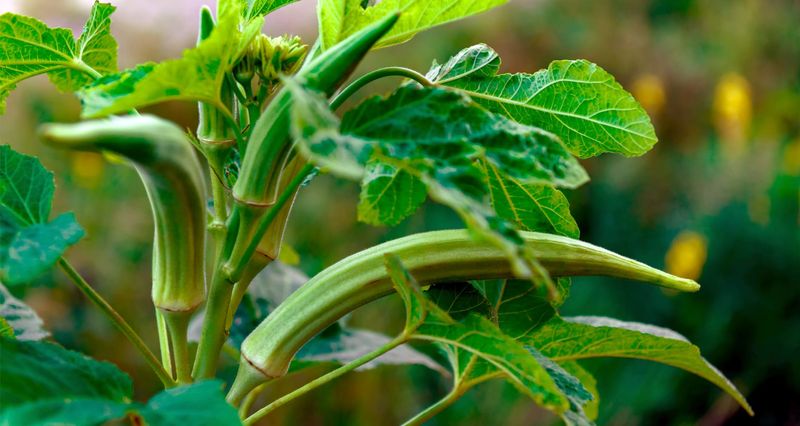
Okra is well-suited to the Kansas climate, thriving in the hot summer sun. Its resilience makes it an ideal choice for gardeners looking to make the most of the season.
The warm temperatures and ample sunlight enhance okra’s growth, resulting in abundant pods. Regular harvesting ensures continuous production throughout the summer.
Praised for its unique texture and flavor, okra is a staple in many southern dishes, making it a popular choice for Kansas gardens.
Peppers
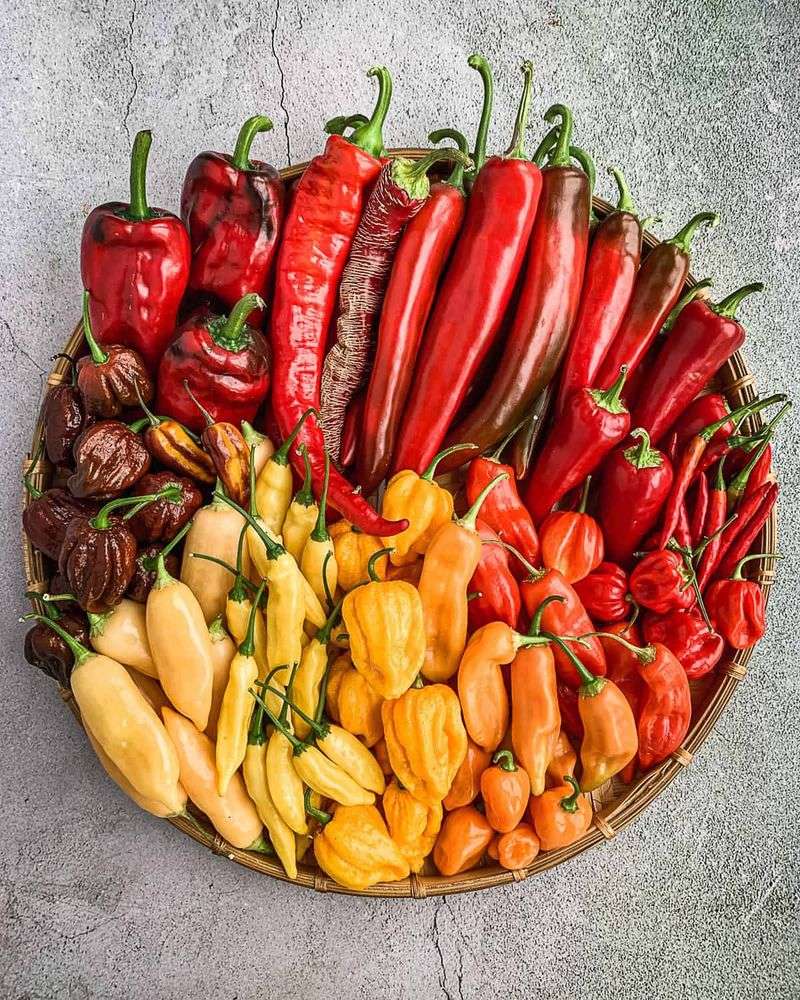
Peppers, with their vibrant colors, flourish in Kansas’s summer heat. The warm temperatures enhance their growth, resulting in a plentiful and colorful harvest.
Whether sweet or spicy, peppers benefit from the Kansas sun, making them a favorite among local gardeners. Proper watering and care ensure they reach their full potential.
With endless culinary possibilities, peppers are a staple in many gardens, offering both beauty and flavor to Kansas summer harvests.
Eggplant
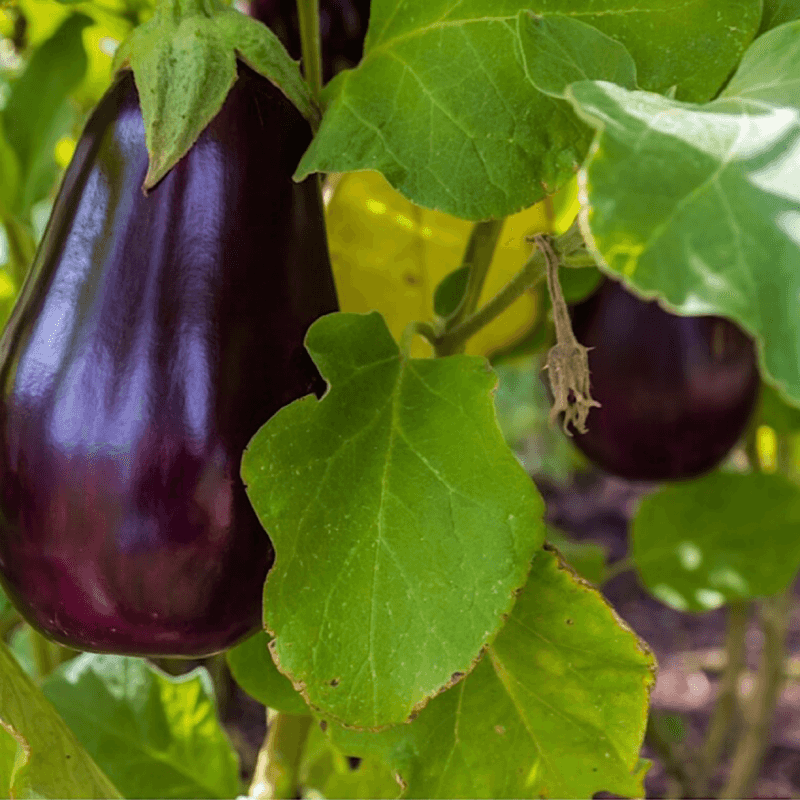
Eggplant loves the warmth of the Kansas summer, thriving in the sun-drenched environment. The heat enhances its growth, resulting in shiny, robust fruits.
For Kansas gardeners, eggplants are a rewarding choice, offering a rich harvest with proper care and watering. The warm climate suits their needs perfectly.
With its rich flavor and versatility, eggplant is a valuable addition to any garden, making the most of Kansas’s summer conditions.
Cucumbers
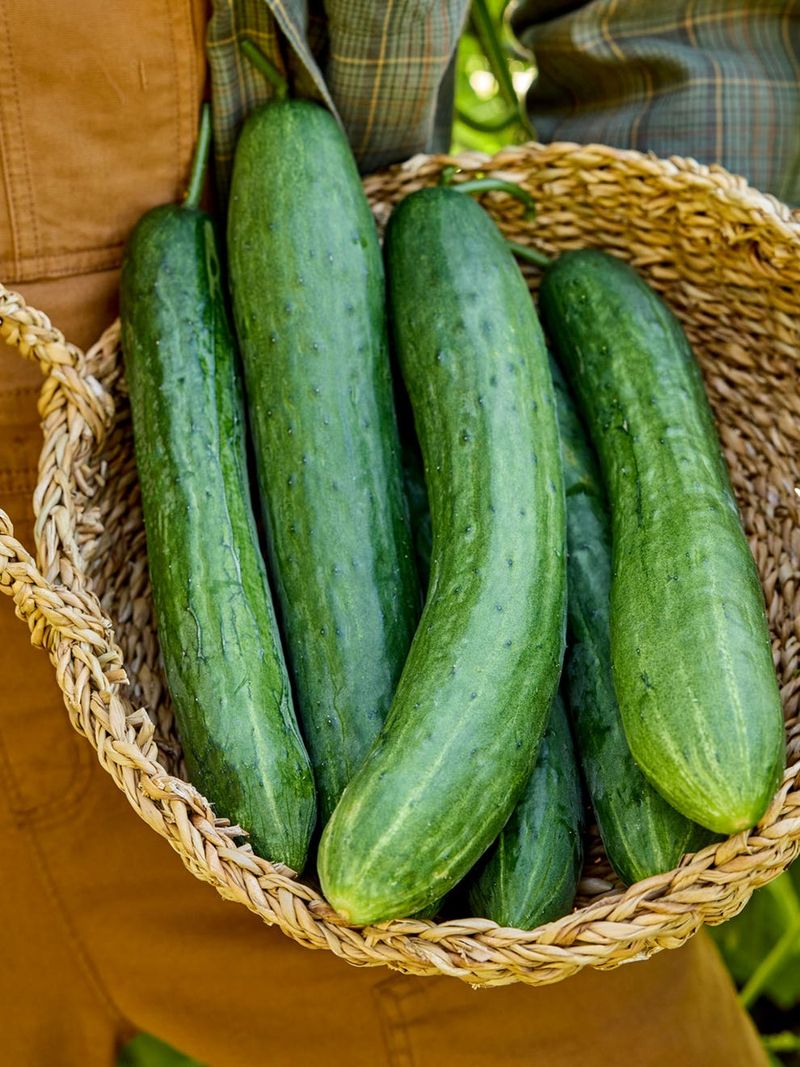
Cucumbers are well-adapted to Kansas’s summer conditions, thriving in the warm weather. The heat promotes rapid growth, leading to a steady, bountiful harvest.
For Kansas gardeners, cucumbers offer a refreshing taste, perfect for salads and pickling. With proper care, they flourish, providing a rewarding yield.
Their ability to adapt makes cucumbers a go-to choice for those gardening in the Kansas heat, offering both flavor and productivity.
Squash
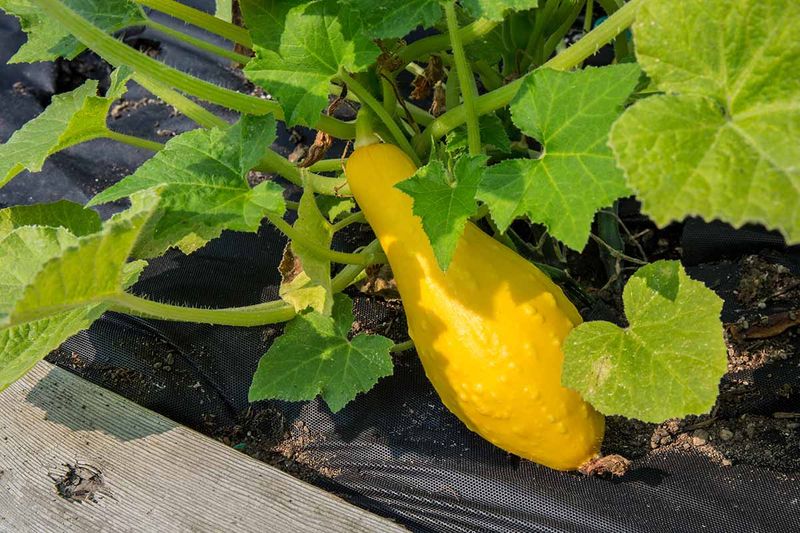
Squash is a resilient crop that prospers in the Kansas summer. The warm temperatures and sunny days accelerate its growth, resulting in a bountiful harvest.
For gardeners in Kansas, squash offers both beauty and productivity, with vibrant flowers and fruits. Regular watering and care ensure a successful yield.
Known for its versatility in the kitchen, squash remains a popular choice for those looking to maximize their garden’s output during the hot months.
Zucchini
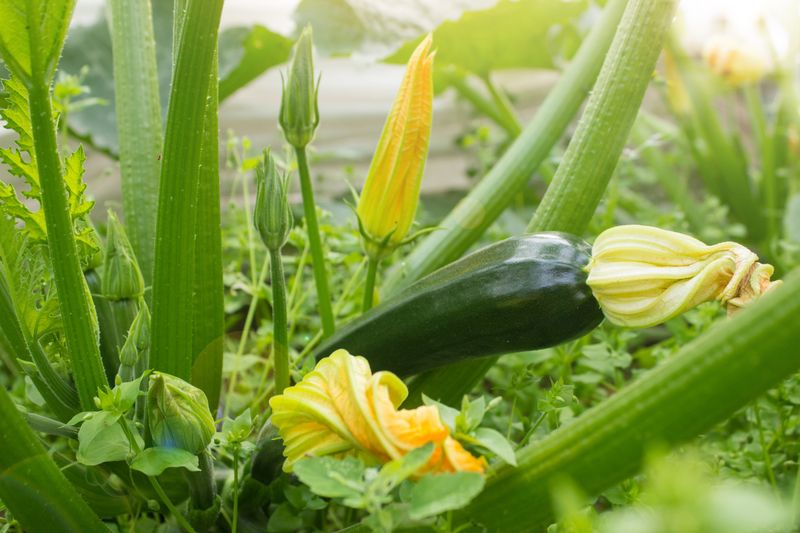
Zucchini is a garden favorite in Kansas, thriving in the summer heat. The warm weather accelerates its growth, leading to an abundant harvest of tender fruits.
For Kansas gardeners, zucchini is a versatile choice, offering a steady supply for cooking, baking, and grilling. Its resilience makes it a reliable crop even during hot spells.
With its mild flavor and adaptability, zucchini is an excellent addition to any garden, making the most of Kansas’s summer conditions.