
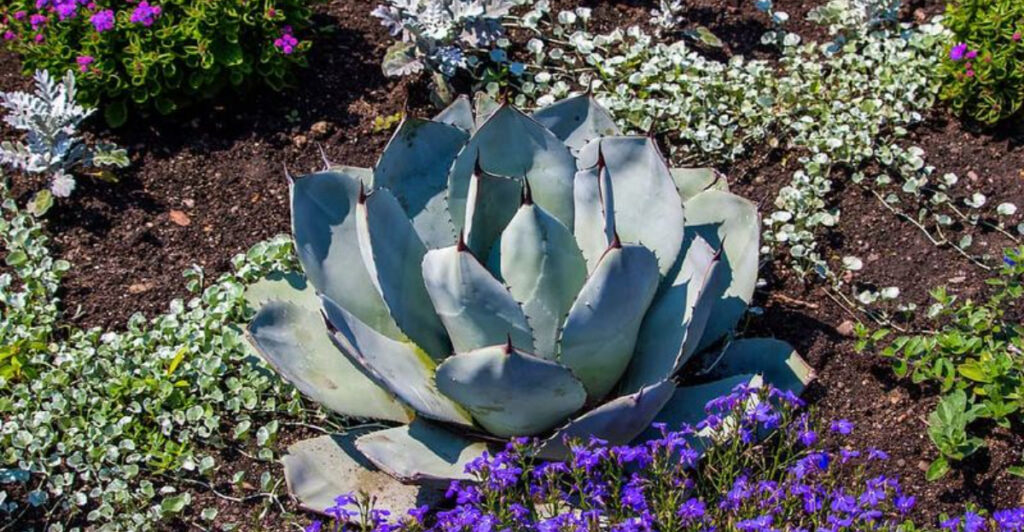
Gardening in New Mexico’s dry zones can be a challenging yet rewarding endeavor. With limited water resources and arid conditions, gardeners must be innovative and strategic in their approach. Here, we explore 15 unique techniques that can help conserve water while maintaining a flourishing garden.
Xeriscaping
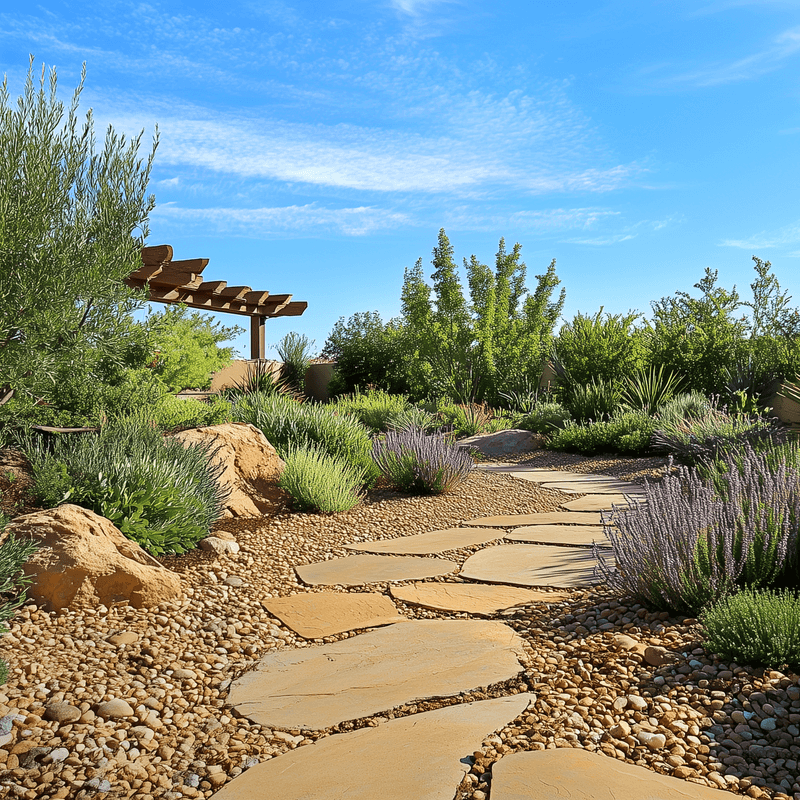
Imagine a garden that thrives with minimal water, where each plant is perfectly adapted to its dry surroundings. Xeriscaping is more than just a trend; it’s a sustainable way to garden in arid areas. By selecting plants native to New Mexico, you can create a landscape that requires little to no irrigation. This method not only saves water but also reduces maintenance and can withstand the harsh sun of the desert Southwest.
Incorporating drought-tolerant plants like yucca and agave adds texture and color to your garden. Rocks and gravel replace thirsty lawns, creating a natural beauty that complements the environment. Embrace the art of xeriscaping, and you’ll find a balance between conservation and aesthetics.
Did you know? Xeriscaping was first coined by the Denver Water Department in 1981 and has since become a beacon for sustainable landscaping practices.
Rainwater Harvesting
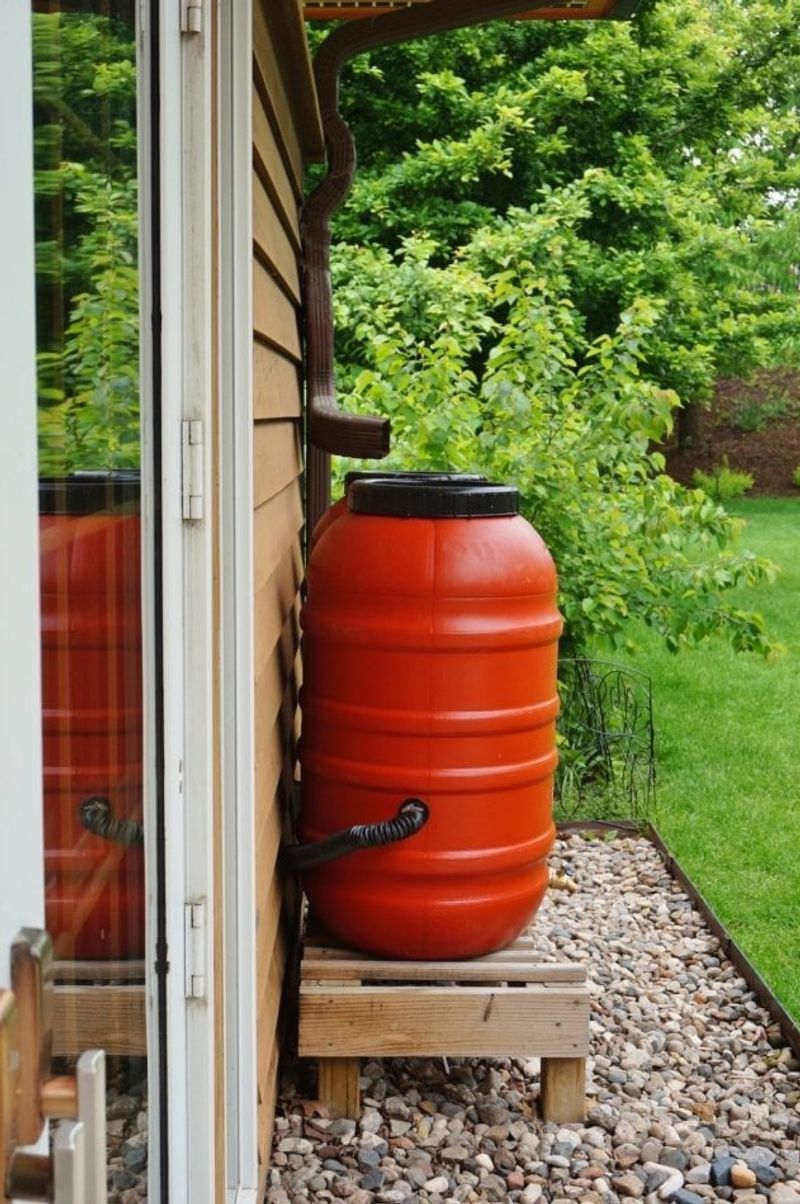
Picture a sudden rainstorm in the desert, where precious drops fall and quickly disappear into the parched earth. Rainwater harvesting captures this fleeting resource, providing an essential supply for your garden. By installing rain barrels, you can collect and store water, reducing reliance on municipal systems.
A well-designed rainwater harvesting system includes gutters, downspouts, and storage tanks. This method not only conserves water but also helps in managing stormwater runoff. It’s a practical solution that aligns with both environmental needs and gardening goals.
Fun fact: In some parts of the world, rainwater harvesting has been practiced for thousands of years, showcasing its timeless efficacy.
Drip Irrigation
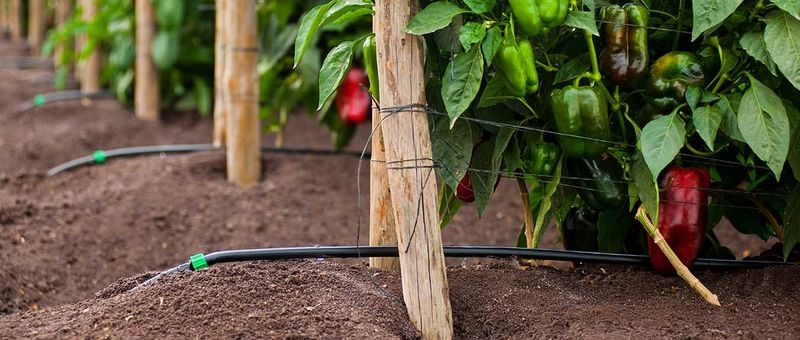
In the harsh climate of New Mexico, every drop of water counts. Enter drip irrigation, a method that delivers water directly to the roots of plants, minimizing evaporation. This precise system ensures that each plant receives exactly what it needs, reducing waste and enhancing growth.
Drip irrigation systems are highly customizable and can be tailored to fit gardens of all sizes. By focusing water delivery, this technique supports healthy plants while conserving valuable resources. It’s a smart, efficient way to nurture a garden in a dry environment.
Quote: ‘Water is the driving force of all nature.’ – Leonardo da Vinci. This technique captures the essence of wise water use.
Mulching Techniques
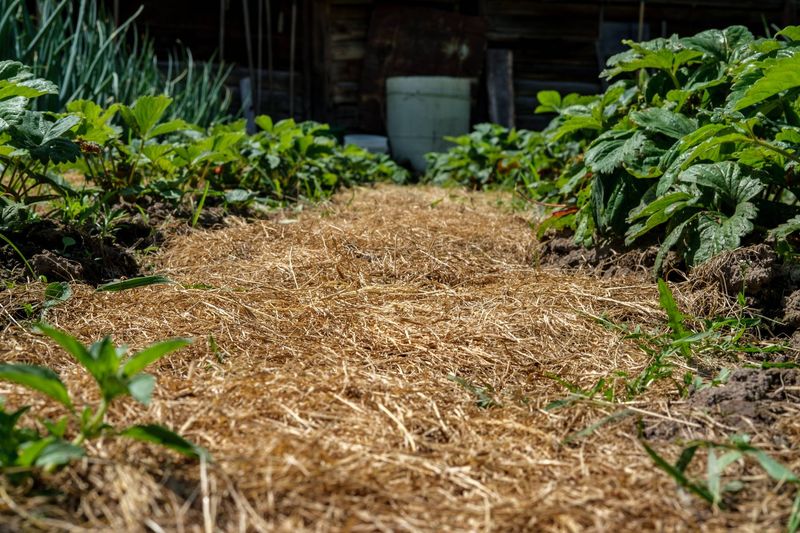
A walk through a well-mulched garden reveals more than just a pleasing appearance. Mulching is a key strategy in water conservation, acting as a protective blanket for the soil. By covering the ground with materials like straw, wood chips, or compost, moisture is retained and evaporation is minimized.
Mulching also suppresses weeds and enriches the soil as it breaks down, creating a thriving environment for plants. In New Mexico’s dry climate, this technique becomes an indispensable tool for gardeners aiming to maximize water efficiency.
Did you know? Mulching has been used for centuries as a traditional farming practice, demonstrating its enduring value.
Greywater Systems
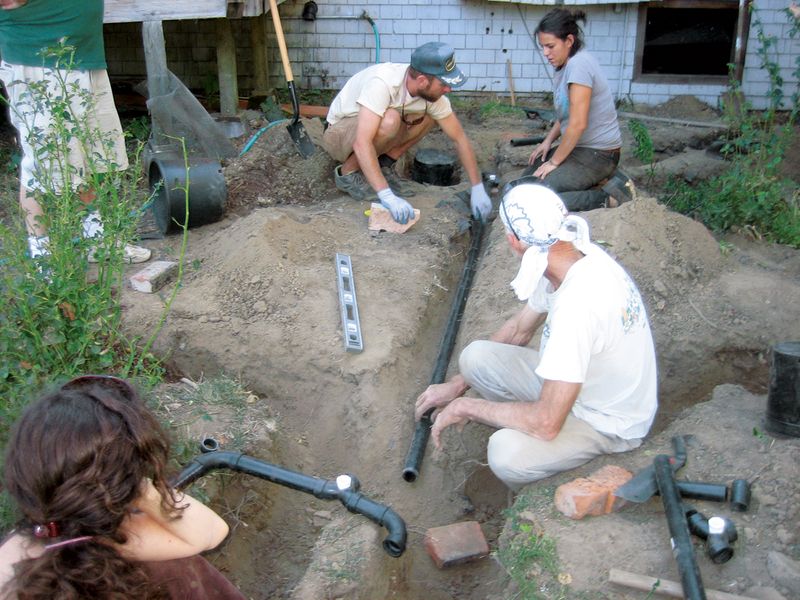
Imagine turning everyday household water into a nourishing source for your garden. Greywater systems recycle water from baths, sinks, and washing machines, directing it straight to your plants. This innovative approach reduces the demand on freshwater supplies and provides a consistent water source for your garden.
By carefully filtering and distributing greywater, these systems offer a sustainable solution for water conservation. In New Mexico’s dry zones, greywater systems represent a creative way to support gardening efforts while respecting natural resources.
Interesting fact: Greywater recycling is an ancient practice, dating back to early human civilizations, underscoring its enduring significance.
Use of Native Plants
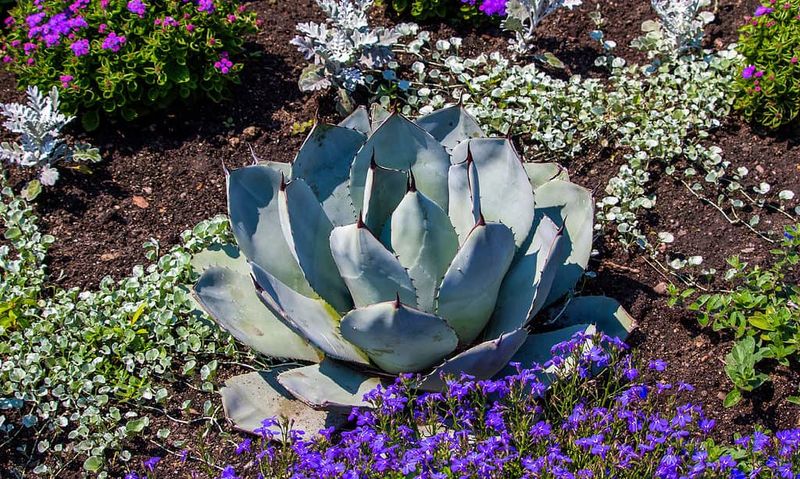
The secret to a resilient garden in New Mexico lies in choosing the right plants. By focusing on native species, gardeners can create landscapes that naturally thrive in the local climate. Native plants are adapted to the arid environment, requiring less water and care.
Species like yucca, sagebrush, and desert marigold bring beauty and biodiversity to gardens. These plants offer a sustainable way to conserve water, while supporting local wildlife and maintaining the ecological balance.
Fun fact: Native plants are not only water-wise but also play a vital role in preserving New Mexico’s unique botanical heritage.
Hydrozoning
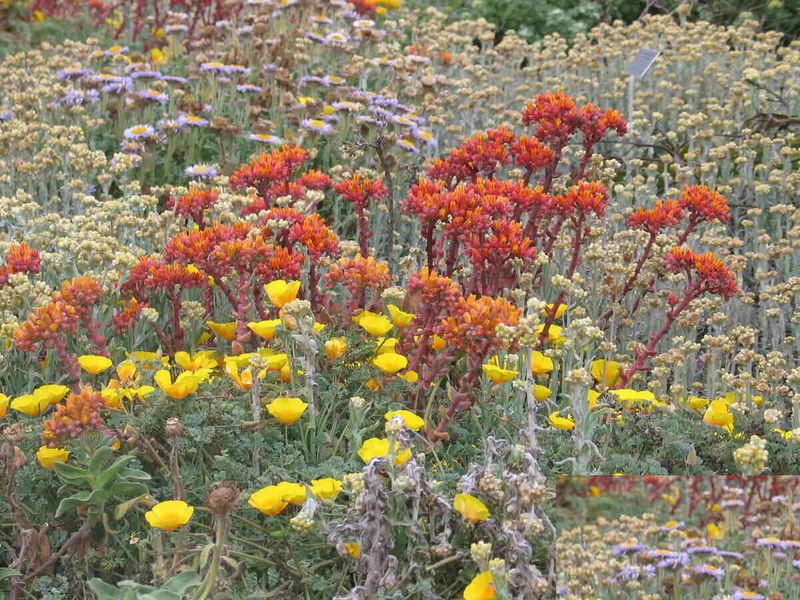
In a world where water is scarce, smart planning can make all the difference. Hydrozoning divides a garden into different zones based on the water needs of various plants. By grouping plants with similar requirements, gardeners can apply precise watering techniques, reducing waste.
This method creates efficiency and harmony in the garden, aligning with the unique demands of New Mexico’s climate. Hydrozoning not only conserves water but also ensures that every plant receives the care it needs to flourish.
Did you know? The concept of hydrozoning stems from agricultural practices where water management is crucial for crop success.
Efficient Lawn Care
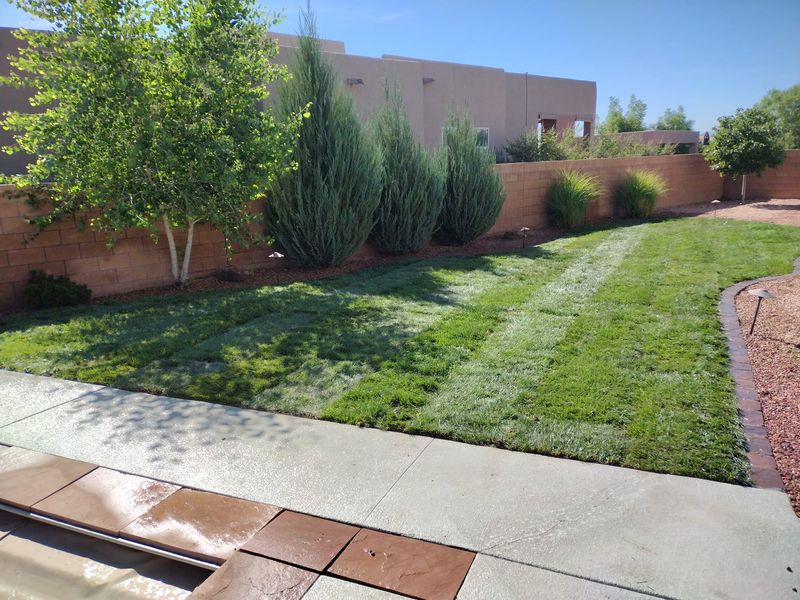
Imagine a lush, green lawn that sips water rather than guzzling it. Efficient lawn care in New Mexico begins with drought-tolerant grass varieties that require less water. These grasses are well-suited to the arid environment, providing a beautiful lawn with minimal irrigation.
Smart irrigation techniques, including timing and the use of weather-based controllers, further enhance water conservation. By adapting lawn care practices to the local climate, homeowners can enjoy verdant landscapes without compromising on sustainability.
Quote: ‘The grass is greener where you water it.’ But in New Mexico, it’s also greener where you choose the right grass!
Composting Practices
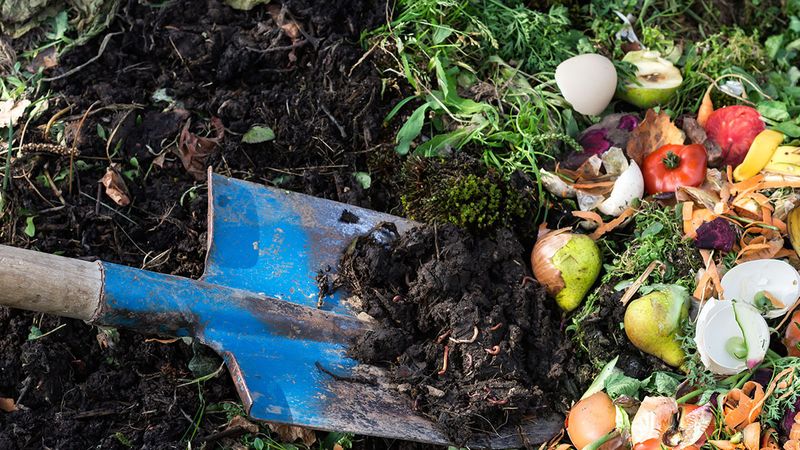
In the heart of a thriving garden lies a secret to sustainability: composting. By transforming kitchen scraps and yard waste into nutrient-rich compost, gardeners enrich the soil and enhance water retention. Composting reduces runoff and helps maintain moisture, making it an essential practice in New Mexico’s arid regions.
The process of composting is both an art and a science, requiring the right balance of green and brown materials. The result is a living soil that supports healthy plants and conserves water, aligning with sustainable gardening principles.
Interesting fact: Composting has been practiced since ancient times, reflecting humanity’s timeless connection to the earth’s natural cycles.
Soil Amendment
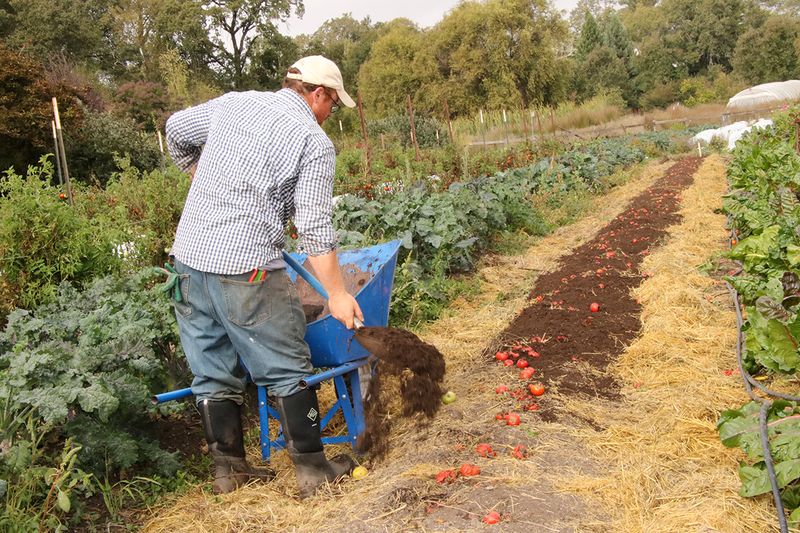
A garden’s success in New Mexico often begins below the surface, where soil amendment can transform dry, sandy soil into a thriving medium. By adding organic matter like compost or peat, gardeners improve the soil’s water-holding capacity, enhancing plant growth.
Soil amendment not only boosts moisture retention but also improves nutrient absorption and root development. This foundational practice is vital for creating a garden that can thrive in the challenging conditions of New Mexico’s dry zones.
Quote: ‘To forget how to dig the earth and to tend the soil is to forget ourselves.’ – Mahatma Gandhi. A reminder of the importance of nurturing the earth we depend on.
Shade Structures
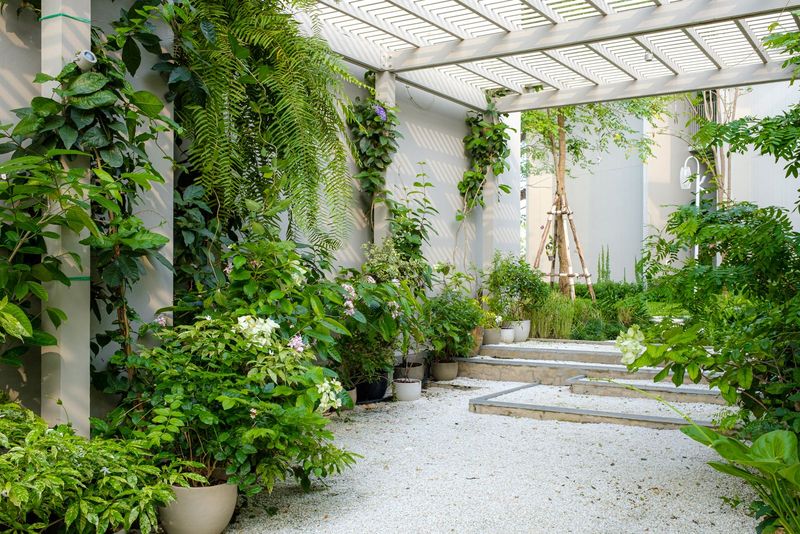
In the fierce sun of New Mexico, shade structures become a gardener’s ally. By providing relief from intense heat, these structures reduce water evaporation and protect plants from sunburn. The result is a more controlled environment where plants can thrive with less water.
Shade structures can be simple or elaborate, ranging from pergolas to shade sails. Each design offers a unique blend of functionality and aesthetics, aligning with the garden’s needs and the gardener’s vision.
Did you know? Ancient civilizations often used shade techniques in agriculture to protect crops, highlighting a timeless approach to sustainability.
Windbreaks
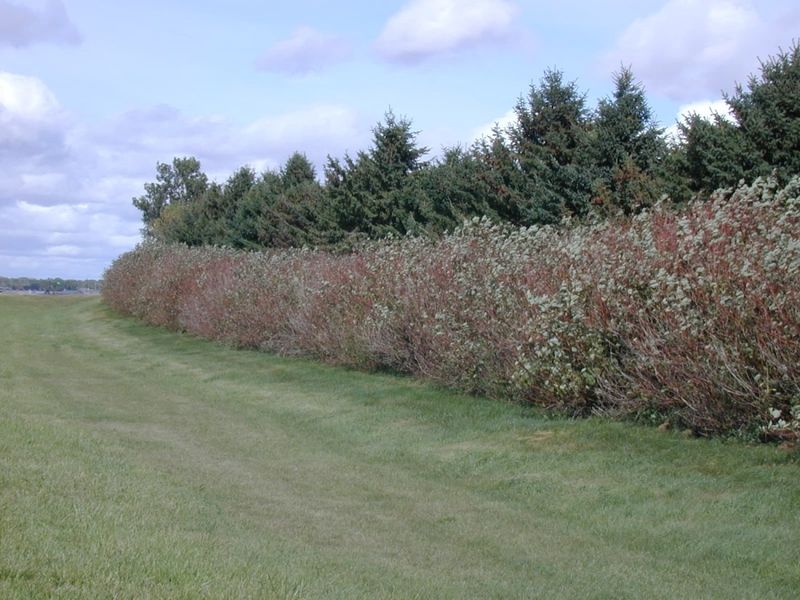
In the high desert winds of New Mexico, a garden can quickly lose moisture. Windbreaks, made of native shrubs and trees, act as barriers that slow down these winds, reducing evaporation and conserving water. They create a microclimate where plants can flourish despite harsh conditions.
Windbreaks not only protect gardens but also add beauty and diversity. By selecting the right combination of plants, gardeners can create living walls that offer shelter and shade, enhancing the garden’s resilience.
Interesting fact: Windbreaks have been used for centuries in agriculture to protect fields and conserve soil, illustrating their enduring effectiveness.
Efficient Plant Spacing
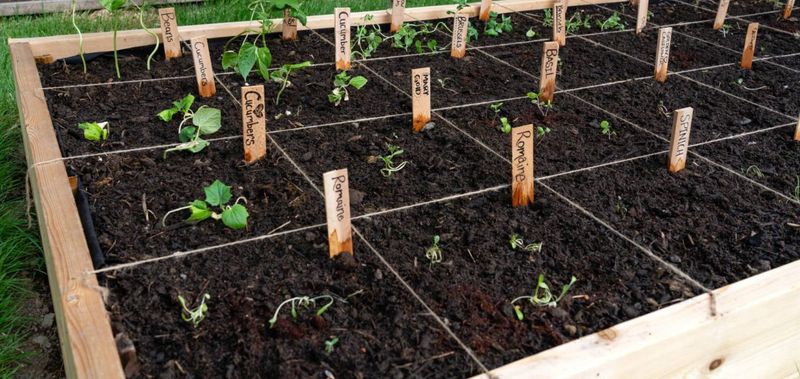
In the art of gardening, space is as important as the plants themselves. Efficient plant spacing allows for optimal water use, ensuring that each plant receives the moisture it needs without waste. In New Mexico’s dry zones, careful planning of plant placement becomes a vital strategy.
By spacing plants correctly, air circulation and sunlight exposure are optimized, reducing stress and fostering growth. This method aligns with sustainable gardening practices, making it a key component in water conservation efforts.
Did you know? The concept of plant spacing dates back to ancient farming methods, where maximizing space and resources was essential for survival.
Terracing Techniques
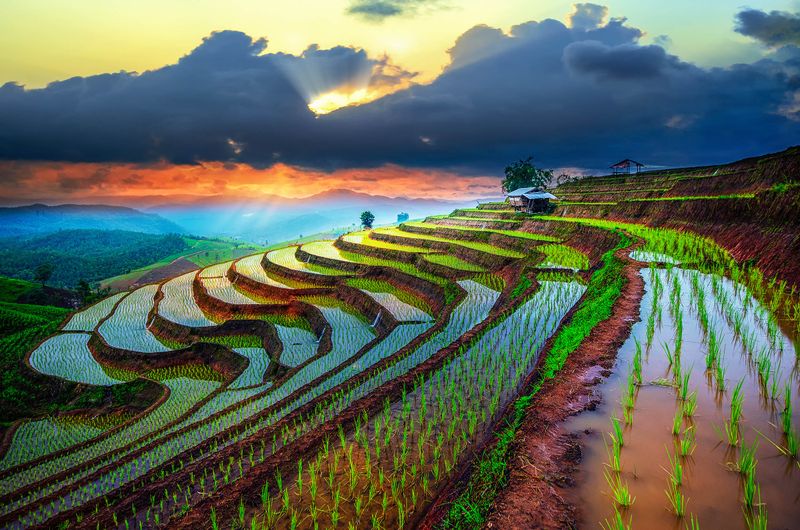
In the rugged landscapes of New Mexico, terracing techniques transform slopes into productive gardens. By creating level planting areas, terracing reduces water runoff and enhances water retention. This age-old method offers an innovative solution for gardening in challenging terrains.
Terracing not only conserves water but also prevents soil erosion, maintaining the integrity of the land. It’s a technique that combines functionality with beauty, allowing gardeners to cultivate a variety of plants in harmony with the landscape.
Fun fact: Terracing has been used by civilizations like the Inca and the Chinese for centuries, reflecting its universal appeal and effectiveness.
Self-Watering Planters
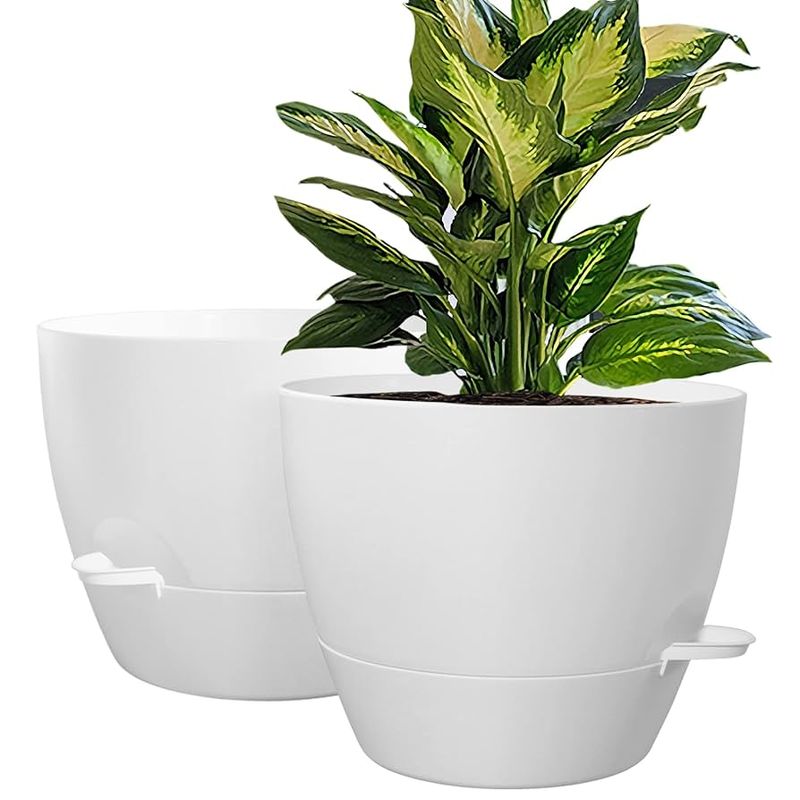
For gardeners seeking simplicity and efficiency, self-watering planters offer a modern twist on traditional methods. These planters feature built-in reservoirs that slowly release water to the plants, ensuring consistent moisture levels.
Ideal for patios or small spaces, self-watering planters reduce the frequency of watering and minimize evaporation. They provide an easy way to cultivate a garden in New Mexico’s dry climate, without constant attention.
Interesting fact: Self-watering planters have gained popularity in urban gardening, where space and resources are often limited.