
Late summer in North Carolina brings a unique set of challenges for gardeners. As the days grow shorter and the weather remains warm, certain pests become particularly active. Being aware of these intruders and managing them effectively is crucial for maintaining a healthy garden. Below, we delve into the most notorious pests that you should keep an eye on during this season.
Japanese Beetle
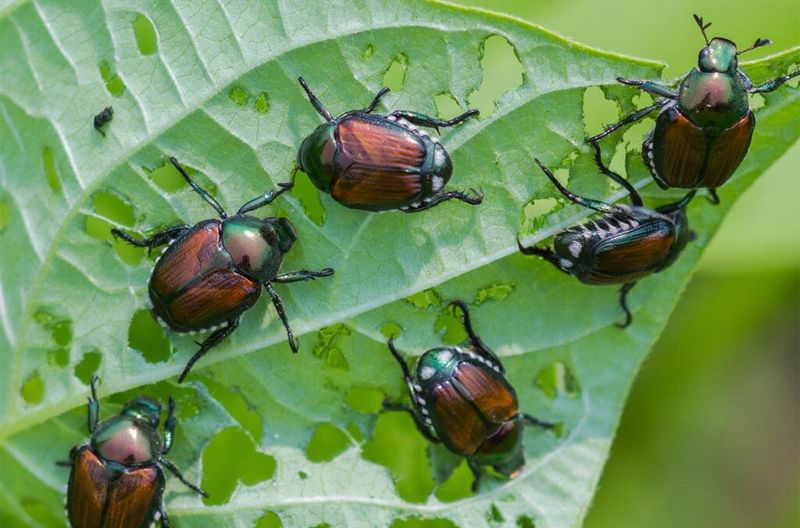
The Japanese beetle, with its metallic green body and copper-colored wings, is a striking yet unwelcome garden visitor. This pest loves to feast on roses, beans, and fruit trees, leaving behind skeletonized leaves.
Appearing in large numbers during late summer, these beetles can be quite destructive if left unchecked. They are known to gather in groups, making control a bit tricky. Regular inspection and manual removal can reduce their impact.
Interestingly, these beetles were first discovered in the U.S. in 1916, having hitched a ride in a shipment of iris bulbs. Today, gardeners can use traps, though these might attract more beetles to the area. Neem oil is another effective deterrent.
Aphids
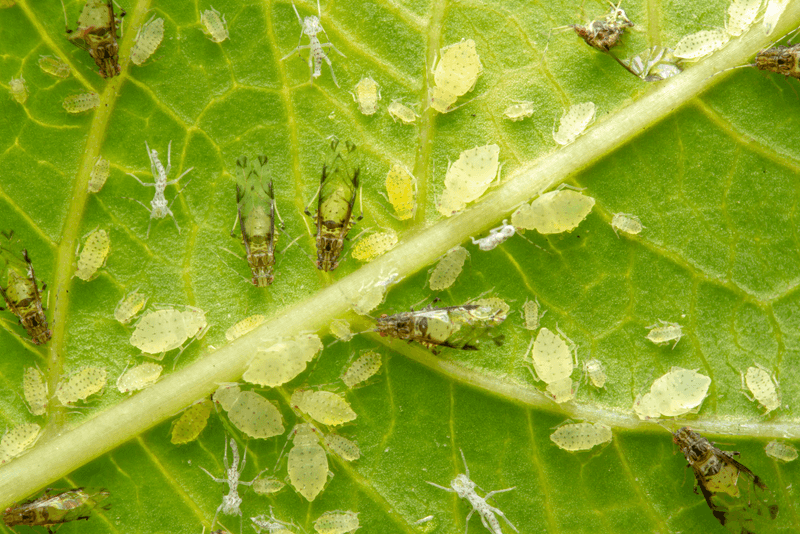
Tiny but mighty in their destructive power, aphids are a common late summer nuisance in North Carolina gardens. These small green or black insects cluster on the undersides of leaves, sucking sap and excreting a sticky substance known as honeydew.
Their presence can lead to curling leaves, stunted growth, and the promotion of mold. They reproduce rapidly, so early detection is key. Interestingly, aphids can be found on almost any plant, but they particularly enjoy roses and vegetables.
Introducing ladybugs, their natural predators, can provide a natural solution. Alternatively, a strong spray of water or insecticidal soap can keep their numbers in check.
Squash Bug
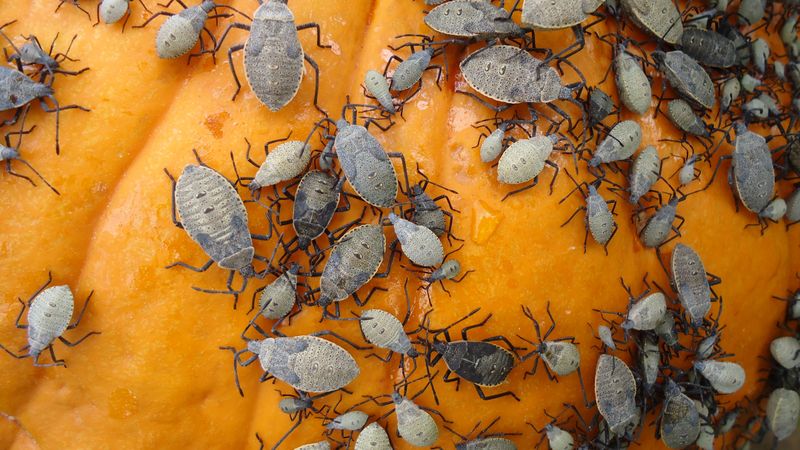
Squash bugs might not look menacing, but their impact on your vegetable garden can be devastating. These brownish bugs with flat backs are particularly fond of zucchini, squash, and pumpkins.
They pierce the leaves to suck the sap, which causes yellow spots that eventually turn brown and crispy. Active during late summer, they tend to hide beneath leaves or debris. Their eggs, which are copper-colored and oval, can be found on the undersides of leaves.
Removing these eggs by hand can prevent a full-blown infestation. Crop rotation and planting resistant varieties can also help in managing squash bug populations.
Spider Mites
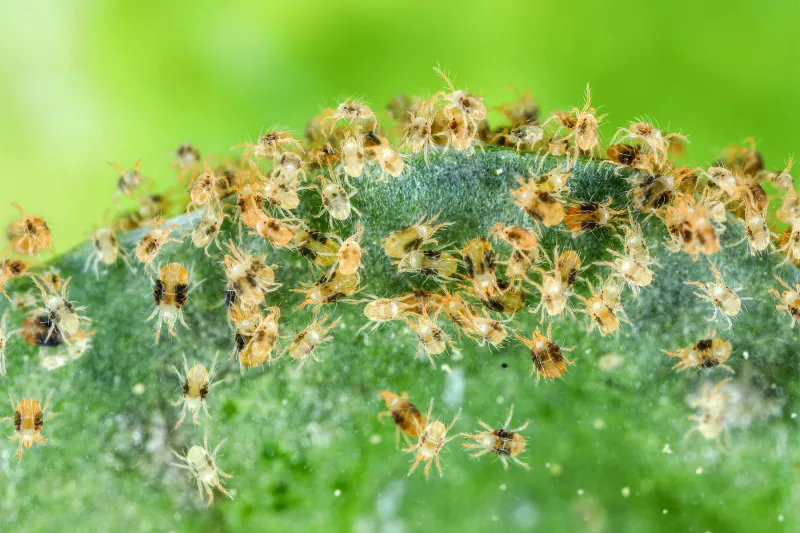
Often mistaken for specks of dust, spider mites can wreak havoc in a garden. These tiny arachnids are known for their ability to spin fine webs on plants, particularly favoring hot, dry conditions that late summer often provides.
They feed on plant sap, causing leaves to yellow and drop prematurely. Tomatoes, eggplants, and strawberries are common targets. Regular watering and misting can reduce their numbers, as they prefer dry environments.
For a home remedy, spraying plants with a mixture of water and dish soap can be effective. Alternatively, introducing predatory mites can keep spider mite populations under control.
Cucumber Beetle
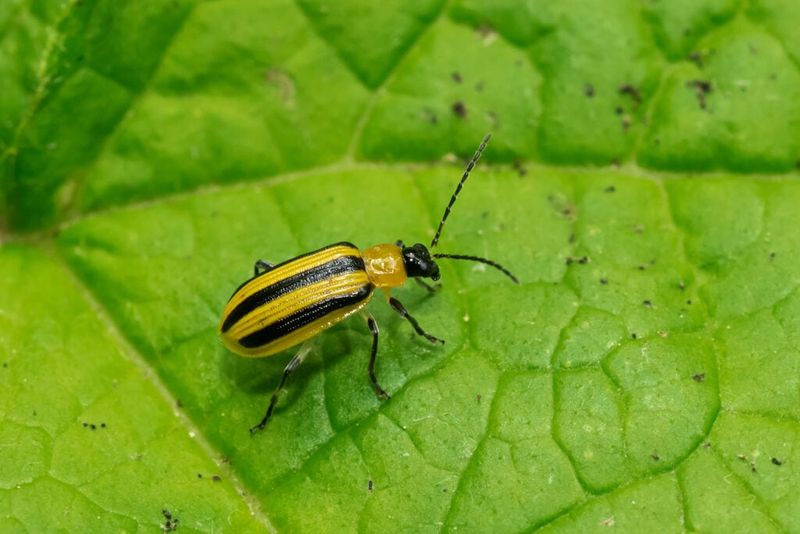
With their vibrant yellow bodies and black stripes, cucumber beetles are hard to miss yet difficult to manage. These pests delight in attacking cucumbers, melons, and squash, leaving behind chewed leaves and potentially spreading bacterial wilt.
Active during late summer, their damage can lead to stunted plant growth and reduced yields. Regular inspection and early intervention are crucial to prevent significant damage.
Utilizing floating row covers can protect young plants from cucumber beetles. Handpicking and neem oil sprays are additional methods for managing their population.
Tomato Hornworm
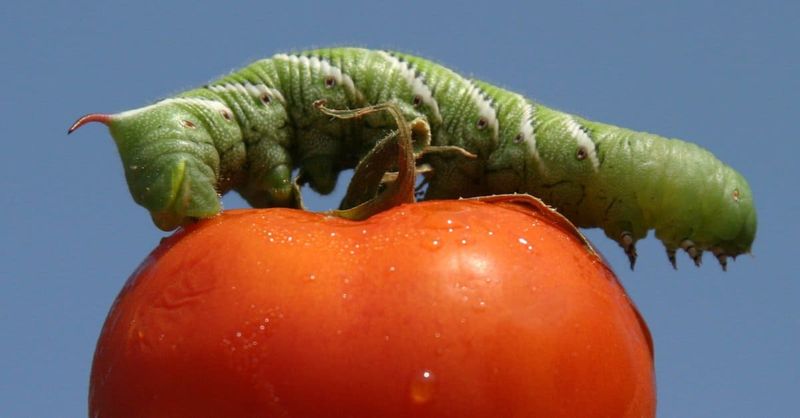
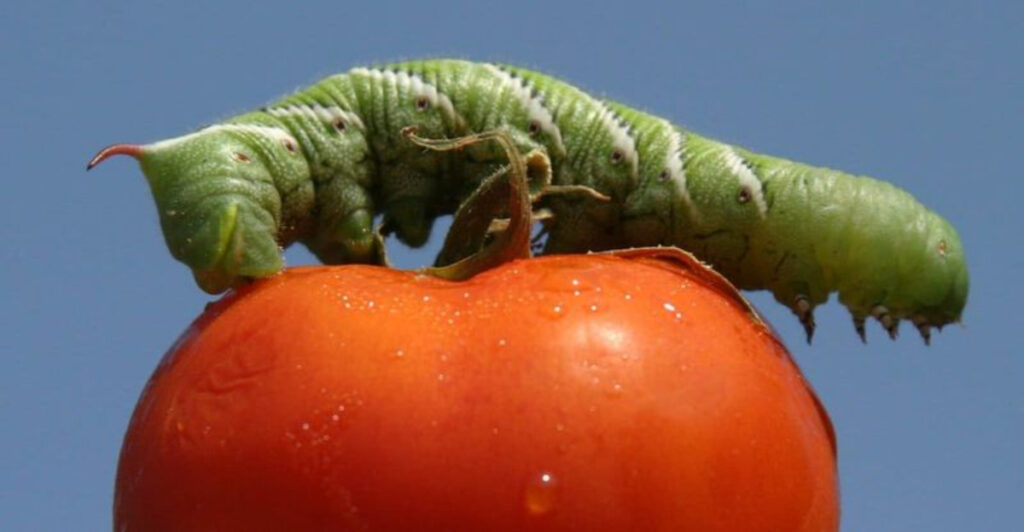
Imagine biting into a homegrown tomato only to find it half-eaten by a mystery pest. The tomato hornworm, a green caterpillar with distinctive white stripes and a horn-like tail, is the likely culprit. These pests can strip a tomato plant of its leaves in no time, making them a gardener’s foe.
Active mainly in late summer, they are masters of camouflage, blending seamlessly into the foliage. Their voracious appetite can leave your tomato plants bare if not managed promptly. To spot them, look for dark green droppings on leaves or stems.
These caterpillars eventually transform into the five-spotted hawk moth. Handpicking them off plants is an effective control method. Consider introducing natural predators like wasps to manage their population.
Corn Earworm
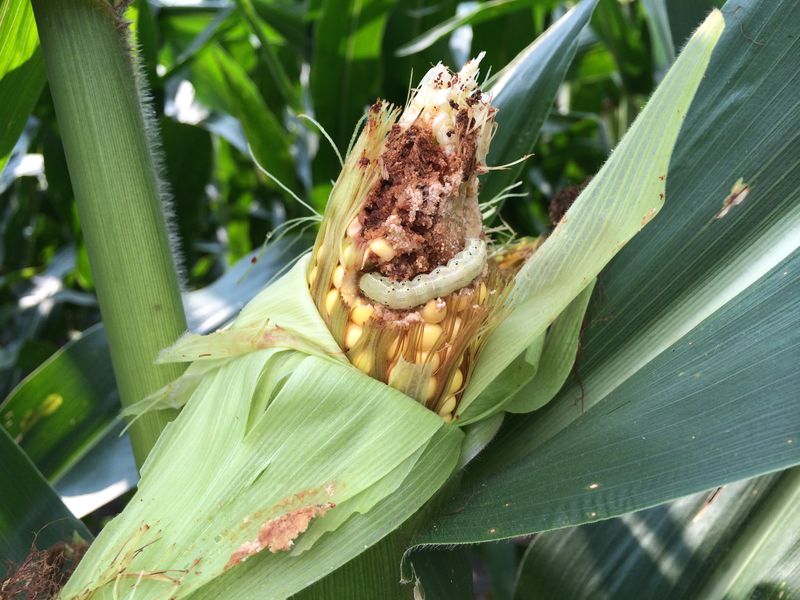
Known for burrowing into the tips of corn ears, the corn earworm is a notorious late summer pest. These caterpillars are often brown or green with stripes and can cause extensive damage to corn crops.
They feed on the kernels, leaving behind waste and potentially opening the door for mold infections. Monitoring your plants and applying timely treatments can mitigate their impact.
Fun fact: the corn earworm is also called the ‘tomato fruitworm’ due to its affinity for tomatoes as well. Using Bt (Bacillus thuringiensis) or insecticidal oils can be effective control measures.
Stink Bugs
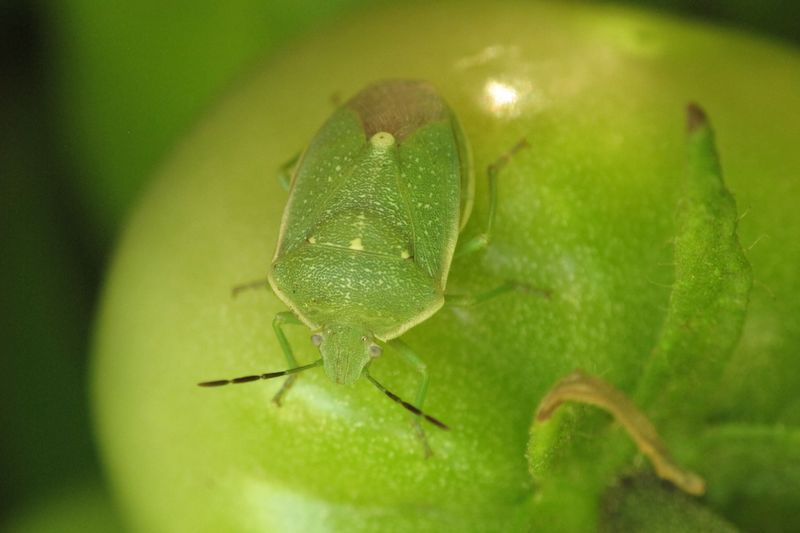
Stink bugs, famous for their pungent defense mechanism, pose a significant threat to fruits and vegetables. Active in late summer, these shield-shaped bugs puncture plant tissues, causing blemishes on fruits like tomatoes, peppers, and beans.
Their feeding can lead to discolored spots and make produce unappealing. They also emit a strong odor when disturbed, deterring predators.
Sealing cracks around windows and doors can prevent their entry into homes. In gardens, handpicking and using traps can help manage their presence. Incorporating natural predators like parasitic wasps can further reduce their numbers.
Cutworms
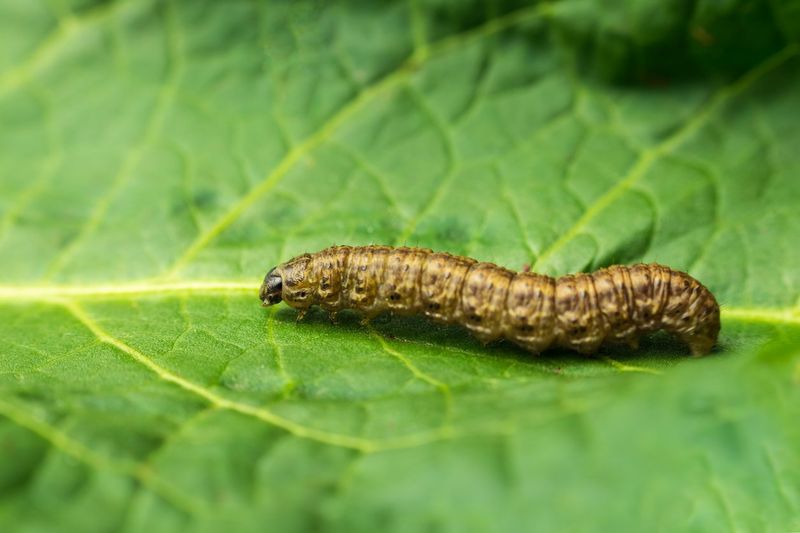
Imagine waking up to find your young plants toppled overnight; cutworms might be the culprits. These gray or brown caterpillars feed at night, severing seedlings at the base.
They can destroy an entire row of plants if unchecked, making late summer vigilance crucial. To protect seedlings, gardeners often use collars made from cardboard or plastic around the plant stems.
Regular tilling can expose and reduce cutworm populations. Introducing birds and beneficial insects can serve as a natural control method.
Leafhoppers
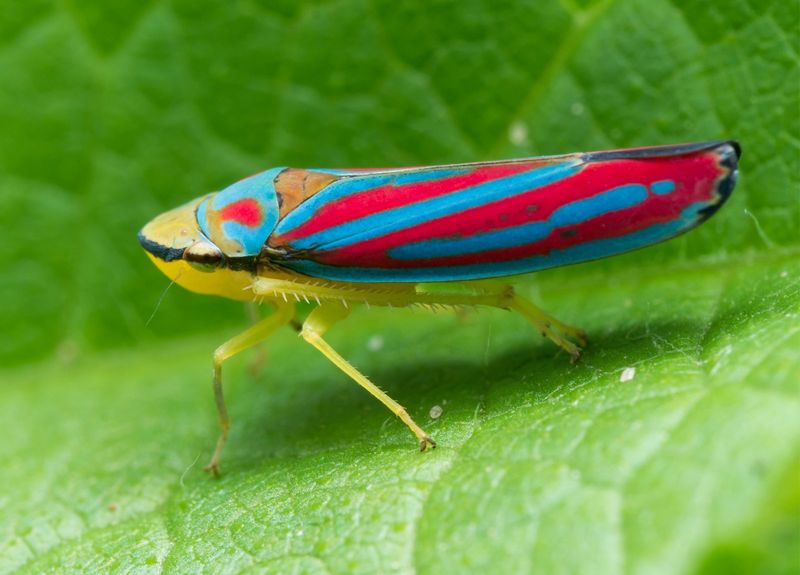
These small, wedge-shaped insects are known for their agility and ability to ‘hop’ great distances. Leafhoppers feed on the sap of plants, causing stippling, yellowing, and eventual wilting of leaves.
Particularly fond of grapevines and roses, they can spread diseases like aster yellows and curly top virus. Maintaining a healthy garden with ample biodiversity can naturally deter leafhoppers.
Introducing lacewings or lady beetles helps in keeping their populations in check. Regular monitoring and using reflective mulches can also deter these pests.
Flea Beetles
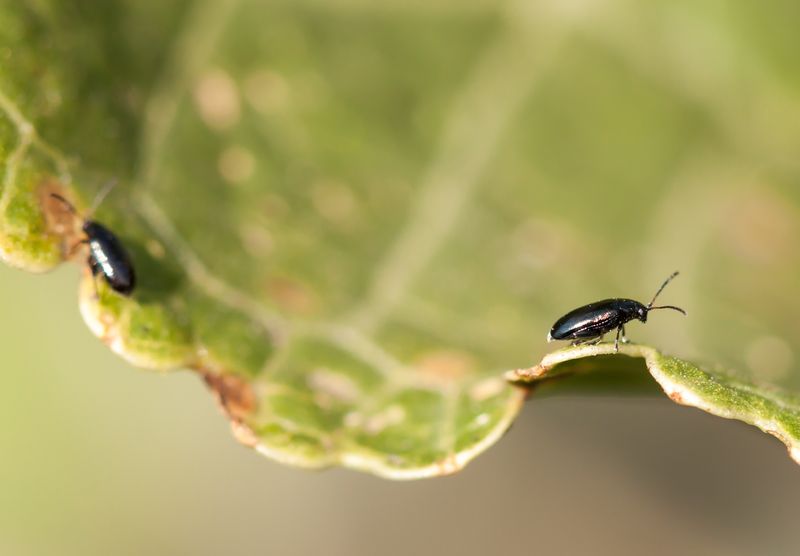
Flea beetles, small and shiny, are notorious for leaving behind ‘shot-hole’ damage on leaves. Eggplants, tomatoes, and potatoes are common victims.
Their feeding habits can weaken plants, making them more susceptible to other stresses. Active during late summer, these pests can be managed through floating row covers and early planting to get ahead of their emergence.
Using diatomaceous earth around plants can deter flea beetles, while trap crops like radishes can lure them away from more valuable produce.
Whiteflies
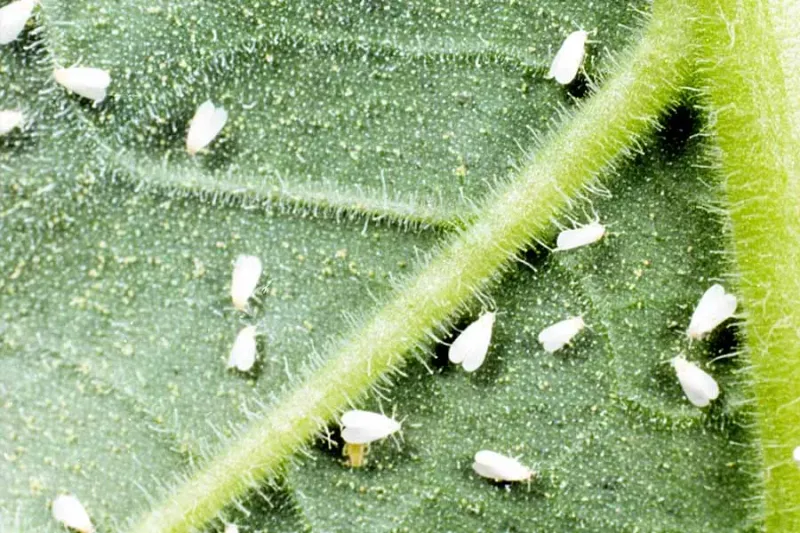
Whiteflies may look delicate, but their impact on gardens is far from it. These tiny, moth-like insects cluster on the undersides of leaves, sucking sap and producing honeydew, which can lead to sooty mold growth.
Cabbage, tomatoes, and squash plants are often affected. Keeping plants well-watered and growing companion plants like marigolds can deter whiteflies.
Yellow sticky traps can capture them, while introducing natural predators like ladybugs and lacewings can keep populations under control. Neem oil sprays also provide an effective organic treatment.
Slugs and Snails
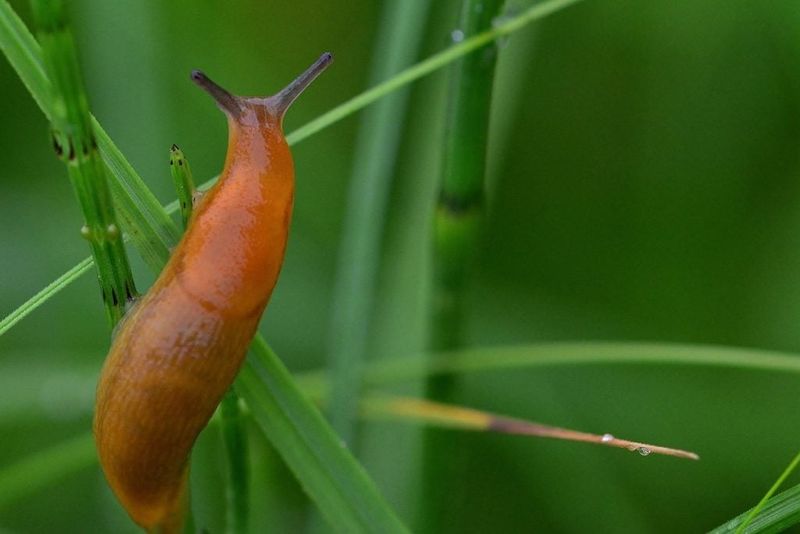
Slugs and snails, with their slow yet destructive trail, are common garden pests in North Carolina’s late summer. They feast on tender leaves, leaving behind ragged holes and slimy trails.
Particularly active in damp conditions, they can be found on lettuce, strawberries, and hostas. Handpicking at night and using barriers like copper tape can deter these gastropods.
Beer traps can also lure them away, while natural predators like birds and beetles help control their numbers. Ensuring good garden hygiene by removing debris can reduce hiding spots for these pests.
Root Maggots
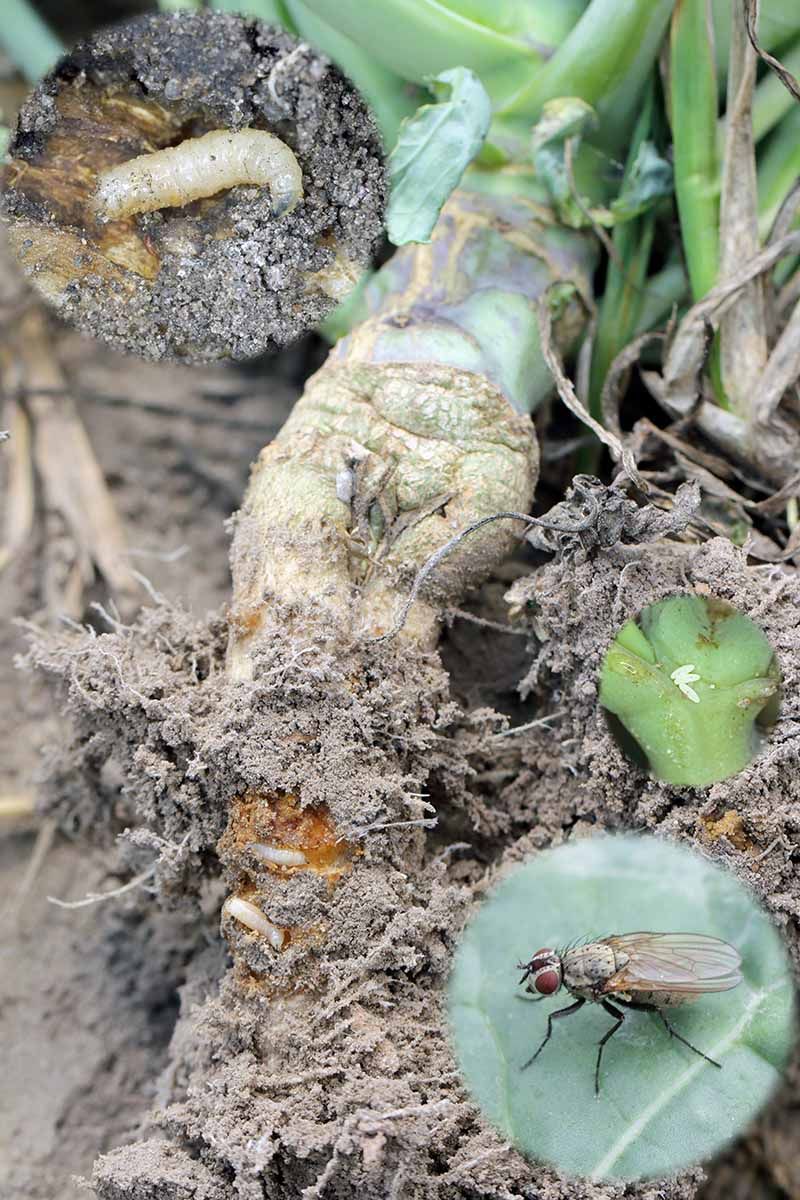
Beneath the soil surface, root maggots silently attack the roots of vegetables like cabbage, onions, and carrots. These small, white larvae can cause plants to wilt and die, as they chew through critical root structures.
Their presence is often not noticed until it’s too late. To combat these pests, gardeners can use row covers to prevent the adult flies from laying eggs.
Companion planting with mint or marigold can naturally repel root maggots. Using beneficial nematodes in the soil offers an organic approach to control them.
Cabbage Worms
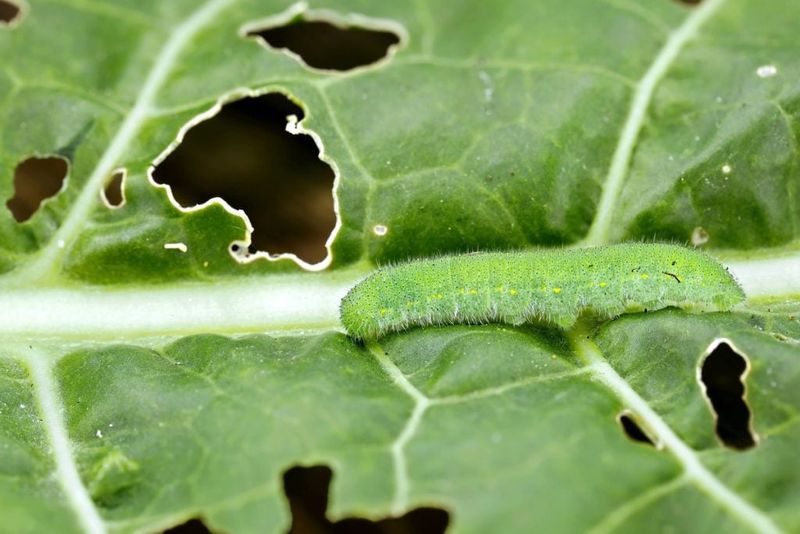
Cabbage worms, the larval stage of the cabbage butterfly, are camouflaged masters that blend with the cabbage leaves they feast upon. These pests can cause serious damage to cabbage, broccoli, and cauliflower.
They chew large holes in foliage, weakening plants and reducing yield. Handpicking is a straightforward control method, while row covers can prevent butterflies from laying eggs.
Introducing parasitic wasps can help reduce cabbage worm numbers naturally. Fun fact: these worms can be a tasty snack for birds, making them helpful allies in your garden.
Earwigs
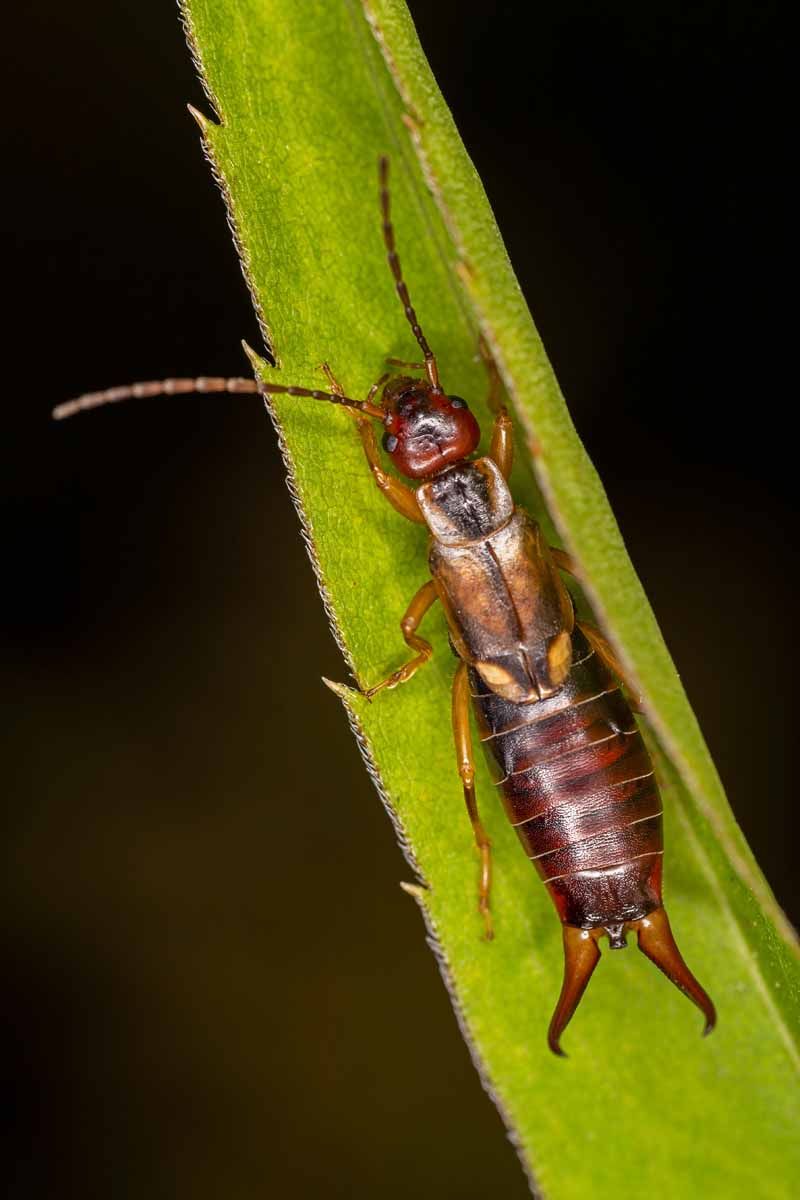
Though earwigs look intimidating with their pincers, they are often more of a nuisance than a threat. They feed on young seedlings and soft fruits, leaving behind ragged edges and holes.
Active at night, they hide under mulch and stones during the day. To control them, reduce moist hiding places and use rolled-up newspapers as traps.
Earwigs can also be beneficial, as they consume aphids and other smaller pests. Maintaining a balanced garden ecosystem can keep their numbers in check.
Thrips
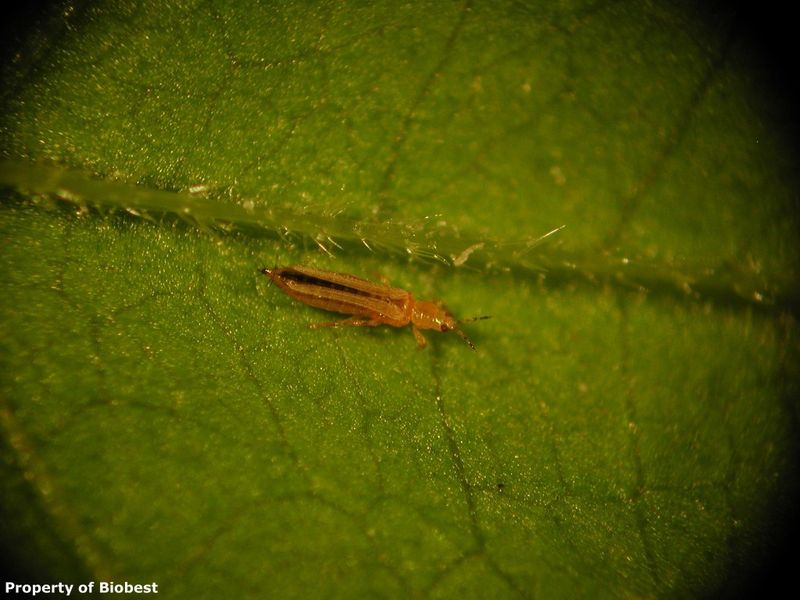
Thrips may be tiny, but their impact on flowers and vegetables can be significant. These slender insects feed by puncturing plant cells and sucking out the contents, leading to silvering and deformities.
Roses, onions, and beans are frequent targets. Maintaining garden hygiene and using reflective mulches can deter thrips.
Introducing predatory insects like minute pirate bugs provides a natural control option. Insecticidal sprays can also be used as a part of an integrated pest management approach.
Grasshoppers
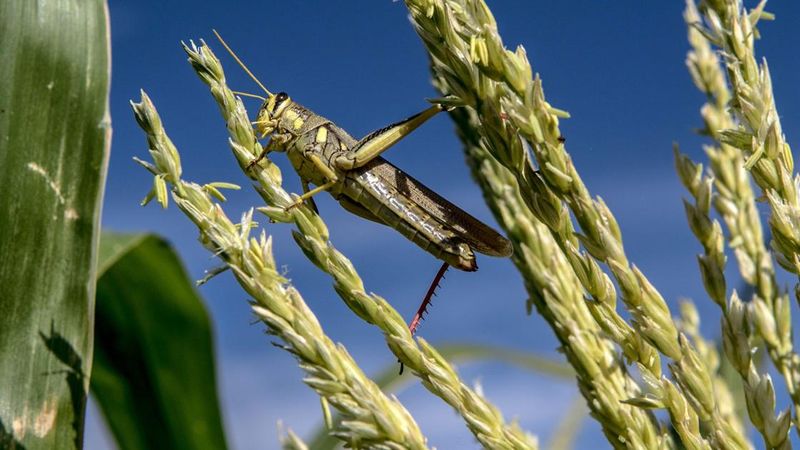
Grasshoppers, with their powerful legs and voracious appetites, are formidable garden adversaries. These pests consume almost any plant matter, making them a threat to a wide variety of crops.
In late summer, they are particularly active and can quickly devastate a garden if their numbers are high. Using floating row covers and maintaining a diverse garden can help reduce grasshopper damage.
Fun fact: grasshoppers have been around for millions of years, adapting to various climates and landscapes. Biological controls like birds and fungal pathogens can naturally reduce their populations.