
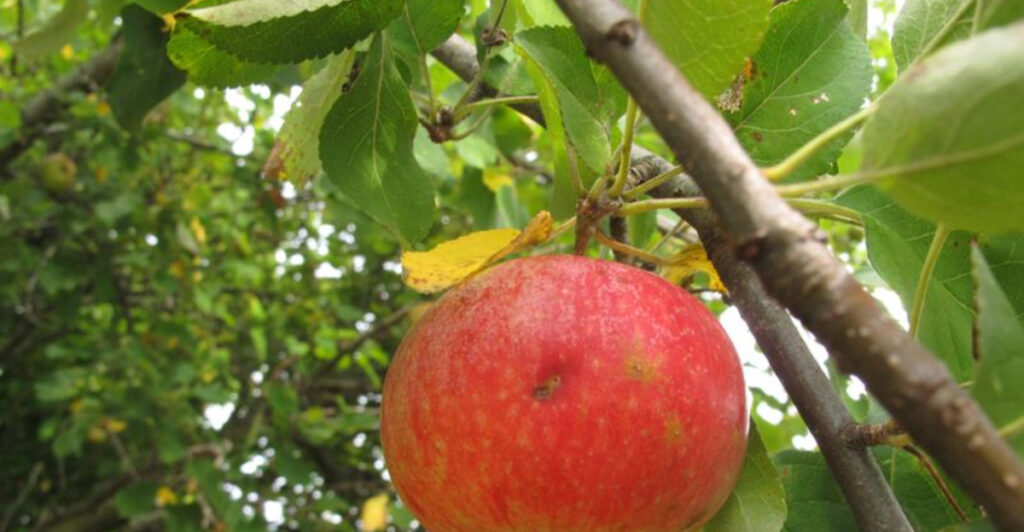
Oregon’s mild climate is a paradise for a variety of fruit trees, each offering unique flavors and visual beauty. Whether you’re a seasoned gardener or a novice looking to start a backyard orchard, these fruit trees thrive in Oregon’s temperate environment.
Pear Trees
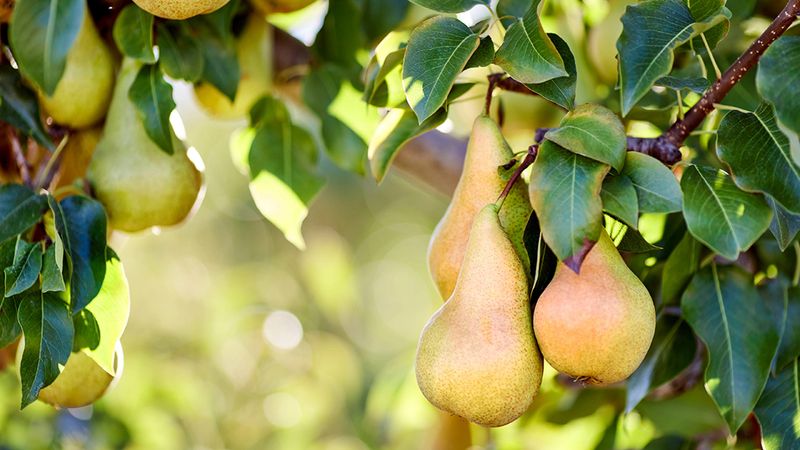
Pear trees grace the Oregon landscape with their elegant form and delicious fruits. Known for their sweet and buttery texture, varieties such as Bartlett and Comice are favorites among locals.
These trees thrive in the state’s loamy soil and mild temperatures, making them a reliable choice for backyard orchards. In spring, they’re adorned with beautiful white blossoms that attract pollinators.
Interestingly, pears were one of the first fruit trees cultivated in North America, with a history that dates back to colonial times.
Cherry Trees
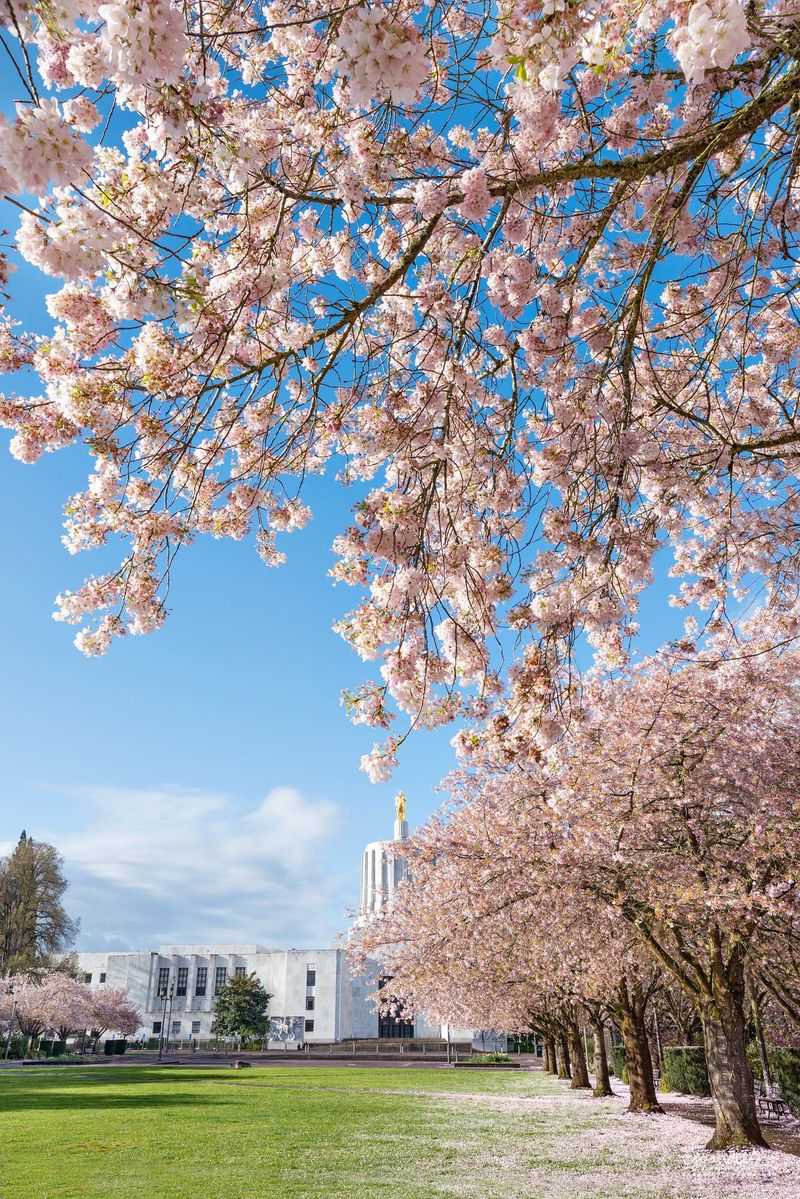
Cherry trees bring a burst of color and flavor to Oregon gardens. With varieties like Bing and Rainier, they offer juicy, sweet fruits perfect for snacking or making preserves.
Their stunning spring blossoms create a spectacle that attracts admirers and bees alike. These trees require a bit of care, including proper pruning to ensure healthy growth and bountiful harvests.
Fun fact: The cherry blossom, or sakura, is celebrated around the world for its fleeting beauty, symbolizing the transient nature of life.
Plum Trees
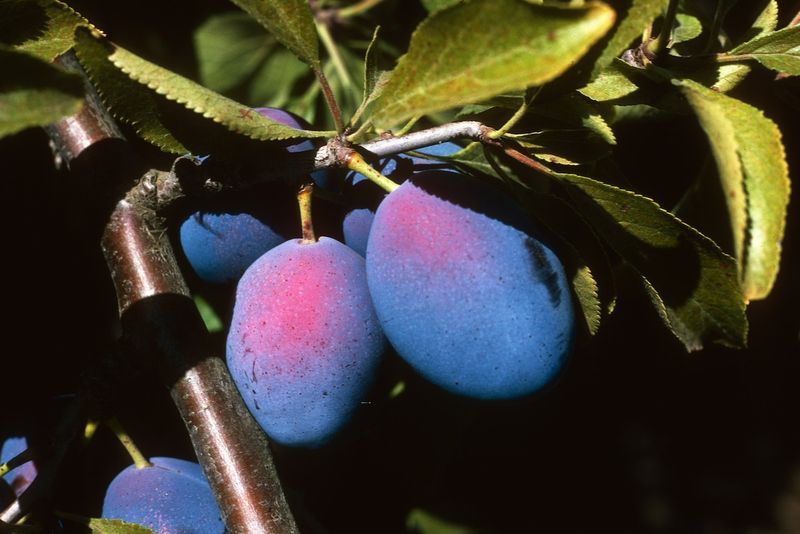
Plum trees add a touch of elegance to any garden with their striking foliage and succulent fruits. Oregon’s climate suits them well, allowing varieties like Italian and Santa Rosa to thrive.
These trees produce fruits that are perfect for fresh eating, pies, and jams. The deep purple and red hues of the plums provide visual appeal, while their sweet and tart flavors captivate taste buds.
Did you know? Plums are not only delicious but also packed with nutrients, including vitamins C and K.
Apple Trees
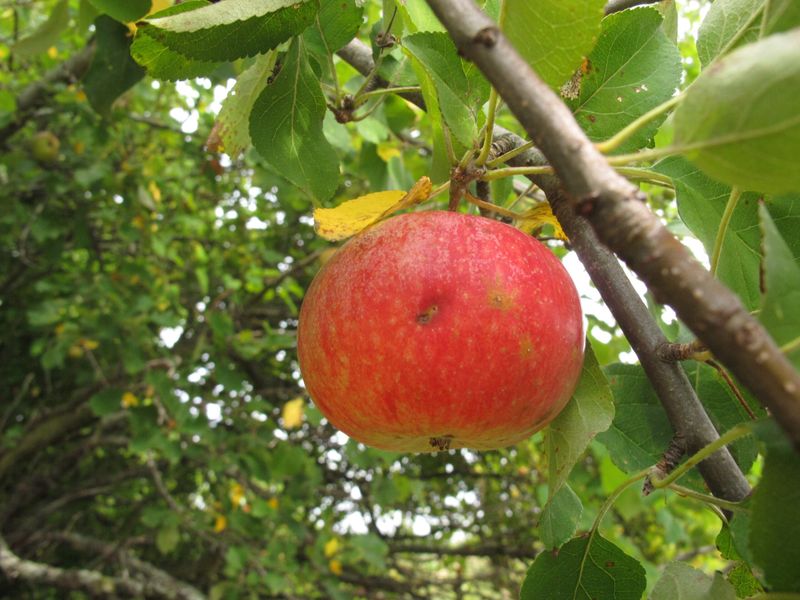
In Oregon, apple trees flourish, offering a bounty of crisp and juicy fruits. The state’s climate provides the perfect balance of cold winters and warm summers, essential for apple production. Varieties like Honeycrisp and Gala are particularly popular, delivering sweet flavors and a delightful crunch.
Planting an apple tree in your backyard can be a rewarding experience. These trees not only provide delicious fruits but also add aesthetic value with their spring blossoms and autumn hues. With proper care, apple trees can produce abundant harvests for years to come.
Did you know? Apples are one of the most widely cultivated fruits in the world, with over 7,500 varieties grown globally.
Peach Trees
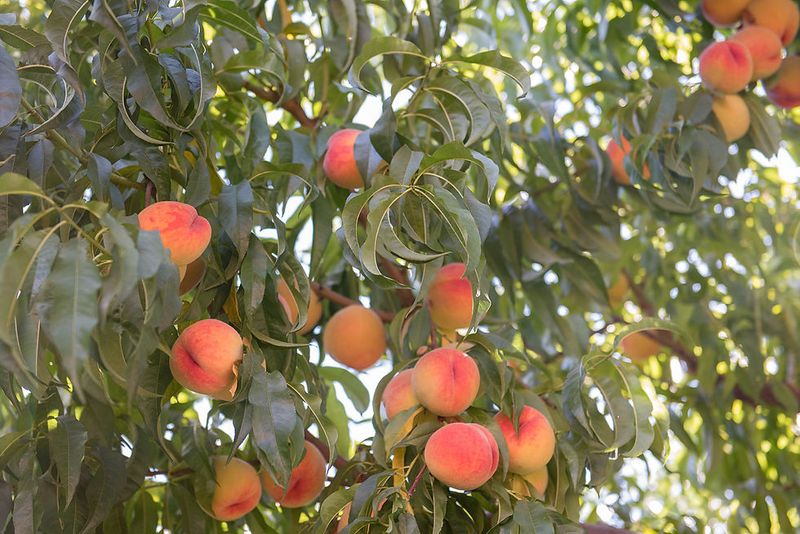
Peach trees offer the taste of summer with their juicy, aromatic fruits. In Oregon, varieties such as Elberta and Red Haven are cultivated for their sweet, succulent peaches.
These trees require a sunny location and well-drained soil to produce the best harvests. Their spring blossoms are a sight to behold, painting gardens with shades of pink.
Quirky fact: Peaches are a symbol of longevity and immortality in Chinese culture, often associated with the mythical Peaches of Immortality.
Apricot Trees
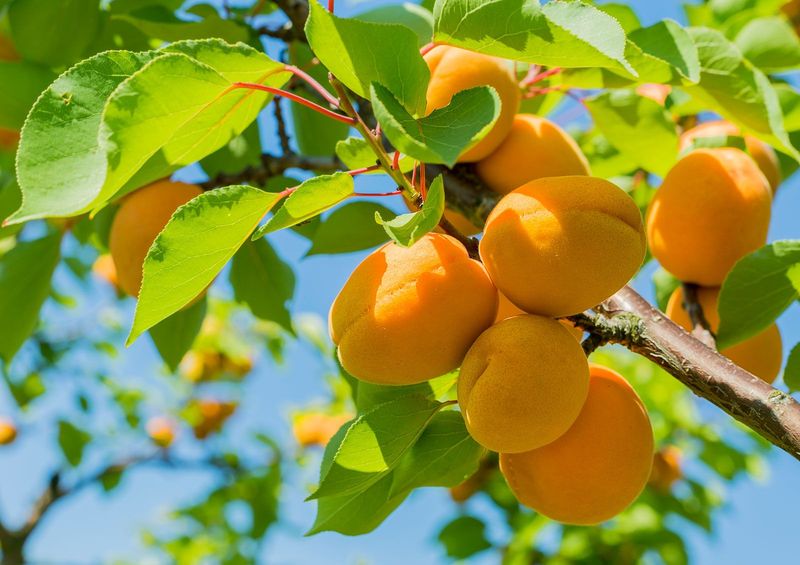
Apricot trees bring a unique sweetness to Oregon’s orchards. Known for their small, orange fruits, varieties like Goldcot and Tomcot are prized for their flavor and versatility.
These trees thrive in regions with cool winters and warm, dry summers, making Oregon a suitable home. Apricots can be enjoyed fresh, dried, or in preserves, adding a burst of flavor to any dish.
Fun fact: Apricots are believed to have been domesticated in China over 4,000 years ago, spreading across the world through trade routes.
Fig Trees
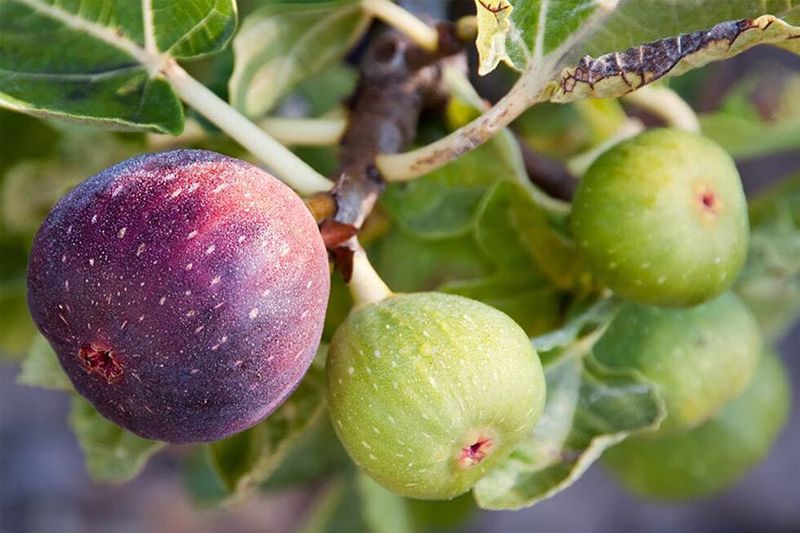
Fig trees offer a taste of the Mediterranean in Oregon’s climate. Varieties like Brown Turkey and Desert King thrive here, producing sweet, honey-like fruits.
These trees prefer sunny, sheltered locations and well-drained soil. Their large, lobed leaves provide shade, while the fruits offer a delightful treat for both humans and wildlife.
Did you know? Figs are among the oldest cultivated crops, with evidence of fig cultivation dating back to ancient Egypt and Greece.
Persimmon Trees
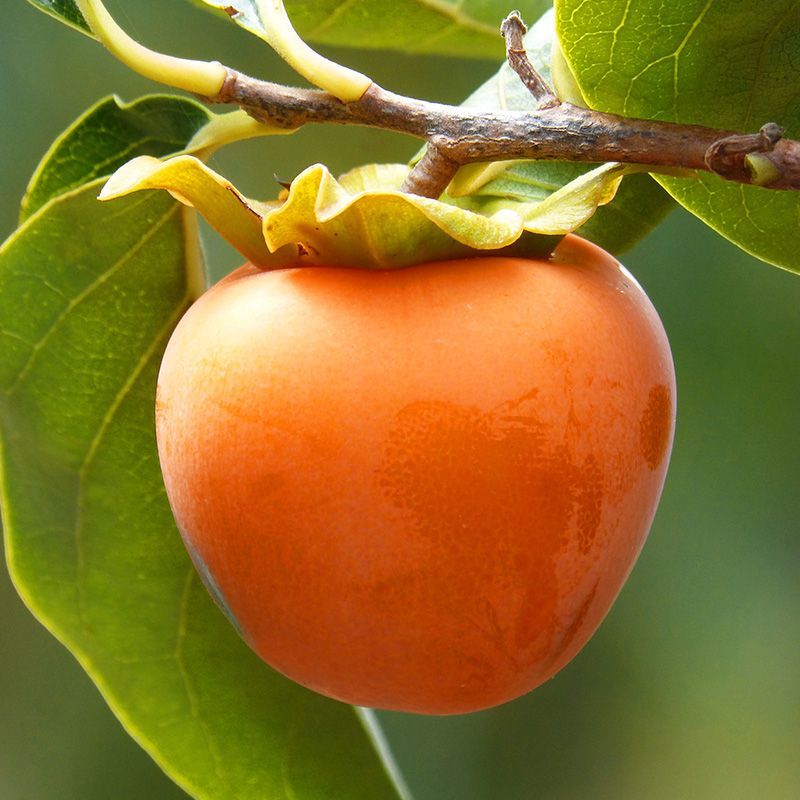
Persimmon trees are a unique addition to Oregon gardens, offering bright orange fruits with a honey-sweet flavor. Varieties like Fuyu and Hachiya are popular, each with distinct characteristics.
These trees are hardy and can withstand Oregon’s variable weather. Their fruits can be eaten fresh or dried, making them a versatile ingredient in many dishes.
Fun fact: Persimmons are native to China and have been cultivated for thousands of years, symbolizing good luck and happiness.
Pawpaw Trees
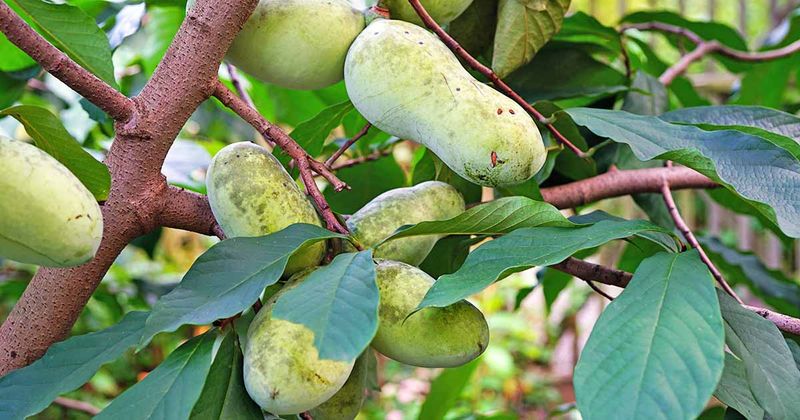
Pawpaw trees introduce an exotic flair to Oregon’s orchards, with fruits that have a tropical flavor reminiscent of banana and mango. Varieties like Sunflower and Shenandoah are favored for their taste and hardiness.
These trees thrive in sheltered, sunny spots with rich, well-drained soil. The pawpaw is the largest edible fruit native to North America, adding a unique touch to any garden.
Did you know? The pawpaw was a favorite of Thomas Jefferson and was cultivated at his Monticello estate.
Quince Trees
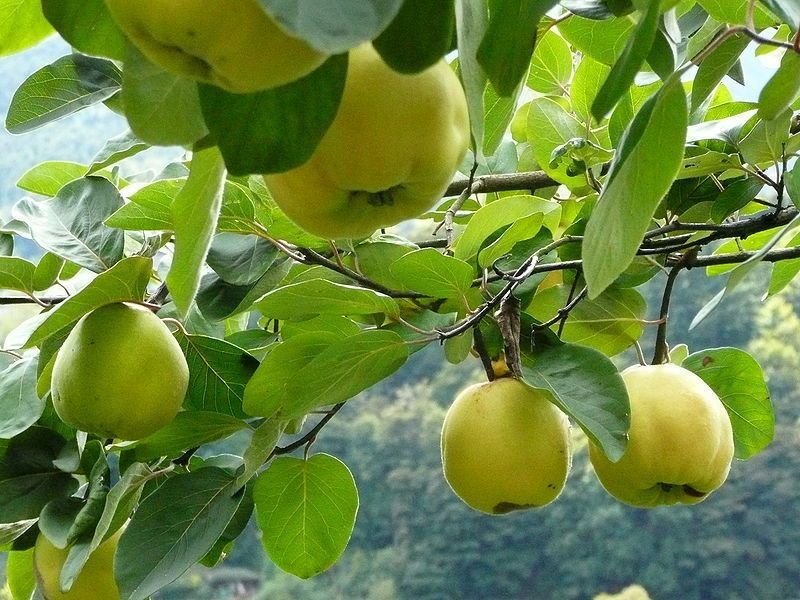
Quince trees add a touch of old-world charm to Oregon gardens. Their golden fruits are fragrant and ideal for making jellies and preserves.
These trees thrive in Oregon’s climate, producing beautiful blossoms in spring and aromatic fruits in fall. Varieties like Smyrna and Pineapple are known for their unique flavors.
Fun fact: Quince is one of the oldest known fruits, with a history of cultivation dating back to ancient Greece, where it was associated with love and fertility.
Mulberry Trees
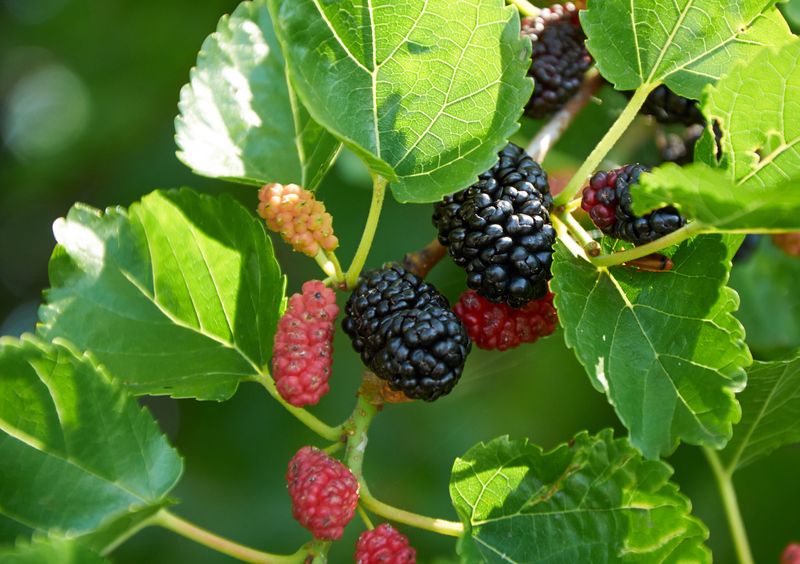
Mulberry trees bring vibrant color and sweet, juicy berries to Oregon gardens. Varieties such as Black Mulberry are cherished for their delicious fruits.
These trees prefer well-drained soil and a sunny location to thrive. The berries can be eaten fresh or used in desserts and jams, adding a burst of flavor to any meal.
Did you know? Mulberries are known for their rapid growth and were traditionally used in silk production, as silkworms feed on their leaves.
Nut Trees
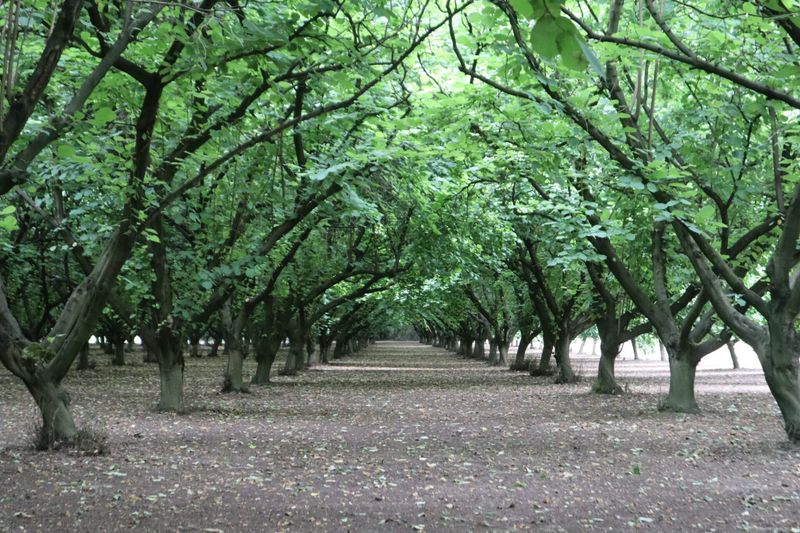
Nut trees, particularly walnut and hazelnut, are a valuable addition to Oregon’s orchards. These trees provide not only nutritious nuts but also beautiful foliage and sturdy wood.
Oregon’s climate is ideal for these trees, with varieties like Franquette walnut and Barcelona hazelnut thriving. The nuts can be enjoyed fresh, roasted, or used in baking.
Fun fact: Oregon is the top producer of hazelnuts in the United States, providing about 99% of the country’s supply.
Nectarine Trees
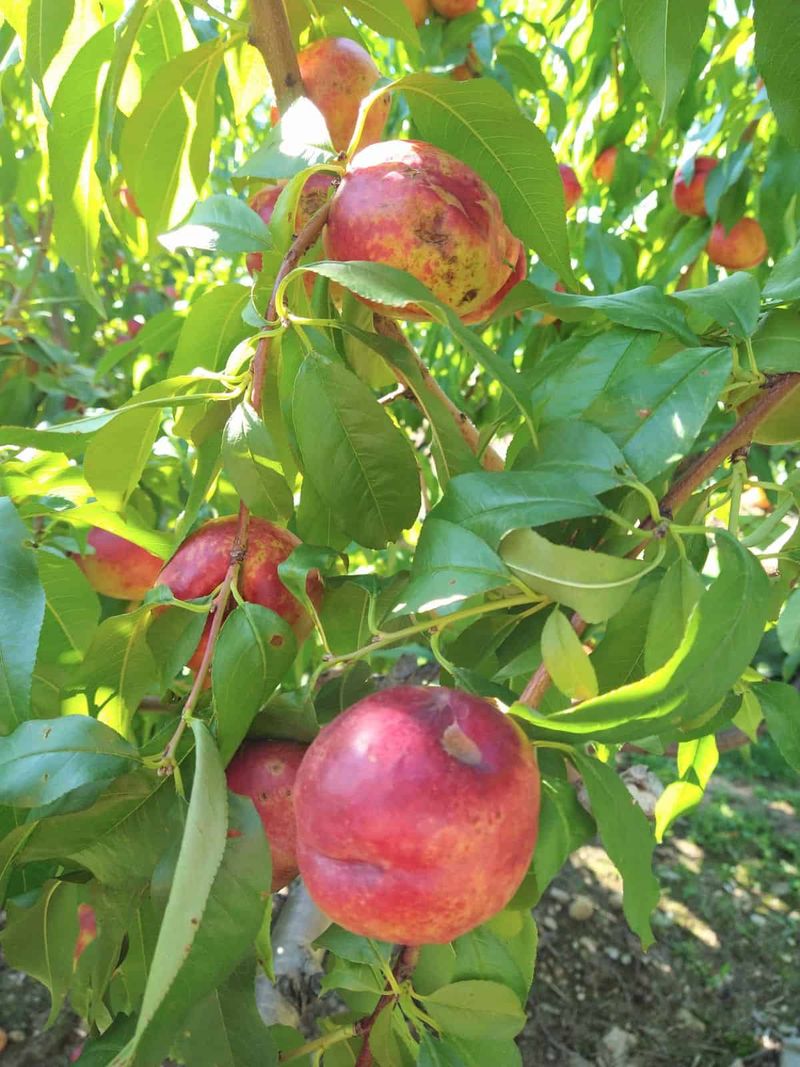
Nectarine trees are a delightful addition to any Oregon garden, offering smooth-skinned fruits with a sweet, juicy flavor. Varieties like Fantasia and Redgold are popular choices.
These trees require a sunny location and well-drained soil to produce their best harvests. Their spring blossoms are as beautiful as their peach counterparts, adding color to gardens.
Quirky fact: Nectarines are actually a type of peach, distinguished by their smooth skin, rather than a different species.
Pomegranate Trees
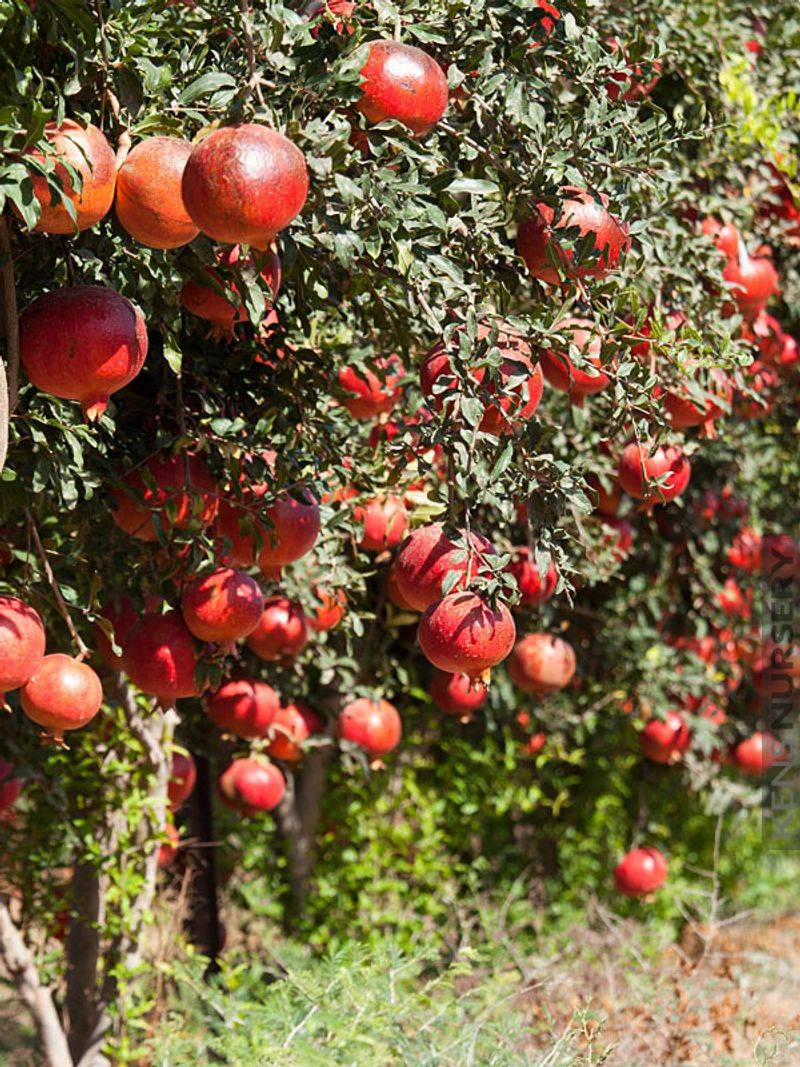
Pomegranate trees bring a touch of the exotic to Oregon’s gardens, with their bright red fruits and vibrant flowers. Varieties like Wonderful are favored for their sweet-tart flavor.
These trees thrive in sunny, well-drained locations and add a splash of color to any landscape. The fruits are not only delicious but also packed with antioxidants.
Fun fact: Pomegranates have been cultivated for thousands of years and are often associated with prosperity and abundance in various cultures.
Olive Trees
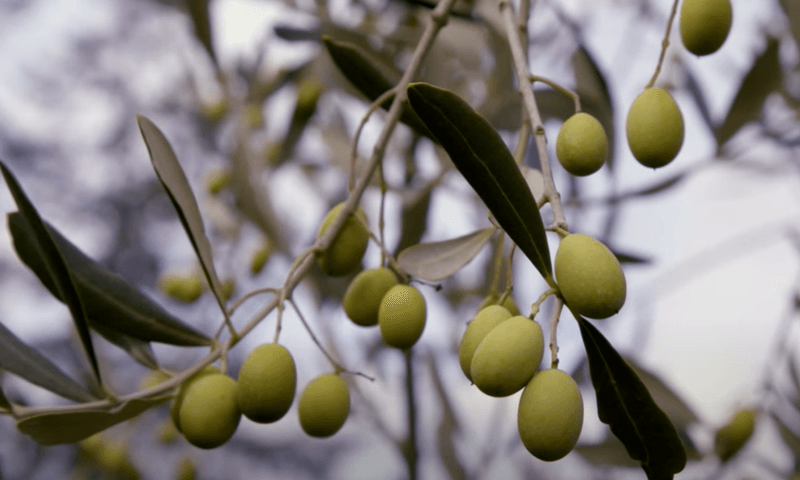
Olive trees offer a Mediterranean flair to Oregon’s climate, producing small, flavorful olives perfect for oil and table use. Varieties like Arbequina and Frantoio are well-suited for this region.
These trees prefer sunny, well-drained locations and add a touch of elegance with their silvery leaves. The fruits are a staple in many culinary traditions, offering a rich, briny flavor.
Did you know? Olive trees can live for hundreds of years, with some ancient trees still producing fruit after more than a millennium.
Citrus Trees
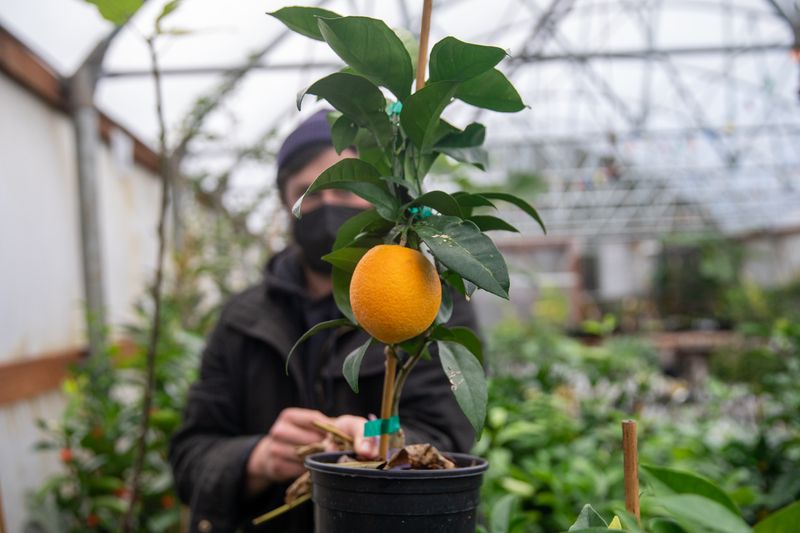
Citrus trees, including lemons and oranges, can be grown in Oregon with proper care and attention. While these trees require some protection from harsh weather, varieties like Meyer lemon and Satsuma mandarin can thrive here.
These trees add a tropical touch to gardens, with their fragrant blossoms and vibrant fruits. They are perfect for container gardening, allowing for easy movement indoors during colder months.
Quirky fact: The Meyer lemon is a cross between a true lemon and a mandarin orange, known for its sweeter taste and fragrant aroma.