
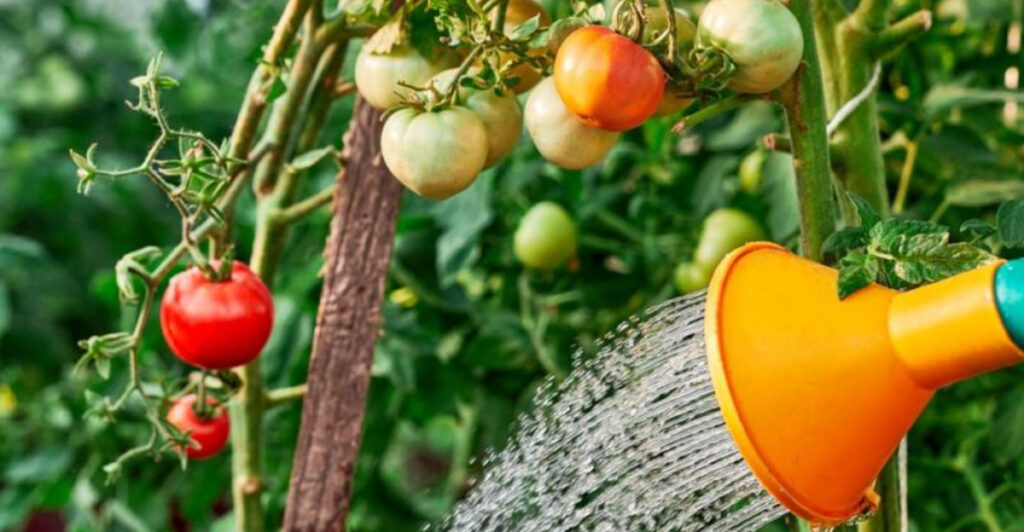
Gardening in Louisiana presents unique challenges due to its intense heat and humidity. While some practices may work well in other regions, they can falter under Louisiana’s climate. Here, we will explore 15 common gardening habits that tend to fail in this environment and suggest more suitable alternatives.
Planting Cool-Season Vegetables in Summer
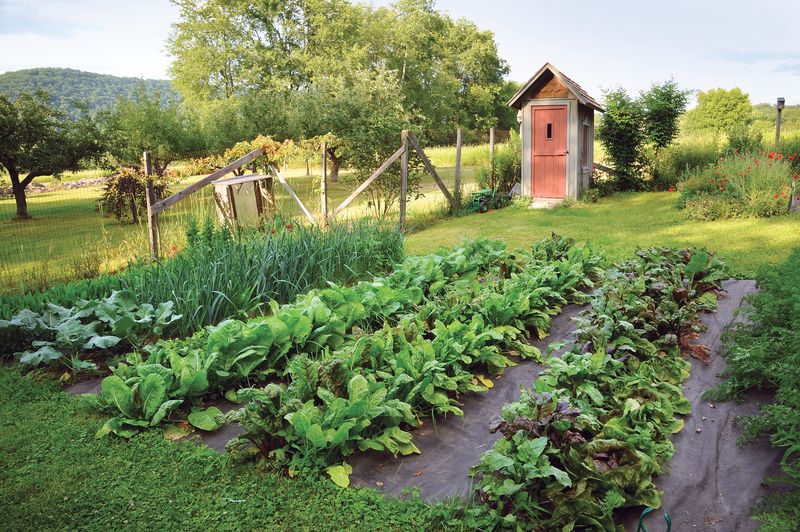
It might seem like a good idea to plant cool-season vegetables like lettuce or broccoli year-round. However, Louisiana’s summers are too hot for these plants, causing them to bolt or wither. Instead, focus on heat-tolerant varieties or save cool-season planting for the fall.
Did you know? Lettuce can bolt within a few days in the high heat, making your salad dreams wilt away. Avoid this disappointment by timing your planting seasonally. Use raised beds or shaded areas to try and extend their growing period slightly.
Overwatering Your Plants
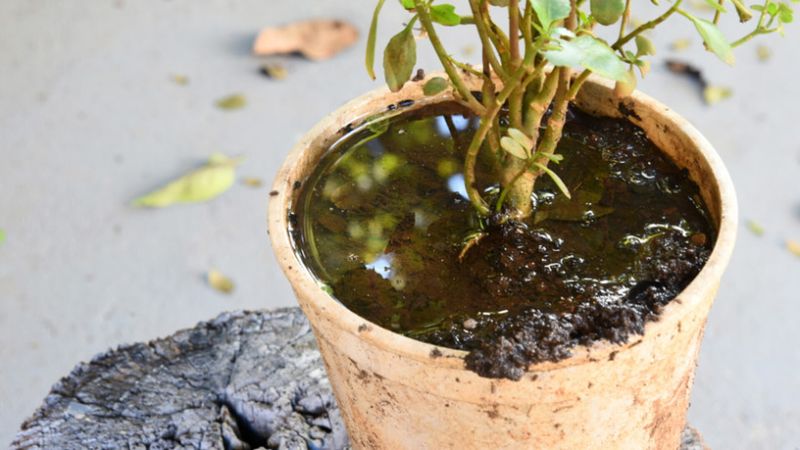
In Louisiana, the natural humidity often makes it unnecessary to water as frequently as you might elsewhere. Overwatering can lead to root rot and fungal diseases. Instead, monitor the soil moisture and water deeply but infrequently.
Remember, your plants’ roots need to breathe. Allow the soil to dry out slightly between waterings. This practice not only saves water but also promotes stronger root growth.
Ignoring Soil Quality
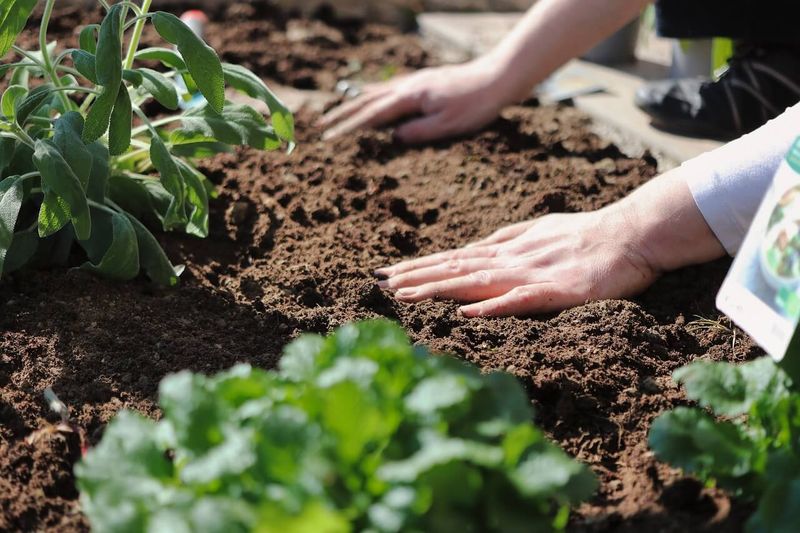
Louisiana gardeners sometimes overlook the importance of soil quality. The native soil may not always be ideal for gardening due to its clay content. Test your soil to determine its pH and adjust with organic matter or other amendments if necessary.
Improving soil drainage can be crucial in this climate. Consider raised beds or amendments like sand and compost to enhance the soil structure, ensuring your plants can thrive.
Planting Non-Native Species
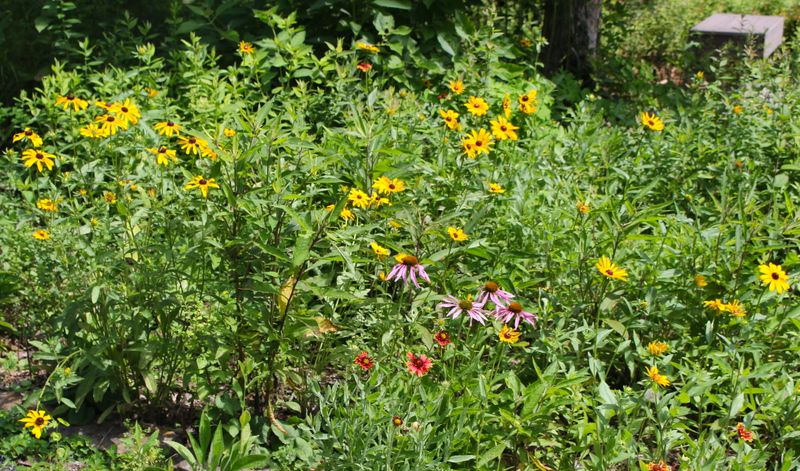
Non-native plants can be particularly tricky in Louisiana’s climate. These plants may not handle the heat, humidity, or local pests well. Opt for native species that are accustomed to the local environment and typically require less maintenance.
Native plants can often resist local pests better and support local wildlife. Embrace the beauty of Louisiana’s native flora for a more sustainable garden.
Using Chemical Pesticides Excessively
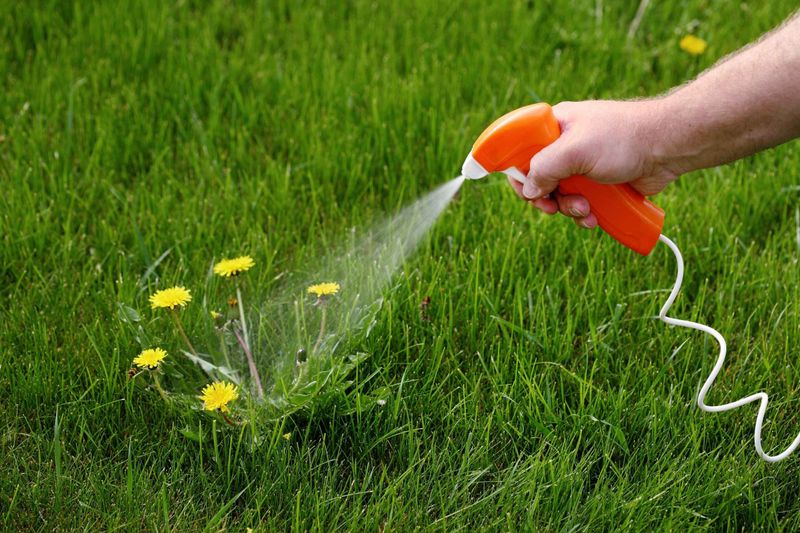
Excessive use of chemical pesticides can do more harm than good in Louisiana’s gardens. The heat can cause chemicals to vaporize faster, reducing their effectiveness and potentially harming beneficial insects. Consider natural pest control methods such as introducing beneficial insects or using organic sprays.
Balancing pest control with environmental health is key. Encourage predator insects like ladybugs to help manage aphid populations naturally.
Ignoring Shade Needs
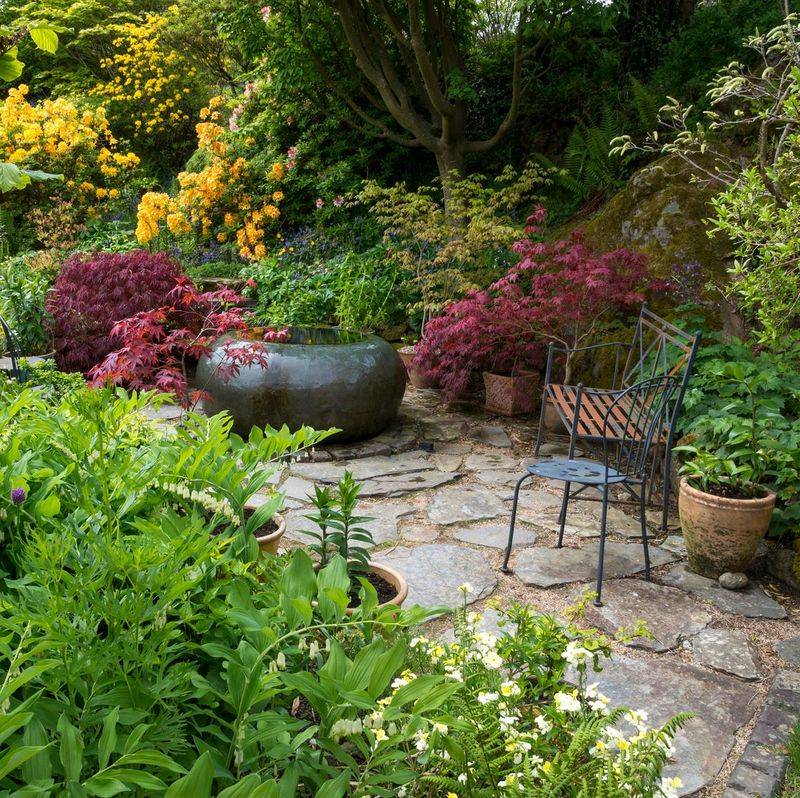
Louisiana’s sun can be brutal. Ignoring the shade requirements of your plants can lead to sunburned leaves and stressed plants. Use shade cloths or plant taller species strategically to provide relief for sun-sensitive plants.
Consider creating a garden layout that maximizes natural shade. Trees or trellises can offer respite from the blazing sun, helping plants stay healthy and vibrant.
Incorrect Mulching
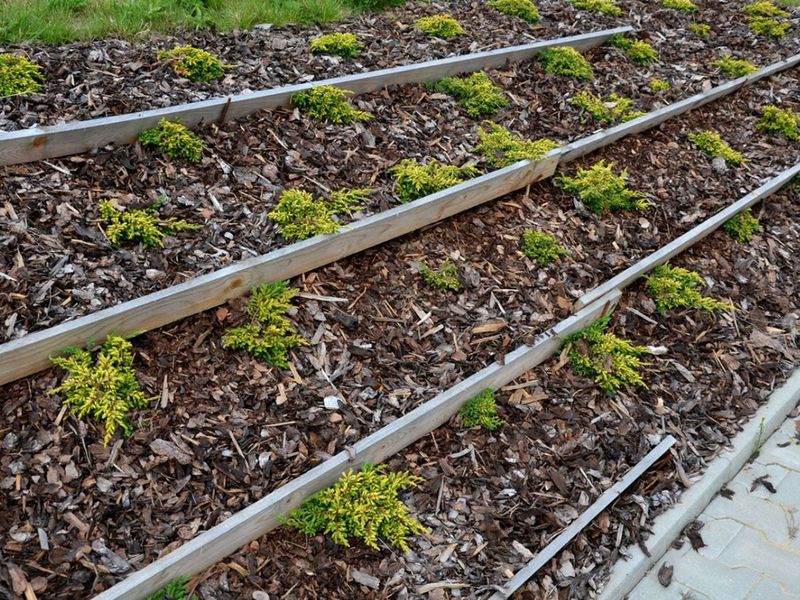
Mulching is beneficial, but incorrect mulching can stifle plant growth. In Louisiana, thick mulches can trap humidity and prevent adequate airflow. Instead, apply a thinner layer and ensure it’s kept away from the base of plants to prevent rot.
Mulch wisely to retain moisture without suffocating your plants. This approach aids in temperature regulation and weed control, all while looking aesthetically pleasing.
Improper Pruning Techniques
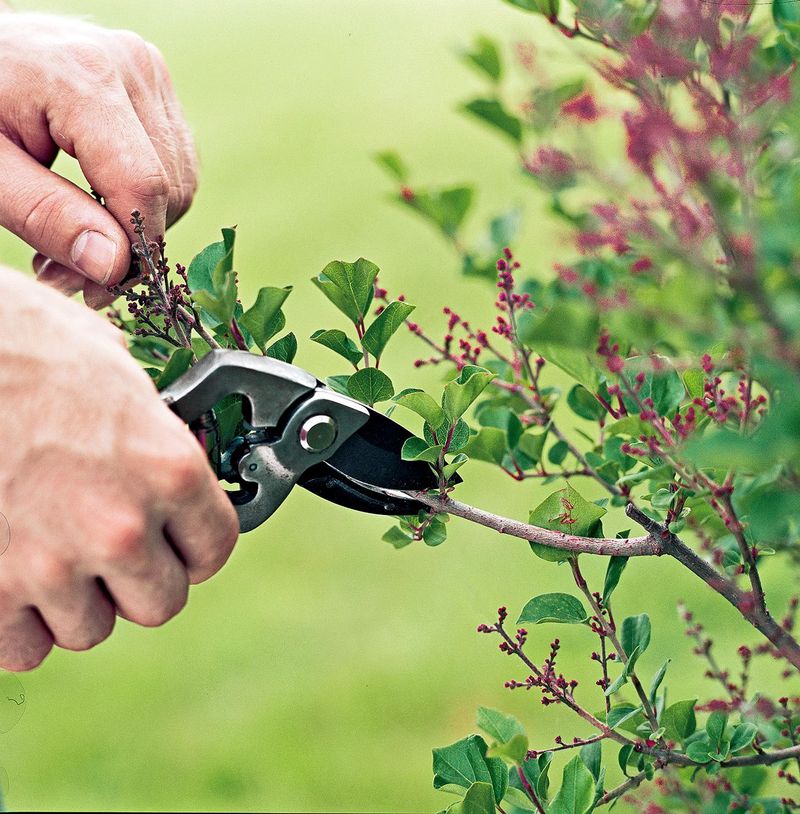
Pruning can invigorate a plant, but improper techniques might weaken it instead. Avoid pruning in mid-summer when plants are most stressed by heat. Instead, prune in late winter or early spring when plants are dormant.
Learn the pruning needs specific to each species. Thoughtful pruning supports healthier growth and can lead to more robust flowering and fruiting.
Overlooking Pest Control
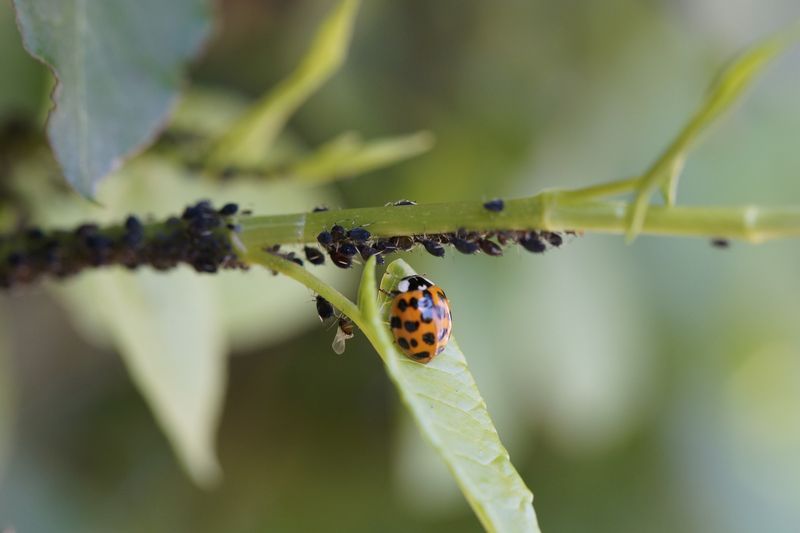
Pests can be a major issue in Louisiana’s climate. Overlooking pest control measures can result in quickly damaged plants. Regularly inspect your garden and use integrated pest management strategies to keep pests at bay.
Emphasize prevention by maintaining garden hygiene. Clean up debris and rotate crops to disrupt pest life cycles, ensuring a healthier garden environment.
Neglecting Seasonal Planting
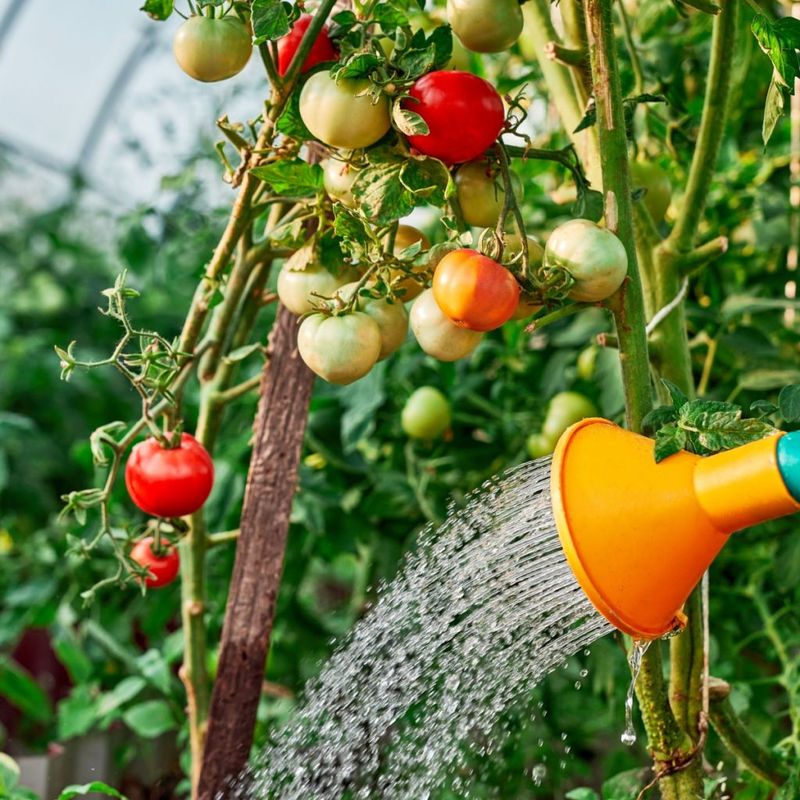
Planting the wrong plants at the wrong time is a common mistake in Louisiana. Each season brings its own challenges and opportunities. Research suitable planting times for various crops and flowers to optimize growth and yields.
Tailor your gardening calendar to the specific climate. Spring and fall are often ideal for many plants, while summer demands heat-loving varieties.
Failing to Rotate Crops
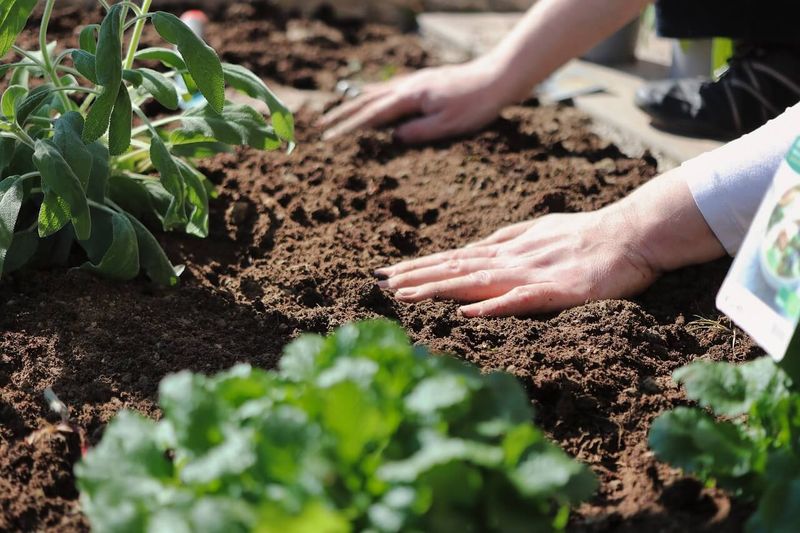
Crop rotation is vital, yet sometimes overlooked in Louisiana gardens. It prevents soil depletion and reduces pest buildup. By rotating crops, you can maintain soil health and improve plant resilience.
Switching plant families annually disrupts pest cycles and balances soil nutrients. This practice is essential for long-term garden productivity.
Improper Fertilization
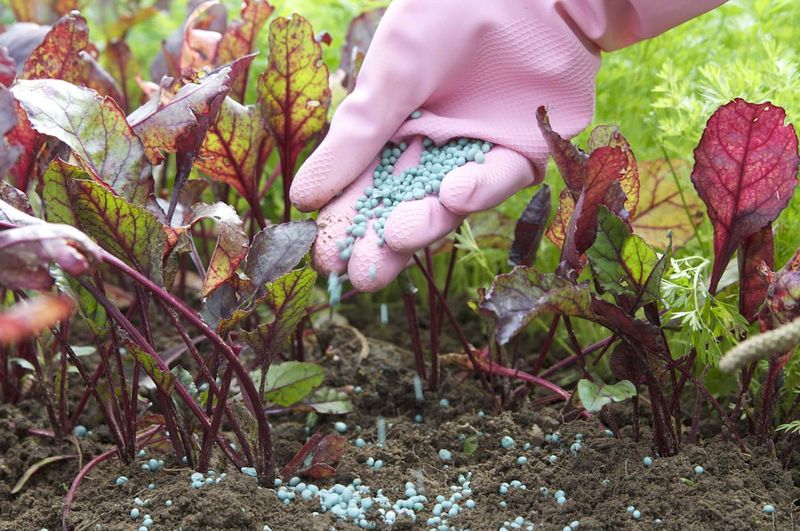
Fertilizing isn’t just about adding nutrients; timing and type are crucial. In Louisiana, too much fertilizer can burn plants or leach away in heavy rains. Opt for slow-release formulas and apply them wisely according to plant needs and growth stages.
Customized fertilization plans prevent nutrient wastage and promote robust plant development. Tailor your approach for the best results.
Disregarding Plant Spacing
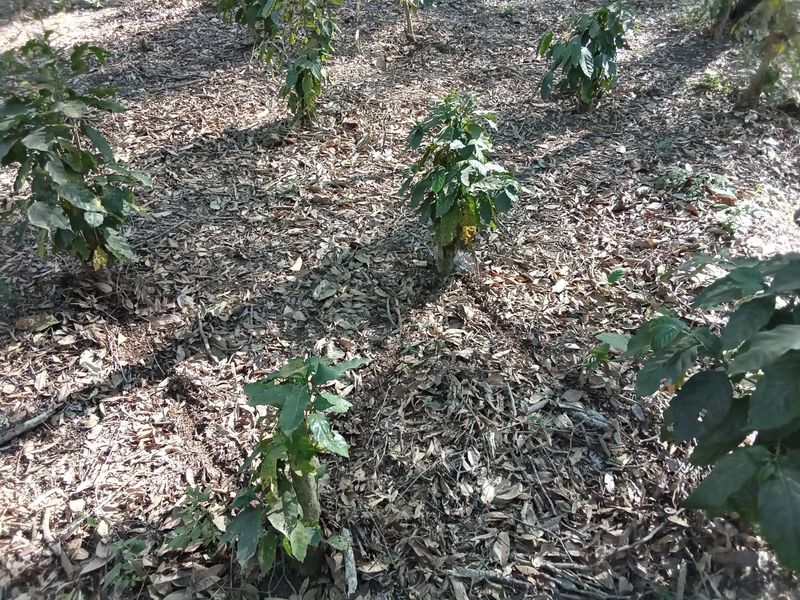
Overcrowding can lead to health issues in plants, especially in Louisiana’s humid environment. Proper spacing allows for adequate airflow, reducing the risk of disease. Plan your garden layout with room for plants to grow naturally.
Think of spacing as a way to foster harmony in the garden. Each plant needs its own space to thrive, ensuring a balanced and vibrant ecosystem.
Neglecting to Use Native Mulch
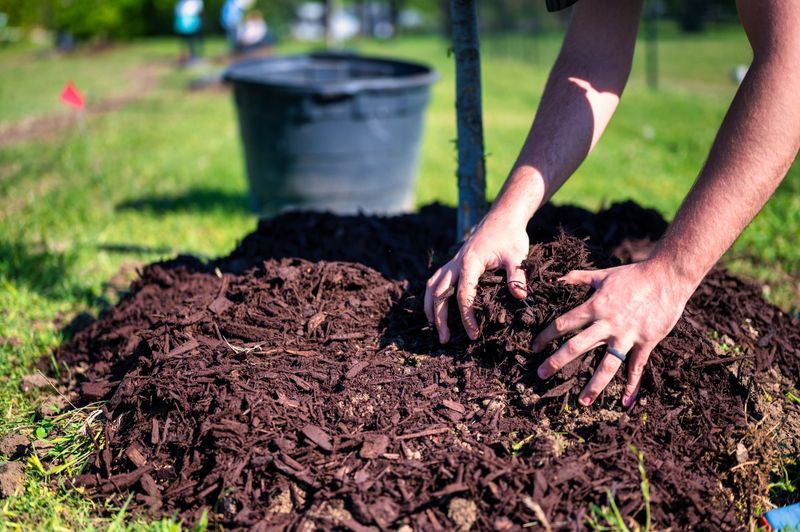
Native mulch types are often overlooked but can play a significant role in your garden’s success. They break down well in Louisiana’s climate, enriching the soil efficiently. Choose mulches like pine straw that are locally sourced and sustainable.
Opt for mulches that complement the local ecosystem. They feed the soil naturally and support native plant life, offering a cycle of growth and rejuvenation.
Underestimating Weeds
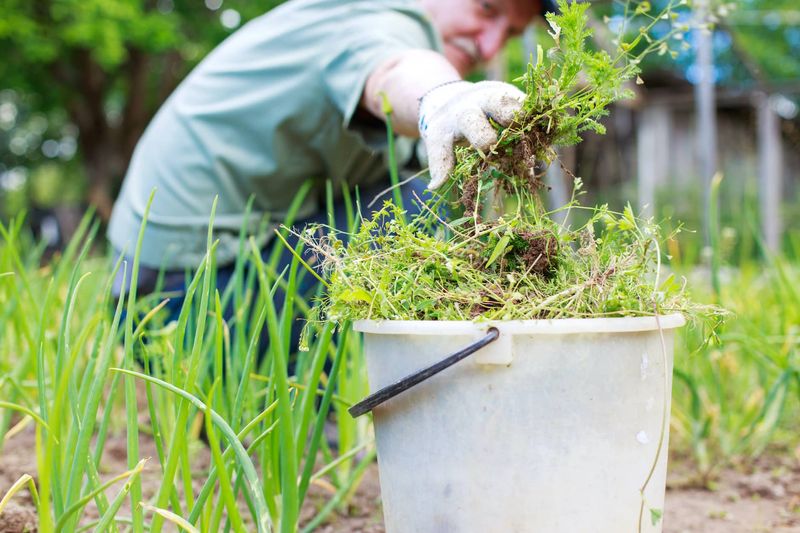
Weeds can quickly take over in Louisiana’s fertile environment. Underestimating them can lead to a garden that’s more weeds than plants. Regular weeding or using ground covers can help manage this persistent problem.
Weeds are relentless, but they can be managed with diligence. Stay proactive with weeding and consider mulch or landscape fabric to hinder their growth effectively.