
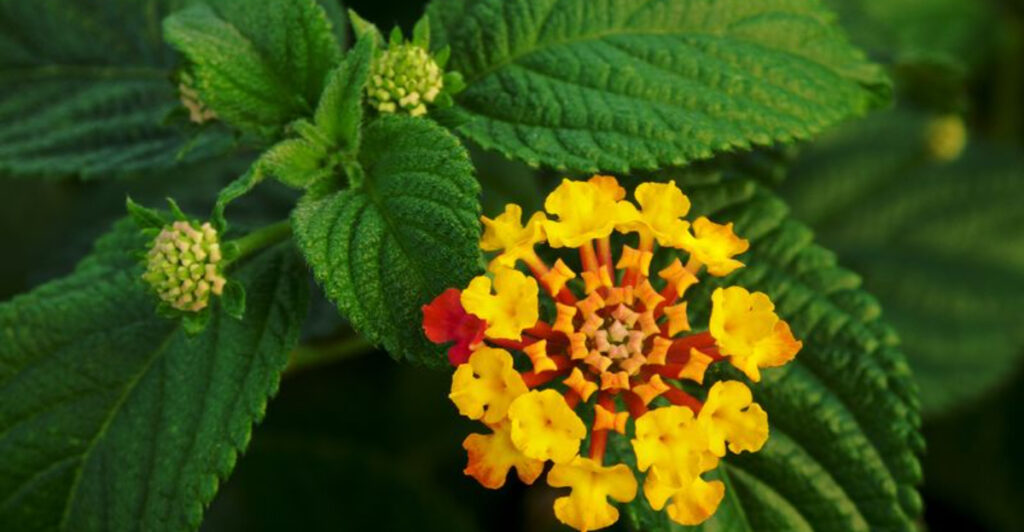
Florida’s unique ecosystem and climate create a delicate balance that supports a diverse array of life. Unfortunately, not all plants are welcome here. Some pose significant environmental threats, leading to strict regulations and potential fines for cultivation. This guide explores ten such plants and offers eco-friendly alternatives that thrive in Florida’s lush landscape.
Brazilian Pepper Tree
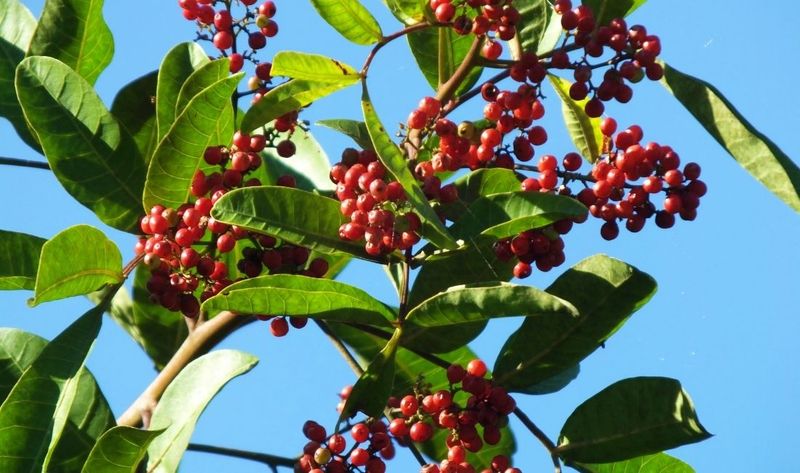
The Brazilian Pepper Tree, with its bright red berries and glossy foliage, is a striking sight. However, in Florida, it is a notorious invader, outcompeting native flora and altering habitats. Its aggressive growth can quickly take over, leading to ecosystem imbalances and displacing native wildlife.
Instead, consider planting the native Florida Privet. This shrub offers similar visual appeal without the ecological risks. It’s a friend to local wildlife, providing food and shelter while complementing the landscape.
Air Potato Vine
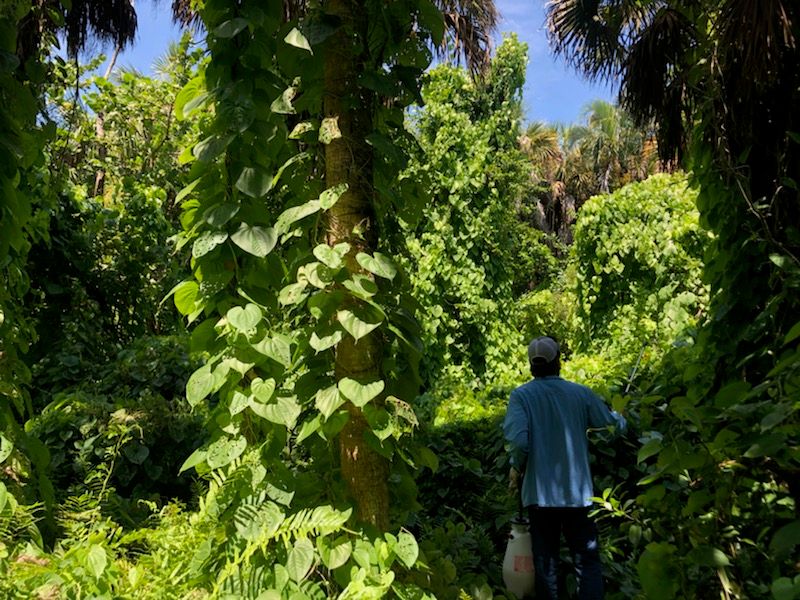
Despite its whimsical name, the Air Potato Vine is a serious problem in Florida. Its rapid growth and vegetative reproduction allow it to smother native plants, leading to loss of biodiversity. The vine’s sprawling nature can cover and choke out entire areas, making it a legal headache for gardeners.
Opt for the native Coral Honeysuckle instead. This alternative provides beautiful blooms and supports native pollinators without the invasive traits.
Chinese Tallow Tree
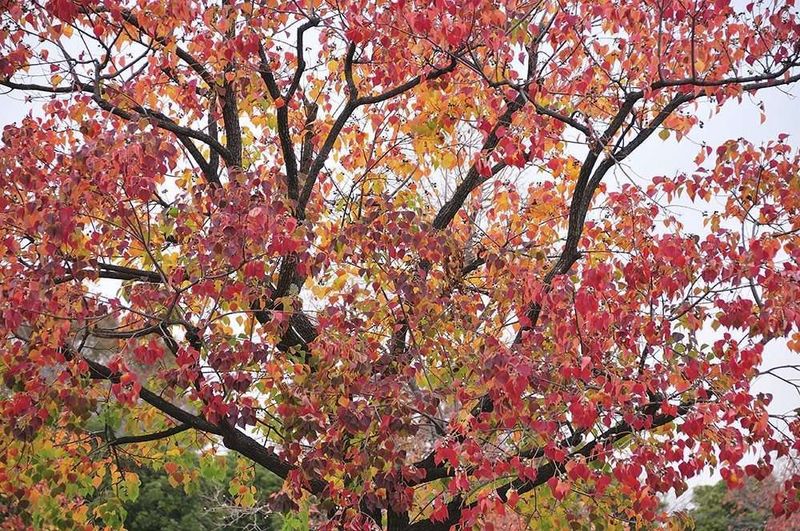
The Chinese Tallow Tree, often admired for its vibrant autumn colors, is considered one of the worst invasive species in Florida. Its seeds are toxic to wildlife, and it can form dense stands that exclude native species. This tree’s impact on the environment is severe, prompting regulation and removal efforts.
For a safer choice, the Sweetbay Magnolia is a great alternative. It offers similar aesthetic qualities with lovely flowers and supports local ecosystems.
Asparagus Fern
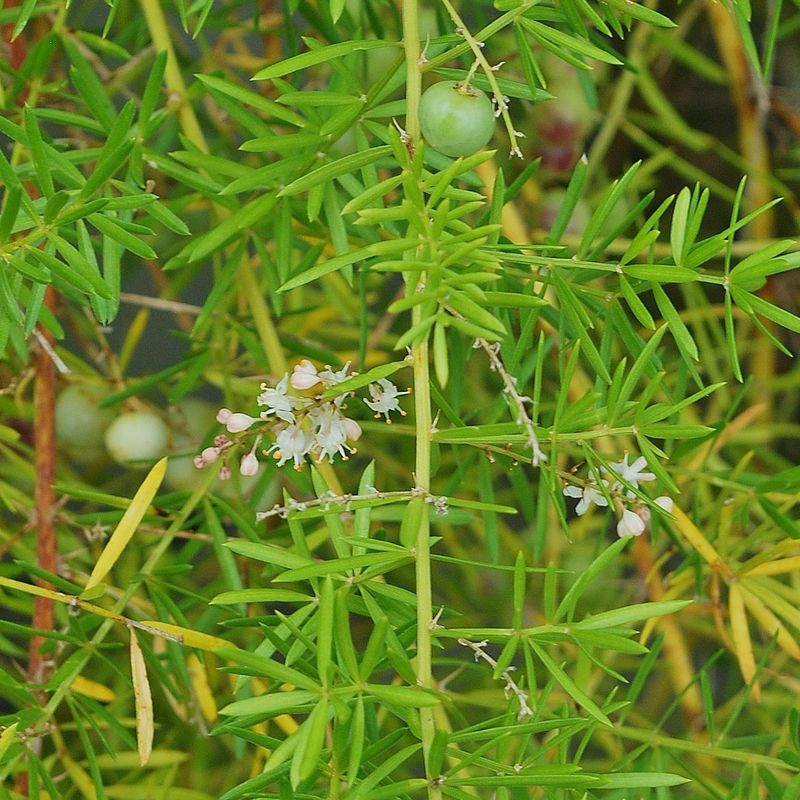
The Asparagus Fern’s delicate appearance belies its aggressive nature in Florida’s environment. It can spread rapidly, forming dense mats that outcompete native plants for nutrients and space. Its ability to adapt makes it a resilient invader, challenging to control once established.
Instead, try planting the native Coontie. This hardy perennial provides lush greenery and is a host plant for the Atala butterfly, enhancing biodiversity without the invasive tendencies.
Japanese Climbing Fern
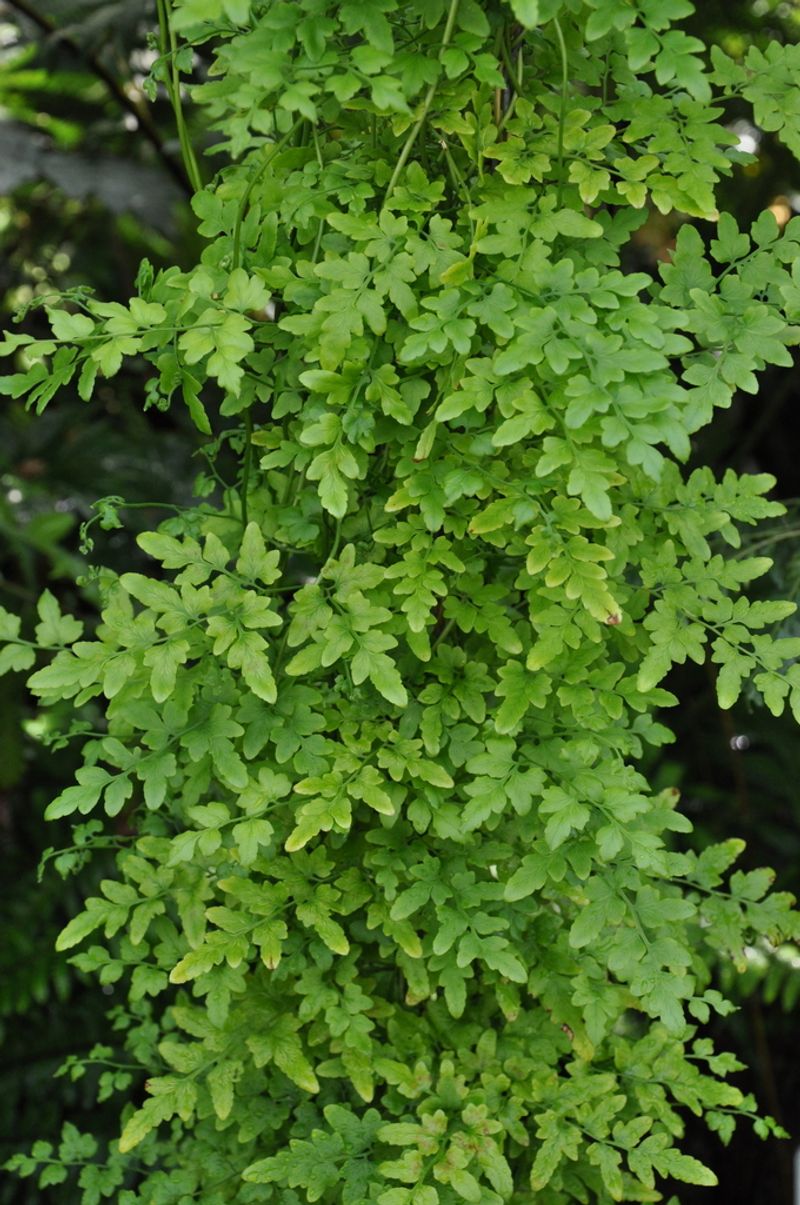
The Japanese Climbing Fern is deceptively beautiful, with intricate fronds that can envelop trees and shrubs. In Florida, it grows unchecked, blocking sunlight and smothering native vegetation. Its ability to regenerate from fragments makes it exceptionally difficult to eradicate.
Consider the native Carolina Jessamine as an alternative. This vine offers bright yellow flowers and a safe, non-invasive option for gardeners in Florida.
Cogon Grass
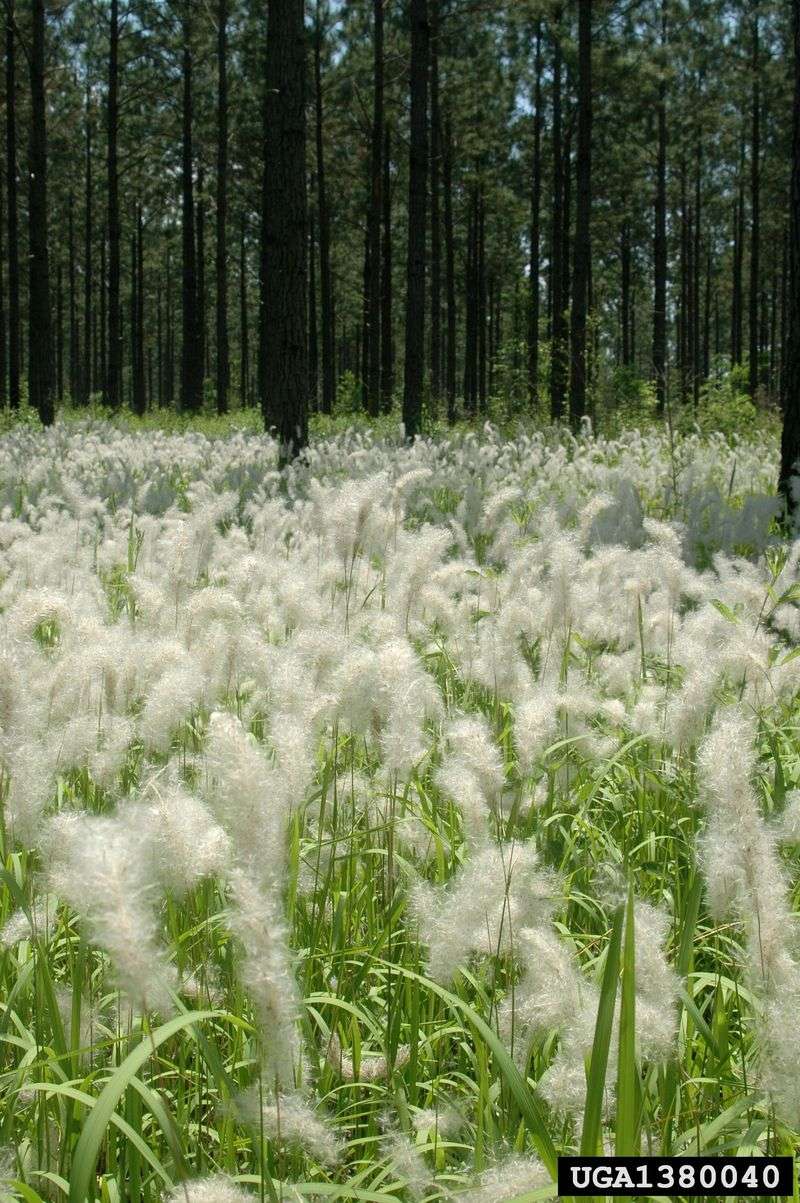
Cogon Grass is among Florida’s most troublesome weeds, known for its tall, fluffy seed heads and rapid spread. Its invasive tendencies disrupt native plant communities and increase fire risks. Once established, it’s incredibly hard to remove and poses serious environmental challenges.
Switch to native grasses like Muhly Grass, which offers similar aesthetic qualities but supports local wildlife and reduces ecological threats.
Melaleuca Tree
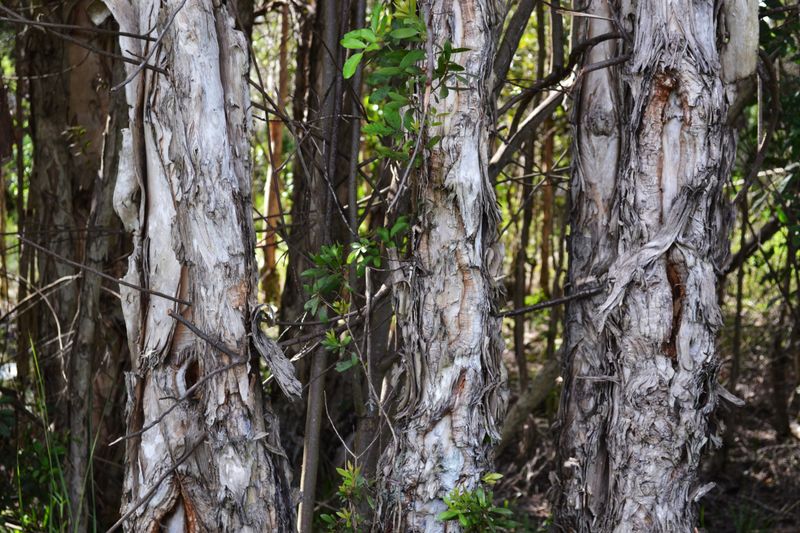
The Melaleuca Tree, recognizable by its paper-like bark, was initially introduced for swamp drainage. However, it has become a major pest, spreading rapidly and altering wetland ecosystems. Its dense stands outcompete native flora and change hydrological patterns.
The native Bald Cypress is a preferable alternative. It thrives in wet conditions and provides essential habitat for local wildlife without the invasive drawbacks.
Old World Climbing Fern
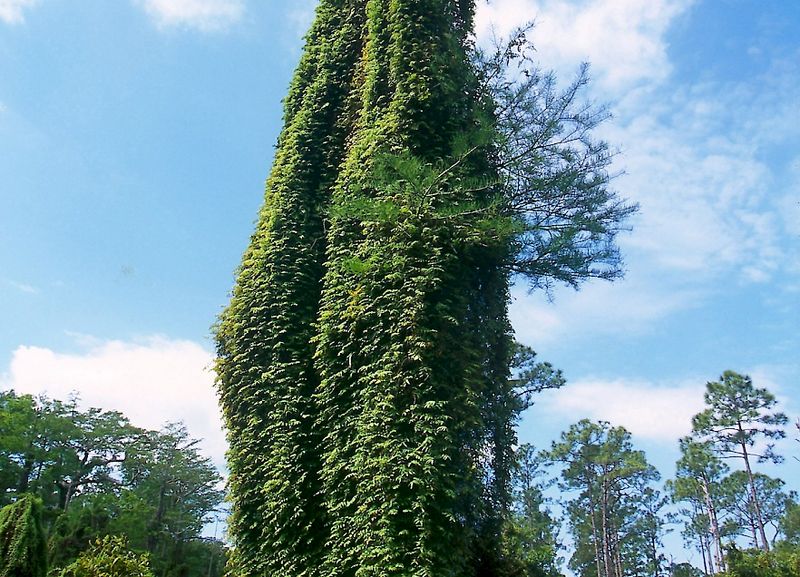
The Old World Climbing Fern poses a significant threat in Florida, covering forest floors and climbing into tree canopies. Its rapid spread blocks sunlight and harms native species. This fern’s resilience makes it a challenging invader to manage.
Instead, plant the native Florida Fern, which supports the local ecosystem and offers a non-invasive option for fern enthusiasts.
Lantana Camara
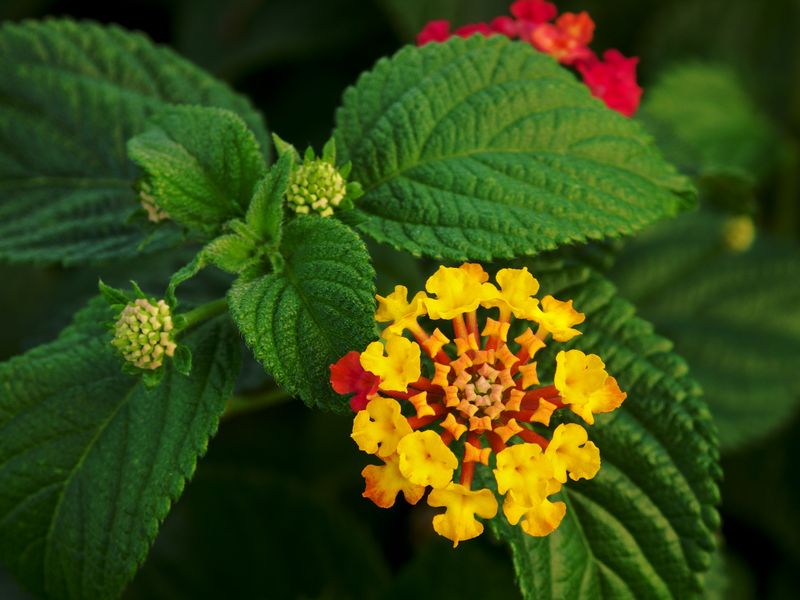
Lantana Camara is loved for its vibrant flowers, but in Florida, it’s a problematic invader. Its toxic berries deter native wildlife and can become dominant in open areas, outcompeting indigenous species. This plant’s resilience makes it difficult to control once it spreads.
The native Firebush offers a safer and equally beautiful choice. Its bright red flowers attract pollinators and coexist harmoniously with Florida’s native flora.
Water Hyacinth
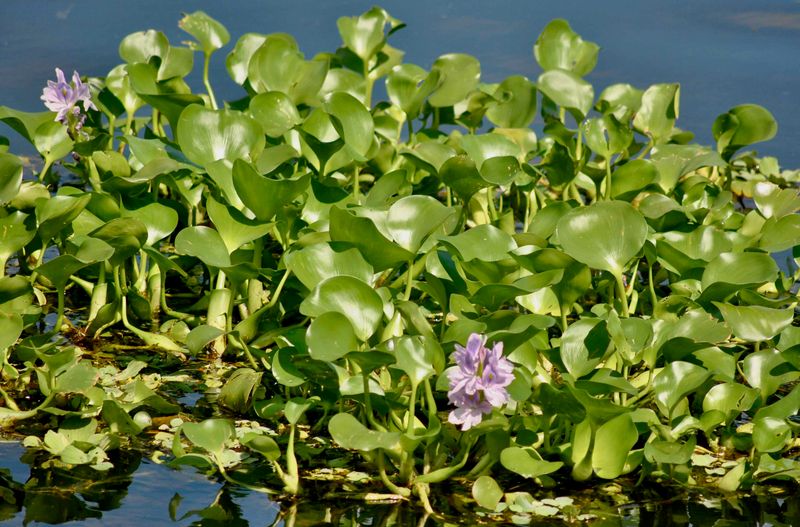
Water Hyacinth’s glossy leaves and purple flowers may look appealing, but it wreaks havoc on Florida’s waterways. Its rapid multiplication clogs water bodies, impedes navigation, and depletes oxygen levels, harming aquatic life. Managing its spread is a costly and ongoing battle.
Instead, consider planting native Pickerelweed. This aquatic plant provides beautiful blooms and supports a healthy water ecosystem without the invasive consequences.