
Wisconsin, a state known for its rich biodiversity and natural beauty, is home to several plants that attract a wide array of wildlife. Interestingly, while these plants flourish in Wisconsin and are perfectly legal, they face restrictions elsewhere. This article delves into seven unique plants, exploring their charm and why they captivate both wildlife and people alike.
Purple Loosestrife
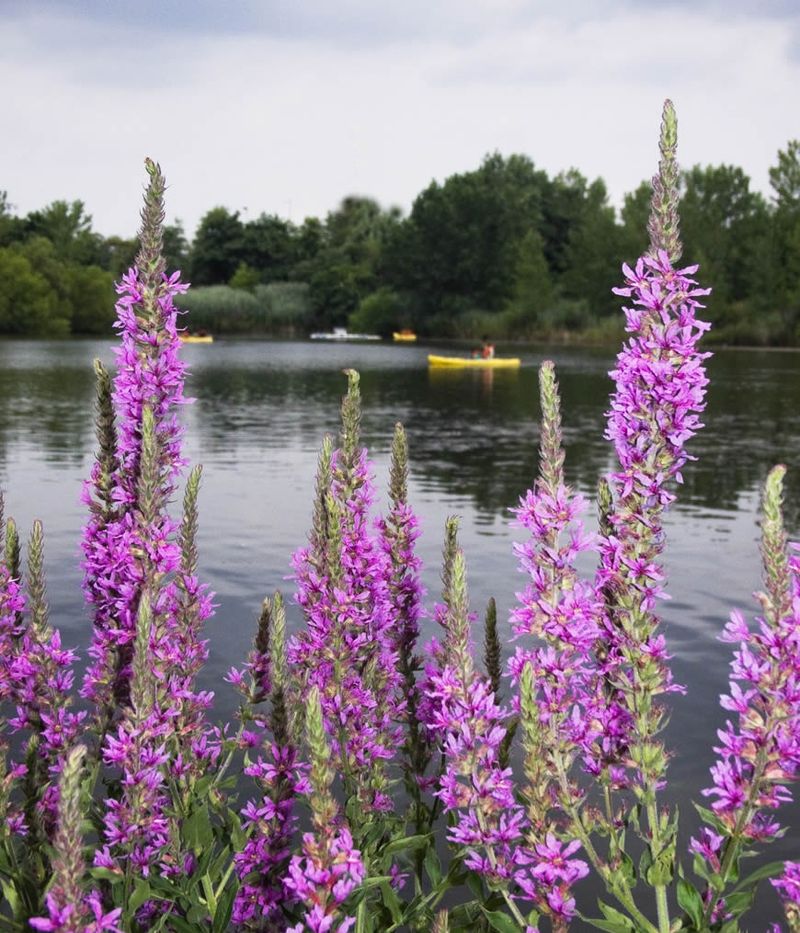
Standing tall with its striking purple spikes, purple loosestrife is a favorite among bees and butterflies. Its elegant blossoms provide a rich source of nectar during the blooming season.
Despite its allure in Wisconsin, where it thrives along marshes and riverbanks, purple loosestrife is banned in many other states due to its aggressive growth that can disrupt local ecosystems.
This plant’s adaptability and vibrant color make it a staple in Wisconsin’s wetlands, attracting countless pollinators and offering a splash of color to the landscape.
Japanese Barberry

The Japanese Barberry is as much admired for its vibrant red berries as it is for its dense foliage. Birds find sanctuary among its thorny branches, feasting on its berries through the colder months.
Although cherished in Wisconsin for its vibrant colors and ability to attract birds, this plant is banned in several regions due to its potential to outcompete native vegetation.
Its enticing berries and adaptability make Japanese Barberry a popular choice for Wisconsin gardeners looking to support local wildlife.
Autumn Olive
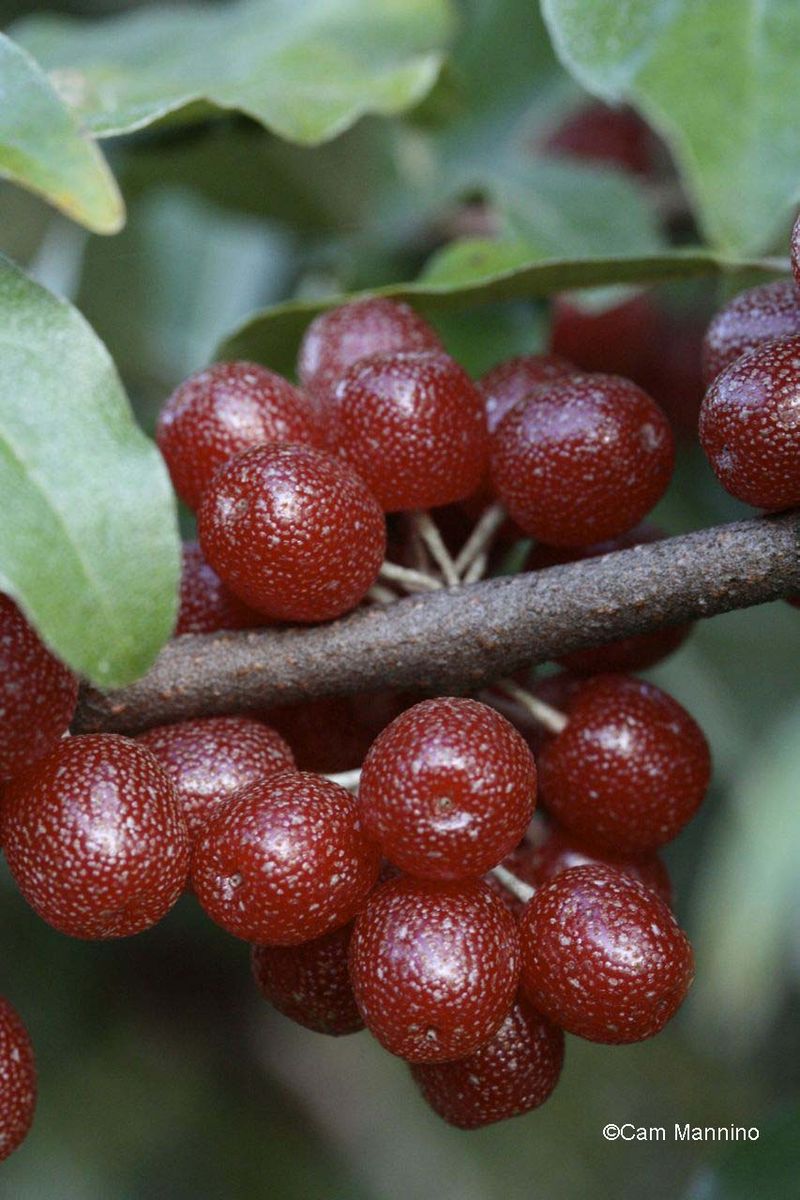
Autumn Olive, with its silvery leaves and clusters of red berries, is a magnet for songbirds during the fall migration. Its berries offer a vital food source, rich in nutrients for many species.
While celebrated in Wisconsin for its wildlife appeal, autumn olive is banned in several states for being invasive, often taking over fields and forests.
In Wisconsin, this plant is appreciated for its role in supporting diverse wildlife, especially during migration seasons.
Dame’s Rocket
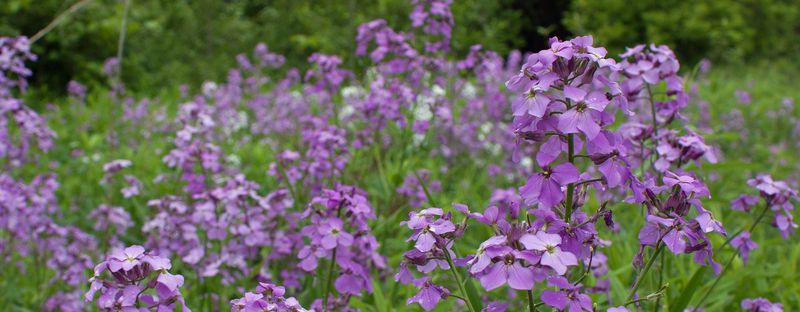
Dame’s Rocket captivates with its sweet fragrance and colorful blossoms, drawing in bees and butterflies throughout the spring and summer.
In Wisconsin, it graces gardens and wild areas alike, while in other states, it is controlled due to its tendency to spread rapidly and outcompete native flora.
The charm of Dame’s Rocket lies in its ability to create beautiful, fragrant displays that support pollinators in Wisconsin gardens and natural areas.
Butterfly Bush
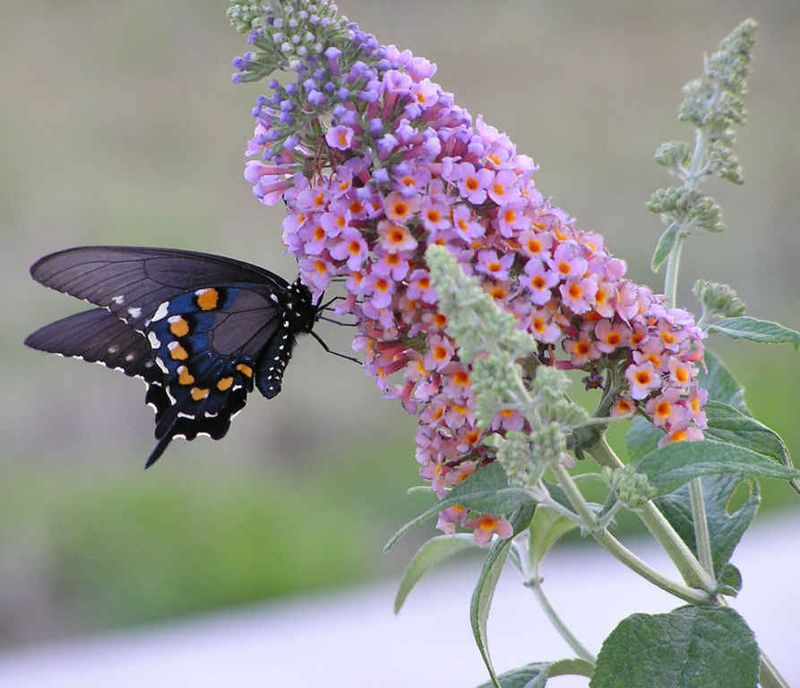
The butterfly bush is adored for its ability to attract butterflies with its nectar-rich blossoms. Its colorful clusters of flowers make it a garden favorite.
In Wisconsin, it is a beloved addition to many gardens, although its invasive nature has led to bans in other regions.
For Wisconsin’s gardeners, the butterfly bush offers a lively habitat for pollinators, making it a staple in supporting local biodiversity.
Norway Maple
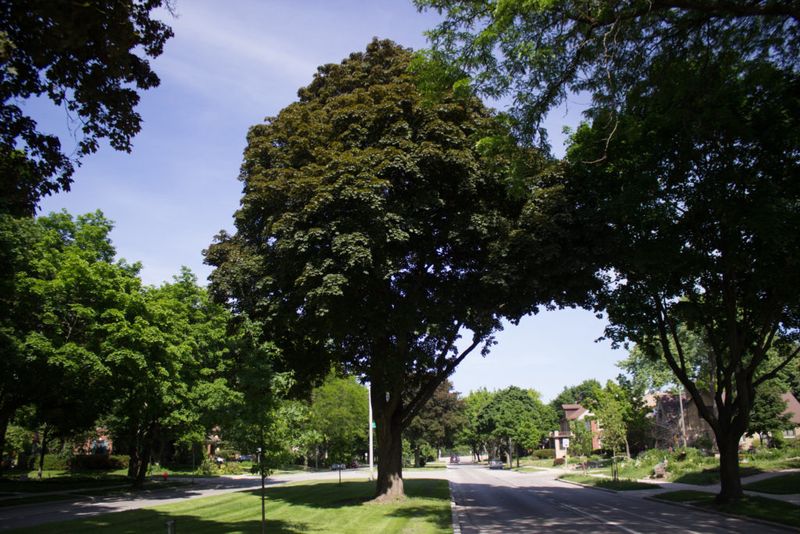
Norway maple provides ample shade and a robust habitat for various urban wildlife, such as squirrels and birds.
While it’s a common sight in Wisconsin’s urban landscapes, this tree is banned in other areas due to its ability to overshadow native species and disrupt ecosystems.
In Wisconsin, the Norway maple is valued for its shade and the life it supports, offering a refuge for many city-dwelling animals.
European Buckthorn
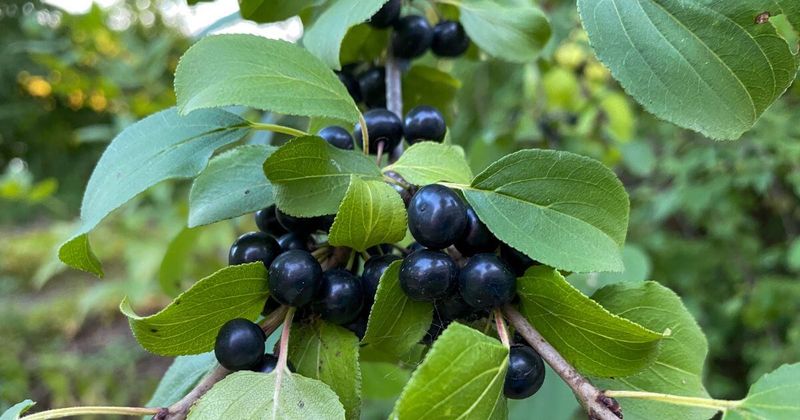
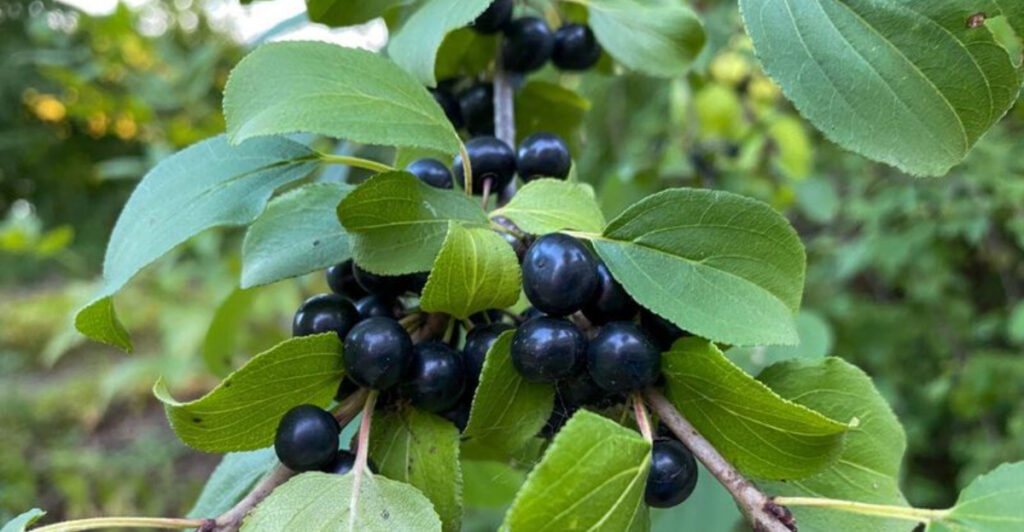
European Buckthorn entices with its glossy black berries, providing a crucial food source for birds and small mammals during fall and winter.
In Wisconsin, it is often found in woodlands and hedgerows, although it is banned in several other states due to its invasive nature and impact on native ecosystems.
The presence of European Buckthorn in Wisconsin supports wildlife by providing shelter and sustenance, despite its invasive tendencies.