
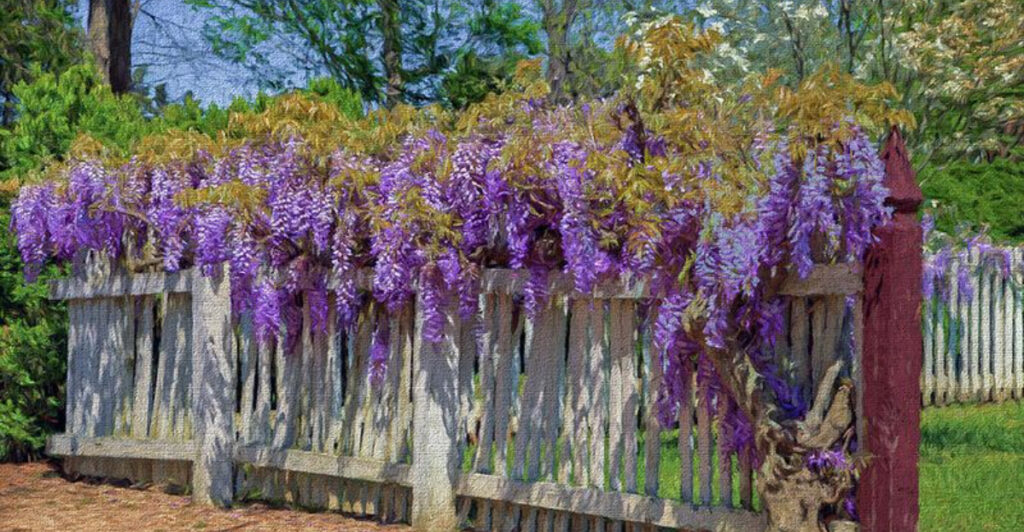
In the bustling green spaces of New York, some vines are more than just a pretty sight. They can quickly become unwanted guests, taking over fences and causing problems for homeowners. Here, we explore seven such vines that thrive in New York’s climate and landscapes, each with its own unique charm and challenges.
Kudzu
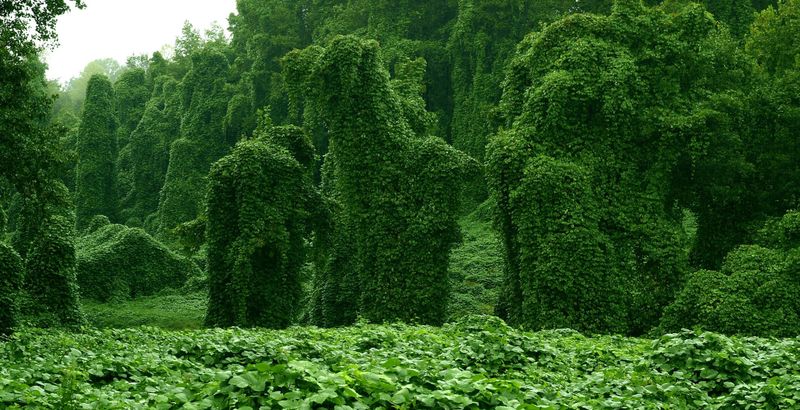
Kudzu, often dubbed ‘the vine that ate the South,’ is notorious for its aggressive growth. With its lush, green leaves, it can overtake a fence in no time, creating an impenetrable wall of foliage.
This vine grows at an astonishing rate, up to a foot per day in the right conditions. It’s a challenge to control and can quickly dominate other plants.
In New York, its presence is a reminder of how nature can reclaim space with relentless determination. If not monitored, it can become an overwhelming green blanket.
Virginia Creeper
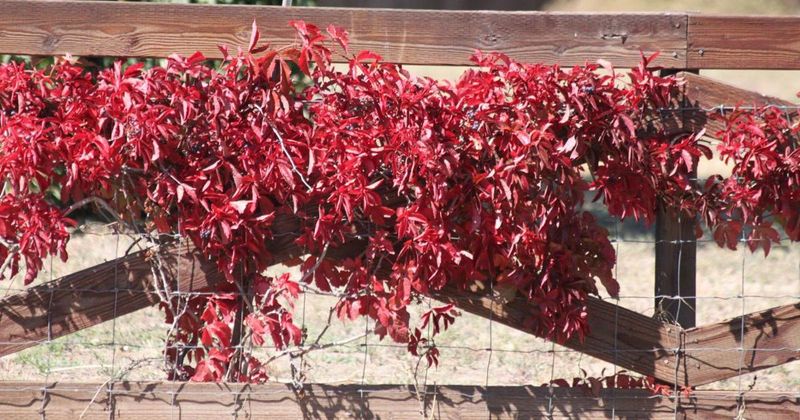
The Virginia Creeper is a master of disguise, often mistaken for poison ivy due to its similar leaf shape. However, its five-pointed leaves are entirely distinct.
During autumn, its foliage transforms into brilliant shades of red and orange, adding seasonal charm. Yet, its strong tendrils can cling fiercely to surfaces.
In urban areas of New York, it provides a picturesque but potentially invasive presence, covering fences with ease and stealth.
English Ivy
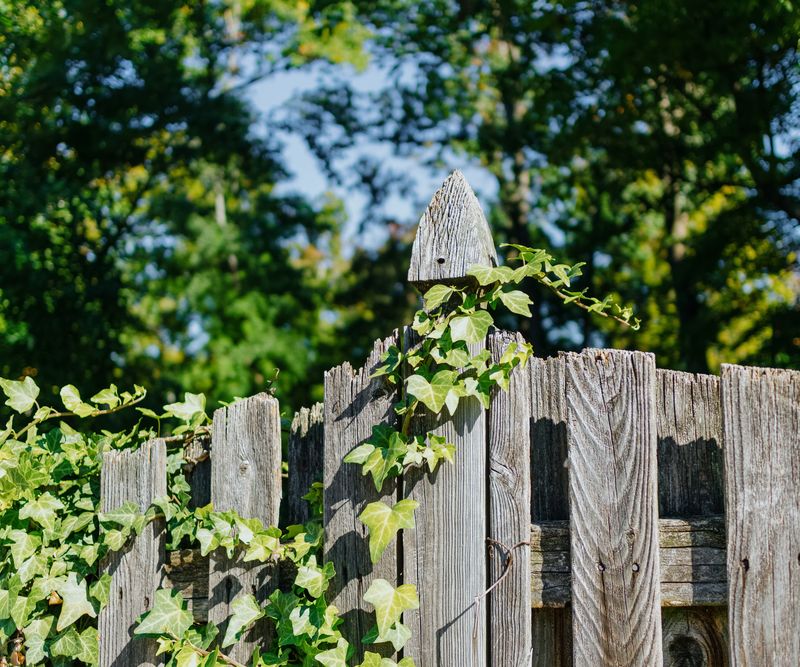
English Ivy is the quintessential decorative vine, admired for its classic aesthetic. However, in New York, it can become a tenacious invader.
Its evergreen leaves allow it to thrive year-round, providing persistent coverage. The vine’s adhesive roots enable it to climb and stick to various surfaces.
While beautiful, its unchecked growth can smother trees and structures, turning charming landscapes into an Ivy-draped spectacle.
Bittersweet Nightshade
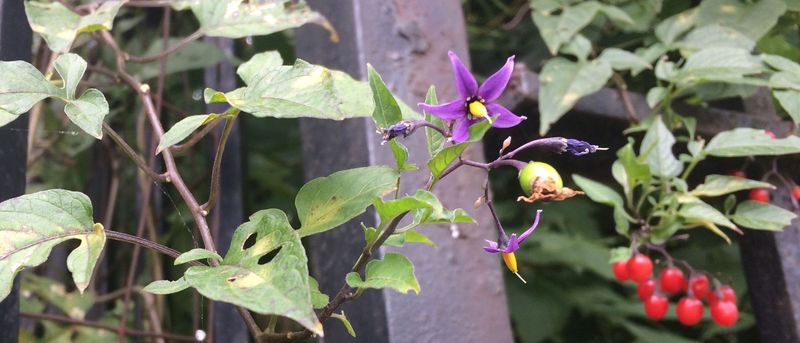
Bittersweet Nightshade is both beautiful and deceptive. Its delicate purple flowers and bright red berries mask its invasive nature.
In New York, it thrives in various conditions, often taking root near fences and spreading quickly. Its vines can wrap tightly, creating a tangled web.
Despite its ornamental appeal, this vine requires careful management to prevent it from overshadowing other plants and structures.
Japanese Honeysuckle
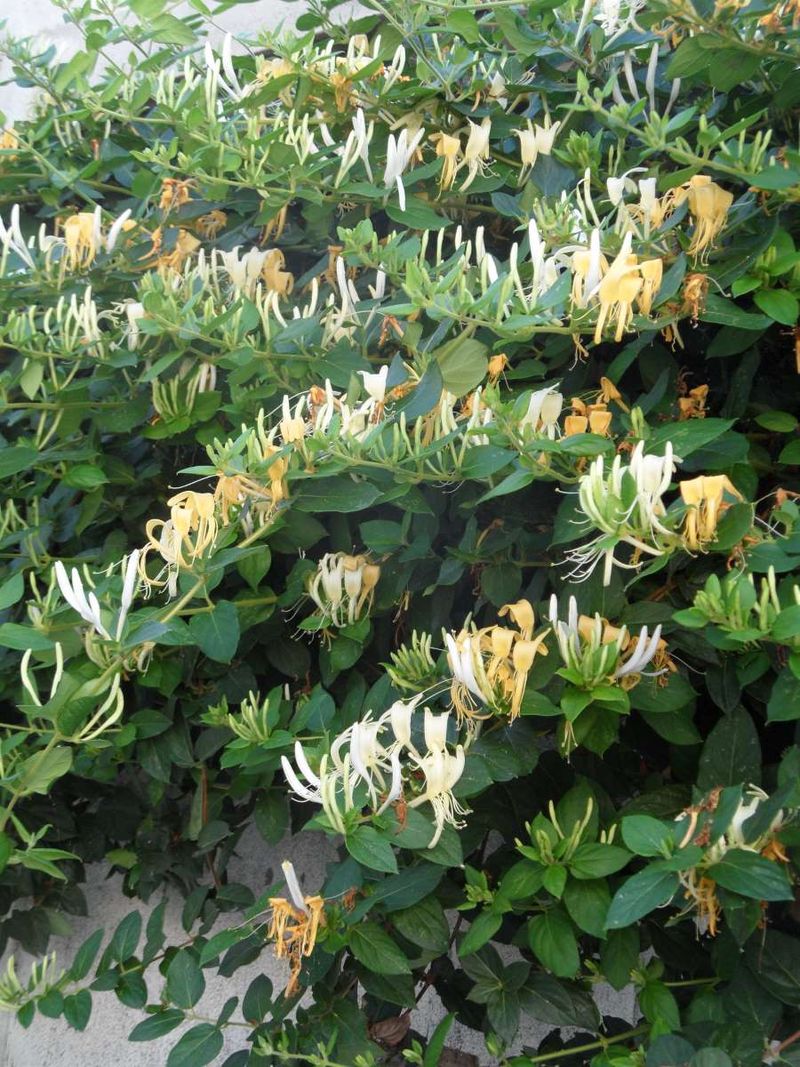
Japanese Honeysuckle is known for its sweet fragrance and delicate flowers that captivate the senses. Yet, beneath its charming exterior lies a vigorous grower.
In the urban gardens of New York, it can swiftly overtake fences, driven by its ability to thrive in diverse environments.
It forms dense thickets that can suffocate native vegetation and obscure architectural features, needing constant vigilance to keep in check.
Boston Ivy
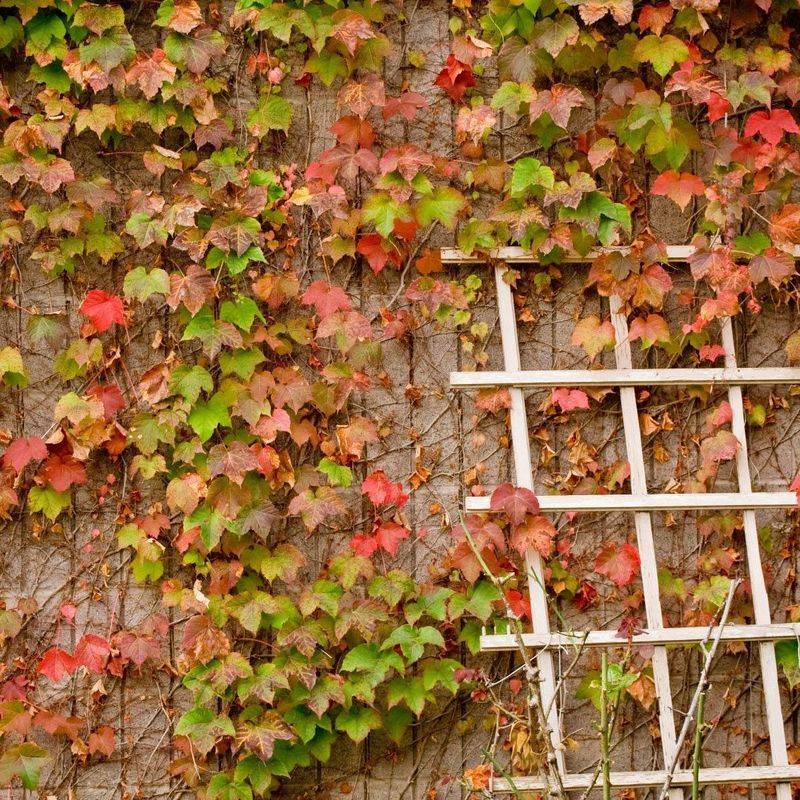
Boston Ivy is famed for its dramatic seasonal color changes, painting walls with rich reds and purples. Its adhesive pads allow it to cling to surfaces firmly.
In New York, it’s a favorite for creating living walls, but its vigorous growth can lead to it becoming a nuisance.
While attractive, it requires regular maintenance to prevent it from overwhelming fences and buildings, ensuring it remains a controlled adornment.
Wisteria
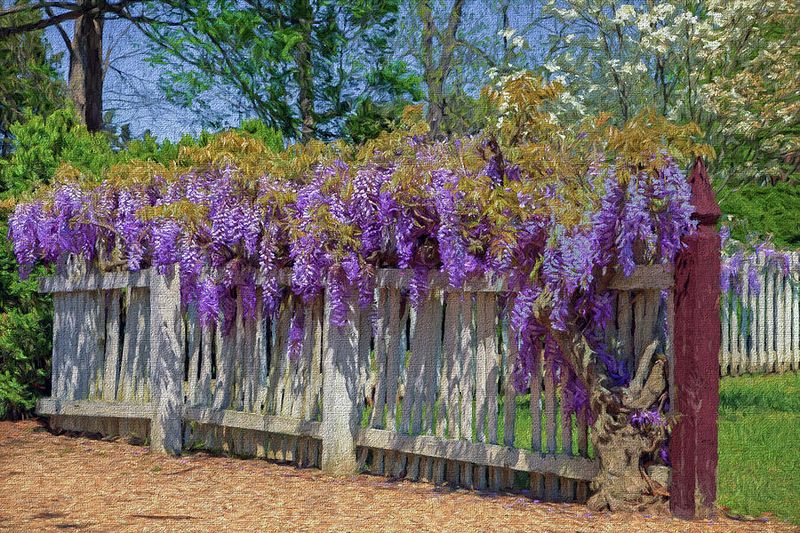
Wisteria is often celebrated for its stunning cascading flowers, creating a visually enchanting spectacle. However, its beauty comes with a price.
The vine’s robust growth can twist and turn around fences, exerting pressure that can damage structures over time. In New York, it flourishes in the spring, transforming spaces with its floral display.
While captivating, Wisteria demands diligent pruning to maintain its allure without overpowering its surroundings.