
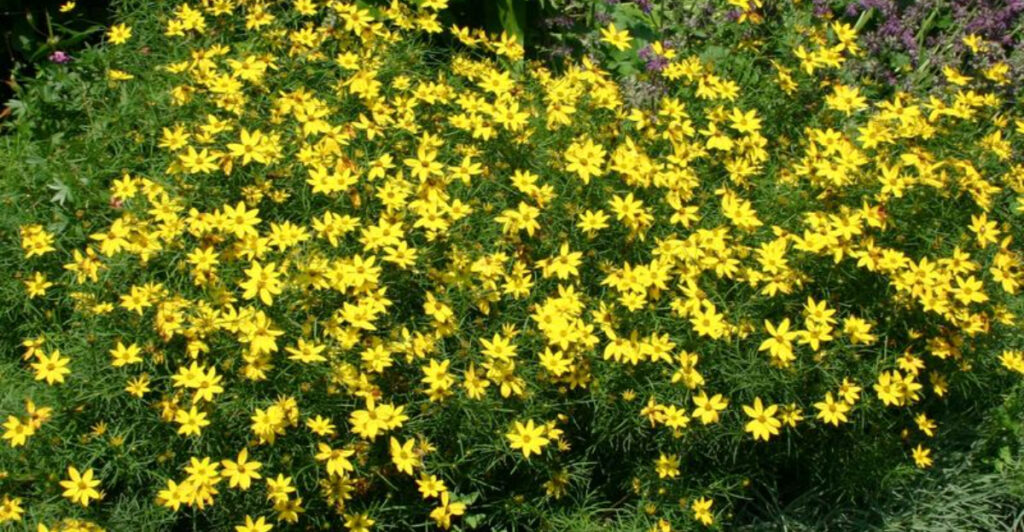
Every spring, Pennsylvania gardens burst into color with flowers that seem to have a magical tendency to reappear year after year. These self-reliant blooms thrive in the varying climate of Pennsylvania, bringing joy and vibrant hues to any landscape. This post delves into ten of these remarkable flowers, each with its own unique charm and ability to propagate with little human intervention.
Daffodil
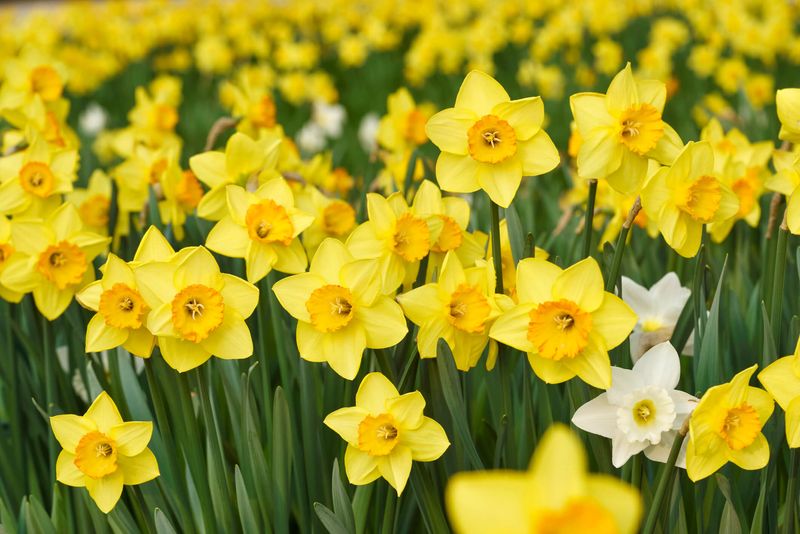
Daffodils, with their bright yellow petals, are one of the first signs of spring in Pennsylvania. These resilient flowers naturalize easily, meaning they spread and come back year after year without much help. They’re perfect for gardeners who want vibrant splashes of color with minimal effort.
In addition to their cheerful appearance, daffodils are unappealing to deer and rodents, making them a practical choice for rural and suburban gardens. Their ability to thrive in various soil conditions adds to their appeal.
Did you know? Daffodils symbolize new beginnings and rebirth, which makes them a perfect fit for the arrival of spring.
Crocus
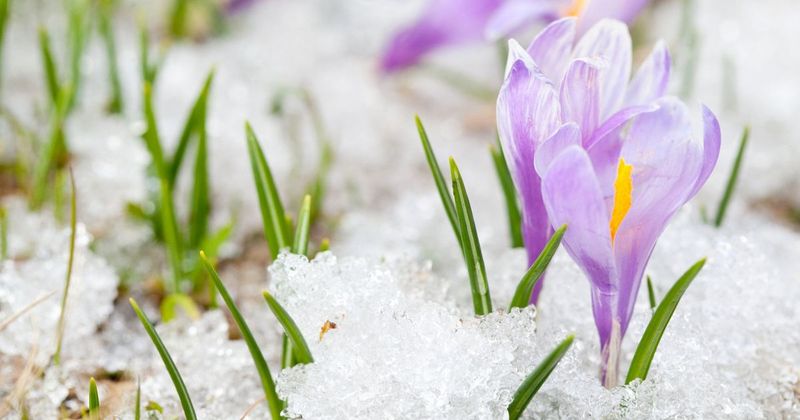
Crocuses are nature’s little surprise, often blooming through the last vestiges of snow. These small, cup-shaped flowers are a delight to find and signal the imminent arrival of warmer days. Their ability to multiply and spread makes them a favorite among Pennsylvania gardeners.
Once established, crocuses require little maintenance, making them ideal for those who prefer a low-maintenance garden. Their vibrant colors, ranging from purple and white to yellow, brighten up any landscape.
Fun fact: Crocuses belong to the iris family and are often used as an early source of nectar for pollinators.
Tulip
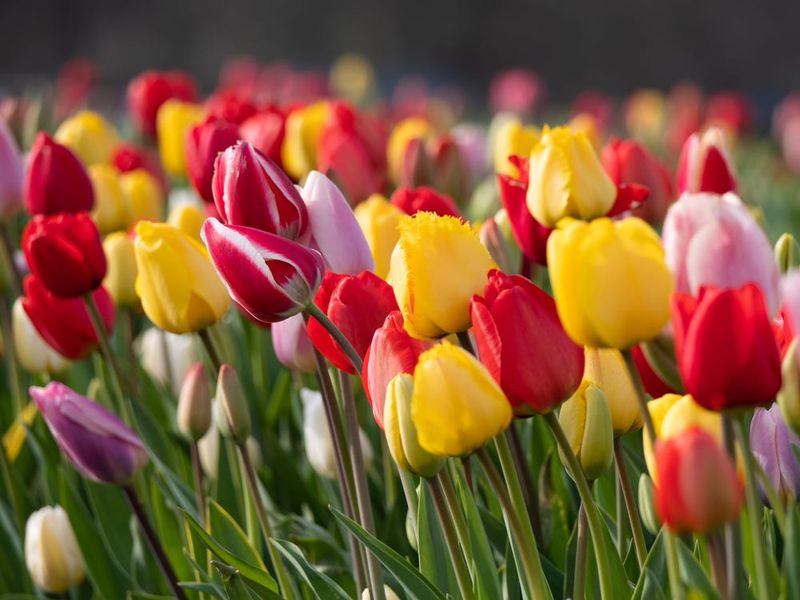
Tulips are a timeless classic, bringing elegance and a spectrum of colors to any garden. Although they are not native to Pennsylvania, their bulbs naturalize well, allowing them to return each spring with little intervention.
The diverse color palette of tulips makes them versatile for any garden design. While they do require some drainage to prevent rotting, their beauty is well worth the effort.
Did you know? Tulips were once more valuable than gold during the 17th-century Dutch ‘Tulip Mania’.
Daylily
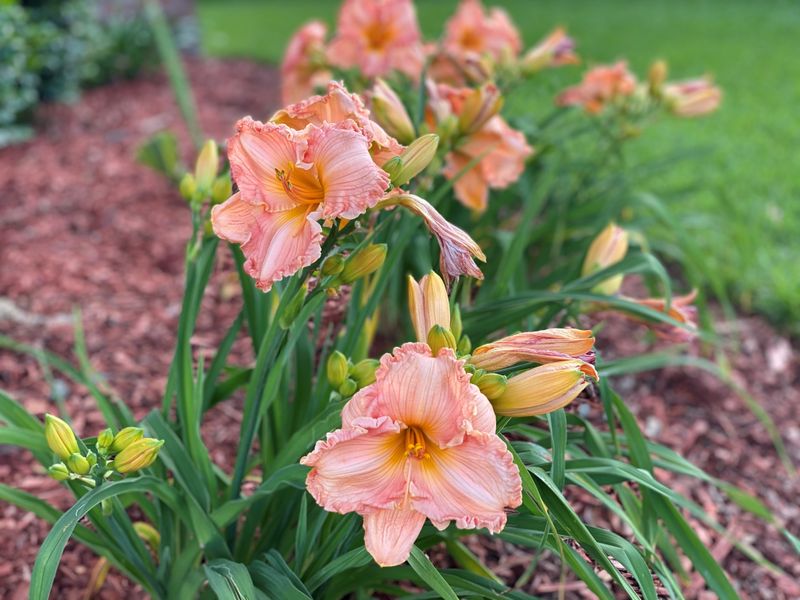
Daylilies are the sturdy workhorses of the flower world. Known for their ability to thrive in less-than-ideal conditions, they are perfect for Pennsylvania’s diverse climate. Each bloom lasts just a day, but the plant itself continues to produce flowers throughout the season.
Their ease of growth and ability to spread make them a favorite for gardeners seeking a low-maintenance, colorful display. Daylilies are also popular for their use in landscaping due to their hardy nature.
Interesting trivia: Daylilies are edible and have been used in traditional Chinese medicine.
Black-eyed Susan
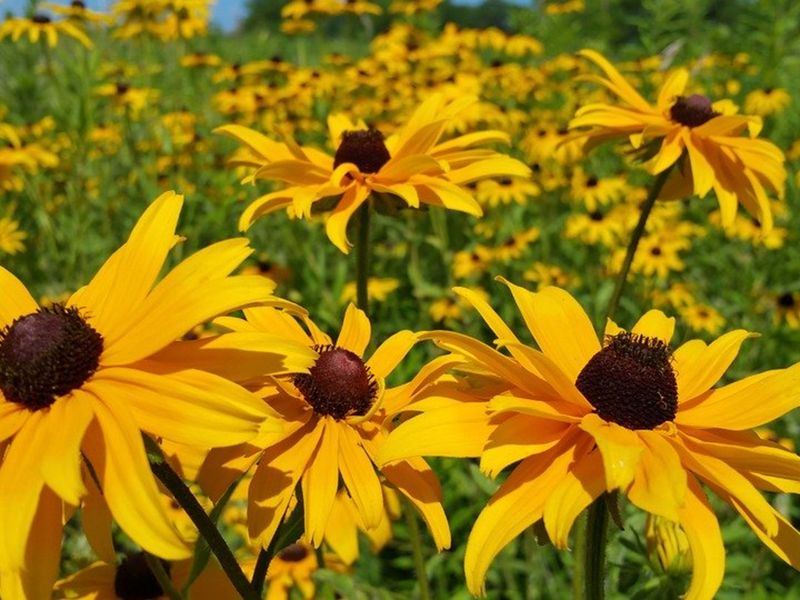
Black-eyed Susans are a staple in Pennsylvania gardens, loved for their long blooming season and ability to attract pollinators. Their bright yellow petals with dark centers create a striking contrast against the green foliage.
These flowers are particularly hardy, thriving in full sun and adapting well to various soil types. They reseed themselves effortlessly, ensuring they return year after year.
Fun fact: Black-eyed Susans are the state flower of Maryland, but they flourish abundantly in Pennsylvania too.
Coneflower
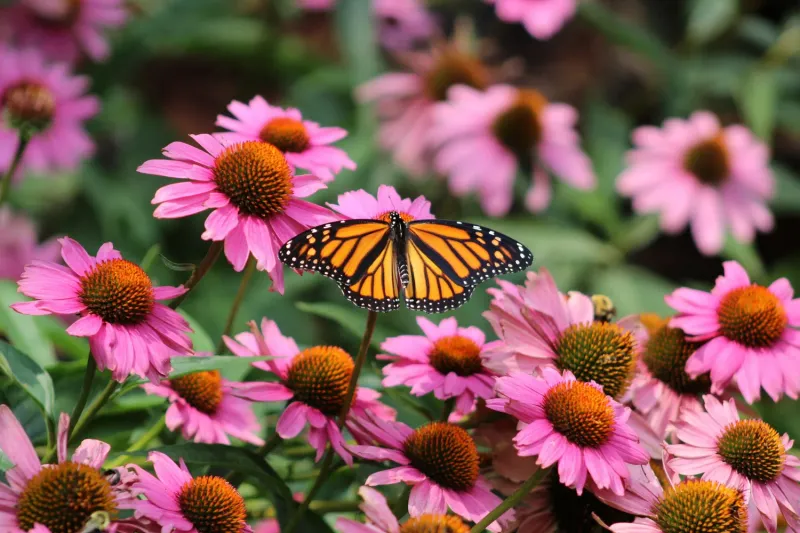
Coneflowers, with their daisy-like appearance and vibrant colors, are a favorite among pollinators. These perennials are not only beautiful but also drought-tolerant, making them an excellent choice for Pennsylvania gardens.
Their long blooming season and tendency to reseed themselves make them a reliable option for gardeners looking for consistent color. Coneflowers are also known for their medicinal properties, particularly echinacea.
Did you know? Native Americans traditionally used coneflowers as a remedy for various ailments.
Lupine
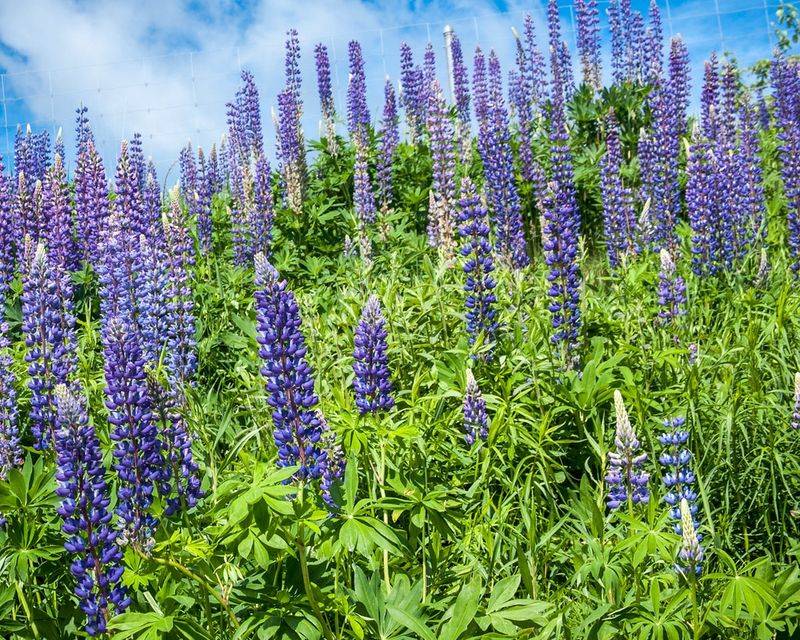
Lupines are known for their striking, tall flower spikes and are a favorite in wildflower meadows. Their ability to fix nitrogen in the soil makes them not only beautiful but beneficial to the ecosystem as well.
These flowers are especially popular in cottage gardens and are known for their ability to spread and naturalize over time. Lupines add vertical interest and a splash of color to any garden.
Fun fact: Lupines get their name from the Latin word ‘lupus,’ meaning wolf, as they were once thought to deplete the soil, much like a wolf depletes its prey.
Bee Balm
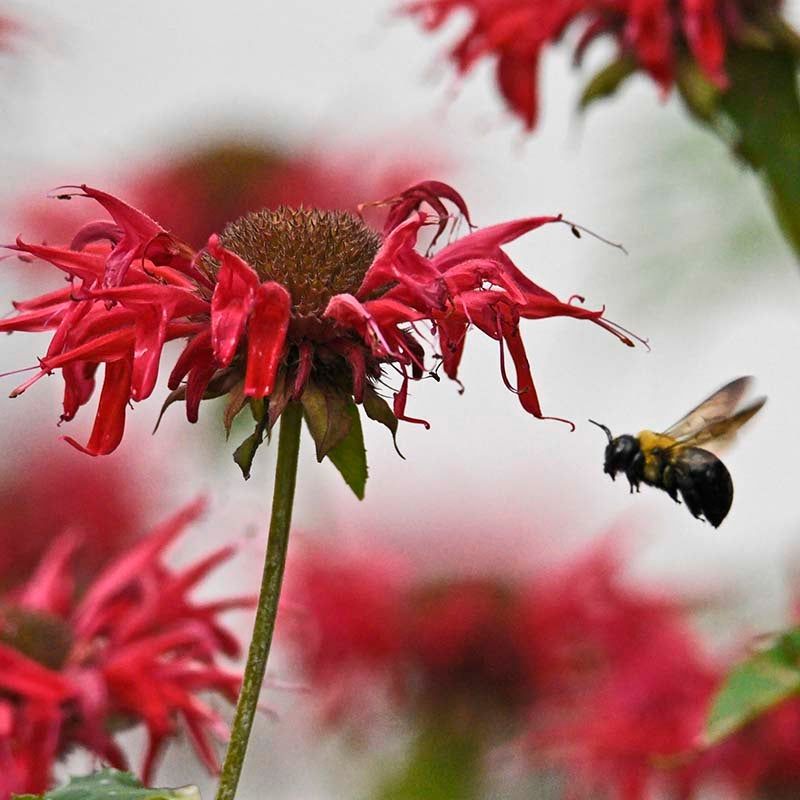
Bee Balm is a favorite among pollinators, especially bees and hummingbirds, thanks to its tubular flowers and minty aroma. This perennial is not only attractive but also beneficial for attracting beneficial insects.
With its ability to spread quickly, Bee Balm is perfect for filling in garden gaps and creating a lively landscape. Its bright colors and aromatic leaves make it a staple in pollinator gardens.
Did you know? Bee Balm is also known as Monarda, named after the Spanish botanist Nicolás Monardes.
Coreopsis
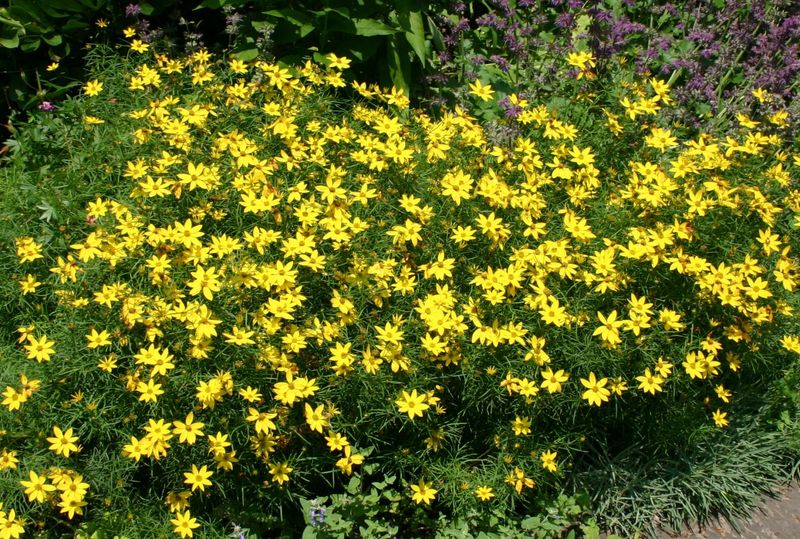
Coreopsis, or tickseed, is renowned for its sunny disposition and ability to bloom profusely. These cheerful flowers are drought-tolerant, making them a great choice for low-maintenance gardens in Pennsylvania.
Their ability to reseed and naturalize allows them to create a lasting display of yellow hues. Coreopsis is perfect for adding brightness to flower beds and borders.
Fun fact: Coreopsis was used by Native Americans to make yellow dye and as a beverage similar to coffee.
Columbine
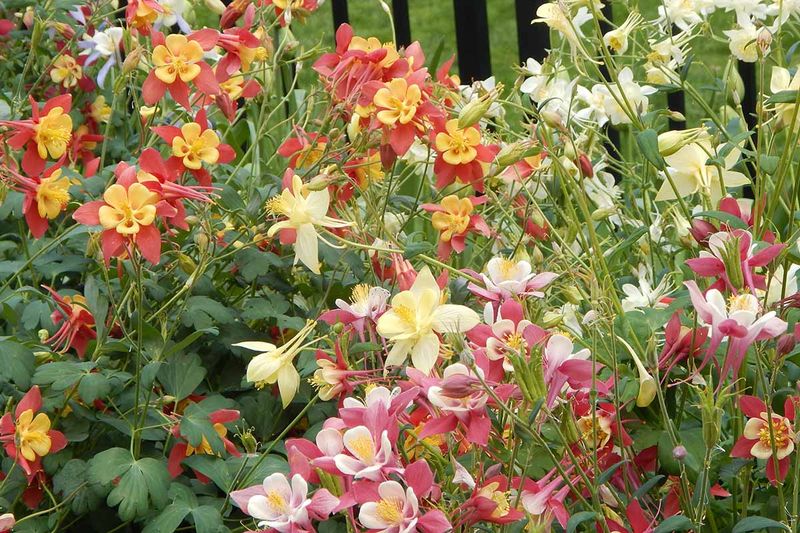
Columbines are known for their whimsical, spurred petals and ability to thrive in shaded areas. These flowers add an element of surprise to any garden with their unique shape and variety of colors.
Their adaptability to various conditions makes them a versatile choice for woodland gardens. Columbines are also known to attract hummingbirds, adding to their charm.
Did you know? Columbines are a symbol of foolishness and innocence in the language of flowers.