 Complete Gardening
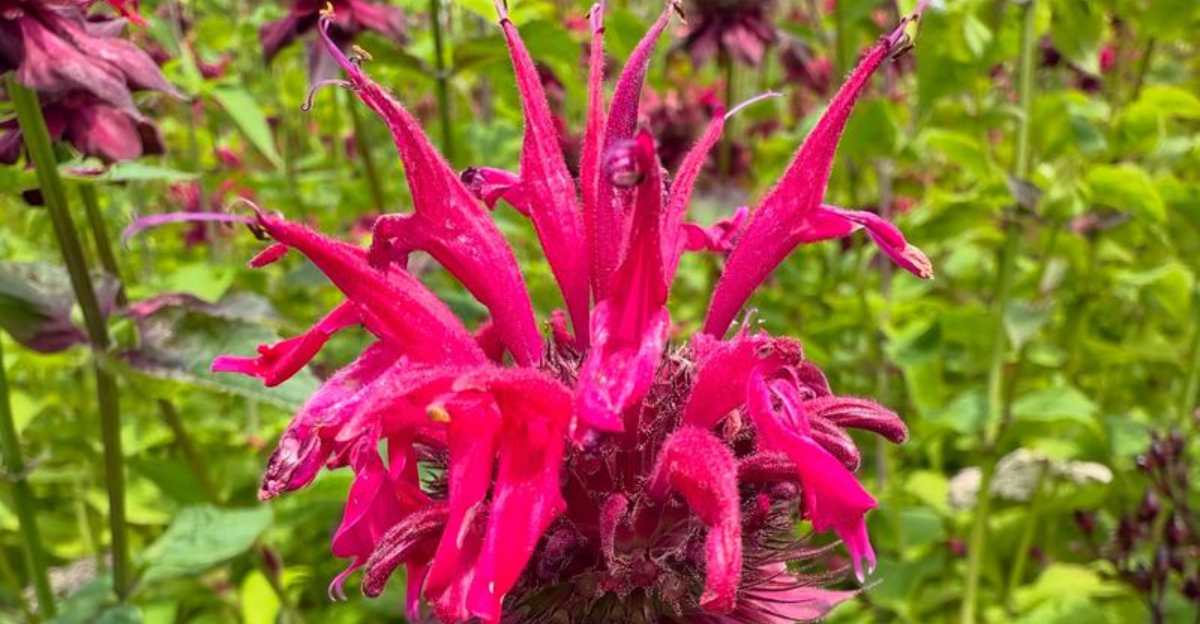
The movement towards native plant gardening in Massachusetts is transforming local yards into vibrant ecosystems. This trend is not just about aesthetics; it’s a commitment to sustainability, biodiversity, and a return to nature. Homeowners are embracing plants that are indigenous to the region, creating habitats for local wildlife and reducing the need for chemical interventions.
Milkweed Meadows
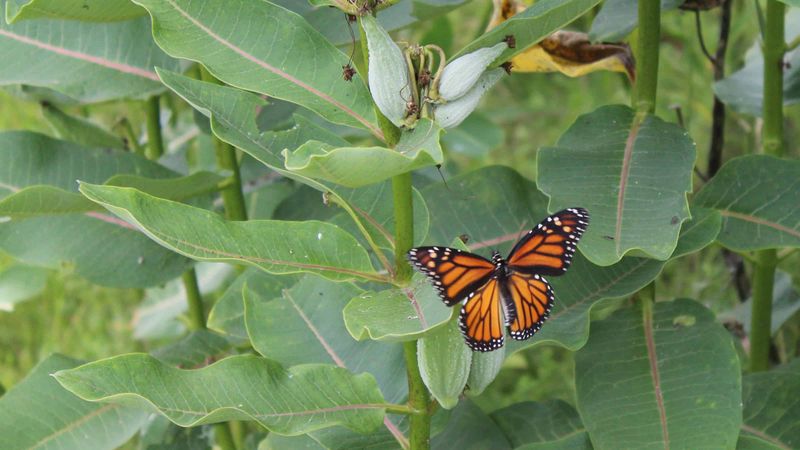
Milkweed has become a star in the Massachusetts native plant movement. Known for its vital role in the lifecycle of monarch butterflies, this plant is more than just a pretty face.
Its tall stalks and clusters of pinkish blooms are a striking addition to any garden, attracting not only butterflies but a variety of pollinators.
The presence of milkweed in local yards reflects an ecological responsibility, as it provides essential habitat for the threatened monarchs.
Goldenrod Glory
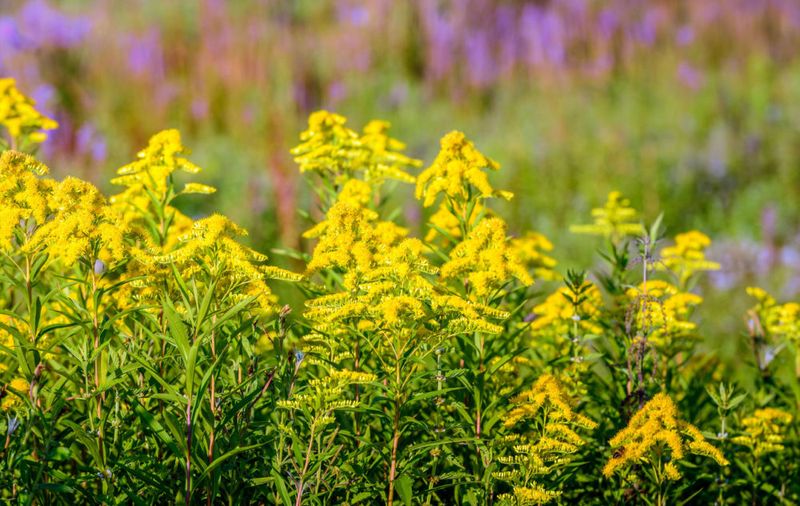
Goldenrod is often misunderstood, yet it’s a crucial part of the native plant movement. Contrary to popular belief, goldenrod does not cause allergies; it is ragweed that is the culprit.
This resilient plant blooms in late summer, painting the landscape with its golden hue and providing a late-season food source for pollinators.
Its ability to thrive in varied conditions makes it an excellent choice for gardeners seeking both beauty and ecological benefit.
Switchgrass Serenity
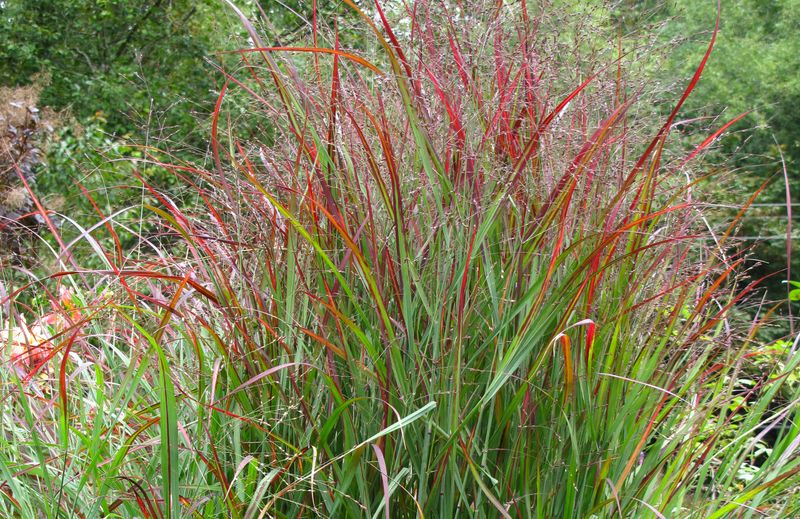
Switchgrass, a native perennial, adds a touch of elegance to local gardens. Its graceful, arching stems provide movement and texture, creating a serene environment.
Beyond its aesthetic appeal, switchgrass plays a significant role in erosion control and carbon sequestration.
This plant’s adaptability and durability make it a popular choice for those looking to create sustainable landscapes in their yards.
Wild Indigo Wonders
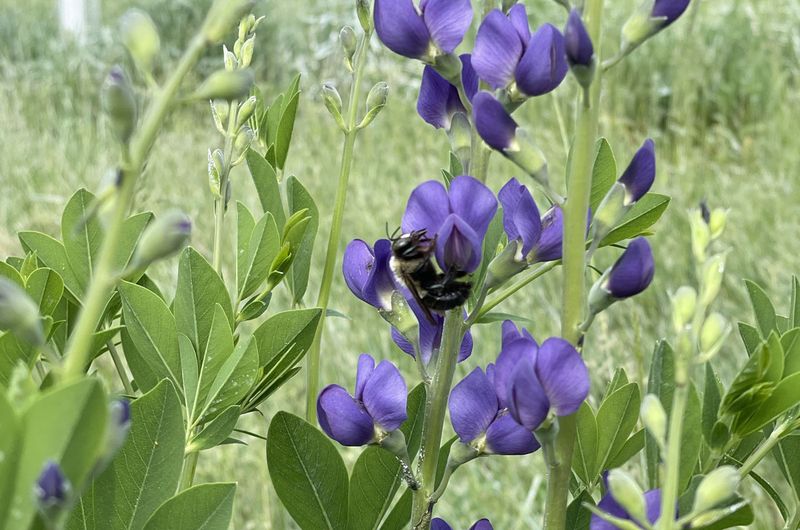
Wild Indigo captivates with its indigo-blue flowers and bushy foliage. This plant stands out in any garden, offering a splash of color and a sense of whimsy.
Historically used by Native Americans for dye, Wild Indigo continues to be appreciated for its ornamental value and hardiness.
As part of the native plant movement, it supports local bee populations and adds diversity to the home garden ecosystem.
Bee Balm Bonanza
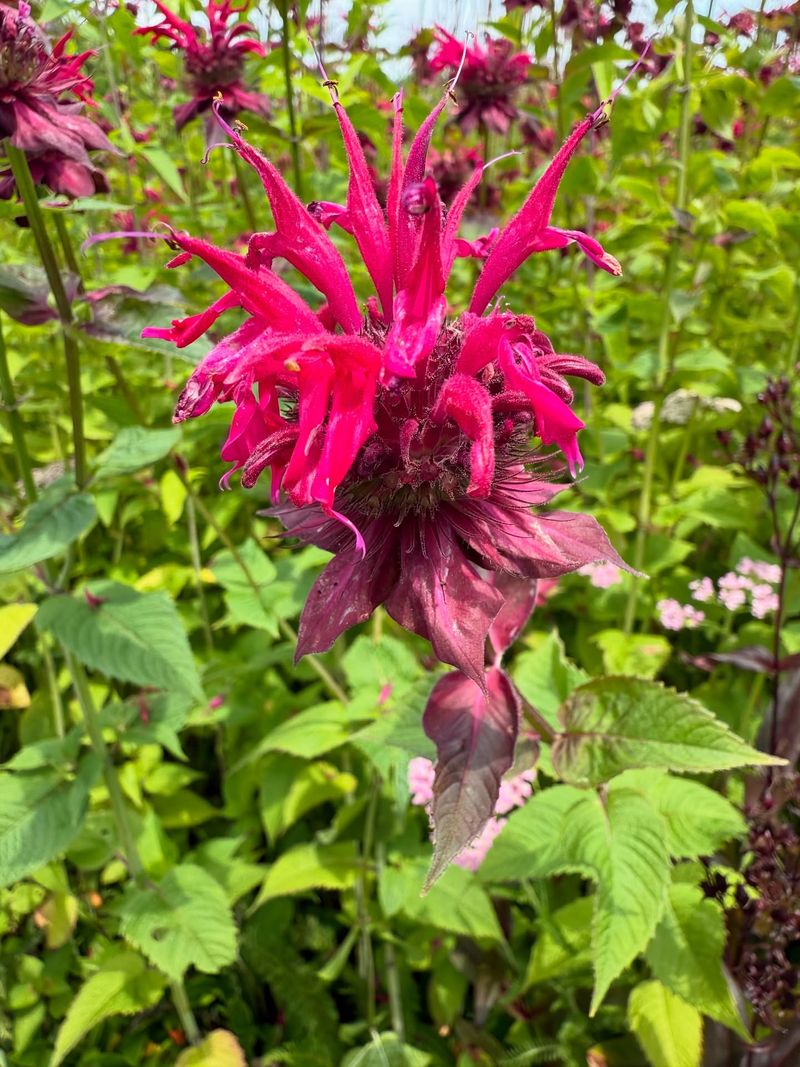
Bee Balm, with its vibrant blooms and spicy scent, is a showstopper. Its red and pink flowers are not only visually appealing but also function as a magnet for bees and hummingbirds.
This plant’s historical use in traditional medicine adds an intriguing layer to its garden presence.
As Massachusetts yards embrace this native beauty, they are rewarded with lively activity and a sense of harmony with nature.