
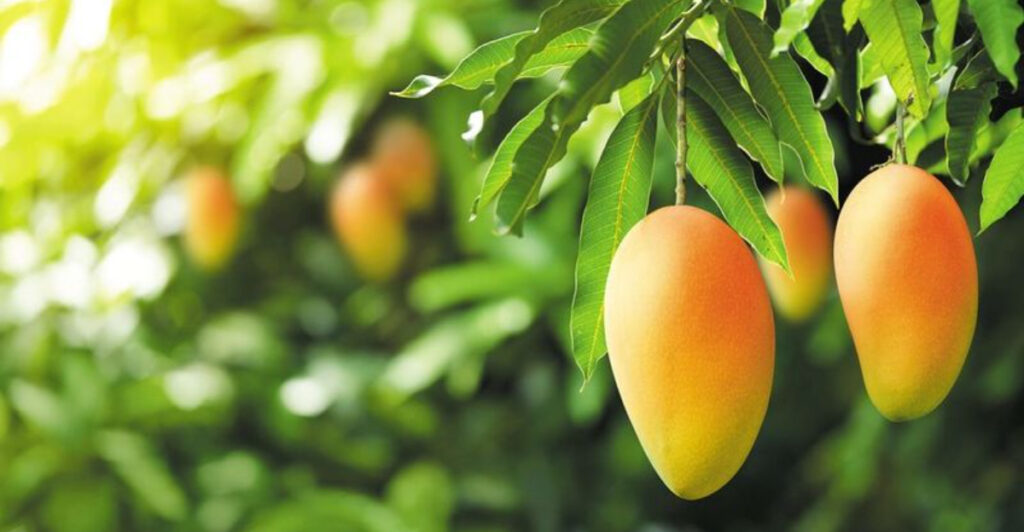
Florida, with its unique sandy soils and sunny climate, is a haven for certain fruit trees that thrive with minimal care. These fruits not only adapt well to the sandy environment but also offer a bounty of flavors and nutrition. Discover the ten fruits that can effortlessly flourish in Florida’s sandy gardens, bringing beauty and taste to your backyard.
Pineapple
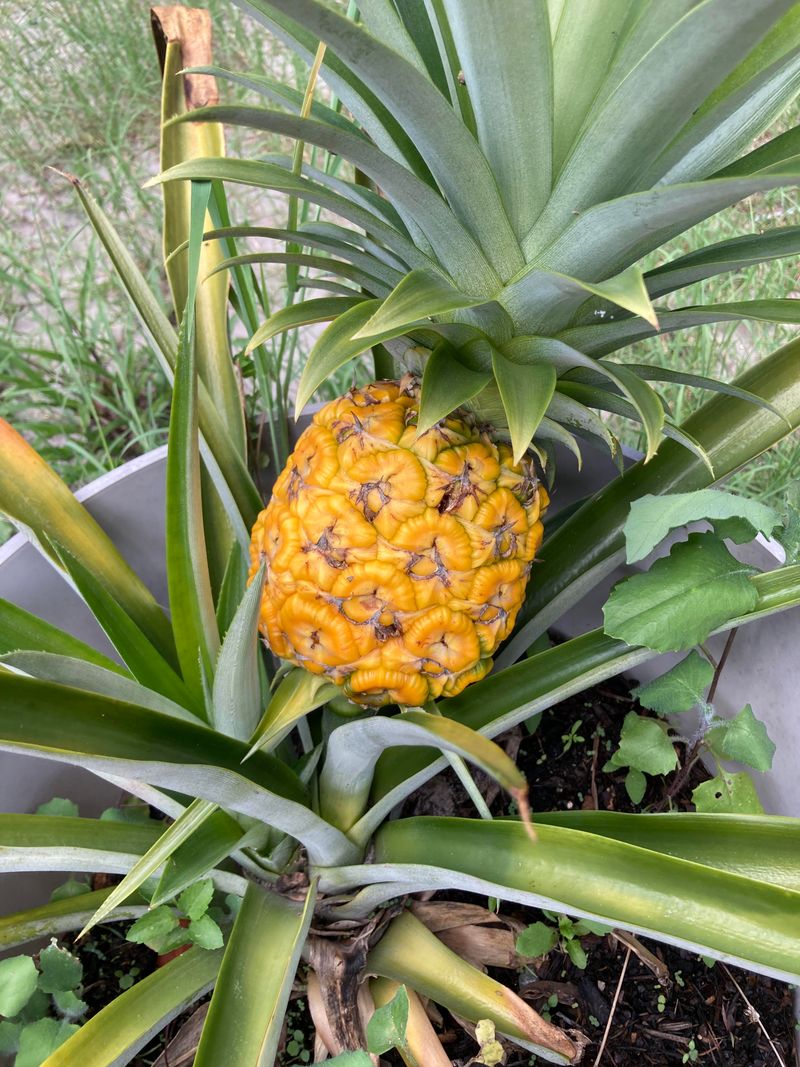
Pineapples are a tropical delight that seem to thrive under the Florida sun, especially in sandy backyards. Their unique texture and sweet, tangy flavor make them a favorite among many. With minimal care, these fruits can become a stunning centerpiece in any garden.
These hardy plants are surprisingly easy to grow, requiring little more than sunshine and occasional watering. Whether planted in the ground or in a pot, pineapples are an excellent choice for those looking to add a touch of the tropics to their Florida home.
Fun fact: Each pineapple plant produces exactly one fruit per cycle, taking about 18 months from planting to harvest. This long growth period is well worth the wait for the delicious fruit that results.
Mango
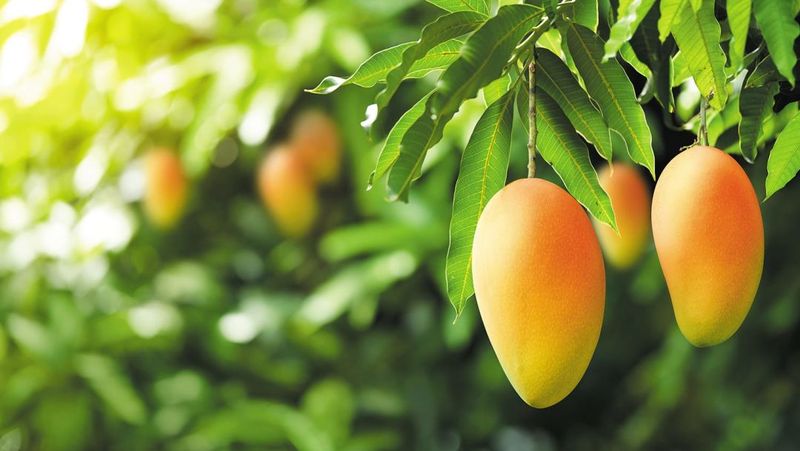
Mango trees are synonymous with the warmth and vibrancy of Florida. These trees not only provide ample shade but also bear juicy fruits that are perfect for refreshments. They’re known for their resilience, making them ideal for sandy environments.
Mangoes require some initial care, but once established, they can endure Florida’s sandy soils with ease. The reward is a plentiful harvest of sweet and exotic mangoes, a true testament to the tropical vibe of the state.
Did you know? Mango trees can grow up to 100 feet tall, although they are typically kept shorter in home gardens for easier harvesting.
Papaya
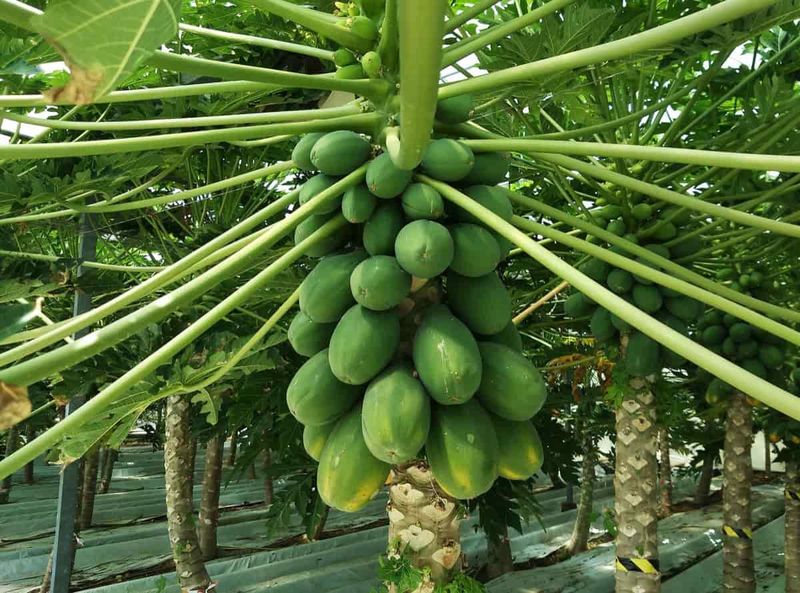
Papayas bring a taste of the tropics right to your doorstep. These fast-growing trees are remarkably suited to Florida’s sandy environments. Known for their sweet, succulent fruit, papayas are a refreshing addition to any garden.
Thanks to their rapid growth and high yield, papayas can quickly transform a sandy patch of land into a productive orchard. Just a little attention to watering and sunlight, and you’re on your way to enjoying this versatile fruit.
Interestingly, papayas were once referred to as “the fruit of the angels” by Christopher Columbus, a nod to their divine taste and texture.
Guava
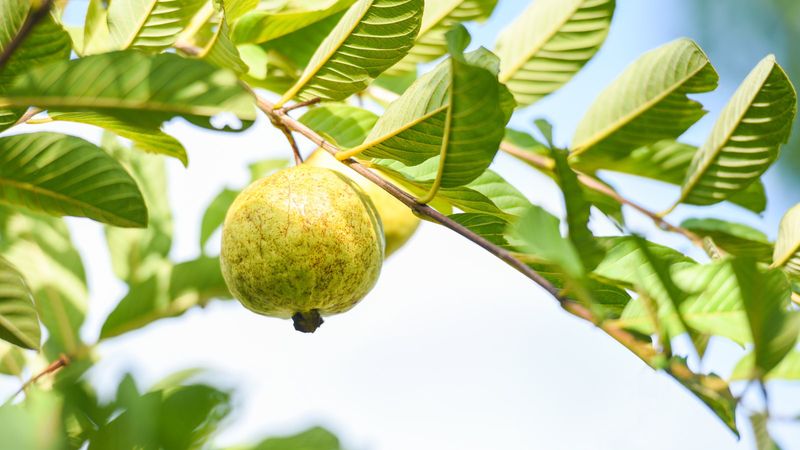
Guavas are a delightful surprise for those unfamiliar with their growth potential in Florida’s sandy soils. These trees produce a bounty of aromatic and flavorful fruits that can be enjoyed fresh or in culinary dishes.
The adaptability of guava trees makes them a perfect fit for the state’s sandy gardens. Simply plant them, provide some sunshine, and watch them flourish. They bring a touch of the exotic to any backyard setting.
Fun fact: Guava leaves are often used in traditional remedies and teas, prized for their potential health benefits.
Avocado
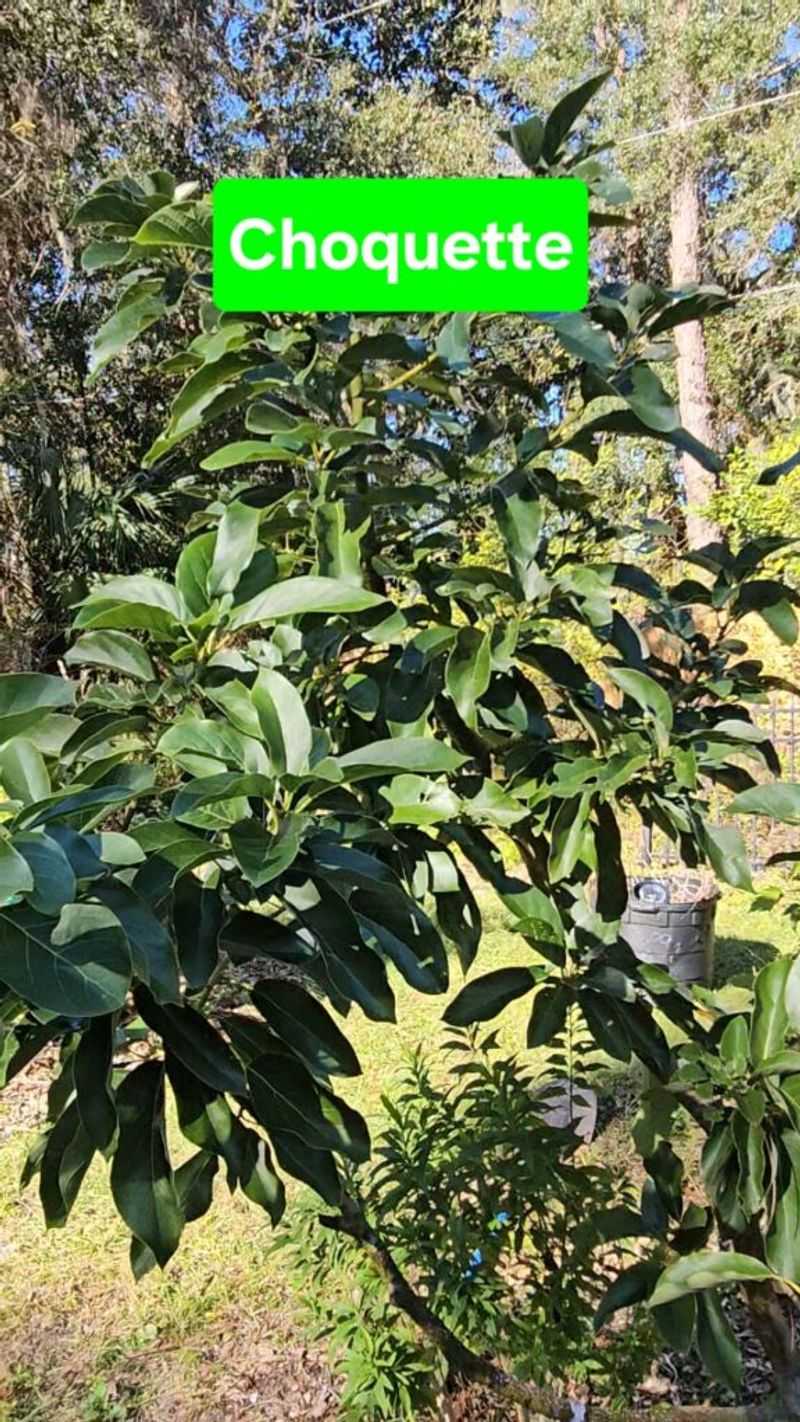
Avocado trees are a staple in many Florida gardens, celebrated for their creamy and nutritious fruits. In sandy environments, these trees can grow with remarkable ease, offering shade and sustenance.
Once established, avocado trees require minimal maintenance and can yield a generous harvest. Whether you enjoy them in salads or smoothies, avocados are a versatile fruit that suits a variety of tastes.
Did you know? Avocados are often called “alligator pears” due to their rough, green skin and pear-like shape.
Banana
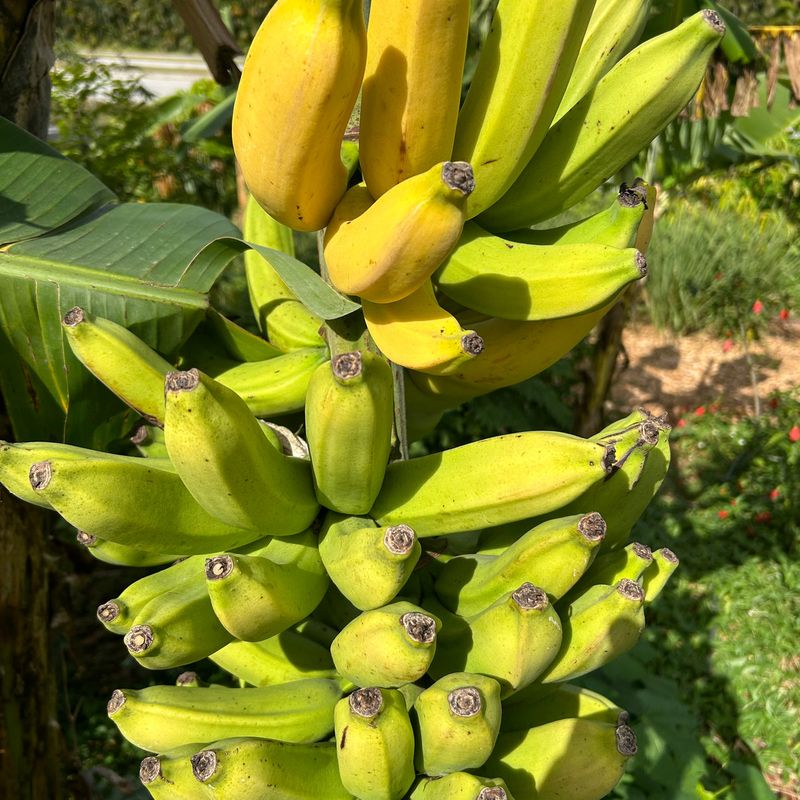
Bananas are the epitome of tropical delight, thriving even in the sandy soils of Florida. These plants are known for their rapid growth and abundant fruit clusters, making them a popular choice for home gardens.
With just a bit of moisture and sunlight, banana plants can become a lush addition to any sandy yard. Their leaves add a touch of the tropics, while the fruit offers a sweet reward.
Interestingly, bananas are technically herbs and not trees, despite their tree-like appearance.
Fig
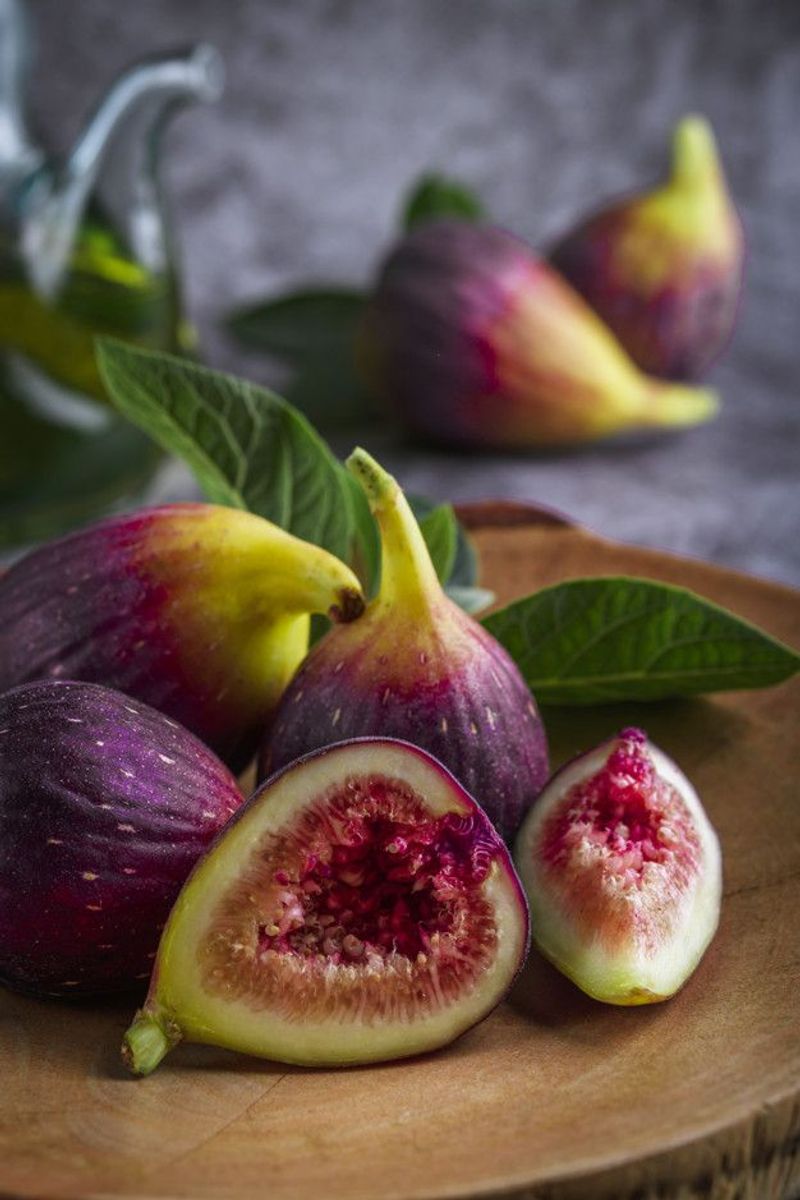
Figs are a delightful fruit that can effortlessly thrive in Florida’s sandy soil, bringing a Mediterranean touch to your garden. Known for their sweet taste and smooth texture, figs are a welcome addition to any backyard.
These trees require minimal care once established and can yield a substantial harvest. Whether eaten fresh or dried, figs are a versatile fruit that complements many dishes.
Fun fact: Figs have been cultivated since ancient times and were a staple in the diets of many early civilizations.
Passion Fruit
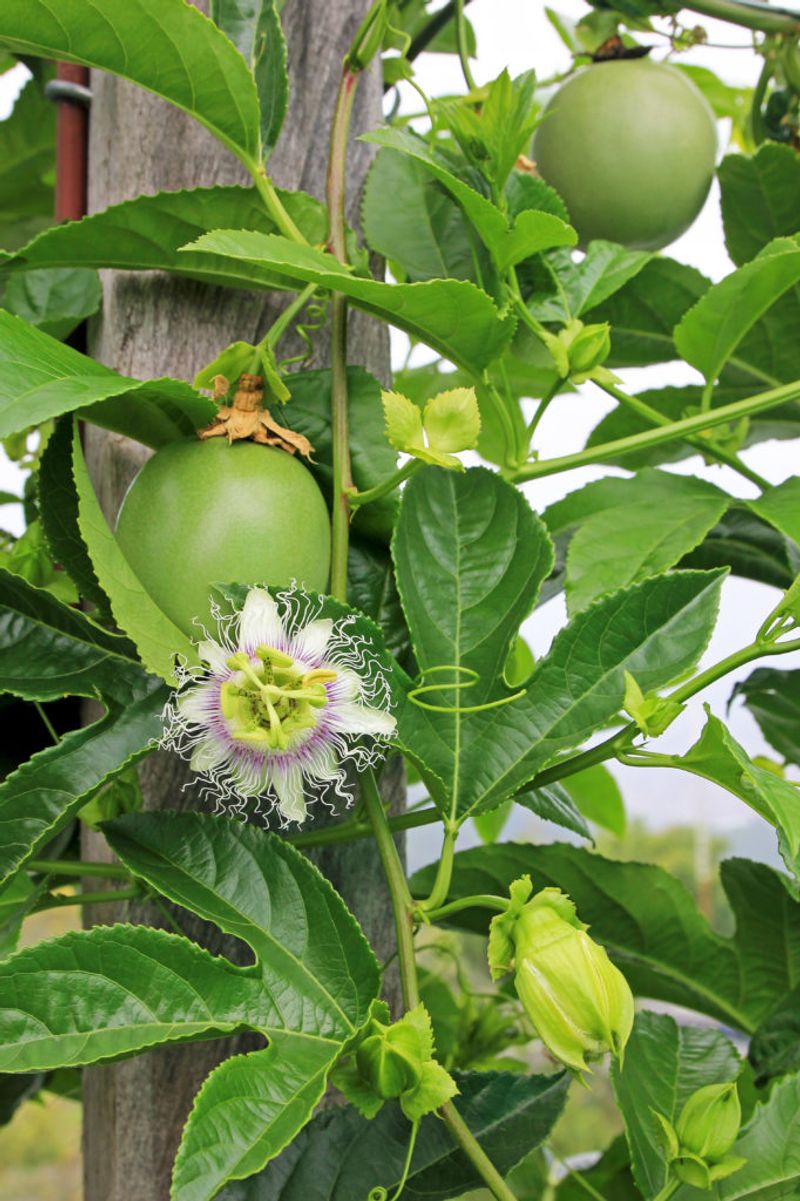
Passion fruit vines add a touch of intrigue to any garden with their exotic appearance and aromatic fruits. These vines are well-suited to Florida’s sandy soils and can quickly cover trellises or fences.
The fruits themselves offer a unique combination of sweet and tart flavors, perfect for juices or desserts. Passion fruit is a favorite among those looking to add a punch of flavor to their homegrown produce.
Did you know? Passion fruit flowers are among the most beautiful in the plant kingdom, often used as ornamental plants in gardens.
Loquat
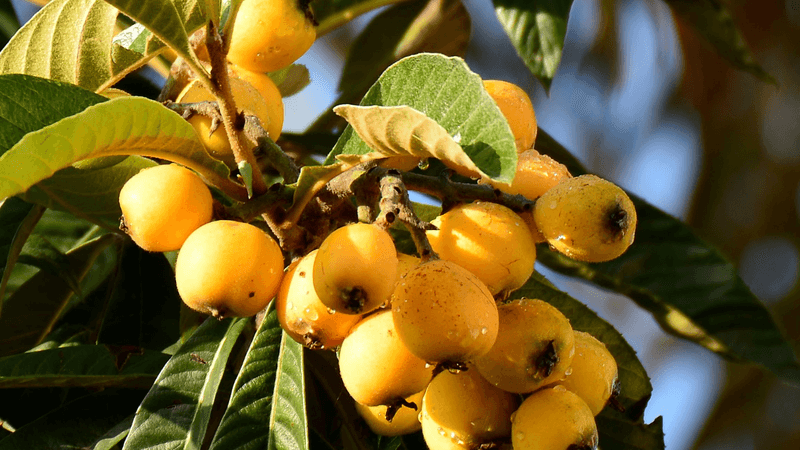
Loquats are a charming addition to any Florida garden, known for their sweet, tangy fruits and ornamental appeal. These trees adapt well to sandy environments, making them a reliable producer in your backyard.
The fruit of the loquat tree is often eaten fresh or used in jams and desserts. Their vibrant color and unique taste make them a favorite among gardeners and chefs alike.
Fun fact: The loquat tree is native to China and has been cultivated for thousands of years, spreading to various parts of the world.
Mulberry
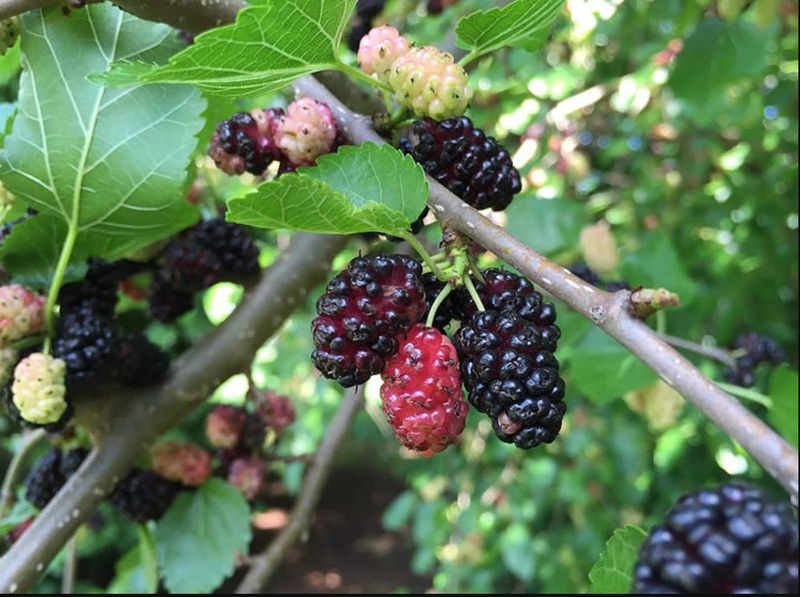
Mulberries are a gardener’s delight, offering delicious berries and minimal fuss. These trees thrive in Florida’s sandy conditions, providing shade and fruit without much care.
The berries are sweet and juicy, perfect for snacking or making preserves. With their rapid growth, mulberries are a quick and rewarding addition to any home garden.
Did you know? Mulberry leaves are the primary food source for silkworms, which are used in silk production.