
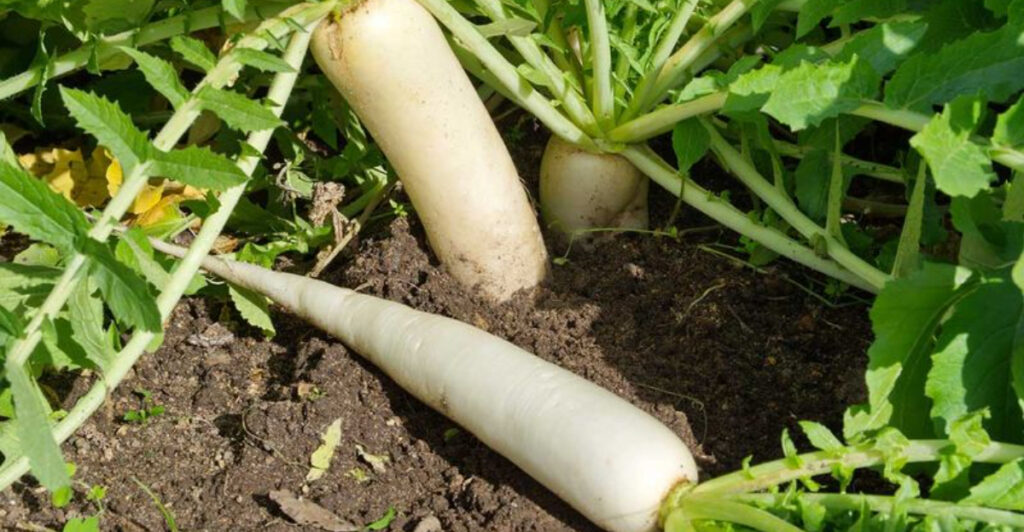
Tennessee clay can be a gardener’s nemesis, but it doesn’t have to be. While it’s notorious for being dense, heavy, and challenging to work with, certain resilient root vegetables thrive in it. Whether you’re a seasoned gardener or a curious newbie, discovering the right root veggies can transform your clay-laden plots into productive gardens. Here’s a look at 16 root vegetables that not only endure but flourish in Tennessee’s tough soil.
Carrots
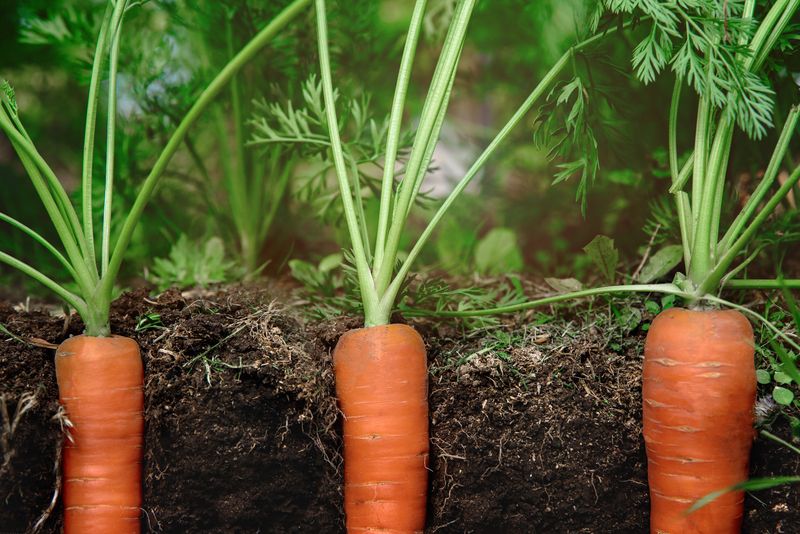
Carrots are tenacious. With their taproot structure, they dig deep into the clay, seeking nutrients and moisture. Their ability to adapt makes them a favorite among gardeners tackling tough soil challenges. Interestingly, carrots were initially cultivated for their aromatic leaves and seeds, not their roots.
Have you ever wondered why carrots are orange? Dutch growers in the 17th century bred them to honor the royal family, the House of Orange.
Beets
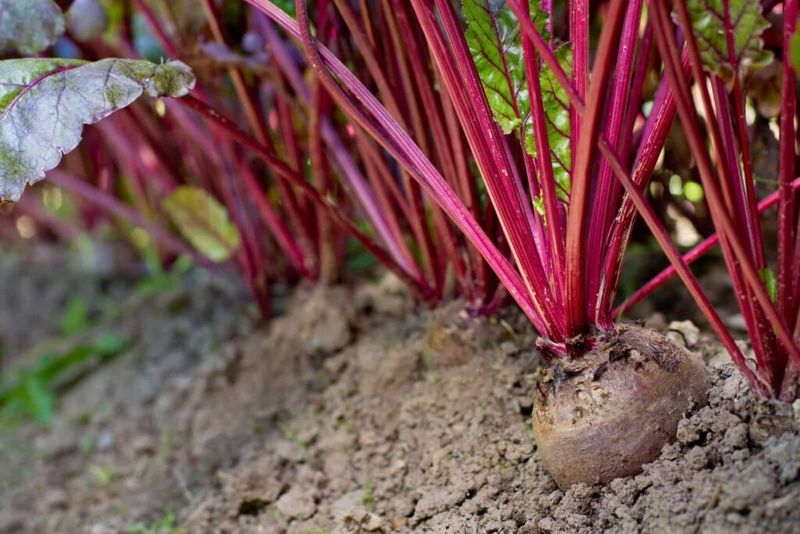
Beets bring color and vitality to any garden. Their bulbous roots are not intimidated by compact clay. Instead, they draw nutrients efficiently, resulting in a bountiful harvest. Beets have been grown since the Roman times—testament to their enduring appeal.
As a quirky fact, beets were used as a source of sugar before cane sugar became widespread.
Radishes
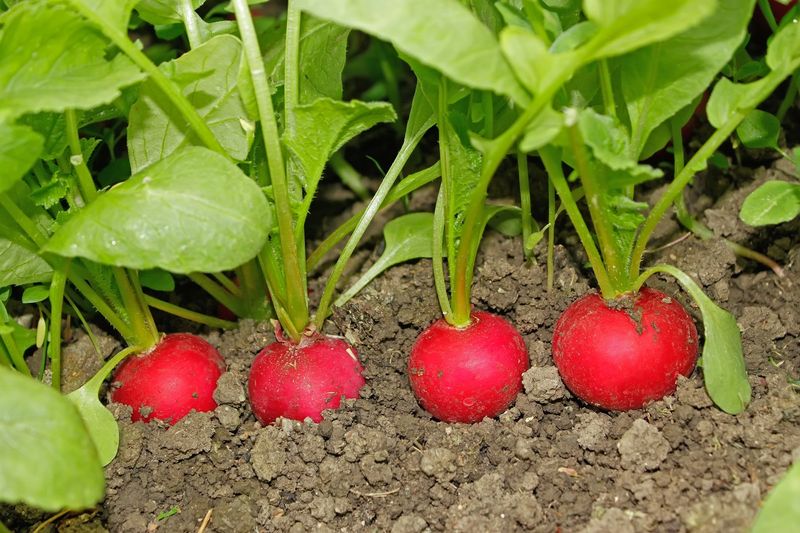
Radishes are quick to mature and perfect for the impatient gardener. Their rapid growth pierces through the clay with ease, allowing for multiple harvests in a single season. This resilience makes them a top choice for challenging terrains.
An interesting tidbit: radishes were among the first vegetables to be domesticated in Asia, highlighting their ancient agricultural roots.
Turnips
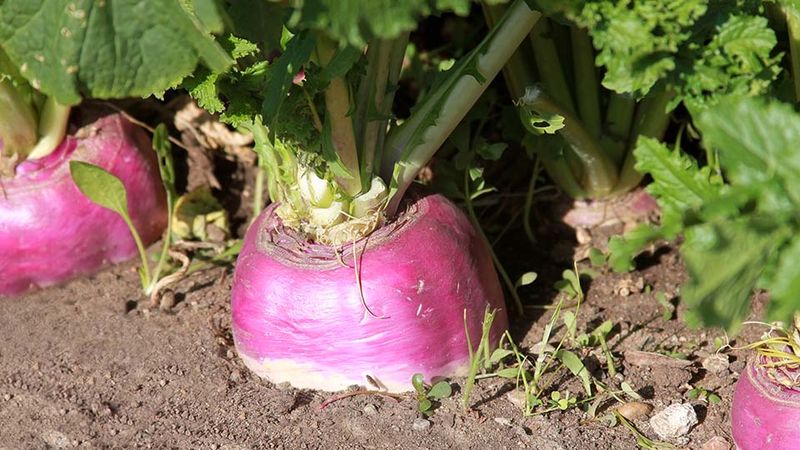
Turnips are hearty and reliable, making them a staple in clay-rich gardens. Their robust nature ensures they thrive where other plants might struggle. Not only are they nutritious, but they also have a history in agriculture dating back over 3000 years.
Curious about turnips’ role in history? They were a significant food source for early European civilizations.
Parsnips
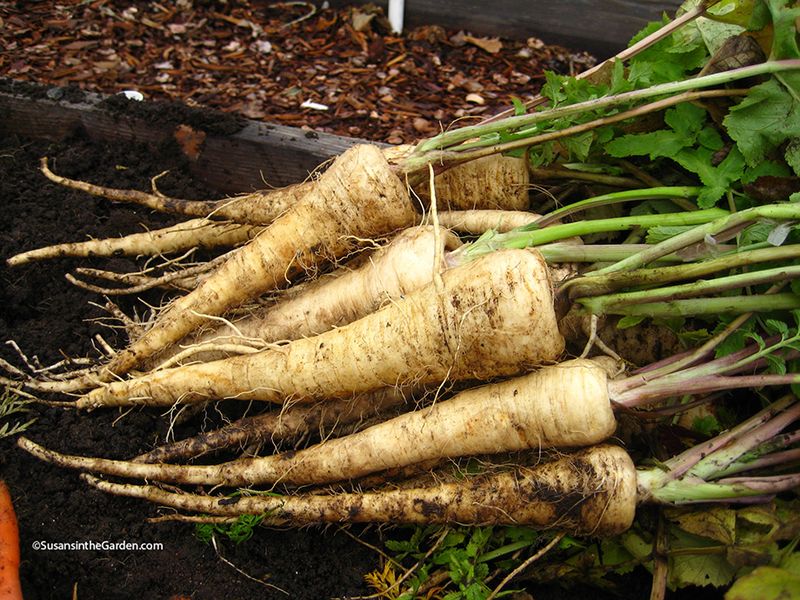
Parsnips are the unsung heroes of root vegetables. Often overlooked, their long, tapered roots are perfect for penetrating clay soils. They develop a sweet flavor after winter frosts, making them a tasty addition to any meal.
Did you know? Parsnips were used as a sweetener before cane sugar became common in Europe.
Sweet Potatoes
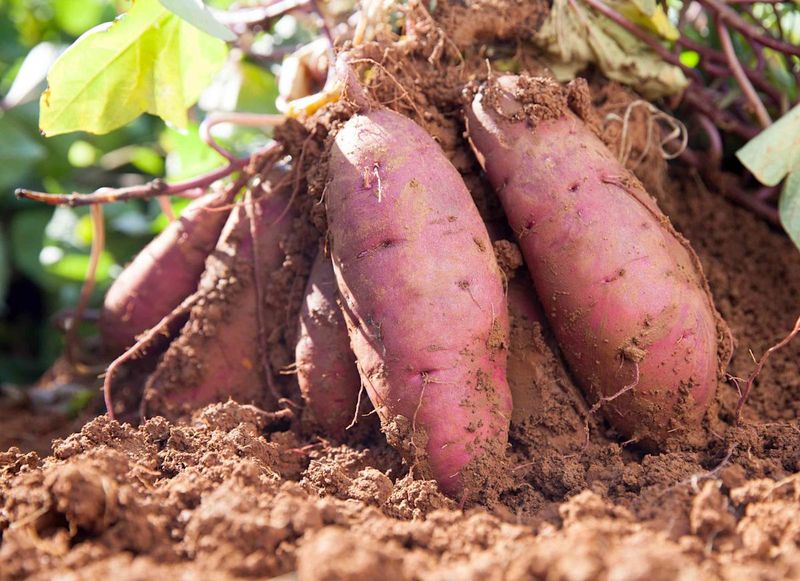
Sweet potatoes are more than just a Thanksgiving favorite. Their sprawling vines and resilient roots make them ideal for clay soils. They are rich in nutrients and versatile, suitable for a variety of dishes.
Historically, sweet potatoes are believed to have been cultivated in the Americas for over 5,000 years.
Yams
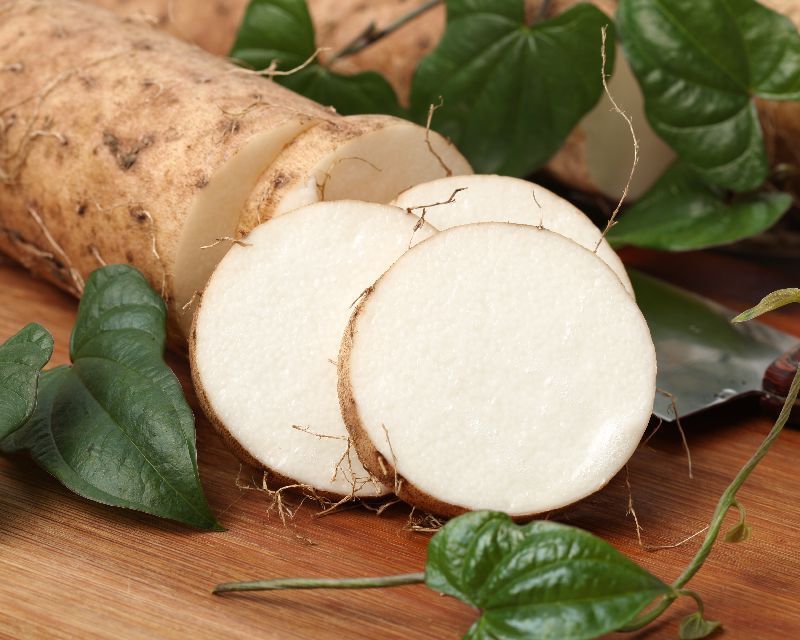
Yams are often confused with sweet potatoes, yet they stand out with their unique texture and flavor. They thrive in warm climates and tough soils, making them perfect for Tennessee’s gardens.
Fun fact: yams are native to Africa and Asia and have been a staple food source in these regions for centuries.
Kohlrabi
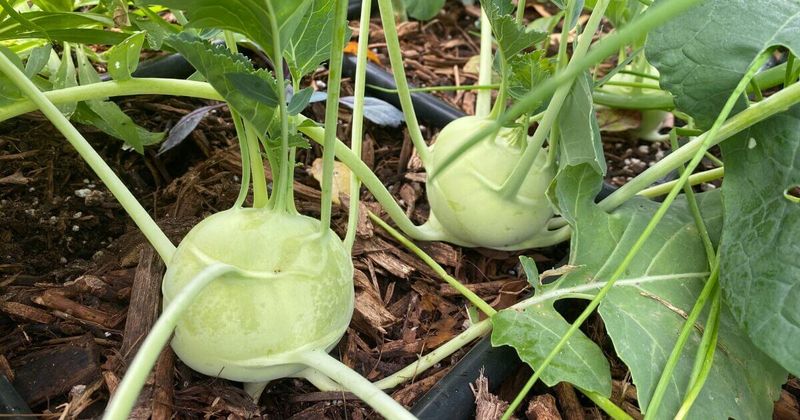
Kohlrabi, with its unusual appearance, is a delight in the garden. It grows above the soil, with bulky stems that are perfect for slicing and snacking. Its ability to grow in clay makes it a versatile veggie for adventurous gardeners.
Kohlrabi is not a turnip, despite its nickname “German turnip.” It belongs to the cabbage family.
Celeriac
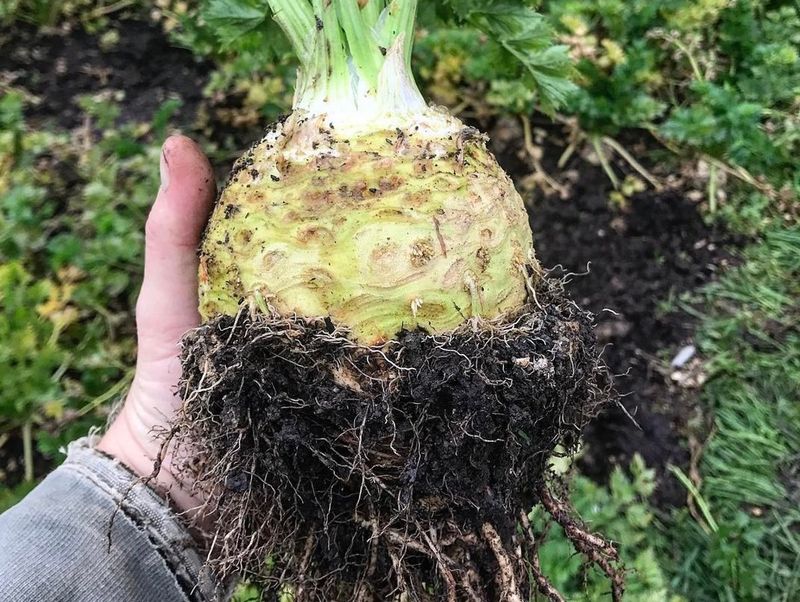
Celeriac, or celery root, might not win beauty contests, but it excels in flavor and versatility. Its knobby exterior hides a tender interior that flourishes in clay soil. Celeriac is a favorite in European cuisines for soups and stews.
Historically, celeriac was used as a medicinal plant in ancient Egypt and Greece.
Rutabaga
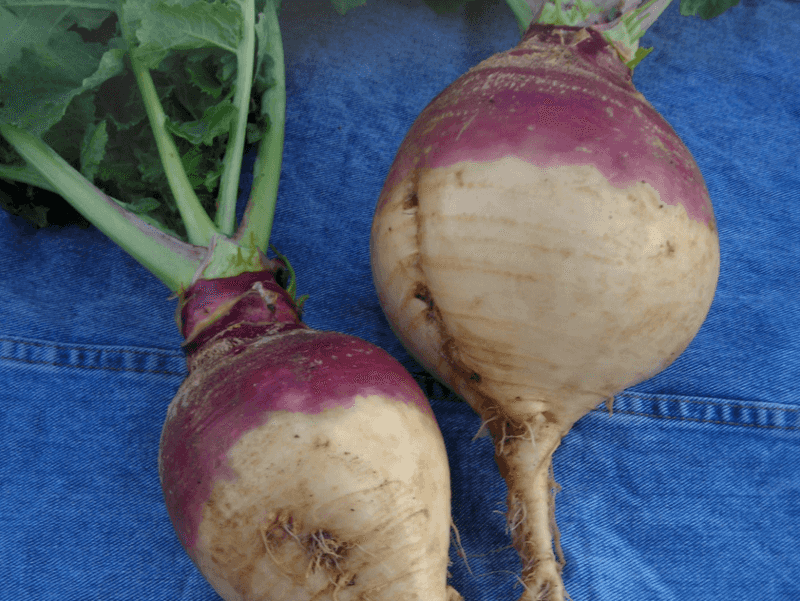
Rutabagas are the workhorses of root vegetables. They are larger than turnips and have a mild, sweet flavor. Their resilience against tough soil makes them a reliable choice for clay-laden gardens.
Interesting tidbit: rutabagas are a hybrid between a cabbage and a turnip, commonly enjoyed in Nordic dishes.
Ginger
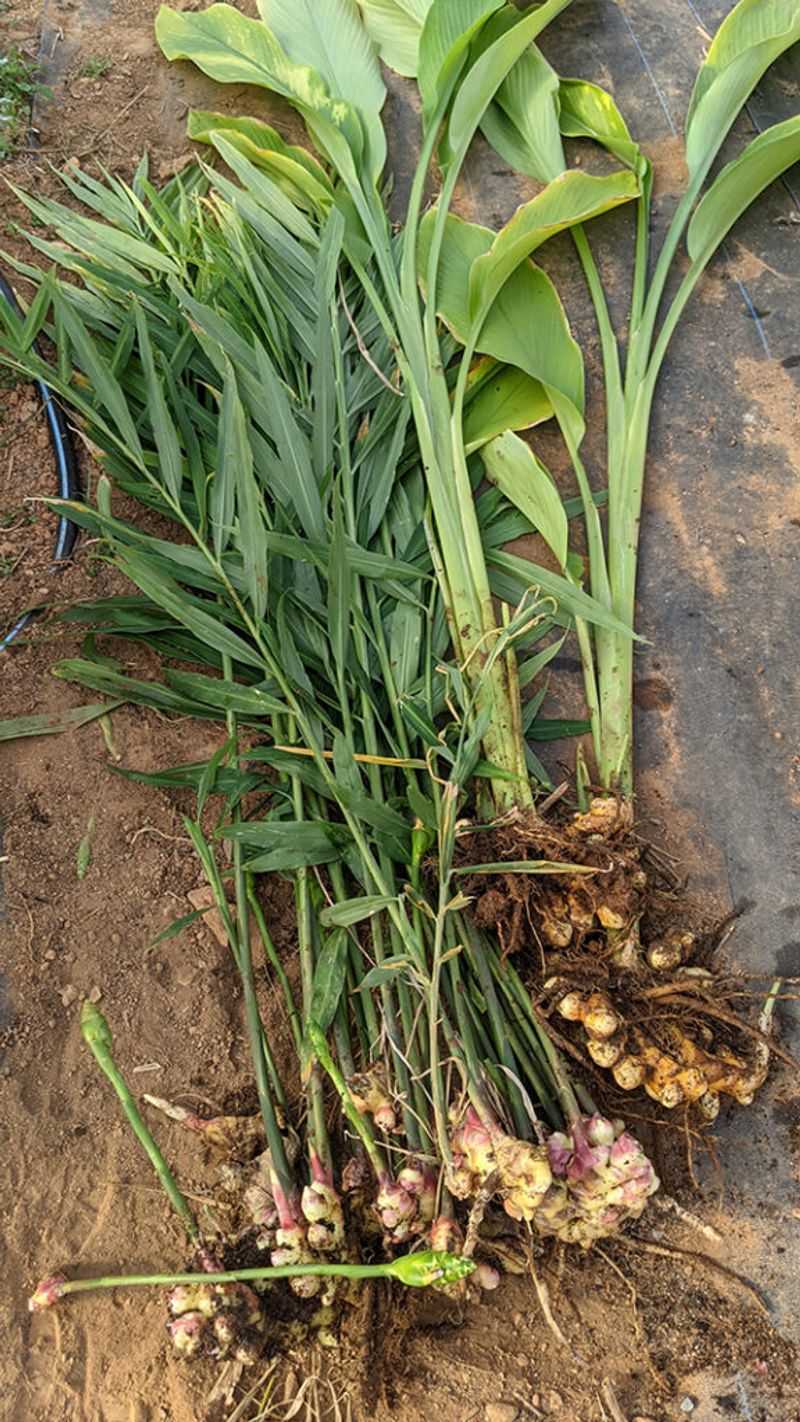
Ginger is not just for adding spice to your dishes; it’s a hardy plant that can withstand Tennessee’s clay. Its aromatic roots are sought after worldwide, and growing your own can be a rewarding experience.
Did you know? Ginger has been used in traditional medicine for thousands of years, particularly in Asia.
Garlic
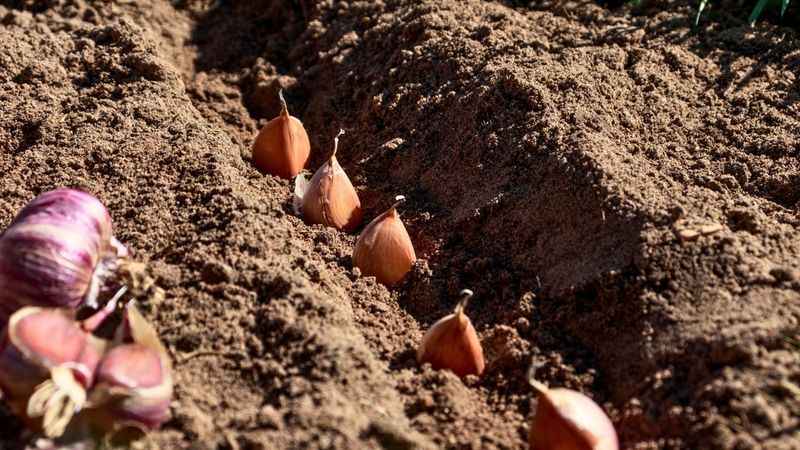
Garlic’s pungent flavor and health benefits make it a staple in kitchens. Its ability to grow in various soil conditions, including clay, ensures a plentiful harvest. Planting garlic in the fall yields robust growth in the spring.
Fun fact: garlic was used by ancient civilizations as a performance enhancer for laborers and athletes.
Onions
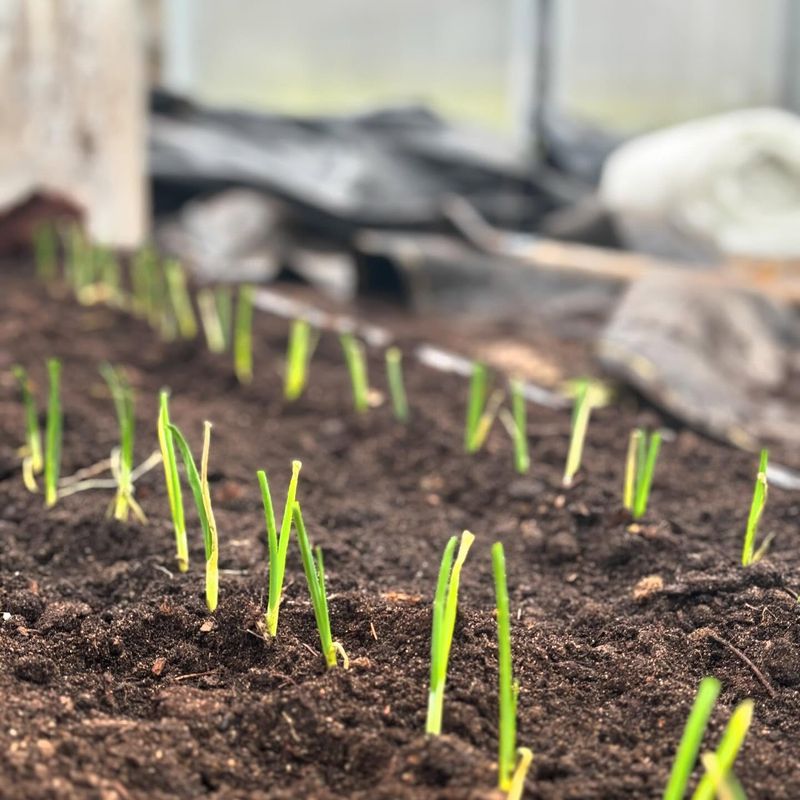
Onions are indispensable in cooking, and their hardiness allows them to thrive in challenging soils like clay. They offer a robust harvest and can be used fresh or stored for later use.
Historically, onions have been cultivated for over 5,000 years, with traces found in ancient Egyptian tombs.
Horseradish
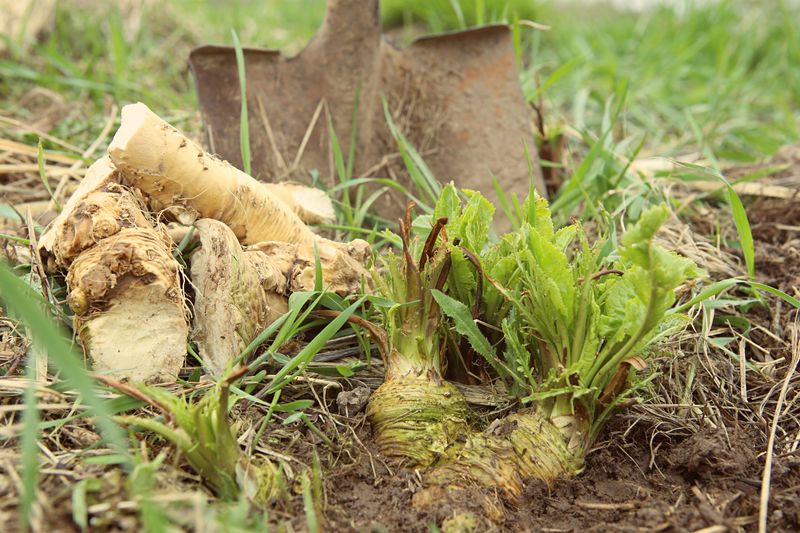
Horseradish is more than just a condiment. Its pungent roots thrive in dense clay, making it a unique addition to any garden. The plant’s vigorous growth ensures a steady supply of spice.
Did you know? Horseradish has been used medicinally since ancient times, appreciated for its digestive properties.
Daikon Radish
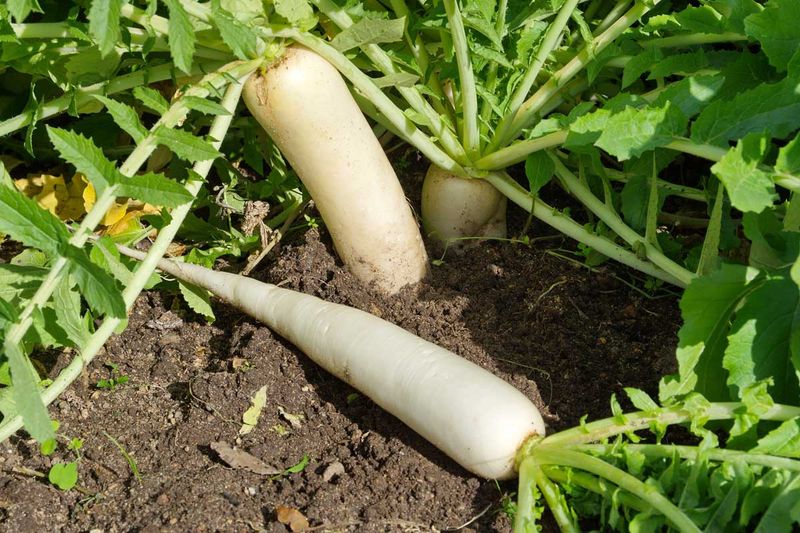
Daikon radishes are not your average radishes. Known for their long, white roots, they break through clay with ease. Their mild flavor adds a refreshing crunch to salads and dishes.
This radish variety is a staple in Asian cuisine, particularly in Japanese dishes.
Salsify
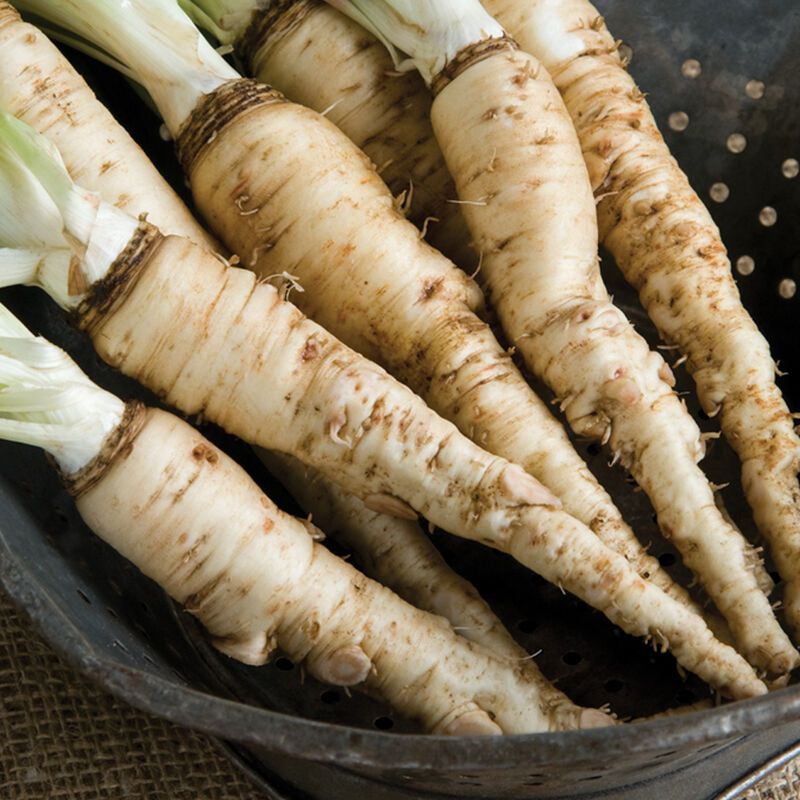
Salsify, known as the “oyster plant,” surprises many with its seafood-like taste. Its slender roots penetrate clay easily, ensuring a unique harvest.
Fun fact: salsify was a popular vegetable in Victorian times, prized for its versatility and unique flavor.