
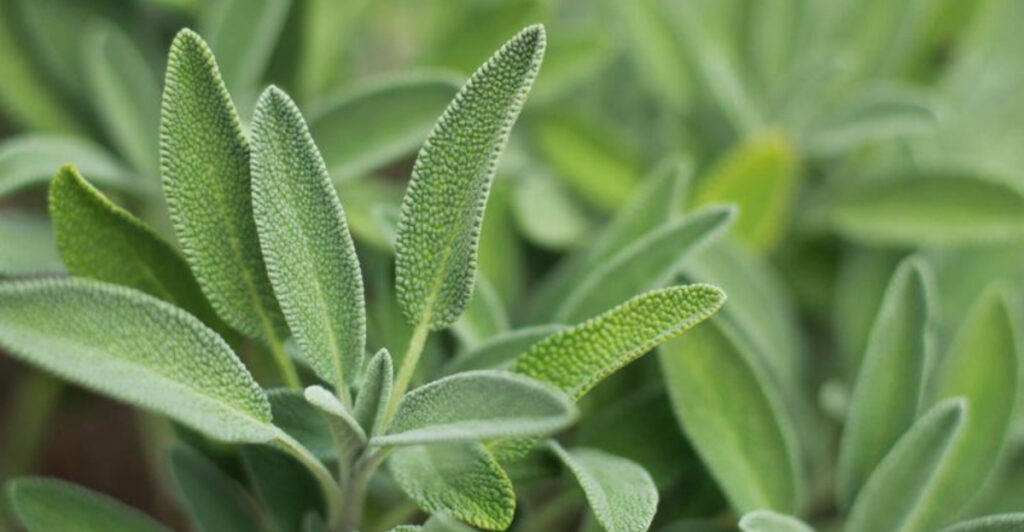
In the damp, shady corners of Pennsylvania’s yards, certain herbs flourish with little encouragement, sprouting in abundance and thriving in the cooler, moist conditions. These resilient plants not only add greenery but also offer culinary and medicinal benefits.
Mint
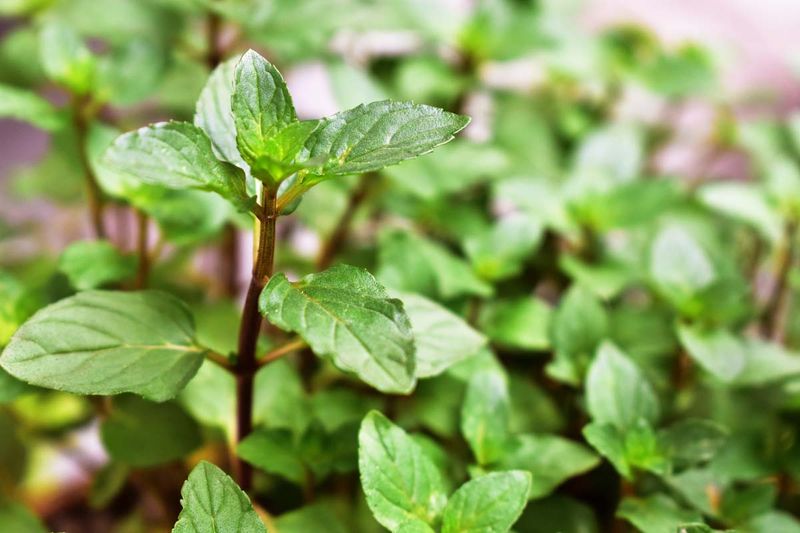
Mint is not just for mojitos and tea; it’s a tenacious grower, especially in Pennsylvania’s moist yards. Its aromatic leaves can fill a garden with a refreshing scent, spreading rapidly if not carefully managed.
In folklore, mint symbolizes hospitality and is often associated with warmth and welcoming homes, making it a delightful herb to have around.
Did you know that ancient Greeks used mint in their bathwater? This herb’s refreshing properties were recognized even in ancient times, and it’s been a garden staple ever since.
Lemon Balm
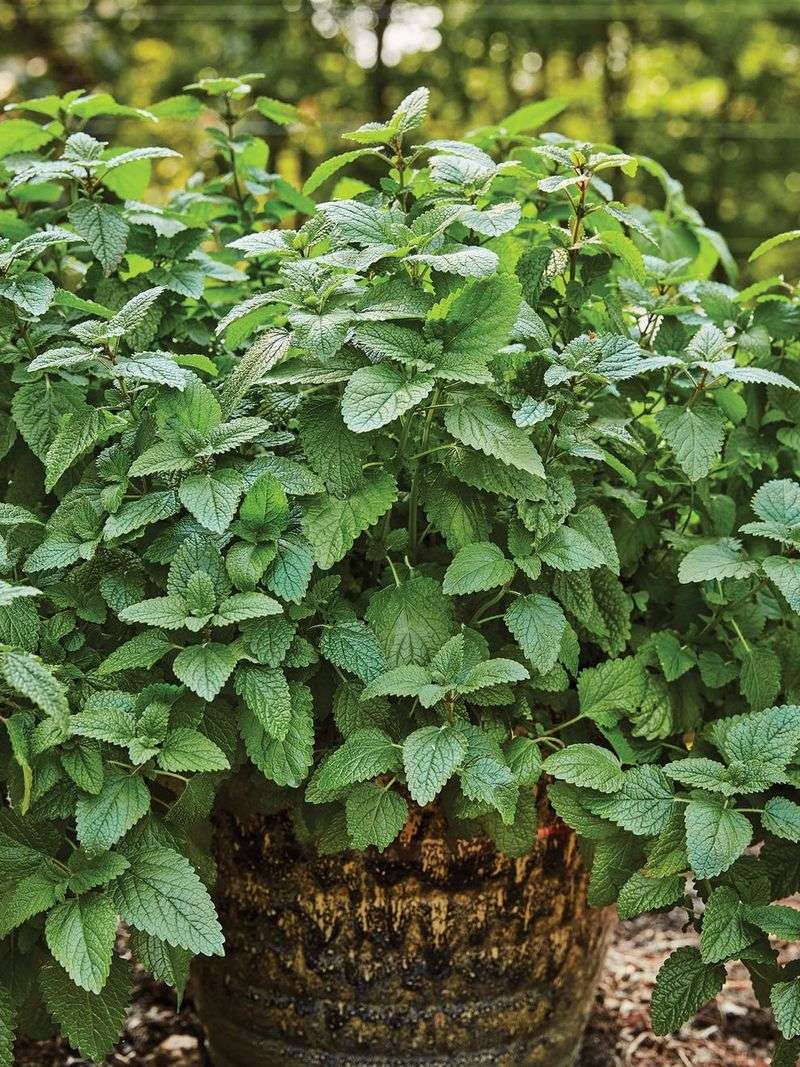
With its citrusy scent, lemon balm is a joy to crush between your fingers. In Pennsylvania, it grows vigorously, creating a sea of green in damp, shaded corners. This herb is a relative of mint, known for its calming effects and uplifting aroma.
Historically, lemon balm was used to reduce stress and aid digestion. Monks in the Middle Ages even used it in elixirs to extend life. It’s a herb with a rich history and useful applications.
Imagine sipping lemon balm tea on a cool evening, letting its soothing properties wash over you. This herb’s legacy continues to thrive in Pennsylvania gardens.
Chives
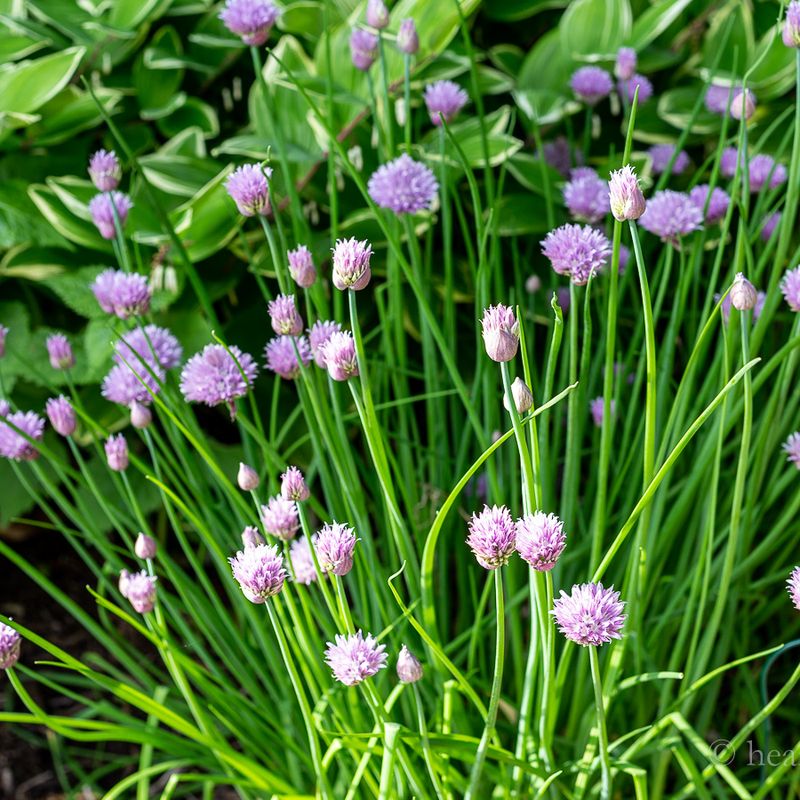
Chives are the unsung heroes of the herb world, bringing a mild onion flavor to dishes. In Pennsylvania’s shaded yards, they grow like wild, with their slender green stalks poking through the damp earth.
Their purple blooms add a splash of color to any garden, and they’re a favorite among pollinators, too. Chives are versatile and resilient, making them a delightful addition to any kitchen garden.
Historically, chives were believed to drive away evil spirits. Whether or not that’s true, they certainly bring culinary joy to many homes.
Parsley
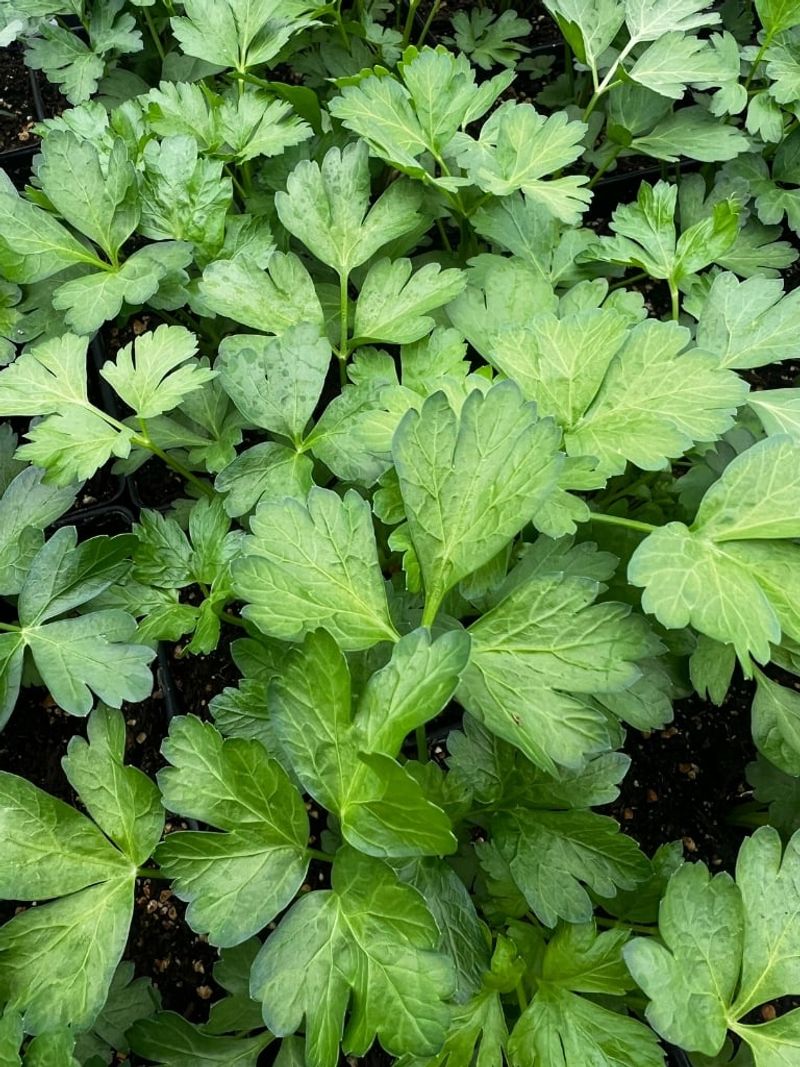
Parsley may be known as a garnish, but in Pennsylvania, it grows with vigor, especially in shady, moist conditions. Its bright, slightly bitter taste adds depth to many dishes.
This herb has a storied past; the ancient Greeks used it to crown victors of athletic contests. Parsley symbolizes festivity and triumph, making it a charming addition to any garden.
Whether used in a fresh salad or as a finishing touch on soup, parsley offers both flavor and a touch of history to your meals.
Cilantro
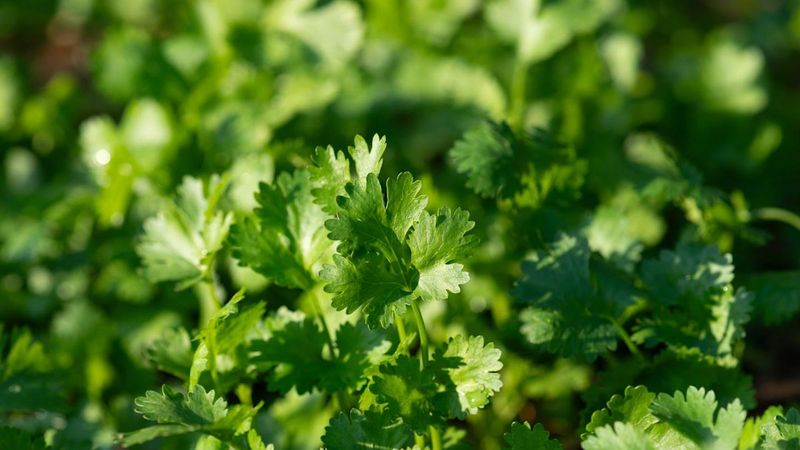
Cilantro, love it or hate it, is a staple in many cuisines. In Pennsylvania’s shady yards, it grows unabated, its feathery leaves standing out against the damp backdrop.
With its distinct, pungent aroma, cilantro is a vibrant addition to salsas and curries. Its seeds, coriander, provide a different flavor profile, showcasing this herb’s versatility.
Fun fact: Cilantro leaves and coriander seeds were found in King Tutankhamun’s tomb, illustrating its value throughout history.
Oregano
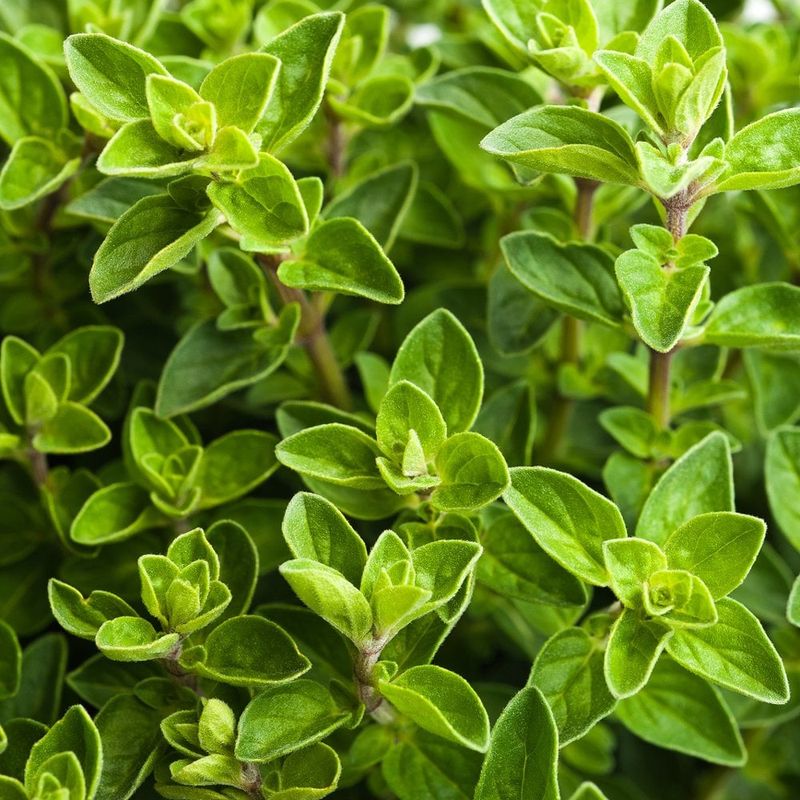
Oregano, a staple in Italian cooking, thrives in Pennsylvania’s damp conditions, creeping along the shaded areas of gardens. Its small, aromatic leaves pack a punch of flavor, making it a favorite in many dishes.
This herb’s name means ‘mountain joy’ in Greek, and it has a rich history in culinary and medicinal uses. Oregano oil is often used for its antibacterial properties.
In ancient times, oregano was believed to bring happiness. Today, it continues to bring joy to the tables of many Pennsylvanians.
Thyme
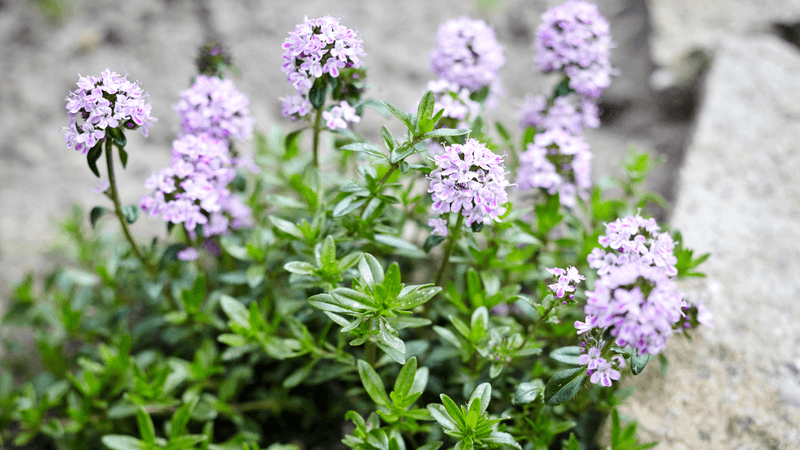
Thyme is a humble herb that doesn’t shout for attention but thrives quietly in Pennsylvania’s moist, shaded gardens. Its earthy flavor complements a variety of dishes and is often paired with meats and stews.
Throughout history, thyme has symbolized courage and was given to knights and warriors before battles. It was also used as a natural antiseptic in times of need.
This small herb packs a punch, not just in flavor but also in its storied past and medicinal uses. It’s a resilient addition to any garden.
Sage
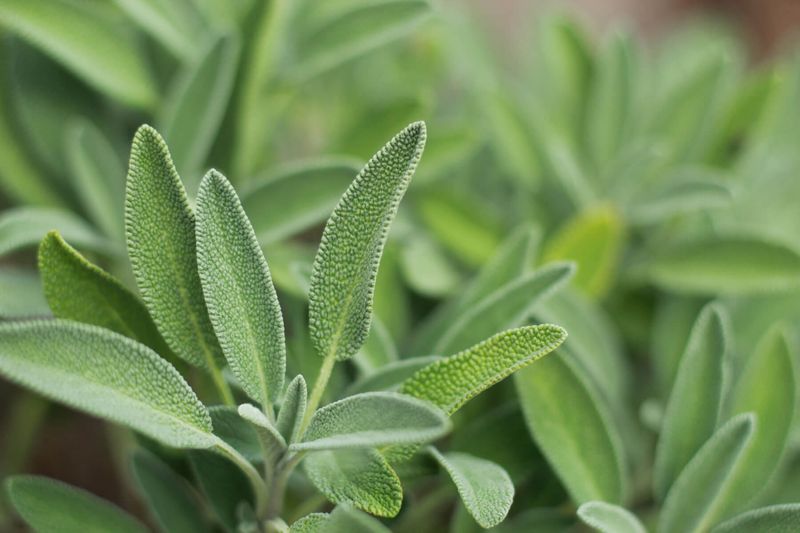
Sage is known for its earthy aroma and culinary versatility. In Pennsylvania’s shady, moist areas, it grows with little effort, its soft leaves flourishing.
In folklore, sage is associated with wisdom and is said to improve memory when consumed. This herb has long been used in rituals and as a meat preservative.
Sage’s robust flavor and historic uses make it a fascinating herb to grow in your garden. It’s both a culinary delight and a nod to the past.
Dill
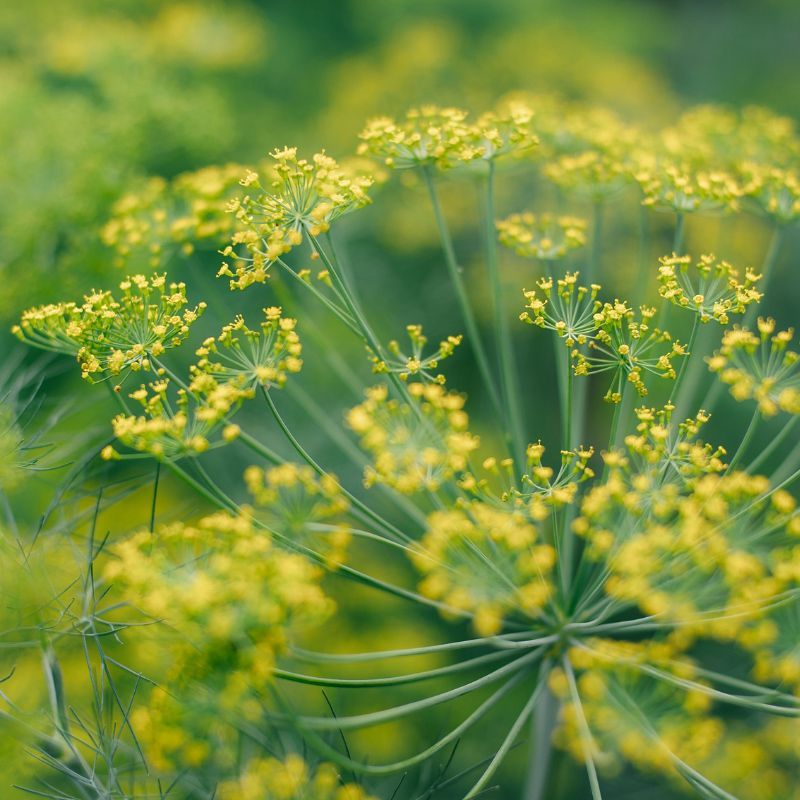
Dill, known for its feathery fronds and distinct aroma, thrives in the cool, shaded areas of Pennsylvania gardens. It’s a staple in pickling, adding a fresh, tangy flavor to dishes.
This herb has a rich history, used by ancient Egyptians and Greeks for various ailments. Its name is derived from the Norse word ‘dilla,’ meaning to lull, highlighting its soothing properties.
Whether used in salads or soups, dill remains a timeless addition to the culinary world and a steadfast grower in gardens.
Basil
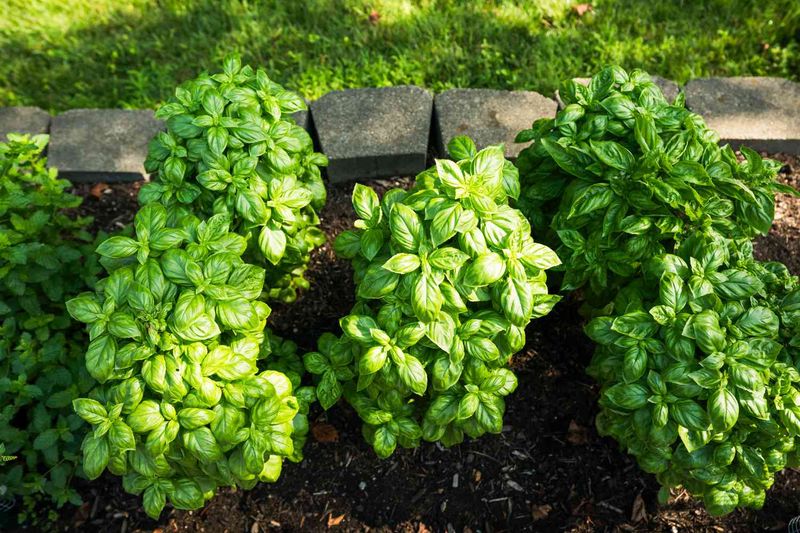
Basil is a beloved herb that adds a burst of flavor to dishes. In Pennsylvania’s shaded yards, it grows richly, filling the air with its sweet aroma.
This herb is often associated with love and good fortune, and it’s a staple in many kitchens around the world. Its versatility in dishes like pesto and salads showcases its universal appeal.
Basil’s fragrant leaves and historical symbolism of love make it a cherished plant in any garden.
Catnip
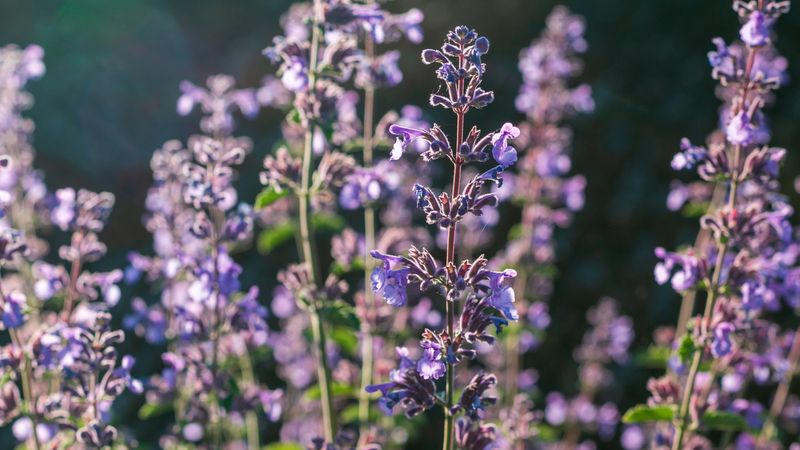
Catnip is not just for cats; it’s a robust herb that grows like wildfire in Pennsylvania’s moist, shaded areas. Its heart-shaped leaves and lavender flowers make it an attractive addition to any garden.
Historically, catnip was used to brew teas to relieve coughs and colds. Its calming effects are not limited to felines; humans have also used it for relaxation.
This herb’s playful association with cats and its medicinal uses for humans make it a fun and functional garden inhabitant.