
South Carolina’s humid coastal air creates a unique environment ideal for certain crops. The combination of warm temperatures and consistent moisture allows these plants to flourish where others might struggle. Below, we explore 14 crops that thrive in this specific climate, each with its own charm and utility.
Peach
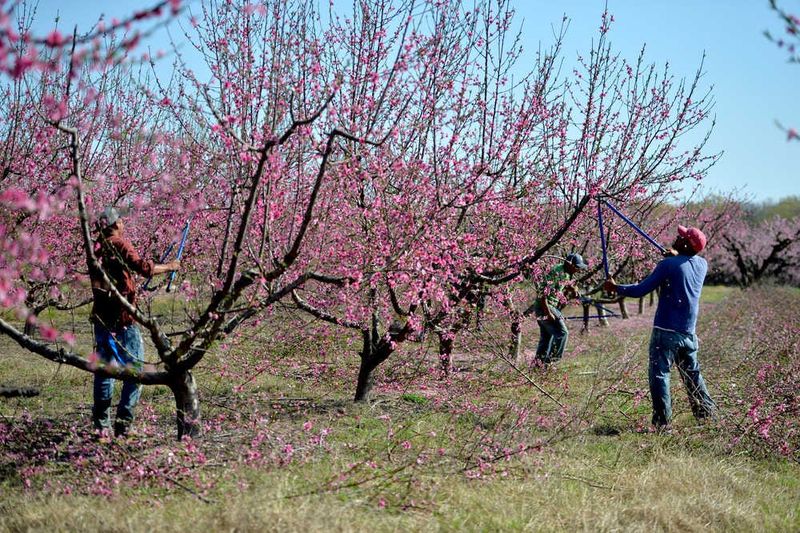
The peach, often celebrated as a symbol of Southern agriculture, finds an ideal home in South Carolina. The warm, humid climate provides the perfect conditions for succulent fruit development.
In spring, peach blossoms adorn the trees with a delicate pink hue, a sight that draws visitors and locals alike. Summertime yields juicy, aromatic fruits that are cherished both fresh and in regional recipes.
Did you know? South Carolina is nicknamed the “Peach State,” although Georgia often claims that title. This crop’s success is a testament to the state’s favorable growing conditions.
Okra
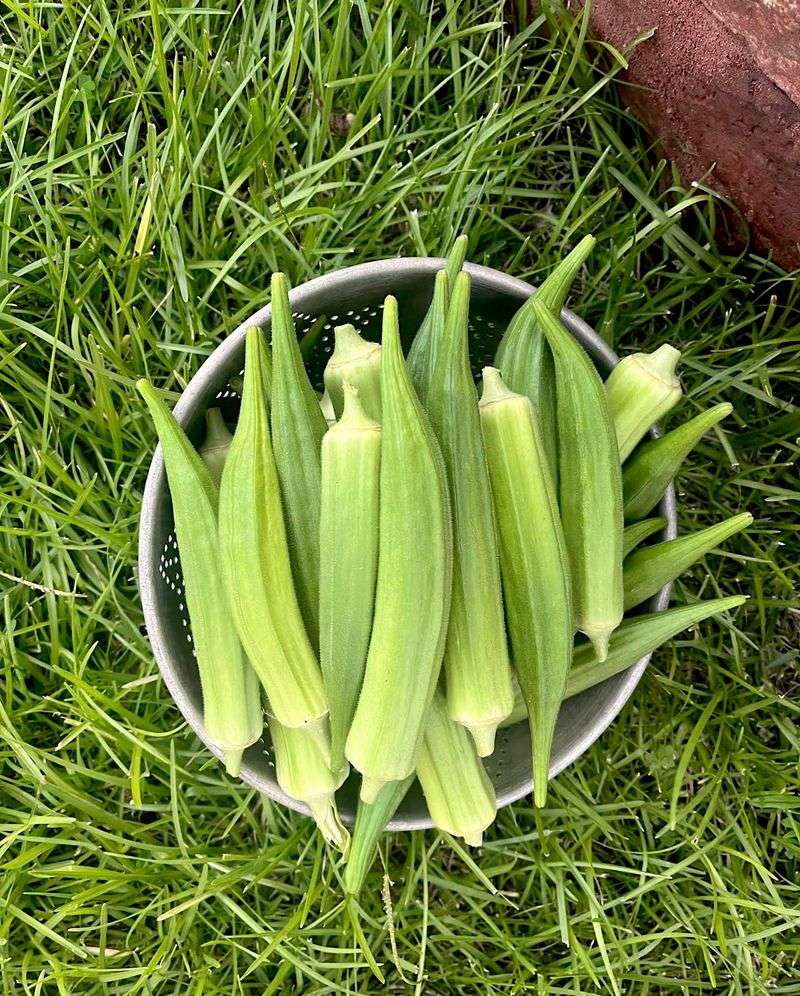
Okra is a beloved staple in Southern kitchens, thriving in the heat and humidity of South Carolina’s coast. Its slender pods are a culinary delight, especially in gumbos and stews.
The plant’s resilience to hot weather makes it a reliable crop for local farmers. Its flowers, resembling hibiscus, add a touch of beauty to gardens.
Intriguingly, okra’s mucilaginous quality is both a blessing and a challenge in cooking, often serving as a natural thickener.
Sweet Potato
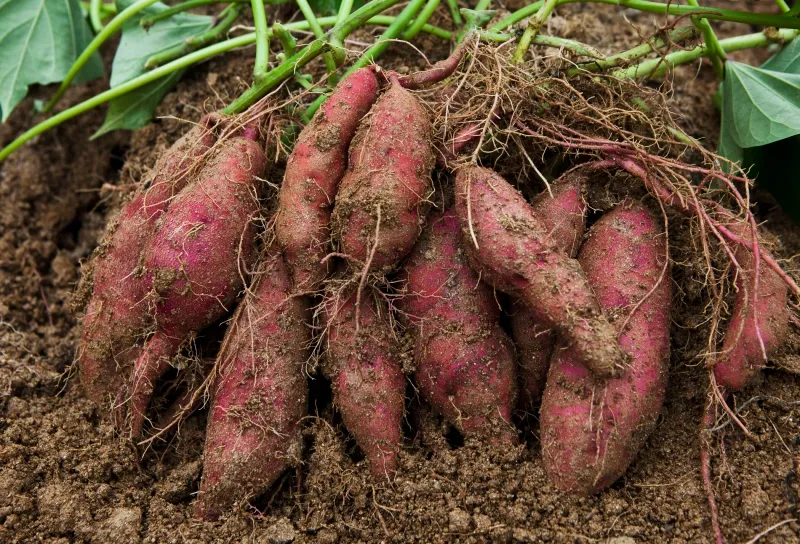
Sweet potatoes thrive in South Carolina’s loamy soil, benefiting from the long growing season. These tubers are celebrated for their nutritional value, including high levels of vitamin A.
Their sweet, earthy flavor makes them a versatile ingredient in both savory and sweet dishes. From casseroles to pies, sweet potatoes are a cherished part of Southern cuisine.
Historically, sweet potatoes hold significance as a staple food for Native American tribes in the region, long before European settlers arrived.
Watermelon
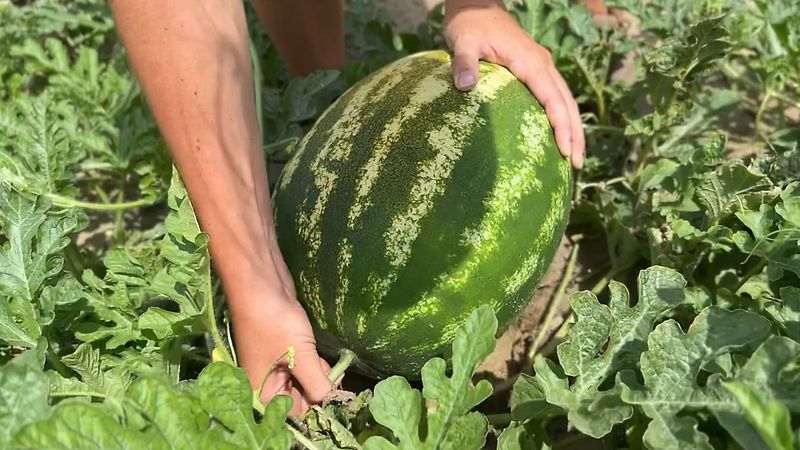
Watermelons are synonymous with summer fun in South Carolina, thriving in the state’s sun-drenched fields. The sandy soil and humid air contribute to their sweet, refreshing taste.
These melons are a favorite at picnics and barbecues, offering hydration and happiness in each bite. The variety of species, from seedless to heirloom, caters to diverse preferences.
Interestingly, the tradition of watermelon seed-spitting contests is as old as the appreciation for this fruit itself.
Tomato
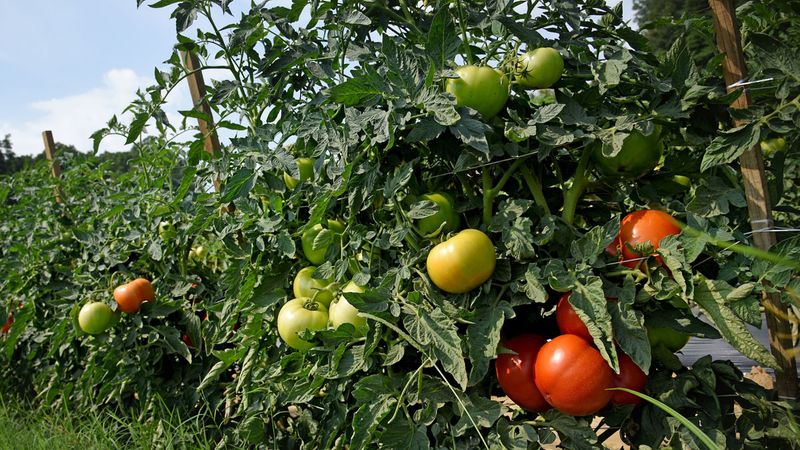
In the humid embrace of South Carolina’s climate, tomatoes grow with gusto, producing abundant harvests. The warmth accelerates ripening, yielding tomatoes full of flavor and aroma.
Whether sliced in sandwiches or turned into sauces, tomatoes are a kitchen essential. The diversity in tomato varieties ensures that every gardener finds a favorite.
Fun fact: Tomatoes were once thought to be poisonous, earning the nickname “love apples” before becoming a culinary staple.
Collard Greens
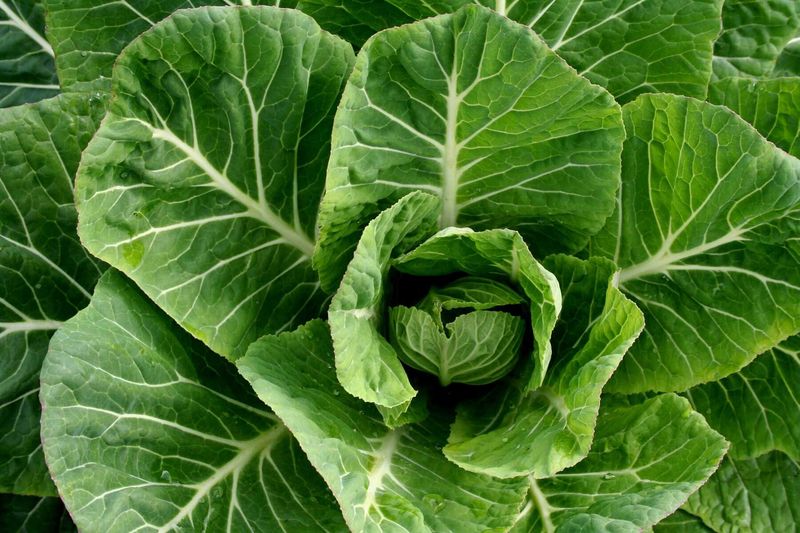
Collard greens are a Southern icon, deeply rooted in the culinary traditions of the region. These leafy greens thrive in the coastal climate, offering resilience against pests and diseases.
Rich in vitamins and minerals, they are a nutritious addition to any meal. Traditionally cooked slowly, they pair beautifully with smoked meats.
Collard greens symbolize Southern hospitality and home-cooked comfort, often served during family gatherings and celebrations.
Blueberry
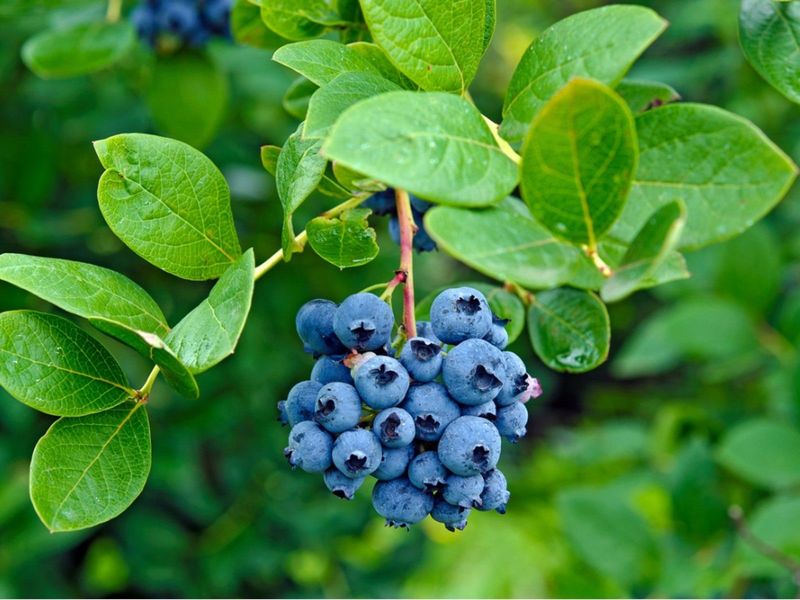
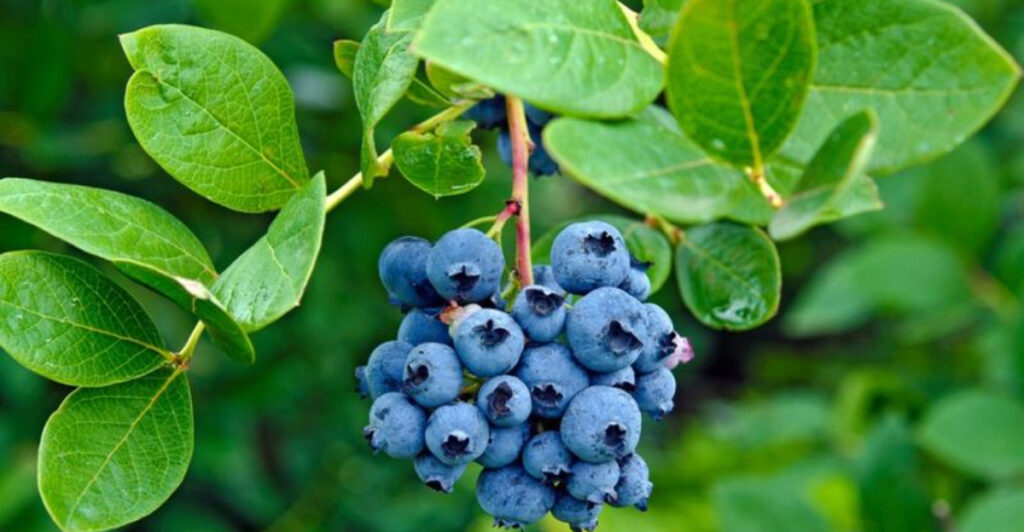
Blueberries flourish in South Carolina’s acidic soil, with the humidity enhancing their plumpness and sweetness. These berries are a delightful snack, bursting with antioxidants.
Their versatility extends to baked goods, jams, and even savory dishes, adding a touch of tartness. Picking your own blueberries is a cherished summer activity in the state.
Did you know? Blueberries were one of the first fruits to be designated as a “superfood” due to their health benefits.
Grapes
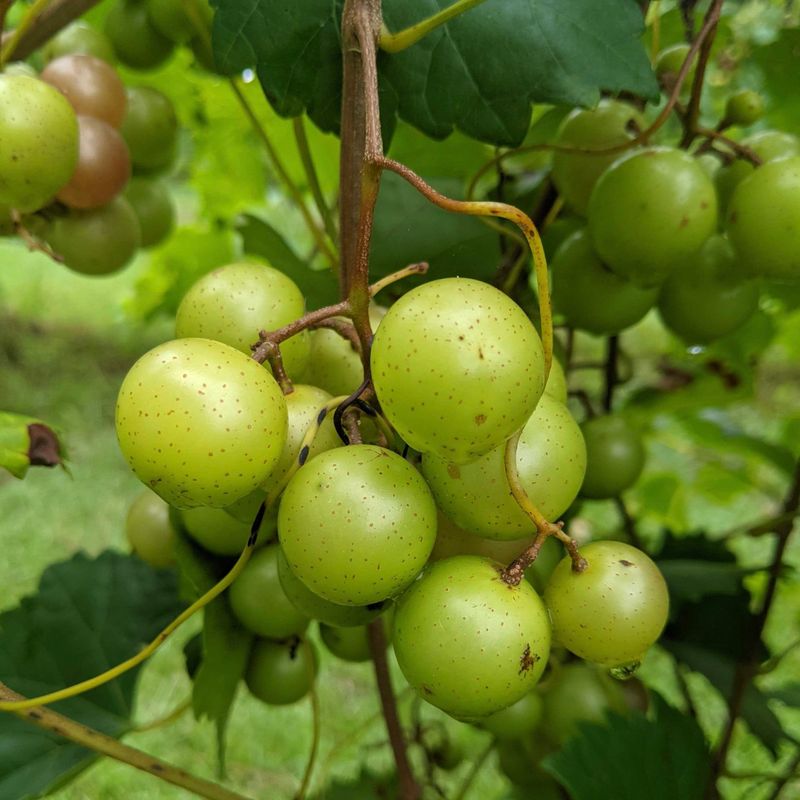
Grapes find a hospitable environment in South Carolina’s coastal air, contributing to the state’s burgeoning wine industry. The climate fosters varieties like muscadine and scuppernong.
These grapes are perfect for both winemaking and fresh consumption, offering a sweet yet robust flavor profile. Vineyards have become popular destinations for tourists and locals alike.
Interestingly, the muscadine grape is native to the Southeastern United States, thriving in the wild long before cultivation.
Corn

Corn, a versatile crop, benefits from the warm, humid summers of South Carolina. This staple is found in everything from traditional dishes to innovative culinary creations.
The towering stalks provide not only food but also shelter for wildlife, playing a crucial role in the ecosystem. Sweet corn varieties are especially popular for their flavor.
The history of corn in America is rich, tracing back to indigenous cultivation long before European settlers arrived.
Rice

Rice has a storied history in South Carolina, once a major crop during the colonial era. The coastal plains offer the perfect conditions for growing this staple grain.
Today, heritage varieties like Carolina Gold are celebrated for their flavor and texture, connecting modern cooks to historical recipes. Rice fields also support diverse ecosystems.
Fun fact: Charleston was one of the world’s leading rice exporters in the 18th century, playing a key role in the region’s economy.
Strawberry
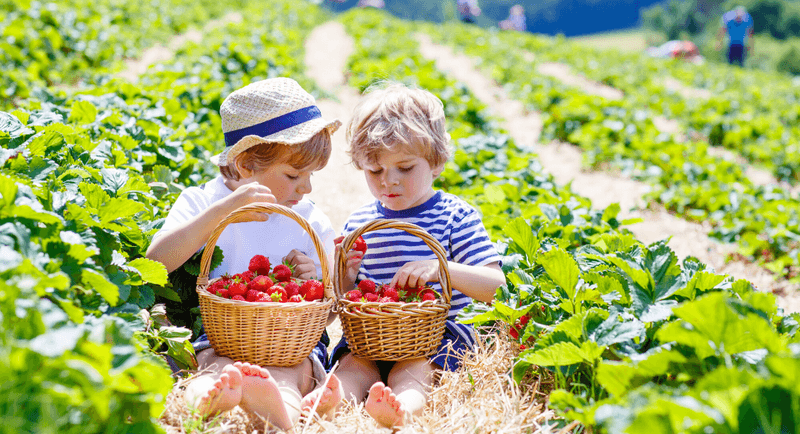
Strawberries signal the arrival of spring in South Carolina, thriving in the mild, humid conditions. Their sweetness makes them a favorite for fresh eating and desserts.
Local farms often host strawberry picking events, drawing families and friends to enjoy the bounty of the season. The fruit’s vibrant color and juicy texture are irresistible.
Strawberries are celebrated in festivals across the state, highlighting their role in community and culture.
Soybeans
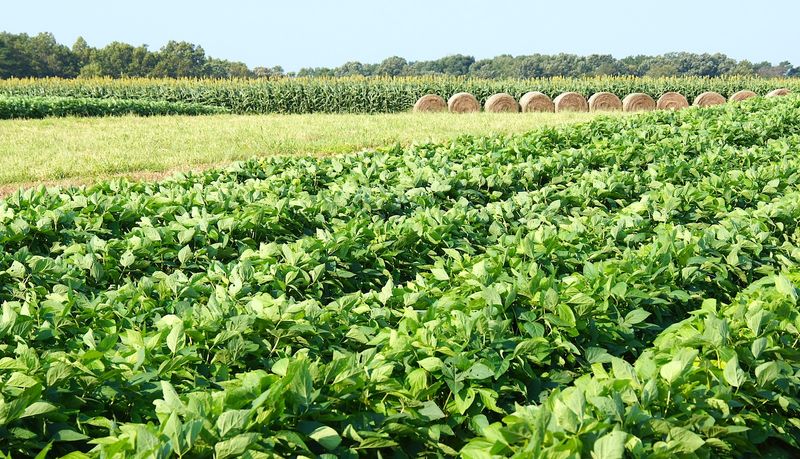
Soybeans are a key agricultural product in South Carolina, benefiting from the state’s humid climate and fertile soil. These legumes are used in a variety of products, from tofu to biodiesel.
Their ability to fix nitrogen makes them valuable for crop rotation, enhancing soil health. Soybeans play a pivotal role in sustainable farming practices.
Soybeans have become increasingly important as a protein source, reflecting a shift towards plant-based diets.
Cantaloupe
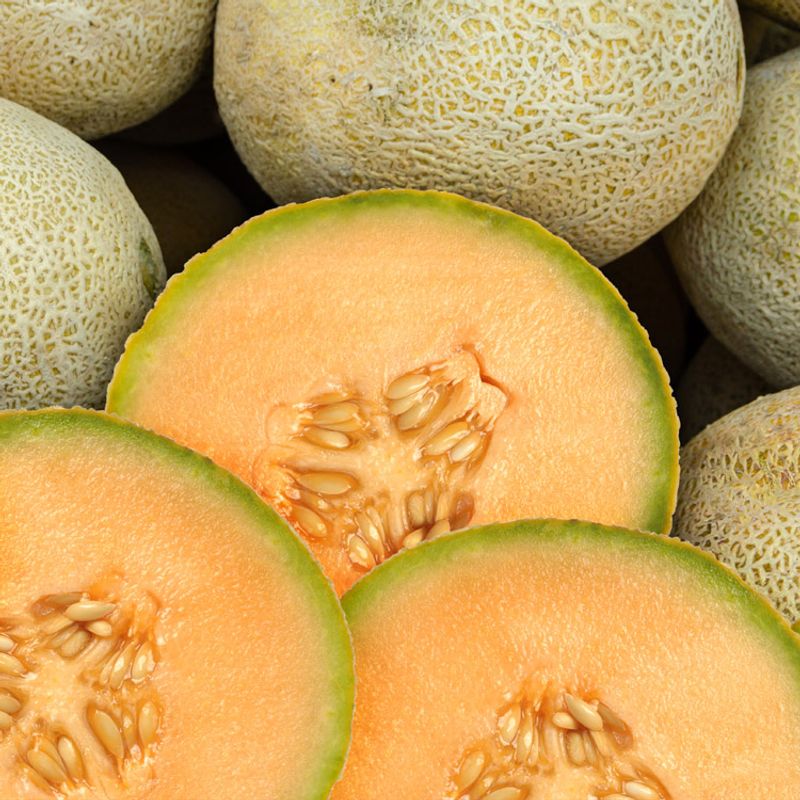
Cantaloupes thrive in the sandy soils of South Carolina, warmed by the summer sun. Their sweet, juicy flesh is a refreshing treat during the hot months.
These melons are often enjoyed fresh, in smoothies, or as part of a fruit salad, providing a burst of hydration and flavor. The fragrant aroma of ripe cantaloupe is unmistakable.
A fun fact: Cantaloupes are related to cucumbers and pumpkins, all belonging to the gourd family.
Squash
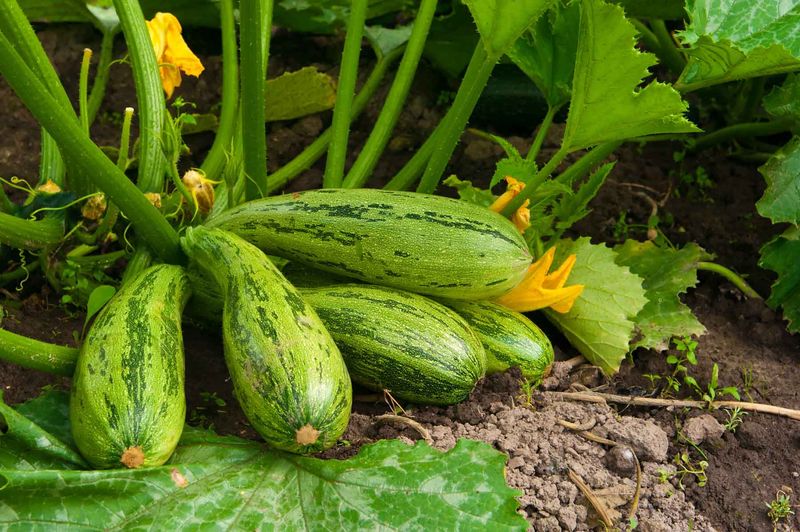
Squash, with its many varieties, is a staple in South Carolina gardens. The state’s climate allows both summer and winter squash to flourish, providing diversity in harvests.
From zucchini to butternut, squash brings texture and flavor to countless dishes. Its versatility is matched by its ease of cultivation.
Historically, squash was cultivated by Native Americans as one of the “Three Sisters,” alongside corn and beans, a testament to its longstanding importance.