
Growing vegetables in Colorado presents unique challenges due to its high altitude, intense sunshine, and varying temperatures. However, certain hardy vegetables thrive in these conditions, offering gardeners a rewarding harvest despite the state’s challenging climate. This article explores ten robust veggies perfectly suited for Colorado’s environment.
Kale
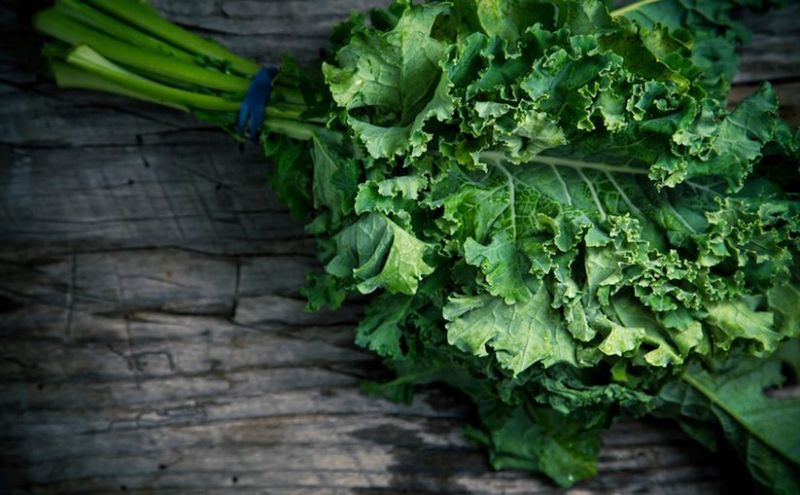
Kale, with its deep green leaves and nutrient-rich profile, is a champion among tough vegetables. It thrives in Colorado’s cool nights and sunny days, making it a favorite for local gardeners.
This leafy green is not only frost-resistant but also benefits from a touch of frost, enhancing its sweet flavor. Whether you’re planting in spring or fall, kale is a reliable crop.
Did you know? Kale was cultivated in ancient Greece, celebrated for its medicinal properties and robust growth.
Carrots
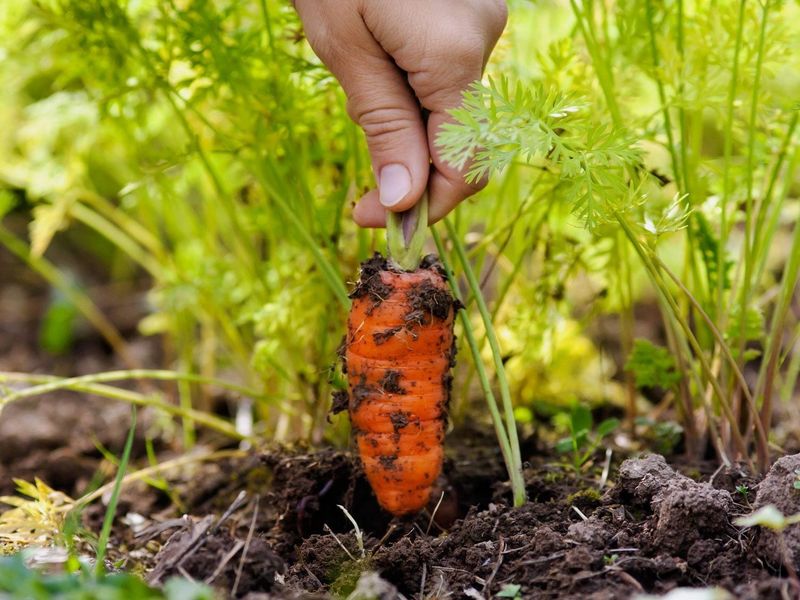
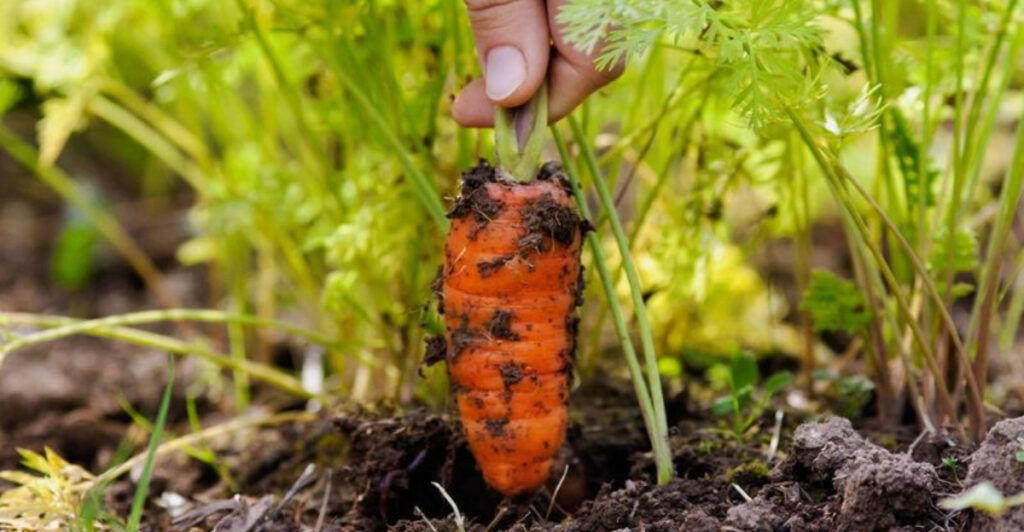
Carrots, with their vibrant orange hue, are not just visually appealing but also remarkably resilient. They flourish in Colorado’s sandy soils and can withstand cooler temperatures.
Known for their sweetness, carrots sown in Colorado tend to develop a rich flavor profile. Their adaptability makes them a staple in many local gardens.
Fun fact: Carrots were originally purple or white. The orange variety we know today was developed in the Netherlands during the 17th century.
Beets
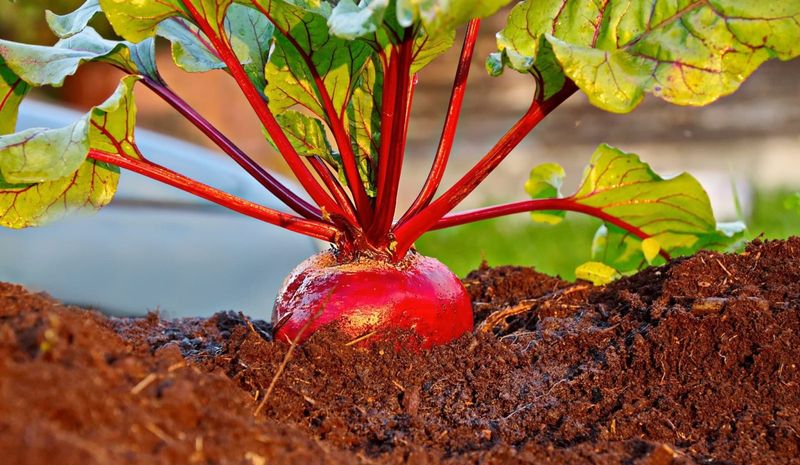
Beets, with their earthy flavor and deep red color, are another vegetable that handles Colorado’s climate with grace. They thrive in the state’s sunlit gardens and can be harvested well into the cooler months.
These root vegetables are known for their high tolerance to temperature fluctuations, making them a versatile addition to any garden.
Quirky fact: Beets were used as a source of sugar in the 19th century before sugarcane became widely available.
Chard
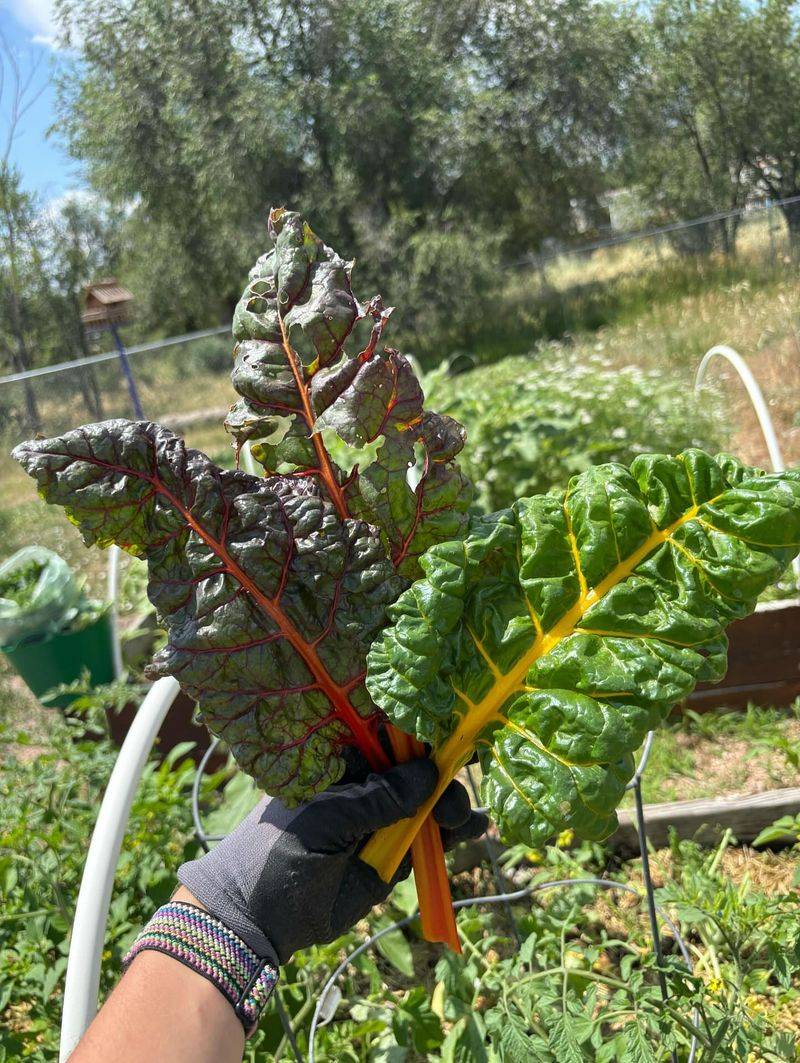
Swiss chard, with its vibrant stalks and glossy leaves, is not only a visual delight but also a hardy garden companion. It tolerates Colorado’s temperature swings and continues to produce throughout the season.
Whether you’re growing it for its leaves or its crunchy stalks, chard is versatile and resilient. Its ability to regrow after cutting makes it a sustainable choice for gardeners.
Did you know? Swiss chard isn’t Swiss at all—it originated in the Mediterranean region.
Turnips
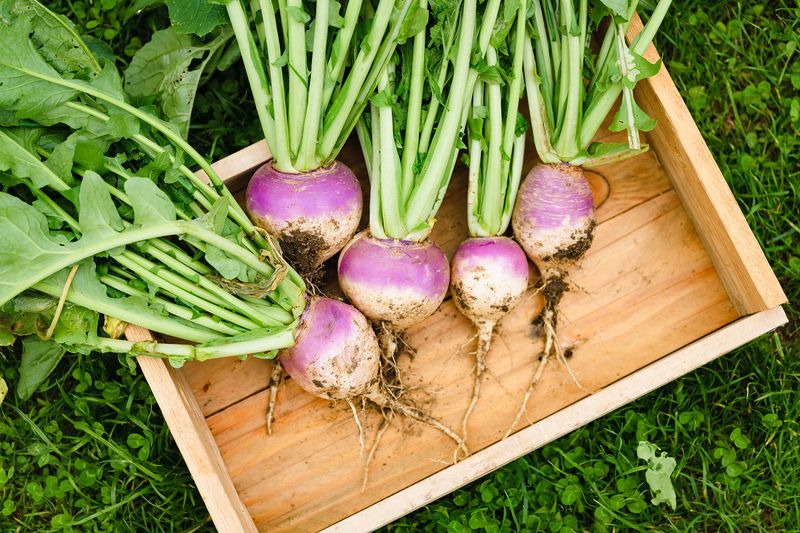
Turnips offer a delightful combination of peppery flavor and culinary versatility. These robust vegetables grow well in Colorado’s varied climates, from the early frost to the warm days of late spring.
Turnips can be enjoyed both as a root vegetable and for their nutritious greens, making them a dual-purpose crop. They are a staple in many hearty Colorado dishes.
Fun tidbit: Turnips were a staple food in Europe before potatoes became popular.
Spinach
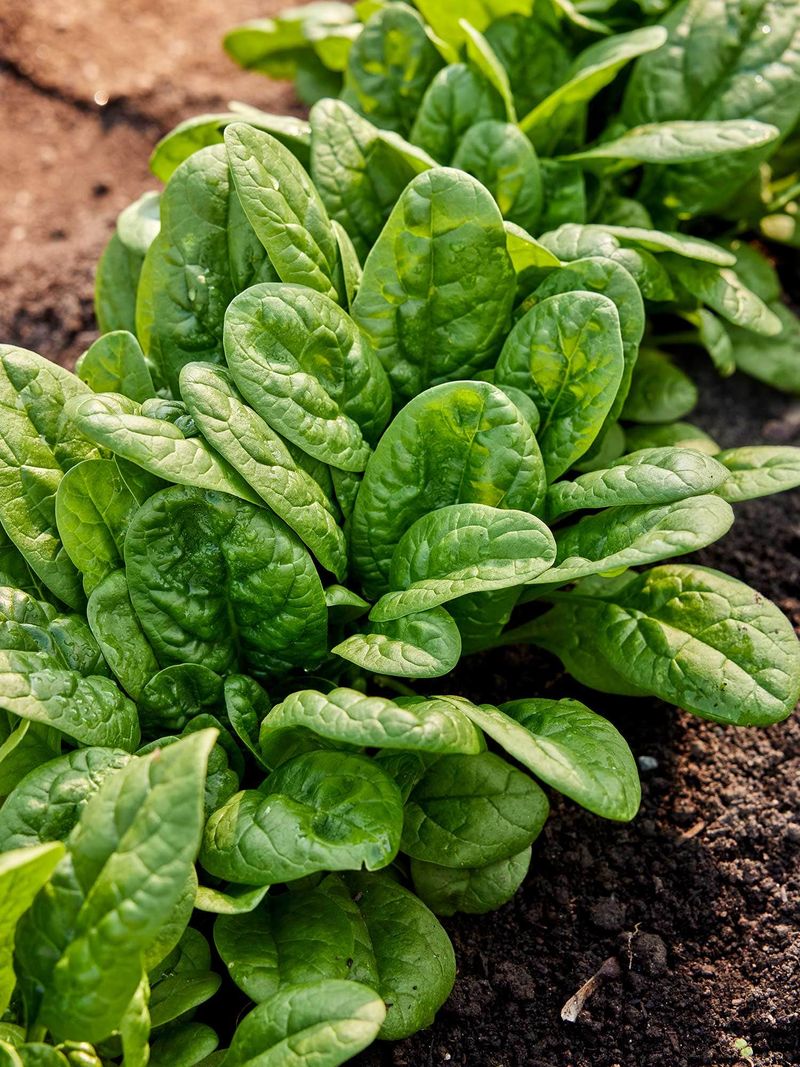
Spinach, with its tender leaves, brings both nutrition and resilience to Colorado gardens. It thrives during the cooler months and can withstand the intensity of the sun when properly watered.
This leafy green matures quickly, providing a continuous harvest throughout the growing season. Its adaptability makes it a favorite for both novice and experienced gardeners.
Little known fact: Spinach originated in ancient Persia, and it has been a culinary favorite across cultures for centuries.
Radishes
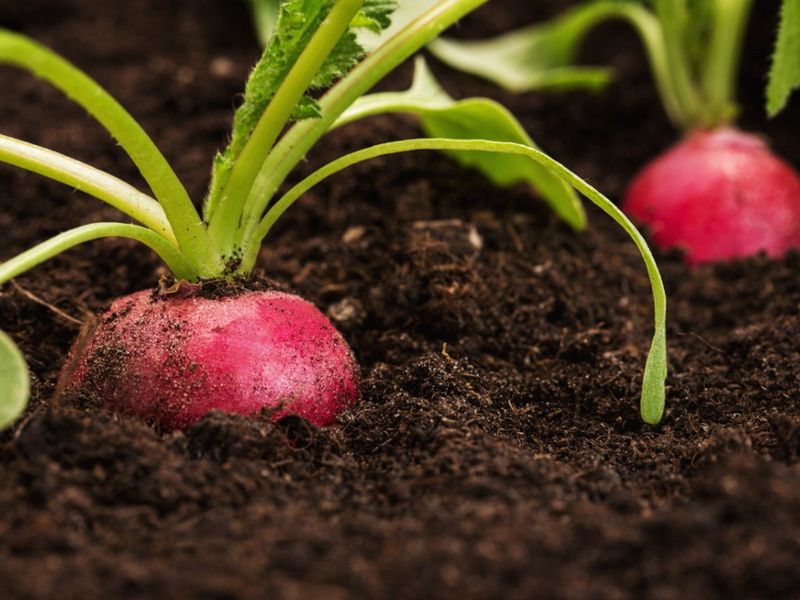
Radishes are known for their fast growth and bold flavor, making them an exciting addition to Colorado gardens. They flourish in the cooler temperatures of spring and fall, providing a quick and satisfying yield.
Their crunchy texture and peppery taste add a delightful contrast to salads and dishes. Colorado’s climate accentuates their natural spiciness.
Did you know? Radishes are one of the oldest cultivated vegetables, originally harvested in Southeast Asia.
Onions
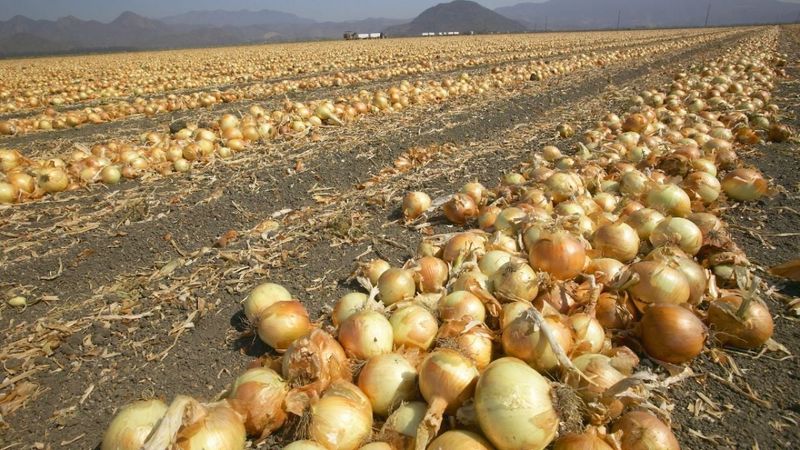
Onions, with their pungent aroma and layered flavor, are a staple in Colorado kitchens. They are remarkably adaptable, thriving in the state’s diverse weather conditions.
Whether you’re growing them for scallions or full-sized bulbs, onions provide a rewarding harvest. Their resilience and storage capability make them invaluable for home gardeners.
Curious fact: Onions were used as currency in the Middle Ages and were a symbol of eternity in ancient Egypt.
Peas
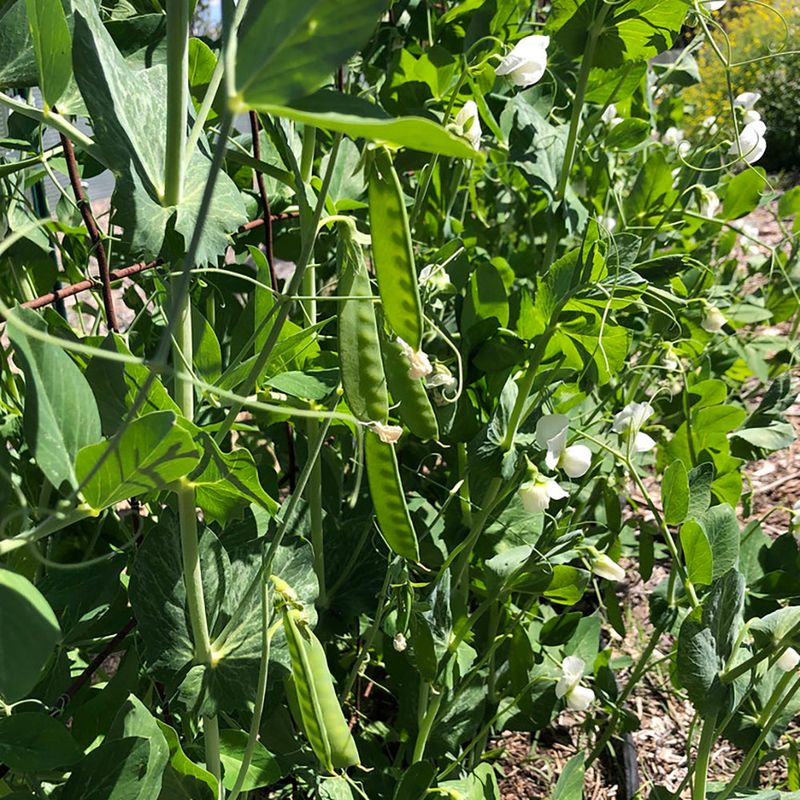
Peas, with their sweet flavor and tender pods, thrive in Colorado’s moderate temperatures. They offer a bountiful harvest in early spring and are perfect for cooler, shaded spots.
Their nitrogen-fixing capabilities improve soil fertility, making them beneficial for crop rotation. Peas are a charming addition to any Colorado garden.
Historical tidbit: Peas have been cultivated since ancient times, with remnants found in Egyptian tombs and Iron Age villages.
Potatoes
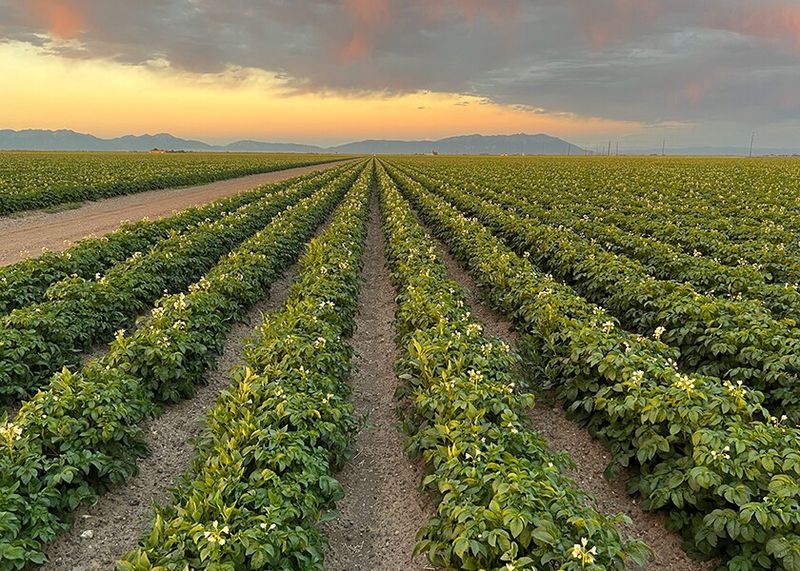
Potatoes, versatile and hardy, are a cornerstone of many Colorado gardens. They adapt well to the state’s soil types and can be stored for long periods, ensuring a stable food source.
These tubers are not only filling but also rich in nutrients. Colorado’s cool climate and sunny days contribute to their robust growth and taste.
Interesting fact: Potatoes were first cultivated in the Andes mountains of South America over 7,000 years ago.