
Alabama’s unique climate offers a perfect blend of warmth and moisture, making it a haven for various fruit trees. However, not all parts of the state enjoy full sunlight. For those shaded nooks in your garden, there are specific fruit trees that thrive without direct sunlight, producing bountiful harvests in the process. Whether you’re a seasoned gardener or a curious beginner, discovering these shade-loving fruit trees can transform your garden into a lush, fruitful paradise. Here’s a guide to 15 fruit trees that excel in the shade of Alabama.
Pawpaw Tree
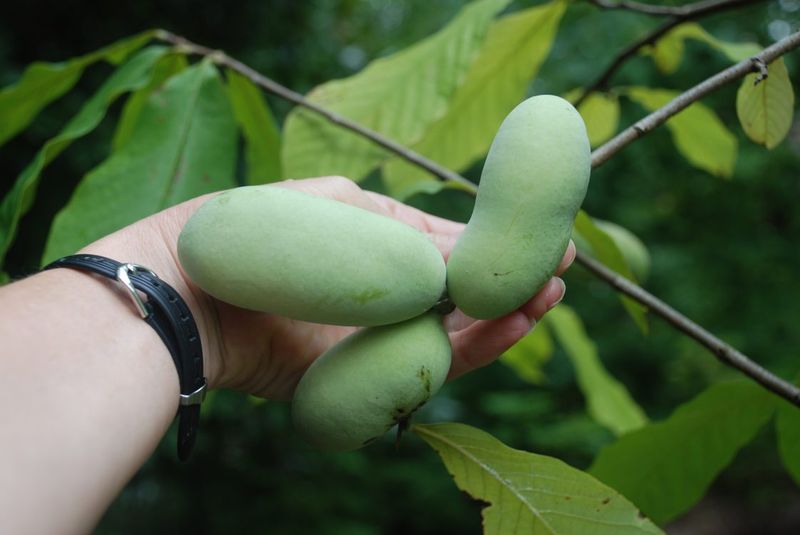
Did you know that the pawpaw tree, often dubbed the ‘Indiana banana,’ thrives spectacularly in shaded areas? With its history tracing back to Native American diets, this tree yields fruits that taste like a tropical fusion of banana and mango. Its heart-shaped leaves and lush canopy make it a charming addition to any garden.
Pawpaw trees are not only prolific producers but also attract a variety of wildlife, from butterflies to birds, adding life to shaded spots. They need little to no maintenance once established, making them perfect for busy gardeners. The fruits, rich in nutrients, can be enjoyed fresh or in desserts.
Blackberry Bush
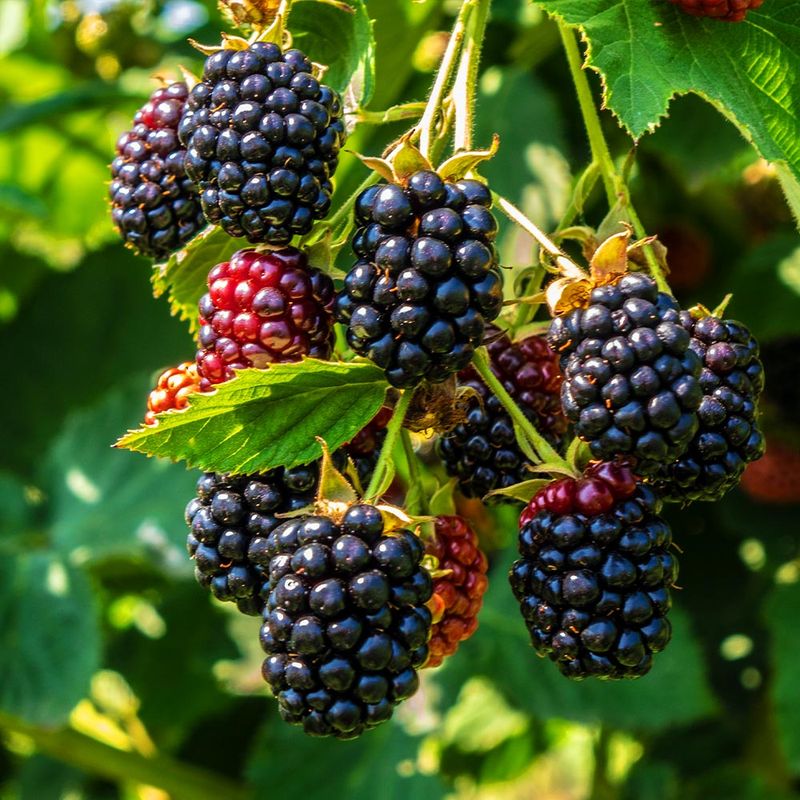
Blackberry bushes are like nature’s candy dispensers, offering juicy, sweet fruits that thrive even in shaded areas. These resilient plants have a history intertwined with southern tradition, often found in homemade jams and pies. Their thorny branches can be trained along fences, adding both beauty and function.
In the dappled sunlight of Alabama’s woodlands, blackberries flourish, producing abundant harvests every year. Their robust nature means they require little attention, making them ideal for gardeners looking for low-maintenance options. The deep purple-black berries are not just tasty; they’re packed with antioxidants.
American Persimmon
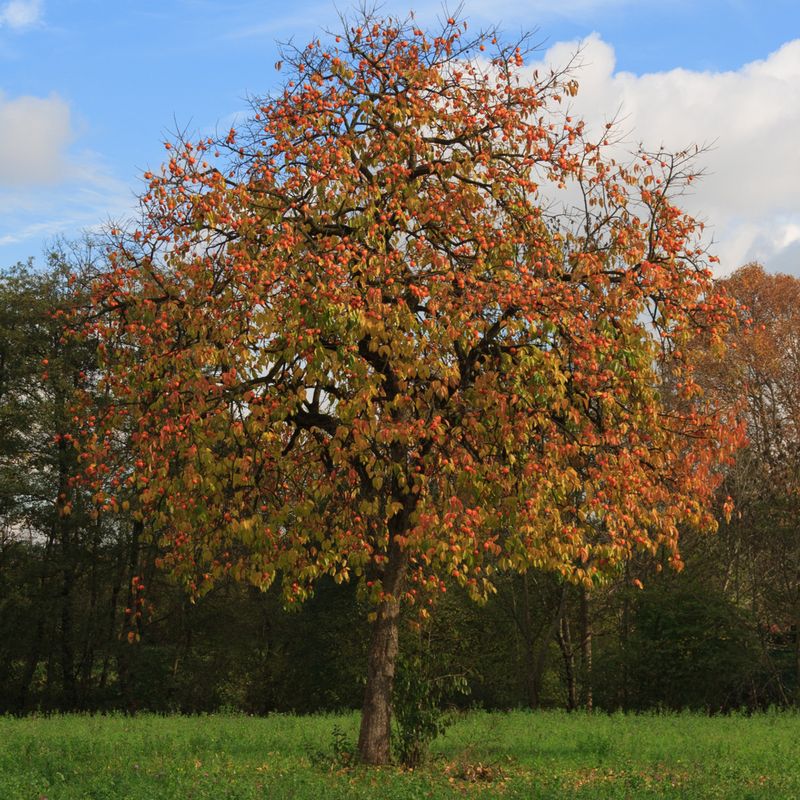
The American persimmon tree, with its long-standing presence in southern landscapes, offers a sweet treat come autumn. Known for its vibrant orange fruits, this tree is a testament to nature’s adaptability, prospering in both sun and shade. Its wood was historically used for crafting, highlighting its dual-purpose nature.
In Alabama’s shaded groves, the persimmon trees flourish, bearing fruits that are a favorite for wildlife and people alike. These trees not only enhance garden aesthetics but also provide a seasonal spectacle of changing leaves and fruit colors. Persimmons can be eaten fresh or used in traditional recipes.
Elderberry Bush
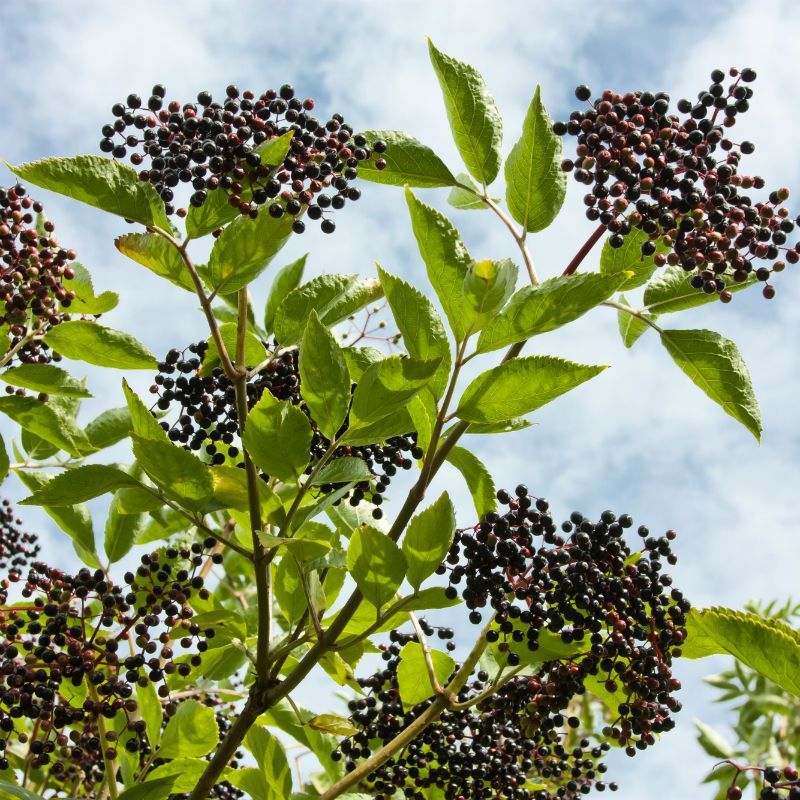
Elderberries are the garden’s quiet achievers, offering medicinal berries that thrive in partial shade. Storied for their health benefits, these bushes have a rich history in herbal medicine, often crafted into syrups and teas. Their clusters of tiny white flowers transition into deep purple berries, offering seasonal beauty.
In Alabama’s varied climate, elderberry bushes are vigorous producers, filling shaded corners with their lush foliage and bountiful berries. They’re easy to grow, making them a favorite among gardeners seeking a blend of beauty and utility. The berries are a powerhouse of nutrients, ideal for boosting immune health.
Serviceberry Tree
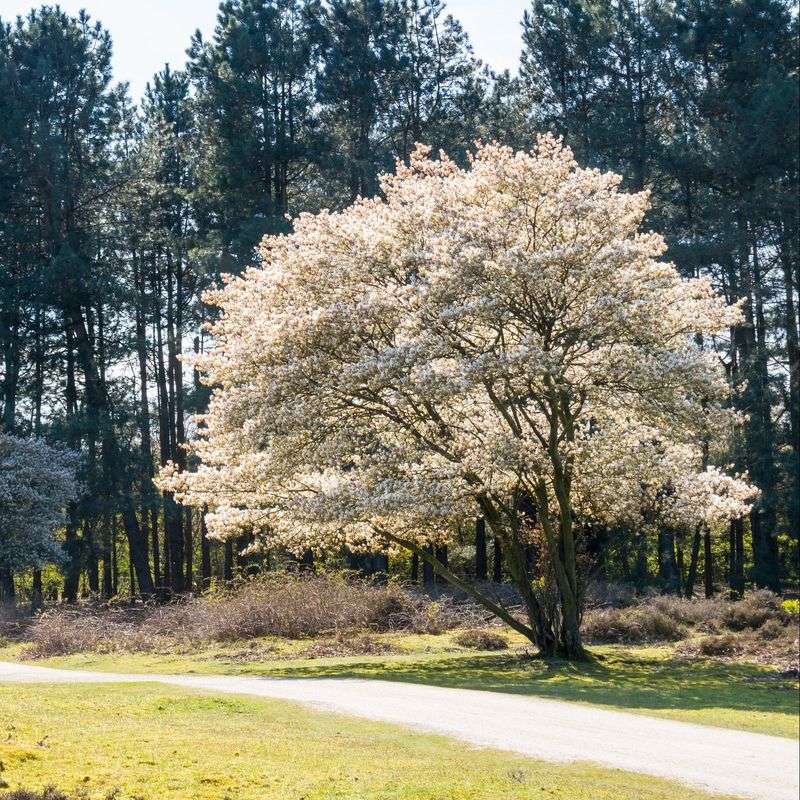
Serviceberry trees are like the unsung heroes of the fruit tree world, thriving beautifully under the canopy of larger trees. Known for their delicate white blossoms and sweet, edible berries, they have a rich history among Native American tribes as a food source. These trees bring a touch of elegance to any shaded garden.
In Alabama, the serviceberry’s ability to adapt to various light conditions makes it a versatile choice. As the seasons change, its leaves turn vibrant colors, adding to its decorative appeal. The berries, reminiscent of blueberries, are a delightful treat fresh or in baked goods.
Mulberry Tree
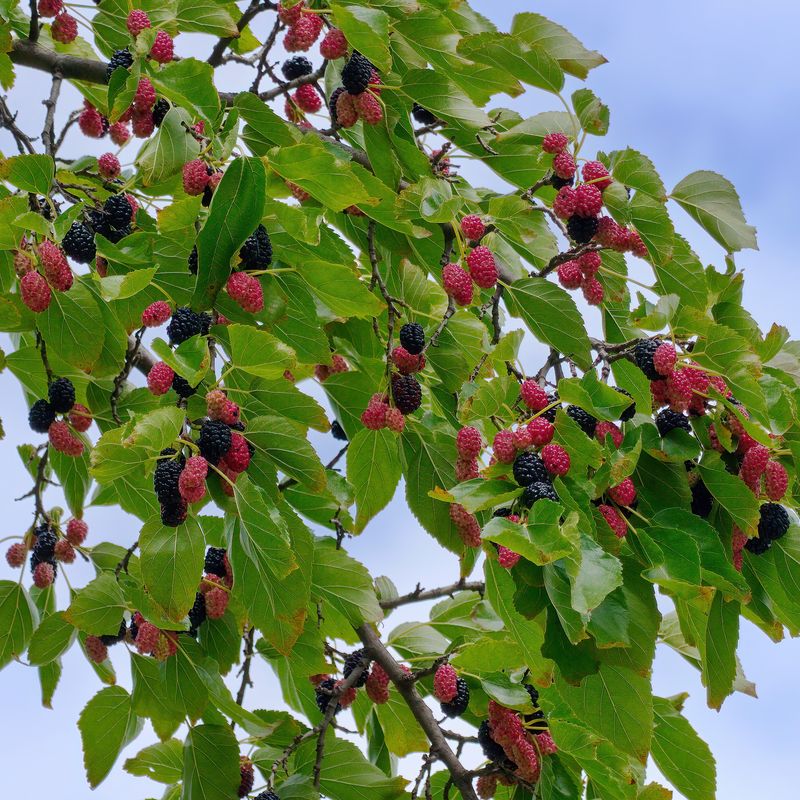
The mulberry tree, with its lush foliage and sweet berries, is a garden delight that prospers in the shade. Historically, mulberries were cultivated for their leaves, which served as the primary food for silkworms. Today, they are cherished for their delicious fruits and ornamental value.
In Alabama, mulberry trees are a boon for shaded areas, offering ample fruit for both humans and birds to enjoy. Their long limbs can provide a natural canopy, creating a serene garden retreat. Mulberries are perfect for fresh eating, often compared to blackberries for their rich, sweet flavor.
Gooseberry Bush
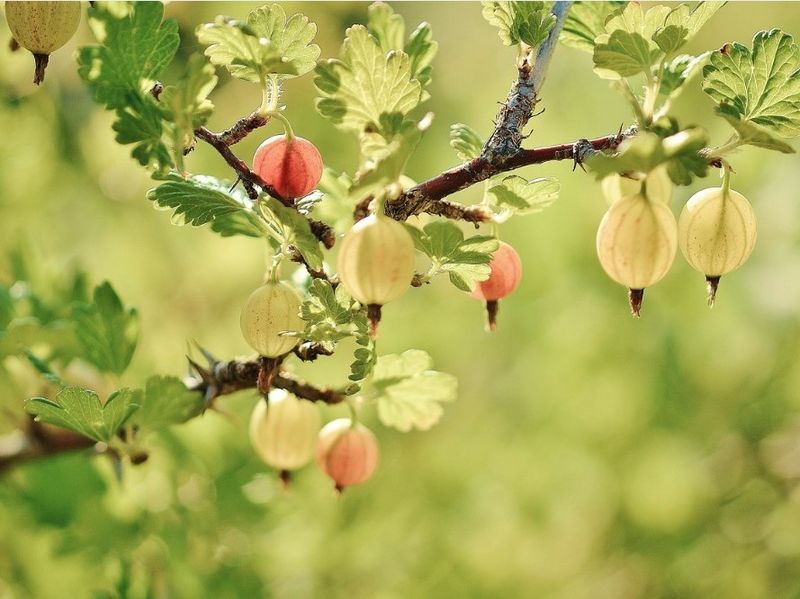
Gooseberries are the garden’s hidden gems, thriving in partial shade and offering tart, versatile fruits. These berries have a storied past in European cuisines, where they often feature in jams and desserts. The bush itself, with its thorny branches, makes a natural barrier in gardens.
In Alabama, gooseberries adapt well to the mild climate, producing fruits even in less sunny spots. Their unique taste, a blend of tart and sweet, makes them a favorite for culinary enthusiasts. The berries can be enjoyed raw or cooked, adding a tangy zest to dishes.
Fig Tree
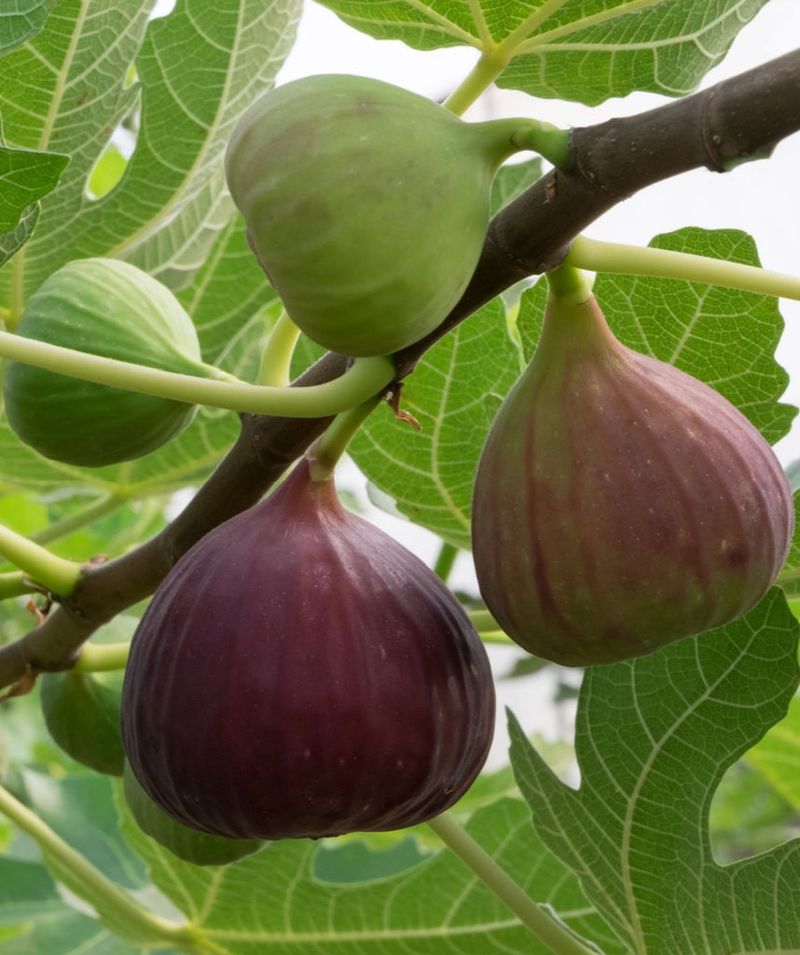
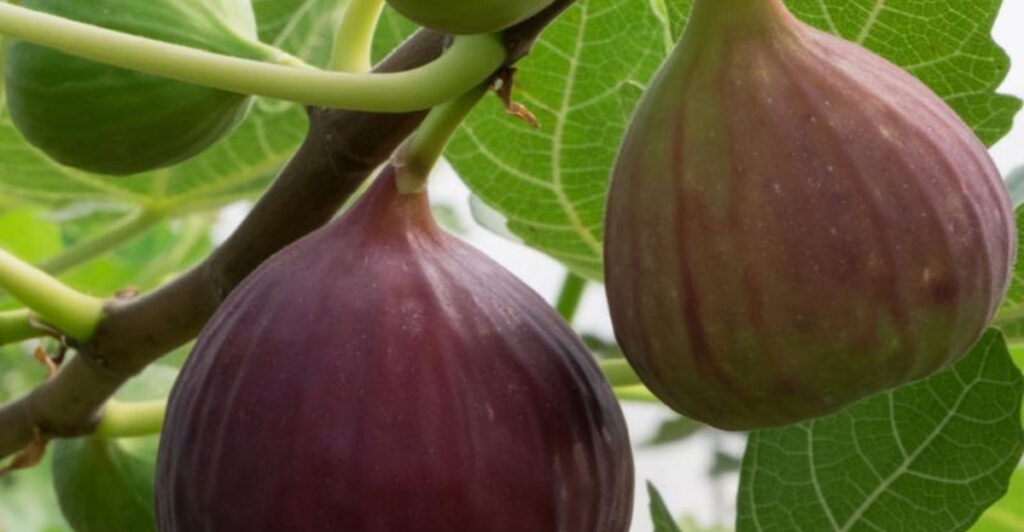
Fig trees, ancient companions of human civilization, flourish in the shaded corners of Alabama gardens. Their broad leaves cast a wide shadow, creating a cool oasis beneath. The fruits, known for their sweet, jammy flavor, have been harvested since antiquity, featuring in various culinary traditions worldwide.
In the warm and humid climate of Alabama, fig trees are resilient performers, producing a bounty of fruits even with limited sunlight. The tree’s architectural beauty, coupled with its fruit’s culinary versatility, makes it a prized addition to any garden. Figs can be savored fresh, dried, or cooked into dishes.
Hops Plant
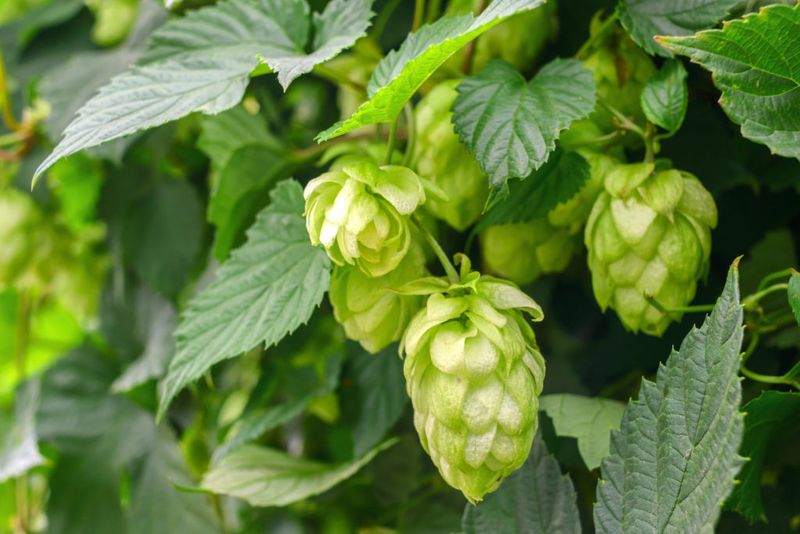
The hops plant, best known for its role in brewing, is a unique garden addition that thrives in shaded environments. Its history is deeply entwined with the craft of beer-making, but its ornamental value is often overlooked. The plant’s vigorous climbing nature and cone-like flowers add a vertical dimension to gardens.
In Alabama, hops find a niche in shaded areas, where their rapid growth and lush foliage create a verdant tapestry. Gardeners appreciate their dual purpose: ornamental beauty and home-brewing potential. The cones can be harvested and used for brewing or creating herbal infusions.
Aronia Berry Bush
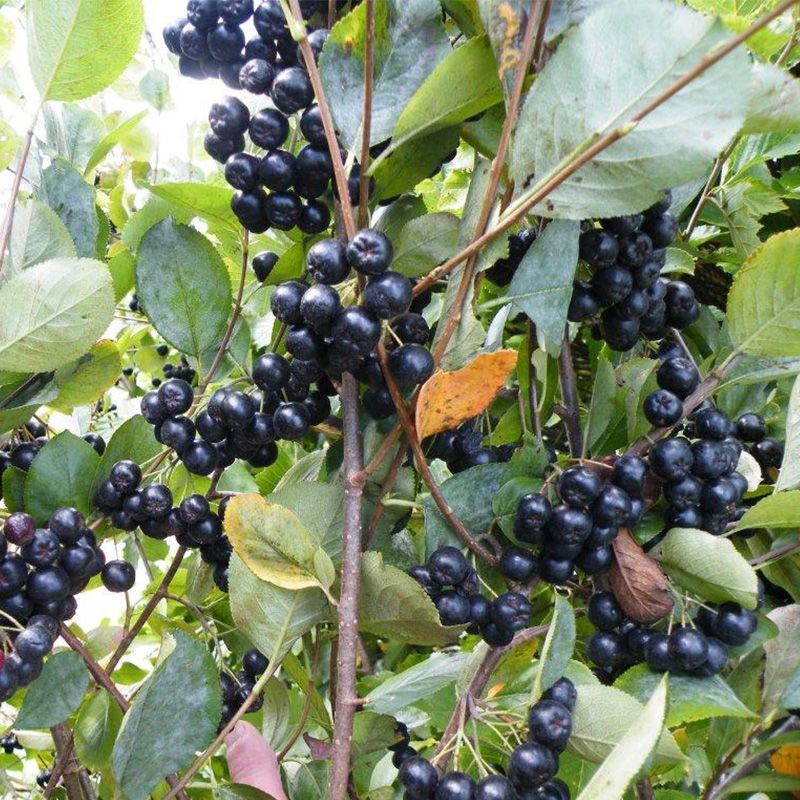
Aronia berry bushes, often called chokeberries, thrive in the shaded parts of Alabama gardens, known for their health-boosting berries. These berries are rich in antioxidants, historically used by Native Americans for their nutritional benefits. The bush itself is hardy and adaptable, making it a reliable choice for shaded spots.
In Alabama’s diverse climate, aronia bushes are prolific producers, filling gardens with their attractive blooms and dark berries. They’re easy to care for, appealing to gardeners seeking low-maintenance fruit options. The berries, though tart, can be transformed into juices, jams, and even wine.
Currant Bush
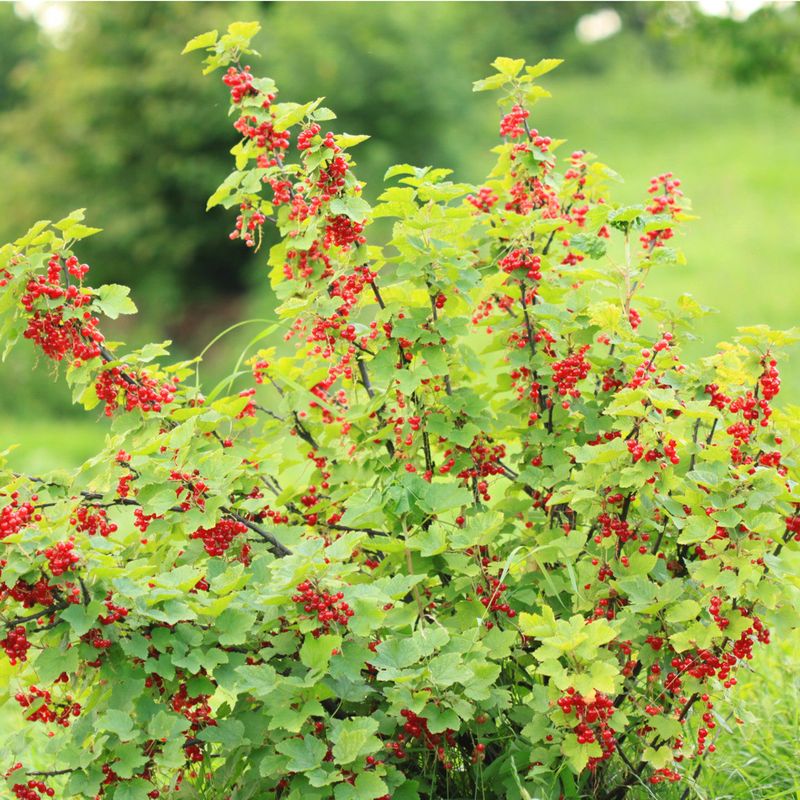
Currant bushes, with their rich red berries, bring a splash of color to shaded gardens in Alabama. These berries, once a staple in European gardens, are cherished for their tart flavor and versatility in cooking. The bush’s compact shape and lush foliage make it a decorative and functional garden plant.
In Alabama, currant bushes adapt well to partial shade, producing consistent harvests each season. Their berries are perfect for making jams, jellies, and syrups, offering a taste of tradition in every bite. Easy to grow, they add both beauty and bounty to shaded garden spaces.
Kiwi Vine
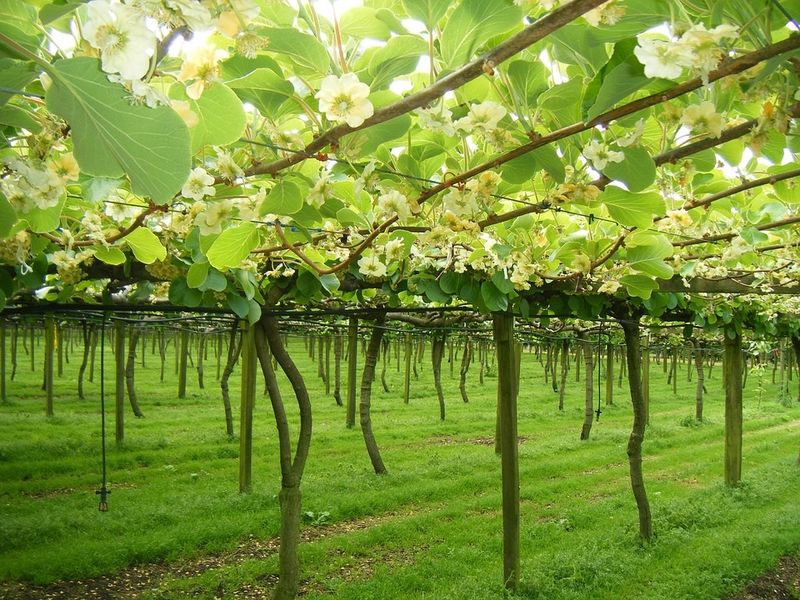
Kiwi vines bring an exotic touch to Alabama’s shaded gardens, with their lush growth and intriguing fruits. Originally from the mountains of China, these vines have a storied history of cultivation and spread across the globe. Their vigorous climbing nature is perfect for creating green walls or shaded pergolas.
In Alabama, kiwi vines thrive with minimal sunlight, producing fruits that are both nutritious and delicious. The fuzzy brown kiwis, packed with vitamin C, are a unique addition to any fruit collection. They can be enjoyed fresh, in salads, or as a garnish, adding a tropical flair to dishes.
Blueberry Bush
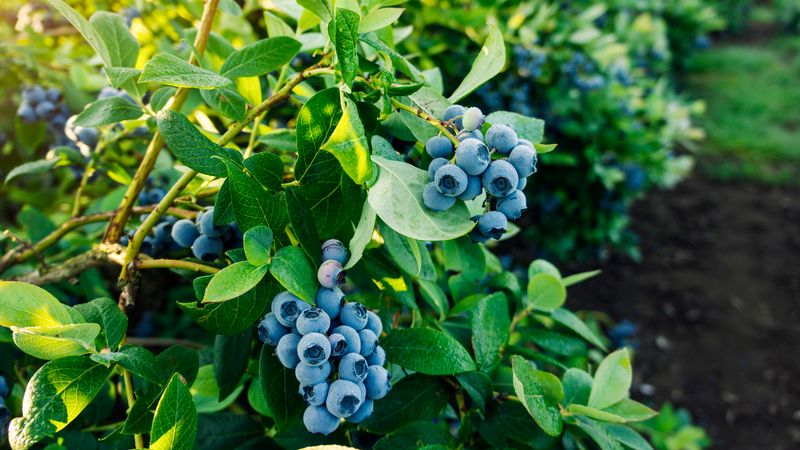
Blueberries, the little powerhouses of nutrition, thrive admirably in shaded Alabama gardens. With a heritage deeply rooted in North American soil, these berries have become a beloved staple in diets worldwide. The bushes themselves are compact and attractive, perfect for any garden space.
In the partial shade of Alabama, blueberry bushes flourish, offering abundant harvests year after year. Their berries are a favorite among gardeners for their sweet flavor and versatility in culinary applications. Whether eaten fresh, baked into pies, or blended into smoothies, blueberries are a must-have garden fruit.
Raspberry Canes
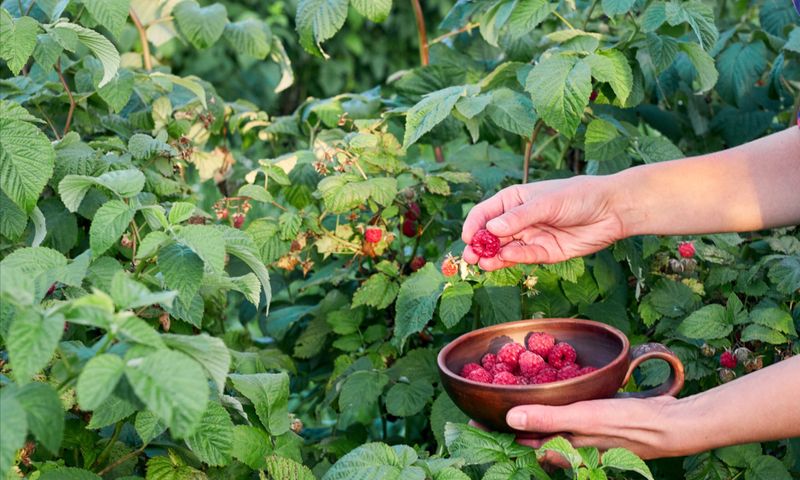
Raspberry canes, with their sweet fruits, are a delightful addition to Alabama’s shaded gardens. Historically, raspberries have adorned the tables of royalty, loved for their vibrant color and unique taste. The canes provide both fruit and beauty, with their arching branches and delicate foliage.
In Alabama, raspberry canes adapt well to partial shade, producing abundant fruit even without full sun exposure. Their berries are a summer favorite, perfect for snacking, baking, or preserving. Easy to manage, they offer a reliable source of delicious fruit for gardeners of all skill levels.
Quince Tree
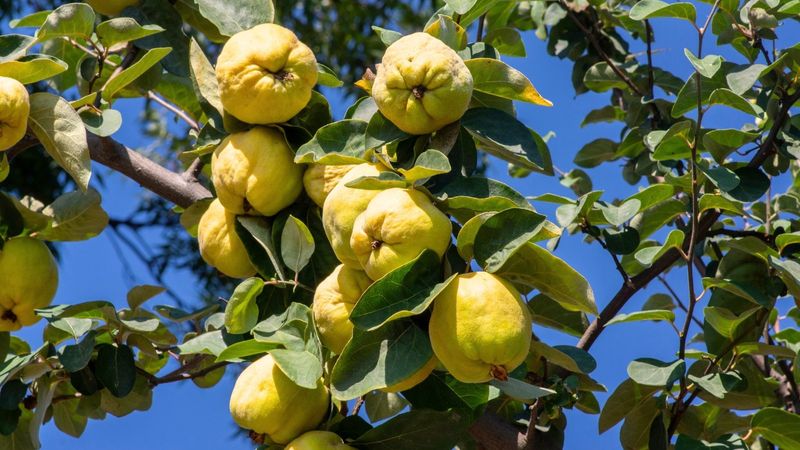
Quince trees, with their golden fruits and rich fragrance, add an old-world charm to Alabama’s shaded gardens. Steeped in history and mythology, quince fruits were once symbols of love and happiness, often given as gifts in ancient cultures. The tree itself is hardy, with a gnarled beauty that stands the test of time.
In the shade of Alabama’s woodlands, quince trees prosper, offering fruits that are both aromatic and versatile. While not typically consumed raw, quinces can be transformed into delectable jams, jellies, and desserts. This tree is an excellent choice for gardeners seeking something unique and historically rich.