
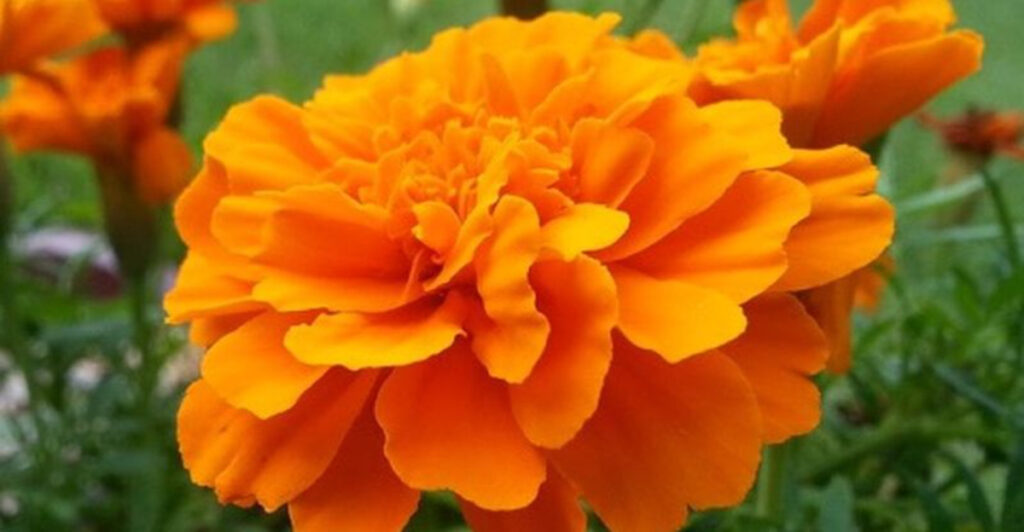
New Jersey homeowners know the struggle all too well – you spend hours creating the perfect garden, only to wake up and find deer have turned your beautiful plants into their personal buffet. These graceful creatures might look lovely from a distance, but they can quickly destroy months of hard work in a single night. Fortunately, nature has provided us with many plants that deer simply don’t find tasty, allowing you to create a stunning landscape that stays beautiful all season long.
1. Lavender
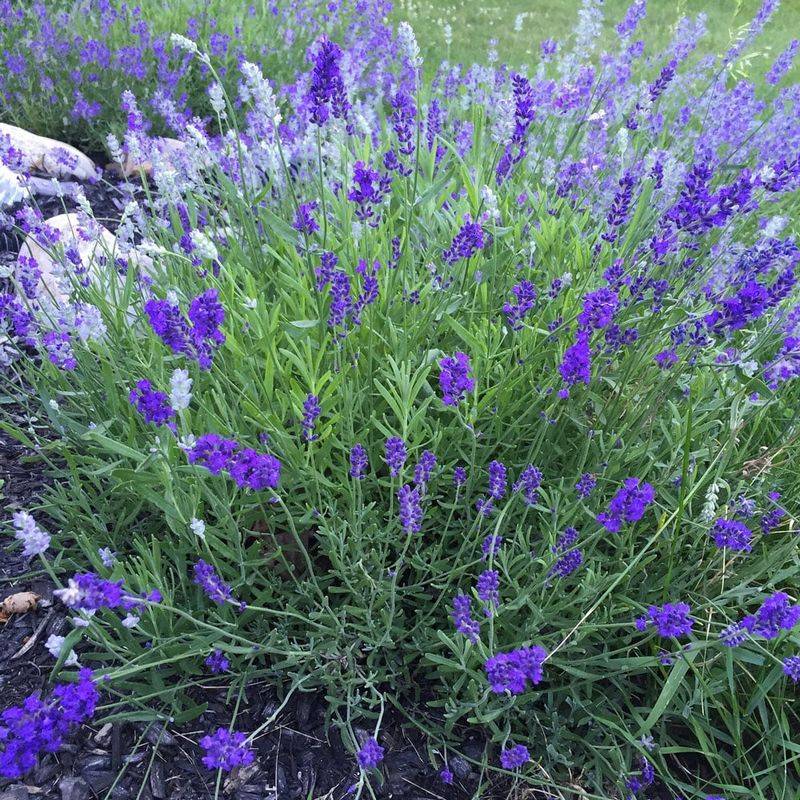
Picture walking through your garden on a warm summer evening, breathing in the most relaxing scent imaginable. Lavender brings this dreamy experience right to your New Jersey yard while keeping hungry deer far away. The strong, aromatic oils that make us humans feel calm and peaceful actually work as a natural deer repellent.
Growing lavender successfully in New Jersey requires choosing the right variety for our climate. English lavender works best in our region because it can handle cold winters better than other types. Plant it in well-drained soil and a sunny spot, and you’ll have beautiful purple flower spikes from June through August.
Beyond its deer-resistant qualities, lavender serves many purposes around your home. You can cut the flowers to make sachets for your drawers, use them in cooking, or dry them for homemade potpourri. Bees and butterflies absolutely love lavender flowers, so you’ll be supporting local pollinators too.
Maintenance couldn’t be easier with this Mediterranean herb. Once established, lavender needs very little water and actually prefers poor soil conditions. Just trim it back after flowering to keep the plant compact and encourage more blooms. Many gardeners make the mistake of overwatering lavender, which can cause root rot, so less is definitely more with this plant.
2. Marigolds
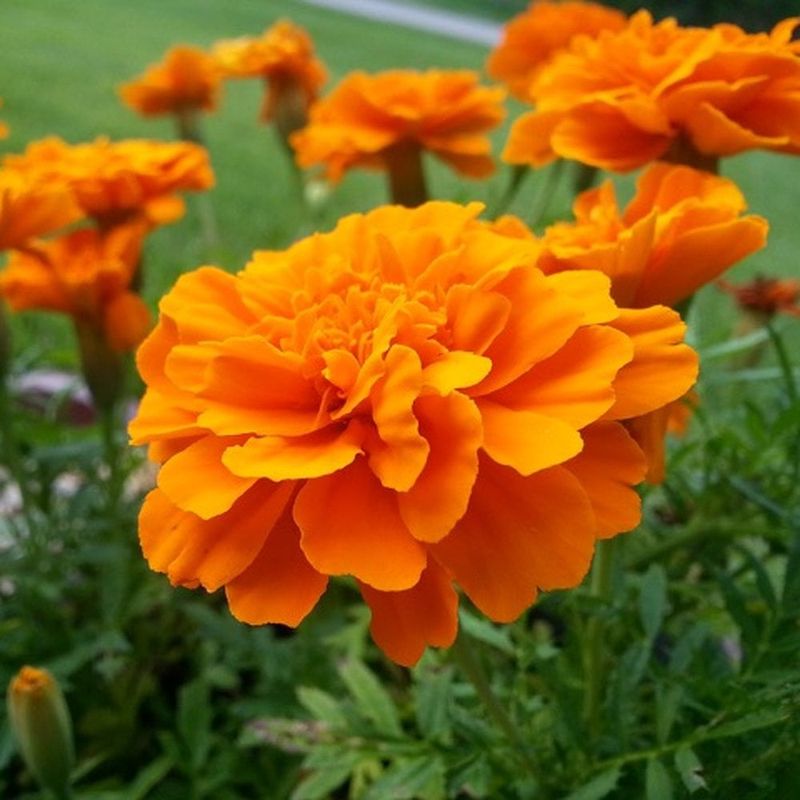
Bright orange and yellow marigolds pack a powerful punch against deer while adding cheerful color to any garden bed. Their pungent smell, which some people describe as spicy or musky, acts like an invisible fence that deer prefer not to cross. French marigolds and African marigolds both work equally well for deer deterrence in New Jersey gardens.
Starting marigolds from seed is incredibly easy and budget-friendly, making them perfect for beginning gardeners. Plant seeds directly in the ground after the last frost date, usually around mid-May in most parts of New Jersey. They germinate quickly and will be blooming within six to eight weeks of planting.
These annual flowers bloom continuously from late spring until the first hard frost, giving you months of color and deer protection. Deadheading spent flowers encourages even more blooms and keeps plants looking tidy. Marigolds also make excellent companion plants for vegetable gardens because they can help repel certain insect pests.
Surprisingly tough despite their delicate appearance, marigolds tolerate heat, humidity, and occasional drought once established. They thrive in full sun but can handle partial shade, though they won’t bloom as heavily. Many gardeners plant marigolds around the edges of more vulnerable plants, creating a protective barrier that deer avoid while adding beautiful borders to garden beds.
3. Russian Sage
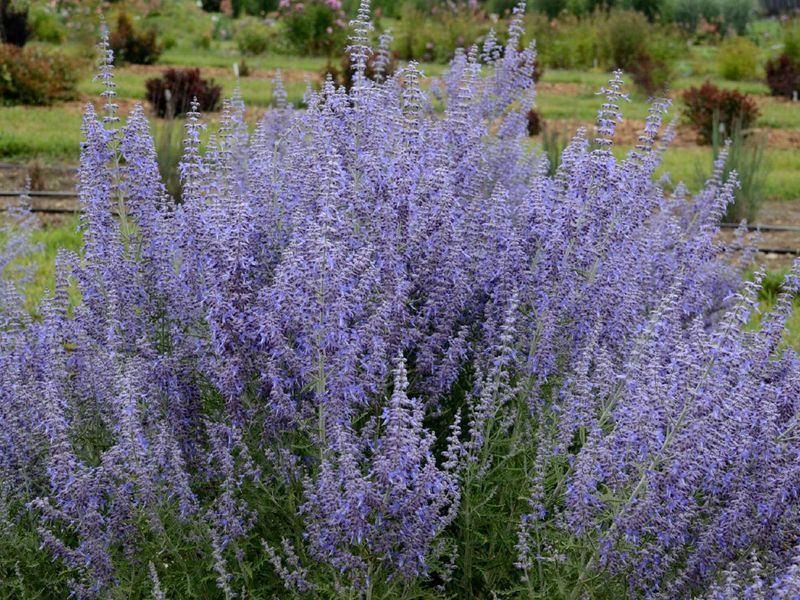
Silvery-gray foliage topped with clouds of tiny purple flowers makes Russian sage look like something from a fairy tale garden. Deer find the aromatic leaves completely unappetizing, but gardeners love this plant’s ability to add height, texture, and long-lasting color to landscape designs. Despite its name, Russian sage actually belongs to the mint family, which explains its strong scent.
New Jersey’s climate suits Russian sage perfectly, as this perennial thrives in our hot summers and survives cold winters without any special protection. Plant it in full sun and well-drained soil, and it will reward you with years of beautiful blooms. The plant can reach three to five feet tall and wide, so give it plenty of space to spread.
Blooming begins in mid-summer and continues well into fall, providing nectar for bees and butterflies when many other flowers have finished for the season. The purple flower spikes create a lovely contrast against the silvery foliage, and both the flowers and leaves look beautiful in cut flower arrangements.
Maintenance requirements are minimal once Russian sage establishes itself in your garden. Cut the entire plant back to about six inches in late winter or early spring before new growth begins. This hard pruning keeps the plant compact and prevents it from becoming too woody. Avoid overwatering, as Russian sage prefers slightly dry conditions and can develop root problems in soggy soil.
4. Boxwood
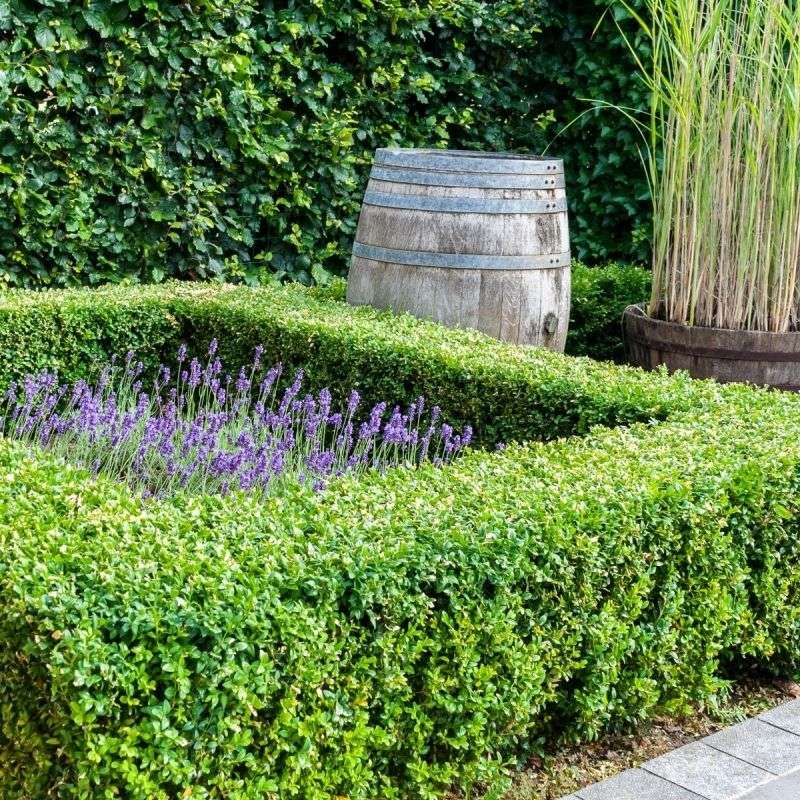
Nothing says classic elegance like neatly trimmed boxwood shrubs lining a walkway or defining garden borders. Deer consistently avoid these evergreen shrubs because of their bitter-tasting leaves and dense, tough foliage. Boxwood has been a favorite of landscape designers for centuries, and its deer-resistant qualities make it even more valuable for New Jersey homeowners.
Several boxwood varieties perform well in New Jersey’s climate, but Korean boxwood and American boxwood show the best cold tolerance. These slow-growing shrubs eventually reach three to six feet tall, depending on the variety you choose. Plant them in partial shade to full sun, though they appreciate some afternoon shade during hot summers.
Boxwood’s greatest strength lies in its versatility for different landscape uses. Create formal hedges by planting them in rows and trimming regularly, or use individual plants as foundation plantings around your home. They also work beautifully in container gardens, where you can move them around to create different looks throughout the seasons.
Proper care ensures your boxwood will thrive for decades in your landscape. Water regularly during the first year while plants establish their root systems, then they become quite drought tolerant. Trim lightly and frequently rather than cutting back heavily all at once. Winter protection with burlap screens helps prevent damage from cold winds and heavy snow loads that can break branches.
5. Salvia
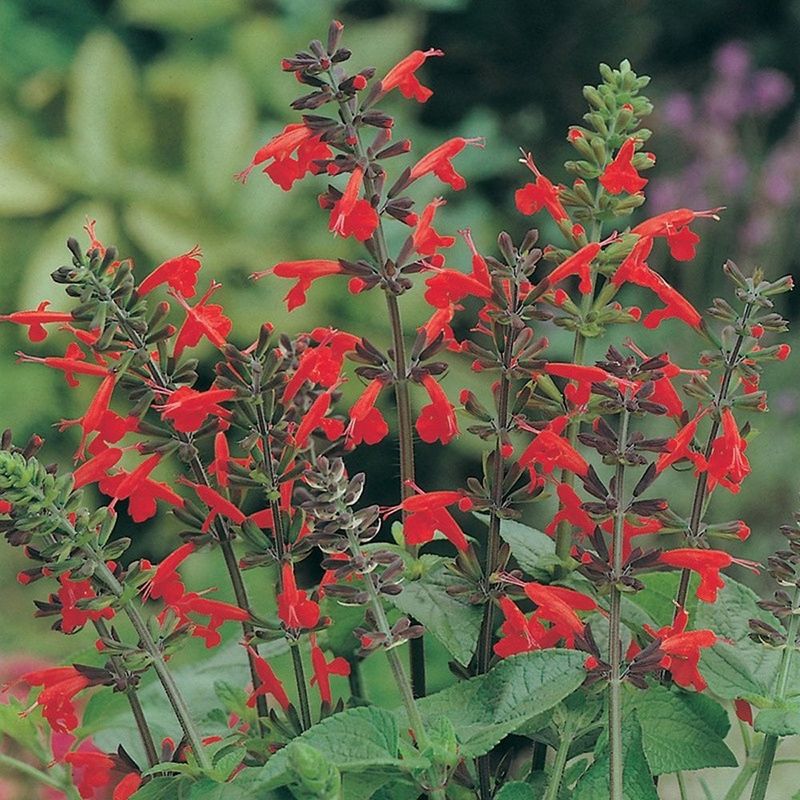
Spikes of vibrant flowers in shades of red, purple, pink, and white make salvia a showstopper in any garden bed. Deer steer clear of these plants because of their strong, somewhat medicinal scent and fuzzy leaf texture. Annual salvias provide non-stop color from spring until frost, while perennial varieties come back year after year in New Jersey gardens.
Choosing the right salvia variety depends on your specific garden goals and climate zone within New Jersey. Annual salvias like scarlet sage create bold splashes of color and work perfectly for filling in gaps between perennials. Perennial salvias such as May Night sage offer more subtle beauty and attract beneficial insects throughout the growing season.
Planting salvia couldn’t be simpler, as these adaptable plants tolerate various soil conditions and light levels. Full sun produces the most flowers, but partial shade works fine too. Space plants according to their mature size, as good air circulation helps prevent fungal problems during humid New Jersey summers.
Hummingbirds and butterflies flock to salvia flowers, making your garden a wildlife watching paradise while deer stay away. Regular deadheading keeps annual varieties blooming continuously, while perennial salvias often produce a second flush of flowers if cut back after the first bloom period. Most salvias are quite drought tolerant once established, making them excellent choices for low-maintenance landscapes.
6. Lamb’s Ear
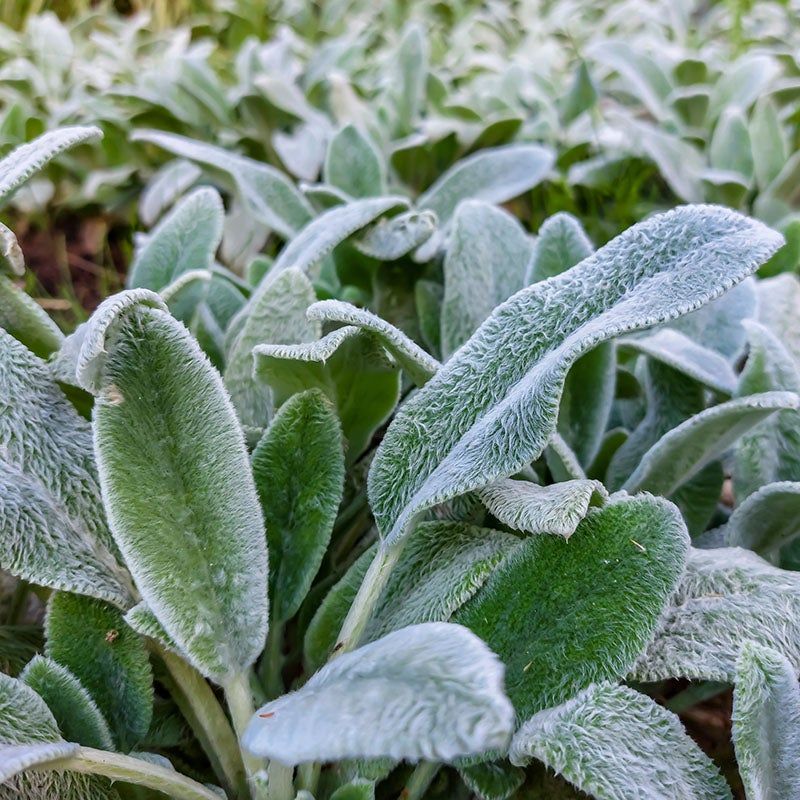
Soft, silvery leaves that feel exactly like a lamb’s fuzzy ear give this perennial its charming name. Children love touching the velvety foliage, but deer find the woolly texture completely unappealing and avoid it entirely. Lamb’s ear works wonderfully as a ground cover or border plant, creating beautiful contrast against darker green plants in your landscape design.
Growing lamb’s ear successfully in New Jersey requires understanding its preferences for well-drained soil and full to partial sun. Heavy clay soil or areas that stay wet after rain can cause root rot, so consider adding compost or planting in raised beds if drainage is poor. Once established, these plants spread slowly to form attractive colonies.
The silvery foliage looks stunning throughout the growing season, but lamb’s ear also produces tall spikes of small purple flowers in early summer. Some gardeners prefer to cut off the flower stalks to keep focus on the beautiful leaves, while others enjoy the vertical element flowers add to the garden design.
Maintenance involves removing any damaged or brown leaves in spring and dividing clumps every three to four years to keep plants healthy and vigorous. Lamb’s ear handles drought conditions well once established, making it perfect for areas where you want beautiful plants without constant watering. The silvery leaves also look gorgeous in fresh or dried flower arrangements, giving you cut material for indoor decorating.
7. Rosemary
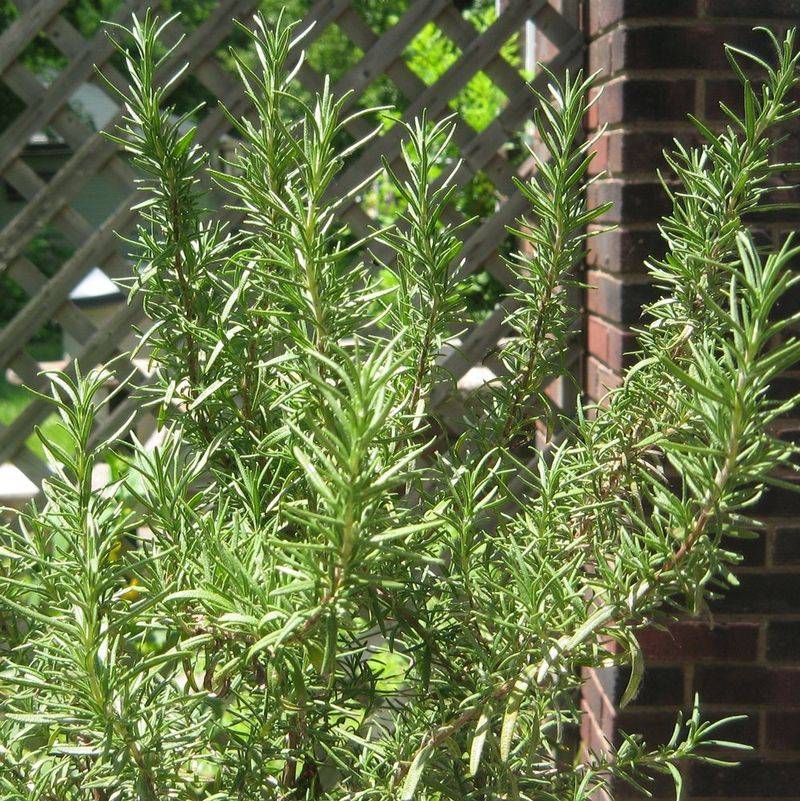
Imagine stepping outside your kitchen door and snipping fresh rosemary for tonight’s dinner while knowing deer will never touch your herb garden. This Mediterranean herb combines culinary usefulness with strong deer-repelling properties, thanks to its intensely aromatic, needle-like leaves. Rosemary’s woody stems and evergreen foliage also provide year-round structure in New Jersey gardens.
Cold hardiness varies significantly among rosemary varieties, so choosing the right type is crucial for New Jersey success. Arp rosemary and Hill Hardy rosemary can survive winters in most parts of the state with some protection, while other varieties work better as container plants that you bring indoors during cold months.
Fresh rosemary elevates countless recipes, from roasted potatoes and grilled meats to homemade bread and herb butter. Having your own plant means you’ll always have this expensive herb available whenever you need it. The needle-like leaves hold their flavor well when dried, so you can preserve your harvest for winter cooking.
Planting rosemary in well-drained soil and full sun gives the best results, as soggy conditions quickly kill these Mediterranean natives. Container growing works excellently and allows you to move plants to protected locations during harsh weather. Trim lightly and regularly rather than cutting back severely, as rosemary doesn’t recover well from hard pruning. The small blue, pink, or white flowers that appear in spring attract beneficial insects while adding delicate beauty to the sturdy plant.
8. Catmint
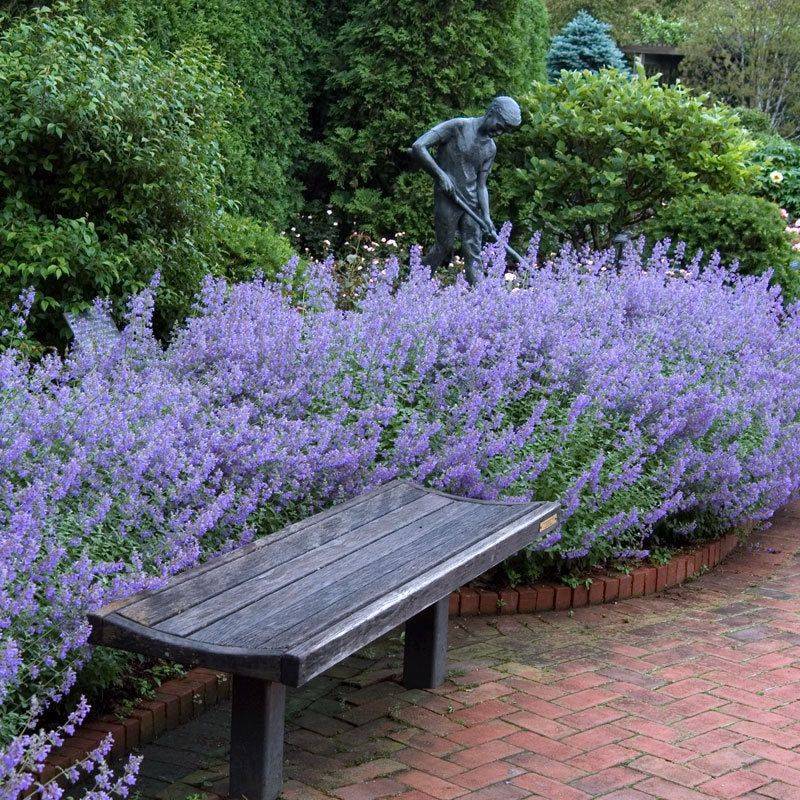
Clouds of tiny blue or purple flowers floating above gray-green foliage create an almost magical effect in garden borders and perennial beds. Catmint belongs to the mint family, which explains why deer avoid its aromatic leaves while cats often find it irresistible. This low-maintenance perennial blooms repeatedly throughout the growing season, providing constant color and deer protection.
Several catmint varieties thrive in New Jersey’s climate, with Walker’s Low and Six Hills Giant being particularly popular choices. Despite its name, Walker’s Low actually refers to the plant’s growth habit rather than height, forming neat mounds about two feet tall and wide. These plants handle both heat and cold well, making them reliable performers year after year.
Planting catmint near more vulnerable plants creates a protective barrier that deer typically won’t cross. The strong scent acts as a natural deterrent, while the pretty flowers add beauty to your landscape design. Bees and butterflies love catmint blooms, so you’ll be supporting beneficial insects while keeping deer away.
Maintenance couldn’t be easier with these adaptable perennials. Cut plants back by about half after the first flush of flowers fades, and you’ll get a second round of blooms in late summer. Catmint tolerates drought conditions well once established and rarely needs fertilizing. The only potential downside is that neighborhood cats might roll around in your plants, but most gardeners find this amusing rather than problematic.
9. Daffodils
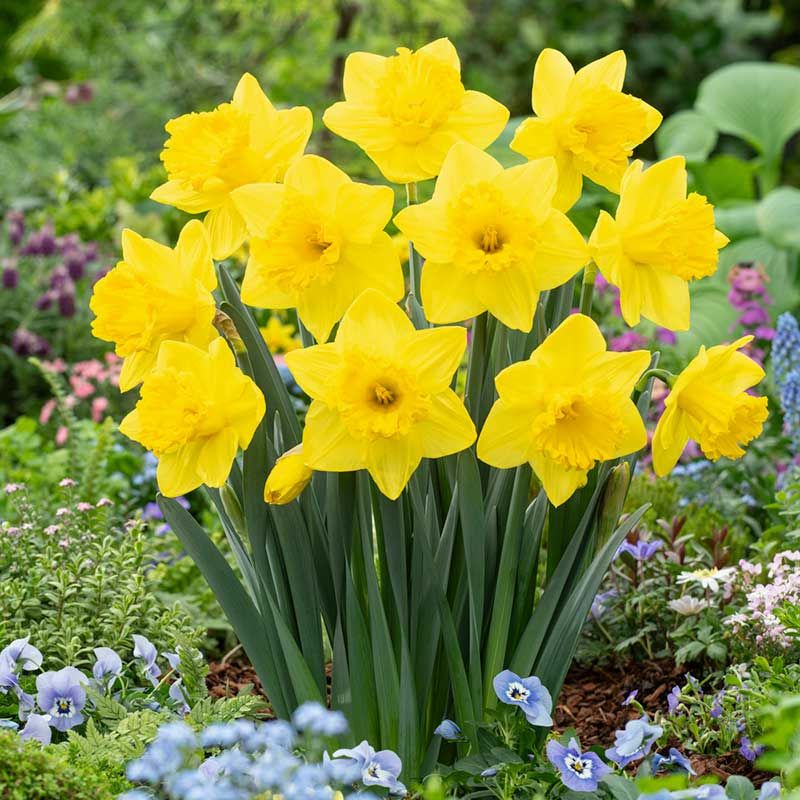
Few sights bring more joy than golden daffodils pushing through the last patches of snow, announcing that spring has finally arrived in New Jersey. Deer never bother these cheerful bulbs because all parts of the plant contain toxic compounds that make them completely unpalatable. Once planted, daffodils multiply naturally over the years, creating larger and more spectacular displays each spring.
Timing your daffodil planting correctly ensures the best spring show possible. Plant bulbs in fall, about six to eight weeks before the ground freezes hard, usually between October and early December in most parts of New Jersey. Choose a location with good drainage and at least six hours of sunlight for the best flowering.
Hundreds of daffodil varieties offer different flower forms, colors, and blooming times, allowing you to extend the spring display for weeks. Early varieties like February Gold start blooming in late winter, while later types such as Thalia continue the show into late spring. Mixing different varieties creates waves of color throughout the season.
Proper aftercare helps daffodils return stronger each year and produce more flowers. Allow the foliage to remain until it turns yellow and dies back naturally, usually about six weeks after flowering ends. The leaves are busy making food for next year’s blooms during this time. Plant daffodils around hostas or other perennials that will hide the dying foliage as they emerge and grow larger through the season.
10. Barberry
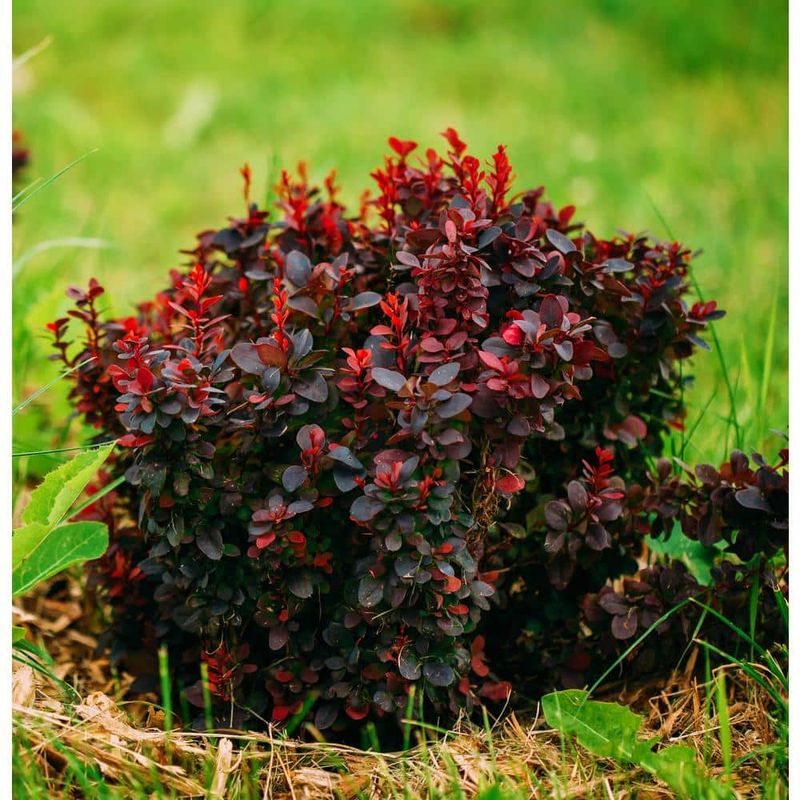
Sharp thorns covering every branch make barberry shrubs completely unappealing to browsing deer, while gardeners appreciate their colorful foliage and low maintenance requirements. Red-leafed varieties like Crimson Pygmy create stunning contrast in landscape designs, while green types offer more subtle beauty. These tough shrubs handle New Jersey’s climate extremes with ease.
Japanese barberry varieties are widely available and extremely hardy, but check local regulations before planting as some areas restrict certain types due to invasiveness concerns. Native alternatives like American barberry provide similar deer resistance without ecological worries. Both types offer excellent fall color and interesting winter branch structure.
Defensive thorns make barberry useful for security plantings under windows or along property boundaries where you want to discourage both deer and human intruders. The dense, twiggy growth habit provides excellent shelter for small birds during winter months. Small yellow flowers in spring often go unnoticed, but they’re followed by bright red berries that birds enjoy.
Pruning barberry requires heavy gloves and long sleeves due to the sharp thorns, but these shrubs tolerate heavy cutting and bounce back quickly. Trim in late winter or early spring before new growth begins. Barberry adapts to various soil conditions and light levels, though the best foliage color develops in full sun. Once established, these drought-tolerant shrubs need minimal care beyond occasional pruning to maintain their desired size and shape.