
New Mexico’s desert climate can make gardening feel like an uphill battle against nature. With scorching summers and limited rainfall, many traditional plants simply can’t survive the harsh conditions. However, choosing the right drought-tolerant plants can transform your outdoor space into a thriving, colorful garden that actually loves the dry climate.
1. Desert Marigold
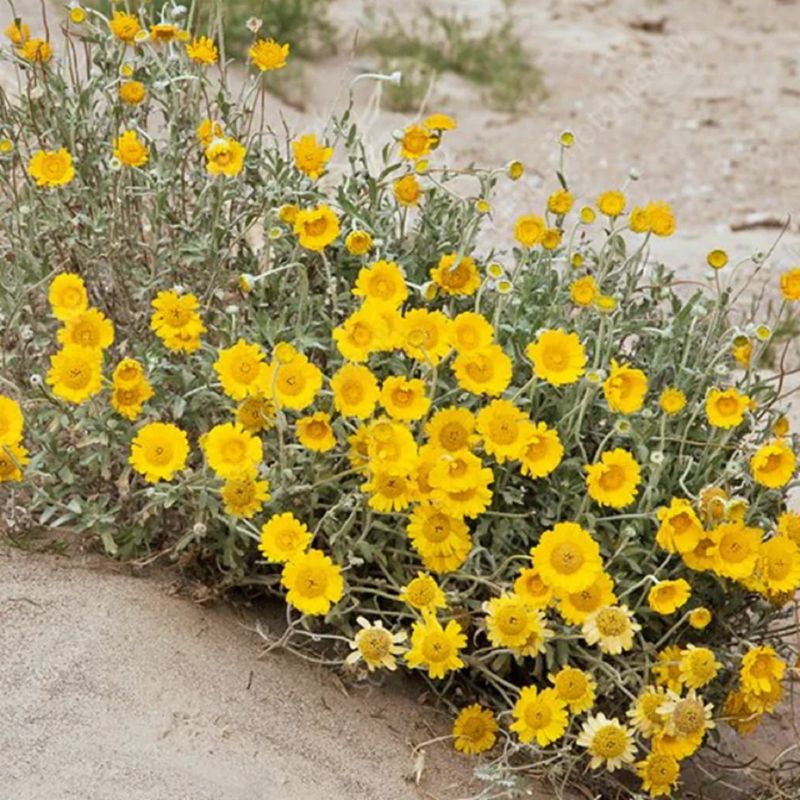
Bright yellow flowers dance in the desert breeze like tiny suns scattered across your garden. Desert marigold blooms almost year-round, bringing cheerful color even during the hottest months. This hardy wildflower actually prefers poor, rocky soil and laughs at drought conditions.
Growing only 12 to 18 inches tall, desert marigold spreads naturally to create beautiful golden carpets. The daisy-like flowers attract butterflies and bees, making your garden a buzzing hub of activity. Plant seeds in fall or early spring for best results.
Water deeply but infrequently once established, maybe once every two weeks during extreme heat. The plant will reward your minimal care with months of continuous blooms. Deadheading spent flowers encourages even more blooming, though it’s not necessary for the plant’s health.
Fun fact: Native Americans traditionally used desert marigold for medicinal purposes, brewing tea from the leaves. Today, this tough little flower serves as New Mexico’s unofficial welcome mat, greeting visitors with its sunny disposition and proving that beauty thrives in challenging places.
2. Prickly Pear Cactus
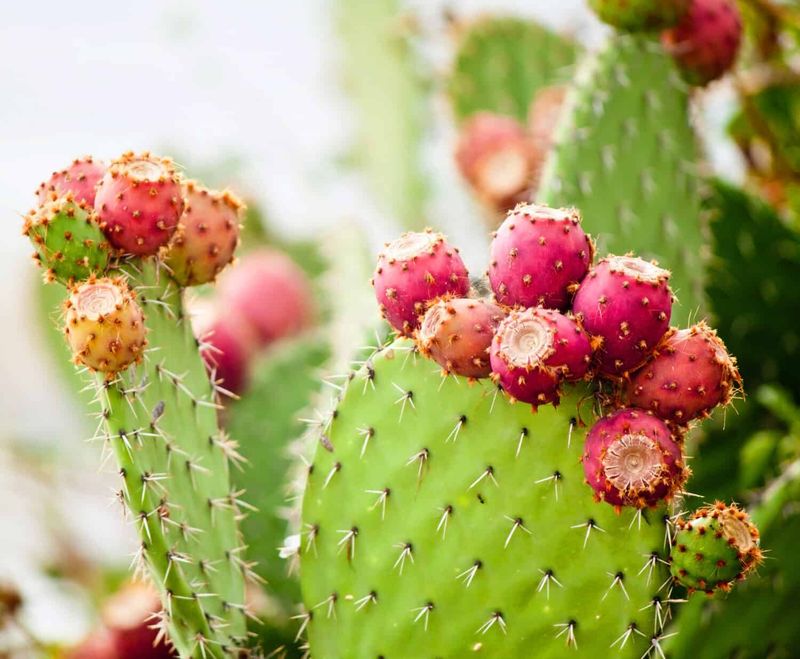
Don’t let the spines fool you – prickly pear cactus produces some of the most stunning flowers in the desert. These paddle-shaped succulents burst into brilliant yellow, orange, or red blooms each spring. The flat, green pads store water like natural canteens, making them perfect for New Mexico’s dry conditions.
Reaching heights of 3 to 6 feet, prickly pear creates interesting architectural elements in your landscape. The colorful fruits, called tunas, are edible and make delicious jellies or syrups. Many gardeners enjoy harvesting these nutritious treats in late summer.
Plant in well-draining soil and avoid overwatering, which can cause root rot. Once established, rainfall alone usually provides enough moisture. The cactus actually prefers neglect over attention, making it perfect for busy gardeners.
Handle with thick gloves when planting or pruning, as the tiny glochids (small spines) can be irritating. Position away from high-traffic areas to prevent accidental contact. Despite the prickly exterior, this plant attracts hummingbirds and provides shelter for small desert animals, creating a mini ecosystem in your yard.
3. Blue Grama Grass
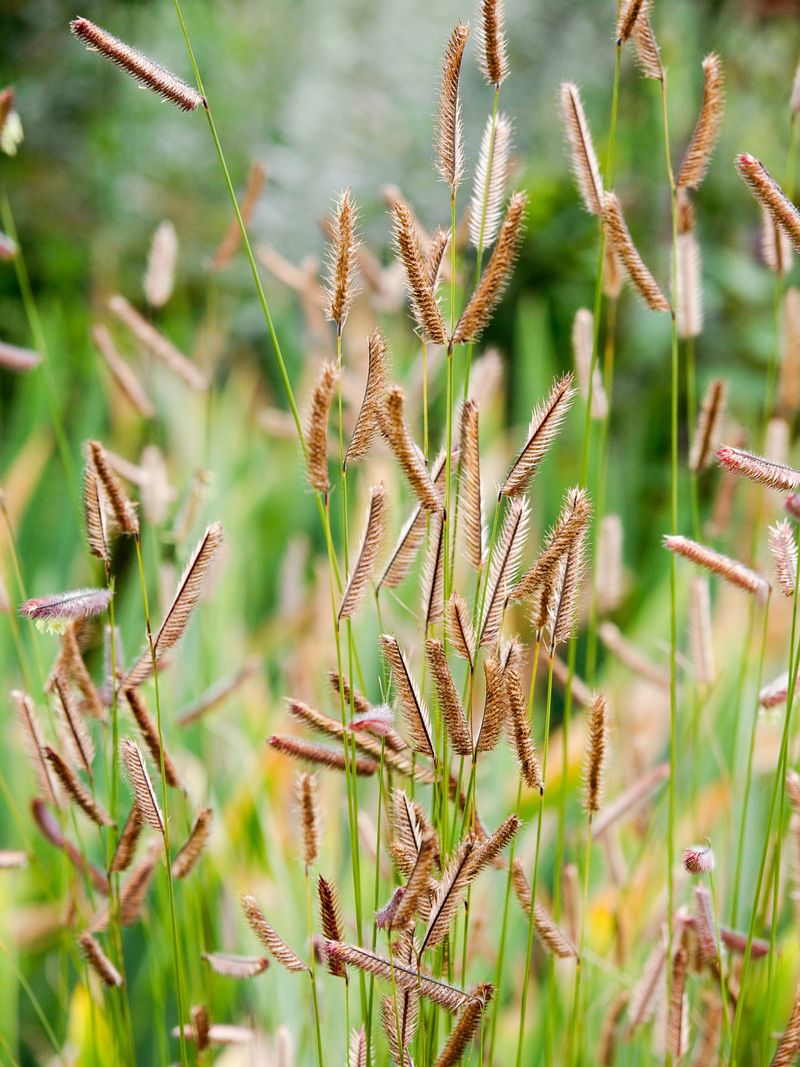
Picture a grass that looks like tiny eyelashes waving in the wind – that’s blue grama grass. This native bunch grass forms neat, compact clumps that turn gorgeous shades of purple and gold in fall. The unique seed heads resemble little combs, adding texture and movement to your landscape.
Growing 12 to 18 inches tall, blue grama works perfectly as a low-maintenance lawn alternative. It stays green with minimal water and actually goes dormant during extreme drought, turning golden-brown until rains return. This natural adaptation makes it incredibly resilient.
Establish new plantings with regular watering the first year, then reduce to occasional deep watering. The extensive root system, reaching up to 6 feet deep, helps prevent soil erosion while accessing deep moisture. This makes it excellent for slopes or areas prone to washing.
Blue grama provides food for birds and small wildlife throughout the year. The seeds feed quail, sparrows, and other native birds, while the dense growth offers nesting sites. Consider mixing with other native grasses for a naturalized prairie look that requires virtually no maintenance once established.
4. Blanket Flower
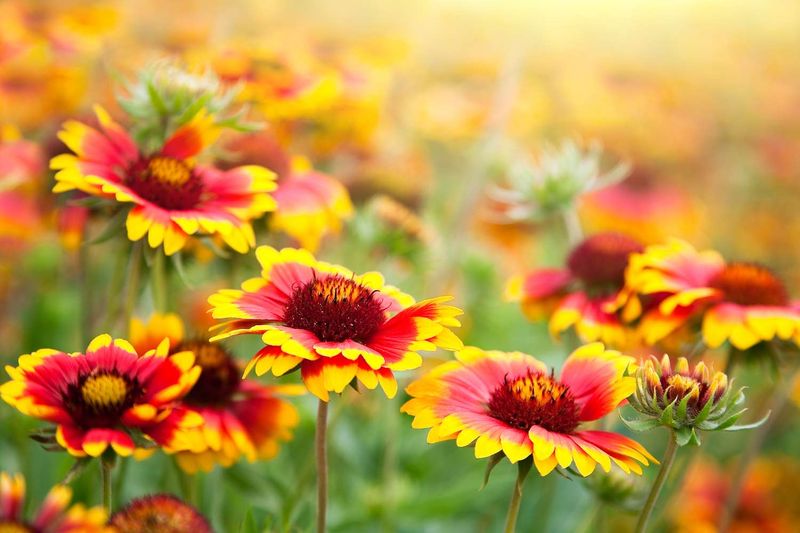
Imagine flowers that look like colorful Native American blankets spread across your garden. Blanket flower, or gaillardia, produces vibrant red and yellow blooms that seem to glow in the desert sunlight. These cheerful perennials bloom from spring through fall, providing months of continuous color.
The daisy-like flowers feature red centers with bright yellow tips, creating a stunning contrast against the silvery-green foliage. Plants grow 12 to 24 inches tall and spread naturally to form attractive clumps. Butterflies absolutely love these nectar-rich flowers, turning your garden into a butterfly paradise.
Plant in full sun and well-draining soil for best performance. Blanket flower actually struggles in rich, moist soil, preferring the lean, dry conditions that challenge other plants. Water deeply once a week during establishment, then reduce to monthly watering or less.
Deadhead spent blooms to encourage continuous flowering, though the plant will bloom heavily even without this care. The flowers make excellent cut flowers for indoor arrangements, lasting up to a week in water. Seeds self-sow readily, creating new plants for next year’s display without any effort from you.
5. Four O’Clock
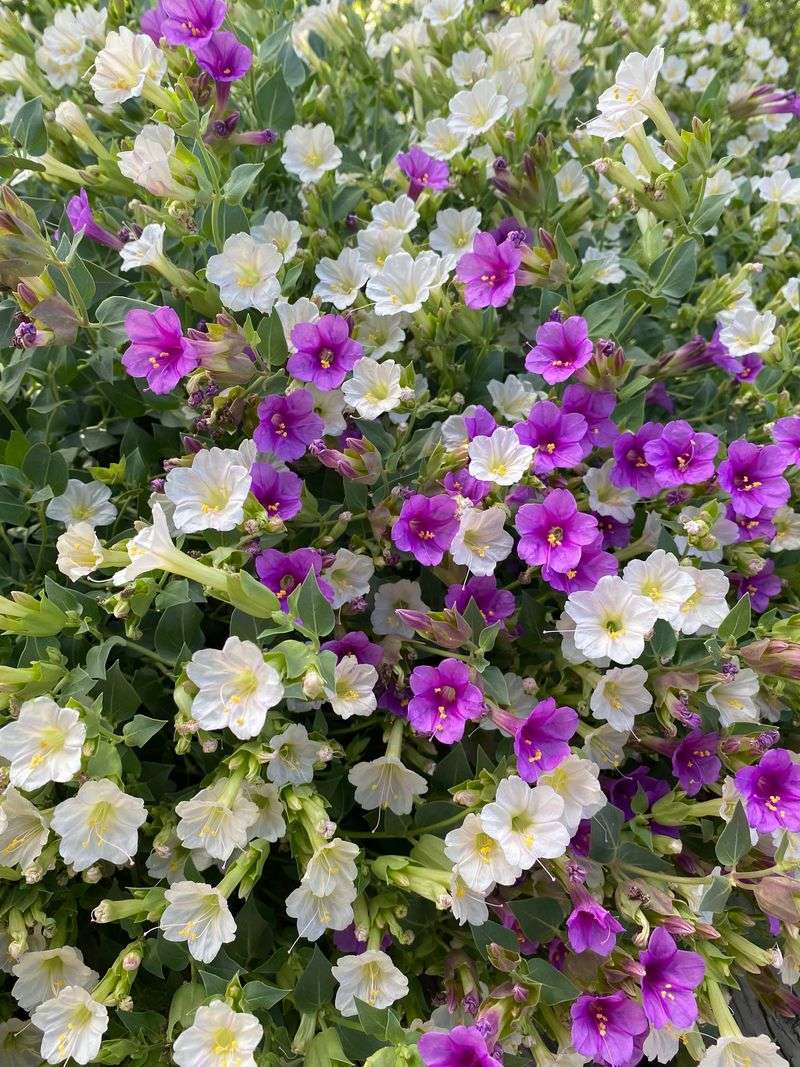
Nature’s own timekeeper, four o’clock flowers open their colorful trumpets precisely in late afternoon. These magical plants seem to know exactly when the desert heat begins to fade, unfurling pink, white, yellow, or red blooms just as evening approaches. The sweet fragrance attracts night-flying moths and creates a romantic garden atmosphere.
Growing 2 to 4 feet tall and wide, four o’clocks form bushy, rounded plants perfect for borders or informal hedges. The heart-shaped leaves provide attractive green foliage even when flowers aren’t open. During hot days, the plant conserves energy by keeping blooms closed, then puts on a spectacular show each evening.
Plant seeds directly in the garden after the last frost, as they don’t transplant well. The large, black seeds are easy to handle and germinate quickly in warm soil. Once established, four o’clocks require minimal water and actually prefer being left alone.
The thick, tuberous roots store water and nutrients, allowing the plant to survive extended dry periods. In colder areas of New Mexico, dig up roots before frost and store indoors like dahlias. However, in warmer zones, they’ll return each spring from their underground storage system.
6. Desert Willow
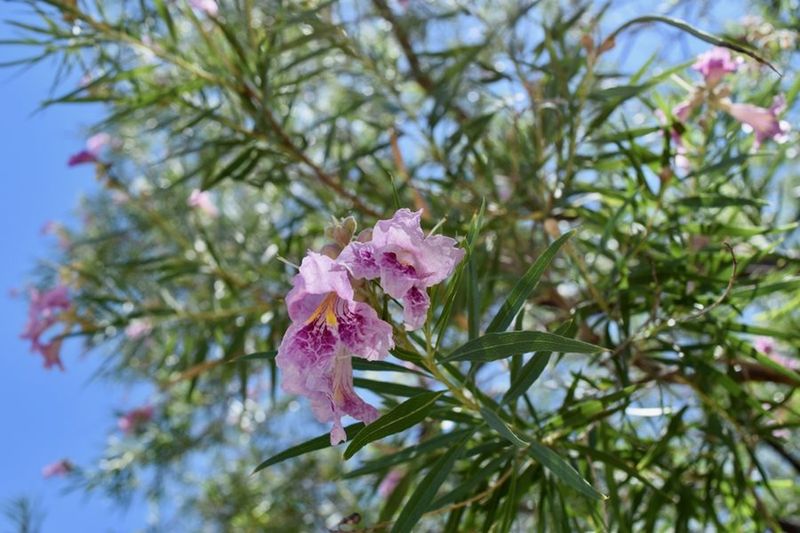
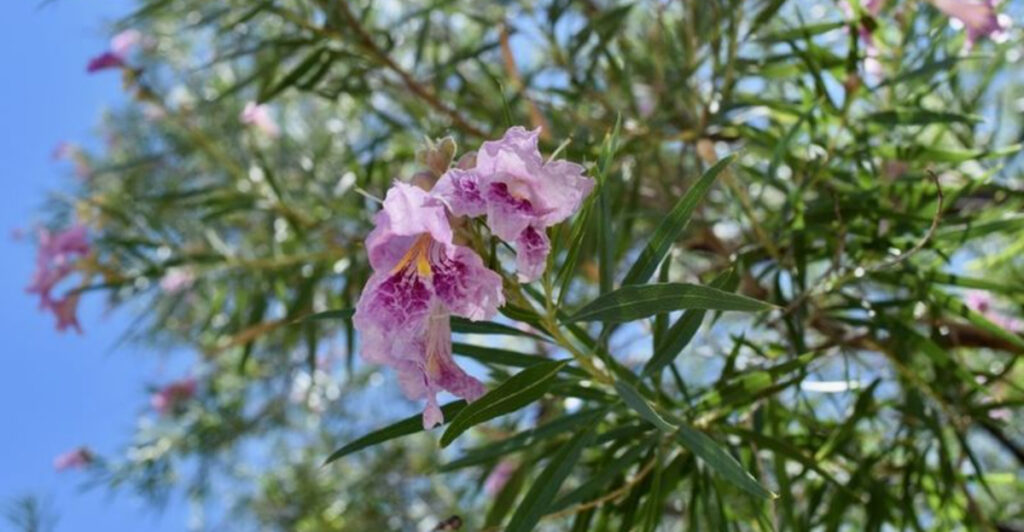
Graceful branches sway like a dancer’s arms, topped with orchid-like flowers in shades of pink, purple, or white. Desert willow isn’t actually a willow at all, but its long, narrow leaves and elegant form create the same romantic appeal. This small tree brings height and movement to desert landscapes while requiring almost no care.
Reaching 15 to 25 feet tall, desert willow provides valuable shade and structure in New Mexico gardens. The fragrant flowers bloom from spring through fall, attracting hummingbirds with their trumpet shape and sweet nectar. Long, bean-like seed pods follow the flowers, adding winter interest to the bare branches.
Plant in full sun and well-draining soil, avoiding areas where water collects. The tree actually prefers dry conditions and can be damaged by overwatering. Once established, natural rainfall usually provides adequate moisture, though occasional deep watering during extreme drought helps maintain blooming.
Prune lightly in late winter to maintain shape and remove any dead wood. The tree naturally develops an attractive, open canopy that casts filtered shade perfect for understory plants. Desert willow works beautifully as a specimen tree or planted in groups for a naturalized grove effect.
7. Autumn Sage
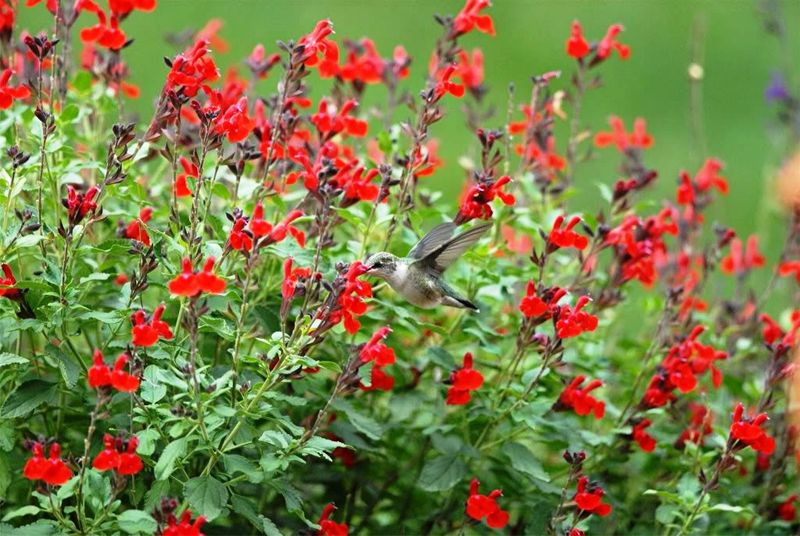
Hummingbirds zoom through your garden like tiny helicopters, drawn irresistibly to autumn sage’s tubular red flowers. This compact shrub blooms almost continuously from spring until the first hard frost, creating a reliable nectar source for wildlife. The aromatic foliage releases a pleasant herbal scent when brushed against, adding another sensory dimension to your garden.
Growing 2 to 3 feet tall and wide, autumn sage forms neat, rounded mounds perfect for borders or mass plantings. The small, gray-green leaves provide attractive foliage year-round, while the bright red flowers create stunning color contrasts. Some varieties offer white, pink, or purple blooms for different color schemes.
Plant in full sun to partial shade and well-draining soil for best results. Autumn sage tolerates poor soil conditions and actually produces more flowers when not pampered with rich soil or frequent watering. Water deeply once a week during the first growing season, then reduce to monthly watering.
Trim lightly after each flush of blooms to encourage more flowering and maintain compact growth. The plant responds well to pruning and can be shaped into formal hedges if desired. Seeds attract finches and other small birds, while the dense growth provides nesting sites for beneficial insects.
8. Yucca
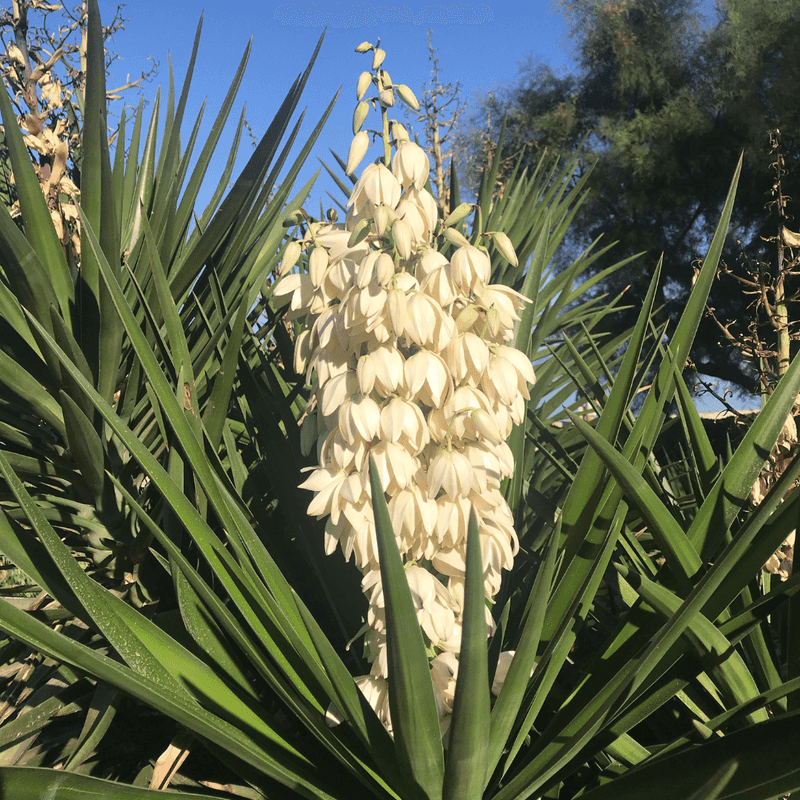
Dramatic sword-like leaves create architectural drama that transforms ordinary gardens into stunning desert showcases. Yucca plants command attention with their bold, sculptural form and spectacular flower spikes that can reach 6 feet tall. These living sculptures thrive in conditions that would kill most other plants, making them perfect statement pieces for challenging spots.
The thick, waxy leaves store water efficiently while their pointed tips discourage browsing animals. Every few years, mature plants send up towering stalks covered with creamy white, bell-shaped flowers. These blooms attract yucca moths in a fascinating pollination partnership that has existed for thousands of years.
Plant in full sun and extremely well-draining soil, as yuccas absolutely cannot tolerate wet feet. Once established, they require no supplemental watering except during severe drought. The extensive root system anchors the plant firmly while seeking moisture deep underground.
Choose your planting location carefully, as yuccas develop large root systems and don’t transplant easily. Keep them away from walkways where the sharp leaf tips might pose a hazard. The dramatic silhouette looks stunning against adobe walls or as a focal point in rock gardens, creating instant southwestern style.
9. Desert Zinnia
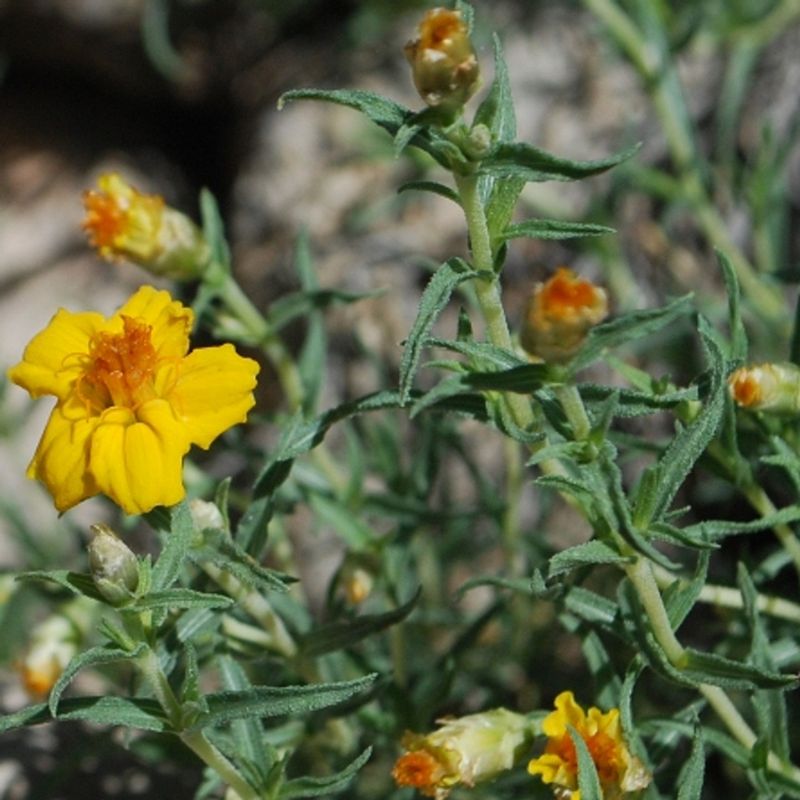
Tiny golden coins scattered across the desert floor – that’s how desert zinnia appears when it blooms en masse. These cheerful wildflowers prove that good things come in small packages, producing countless small yellow flowers that brighten the landscape for months. Each bloom measures only about an inch across, but their abundance creates spectacular displays.
Growing 6 to 12 inches tall, desert zinnia forms low, spreading mats perfect for ground cover or rock garden plantings. The small, gray-green leaves conserve moisture while providing an attractive backdrop for the golden blooms. Plants often reseed themselves, creating natural drifts that expand each year.
Sow seeds in fall or early spring directly where you want them to grow, as they don’t transplant well. The seeds need light to germinate, so barely cover them with soil. Once established, desert zinnia requires no supplemental watering and actually performs better with neglect than care.
The flowers attract small butterflies and beneficial insects while providing seeds for birds in fall. Plants naturally go dormant during extreme heat, then resume blooming when temperatures moderate. This adaptation allows them to survive conditions that would stress other flowering plants, making them perfect for low-maintenance wildflower gardens.
10. Ocotillo
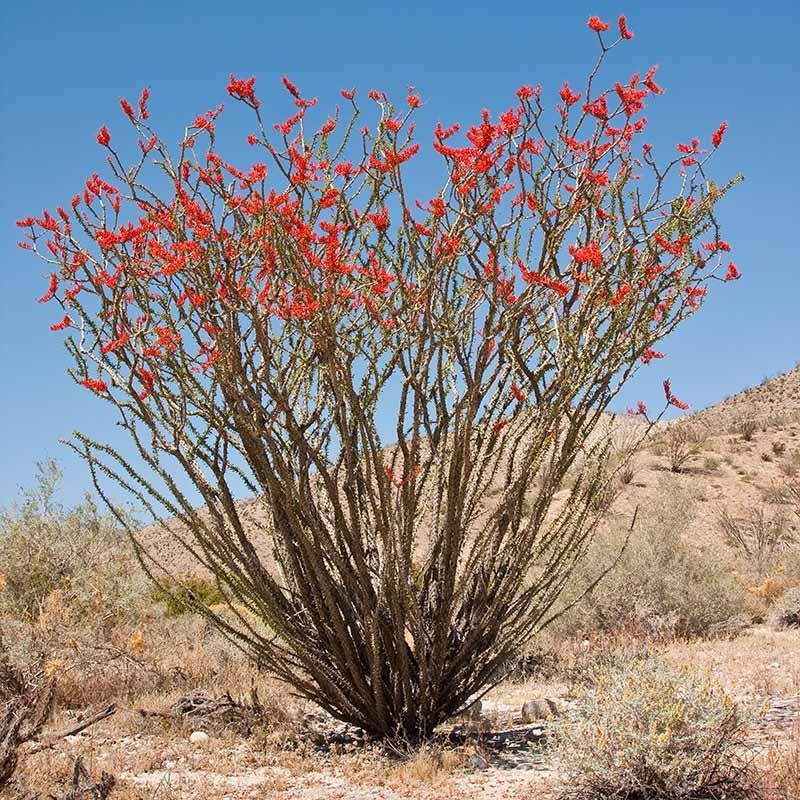
Alien-like arms reach skyward, tipped with blazing red flowers that seem to catch fire in the desert sun. Ocotillo looks like something from another planet with its long, thorny canes that can grow 15 to 20 feet tall. This unique plant creates instant drama and serves as a stunning focal point that no visitor will ever forget.
The seemingly dead-looking canes burst into life after rainfall, producing small green leaves along their length. During dry periods, the plant drops its leaves to conserve water, appearing dormant until the next rain awakens it. The spectacular red flower clusters at the tips attract hummingbirds from miles around.
Plant bare-root ocotillo in fall or early spring, positioning it at the same depth it grew originally. Water deeply but infrequently once established, mimicking natural rainfall patterns. Too much water can actually harm the plant, causing root rot or preventing the natural dormancy cycle.
The thorny canes make excellent natural barriers or privacy screens when planted in rows. Many gardeners use ocotillo to create living fences that require no maintenance once established. The dramatic silhouette looks particularly striking when backlit by sunrise or sunset, creating shadow patterns that change throughout the day.