
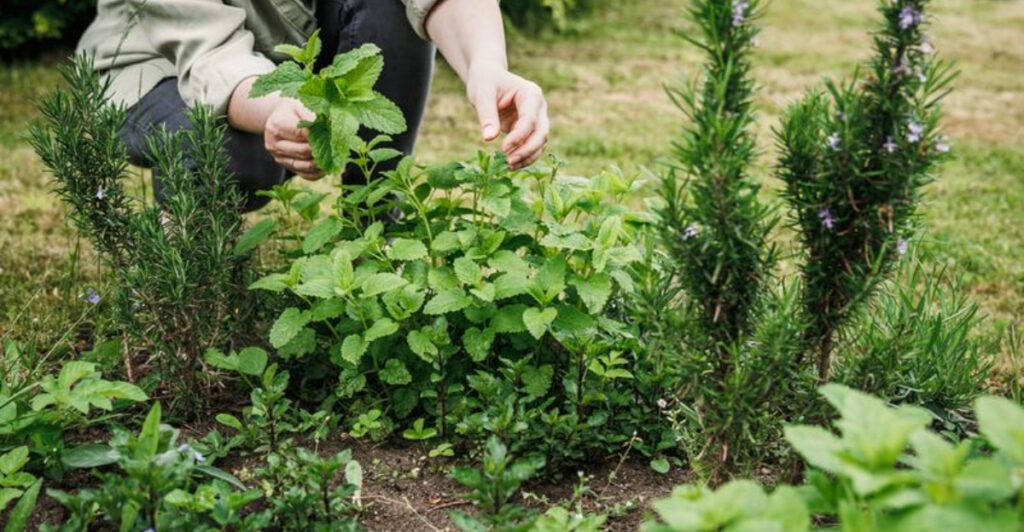
South Carolina’s warm climate and long growing seasons make it perfect for growing fresh herbs right in your backyard. Whether you want to add flavor to your cooking or create natural remedies, herb gardening offers endless possibilities. Starting your own herb garden might seem challenging, but with the right knowledge about our state’s unique growing conditions, anyone can succeed.
1. Choose the Perfect Location for Maximum Sunlight
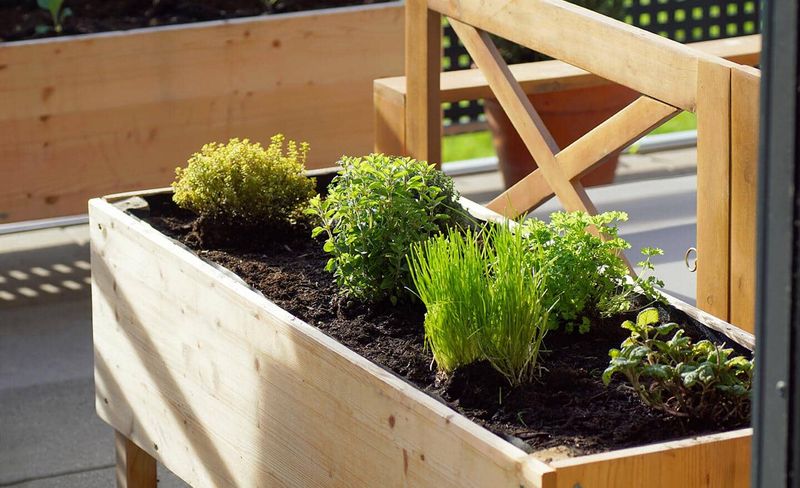
Most herbs absolutely love soaking up the Carolina sunshine, needing at least six hours of direct sunlight daily to thrive. Your garden spot should receive morning sun, which helps dry dew quickly and prevents fungal problems common in our humid climate.
Avoid areas that stay wet after rain or have poor air circulation. Good drainage becomes especially important during our heavy summer thunderstorms.
Consider how close your herb garden sits to your kitchen door, making it convenient to grab fresh herbs while cooking dinner on busy weeknights.
2. Select Heat-Tolerant Herbs That Love Our Climate
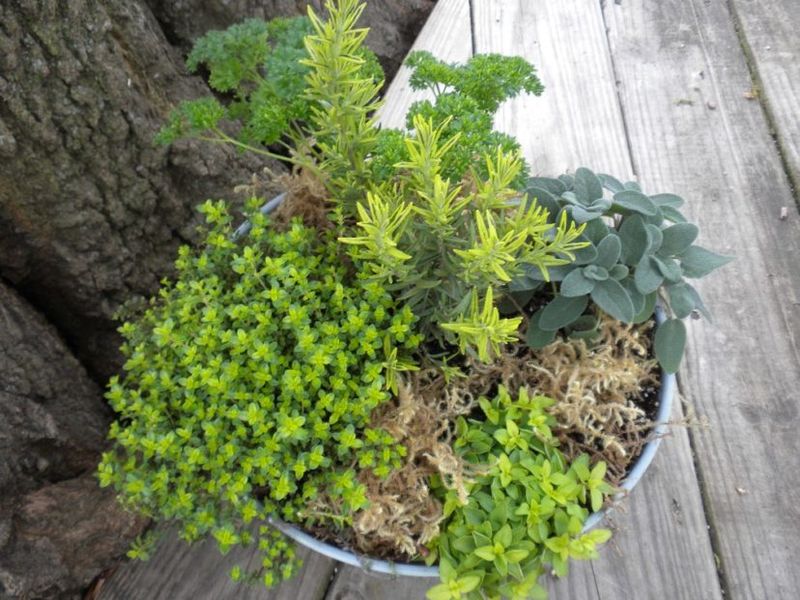
Basil, oregano, and rosemary practically dance in South Carolina’s summer heat, while many Northern herbs struggle with our intense humidity. Mediterranean herbs like thyme and sage also perform beautifully here, developing stronger flavors in our warm conditions.
Cool-season herbs such as parsley and cilantro grow best during fall and spring months. Plant these twice yearly for continuous harvests.
Local garden centers often stock varieties specifically chosen for Southern success, so ask which cultivars work best in your area’s microclimate and soil conditions.
3. Prepare Your Soil for Optimal Herb Growth
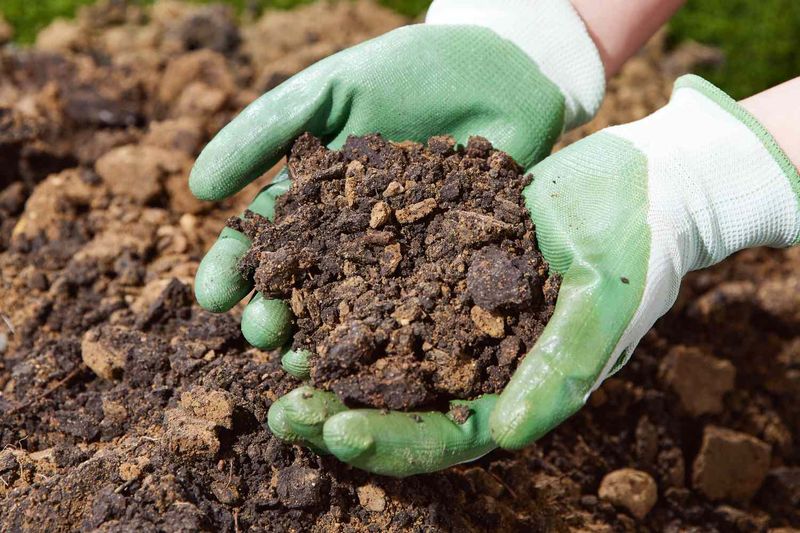
South Carolina’s clay-heavy soil often drains poorly, creating soggy conditions that kill herb roots faster than you can say ‘root rot.’ Adding compost, aged manure, or coarse sand improves drainage dramatically while providing essential nutrients.
Most herbs prefer slightly alkaline soil, but our naturally acidic Southern soil needs lime amendments. Test your soil pH first, then adjust accordingly.
Raised beds offer excellent drainage solutions and warm up faster in spring, extending your growing season at both ends of the year.
4. Time Your Planting Around Our Growing Seasons
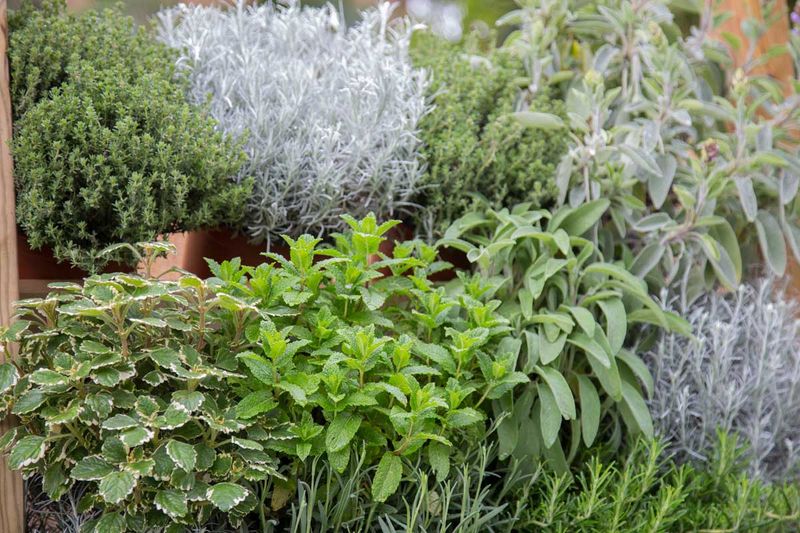
Spring planting begins much earlier here than up North, with hardy herbs like chives and parsley going in the ground by mid-March in most areas. Heat-loving basil and peppers wait until after our last frost date, typically mid to late April.
Summer becomes too intense for starting most herbs from seed outdoors. Focus on maintaining established plants and harvesting regularly.
Fall planting offers another opportunity, with cooler temperatures perfect for establishing perennial herbs that will return stronger next year.
5. Master Watering Techniques for Humid Conditions
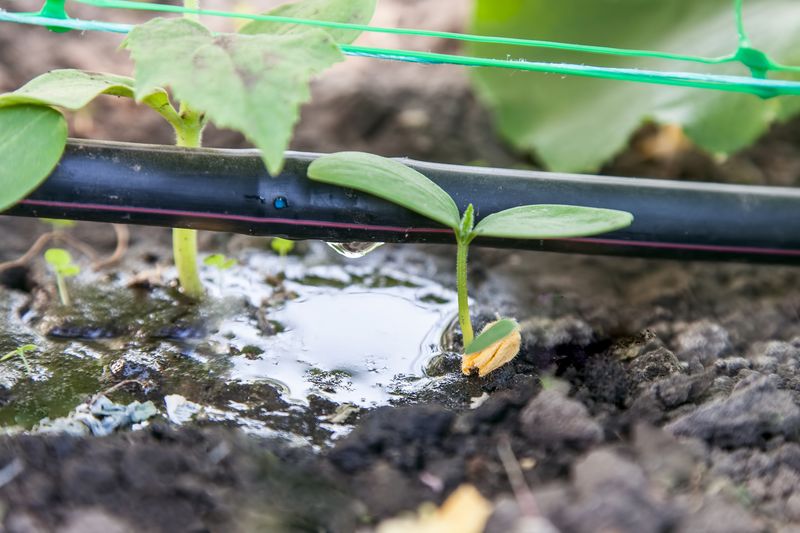
Our high humidity levels mean herbs need less frequent watering than gardeners in drier climates might expect. Overwatering becomes the biggest killer of herb plants in the Southeast.
Water deeply but infrequently, allowing soil to dry slightly between waterings. Early morning watering gives plants time to dry before evening, reducing disease problems.
Drip irrigation or soaker hoses deliver water directly to roots while keeping foliage dry. Mulching around plants helps retain moisture during hot spells while preventing weeds from competing with your herbs.
6. Protect Your Herbs from Pests and Diseases
Aphids, spider mites, and whiteflies love our warm, humid conditions almost as much as your herbs do. Regular inspection helps catch problems early, when they’re easier to control naturally.
Companion planting with marigolds, nasturtiums, or strong-scented herbs like tansy deters many common pests. Beneficial insects find these flowers irresistible.
Proper spacing allows air circulation, preventing fungal diseases that thrive in our muggy summers. Remove affected plant parts immediately and dispose of them away from your garden area.
7. Harvest Your Herbs at Peak Flavor Times
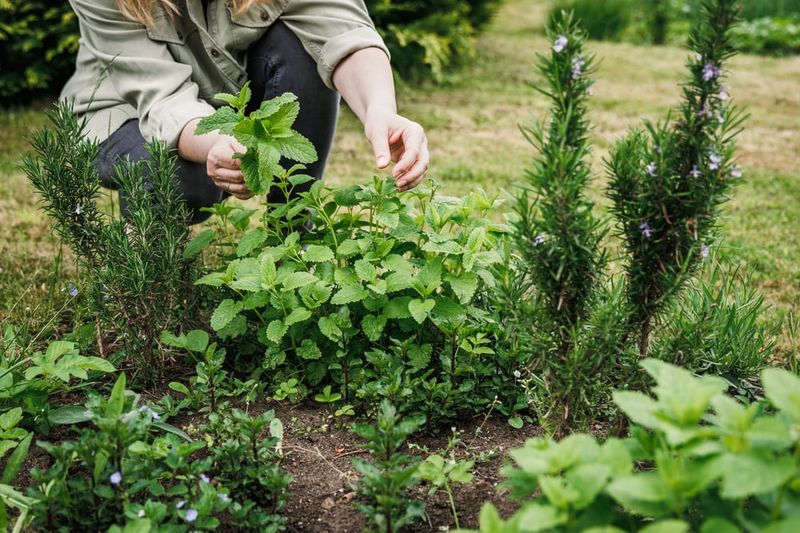
Early morning harvesting, right after dew evaporates but before the day heats up, captures herbs at their most flavorful peak. Essential oils concentrate overnight, making morning the perfect picking time.
Regular harvesting actually encourages more growth, so don’t be shy about cutting stems frequently. Pinch flowers off basil and other leafy herbs to keep leaves tender and productive.
Harvest no more than one-third of the plant at once, allowing it to recover and continue growing throughout our long season.
8. Extend Your Growing Season Year-Round
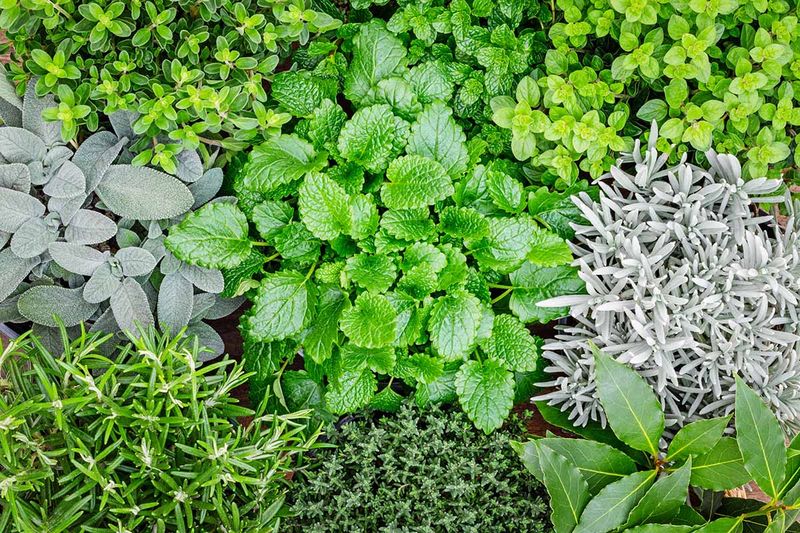
South Carolina’s mild winters allow many herbs to grow year-round with minimal protection. Rosemary, sage, and thyme often survive outdoors even in our northern counties.
Cold frames or row covers protect tender herbs during occasional freezes. Moving containers to protected areas gives you flexibility during unpredictable winter weather.
Indoor growing under lights keeps fresh herbs available all winter long. Sunny windowsills work well for small pots of parsley, chives, and other compact varieties that adapt well to container life.