
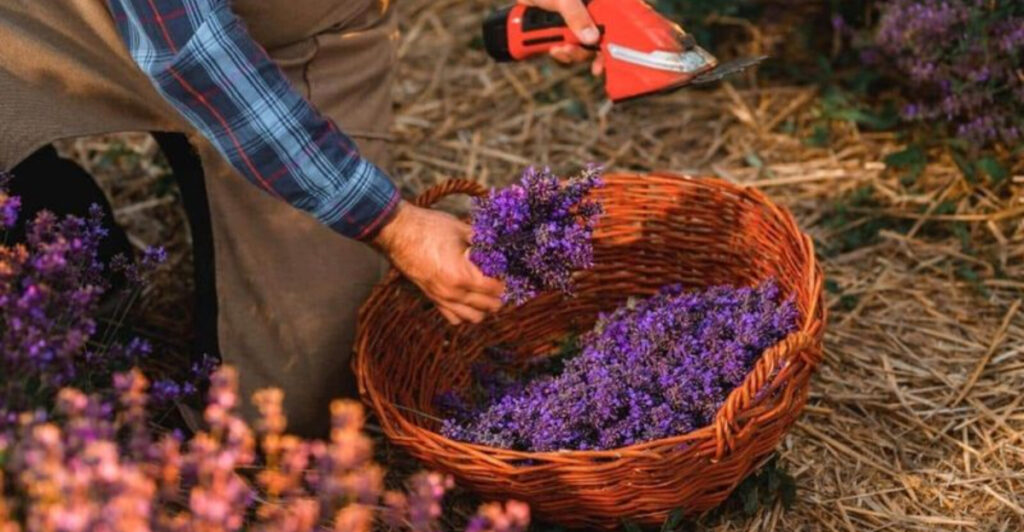
California’s Mediterranean climate creates perfect conditions for growing beautiful, aromatic lavender plants. With its warm, dry summers and mild winters, the Golden State offers ideal growing conditions that lavender absolutely loves. Growing your own lavender means enjoying incredible fragrance, attracting beneficial pollinators, and having fresh herbs for cooking and crafts right outside your door.
1. Choose the Right Lavender Variety for Your Region
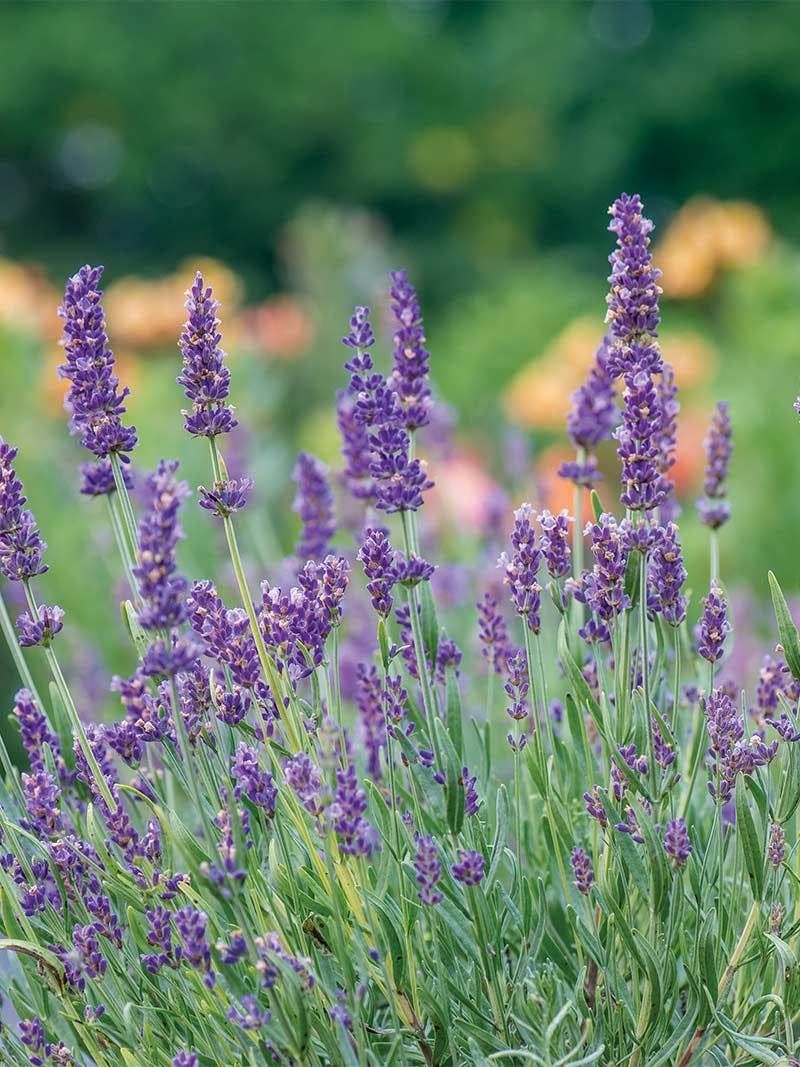
English lavender thrives in cooler coastal areas, while Spanish and French varieties love California’s hotter inland valleys. Each type offers unique colors, scents, and growing habits that suit different climates.
Popular choices include Hidcote for deep purple blooms and Grosso for commercial-quality oil production. Research your specific zone before purchasing plants to ensure long-term success in your particular microclimate.
2. Plant in Well-Draining, Sandy Soil
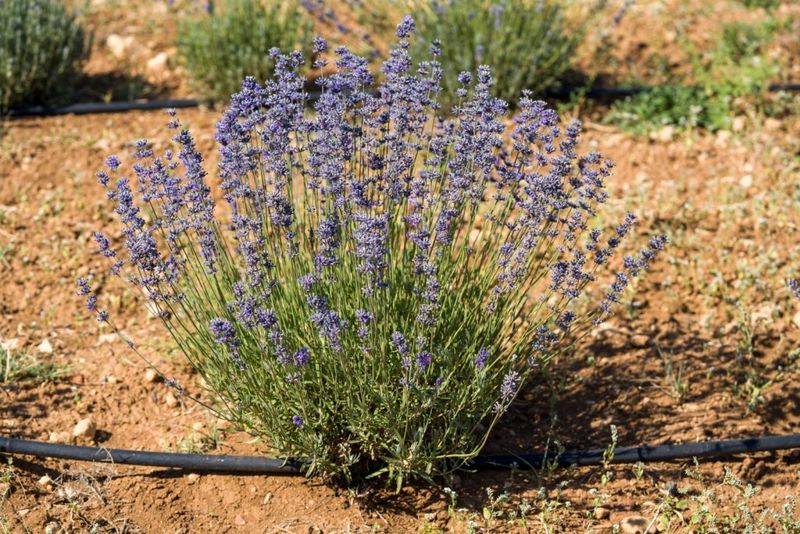
Heavy clay soil spells disaster for lavender roots, which need excellent drainage to prevent rot. Sandy or gravelly soil mimics lavender’s native Mediterranean environment perfectly.
Mix coarse sand, perlite, or small gravel into existing soil to improve drainage. Raised beds work wonderfully for areas with poor drainage. Your lavender will reward proper soil preparation with vigorous growth and abundant blooms year after year.
3. Provide Full Sun Exposure All Day
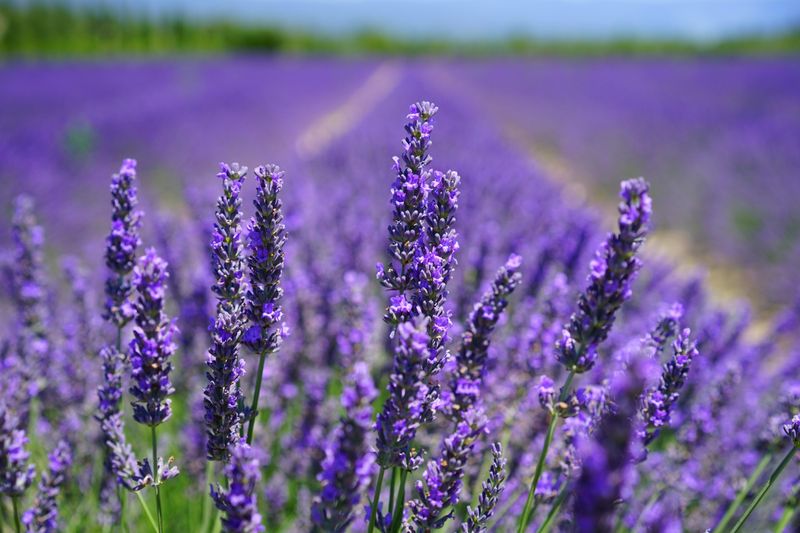
Lavender craves at least six to eight hours of direct sunlight daily to produce its signature oils and vibrant blooms. Insufficient light leads to weak, leggy plants with poor flowering.
Morning sun helps dry dew quickly, preventing fungal issues common in humid conditions. Afternoon sun intensifies essential oil production, creating that incredible fragrance we all love. Choose your sunniest garden spot for best results.
4. Water Deeply but Infrequently
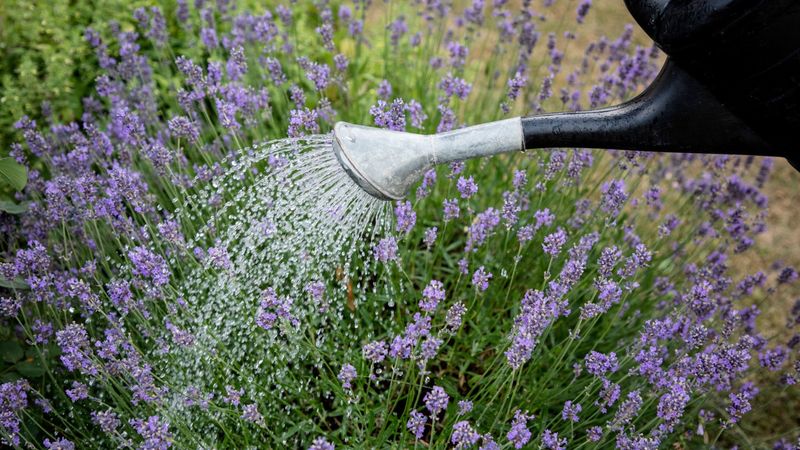
Once established, lavender prefers drought-like conditions similar to its Mediterranean origins. Overwatering kills more lavender plants than any other factor in California gardens.
Water newly planted lavender weekly until roots establish, then reduce to monthly deep watering sessions. Allow soil to dry completely between waterings. Mature plants often survive on rainfall alone in most California regions during winter months.
5. Prune After Flowering for Healthy Growth
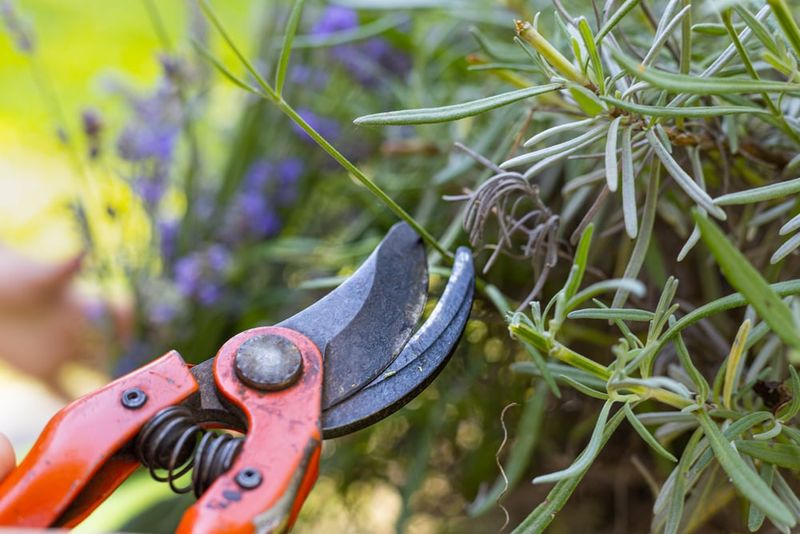
Annual pruning keeps lavender plants compact, prevents woody growth, and encourages fresh blooms next season. Skip pruning, and plants become leggy with fewer flowers over time.
Cut back one-third of the plant height after flowers fade, usually in late summer or early fall. Never cut into old woody stems, as they rarely produce new growth. Sharp, clean pruning shears prevent disease transmission between plants.
6. Skip Fertilizers for Better Fragrance
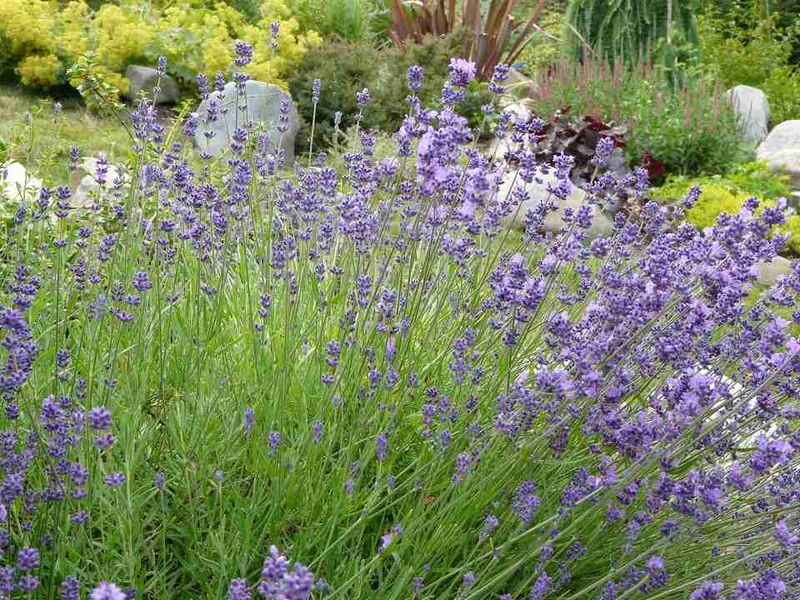
Rich, fertile soil produces lush green growth but weak fragrance and fewer essential oils. Lavender actually prefers poor, lean soil conditions for optimal performance.
Avoid nitrogen-rich fertilizers that encourage leaf growth over flower production. Compost or aged manure applied sparingly once yearly provides sufficient nutrients. Poor soil stress actually increases the concentration of aromatic oils that make lavender so wonderfully fragrant and valuable.
7. Harvest Flowers at Peak Bloom Time
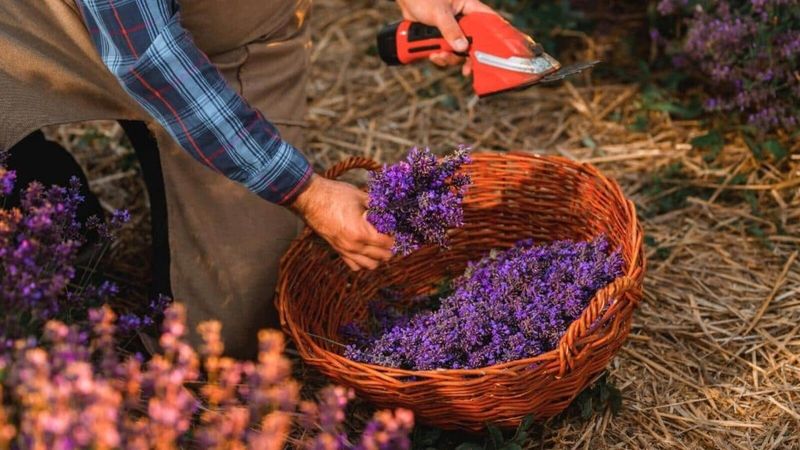
Morning harvest after dew evaporates but before afternoon heat captures maximum essential oil content in flower buds. Timing makes the difference between mediocre and exceptional fragrance quality.
Cut stems when lower flowers just begin opening while upper buds remain closed. Bundle stems immediately and hang upside down in a cool, dark, well-ventilated area. Properly harvested lavender retains fragrance for years in sachets and crafts.
8. Protect from Excessive Winter Moisture
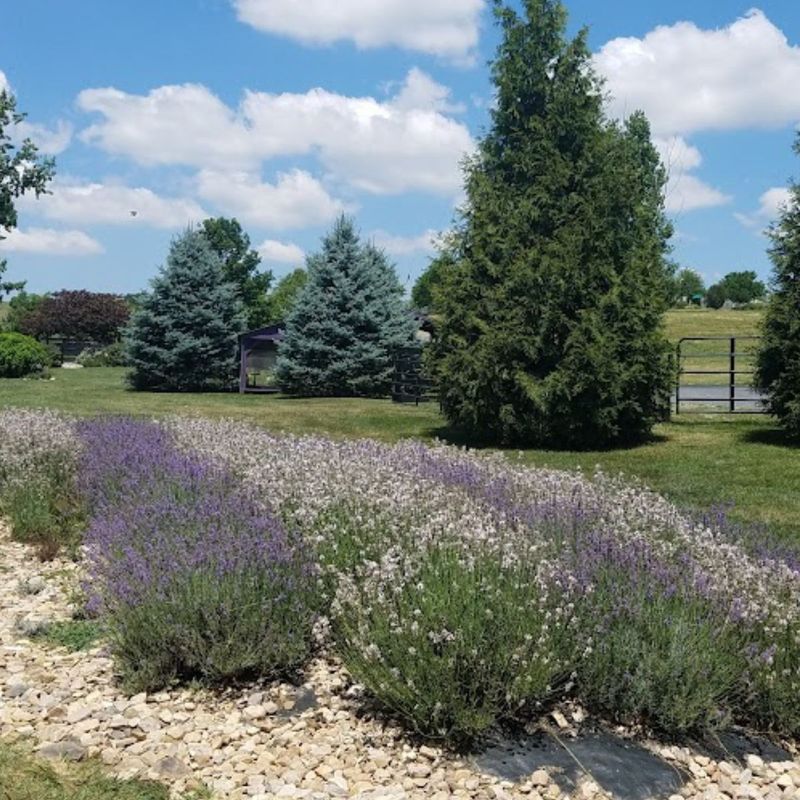
California’s rainy winter season can challenge even drought-tolerant lavender plants, especially in areas with heavy clay soil or poor drainage systems.
Mulch around plants with gravel rather than organic materials that retain moisture. Ensure proper air circulation between plants to prevent fungal diseases. Cover plants with temporary rain shields during unusually wet periods to maintain healthy root systems through winter months.