

Living in New York City doesn’t mean you have to give up fresh, homegrown food. Thousands of city dwellers are turning their small outdoor spaces into productive gardens. Balconies and rooftops offer amazing opportunities to grow vegetables, herbs, and fruits right in the heart of the concrete jungle. With some creativity and basic knowledge, you can join this growing movement.
1. Container Selection Makes All the Difference
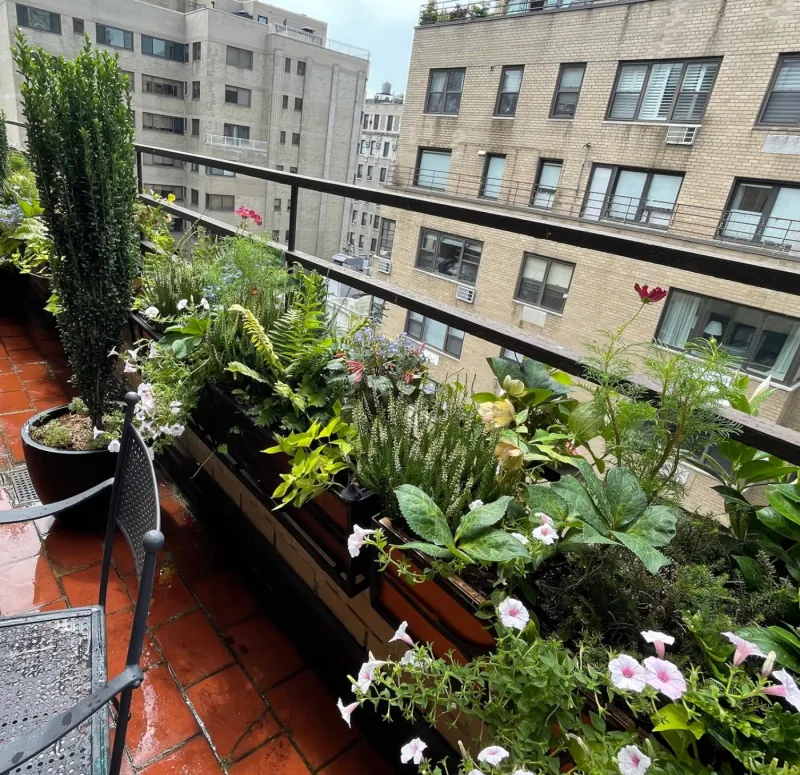
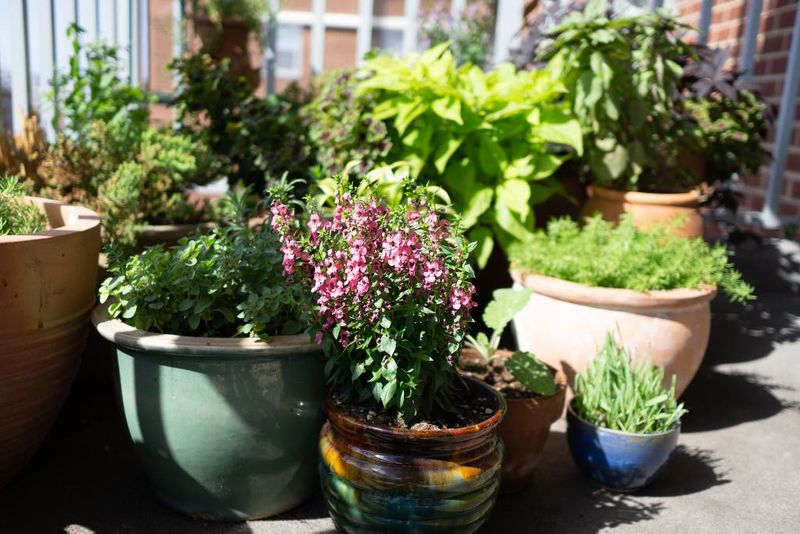
Smart container choices can make or break your rooftop garden success. Heavy ceramic pots look beautiful but might crack your fire escape, while lightweight plastic containers move easily in strong winds.
Fabric grow bags offer excellent drainage and root health. Self-watering containers work perfectly for busy New Yorkers who travel frequently for work or vacation.
2. Wind-Resistant Plants Survive City Gusts
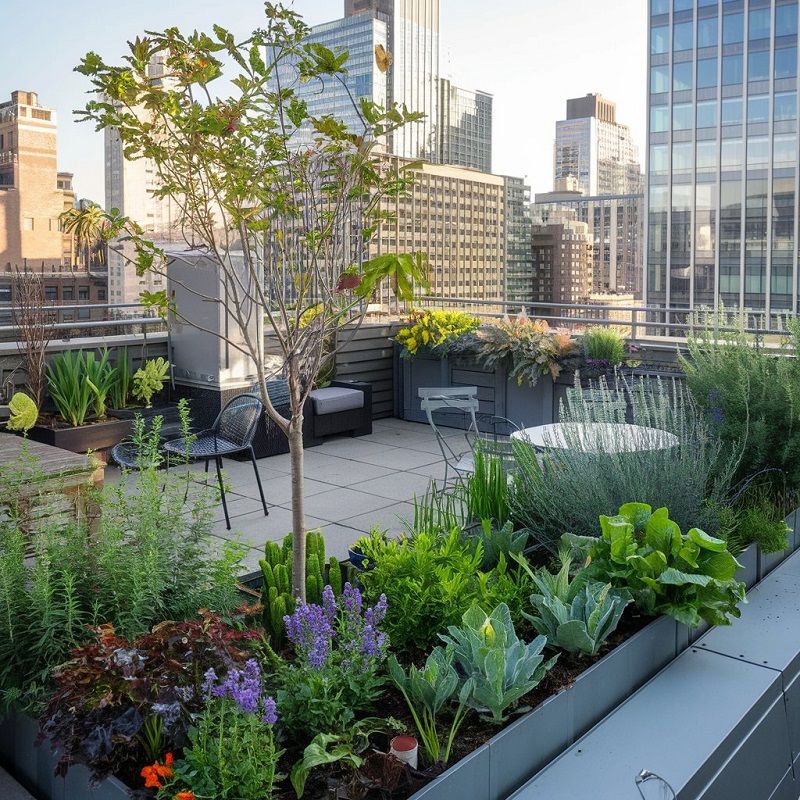
Rooftop gardens face brutal wind conditions that can destroy delicate plants overnight. Sturdy vegetables like kale, Swiss chard, and bush beans handle gusts much better than tall tomato plants.
Creating windbreaks using trellises or screens protects your entire garden. Low-growing herbs like thyme and oregano practically ignore strong breezes while providing fresh flavors for cooking.
3. Maximizing Sunlight in Concrete Canyons

Manhattan’s tall buildings create challenging shade patterns that change throughout the day. Track sunlight on your space for a full week before choosing plant locations.
Reflective surfaces like mirrors or aluminum sheets can redirect precious sunlight to darker corners. South-facing balconies receive the most direct sun, perfect for tomatoes and peppers that need intense light.
4. Water Management Without Flooding Neighbors
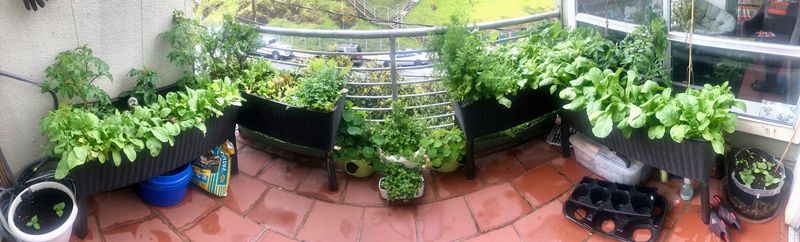
Overwatering your balcony garden can create serious problems with downstairs neighbors and building management. Proper drainage trays catch excess water while preventing root rot in your plants.
Morning watering reduces evaporation and gives plants time to absorb moisture. Drip irrigation systems work wonderfully for consistent watering without creating messy runoff that damages building exteriors.
5. Vertical Growing Doubles Your Space
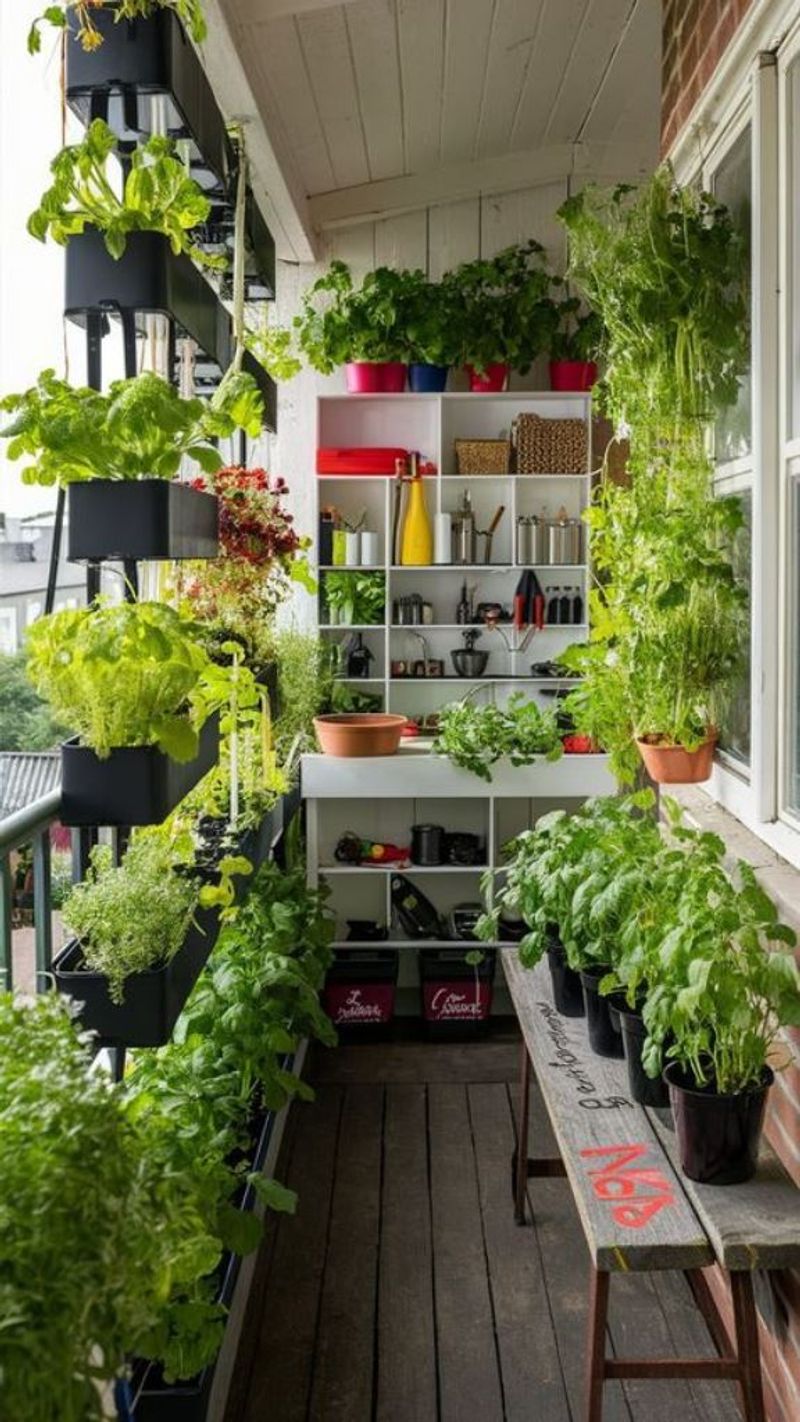
Small balconies become productive farms when you think vertically instead of horizontally. Wall-mounted planters, hanging baskets, and climbing trellises multiply your growing area without taking floor space.
Strawberries thrive in tower planters while pole beans climb up balcony railings. Vertical gardens also create privacy screens from nosy neighbors while producing fresh food for your kitchen.
6. Seasonal Planning Extends Growing Time
New York’s harsh winters don’t have to end your gardening season completely. Cold-hardy greens like spinach and arugula grow well into December with simple protection.
Starting seeds indoors during February gives you healthy transplants ready for spring planting. Fall gardening often produces better results than summer because cooler temperatures reduce plant stress and pest problems.
7. Pest Control in High-Rise Gardens
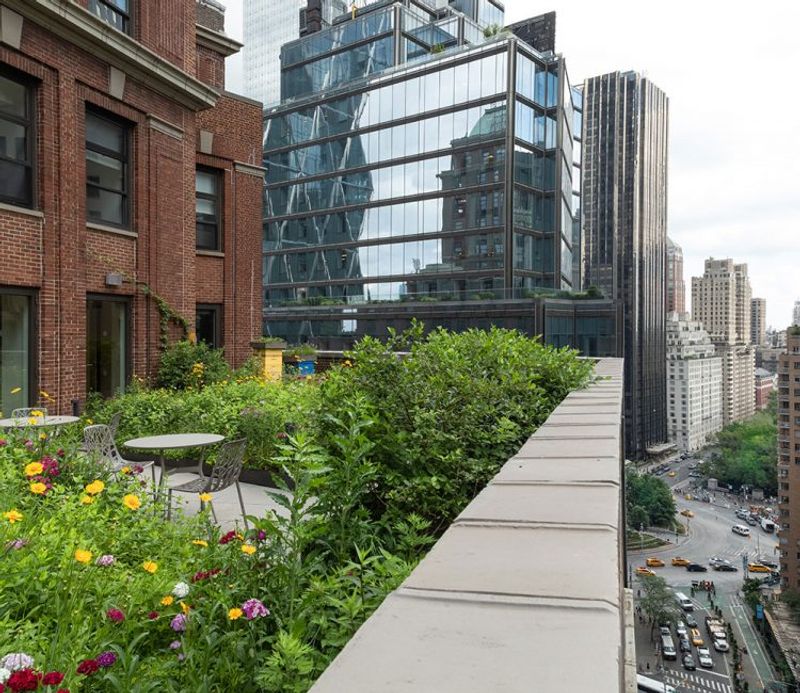
Even twenty floors up, aphids and spider mites find their way to your precious plants through open windows and elevator shafts.
Companion planting with marigolds and basil naturally repels many common pests. Neem oil spray works safely around children and pets while controlling most garden insects without harsh chemicals that concern apartment neighbors.
8. Building Relationships Through Garden Sharing
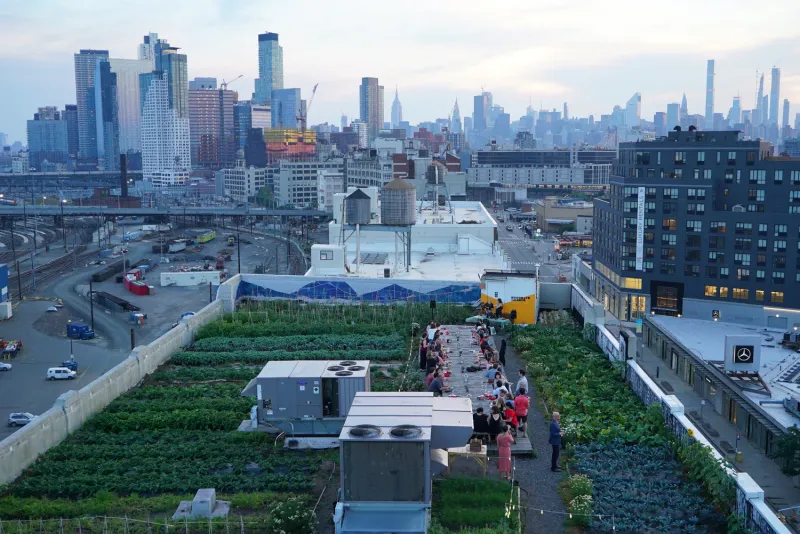
Sharing your harvest creates wonderful connections with neighbors who might initially complain about your gardening hobby. Fresh tomatoes and herbs make excellent peace offerings for building superintendents.
Community rooftop gardens bring together residents from different backgrounds through shared growing experiences. Many buildings now encourage gardening as a way to improve resident satisfaction and property values.