
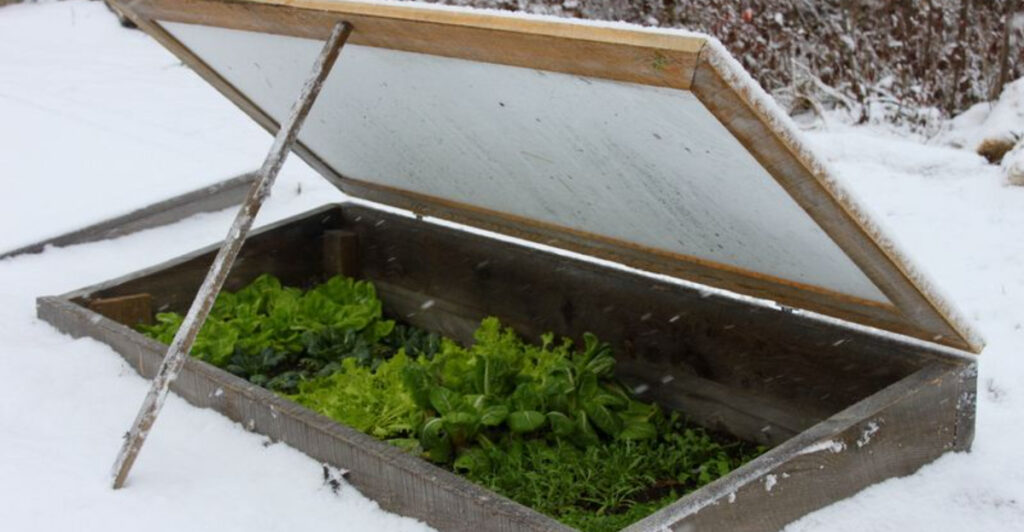
Maine’s winters can be particularly harsh, with freezing temperatures and heavy snowfall threatening the survival of your garden. However, with the right strategies, you can shield your plants from the severe weather and ensure a vibrant spring revival.
1. Mulching for Warmth

Mulching acts as a warm blanket for your garden, providing essential protection against the biting cold. It helps to insulate the soil, keeping the temperature stable and preventing frost heaving, which can push plants out of the ground. Organic mulches such as straw, wood chips, or shredded leaves are ideal for this purpose, as they also contribute to soil enrichment as they decompose.
Choosing the right time to mulch is crucial. Apply a thick layer of mulch after the first hard frost, when the ground is cold but not yet frozen. This timing ensures that warmth is trapped while allowing plants to harden off properly.
Did you know? Mulching not only protects the roots but also helps retain soil moisture, reducing the need for winter watering. So, while mulching, consider how it will benefit your garden in both the short and long term. Search for images of ‘winter mulching in Maine garden’ to get a visual sense of how to implement this technique effectively.
2. Building Raised Beds
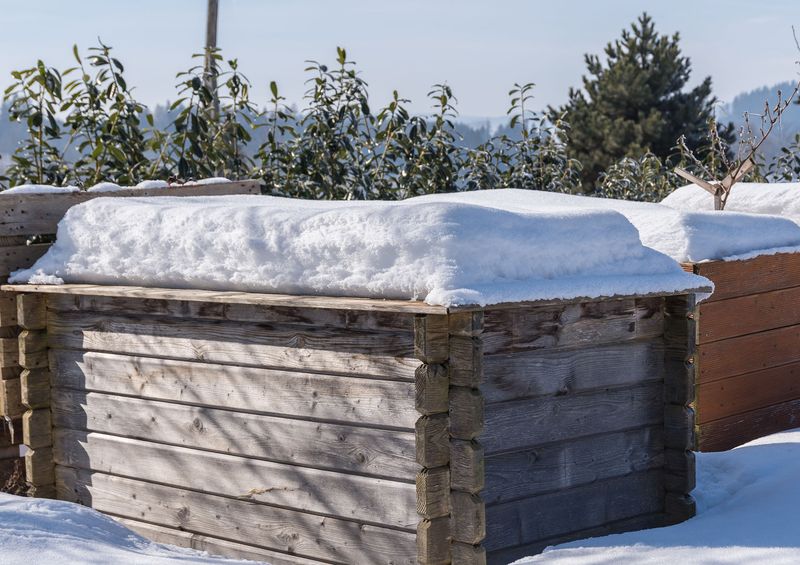
Raised beds provide a distinct advantage during harsh winters, elevating plants above the cold, wet ground and improving drainage. This elevation helps prevent root rot and soil compaction, common issues in soggy winter conditions. Constructing raised beds can be a rewarding DIY project, giving you control over soil quality and structure.
When planning your raised beds, consider using rot-resistant wood such as cedar or composite materials to withstand Maine’s winter climate. The beds should be at least 12 inches high to ensure adequate space for root growth and insulation against the cold.
The benefits of raised beds extend beyond winter. They warm up faster in the spring, allowing for an earlier start to the growing season. A fun fact: raised beds are often easier to manage and can reduce back strain, making gardening more accessible. For visual inspiration, search ‘Maine winter raised garden beds’ to see examples of effective designs.
3. Utilizing Cold Frames
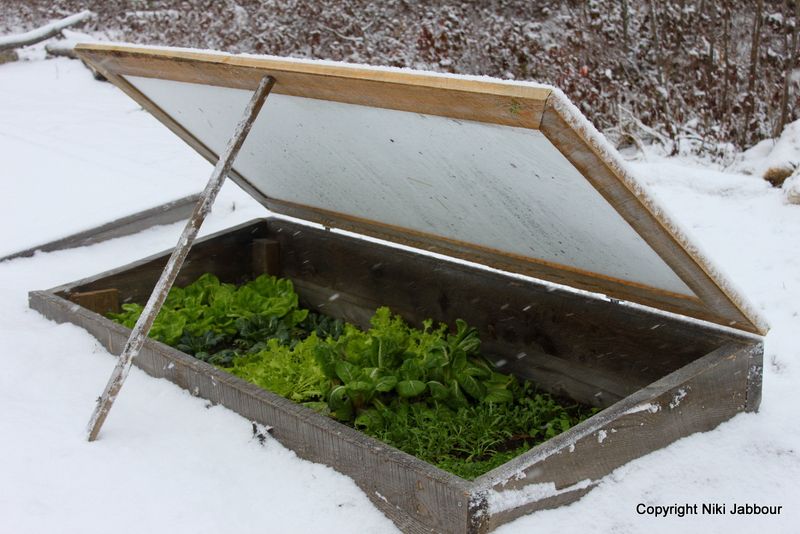
Cold frames are a gardener’s secret weapon against frost, providing a mini greenhouse effect that extends the growing season. They trap solar energy, maintaining a warmer environment for plants during frigid winter months. Constructing a cold frame involves simple materials like old windows or clear plastic, making it an accessible project for any gardener.
Placement is key to maximizing sunlight exposure. Position your cold frame in a south-facing location where it can capture the most daylight. Remember to ventilate during milder days to prevent overheating, which can be just as damaging as the cold.
Here’s an intriguing tip: use thermal mass like bricks or stones inside the frame to absorb heat during the day and release it at night. This method can further stabilize temperatures within the frame. Look up ‘cold frame gardening in Maine winter’ for creative ways to integrate this tool into your garden.
4. Covering with Burlap
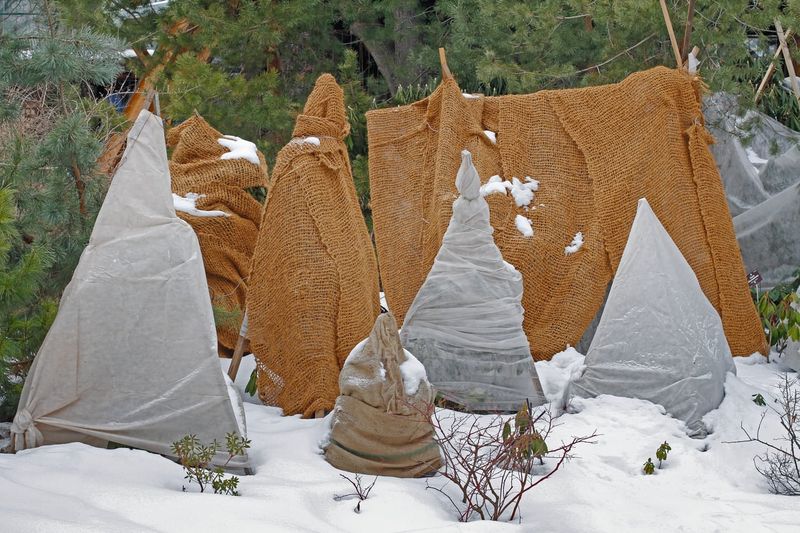
Burlap serves as a reliable shield against winter’s harshest elements, protecting sensitive plants from windburn and ice damage. This breathable fabric allows moisture to escape, reducing the risk of mold and mildew while still providing insulation. Wrapping shrubs and small trees in burlap is a straightforward method that can save plants from winter’s worst.
When using burlap, ensure a snug but not tight fit around the plant. Secure it with garden twine, leaving some room for the plant to breathe and grow. This approach is especially beneficial for evergreens, which can suffer from desiccation during cold months.
Did you know? Burlap is not only effective but also environmentally friendly and biodegradable, aligning with sustainable gardening practices. Explore images of ‘burlap plant covering in Maine’ to see how gardeners protect their greenery from the cold.
5. Planting Windbreaks

Windbreaks are a natural solution to mitigate the chilling effects of winter winds, which can sap moisture from plants and soil. By planting strategic rows of trees or shrubs, you create a barrier that reduces wind speed and provides a microclimate more conducive to plant survival. Evergreens are particularly effective, as they retain their foliage and provide year-round protection.
When designing a windbreak, consider plant species that are native to Maine, such as white pine or spruce, which are adapted to local conditions. The windbreak should be dense enough to reduce wind speed but not so tight that it causes snow to accumulate excessively around the plants.
A historical tidbit: windbreaks have been used by farmers for centuries to protect crops and improve yields by creating more stable microclimates. To see examples of effective windbreaks, search for ‘Maine garden windbreak solutions’ online.
6. Indoor Plant Relocation

Bringing plants indoors during winter offers them a respite from the severe outdoor conditions, allowing them to thrive in a controlled environment. This is particularly important for potted plants and herbs that are sensitive to frost. By creating a cozy nook near a sunny window, you can provide the light and warmth they need to continue growing.
Select the sunniest spot in your home, ideally one that faces south or west, to maximize light exposure. Indoor humidity can be low during winter, so consider using a humidifier or misting plants regularly to replicate their preferred conditions.
An interesting fact: moving plants indoors can also enhance your living space, adding greenery and improving air quality. For ideas on arranging indoor plants, search ‘indoor winter plant care Maine’ to discover creative setups that keep your garden alive all winter.
7. Snow Fencing Techniques

Snow fencing is an ingenious method to manage snow distribution in your garden, preventing snowdrifts from damaging delicate plants. By installing a fence upwind, you can influence where snow accumulates, creating a protective blanket over areas that benefit from insulation while keeping heavy drifts away from vulnerable spots.
The art of snow fencing lies in its placement. Situate the fence far enough from the garden to allow snow to settle naturally, avoiding excessive buildup. This technique not only protects plants but also makes snow removal easier by controlling drift patterns.
Did you know? Snow fences have been used historically to keep railways clear and protect rural homes from snowdrifts. For a practical look at how snow fencing can be applied, search ‘Maine garden snow fence setup’ to learn more about this effective winter gardening strategy.