
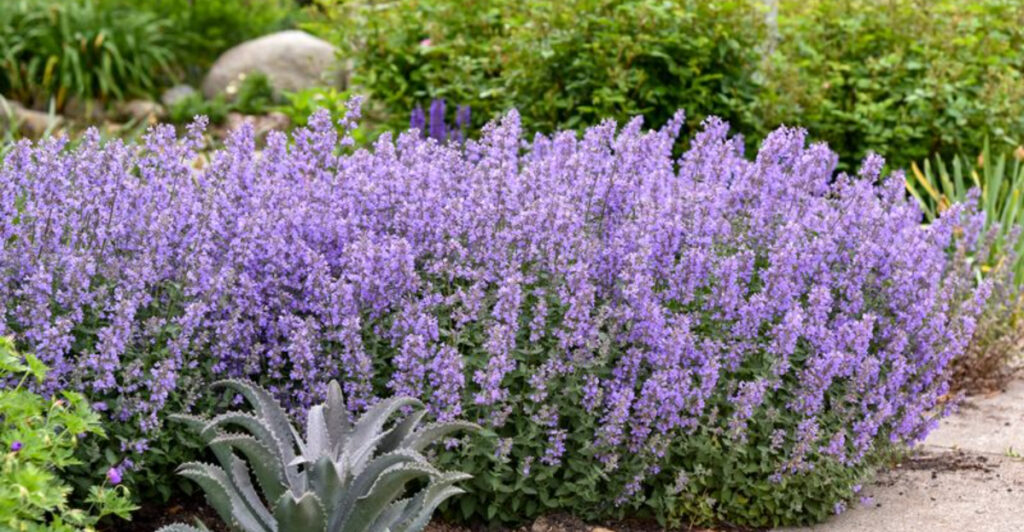
In Michigan’s diverse climate, selecting the right perennial flowers can effectively suppress weeds while enhancing your garden’s beauty.
Incorporating these perennials into your Michigan garden can naturally suppress weeds while providing vibrant colors and attracting beneficial pollinators.
1. Black-Eyed Susan (Rudbeckia hirta)
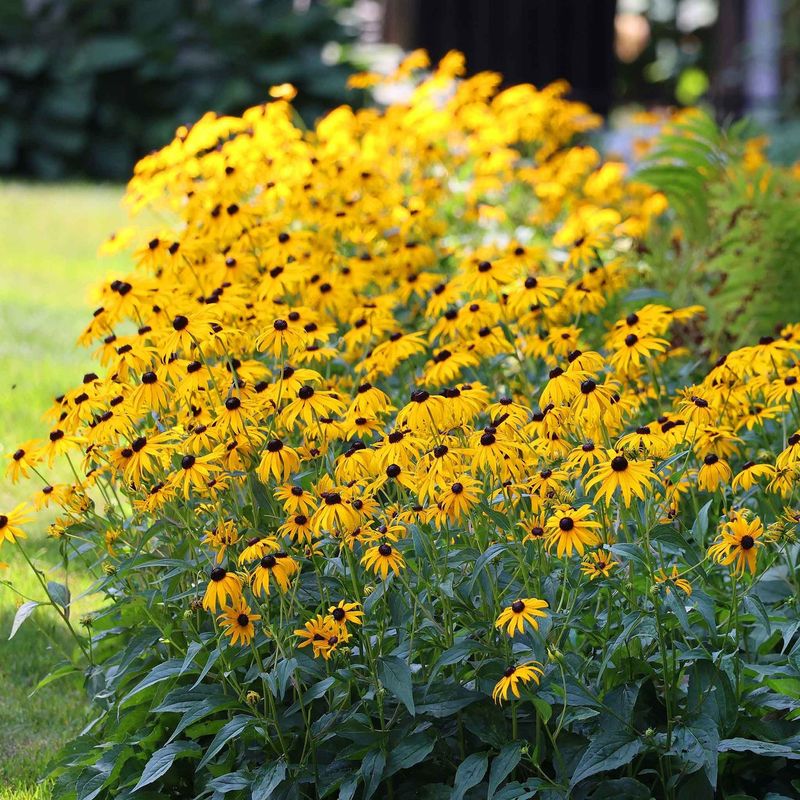
Black-Eyed Susan is a garden favorite with its radiant yellow petals and contrasting dark centers. Blooming from late summer into fall, this perennial’s dense foliage and spreading nature effectively shade out weeds. Thriving in Michigan’s full sun and well-drained soil, it attracts pollinators.
It’s a symbol of resilience, as it not only beautifies but also serves a functional purpose in crowded garden beds. The plant’s vigorous growth ensures your garden stays lush and weed-free. A true Michigan staple, Black-Eyed Susan is a must-have for any vibrant landscape.
2. Coneflower (Echinacea)
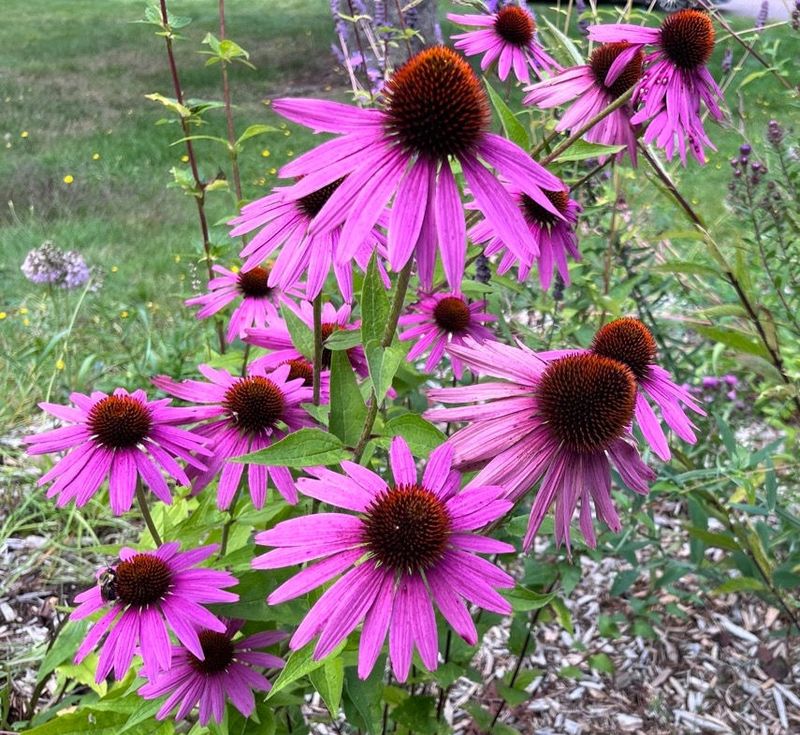
Coneflowers, with their daisy-like blooms in shades of purple, pink, and white, are a spectacular addition to any Michigan garden. They flourish in full sun and well-drained soil, forming dense clumps that naturally suppress weeds.
Their ability to attract pollinators makes them not only beautiful but also beneficial to garden ecosystems. These hardy perennials are perfect for gardeners seeking low-maintenance yet striking floral displays.
In addition to their aesthetic appeal, Coneflowers are known for their medicinal properties, adding both beauty and utility to your garden space.
3. Creeping Phlox (Phlox subulata)
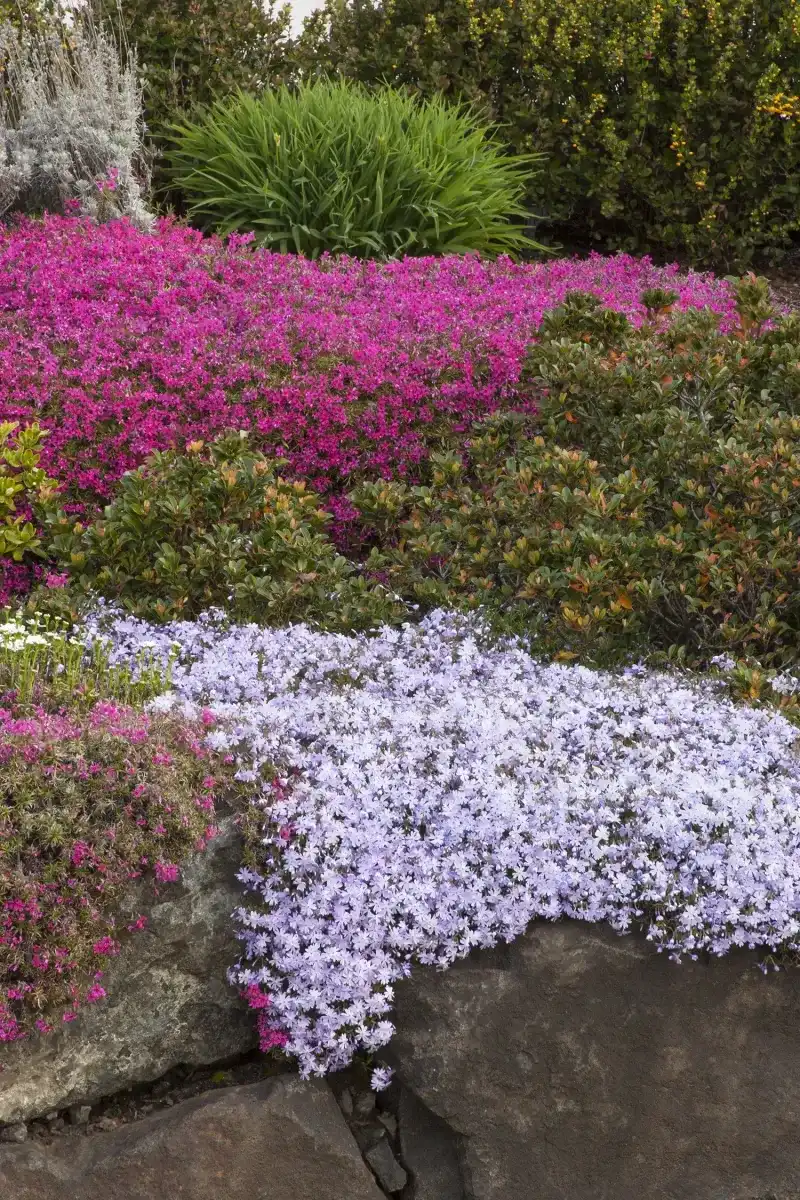
Creeping Phlox creates a breathtaking carpet of color in pinks, purples, and whites. This low-growing perennial thrives in Michigan’s sunny gardens, blocking out weeds with its dense mat of foliage.
Its ground-covering nature not only prevents weed growth but also adds visual interest to garden borders and rock gardens. Perfect for gardeners looking to add a splash of spring color, Creeping Phlox is both practical and pleasing.
Known for its hardiness, it continues to charm with its persistence and beauty, making it a valuable addition to any Michigan landscape.
4. Yarrow (Achillea millefolium)
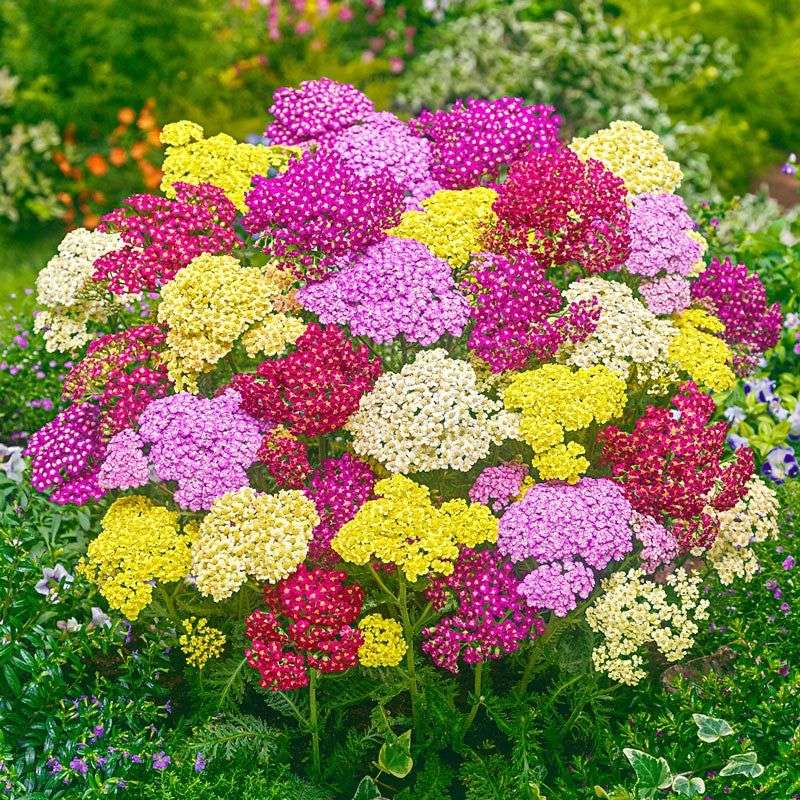
Yarrow stands out with its flat-topped clusters of tiny, daisy-like flowers in shades of white, pink, and gold. Its clump-forming habit and robust root system create a living mulch, effectively outcompeting weeds.
Thriving in Michigan’s varying climates, Yarrow monopolizes moisture, making it a sustainable choice for eco-conscious gardeners. Its ability to attract beneficial insects further enhances its garden appeal.
Beyond its beauty, Yarrow has a rich history in traditional medicine, offering a unique blend of aesthetic charm and practical benefits to any garden setting.
5. Lavender (Lavandula angustifolia)
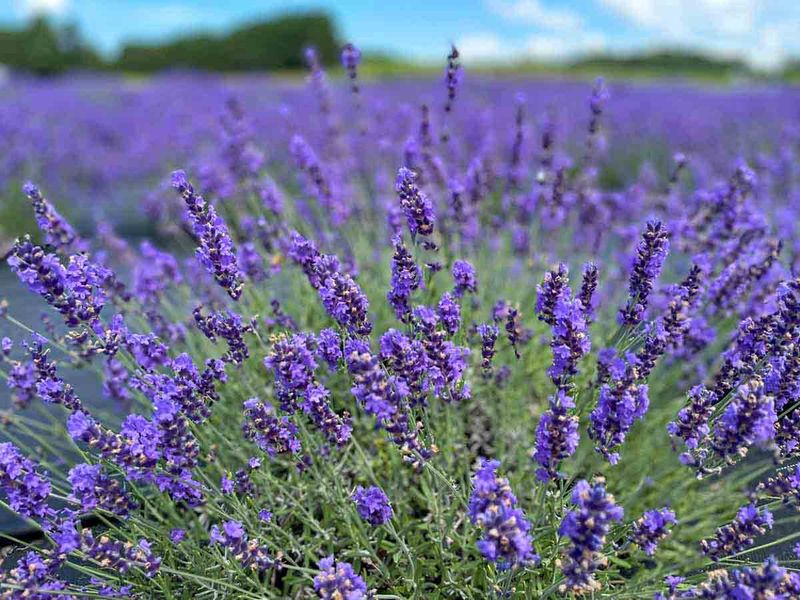
Lavender, with its aromatic fragrance and silvery foliage, is a captivating addition to any Michigan garden. Its tall spikes of purple blooms form dense clumps that effectively smother weeds.
Preferring full sun and well-drained, slightly alkaline soil, Lavender is as functional as it is fragrant. Known for attracting bees, it boosts garden biodiversity while maintaining its elegance.
Lavender’s soothing scent and vibrant color make it a favorite among gardeners. Its resilience and beauty ensure a weed-free, aromatic landscape, embodying both grace and utility.
6. Catmint (Nepeta)
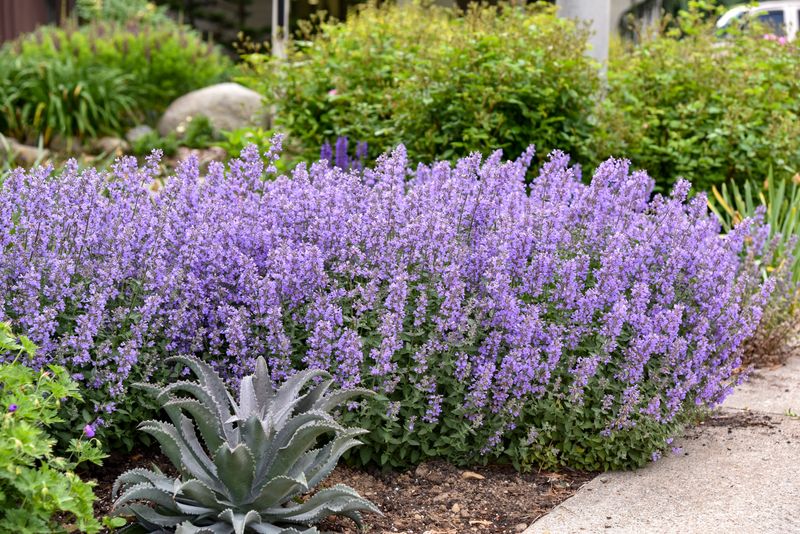
Catmint brings a touch of whimsy to gardens with its fragrant leaves and delicate blue flowers. Known for its vigorous growth, it covers ground quickly, leaving little room for weeds.
In Michigan’s gardens, it thrives, attracting bees and butterflies, enriching the local ecosystem. Its rapid spread and dense mat make it an effective natural weed suppressant.
Beyond its functionality, Catmint’s charming appearance and easy care make it a beloved choice for gardeners. Its ability to thrive in diverse conditions is a testament to its adaptability and allure.
7. Sedum (Stonecrop)
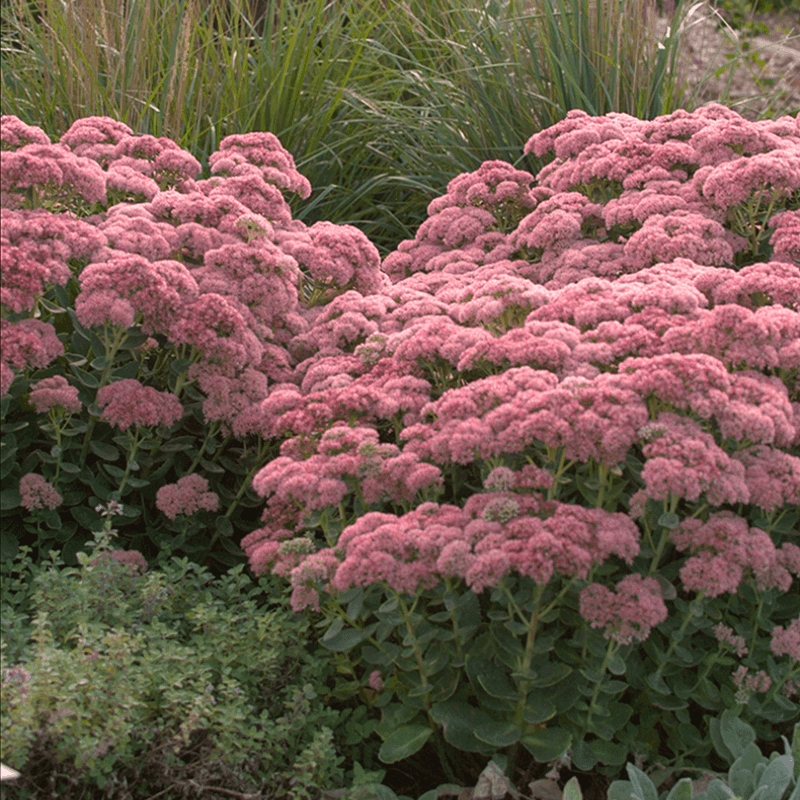
Sedum, often called Stonecrop, is a marvel of nature’s adaptability. Its succulent leaves and vibrant blooms spread quickly, creating a lush ground cover that leaves no room for weeds.
This resilient plant thrives in Michigan’s poor soil conditions with minimal water, making it an exemplary choice for low-maintenance gardens. Sedum’s ability to flourish where others fail highlights its tenacity.
Its diverse forms and colors add unique visual interest to landscapes. Sedum is not just a ground cover; it’s a testament to resilience and beauty in challenging environments.