

Maryland’s unique climate brings both opportunities and challenges for home gardeners. From hot, humid summers to unpredictable winters, your garden needs different care throughout the year. Understanding when and how to maintain your outdoor space can mean the difference between a thriving landscape and a struggling one. Follow these essential seasonal tips to keep your Maryland garden healthy and beautiful all year long.
1. Spring Soil Preparation and Testing

March marks the perfect time to check what winter left behind in your garden beds. Pull back mulch layers to let soil warm up faster, but don’t rush into planting just yet.
Test your soil’s pH levels using a simple kit from any garden center. Maryland’s clay-heavy soil often needs organic matter like compost or aged manure mixed in.
Remove any remaining winter debris and gently rake beds smooth. Add a two-inch layer of fresh compost to feed your plants throughout the growing season ahead.
2. Pruning Dormant Trees and Shrubs

Late winter into early spring offers the best window for major pruning work. Your plants are still sleeping, making it easier to see their natural shape and structure.
Focus on removing dead, damaged, or crossing branches first. Then step back and look at the overall form before making additional cuts.
Avoid pruning spring-flowering shrubs like azaleas or forsythia until after they bloom. Use clean, sharp tools to prevent spreading diseases between plants in your landscape.
3. Summer Watering Strategies

Maryland summers can be brutal on garden plants, with high humidity followed by sudden dry spells. Deep, infrequent watering works better than daily light sprinkles.
Water early morning or evening to reduce evaporation loss. Soaker hoses and drip irrigation systems deliver water directly to root zones without wasting precious moisture.
Check soil moisture by sticking your finger two inches deep. If it feels dry, your plants need a good drink that reaches down to their deeper roots.
4. Fall Leaf Management

Those beautiful autumn leaves can become a real headache if left sitting on your lawn and garden beds. Thick leaf layers block sunlight and create perfect hiding spots for pests.
Rake leaves regularly or use a mulching mower to chop them into smaller pieces. These chopped leaves make excellent natural fertilizer when mixed into compost piles.
Save some whole leaves for insulating tender plants during winter months. Just don’t let them pile up more than a few inches thick anywhere.
5. Winter Protection for Tender Plants
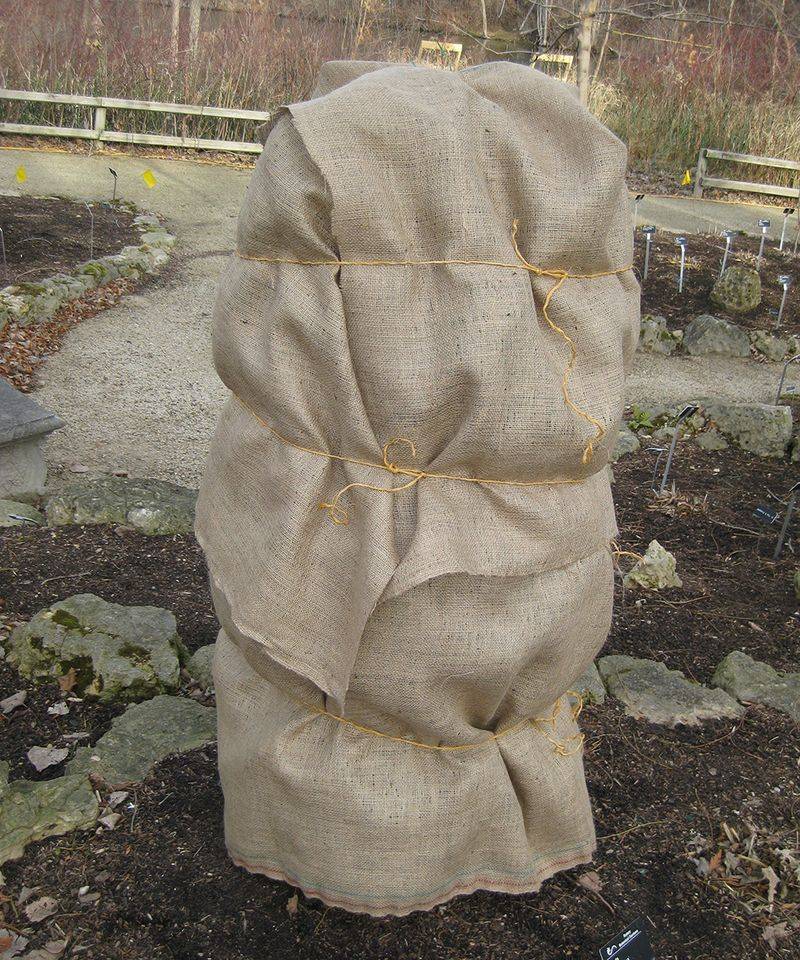
Maryland winters can surprise you with sudden temperature drops that damage sensitive plants. Wrap young trees and shrubs with burlap to shield them from harsh winds.
Apply extra mulch around plant bases, but keep it pulled back from actual stems and trunks. This prevents rodent damage while providing root insulation.
Move potted plants to protected areas like garages or covered porches. Even cold-hardy containers can suffer root damage when temperatures plummet unexpectedly in our region.
6. Seasonal Fertilizer Applications

Timing fertilizer applications correctly can make or break your garden’s performance throughout the year. Spring feeding should happen after soil warms but before active growth begins.
Summer fertilizing works best for heavy feeders like tomatoes and annual flowers. Use slow-release formulas to avoid burning plants during hot weather.
Stop nitrogen fertilizing by late summer to help plants prepare for dormancy. Fall phosphorus applications help root systems strengthen before winter arrives in Maryland.
7. Pest and Disease Monitoring

Maryland’s humid climate creates perfect conditions for plant diseases and pest problems. Regular garden walks help you catch issues before they become major headaches.
Look for unusual spots on leaves, wilting plants, or chewed foliage during your weekly inspections. Early detection means easier, less toxic treatment options.
Keep a simple garden journal noting what problems appear when. Patterns emerge that help you prepare preventive treatments for next year’s growing season.
8. Lawn Overseeding and Repair

Fall presents the ideal opportunity for fixing bare spots and thickening thin areas in your Maryland lawn. Cool-season grasses love autumn’s moderate temperatures and increased rainfall.
Rake damaged areas thoroughly before spreading new seed. Good seed-to-soil contact makes the difference between success and disappointment with overseeding projects.
Keep newly seeded areas consistently moist until grass reaches mowing height. This usually takes three to four weeks with proper care and favorable weather conditions.
9. Seasonal Mulch Maintenance

Mulch breaks down over time, especially in Maryland’s hot, humid summers. Spring and fall offer perfect opportunities to refresh your garden bed coverings.
Pull old mulch away from plant stems before adding fresh material. Mulch volcanoes around trees cause more harm than good by encouraging pest problems.
Maintain two to three inches of mulch depth for best results. Organic mulches like shredded hardwood or pine needles improve soil as they decompose naturally.
10. Tool Cleaning and Storage

Clean tools work better and last longer than neglected ones covered in dirt and rust. End each gardening season by giving your equipment proper attention.
Scrub soil off metal surfaces and apply light oil coating to prevent rust during storage months. Sharp, clean blades make cleaner cuts that heal faster.
Store tools in dry locations away from temperature extremes. A simple shed or garage corner works perfectly for protecting your gardening investment through Maryland’s variable weather.
11. Seasonal Planting Schedules

Maryland’s growing season offers multiple planting opportunities if you time things correctly. Cool-season crops thrive in spring and fall when temperatures moderate.
Plant warm-season vegetables after soil reaches 60 degrees consistently. This usually happens in mid to late May throughout most of Maryland.
Fall planting works wonderfully for trees, shrubs, and perennials. They establish root systems during cool weather, then take off strongly the following spring season.
12. Weather Protection Strategies
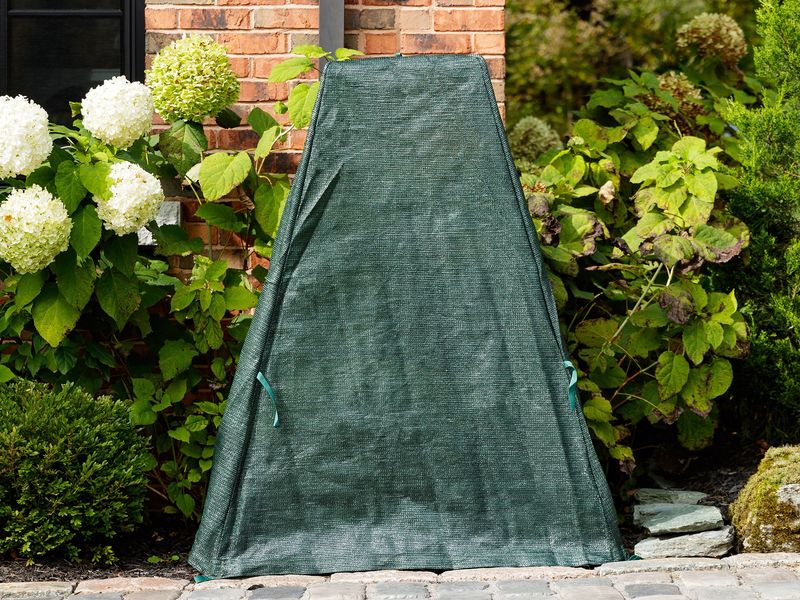
Maryland weather can change quickly, catching gardeners off guard with late frosts or sudden storms. Keep row covers handy for protecting tender plants during unpredictable spring weather.
Install sturdy plant stakes before storm season arrives. Strong winds can topple tall plants and undo months of careful growing in just minutes.
Create windbreaks using temporary screens or permanent plantings. Strategic placement protects vulnerable areas while adding visual interest to your overall landscape design.