

Raccoons might look adorable with their masked faces and tiny hands, but any gardener from Pennsylvania to New York knows these clever critters can destroy a season’s hard work overnight. Whether they’re raiding your sweet corn, demolishing your tomato plants, or turning your compost into their personal buffet, raccoons present a real challenge for backyard growers. The good news is that experienced gardeners across the Northeast have developed proven strategies to keep these persistent pests at bay without harming them.
1. Secure Your Compost and Trash First
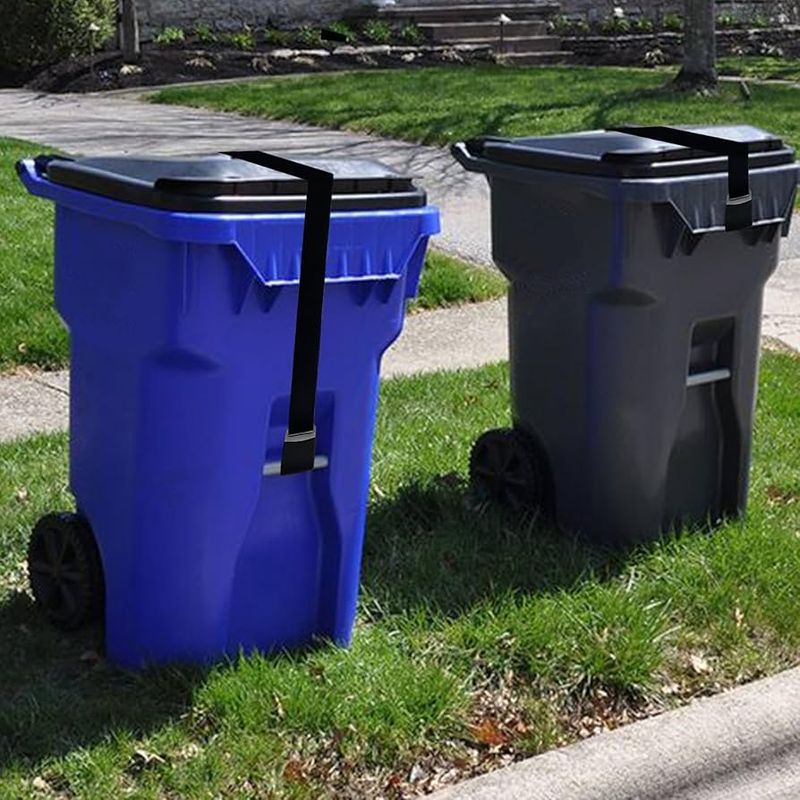
Before tackling garden protection, smart gardeners know that eliminating easy food sources is the crucial first step. Raccoons are opportunistic feeders who will remember where they found a good meal and return night after night.
Lock down your trash cans with tight-fitting lids or bungee cords, and never leave pet food outside overnight. Move your compost bin away from the garden area, or better yet, invest in a tumbler-style composter that raccoons can’t easily access.
When raccoons can’t find quick snacks around your property, they’re much less likely to stick around and discover your prized vegetables.
2. Install Motion-Activated Sprinklers
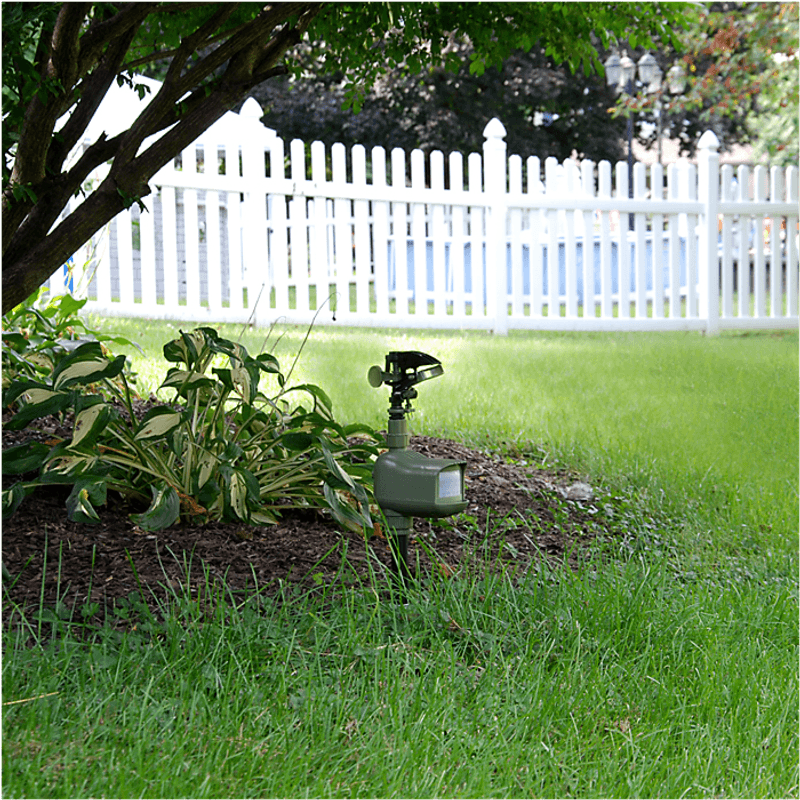
Nothing sends a raccoon scrambling quite like an unexpected blast of cold water in the middle of the night. Motion-activated sprinklers have become the secret weapon of choice for Pennsylvania gardeners protecting their corn and berry patches.
Position these devices strategically around high-value crops like sweet corn, melons, and strawberries. The sudden spray startles raccoons without causing harm, and most learn to avoid the area after just a few encounters.
Remember to move your sprinklers every week or two, as these intelligent animals can eventually figure out the spray pattern and find ways around it.
3. Go Electric with Low Fencing
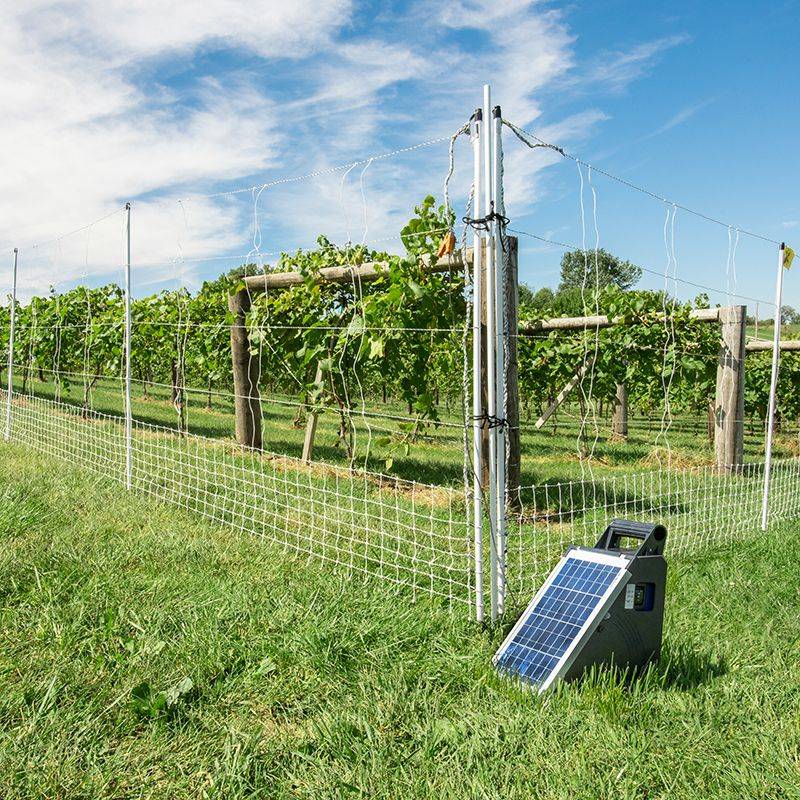
Rural gardeners swear by low-voltage electric fencing as their most effective long-term solution against persistent raccoons. Two or three electrified wires positioned 6-8 inches apart create an impenetrable barrier that teaches raccoons to stay away permanently.
The key is proper installation: raccoons typically test barriers with their sensitive noses first, so the lowest wire should be about 4 inches from the ground. Keep vegetation trimmed beneath the wires to maintain full electrical contact.
While the initial setup requires some investment, electric fencing pays for itself by protecting entire garden areas season after season with minimal maintenance required.
4. Choose Raccoon-Resistant Crops Strategically
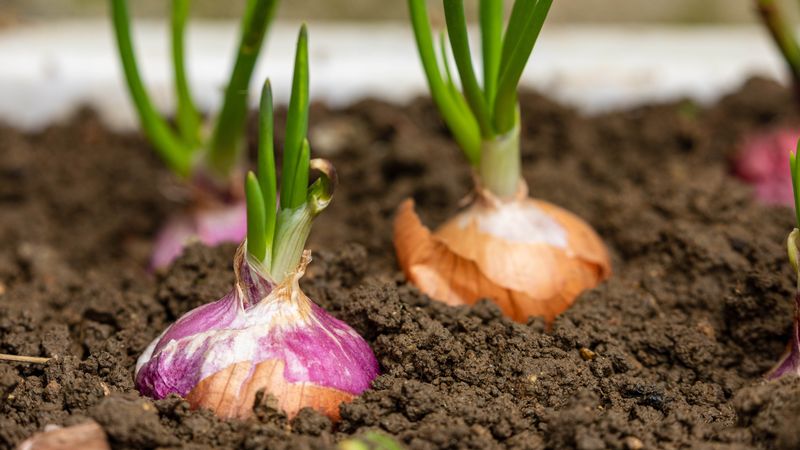
Clever gardeners create natural barriers by planting crops that raccoons find unappealing around their garden perimeters. Strong-scented plants like onions, garlic, and aromatic herbs act as living deterrents that make raccoons think twice about entering.
Marigolds, nasturtiums, and hot peppers also help create an unwelcoming border around more vulnerable crops. While this method won’t stop determined raccoons entirely, it significantly reduces casual browsing and works best when combined with other deterrent strategies.
Plant these protective crops in dense rows or clusters for maximum scent impact, and harvest them regularly to keep the strong odors fresh throughout the growing season.
5. Cover and Protect Crops at Night
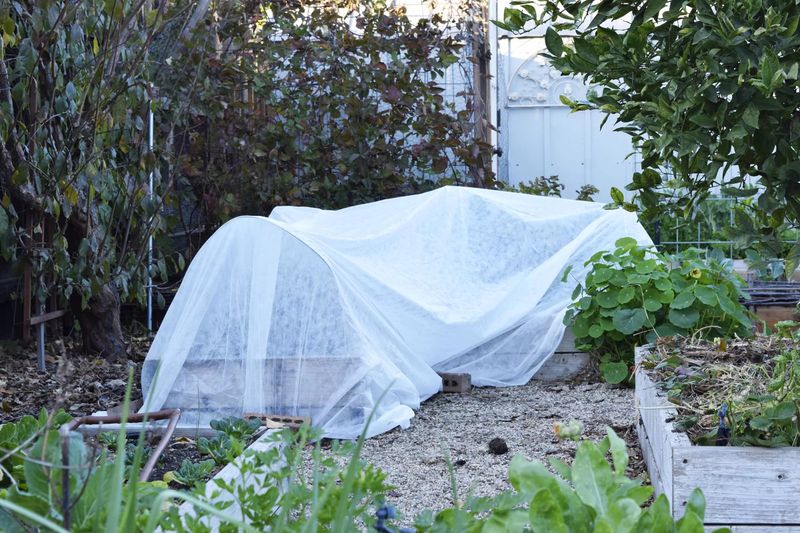
Since raccoons are primarily nocturnal, temporary evening protection can save your most vulnerable crops during peak ripening periods. Michigan gardeners have perfected the art of using lightweight row covers and bird netting to shield sweet corn and berries overnight.
Choose breathable materials that allow air circulation while blocking access to your crops. Secure the edges with landscape pins or heavy objects to prevent raccoons from crawling underneath the barriers.
Remove covers each morning to allow pollinators access to your plants, then replace them before dusk when raccoon activity typically begins for maximum protection effectiveness.
6. Use Strong Scents and Natural Repellents
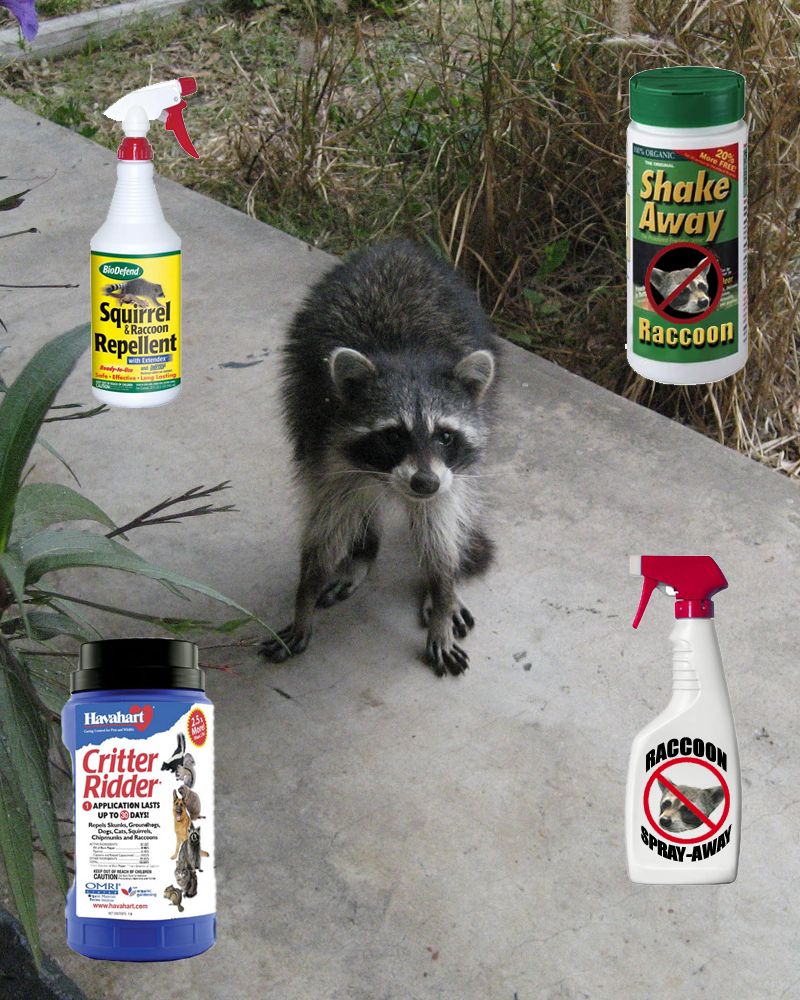
Urban New York gardeners rely heavily on scent-based deterrents that exploit raccoons’ sensitive noses without using harmful chemicals. Cayenne pepper sprinkled generously around garden beds creates an immediate burning sensation that raccoons quickly learn to avoid.
Predator urine granules from garden centers mimic the scent of natural raccoon enemies like coyotes and foxes. Ammonia-soaked rags placed in containers around high-traffic areas provide another powerful smell barrier that most raccoons find unbearable.
Reapply these natural repellents regularly, especially after rain, and rotate between different scents to prevent raccoons from becoming accustomed to any single deterrent method.
7. Keep Your Garden Perimeter Clear

Experienced gardeners know that eliminating hiding spots around their garden perimeter forces raccoons to cross open ground where they feel vulnerable and exposed. Tall weeds, brush piles, and overgrown shrubs provide perfect cover for these sneaky nighttime raiders.
Maintain a clear zone of at least 10 feet around your garden by mowing regularly and trimming back vegetation. Store firewood, compost materials, and garden tools away from fence lines where raccoons might use them as stepping stones.
This simple landscape management technique makes your garden much less appealing to raccoons who prefer to approach their targets under the safety of dense cover.