
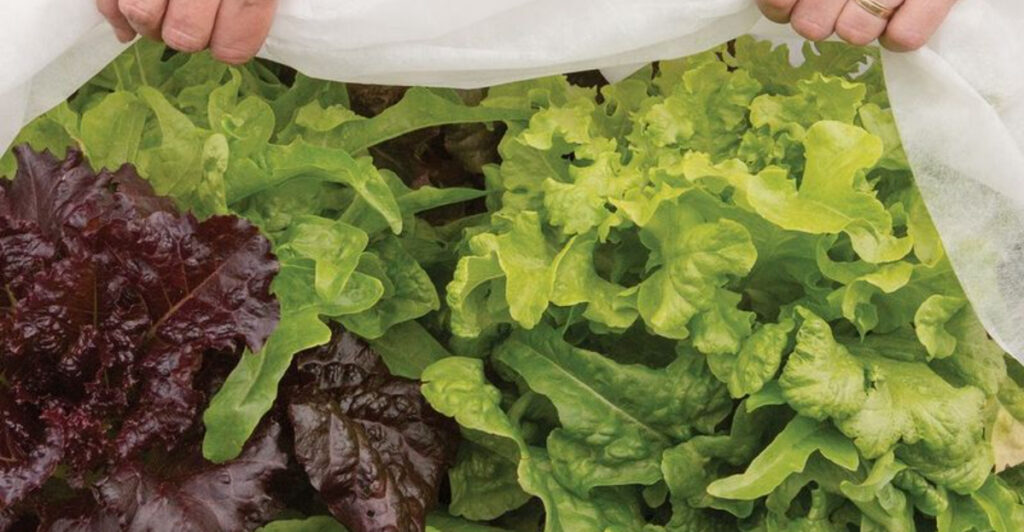
Florida’s warm, humid climate creates a paradise for plants—and unfortunately, for the bugs that love to eat them. Every gardener in the Sunshine State knows the frustration of discovering aphids on their tomatoes or whiteflies swarming their herbs. The good news is that you don’t need harsh chemicals to win the war against garden pests.
1. Companion Planting with Marigolds
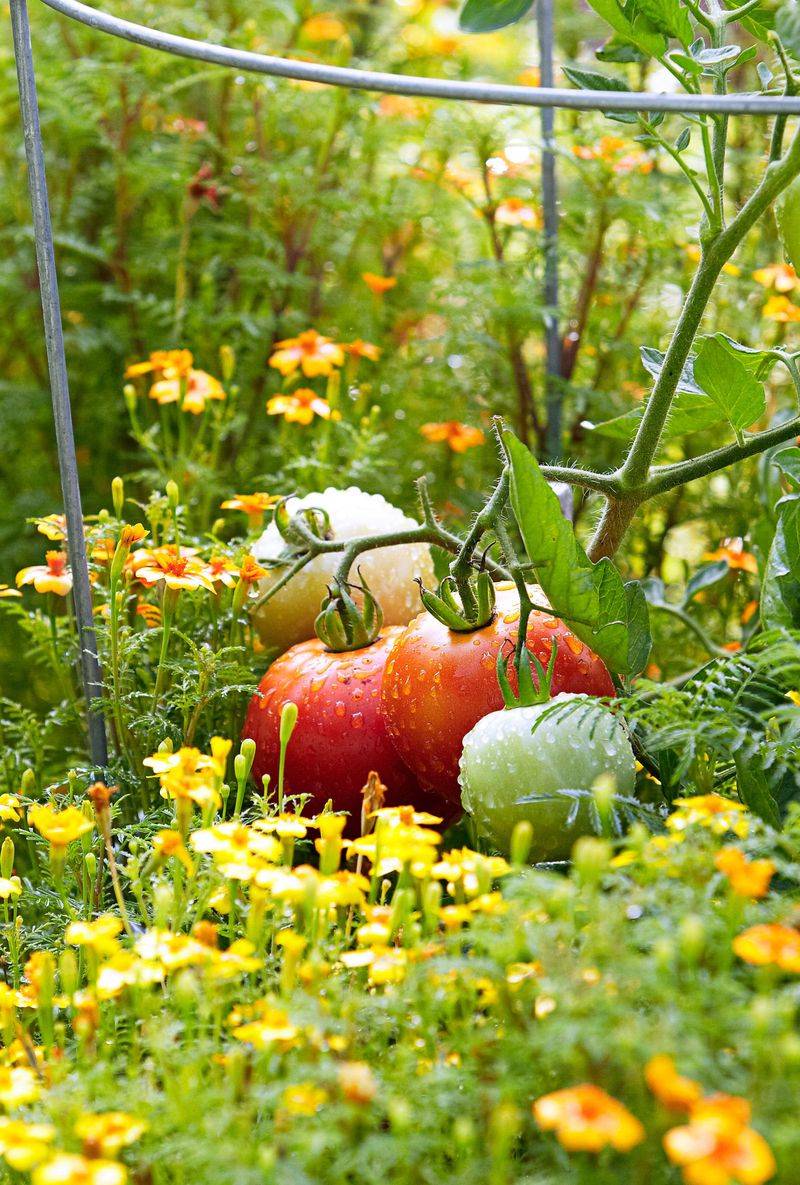
Bright orange and yellow marigolds do more than just look pretty in your garden beds. These cheerful flowers release natural compounds that make many pests think twice about settling in nearby.
Plant marigolds around your tomatoes, peppers, and other vegetables to create a natural barrier. The strong scent confuses harmful insects and can reduce nematode populations in your soil.
French marigolds work especially well in Florida’s heat, blooming continuously through the growing season. Space them about six inches apart for maximum protection effect.
2. Neem Oil Applications
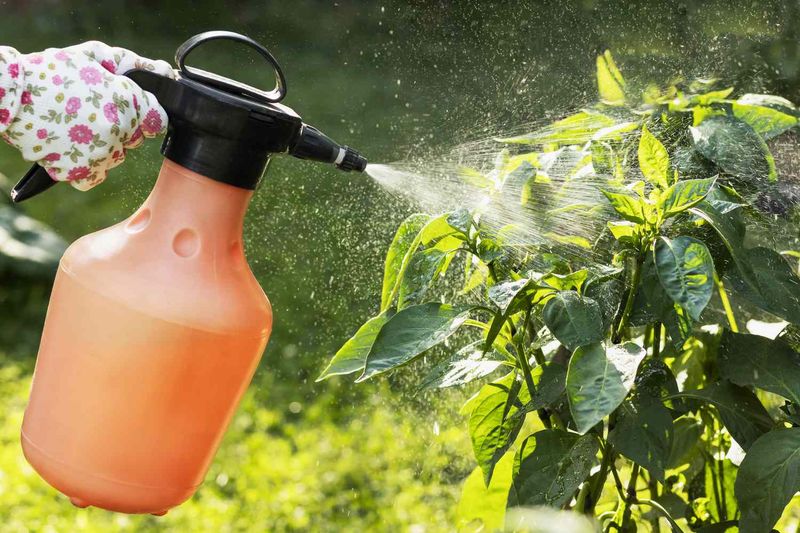
Extracted from the neem tree, this natural oil works like a pest’s worst nightmare. Neem oil disrupts the life cycle of many insects, preventing them from feeding and reproducing properly.
Mix two tablespoons of neem oil with one gallon of water and a few drops of dish soap. Spray this solution on affected plants during cooler parts of the day to avoid leaf burn.
This treatment works especially well against aphids, whiteflies, and spider mites. Apply every seven to ten days for best results, and always test on a small area first.
3. Beneficial Insect Hotels
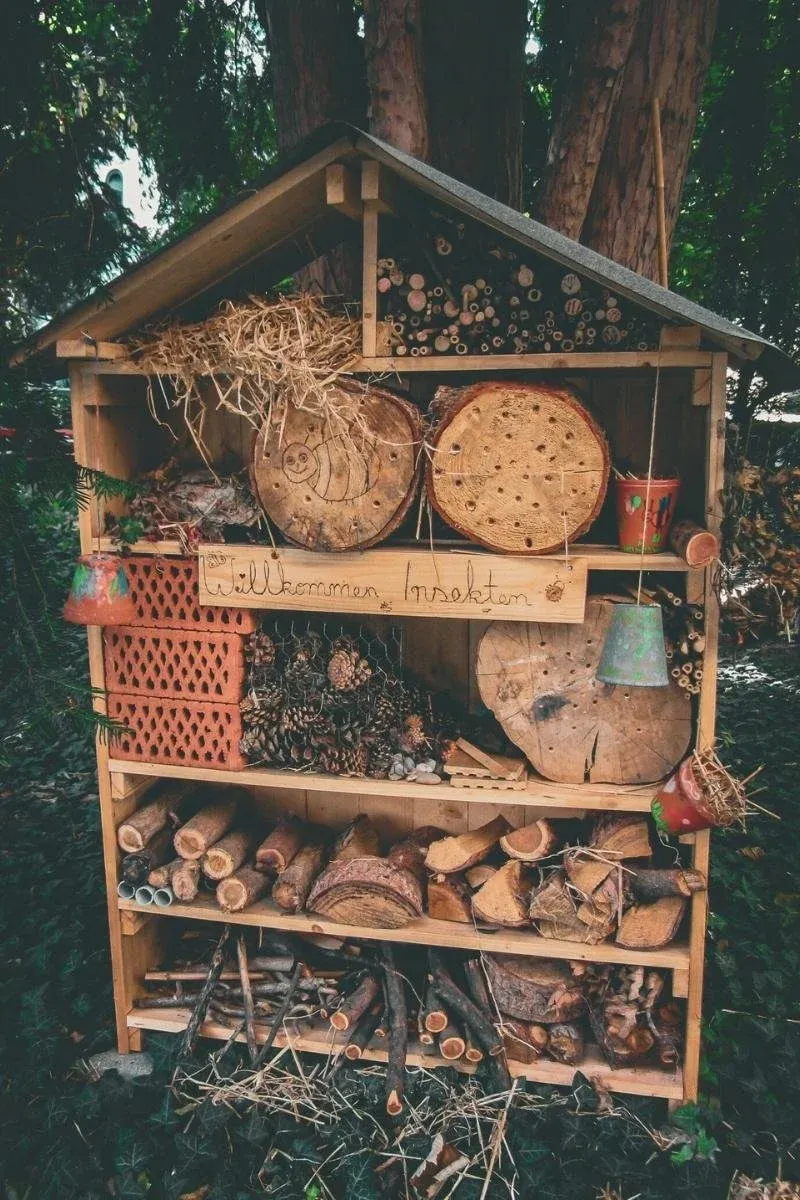
Creating homes for good bugs might sound backwards, but these helpful creatures are your garden’s best friends. Ladybugs, lacewings, and parasitic wasps naturally control pest populations without any work from you.
Build simple insect hotels using bamboo tubes, pine cones, and small logs with drilled holes. Place these structures in quiet corners of your garden where beneficial insects can shelter and reproduce.
Native Florida plants like pentas and firebush also attract these helpful bugs. The more good insects you have, the fewer bad ones will stick around.
4. Diatomaceous Earth Barriers
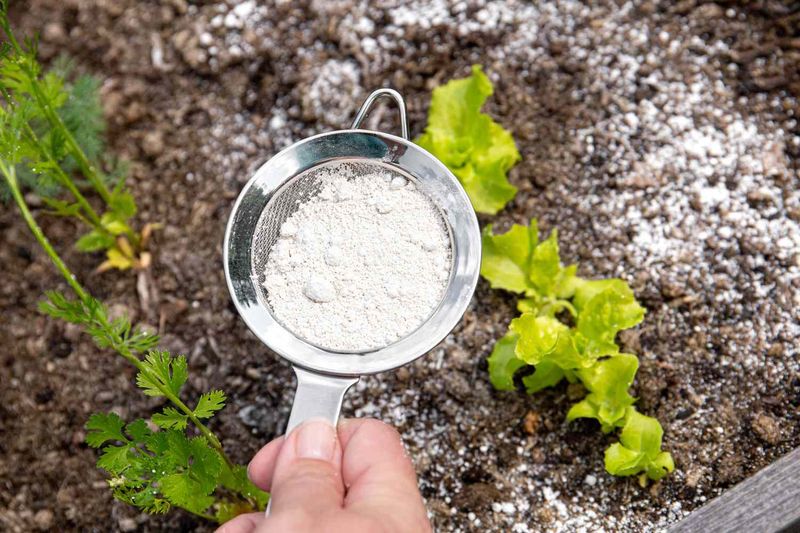
This powdery substance might look harmless, but to crawling insects, it’s like walking across broken glass. Food-grade diatomaceous earth consists of tiny fossilized algae that damage soft-bodied pests.
Sprinkle a thin line around plant bases to stop ants, slugs, and other crawling insects. The powder works best when dry, so reapply after heavy rains or watering.
Always wear a dust mask when applying diatomaceous earth, and choose food-grade versions only. Pool-grade diatomaceous earth contains chemicals that can harm plants and beneficial insects.
5. Insecticidal Soap Sprays
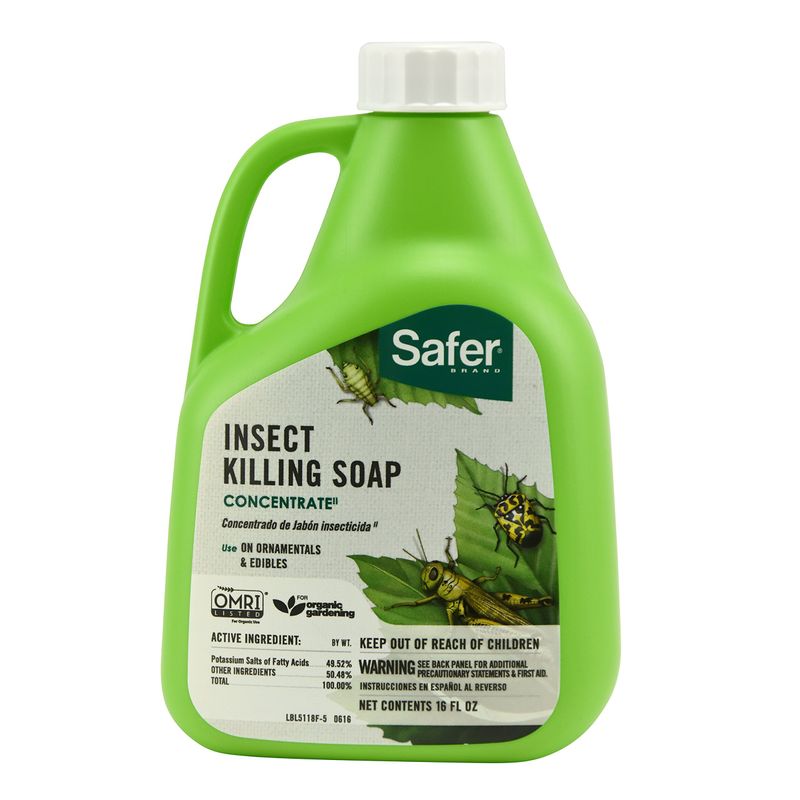
Sometimes the simplest solutions work best, and insecticidal soap proves this point perfectly. This gentle treatment suffocates soft-bodied insects without harming your plants or beneficial bugs.
Purchase ready-made insecticidal soap or make your own using pure castile soap mixed with water. Spray directly onto affected areas, making sure to coat both sides of leaves thoroughly.
This method works wonderfully against aphids, spider mites, and young caterpillars. Apply during cooler morning or evening hours to prevent leaf damage from the Florida sun.
6. Bacillus Thuringiensis for Caterpillars
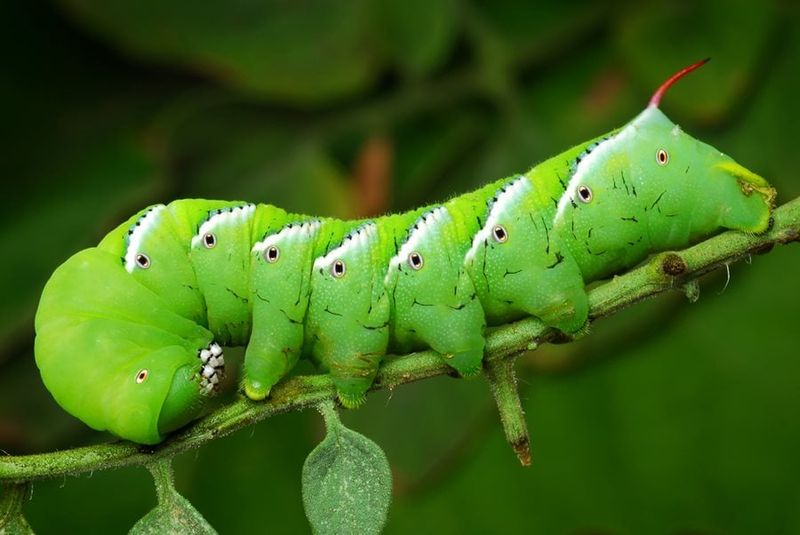
Meet nature’s most specific pest controller—a bacteria that targets only caterpillars while leaving everything else alone. Bacillus thuringiensis, or Bt, produces proteins toxic only to butterfly and moth larvae.
Apply Bt spray when you first notice caterpillar damage, focusing on areas where you see the pests actively feeding. The bacteria takes a few days to work, so be patient.
This biological control works especially well against tomato hornworms, cabbage worms, and other leaf-eating caterpillars common in Florida gardens. Reapply after rain or heavy watering.
7. Row Covers and Physical Barriers
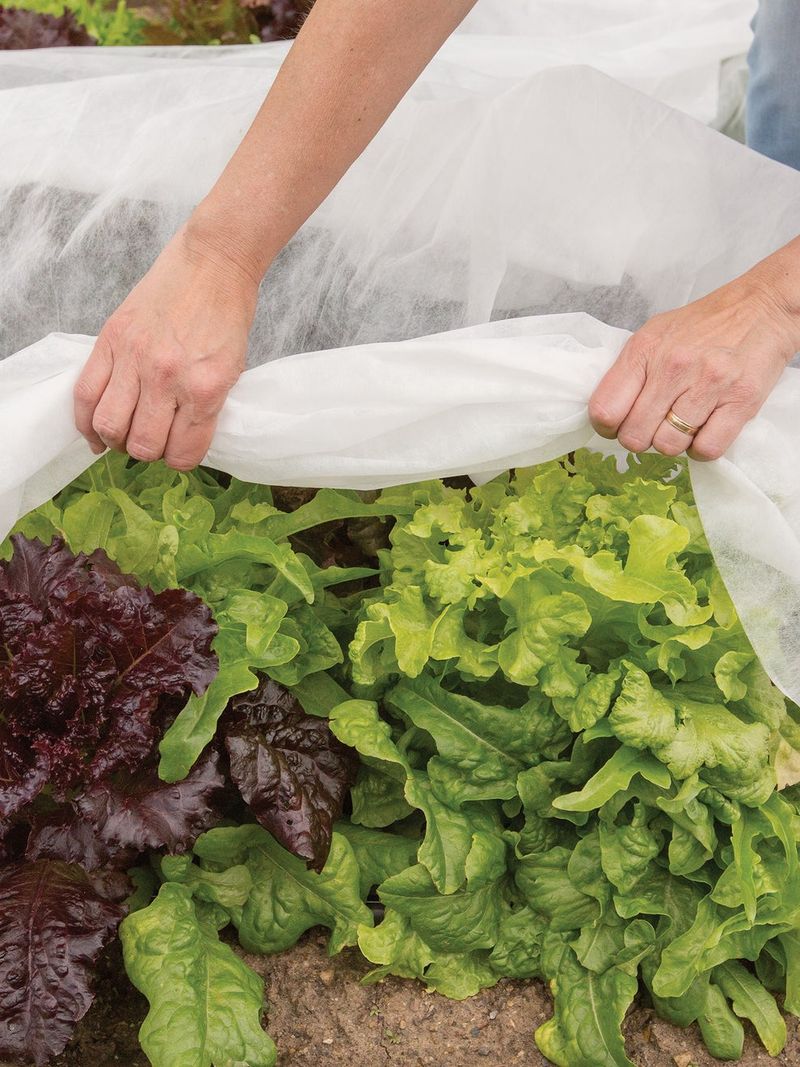
Sometimes the best offense is a good defense, and floating row covers provide excellent protection from flying pests. These lightweight fabrics allow sunlight and water through while keeping bugs out.
Install row covers immediately after planting to prevent pest problems before they start. Remove covers when plants need pollination, then replace them if pest pressure returns.
For individual plants, try using old pantyhose or mesh bags to protect developing fruits. This method works particularly well for protecting squash from vine borers and tomatoes from fruit flies.
8. Trap Crops Strategy
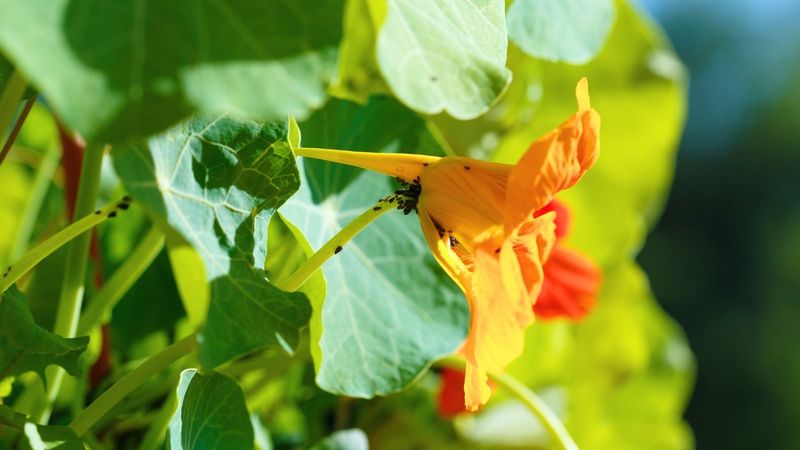
Outsmart pests by giving them something they want even more than your prized vegetables. Trap crops act like decoys, drawing harmful insects away from your main plants.
Plant nasturtiums near cucumbers and squash to attract cucumber beetles and squash bugs. These sacrificial plants concentrate pests in one area, making control easier.
Radishes planted near cabbage family crops attract flea beetles away from your main harvest. Once pests gather on trap crops, you can treat just those areas or remove the entire plant.
9. Horticultural Oil Treatments
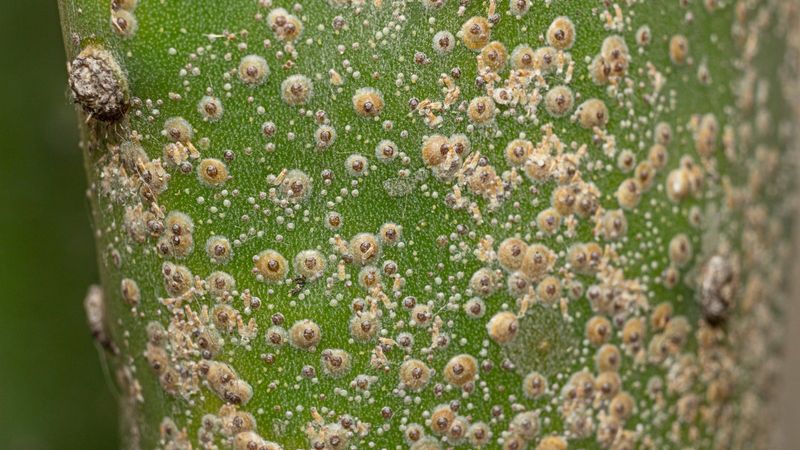
Horticultural oils work by smothering pests and their eggs, making them an excellent choice for controlling scale insects, mites, and aphids. These refined oils dissolve the waxy coatings that protect many pests.
Apply horticultural oil during cooler parts of the day to prevent plant damage. Mix according to label directions and spray thoroughly, covering all plant surfaces where pests hide.
Dormant oil applications during winter months can prevent many pest problems before they start. This timing works especially well for fruit trees and ornamental plants in Florida.
10. Coffee Grounds and Organic Mulches
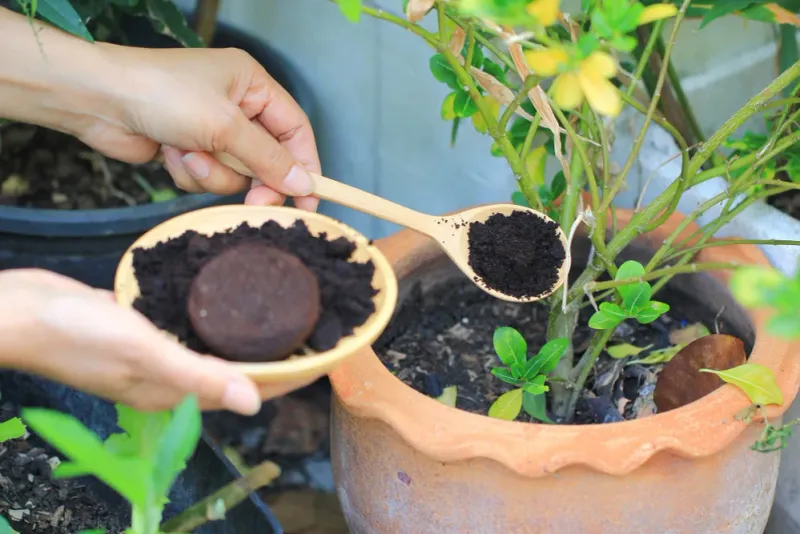
Your morning coffee routine can help your garden in unexpected ways. Used coffee grounds create an acidic barrier that many pests, especially slugs and snails, prefer to avoid.
Spread coffee grounds around susceptible plants, but don’t pile them too thick. Mix grounds with other organic materials to prevent them from forming a water-resistant crust.
Other organic mulches like pine needles and shredded leaves also discourage pests while improving soil health. These materials create habitat for beneficial insects while making your garden less appealing to harmful ones.
11. Garlic and Pepper Sprays
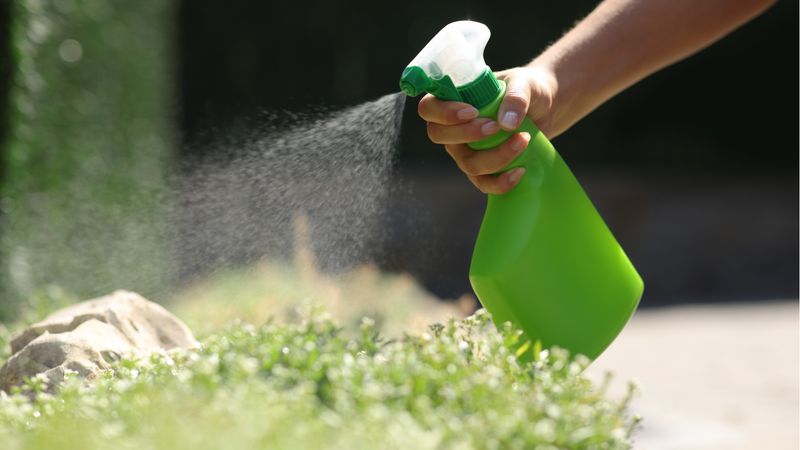
Homemade sprays using kitchen ingredients can pack a powerful punch against many garden pests. Garlic contains sulfur compounds that repel insects, while hot peppers provide capsaicin that burns pest mouths.
Blend several garlic cloves and hot peppers with water, strain the mixture, and add a drop of dish soap. This spicy concoction deters aphids, caterpillars, and many other soft-bodied insects.
Apply garlic-pepper spray in the evening to avoid burning plant leaves in Florida’s intense sun. Reapply after rain, and always wear gloves when handling hot pepper mixtures.
12. Proper Garden Hygiene Practices
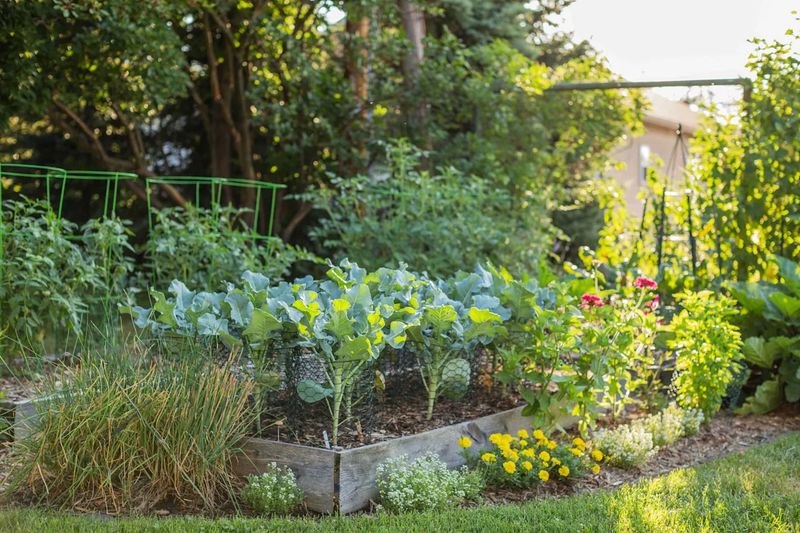
Prevention beats treatment every time, and maintaining clean garden practices stops many pest problems before they begin. Remove fallen fruits, dead plant material, and weeds that harbor insects and diseases.
Rotate crop locations each season to break pest life cycles. Many insects overwinter in soil near their favorite plants, so moving crops confuses them the following year.
Water plants at soil level rather than spraying leaves to reduce fungal problems that weaken plants. Healthy plants resist pest attacks much better than stressed or weakened ones do.