
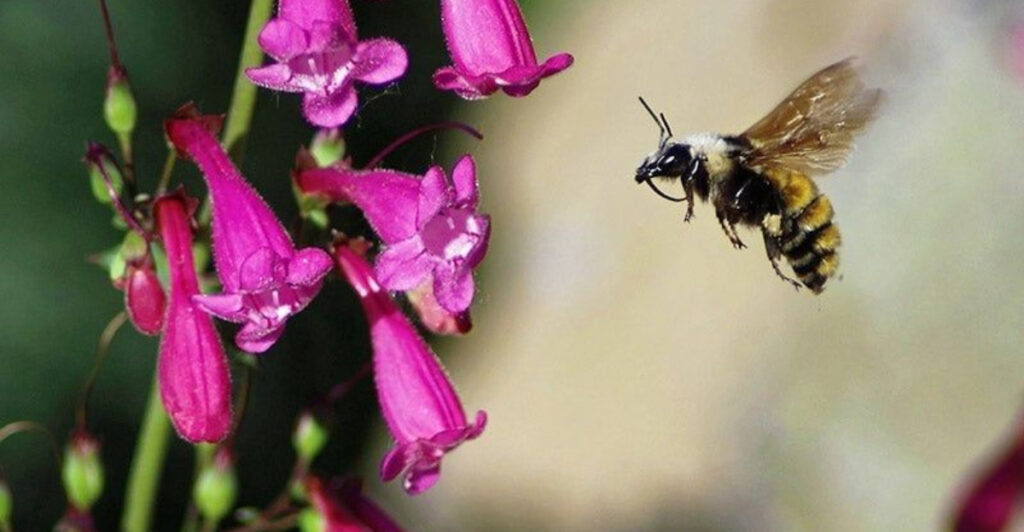
Arizona’s unique desert landscape is home to a diverse array of native plants that play a critical role in supporting local pollinators. These plants not only add beauty to gardens but also provide essential food and habitat for bees, butterflies, hummingbirds, and other pollinators. Here, we explore ten native plants that are invaluable for attracting and sustaining these important creatures.
1. Desert Marigold
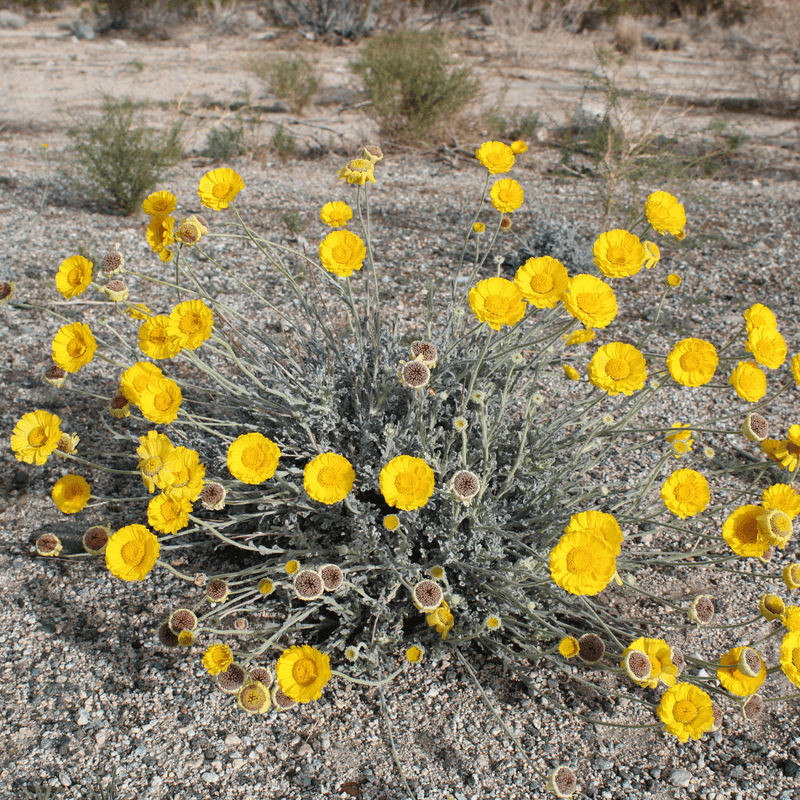
Desert Marigold, with its sunlit yellow blooms, is a beacon for pollinators in the harsh desert landscape. Its long blooming season from spring to fall provides consistent food for bees and butterflies. The plant’s drought-resistant nature makes it an ideal choice for sustainable gardening in Arizona.
As it stands resilient against the sun’s glare, the Desert Marigold is not just a pretty face—it’s a crucial food source. The plant thrives in poor soil, making it a tough yet beautiful addition to any garden. Elevate your landscape with this sunshine-loving plant.
2. Chuparosa
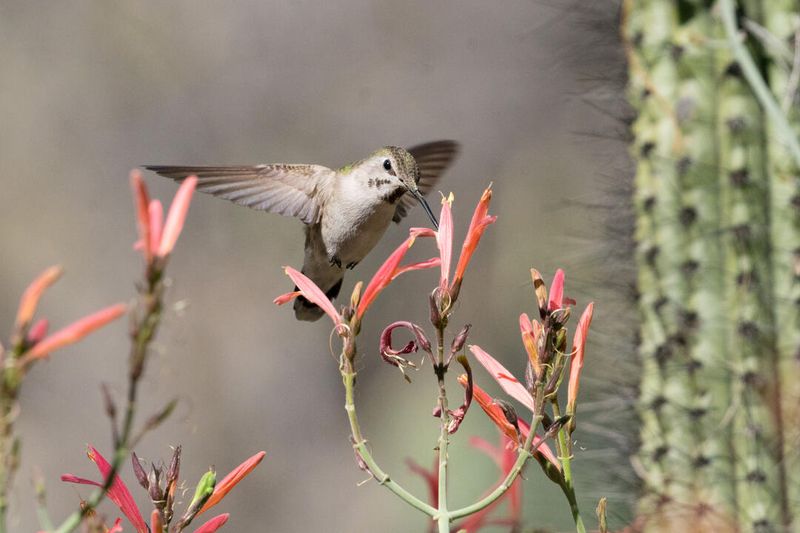
Known for its vibrant red tubular flowers, Chuparosa is a magnet for hummingbirds. This unique plant blooms in the cooler months, offering winter nourishment when other sources are scarce. The bright colors and sweet nectar make it irresistible to pollinators, ensuring your garden buzzes with life.
Resilient against the region’s climate, the Chuparosa requires minimal water and maintenance. It adds a splash of color and movement, as hummingbirds dart around its blossoms. A true desert gem, it’s a spectacle of survival and beauty.
3. Desert Willow
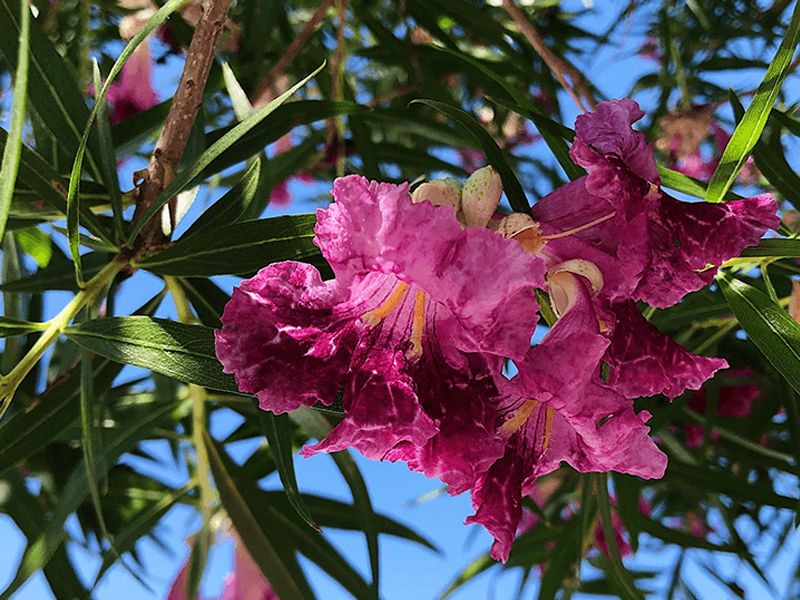
The Desert Willow, with its elegant, willow-like leaves and striking pink blooms, stands as a picturesque feature in any landscape. Its trumpet-shaped flowers are particularly inviting to bees and butterflies, making it a pollinator’s paradise.
The tree’s adaptability to the arid environment and its ability to thrive in poor soil conditions make it an excellent choice for Arizona gardeners. It offers shade, beauty, and an essential spot for pollinators to gather and feed.
4. Brittlebush
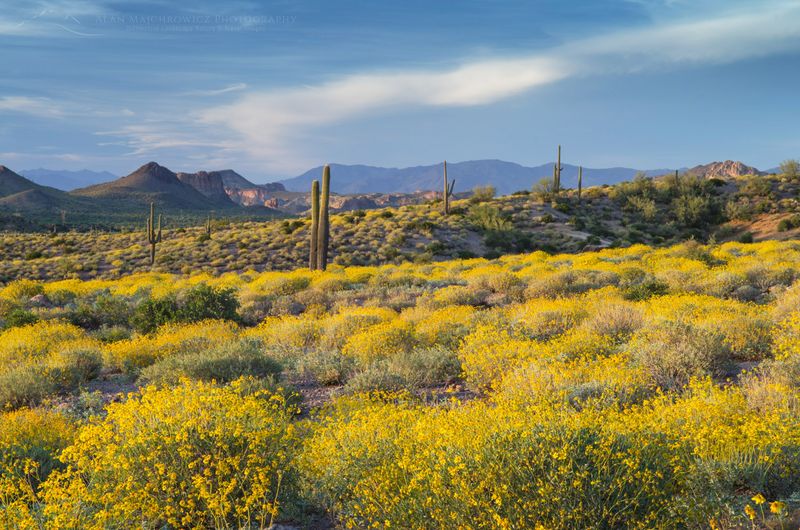
Brittlebush is celebrated for its bright yellow flowers that light up the desert. This hardy shrub is essential for pollinators, offering pollen and nectar throughout the spring. Its ability to thrive in rocky, barren soil makes it a resilient addition to any garden.
Brittlebush’s fragrant foliage and vibrant blooms create a striking display against the desert backdrop. It’s not only a feast for pollinators but also a visual delight for gardeners seeking to add color and life to their landscape.
5. Fairy Duster
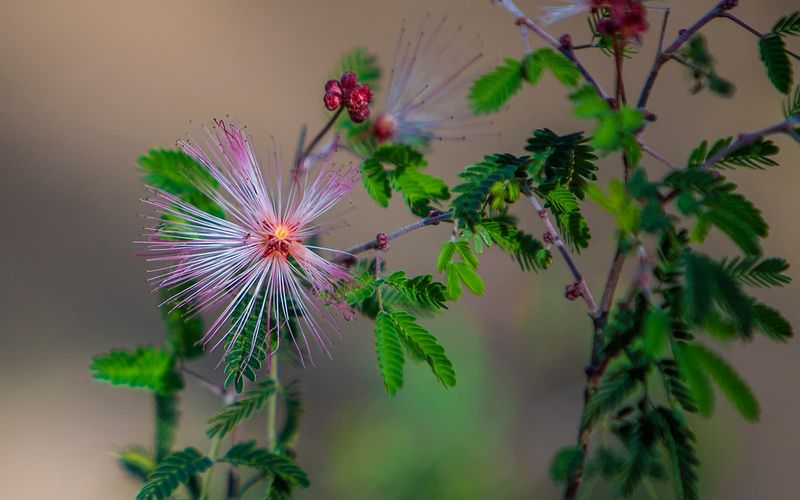
The whimsical Fairy Duster, with its delicate pink feathery blooms, adds a touch of magic to any garden. This enchanting plant is a favorite among butterflies, providing a reliable source of nectar.
Its low water needs and ability to thrive in full sun make it an excellent choice for sustainable gardening. The Fairy Duster’s unique appearance and pollinator-friendly nature make it a standout in the desert landscape.
6. Penstemon
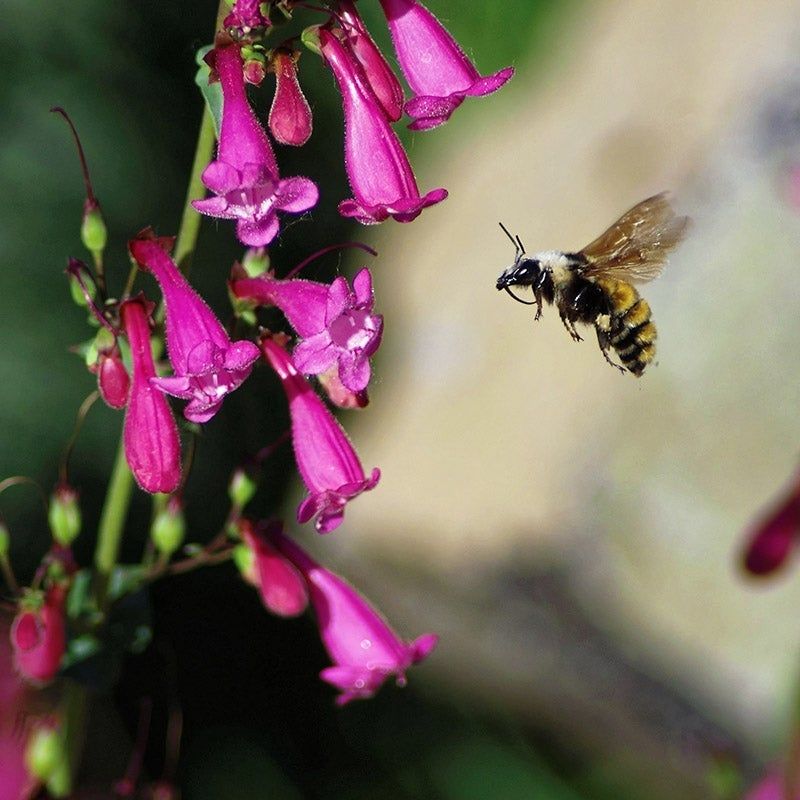
Penstemon, often called “beardtongue,” sports tubular flowers in shades of purple and red, drawing bees with its sweet nectar. This native plant flourishes in the arid climate of Arizona, offering both beauty and ecological benefits.
Its blooms provide a vital food source during spring and early summer, supporting a variety of pollinators. Penstemon’s vibrant colors and hardy nature make it a must-have for any garden focused on sustainability and biodiversity.
7. Desert Globe Mallow
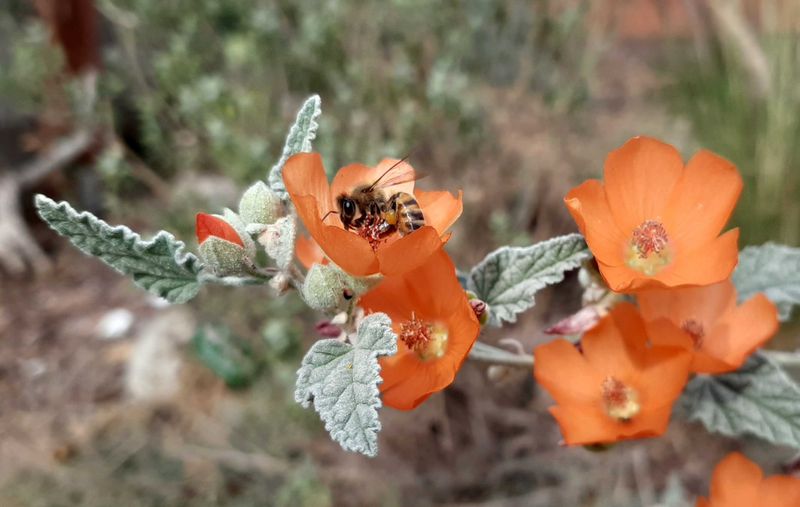
With its soft orange blossoms, Desert Globe Mallow captivates both gardeners and pollinators alike. The plant thrives in sandy soils and offers a crucial nectar source for bees and butterflies.
This resilient plant blooms prolifically, brightening the landscape with its cheerful flowers. It’s a testament to the beauty and toughness of desert flora, providing essential support to local pollinator populations.
8. Prickly Pear Cactus
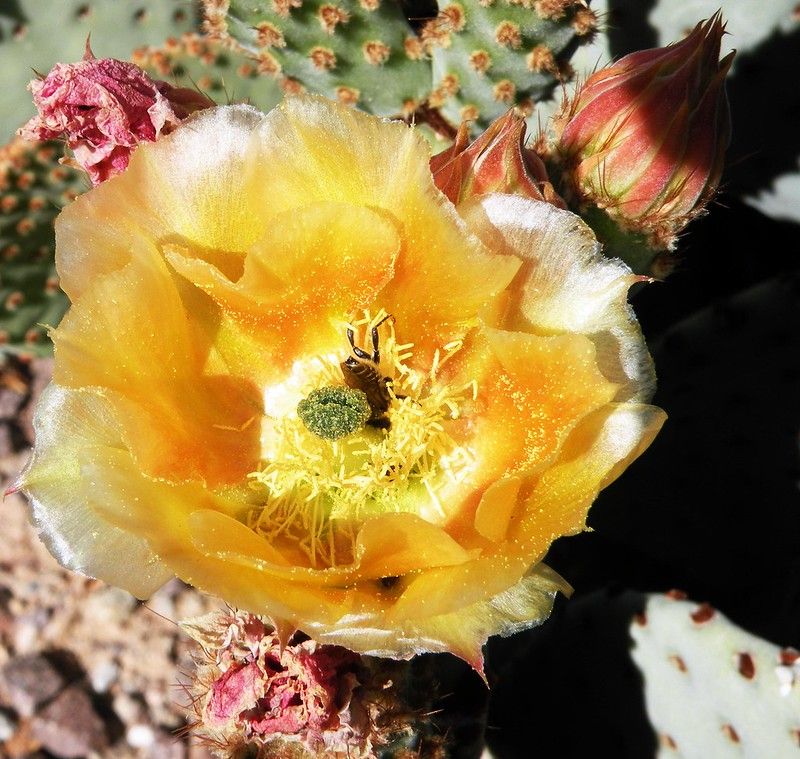
The iconic Prickly Pear Cactus, adorned with bright yellow flowers, is more than just a desert emblem. Its blooms are a vital source of pollen for bees, while its pads and fruit provide sustenance for other wildlife.
The cactus thrives with minimal water, making it an ideal choice for xeriscaping. Its unique appearance and ecological benefits make it a cornerstone of desert gardening, supporting both pollinators and biodiversity.
9. Yellow Bells
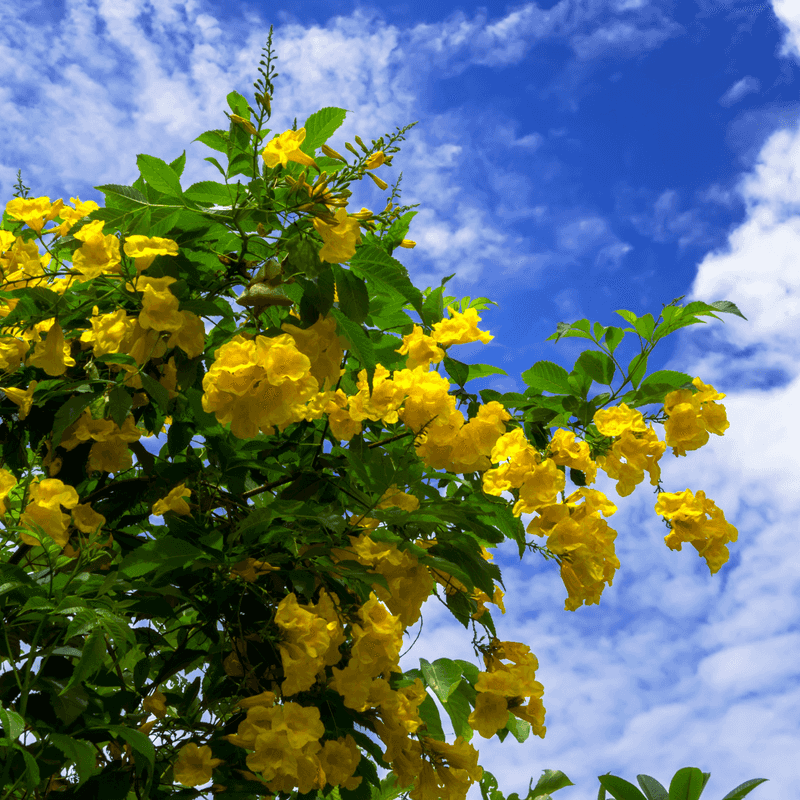
Yellow Bells, with their sunny, tubular flowers, are a vibrant choice for attracting bees. This plant flourishes in the heat, providing consistent blooms and a reliable nectar source.
Its fast growth and long blooming season make Yellow Bells a garden favorite for those looking to enhance pollinator habitats. The plant’s bright blooms are not just eye-catching but also essential for supporting bee populations in the desert.
10. Mexican Hat
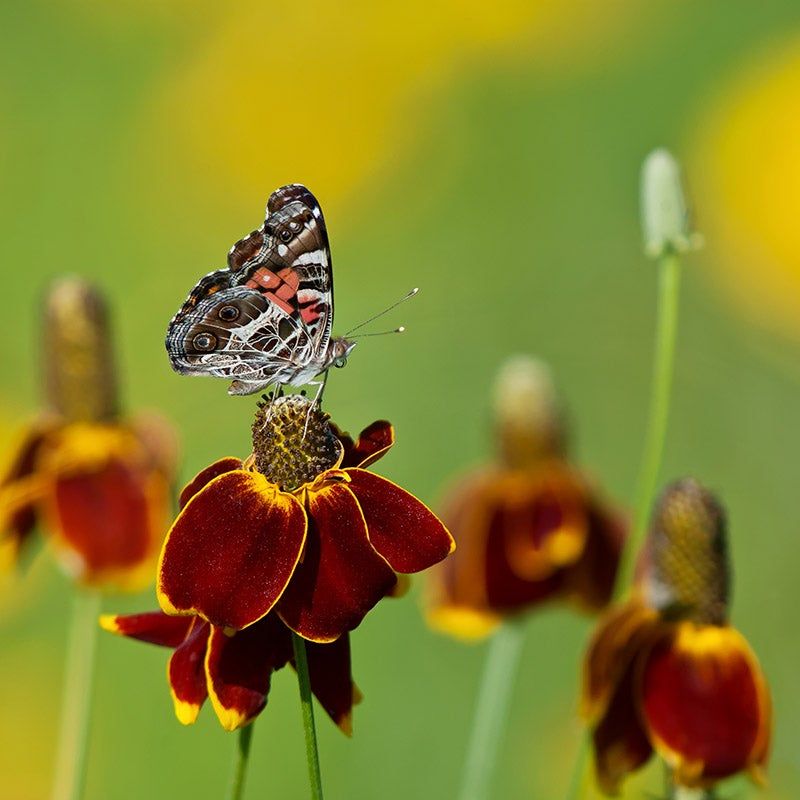
Mexican Hat, with its distinctive sombrero-shaped flowers, adds a touch of whimsy to any landscape. These unique blooms attract a wide range of pollinators, from bees to butterflies.
The plant thrives in open, sunny areas and requires little maintenance. Its adaptability and charm make it a delightful addition to gardens aiming to support local pollinator species.