
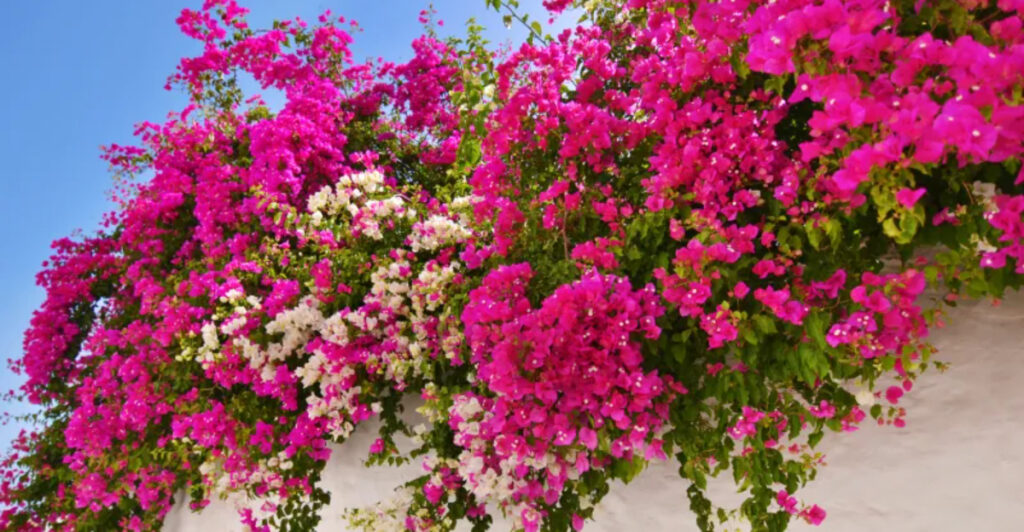
Florida’s warm climate makes it a paradise for tropical blooms, but success requires knowing the right tricks. Many gardeners struggle with the state’s unique challenges like sandy soil, unpredictable rainfall, and intense heat. With these proven secrets, you can create a stunning garden that bursts with colorful flowers every single month of the year.
1. Choose Heat-Loving Tropical Champions
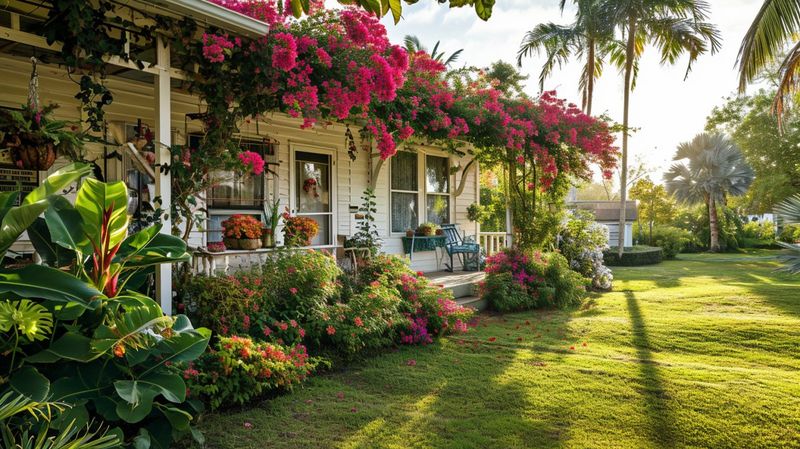
Your plant selection makes or breaks your year-round blooming success. Florida’s intense heat and humidity demand tough performers that actually thrive in these conditions.
Hibiscus delivers massive, show-stopping flowers in reds, pinks, and yellows. Bougainvillea creates cascading walls of color while laughing at drought conditions. Bird of Paradise brings that exotic resort feeling with its striking orange and blue blooms.
Ixora clusters create living bouquets of bright flowers, while fragrant plumeria fills evening air with tropical perfume. Mix these proven winners with native Florida plants for easier maintenance and guaranteed success.
2. Master Florida’s Intense Sunshine
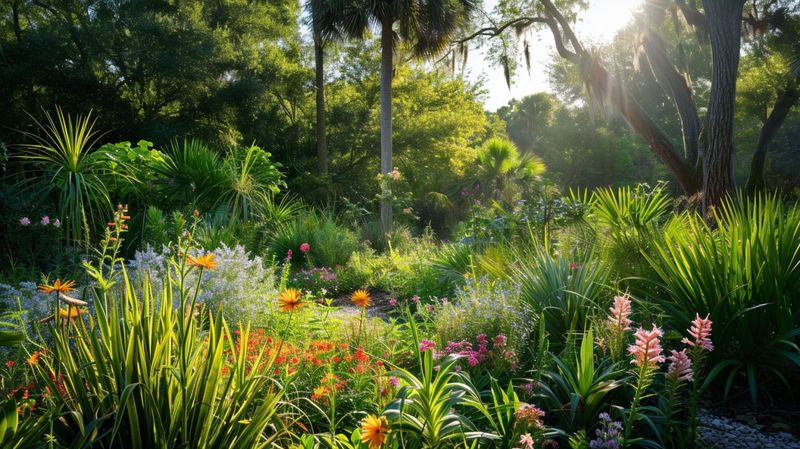
Florida’s year-round sunshine is your secret weapon, but it can also fry delicate blooms if mismanaged. Smart positioning transforms this powerful force into your greatest gardening ally.
Place sun-worshippers like bougainvillea and pentas in full-sun locations where they’ll bloom like crazy. Give partial-shade lovers such as orchids, gingers, and begonias relief from brutal afternoon rays by positioning them under trees or on covered patios.
Watch your plants closely during summer months. Wilting in late afternoon often signals too much direct sun, while leggy growth usually means insufficient light exposure.
3. Perfect Your Watering Strategy
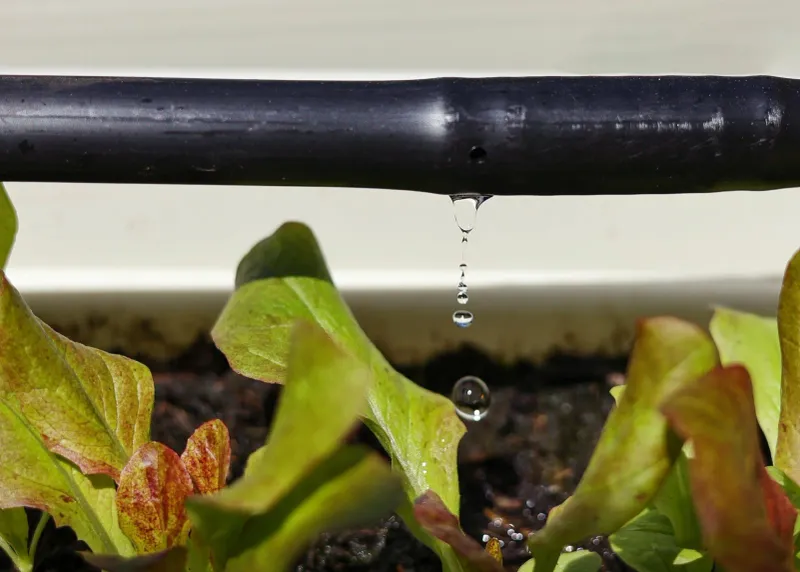
Florida’s sandy soil drains faster than a bathtub with the plug pulled, making smart watering absolutely critical for continuous blooms. Overwatering kills more tropical plants here than drought does.
Install drip irrigation systems to deliver steady moisture directly to root zones. Water between 4-10 AM to prevent fungal diseases that love Florida’s humidity. Collect rainwater in barrels during wet seasons to sustain plants through inevitable dry spells.
Check soil moisture by sticking your finger two inches deep. If it’s dry, water thoroughly until you see drainage from the bottom of containers or around plant bases.
4. Transform Sandy Soil into Blooming Gold
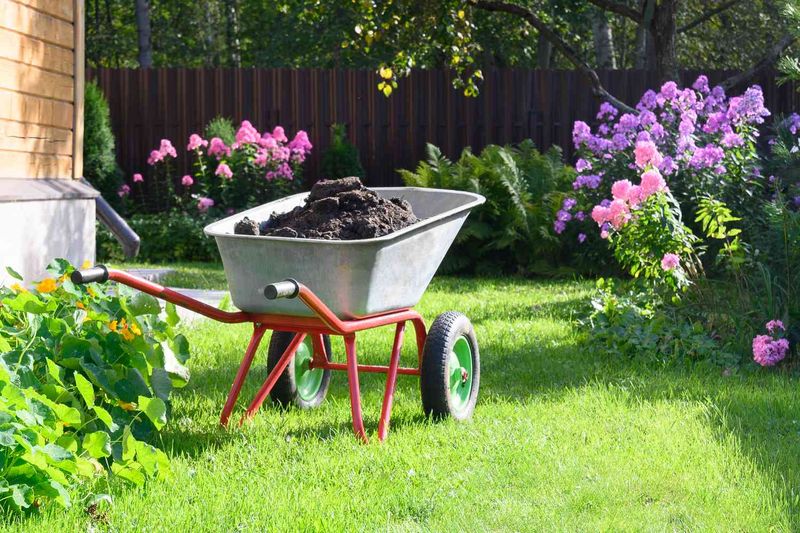
Florida’s natural sandy soil drains nutrients faster than plants can absorb them, leaving your tropical beauties starving for sustenance. Soil improvement is absolutely non-negotiable for spectacular blooms.
Mix generous amounts of organic compost into planting areas to create nutrient-rich pockets. Add peat moss or coconut coir to help sandy soil retain moisture longer between waterings.
Apply slow-release tropical plant fertilizer every three months during growing season. Create raised beds filled with quality potting mix for instant soil improvement. Your plants will reward this extra effort with explosive flowering that lasts all year long.
5. Prune Like a Pro for Endless Flowers
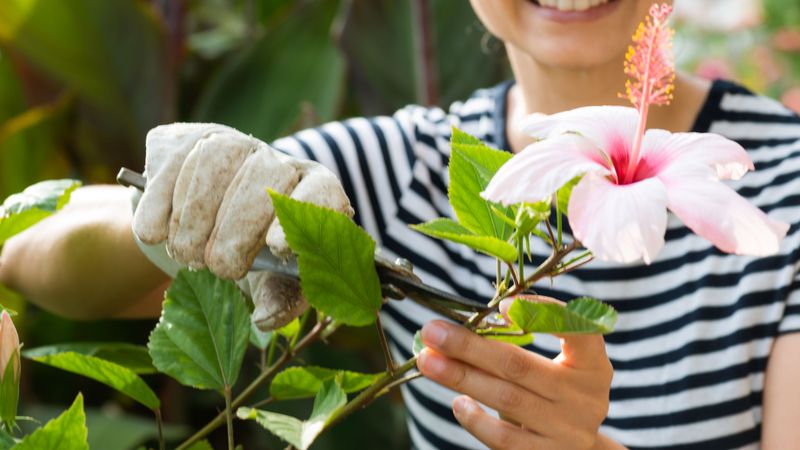
Regular pruning tricks your tropical plants into producing waves of fresh blooms instead of focusing energy on seed production. This simple technique multiplies your flower power dramatically.
Deadhead spent hibiscus and plumeria flowers immediately to encourage new buds. Trim back overgrown bougainvillea branches in early spring for bushier growth and more flowering sites.
Remove any dead, diseased, or crossing branches to improve air circulation and prevent fungal problems. Shape plants during cooler months when they’re less stressed. Always use clean, sharp tools to make precise cuts that heal quickly and don’t invite disease problems.
6. Create a Pollinator Paradise
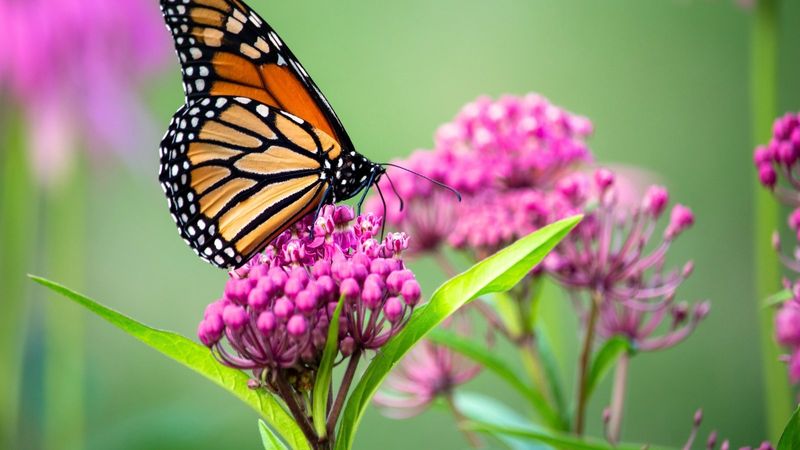
Year-round blooms depend on active pollinators, and Florida’s climate supports these helpful creatures twelve months annually. Building pollinator habitat guarantees better flower production across your entire garden.
Plant native milkweed to attract monarch butterflies that will also visit your other flowering plants. Firebush and pentas create hummingbird highways that benefit all nectar-producing flowers nearby.
Grow aromatic herbs like basil, mint, and oregano to draw beneficial bees. Avoid pesticides that harm these essential garden partners. Create shallow water sources where pollinators can drink safely. More pollinators equals more successful flower fertilization and extended blooming periods.
7. Win the War Against Pests Naturally
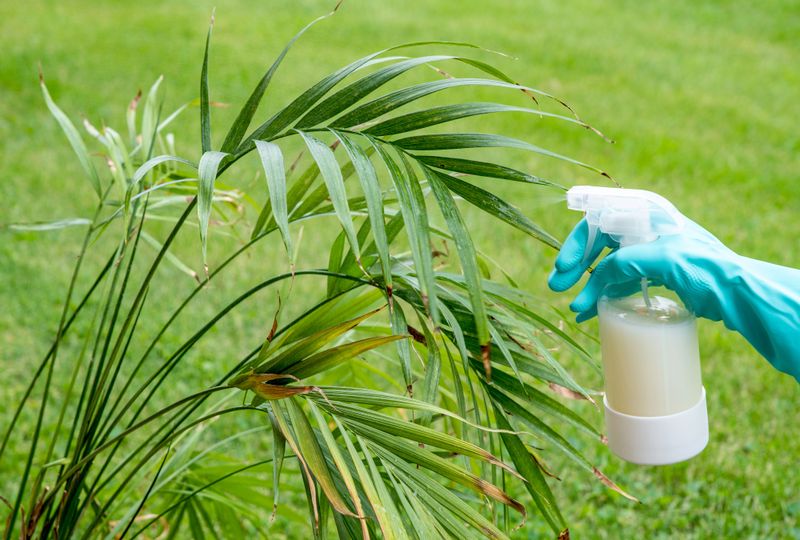
Florida’s warm climate creates pest paradise, but smart gardeners stay one step ahead using safe, effective natural methods that protect both plants and beneficial insects.
Aphids and whiteflies love hibiscus leaves almost as much as you love the flowers. Scale insects attack plumeria stems, while fungal leaf spots appear after heavy summer rains.
Spray neem oil or insecticidal soap early morning or evening to avoid leaf burn. Remove garden debris where pests hide and breed. Encourage beneficial insects like ladybugs and lacewings by planting diverse flowering plants. Regular inspection catches problems early when they’re easiest to control naturally.
8. Plant in Waves for Continuous Color
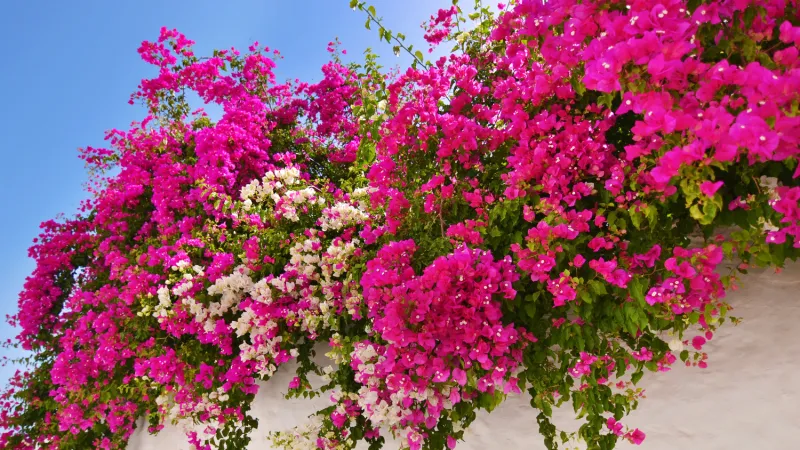
Strategic bloom timing creates gardens that never have dull moments, with something spectacular flowering every single month. Planning seasonal waves prevents the feast-or-famine flower cycles that plague many tropical gardens.
Early bloomers like hibiscus and plumeria start your year with explosive color. Summer showstoppers including bougainvillea, ginger, and ixora peak during hottest months when many plants struggle.
Fall and winter bloomers such as camellias, orchids, and certain bromeliads carry you through cooler periods. Overlap bloom times by selecting varieties within each plant family that flower at different seasons. This creates seamless color transitions throughout the year.
9. Embrace Container Growing Freedom
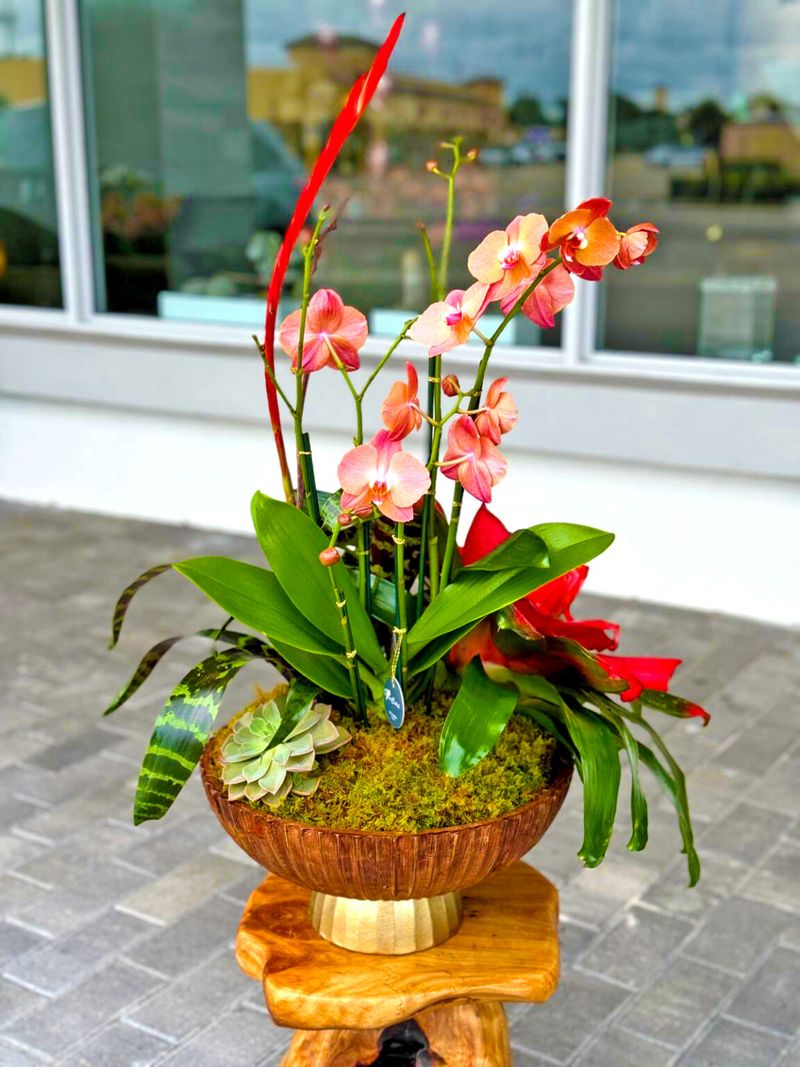
Container gardening solves Florida’s challenging soil conditions while giving you complete control over your plants’ growing environment. This flexibility proves especially valuable for finicky tropical bloomers.
Orchids, heliconias, and bromeliads absolutely thrive in containers where you control soil quality, drainage, and fertilization. Large decorative pots become focal points while smaller containers create layered displays.
Move containers to protected areas during hurricane season or unexpected cold snaps. Position them strategically to catch morning sun while avoiding harsh afternoon heat. Use quality potting mix designed for tropical plants, and remember containers dry out faster than ground plantings, requiring more frequent watering.
10. Shield Plants from Occasional Cold
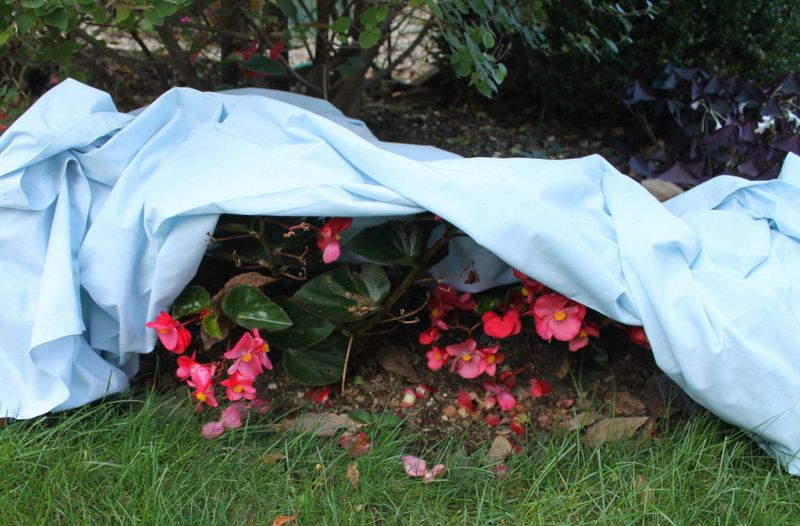
Even Florida experiences surprise cold snaps that can damage or kill tropical plants unprepared for temperature drops. Smart protection strategies save years of growing investment in single nights.
Cover sensitive plants with frost cloth or old sheets when temperatures threaten to dip below 50 degrees. Move container plants onto covered patios or indoors during cold warnings.
Apply thick mulch layers around plant bases to insulate root systems from temperature fluctuations. Group containers together for mutual protection and easier covering. Water plants thoroughly before cold fronts arrive, as hydrated plants resist cold damage better than dry ones. Remove coverings once temperatures stabilize above freezing.