
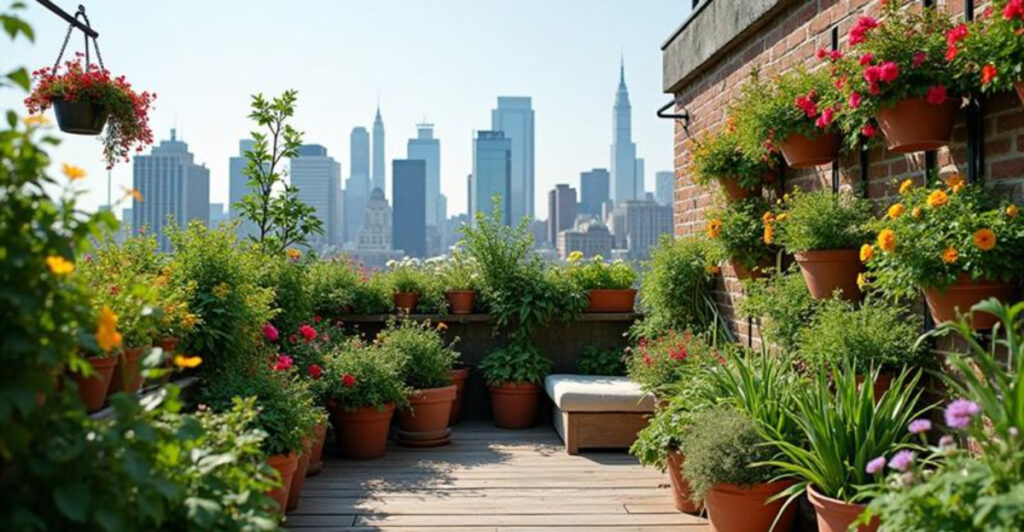
Living in New York doesn’t mean giving up your green thumb dreams. Even the tiniest apartment balcony or fire escape can become a thriving garden paradise. With some creativity and the right approach, you can grow fresh herbs, colorful flowers, and even vegetables right in the heart of the concrete jungle. Ready to transform your small space into a lush retreat?
1. Start Small with Container Gardening
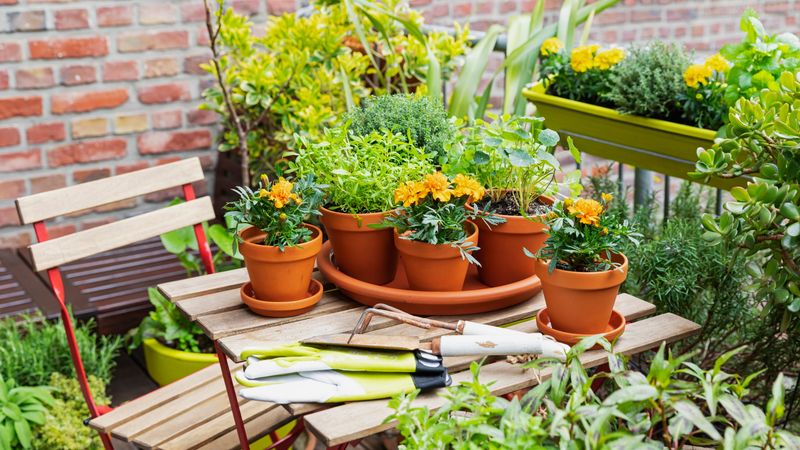
Mason jars lined up on your windowsill can hold a surprising variety of herbs like basil, mint, and cilantro. Container gardening gives you complete control over soil quality and plant placement.
Deep pots work wonderfully for cherry tomatoes and bell peppers, while hanging baskets create cascading beauty with trailing strawberries or ivy. The best part about containers is their flexibility.
You can rearrange your garden layout whenever inspiration strikes, moving sun-loving plants to brighter spots or bringing tender herbs indoors during harsh weather.
2. Choose Space-Savvy Plants
Forget sprawling pumpkin vines and massive sunflowers. Urban gardening success depends on selecting plants bred specifically for compact living.
Dwarf tomato varieties like ‘Tiny Tim’ produce full-sized flavor in containers no bigger than a coffee mug. Leafy greens such as arugula and baby lettuce grow quickly and don’t need deep root space.
Vertical climbers like pole beans and cucumber vines make excellent use of upward space while producing impressive harvests. These smart plant choices maximize your yield without overwhelming your limited square footage.
3. Maximize Every Ray of Sunlight
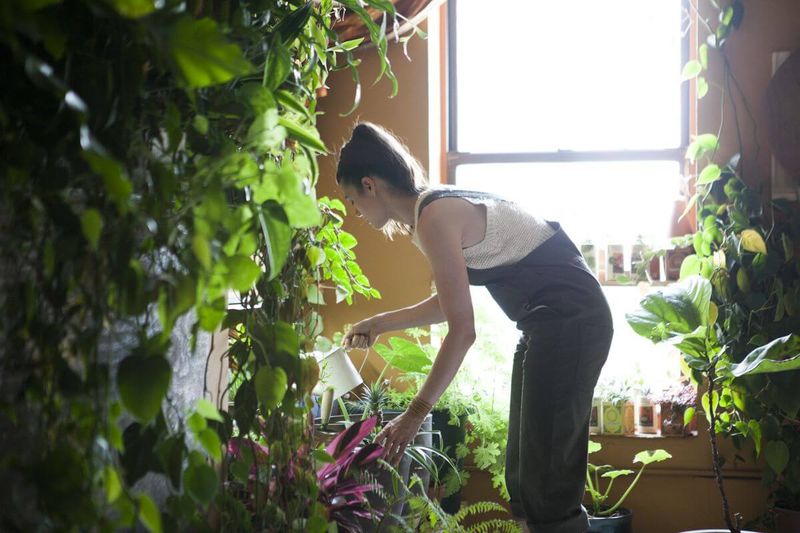
South-facing windows are pure gold in the urban gardening world, offering the most consistent light throughout the day. Natural light becomes precious when towering buildings create shadow patterns that shift hourly.
LED grow lights can supplement darker corners, allowing you to expand your growing area beyond just sunny spots. Rotating your plants weekly ensures all sides receive equal light exposure.
Consider using reflective surfaces like mirrors or aluminum foil behind plants to bounce additional light onto leaves, making the most of whatever sunshine filters through your windows.
4. Build Upward with Vertical Gardens
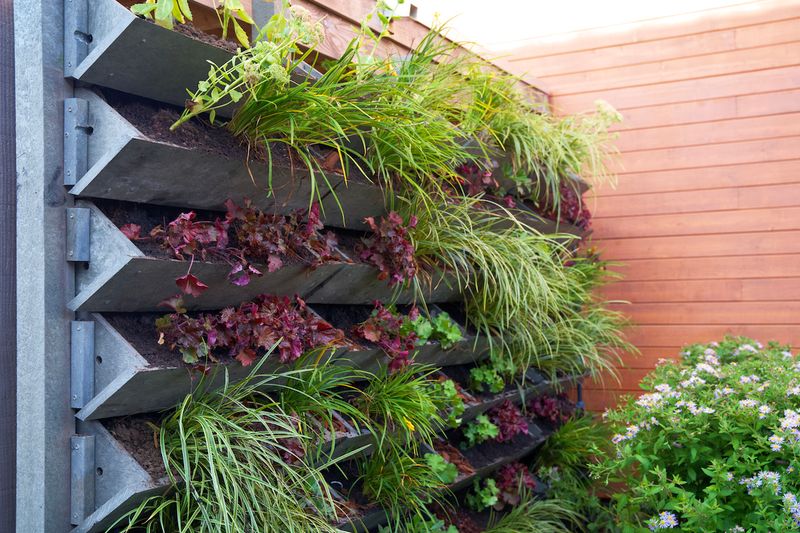
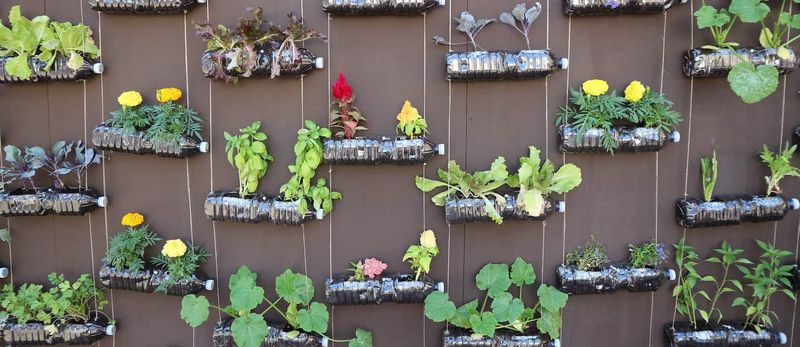
Wall-mounted planters transform blank walls into living art pieces that breathe life into cramped quarters. Pocket planters create stunning green walls perfect for herbs and small flowering plants.
Trellises support climbing varieties while adding architectural interest to your space. Ladder-style shelving units provide multiple growing levels without eating up floor space.
Magnetic planters can stick directly to refrigerators or metal surfaces, while suction cup varieties work on smooth walls. Vertical gardening essentially gives you triple the growing space in the same footprint.
5. Blend Beauty with Practical Purpose
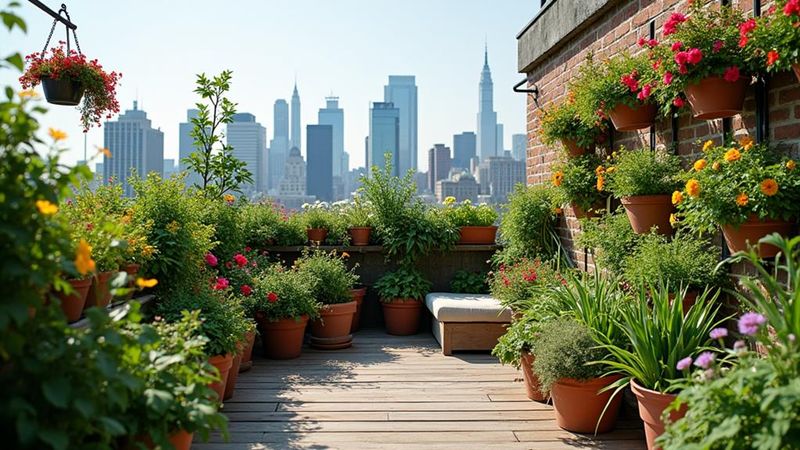
Why choose between pretty and practical when you can have both? Marigolds add cheerful orange blooms while naturally repelling aphids and other garden pests.
Lavender fills your space with calming fragrance and provides dried flowers for sachets or tea. Edible flowers like nasturtiums create Instagram-worthy salads with their peppery kick and vibrant colors.
Herbs like rosemary serve double duty as aromatic houseplants and fresh seasonings for your cooking. Your urban garden becomes both a feast for the eyes and a functional part of your daily life.
6. Transform Rooftops and Balconies into Retreats
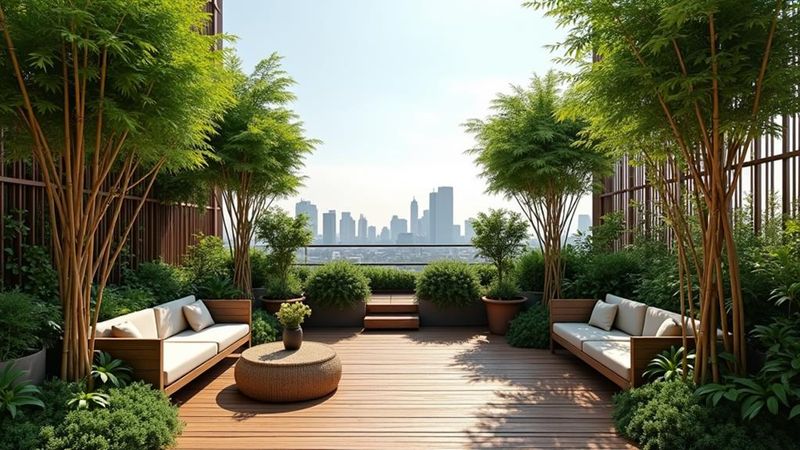
Rooftop access opens up incredible possibilities for larger containers and even dwarf fruit trees like Meyer lemons or compact fig varieties. Wind can be intense at height, so secure all containers properly.
Privacy screens made from tall bamboo or ornamental grasses create intimate spaces while blocking harsh winds. String lights add magical ambiance for evening relaxation sessions.
Weather-resistant furniture turns your growing space into an outdoor living room where you can enjoy morning coffee surrounded by your thriving plants. Consider adding a small water feature for soothing sounds.
7. Master Smart Watering Techniques
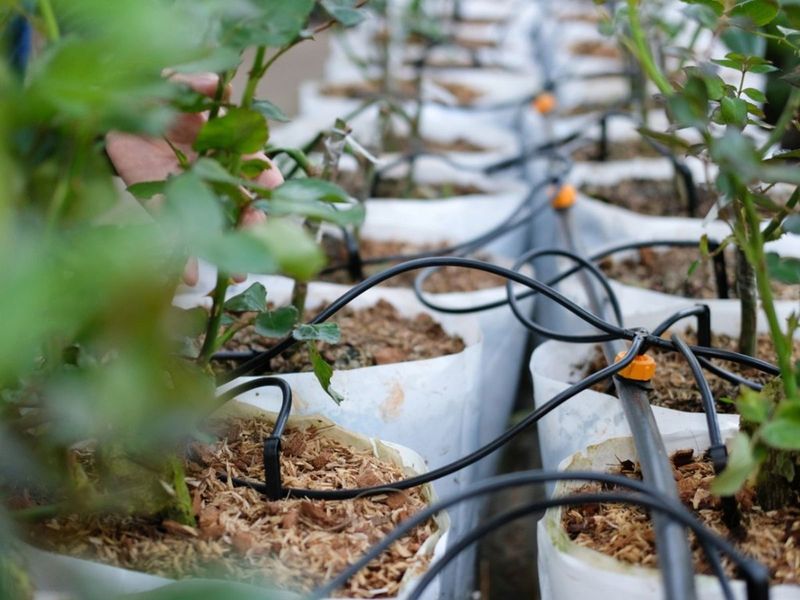
Self-watering planters with built-in reservoirs prevent both drought stress and overwatering mistakes. These systems maintain consistent moisture levels even during busy weeks.
Collecting rainwater in permitted areas provides free, chemical-free irrigation for your plants. Mulching container surfaces with bark chips or decorative stones locks in moisture between waterings.
Group plants with similar water needs together to streamline your care routine. Installing drip irrigation systems or using wine bottle watering spikes keeps plants hydrated during weekend getaways without relying on neighbors.
8. Welcome Urban Pollinators to Your Space
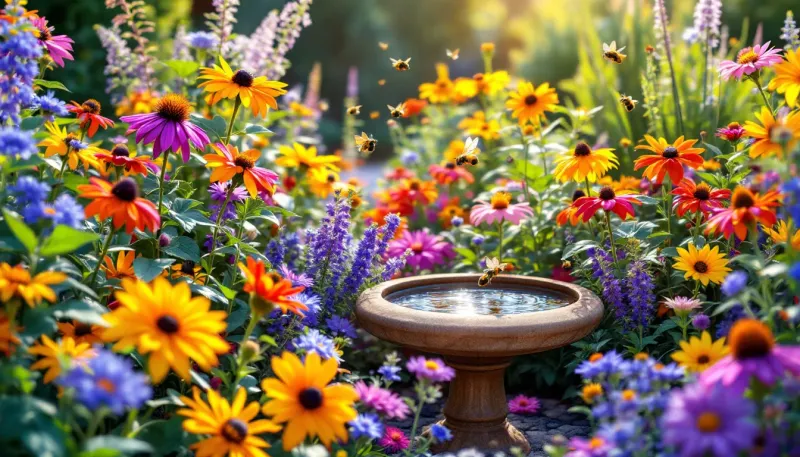
Native bees, butterflies, and even hummingbirds visit high-rise gardens when you plant the right flowers. Echinacea and zinnias create pollinator magnets that support urban wildlife.
Avoiding harsh pesticides keeps beneficial insects safe while maintaining plant health through natural methods. A shallow dish filled with fresh water and small stones provides landing spots for tiny visitors.
Butterfly bushes in containers attract monarchs during migration seasons, while bee balm lives up to its name by drawing native pollinators. Your small garden becomes part of the larger urban ecosystem.
9. Design a Personal Sanctuary Space
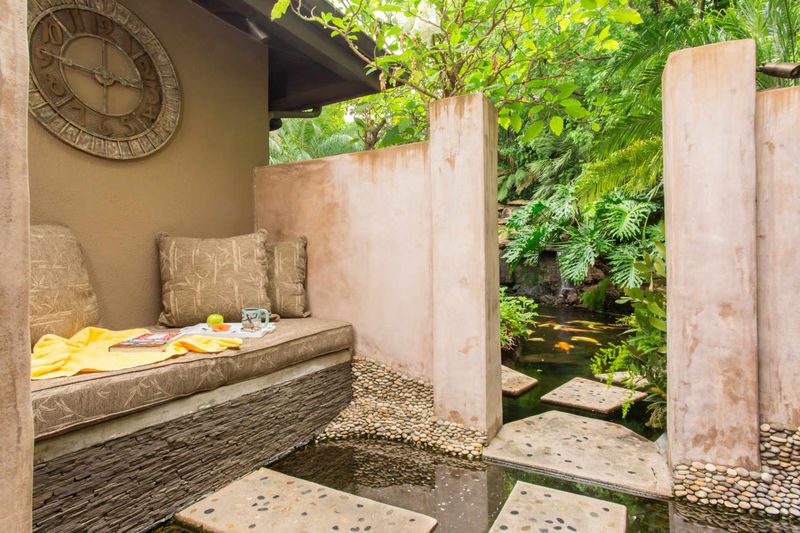
Your garden should nourish your soul as much as your plants nourish your body. Comfortable seating allows you to truly enjoy your green space rather than just maintain it.
Aromatic plants like jasmine or lemon balm create natural aromatherapy that melts away city stress. Wind chimes add gentle sounds that mask traffic noise.
Shade solutions like market umbrellas or pergolas make hot summer days more comfortable for both you and your plants. Creating designated relaxation zones transforms gardening from a chore into a daily retreat from urban intensity.
10. Connect with Fellow Urban Gardeners
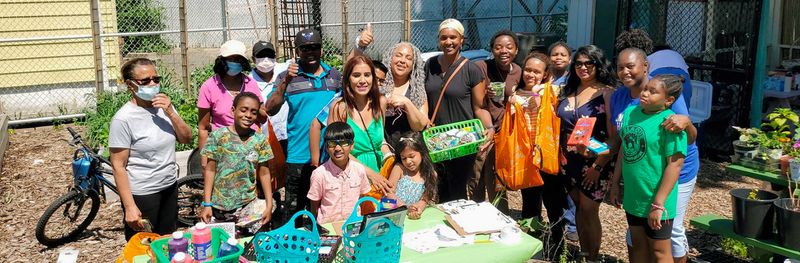
Community gardens throughout New York’s boroughs offer hands-on learning opportunities and shared growing spaces. Volunteering connects you with experienced gardeners who share practical tips.
Seed swaps and plant exchanges help you try new varieties without breaking your budget. Online forums and local garden clubs provide ongoing support and inspiration.
Visiting public spaces like the High Line or Brooklyn Botanic Garden sparks creativity for your own small-space designs. The urban gardening community welcomes newcomers with open arms and plenty of wisdom to share about growing green in the concrete jungle.