
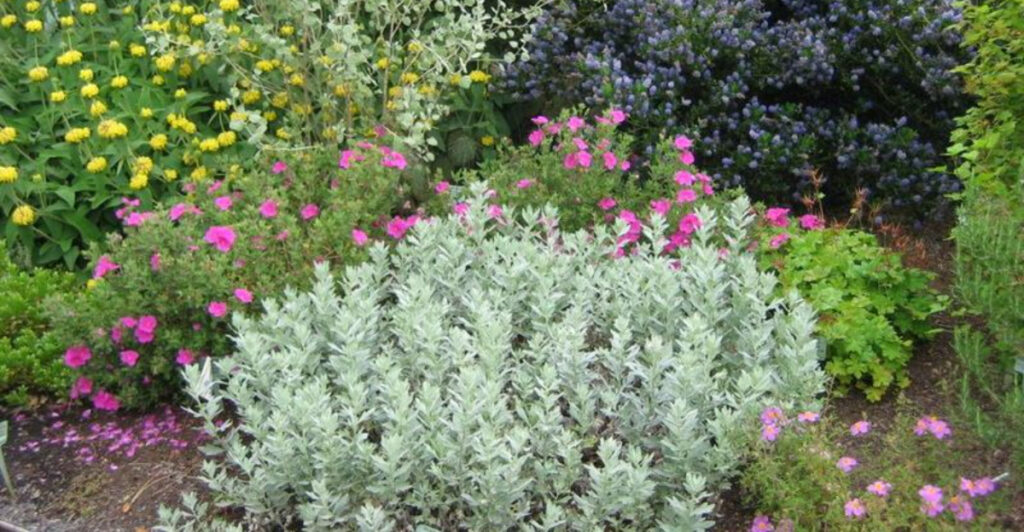
Oregon’s abundant rainfall creates unique opportunities and challenges for gardeners. While the frequent precipitation nourishes plants naturally, it can also lead to waterlogged soil, fungal diseases, and other growing problems. Smart gardening strategies help you work with the climate rather than against it. Transform your Oregon garden into a thriving paradise that celebrates the region’s wet weather while producing beautiful, healthy plants year-round.
1. Master the Art of Soil Drainage
Waterlogged roots spell disaster for most garden plants, turning Oregon’s gift of rain into a curse. Clay soil, common throughout the state, holds water like a sponge and suffocates plant roots.
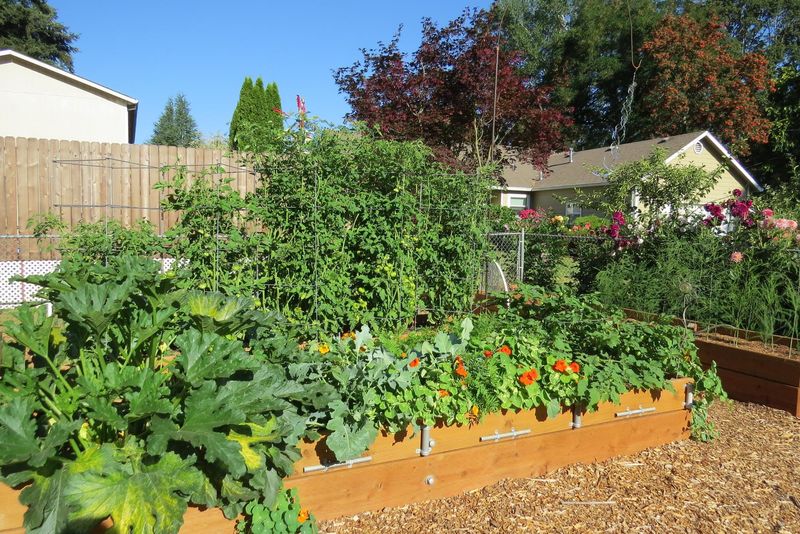
Adding compost, aged manure, or coarse sand breaks up dense clay and creates air pockets. Raised beds offer another solution, lifting plants above soggy ground.
Consider installing French drains in problem areas where water pools after storms. Good drainage transforms your garden from a swamp into a thriving ecosystem.
2. Choose Plants That Love Getting Their Feet Wet
Fighting nature rarely works, but partnering with it creates magic. Oregon’s native plants evolved alongside centuries of rain and naturally thrive in wet conditions.
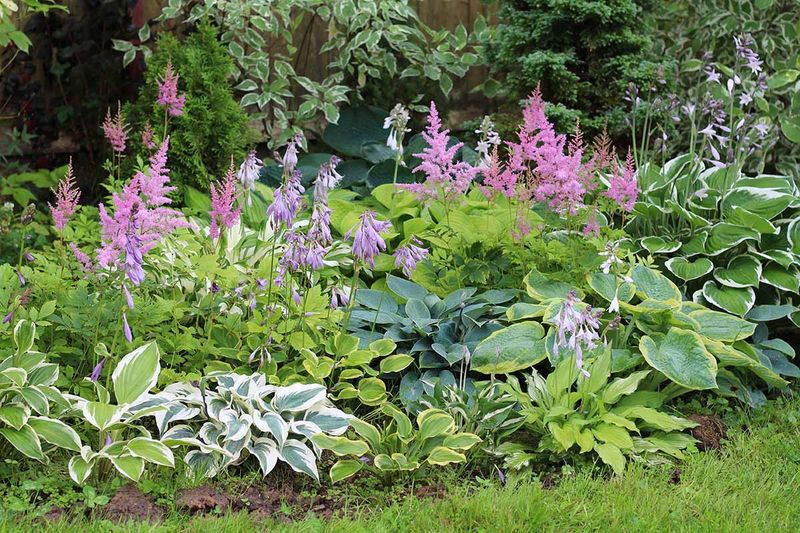
Astilbe, hostas, and ferns embrace moisture while adding stunning foliage. Willow trees and elderberry shrubs actually prefer soggy soil to dry ground.
Research plants from similar climates like England or New Zealand for additional options. Building your plant palette around moisture-lovers means less work and more success in your rainy garden paradise.
3. Mulch Like Your Garden’s Life Depends on It
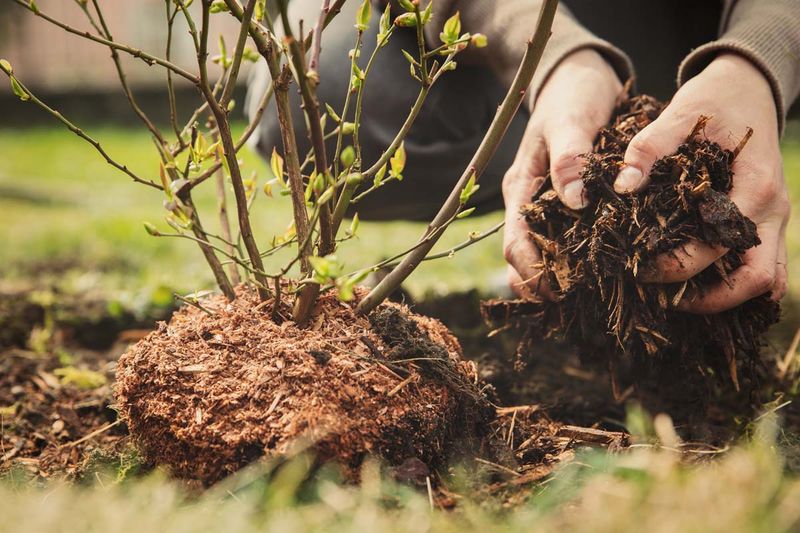
Mulch acts as nature’s blanket, protecting soil from temperature swings and preventing weeds from stealing nutrients. In Oregon’s climate, organic mulches like bark chips or straw work wonders.
Apply a three-inch layer around plants, keeping mulch away from stems to prevent rot. Fresh mulch also feeds beneficial soil organisms as it decomposes.
Replace mulch annually for best results. This simple practice reduces watering needs during dry spells while suppressing diseases that thrive in wet, bare soil.
4. Build Protective Structures for Sensitive Plants
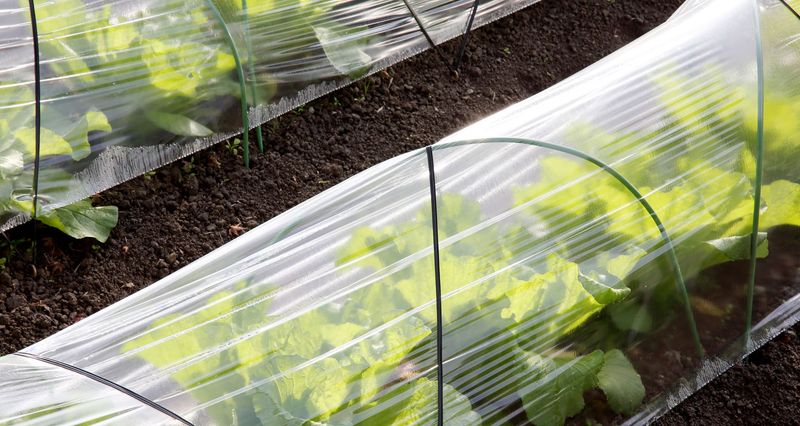
Sometimes even rain-loving gardens need shelter from Oregon’s most intense storms. Row covers, cold frames, and simple hoop houses protect delicate seedlings and extend growing seasons.
Clear plastic sheeting over metal hoops creates instant protection while allowing light through. Remove covers on sunny days to prevent overheating.
Position structures to catch morning sun while blocking harsh afternoon winds. These mini-greenhouses let you grow tender vegetables and flowers that might otherwise struggle in constant moisture.
5. Time Your Planting with Weather Patterns
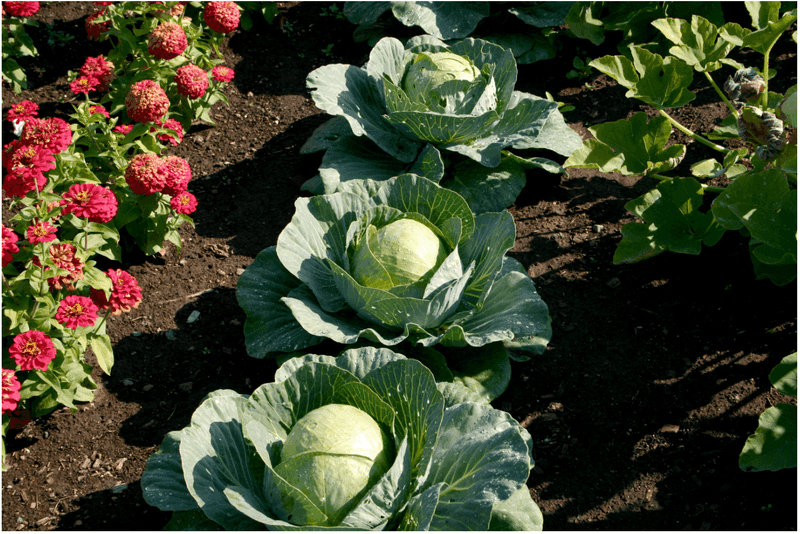
Oregon’s weather follows predictable patterns that smart gardeners use to their advantage. Plant cool-season crops during the rainy months when they naturally thrive.
Schedule major garden work for dry spells to avoid compacting wet soil. Late spring and early fall offer the best windows for planting and transplanting.
Keep a garden journal tracking local weather patterns and plant performance. Understanding your specific microclimate helps you work with natural rhythms rather than fighting seasonal changes year after year.
6. Embrace Container Gardening for Ultimate Control
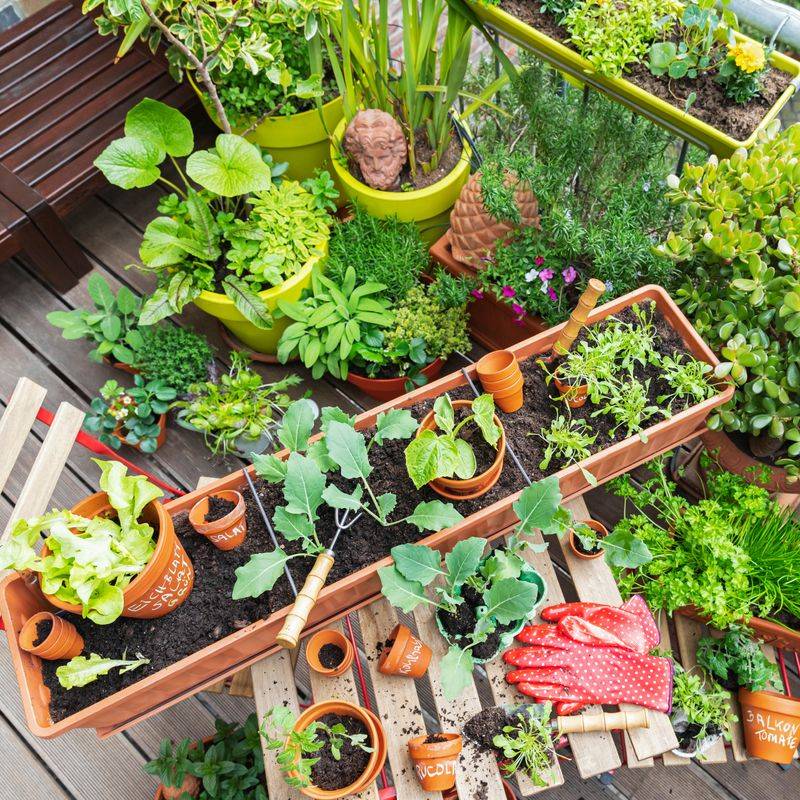
Containers offer complete control over soil conditions, drainage, and plant placement in unpredictable weather. Large pots can house everything from tomatoes to small fruit trees.
Choose containers with multiple drainage holes and use quality potting mix that drains well. Move pots under cover during extreme weather events.
Group containers together for easier maintenance and visual impact. This flexibility allows you to create perfect growing conditions for plants that might struggle in Oregon’s native soil and climate conditions.
7. Install Smart Water Management Systems
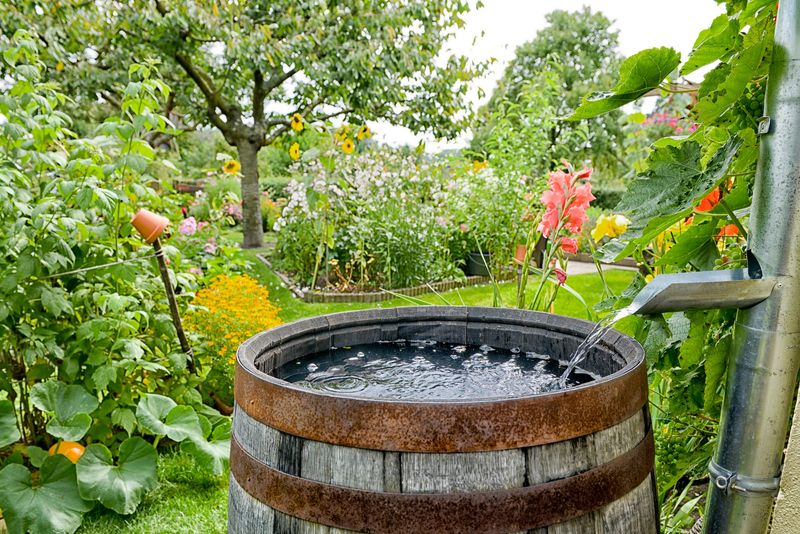
Collecting Oregon’s abundant rainfall for later use makes environmental and economic sense. Rain barrels, cisterns, and simple gutters channel precious water for dry periods.
Drip irrigation systems deliver water directly to plant roots, reducing waste and preventing leaf diseases common in humid climates.
Position rain collection systems near downspouts for maximum efficiency. Even during wet seasons, having stored water available gives you control over when and how much moisture your plants receive throughout the year.
8. Create Microclimates Within Your Garden Space
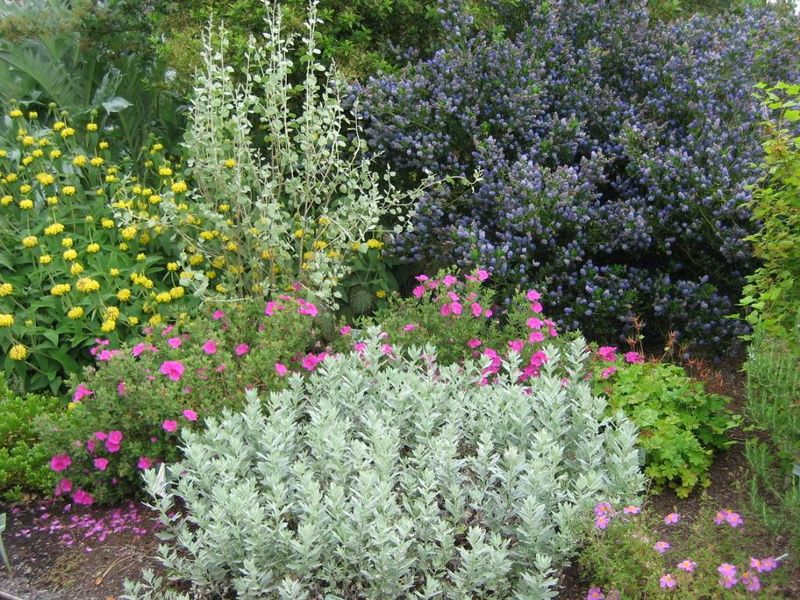
Every garden contains multiple growing environments based on sun exposure, wind patterns, and drainage. Mapping these microclimates helps you place plants in their ideal spots.
South-facing slopes dry out faster and suit Mediterranean herbs perfectly. Low-lying areas stay moist longer, ideal for water-loving perennials.
Use structures like fences, walls, and large plants to create windbreaks and sun traps. Understanding and utilizing these natural variations multiplies your planting options within a single garden space.
9. Prevent Fungal Diseases Before They Start
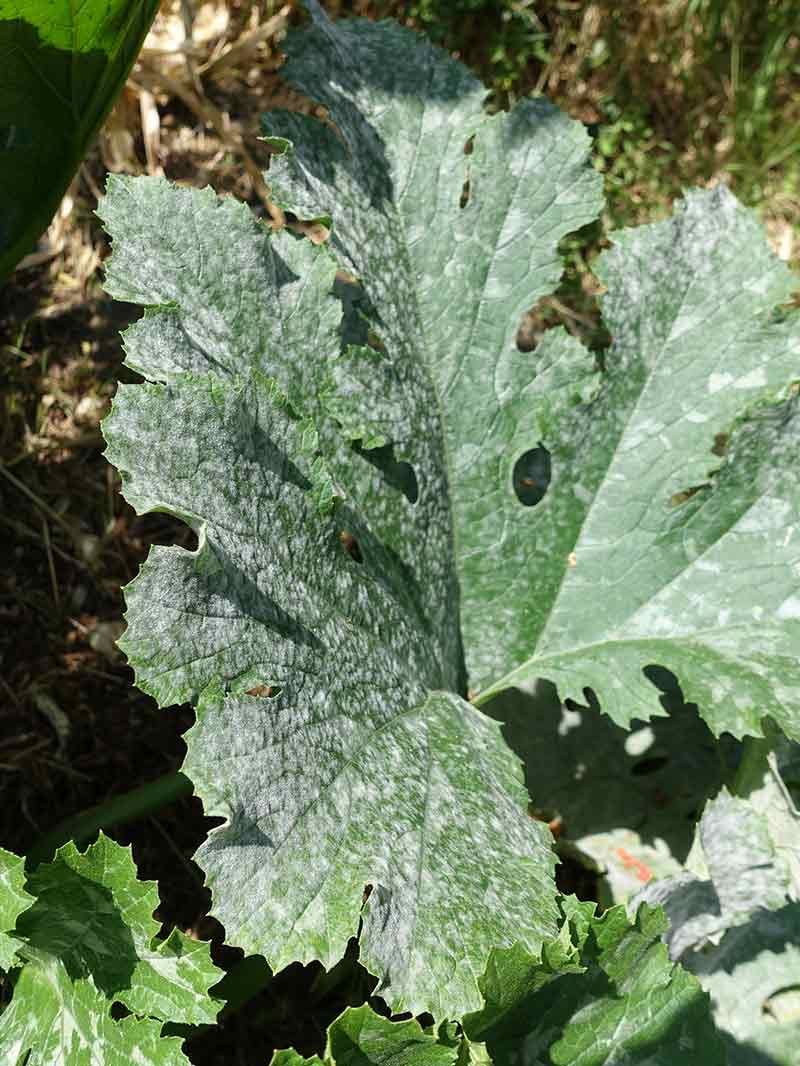
Oregon’s humid conditions create perfect breeding grounds for plant diseases, but prevention beats treatment every time. Proper plant spacing allows air circulation that prevents fungal problems.
Water at soil level rather than on leaves whenever possible. Choose disease-resistant plant varieties bred for wet climates.
Remove fallen leaves and debris promptly to eliminate disease overwintering sites. Healthy soil with good drainage and organic matter naturally suppresses many common fungal diseases that plague Pacific Northwest gardens.
10. Extend Your Growing Season Strategically
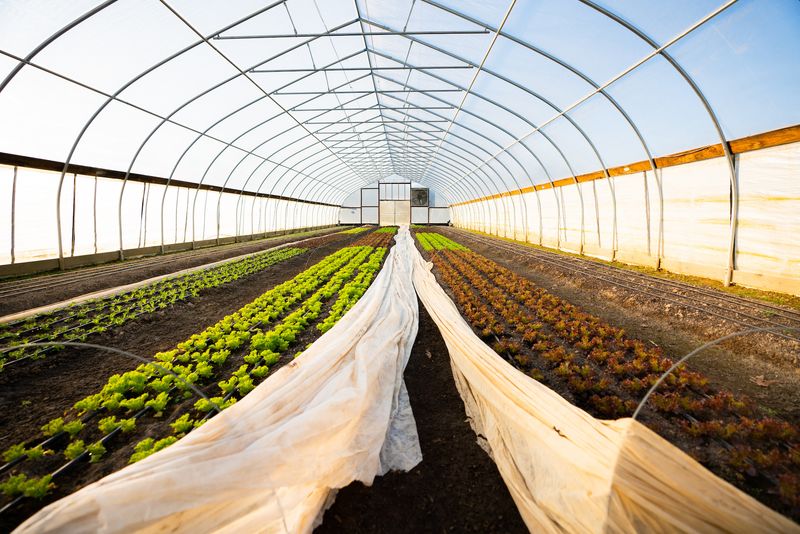
Oregon’s mild winters allow year-round gardening with the right techniques. Cold frames and unheated greenhouses protect plants from frost while utilizing available sunlight.
Plant winter vegetables like kale, Brussels sprouts, and leeks that actually improve in flavor after light frosts. Row covers add several degrees of protection.
Start seeds indoors during late winter for early spring transplanting. Season extension techniques can add months to your productive growing time, maximizing harvests from your Oregon garden space.
11. Work with Wind Patterns and Protection

Oregon’s coastal and valley winds can stress plants even in wet climates by stripping moisture from leaves faster than roots can replace it.
Windbreaks made from trees, shrubs, or structures reduce wind speed and create calmer growing conditions. Position tall plants to shelter shorter, more delicate varieties.
Staking and plant supports prevent wind damage to heavy-fruited plants like tomatoes. Understanding prevailing wind directions helps you design gardens that work with natural air flow rather than fighting against it constantly.
12. Build Healthy Soil Ecosystems That Thrive
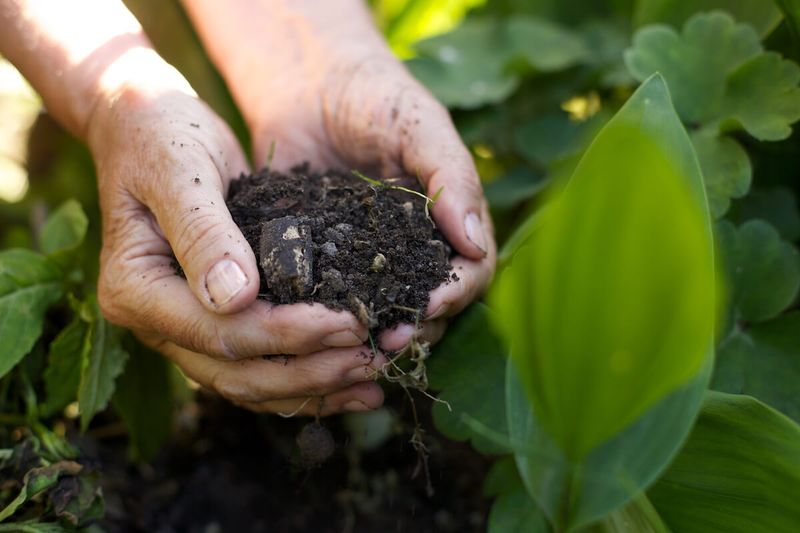
Living soil teems with beneficial microorganisms that help plants absorb nutrients and resist diseases naturally. Compost, worm castings, and organic matter feed these invisible garden helpers.
Avoid tilling wet soil, which destroys soil structure and harms beneficial organisms. Add organic amendments annually to maintain soil health.
Cover crops like crimson clover and winter rye protect and improve soil during fallow periods. Healthy soil ecosystems create resilient gardens that handle Oregon’s weather extremes with minimal intervention from busy gardeners.