
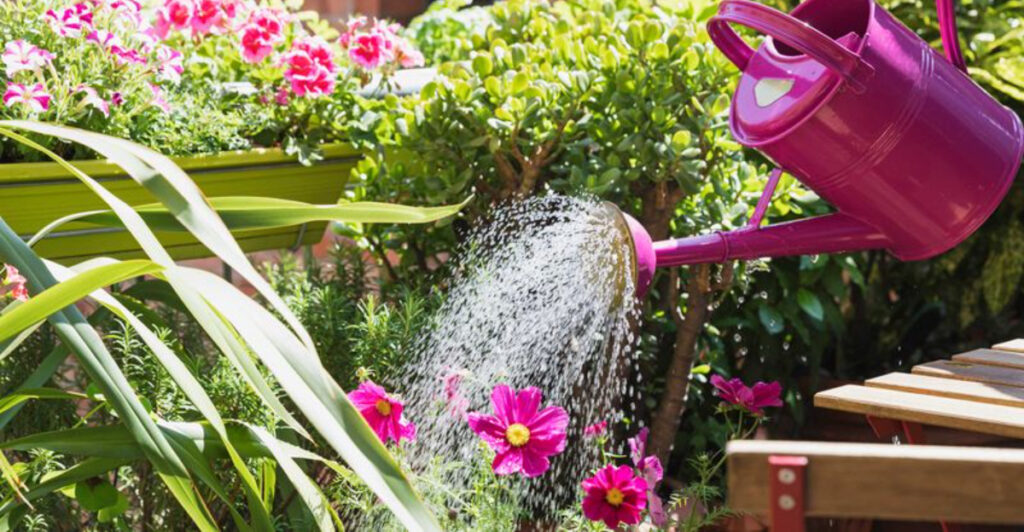
Delaware may be America’s second smallest state, but don’t let its size fool you when it comes to gardening potential. From the clay soils of New Castle County to the sandy grounds of Sussex County, the First State offers unique growing conditions that can produce stunning results. Whether you’re a seasoned gardener or just getting started, understanding Delaware’s climate zones and soil types will help you create a thriving garden that proves big things really do come in small packages.
1. Know Your Hardiness Zone
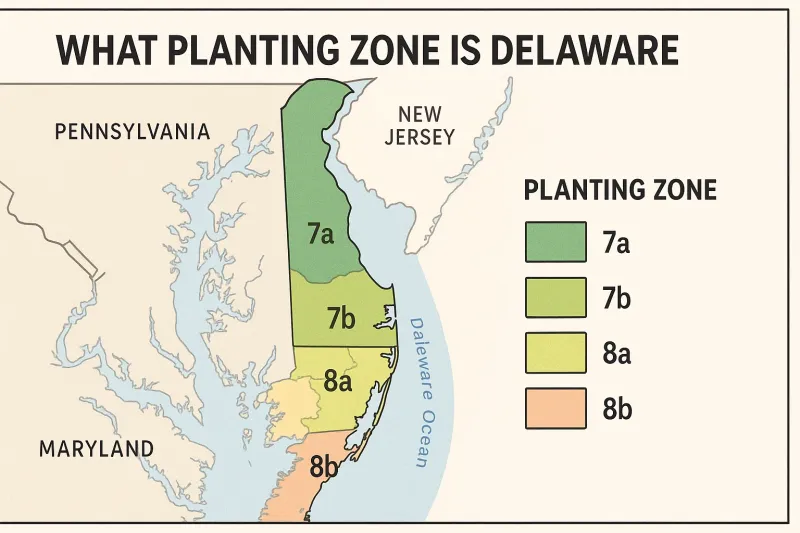
Delaware spans USDA hardiness zones 7a through 8a, creating a gardening sweet spot that many states envy. Northern areas like New Castle County sit in zone 7a, where winter temperatures drop to 0-5°F, while southern Sussex County enjoys the milder 7b and 8a zones.
This variation means you can grow everything from cool-weather crops to heat-loving plants. Understanding your specific zone helps you choose plants that will survive Delaware winters and thrive in summer heat.
Check your exact location’s zone before selecting perennials or planning your garden layout for best results.
2. Master Delaware’s Diverse Soils
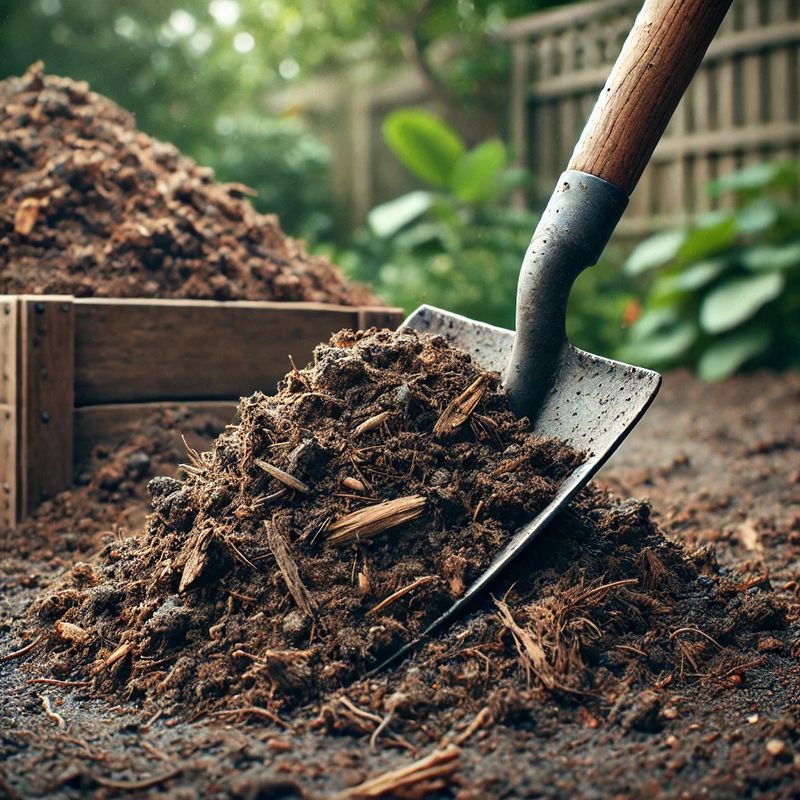
Clay dominates northern Delaware while sandy soils rule the south, creating distinct challenges and opportunities for gardeners. Clay soil holds water well but can become waterlogged, while sandy soil drains quickly but needs frequent watering.
Organic matter is your best friend regardless of soil type. Compost improves clay drainage and helps sandy soil retain moisture and nutrients.
Test your soil pH annually, aiming for 6.0-7.0 for most vegetables and flowers. Adding aged manure or leaf mold each spring builds soil structure and feeds beneficial microorganisms that keep plants healthy.
3. Embrace Native Black-Eyed Susans
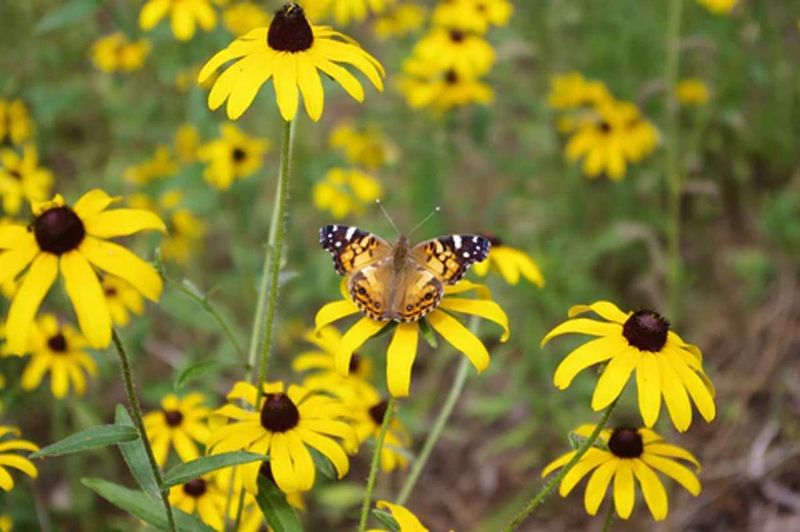
Delaware’s state flower isn’t just beautiful – it’s practically bulletproof in local gardens. Black-eyed Susans bloom from summer through fall, creating golden waves that butterflies absolutely love.
These drought-tolerant perennials spread naturally, filling empty spaces with cheerful color. They thrive in full sun and poor soil, making them perfect for challenging garden spots where other plants struggle.
Deadhead spent blooms to encourage more flowers, or leave seed heads for winter bird food. They self-seed readily, so you’ll have new plants appearing each spring without any extra work from you.
4. Time Your Tomato Planting Perfectly
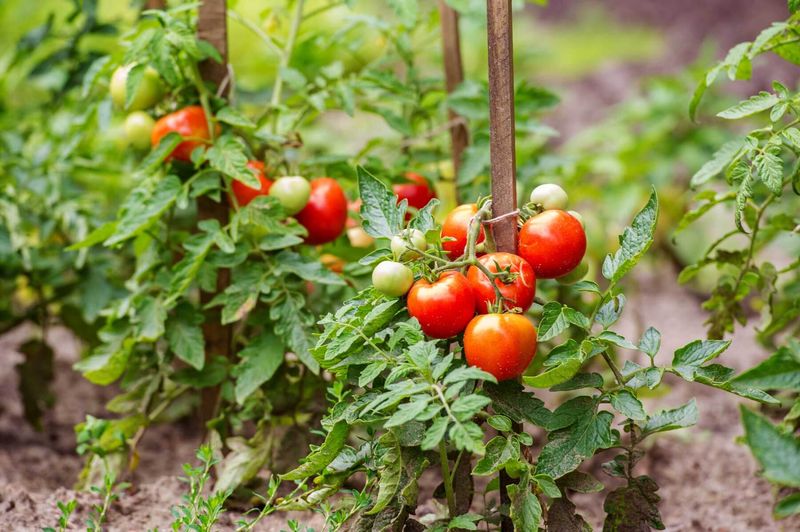
May 10th marks the magic date for Delaware tomato growers – the average last frost that signals safe planting time. Jumping the gun with earlier planting often backfires when unexpected cold snaps damage tender seedlings.
Warm your soil with black plastic mulch two weeks before planting to give tomatoes the heat they crave. Choose determinate varieties for canning or indeterminate types for continuous harvest through summer.
Plant seedlings deep, burying two-thirds of the stem to encourage strong root development. This technique helps plants better withstand Delaware’s summer heat and occasional drought conditions.
5. Water Wisely in Delaware’s Climate
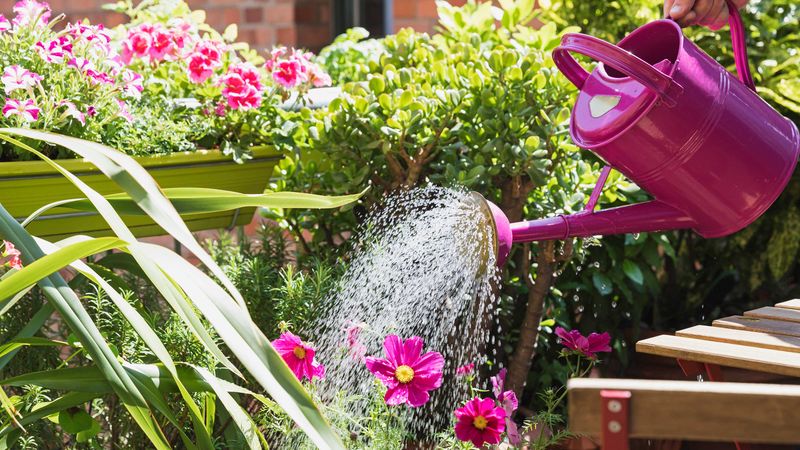
Delaware summers demand smart watering strategies to keep gardens thriving without wasting precious resources. Early morning watering allows plants to absorb moisture before heat peaks and reduces disease-causing humidity around leaves.
Deep, infrequent watering encourages roots to grow down rather than staying shallow. Aim for 1-1.5 inches weekly, including rainfall, measured with a simple rain gauge or empty tuna can.
Mulch around plants with organic materials like shredded leaves or straw to retain soil moisture and reduce watering needs by up to 50 percent during hot spells.
6. Grow Heat-Loving Cucumbers Successfully
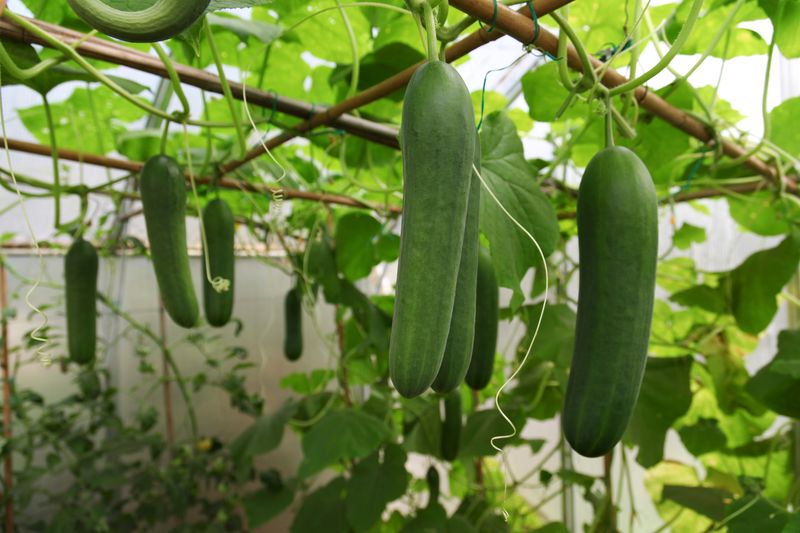
Patience pays off when growing cucumbers in Delaware – wait until soil reaches 60°F before planting for guaranteed success. Cold soil causes seeds to rot and seedlings to sulk, delaying your harvest significantly.
Cucumbers climb enthusiastically when given support, saving garden space while improving air circulation around plants. Trellises or cages also keep fruits clean and straight, making harvesting much easier.
Pick cucumbers daily once production starts to keep vines producing all season long. Oversized fruits signal the plant to stop flowering, ending your harvest prematurely when consistent picking could extend it through September.
7. Practice Integrated Pest Management
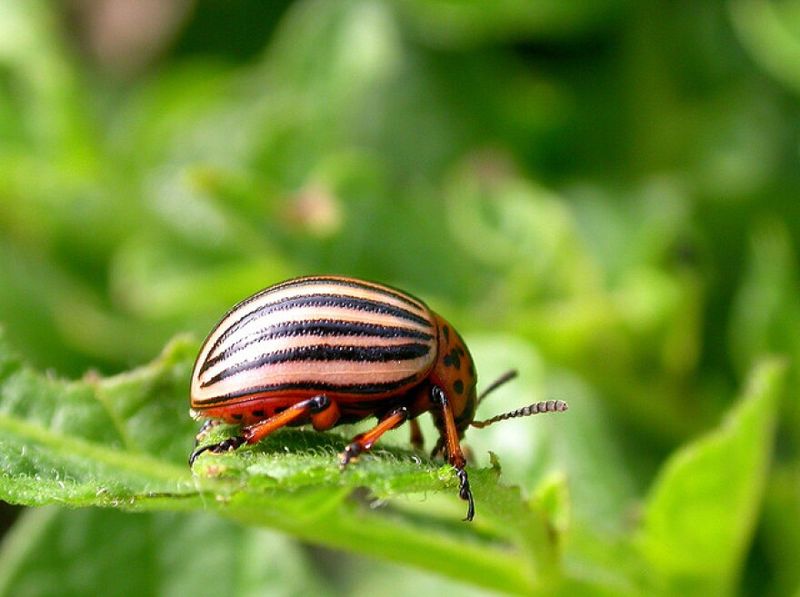
Delaware’s humid summers create perfect conditions for garden pests, but smart strategies keep damage minimal without harsh chemicals. Row covers protect vulnerable seedlings from flea beetles and cucumber beetles during their most susceptible growth stages.
Beneficial insects become your garden allies when you plant flowers like marigolds, cosmos, and zinnias nearby. These blooms attract predatory insects that naturally control aphids, caterpillars, and other common problems.
Regular scouting helps catch issues early when they’re easiest to manage. Check plants weekly, looking under leaves where many pests hide and lay eggs.
8. Plant Swamp Sunflowers for Wet Areas
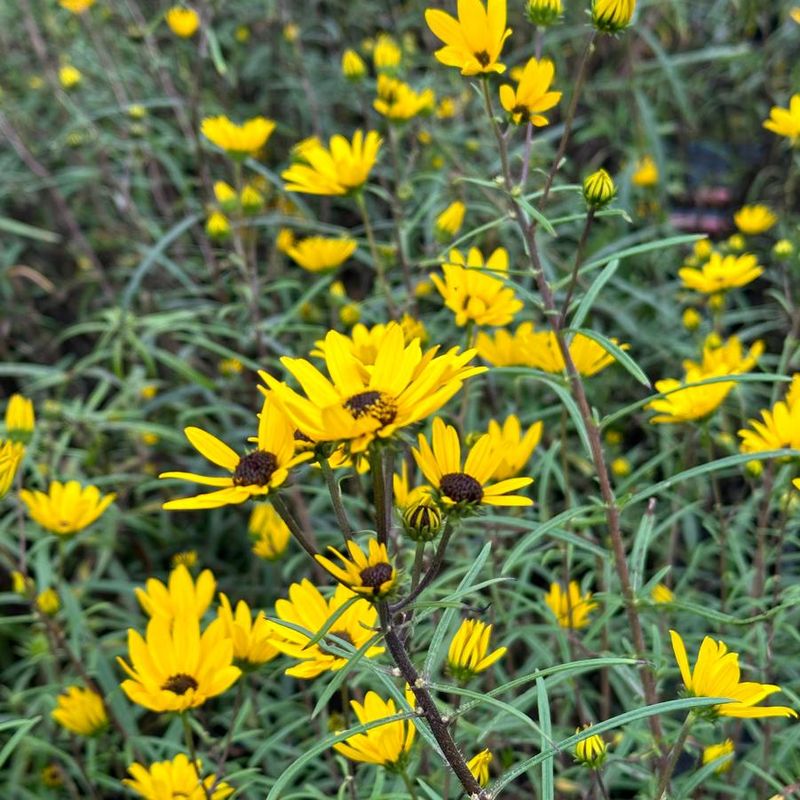
Every Delaware garden seems to have that one soggy spot where nothing grows well – except swamp sunflowers, which absolutely thrive in moisture-rich soil. These native perennials produce masses of bright yellow blooms from late summer through early fall.
Growing 4-6 feet tall, they create natural privacy screens while providing nectar for migrating monarchs and other butterflies. Unlike regular sunflowers, these perennials return stronger each year, forming impressive colonies over time.
Cut stems back in late fall or leave them standing for winter bird habitat. Seeds provide food for goldfinches and other small birds throughout the cold months.
9. Join Community Garden Networks
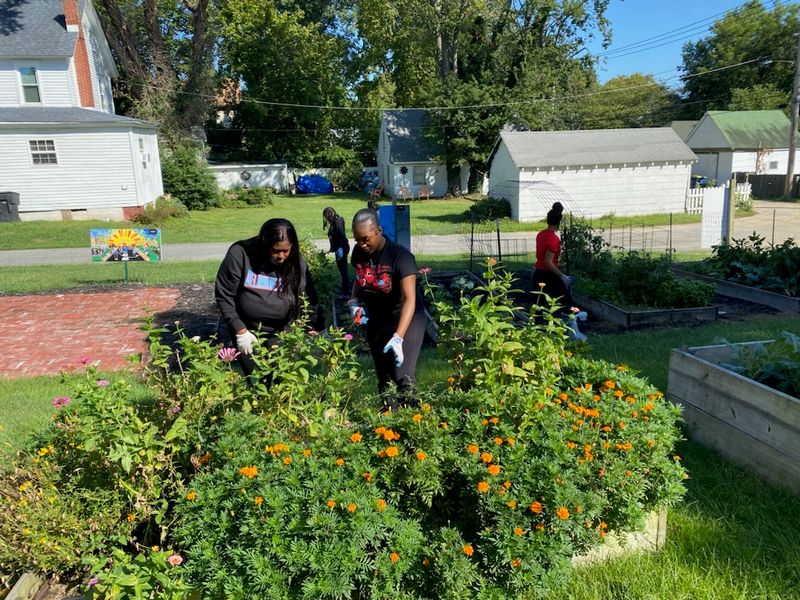
Wilmington and other Delaware cities host thriving community gardens where neighbors share space, knowledge, and harvests. These gardens offer affordable growing space for apartment dwellers and new homeowners without established gardens.
Experienced gardeners mentor newcomers, sharing local wisdom about what grows best in specific microclimates. Many gardens provide tools, water access, and composting systems that individual gardeners might struggle to maintain alone.
Beyond vegetables, community gardens build friendships and strengthen neighborhoods. Plot rental fees typically cost less than buying equivalent produce, making fresh food more accessible while connecting people through shared gardening experiences.
10. Utilize University Extension Resources
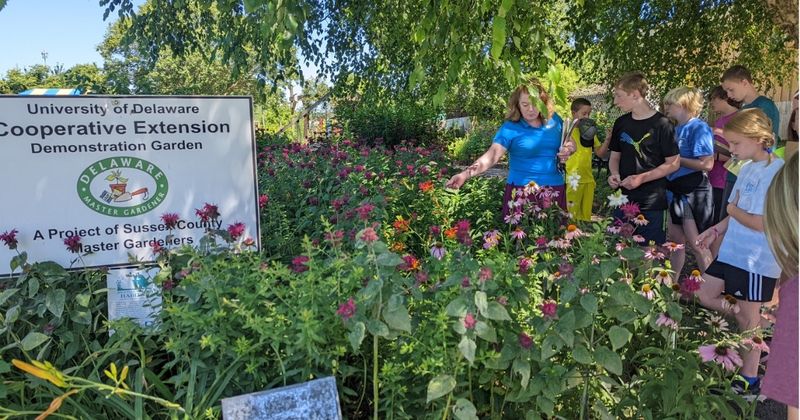
University of Delaware Cooperative Extension offers workshops, soil testing, and expert advice specifically tailored to local growing conditions. Their Master Gardener program trains volunteers who provide free gardening help throughout the state.
Extension publications cover everything from pest identification to seasonal planting schedules, all researched and tested in Delaware conditions. Many resources are available online, making expert advice accessible 24/7.
Attend extension workshops to learn hands-on techniques like pruning, composting, and season extension methods. These sessions often include take-home materials and connect you with other local gardeners facing similar challenges and successes.
11. Plan for Year-Round Interest
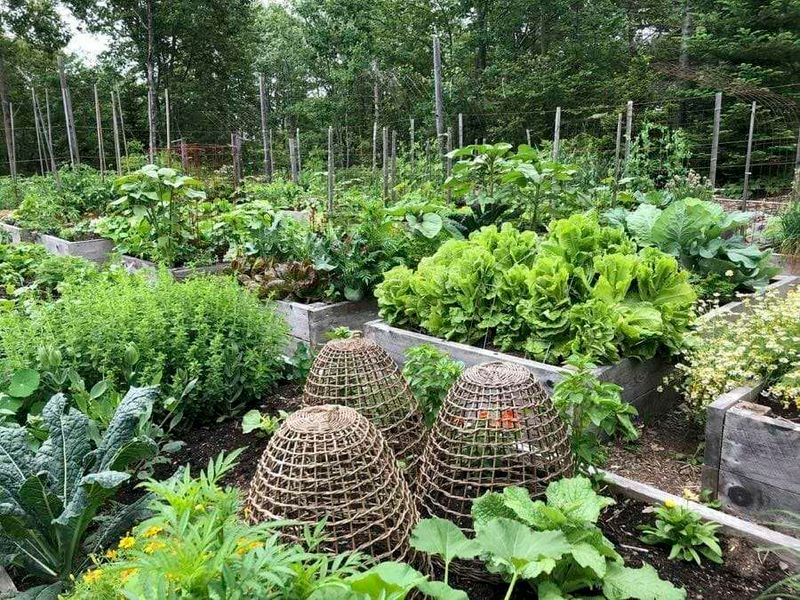
Delaware’s moderate climate allows for extended growing seasons when you choose plants strategically. Cool-weather crops like kale, Brussels sprouts, and carrots actually improve in flavor after light frosts, extending harvests into December.
Succession planting keeps salads coming all season – sow lettuce every two weeks from March through September for continuous harvests. Plant spring bulbs in fall for early color, followed by summer annuals and fall mums.
Evergreen shrubs and ornamental grasses provide structure during winter months when perennials go dormant. Planning for four-season interest ensures your garden remains attractive year-round, not just during peak growing season.
12. Maximize Small Space Potential
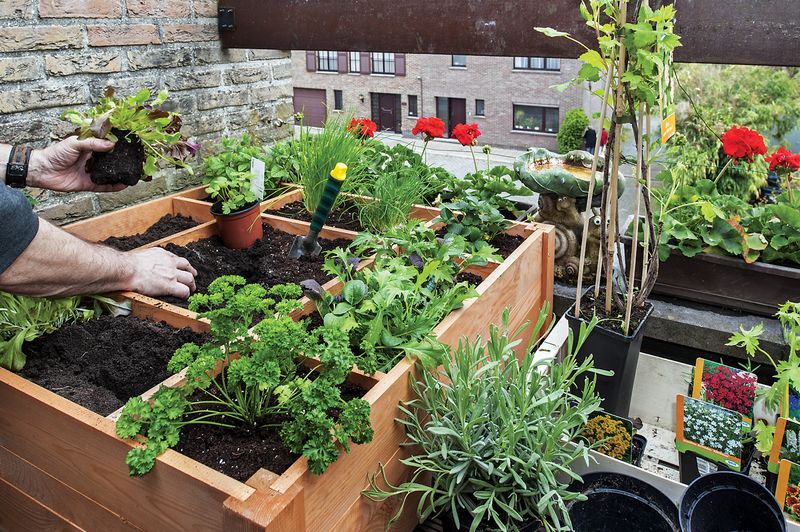
Delaware properties often feature compact yards, but vertical growing and intensive techniques create surprisingly productive gardens. Container gardening on patios, decks, and balconies extends growing space beyond traditional ground plots.
Square foot gardening maximizes production in minimal space by dividing beds into one-foot squares, each planted with different crops based on mature size. This method works perfectly for Delaware’s diverse microclimates and soil conditions.
Dwarf fruit trees, compact vegetable varieties, and trailing plants that spill from hanging baskets prove that small spaces can produce big harvests when planned thoughtfully and managed intensively throughout the growing season.