
California has mastered the art of turning everyday food waste into powerful soil that fights drought. With water becoming more precious each year, smart gardeners are discovering how banana peels, coffee grounds, and veggie scraps can create amazing dirt that holds water like a sponge. These simple tricks help plants stay healthy even when rain is scarce. Anyone can use these methods to build better soil while reducing kitchen waste.
1. Liquid Fertilizer Magic from Food Scraps
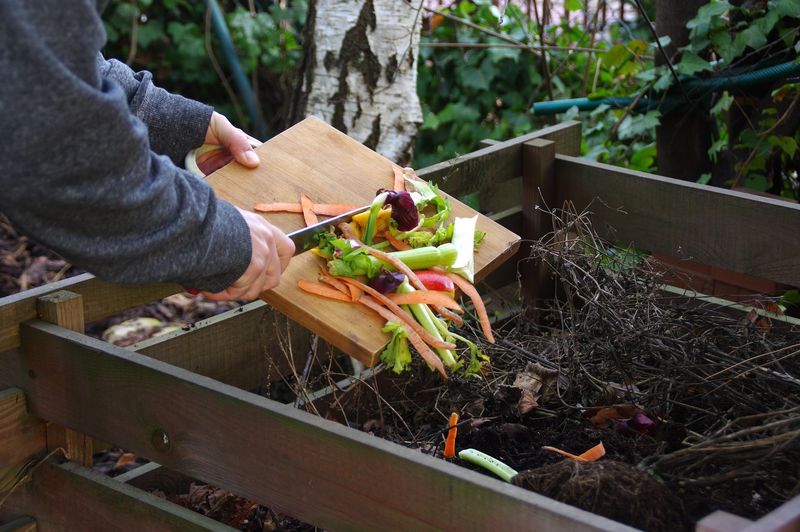
California Safe Soil revolutionized waste management with their Harvest-to-Harvest technology that transforms kitchen scraps into liquid gold. Using heat, enzymes, and mechanical action, food waste becomes nutrient-rich fertilizer in just three hours.
This liquid fertilizer flows directly through irrigation systems, making application super easy. Field tests show crops use 25% less water while producing bigger harvests.
Homeowners can create similar results by blending food scraps with water and letting them ferment for several days before straining.
2. Coffee Grounds Create Water-Hungry Soil
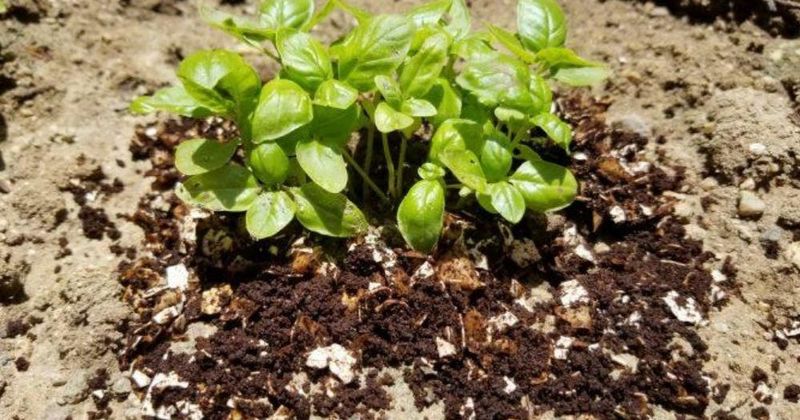
Coffee shops throw away tons of grounds daily, but smart Californians collect this brown treasure for their gardens. These grounds contain nitrogen that plants love, plus they improve soil structure dramatically.
Mixed with other organic matter, coffee grounds help soil hold moisture longer during dry spells. The grounds also attract earthworms that create tunnels for better water absorption.
Simply sprinkle used grounds around plants or add them to compost bins. Avoid using too much at once since they can make soil acidic.
3. Banana Peel Power for Moisture Retention
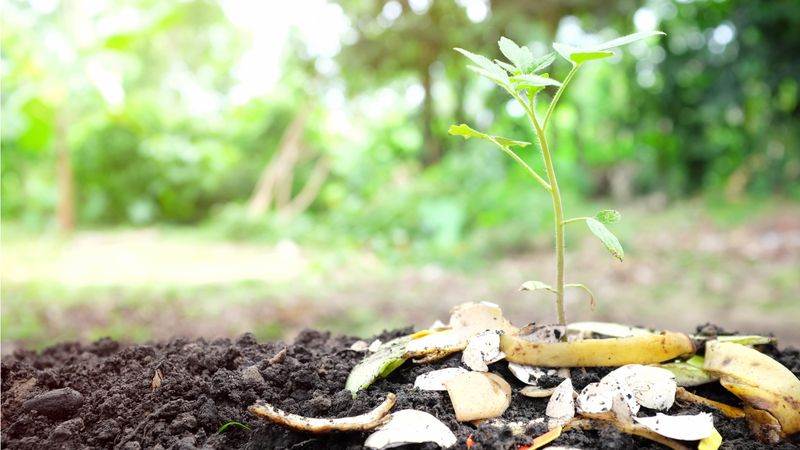
Banana peels pack serious punch when it comes to creating drought-resistant soil amendments. These yellow skins contain potassium that helps plants manage water more efficiently during stress.
Chopping peels into small pieces and burying them near plant roots creates slow-release nutrition. As they decompose, banana peels improve soil texture and water-holding capacity significantly.
California gardeners often make banana peel tea by soaking chopped peels in water for several days. This liquid fertilizer waters plants while delivering essential nutrients directly to roots.
4. Eggshell Calcium Builds Strong Soil Structure
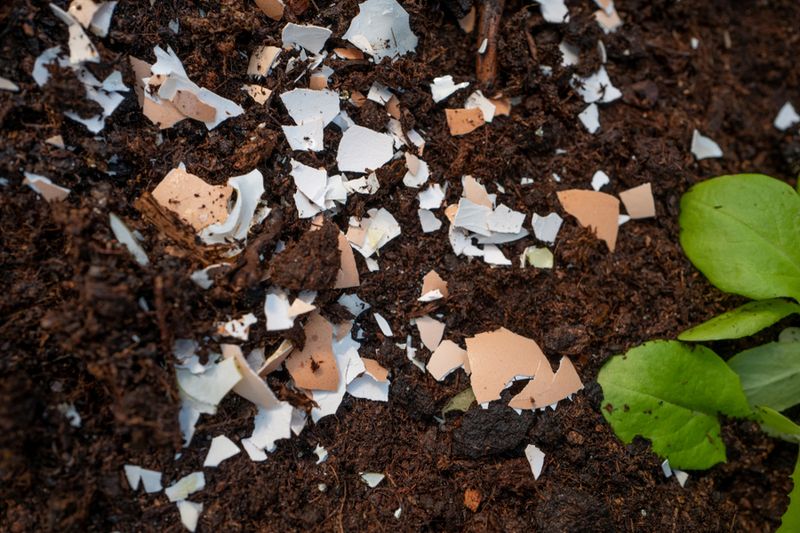
Crushed eggshells might look like trash, but they work miracles for soil health in water-scarce environments. Calcium from shells helps soil particles stick together, creating better water retention.
Grinding shells into powder makes nutrients available faster, while larger pieces provide slow-release benefits over months. This calcium also prevents common plant diseases that weaken drought resistance.
Scatter crushed shells around tomatoes and peppers to prevent blossom end rot. Mix powdered shells into potting soil for container gardens that need extra water-holding power.
5. Vegetable Scraps Create Moisture-Rich Compost
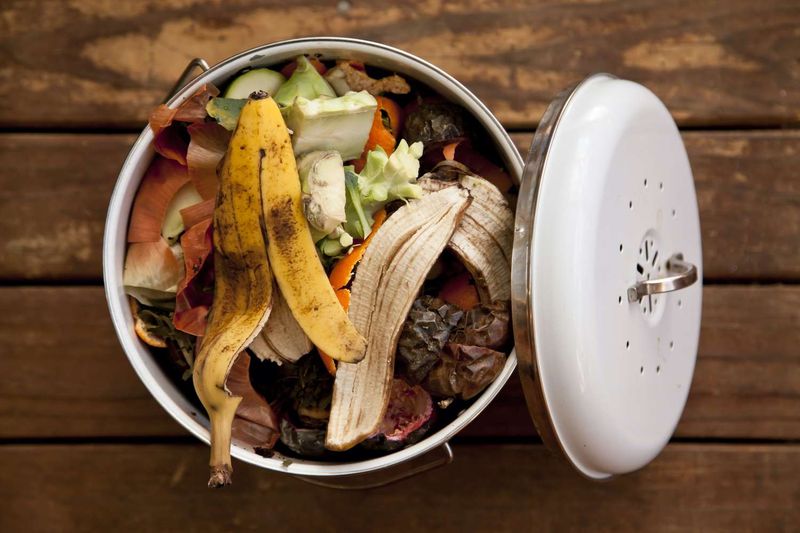
Senate Bill 1383 requires Californians to compost organic waste, turning this legal requirement into gardening gold. Vegetable peels, stems, and leaves break down into rich humus that acts like a sponge.
Proper composting creates beneficial microorganisms that help plants access water more efficiently. This living soil amendment continues improving moisture retention for years after application.
Layer vegetable scraps with brown materials like leaves or paper. Turn the pile regularly and keep it moist but not soaked for best results.
6. Citrus Peels Balance Soil pH Naturally
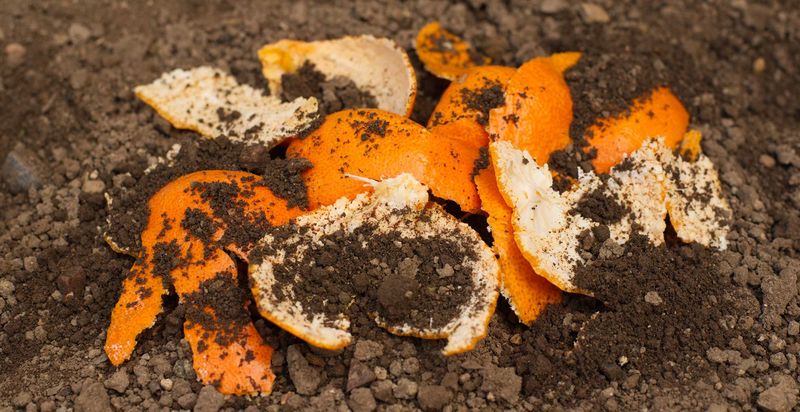
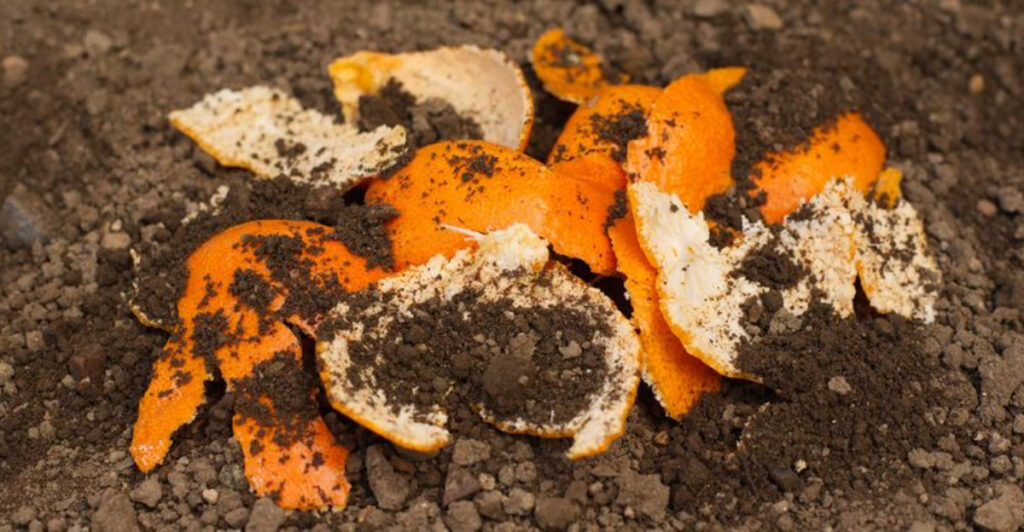
California grows amazing citrus, and those peels create fantastic soil amendments when handled correctly. Orange, lemon, and grapefruit rinds add organic matter while slowly adjusting soil chemistry.
Chopping citrus peels before composting speeds decomposition and prevents attracting pests. These peels also contain oils that can help repel certain garden insects naturally.
Use citrus peels sparingly since too many can make soil too acidic. Mix them with other kitchen scraps or let them age in compost for several months before applying.
7. Onion Skins Build Disease-Fighting Soil
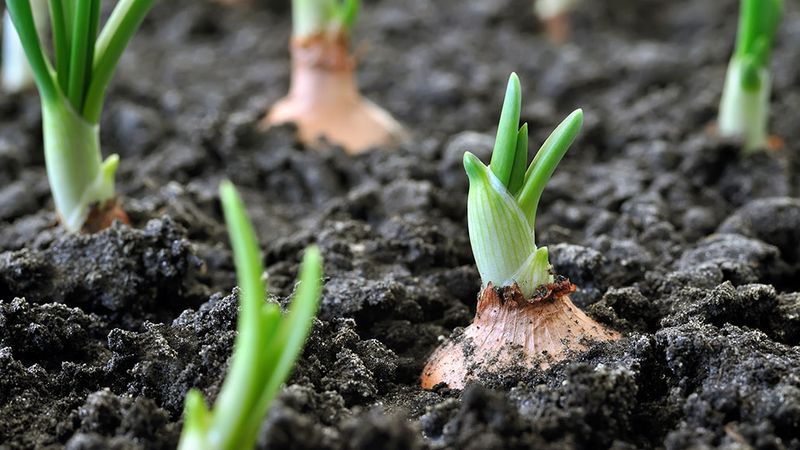
Those papery onion skins usually headed for trash actually contain powerful compounds that benefit soil health tremendously. These skins break down slowly, adding organic matter while releasing natural antifungal properties.
Onion skins help create soil that resists plant diseases common during drought stress. Their decomposition improves soil structure and water infiltration rates significantly over time.
Collect dry onion skins in a container and add them to compost bins regularly. They can also be buried directly around plants for slow-release benefits throughout the growing season.