
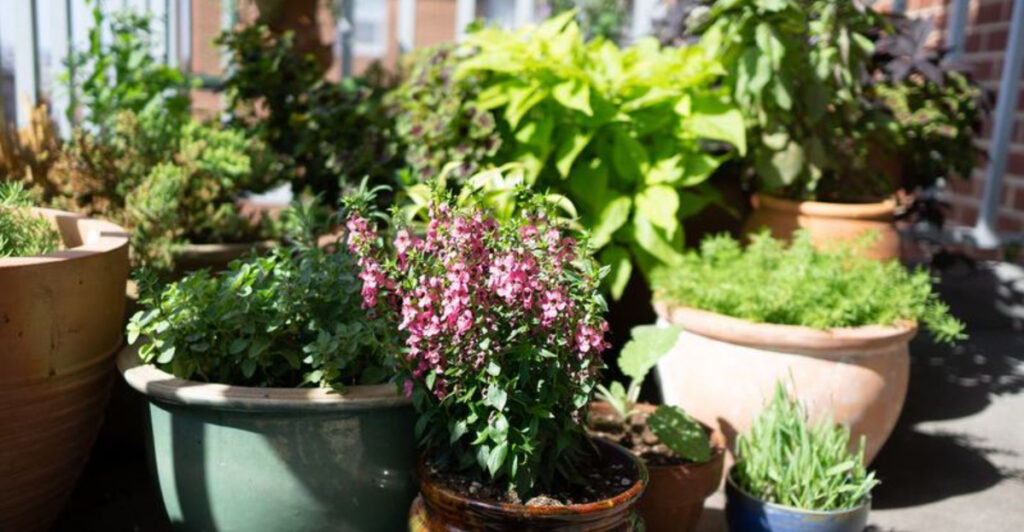
New York City residents are getting creative with their tiny living spaces by turning fire escapes into green oases. While fire escapes aren’t legally approved for gardening due to safety rules, many apartment dwellers still find ways to grow fresh herbs, vegetables, and flowers in these compact outdoor areas. This movement shows how city folks refuse to let small spaces stop them from enjoying homegrown food and connecting with nature right outside their windows.
1. Container Gardens Transform Metal Platforms
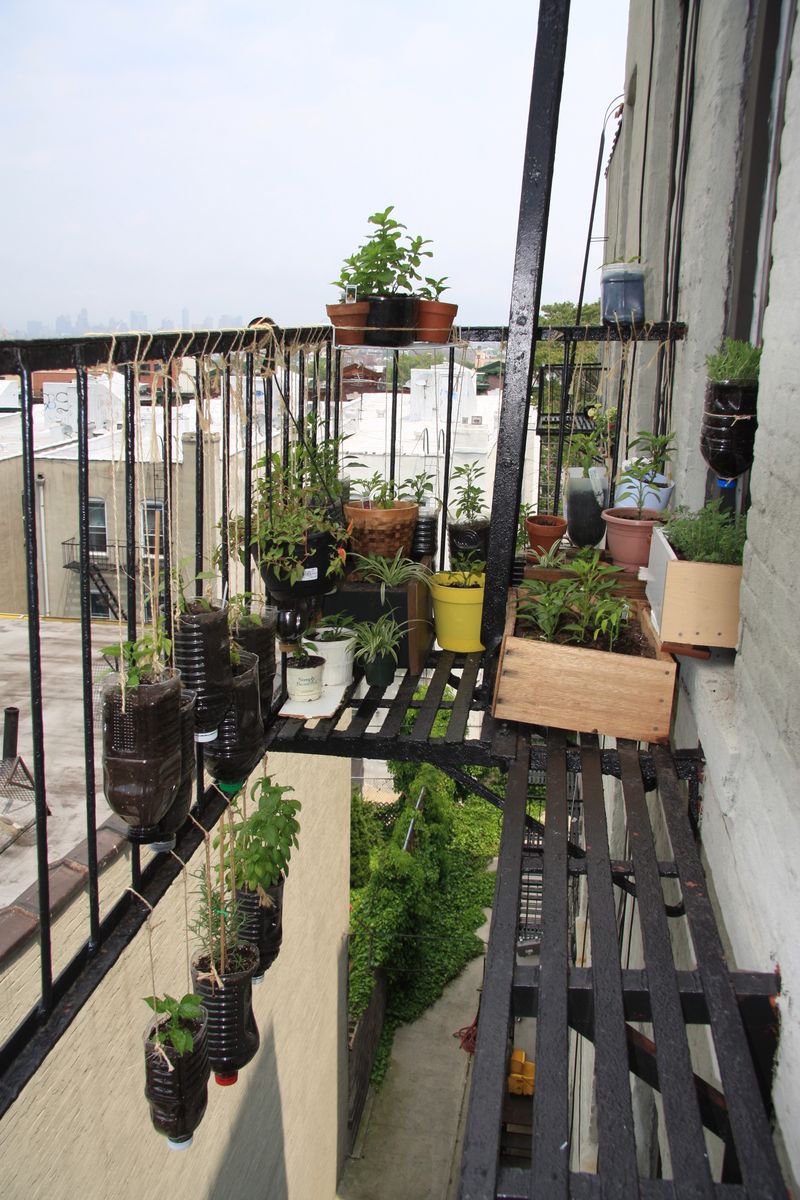
Plastic pots and wooden boxes line fire escape railings across Manhattan apartments, creating colorful displays of tomatoes and herbs. Smart gardeners choose lightweight containers that won’t add dangerous weight to these emergency structures.
Drainage becomes crucial since water can’t pool on metal grating without causing rust or safety issues. Many residents drill extra holes in containers and use saucers to catch excess water.
The key lies in selecting containers that fit securely between railings while leaving clear pathways for emergency access when needed.
2. Vertical Growing Maximizes Limited Space
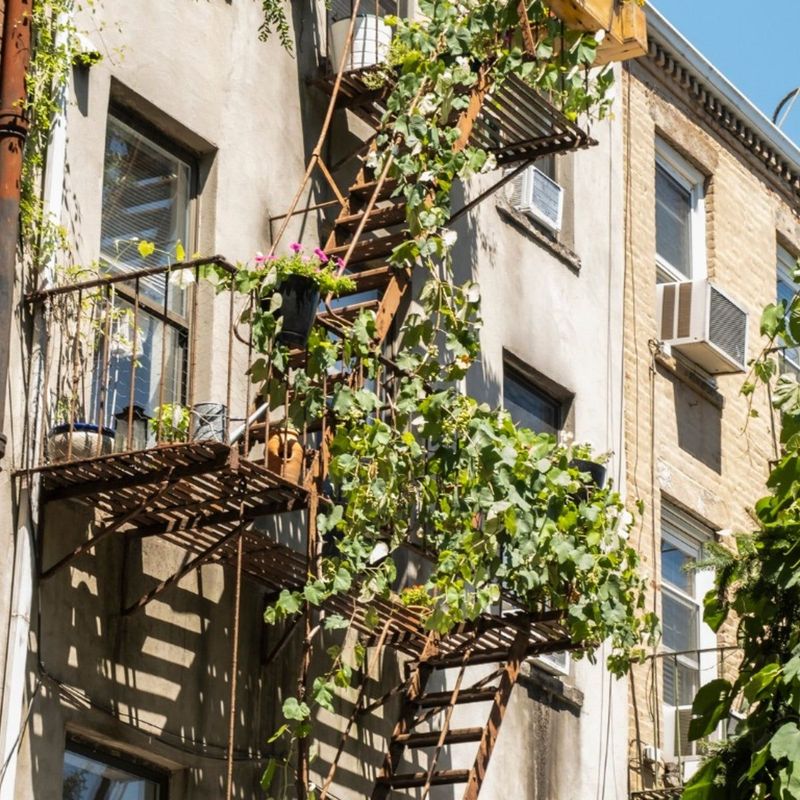
Climbing plants make the most of fire escape height by growing upward along railings and walls. Bean poles and tomato cages attached to metal structures support heavy vines without blocking emergency exits.
Pea shoots and cucumber vines wrap around existing railings, creating natural green walls that don’t require additional support structures. These climbing varieties produce impressive harvests despite growing in cramped quarters.
Wall-mounted planters and hanging baskets add growing space without taking up valuable floor area that must remain clear for safety purposes.
3. Herb Gardens Thrive in Compact Conditions
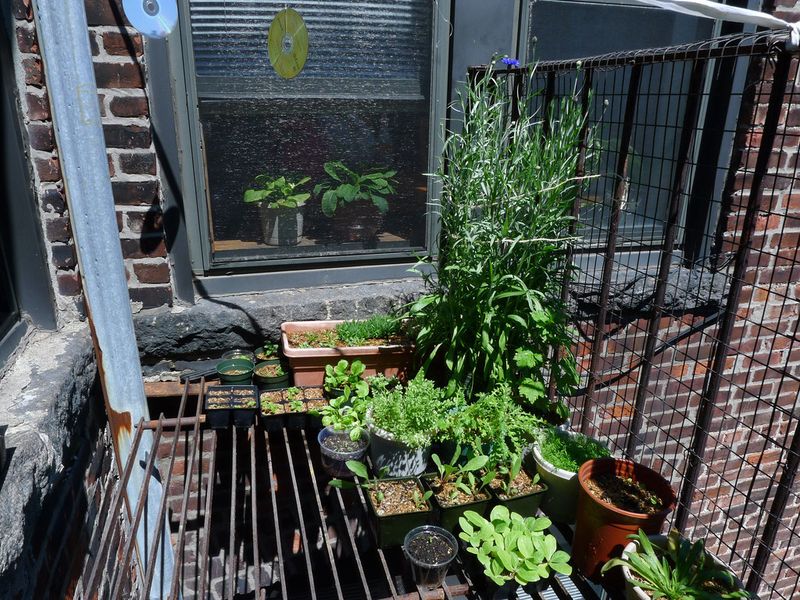
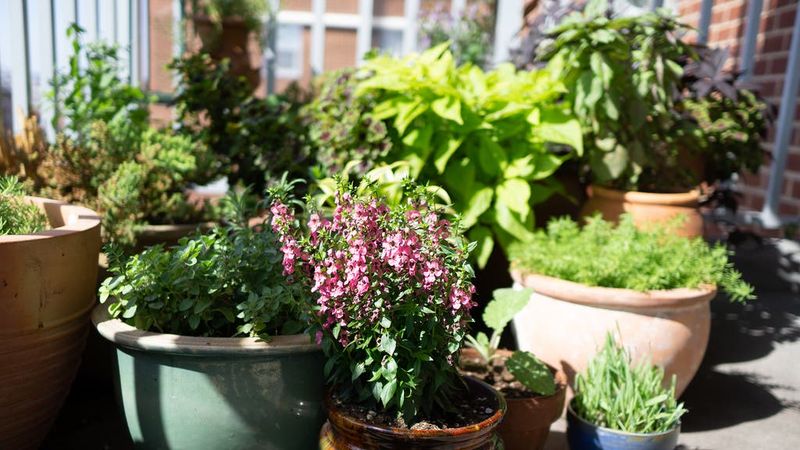
Basil, parsley, and cilantro flourish in small pots arranged along fire escape edges, providing fresh flavors for city cooking. These compact plants don’t need deep soil and grow quickly in limited space.
Window boxes attached to railings hold multiple herb varieties while staying narrow enough to maintain clear walkways. Oregano and thyme cascade over container edges, creating attractive displays.
Many gardeners rotate herb containers seasonally, bringing tender plants indoors during harsh New York winters while hardy varieties like rosemary stay outside year-round.
4. Watering Systems Adapt to Metal Structures
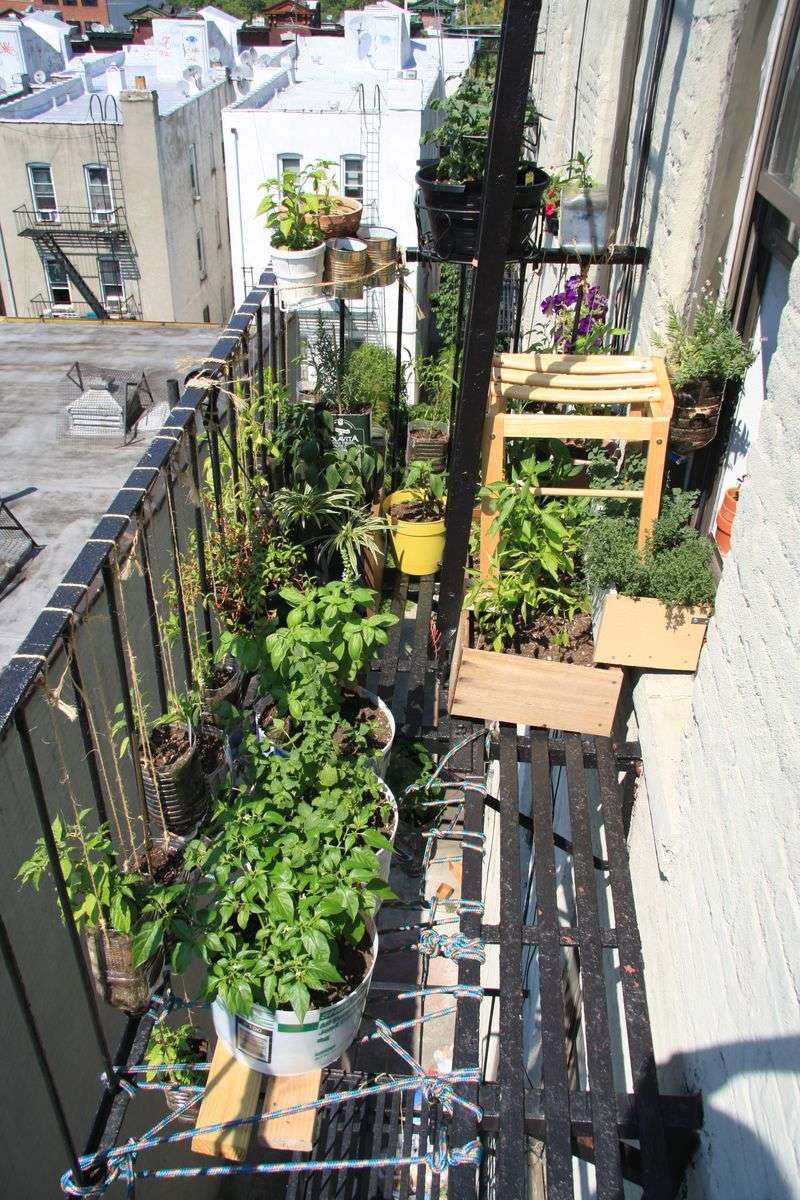
Garden hoses snaked through apartment windows reach fire escape plants, though many residents prefer watering cans to avoid permanent installations. Daily watering becomes essential since containers dry out quickly in windy conditions.
Self-watering planters help busy New Yorkers maintain their gardens during long work days and weekend trips. These systems store extra water in bottom reservoirs that plants access as needed.
Rain collection containers placed strategically catch natural precipitation, though city air pollution means this water works better for non-edible plants than vegetables and herbs.
5. Safety Considerations Balance Growing Dreams

Fire departments discourage fire escape gardening since plants and containers can block emergency exits during building evacuations. Smart gardeners keep pathways completely clear and use lightweight, easily movable containers.
Building superintendents sometimes require removal of fire escape gardens, especially after safety inspections or neighbor complaints about falling water or plant debris. Renters face particular challenges since lease agreements often prohibit alterations.
Many residents compromise by keeping minimal plantings that can be quickly relocated indoors if officials request removal for safety reasons.
6. Seasonal Challenges Test Urban Farmers
Winter winds and freezing temperatures kill tender plants, forcing gardeners to move containers indoors or accept seasonal losses. Hardy vegetables like kale survive mild New York winters with proper protection.
Summer heat reflects off metal fire escape surfaces, creating oven-like conditions that stress plants and dry soil rapidly. Shade cloth and frequent watering help plants survive scorching urban temperatures.
Spring planning involves starting seeds indoors since fire escapes offer no protection from late frost damage that can destroy young transplants overnight.
7. Community Networks Share Growing Tips
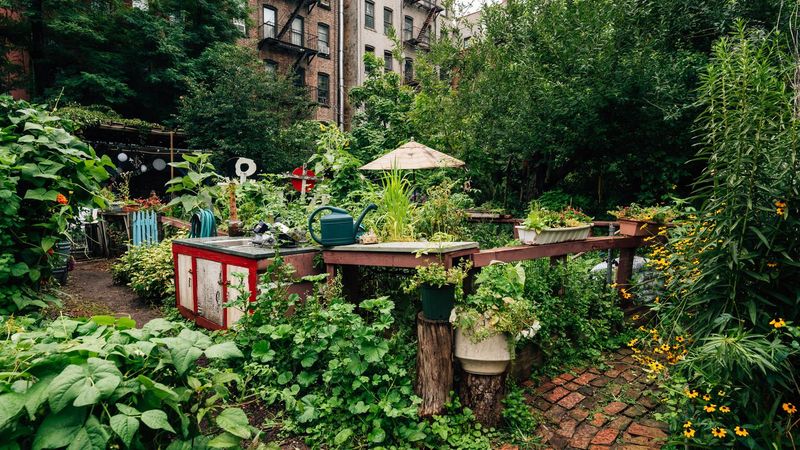
Online forums and neighborhood groups connect fire escape gardeners who share advice about container choices, plant varieties, and dealing with building management. Social media showcases successful harvests and creative solutions.
Seed swaps between apartment dwellers help everyone try new varieties without buying full packets they can’t use in tiny spaces. Neighbors often trade surplus vegetables and herbs.
Building residents sometimes coordinate their fire escape gardens, creating informal green corridors that benefit the entire structure while maintaining individual growing spaces and emergency access.
8. Creative Solutions Overcome Space Limits
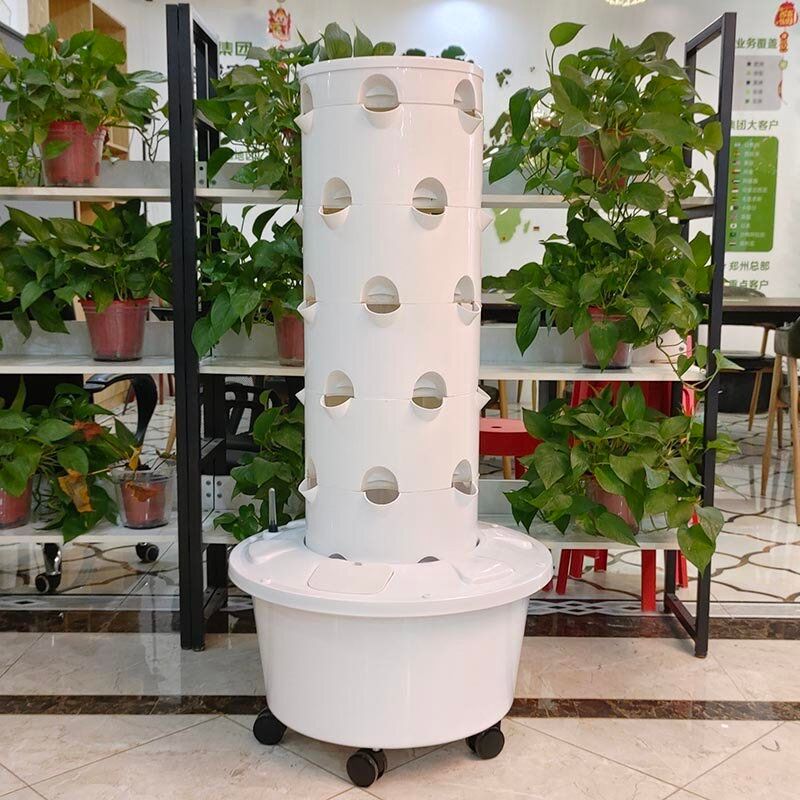
Magnetic planters stick directly to metal fire escape railings, holding small herbs and flowers without taking up floor space or requiring drilling holes for mounting hardware.
Fold-down shelves attached to railings create temporary growing surfaces that collapse flat when not needed, maximizing space efficiency while maintaining emergency access requirements.
Some gardeners use rail-hanging systems with adjustable brackets that slide along existing structures, allowing quick reconfiguration when building inspectors visit or emergency access becomes necessary.