
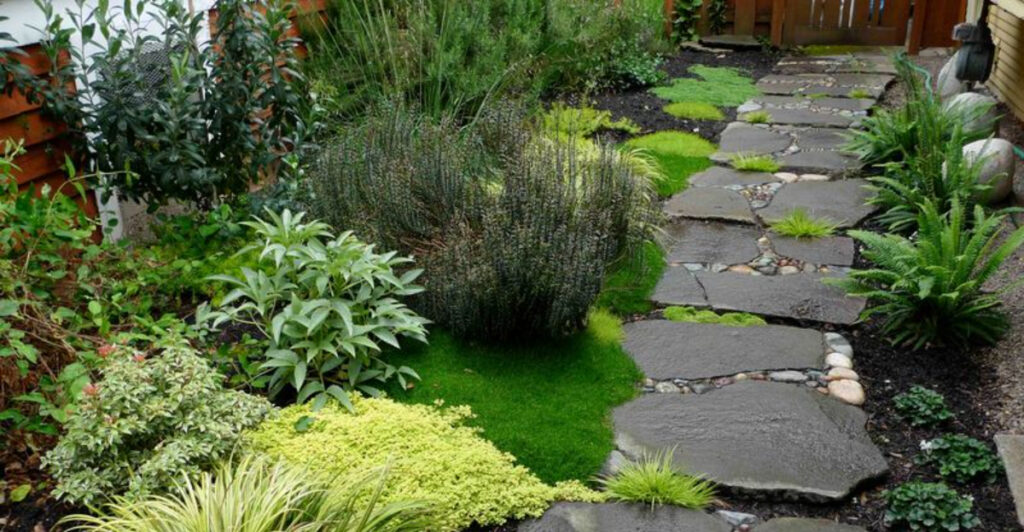
Oregon’s famous rainfall doesn’t have to be your garden’s enemy. With the right strategies, those endless showers can become your secret weapon for creating a thriving, sustainable landscape. Smart gardeners across the Pacific Northwest are discovering how to transform soggy problems into blooming solutions that work with nature instead of against it.
1. Create Strategic Rain Gardens for Natural Water Management
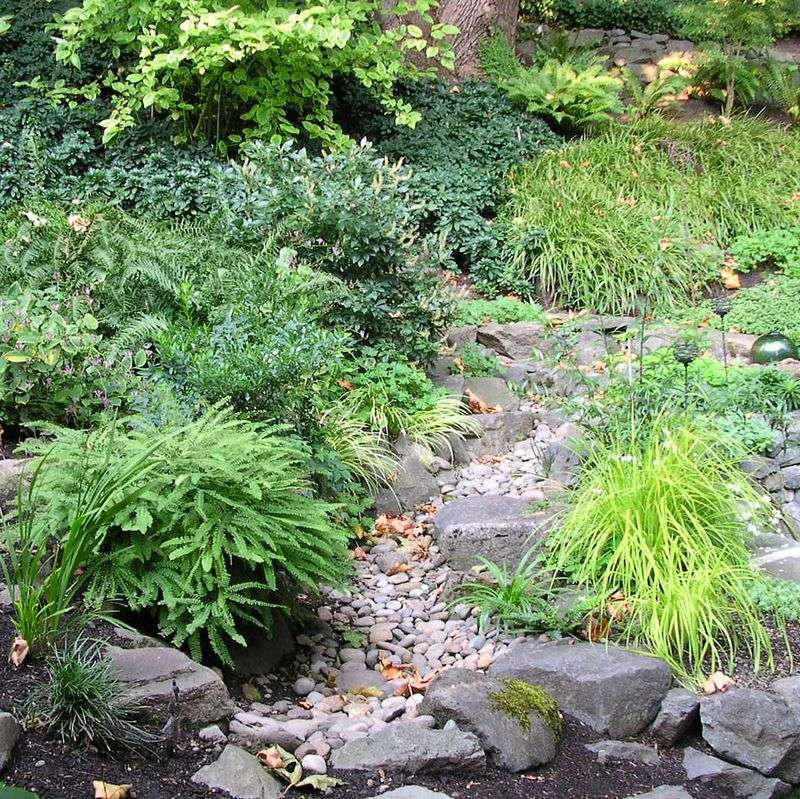
Picture a shallow bowl in your yard that magically transforms storm runoff into plant paradise. Rain gardens work by capturing water from roofs, driveways, and sidewalks before it rushes away.
These landscaped depressions use native plants that love getting their feet wet. Oregon favorites include sedges, ferns, and wildflowers that naturally filter pollutants while preventing erosion.
Position your rain garden at least ten feet from buildings where runoff naturally flows. The result? Reduced flooding, cleaner waterways, and a stunning focal point that practically maintains itself during Oregon’s wet months.
2. Install Stylish Rain Barrels for Free Water Storage
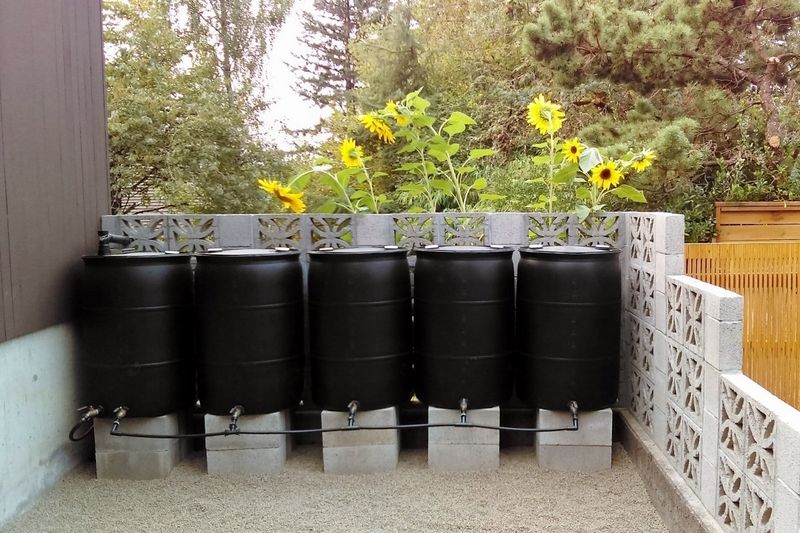
Why pay for water when Oregon’s sky delivers it free? Rain barrels capture precious precipitation from your gutters, storing hundreds of gallons for dry summer days.
Modern rain barrels come in attractive designs that complement any home style. Choose food-grade materials with tight-fitting lids to prevent mosquito breeding and debris accumulation.
Connect multiple barrels with overflow pipes to maximize collection capacity. During Oregon’s wet season, you’ll harvest enough water to keep vegetables thriving through August’s typical drought. One inch of rain on a thousand-square-foot roof yields over six hundred gallons of pure irrigation gold.
3. Design Permeable Pathways That Welcome Water
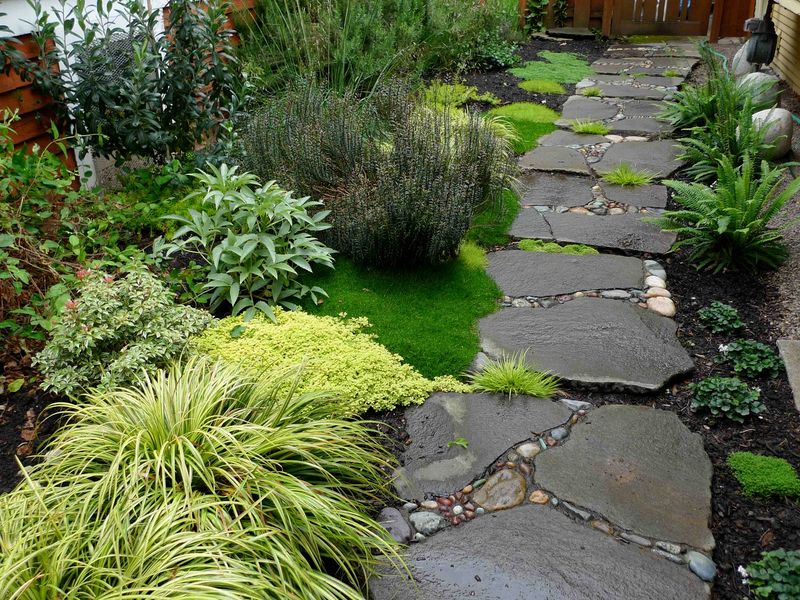
Concrete and asphalt force rainwater to race away, taking valuable moisture and nutrients with it. Permeable pathways invite water to soak slowly into the ground instead.
Gravel, permeable pavers, and stepping stones create attractive walkways that function like giant sponges. Water filters through gaps, recharging soil moisture naturally.
These surfaces reduce pudding and mud while directing water toward plant roots where it belongs. Decomposed granite mixed with native stones creates particularly stunning results in Pacific Northwest gardens. Your pathways become part of the water management system rather than obstacles to overcome.
4. Plant Water-Loving Natives for Effortless Beauty
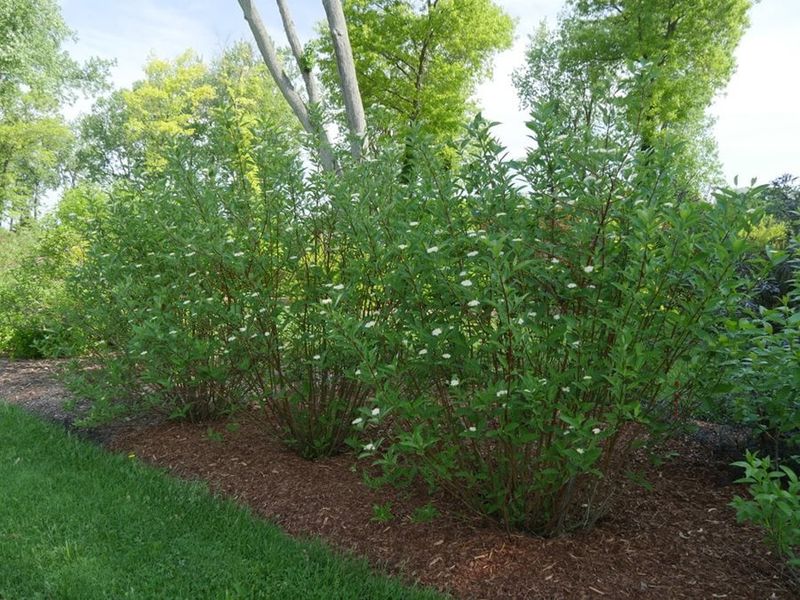
Oregon’s indigenous plants evolved alongside the region’s rainfall patterns, making them perfectly adapted to seasonal flooding and summer dryness. These natural survivors require minimal maintenance once established.
Red-twig dogwood, Oregon grape, and Pacific ninebark thrive in wet conditions while providing year-round interest. Native bunch grasses like blue wildrye handle both soggy winters and dry summers gracefully.
These plants support local wildlife, resist diseases common to non-natives, and create authentic Pacific Northwest beauty. Best of all, they actually prefer Oregon’s natural wet-dry cycle over constant irrigation, saving you money and effort while supporting regional ecosystems.
5. Build Bioswales to Channel and Clean Runoff
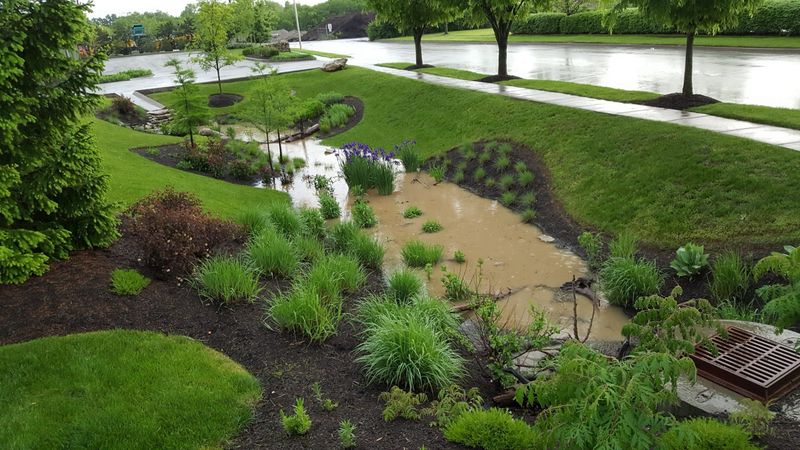
Transform that problematic slope where water rushes downhill into a beautiful bioswale that works like nature’s own filtration system. These planted channels slow, spread, and clean stormwater naturally.
Layer rocks at the top to break water flow, followed by moisture-loving plants that trap sediments and absorb excess nutrients. Willows, rushes, and native irises create living filters.
Bioswales prevent erosion while removing pollutants before they reach streams and rivers. They’re particularly effective along driveways and property edges where runoff concentrates. The gentle curves and varied plantings add natural beauty while solving drainage problems that traditional solutions can’t match.
6. Create Bog Gardens for Unique Plant Collections
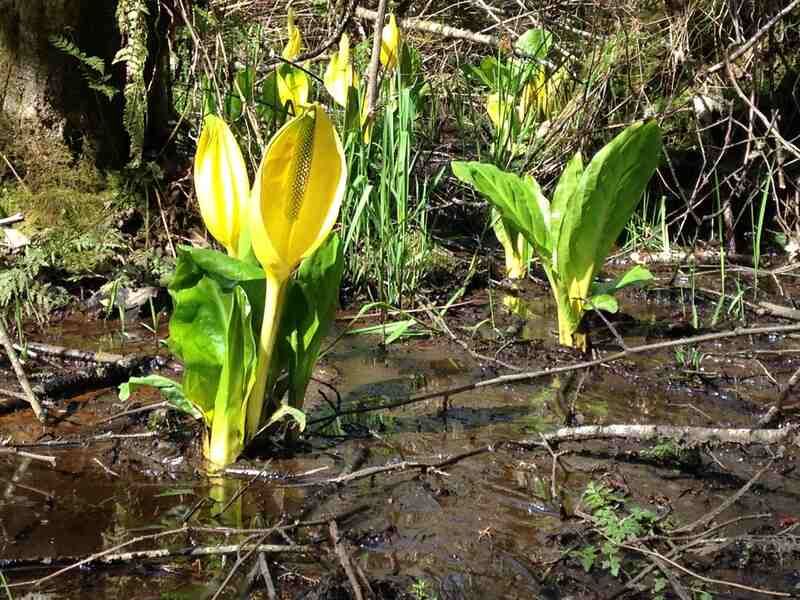
That perpetually soggy spot in your yard isn’t a problem – it’s an opportunity to grow fascinating plants that most gardeners can only dream about.
Bog gardens support carnivorous plants like native sundews, plus stunning moisture-lovers such as skunk cabbage and monkey flower. These specialized environments showcase Oregon’s incredible plant diversity.
Line a depression with pond liner, puncture drainage holes, and fill with acidic soil mix. The constantly moist conditions support plants that would struggle in regular garden beds. Visitors will marvel at your collection of unusual species that transform a challenging wet area into a conversation-starting garden feature.
7. Harvest Rainwater for Greenhouse and Indoor Plants
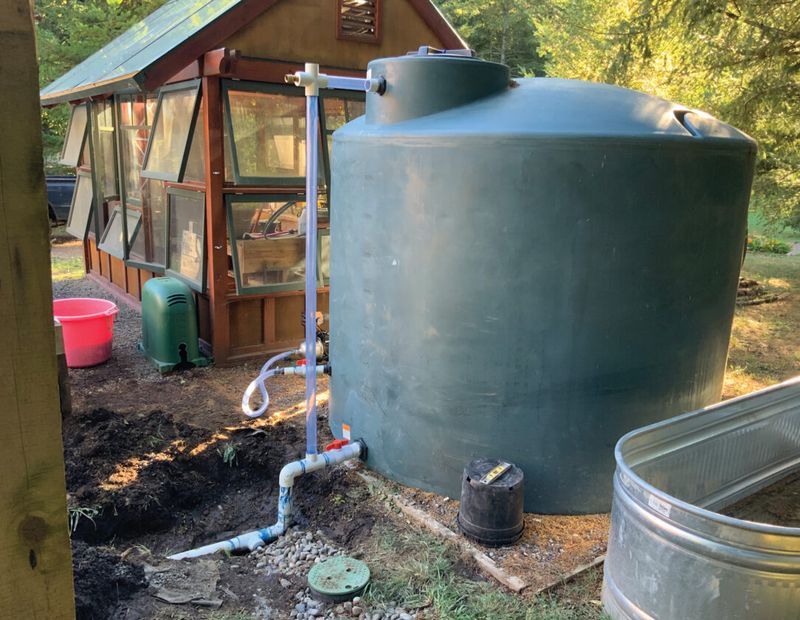
Rainwater contains fewer chemicals and minerals than tap water, making it ideal for sensitive greenhouse plants and houseplant collections. Oregon’s abundant precipitation provides premium irrigation water year-round.
Install collection systems on greenhouse gutters and use gravity-fed distribution for consistent, gentle watering. The naturally soft water prevents mineral buildup in soil and on leaves.
Store collected water in covered containers to maintain quality and prevent algae growth. Many orchids, carnivorous plants, and tropical species show dramatically improved health when switched from tap water to pure rainwater. Your indoor growing success will soar while reducing water bills and chemical exposure to precious plant collections.