
North Dakota’s challenging climate, characterized by its short growing season, requires careful selection of crops. By choosing the right vegetables, gardeners can ensure a bountiful harvest. This article explores the best options for North Dakota’s unique conditions.
1. Radishes
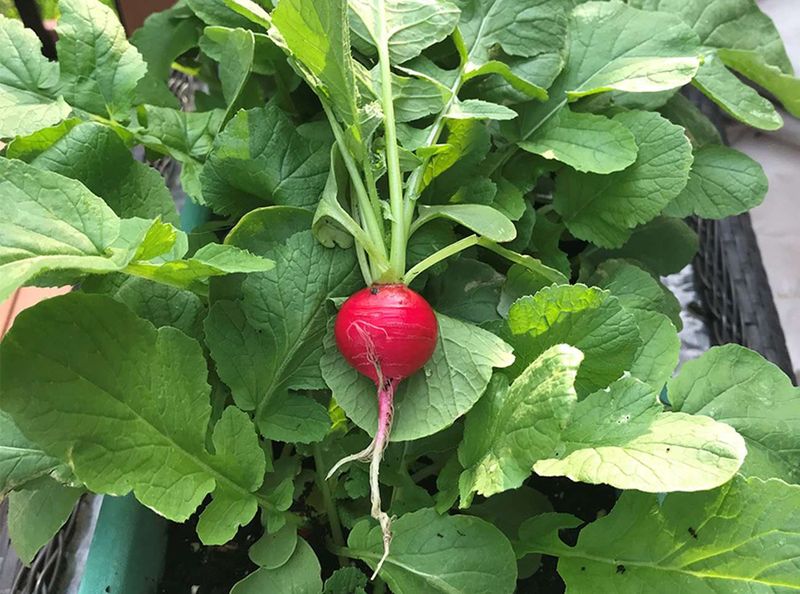
Radishes are a quick-growing crop, perfect for North Dakota’s limited growing period. Their spicy, crisp roots are ready to harvest just weeks after planting. These hardy vegetables thrive in cool weather, making them ideal for early spring or fall planting.
With their vibrant red color and refreshing crunch, radishes can add a lively zest to any salad. They’re not only tasty but also easy to grow, even for novice gardeners. The tops are edible too, providing a dual-purpose crop that maximizes garden space.
Fun Fact: Radishes were one of the first European crops brought to the Americas, making them a historic addition to your garden.
2. Lettuce
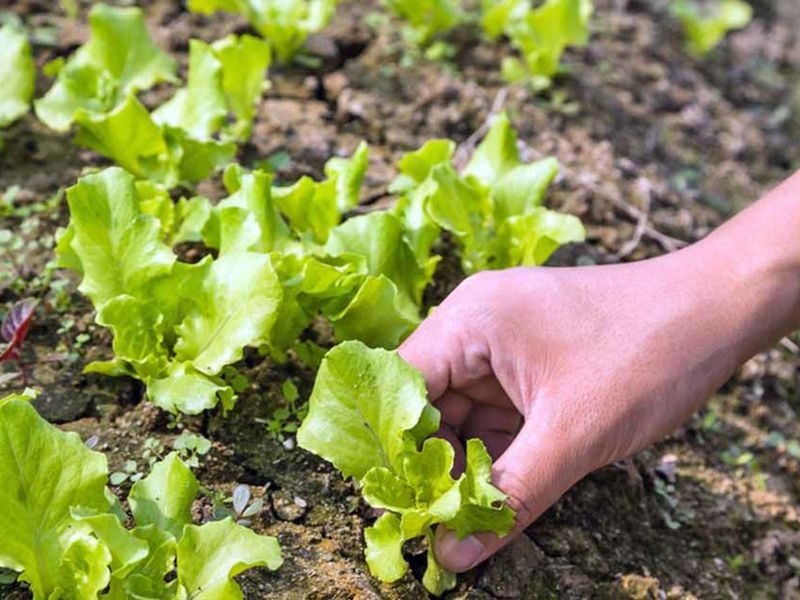
Lettuce, with its fast growth rate and preference for cooler temperatures, is an excellent choice for North Dakota gardeners. Its delicate leaves flourish even in the short growing seasons, offering a variety of textures and flavors.
From crisp romaine to buttery bibb, lettuce can be harvested at any size, allowing for continuous enjoyment throughout the season. Its versatility in dishes makes it a staple in many kitchens.
Did you know? Lettuce was served in the royal courts of Persia as early as 500 BCE, making it a timeless favorite.
3. Spinach
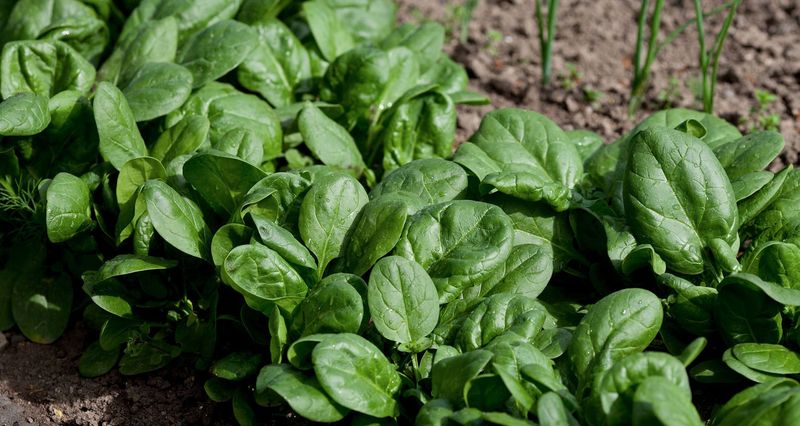
Spinach is a versatile and nutrient-rich vegetable that thrives in North Dakota’s cool springs and falls. Known for its rich, dark green leaves and earthy taste, spinach can be sown directly into the soil as soon as the ground is workable.
Rich in iron and vitamins, spinach is a powerhouse of nutrition, adding health benefits to your meals. Its ability to grow quickly makes it a reliable crop for short seasons.
Fun Fact: Spinach was popularized by Popeye the Sailor Man, who attributed his strength to this leafy green.
4. Peas
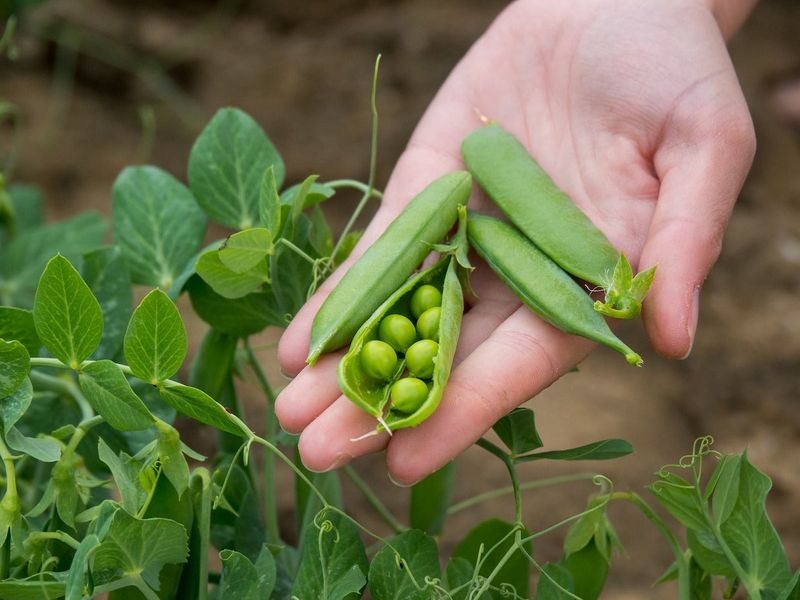
Peas are one of the first crops you can plant in North Dakota, as they thrive in the cool temperatures of early spring. Their sweet and tender pods can be enjoyed fresh or cooked, adding a touch of natural sweetness to meals.
These climbing plants can save space in the garden, as they grow vertically on supports. The joy of popping open a fresh pod and tasting the peas inside is a delight for both children and adults.
Interesting Fact: During World War II, British soldiers were encouraged to grow peas to supplement their diets due to their nutritional value.
5. Carrots
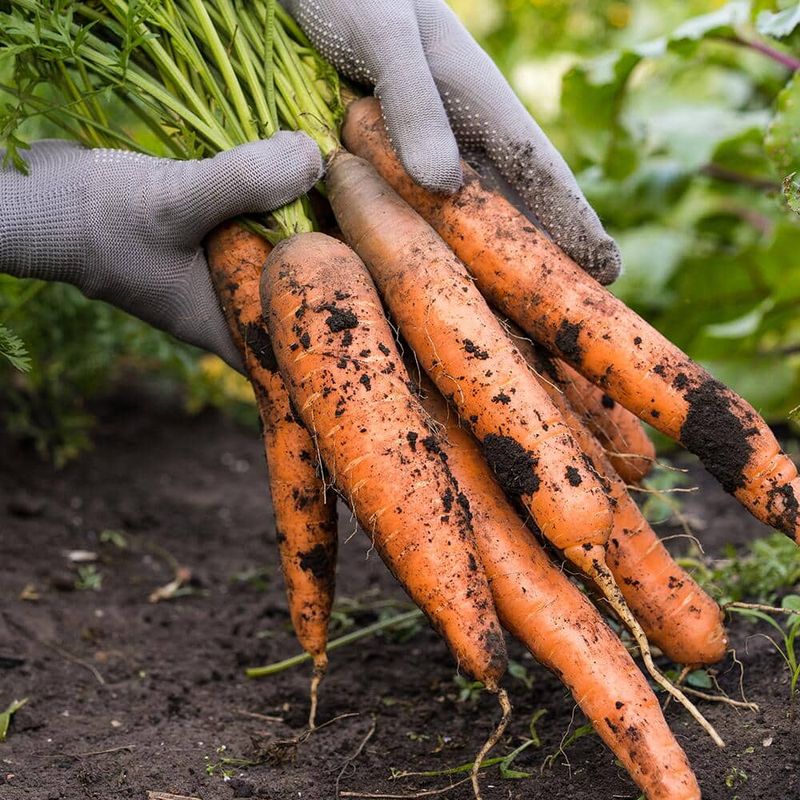
Carrots, with their sweet flavor and crunchy texture, are a beloved vegetable that can adapt well to North Dakota’s short seasons. They prefer cooler temperatures and can be sown directly into the garden for a continuous crop throughout the growing period.
Varying in color from orange to purple, carrots are not only a visual delight but also packed with beta-carotene and other nutrients. Their ability to store well makes them a staple for winter meals.
Did you know? The first cultivated carrots were purple, not orange, and were grown for medicinal purposes in ancient Persia.
6. Kale
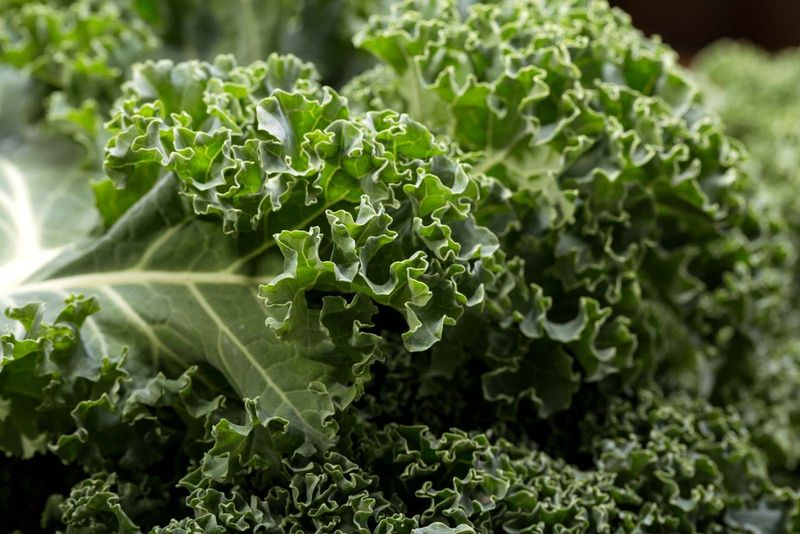
Kale is a hardy vegetable that laughs in the face of frost. Its robust leaves become even sweeter after exposure to a light freeze, making it a perfect fit for North Dakota’s unpredictable climate.
This leafy green is celebrated for its rich nutritional profile, including vitamins A, C, and K. Whether added to salads, soups, or smoothies, kale provides a healthy boost to any dish.
Fun Fact: Kale has been cultivated for over 2,000 years, originating from the Mediterranean region.
7. Beets
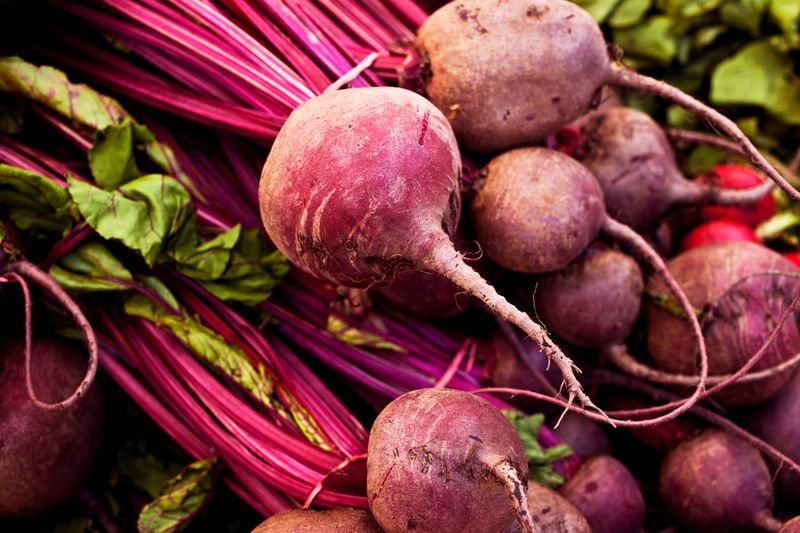
Beets offer a dual harvest: both their roots and greens are edible, providing a versatile crop for North Dakota gardeners. Their ability to grow in cooler weather makes them well-suited for spring and fall planting.
With their deep red color and earthy flavor, beets can be roasted, boiled, or pickled, adding a unique taste to a variety of dishes. The greens can be used in salads and stir-fries.
Did you know? Historically, beets were used as a natural dye for fabrics and foods due to their intense pigmentation.
8. Potatoes
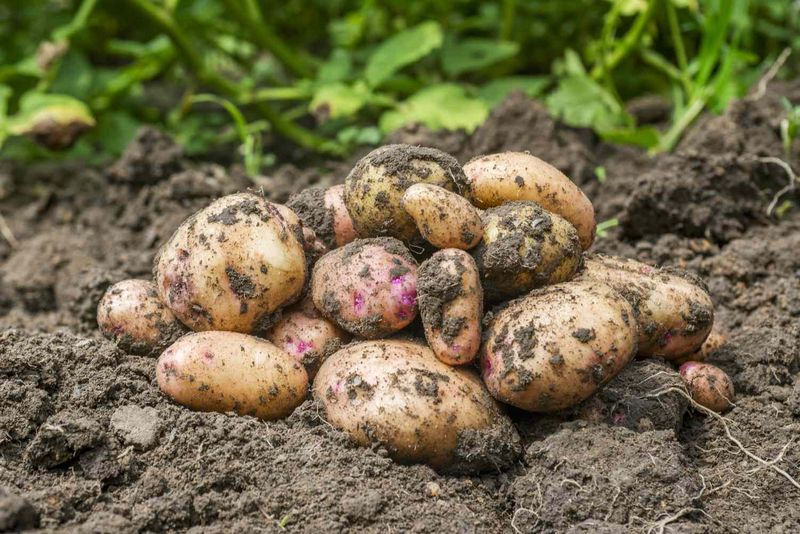
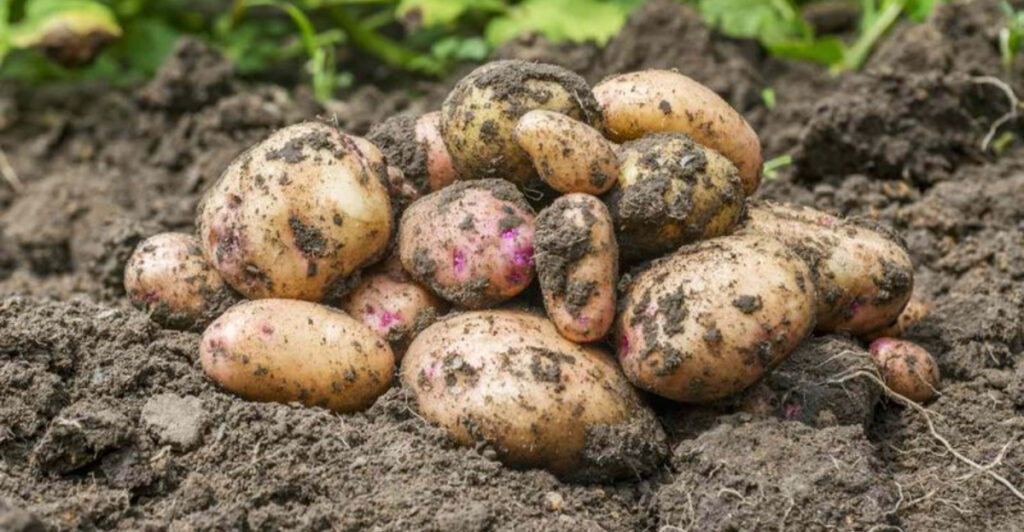
Potatoes are a staple crop with a rich history and versatility in cooking. They thrive in North Dakota’s cool climates and can be planted as soon as the soil can be worked in early spring.
From creamy mashed potatoes to crispy fries, their culinary uses are endless. The joy of digging up a homegrown potato is a rewarding experience for gardeners of all ages.
Fun Fact: The world’s largest potato weighed in at 18 pounds and 4 ounces, grown in England in 1795.
9. Cabbage
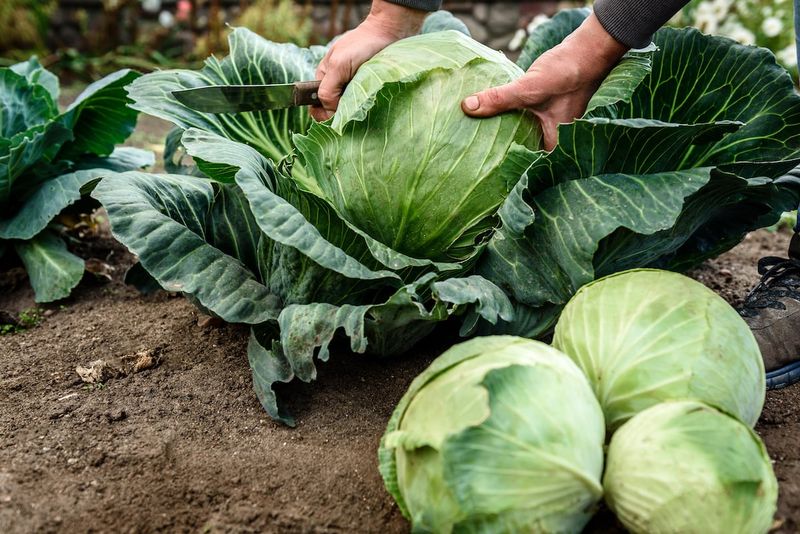
Cabbage is a resilient vegetable that can endure the chill of North Dakota’s growing conditions. Its tightly packed leaves form a solid head that can be used in a myriad of culinary applications.
Whether fermented into sauerkraut or chopped into coleslaw, cabbage provides a satisfying crunch and a boost of vitamin C. It’s a crop that can be stored for extended periods, making it a valuable addition to the pantry.
Did you know? Cabbage has been cultivated for over 4,000 years and was a staple food for sailors to prevent scurvy during long sea voyages.
10. Turnips
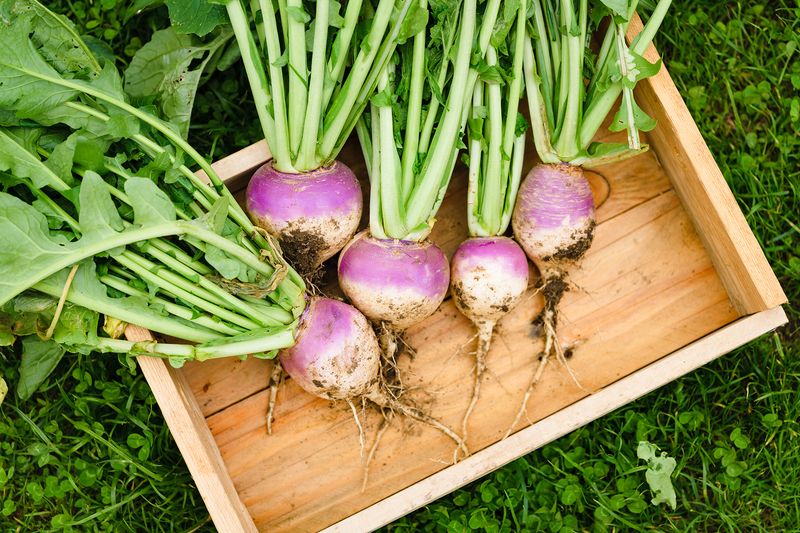
Turnips are a versatile root vegetable that can be planted early in the season for a quick harvest. Both the roots and the leafy tops are edible, offering multiple uses for one planting.
Their peppery flavor adds depth to soups and stews, while the greens can be sautéed or added to salads for a nutritional boost. Turnips are not only easy to grow but also enhance soil health when used in crop rotation.
Fun Fact: In ancient times, turnips were used as lamps where the root was hollowed out and filled with oil to burn as a light source.