
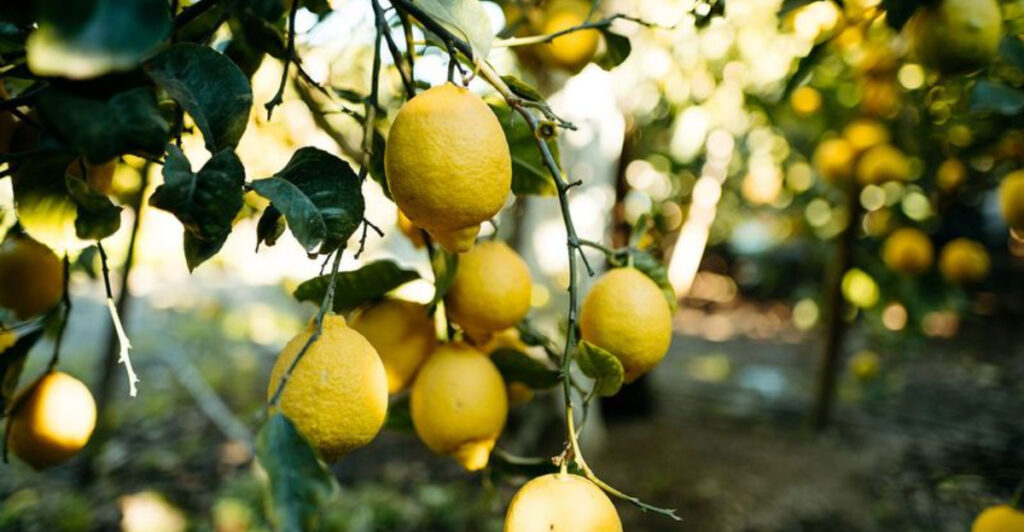
Growing citrus trees in South Carolina can be a rewarding endeavor, offering fresh fruits right from your backyard. However, understanding the unique climate and soil conditions is essential for success. This guide provides key insights and practical advice to help you cultivate thriving citrus trees in the Palmetto State.
1. Choosing the Right Citrus Varieties
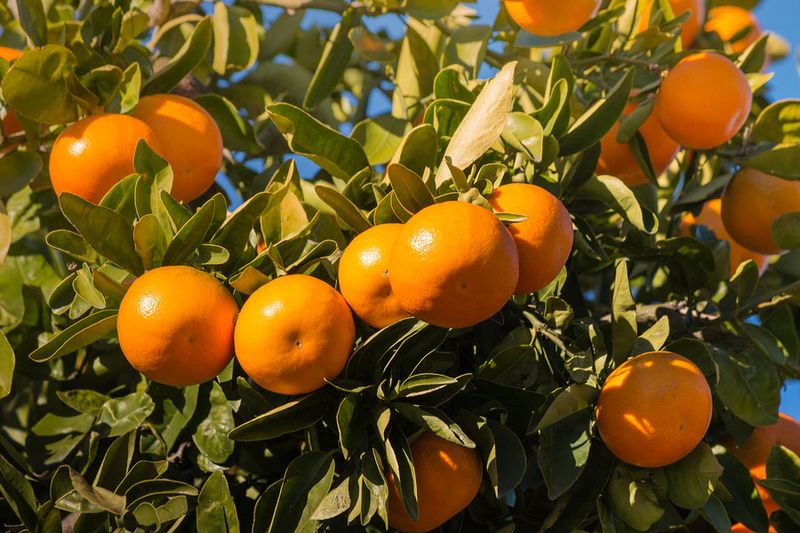
Selecting the appropriate citrus variety is crucial for success in South Carolina. Consider the climate and soil conditions when choosing trees like Satsuma oranges or Meyer lemons, which thrive in these environments.
The warm, humid climate supports a range of citrus varieties, but some are better suited than others. Researching which types resist local pests and diseases will guide your choice.
Did you know? Satsuma oranges can withstand mild frosts, making them ideal for Southern gardens. Look for hardy varieties to ensure a bountiful harvest.
2. Understanding Soil Requirements
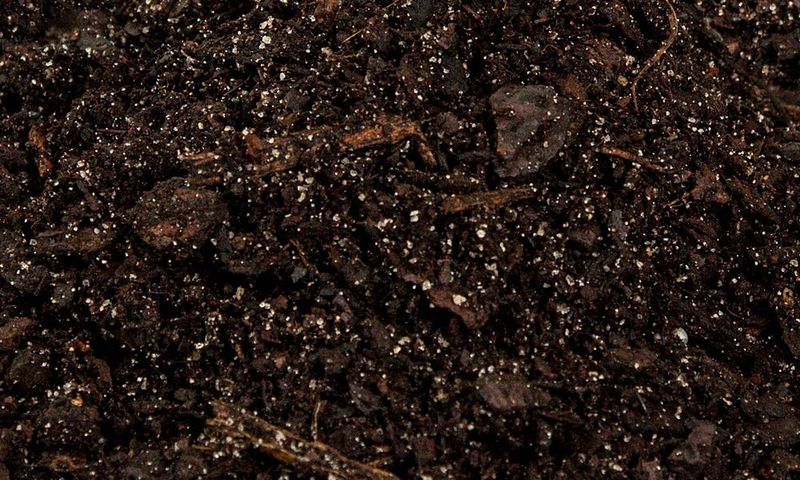
Soil quality is a vital factor in growing healthy citrus trees. Begin by testing your garden soil to determine pH levels and nutrient content, ensuring it is slightly acidic and well-drained.
Amending the soil with organic matter can enhance drainage and nutrient availability. Consider adding compost or aged manure to boost fertility.
Soil preparation sets the foundation for healthy tree growth, so invest time in creating the perfect blend. Properly prepared soil encourages robust root development and vigorous foliage.
3. Watering Techniques for Citrus Trees
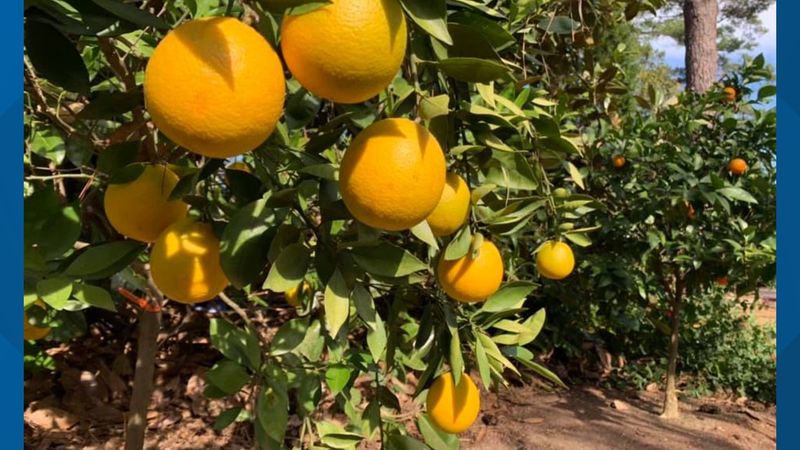
Watering citrus trees requires a balance to prevent root rot while ensuring adequate moisture. Deep watering encourages strong root systems, so consider using drip irrigation to manage soil hydration effectively.
Regular watering is essential, especially during the dry spells of South Carolina summers. Monitor soil moisture and adjust watering frequency based on seasonal rainfall.
Efficient watering techniques not only conserve water but also promote healthier, more productive trees. Understanding the right amount and timing can make all the difference.
4. Fertilization Strategies for Optimal Growth
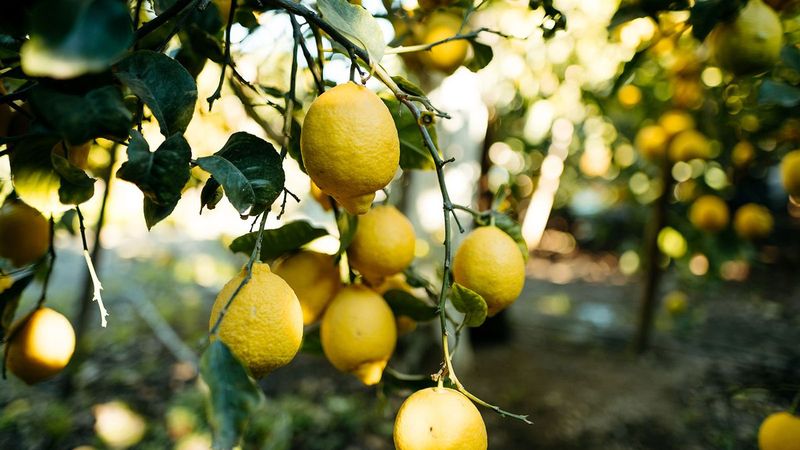
Fertilization plays a pivotal role in the growth of citrus trees. Use a balanced, citrus-specific fertilizer to supply essential nutrients, applying it in early spring and mid-summer.
Over-fertilization can harm the trees, so follow recommended guidelines and adjust based on tree performance. Nutrient-rich soil supports fruit production and vibrant foliage.
Seeking the right fertilization approach? Incorporate micronutrients like magnesium and zinc for healthier trees. This ensures your citrus trees flourish in South Carolina’s unique environment.
5. Pruning Practices for Healthy Trees
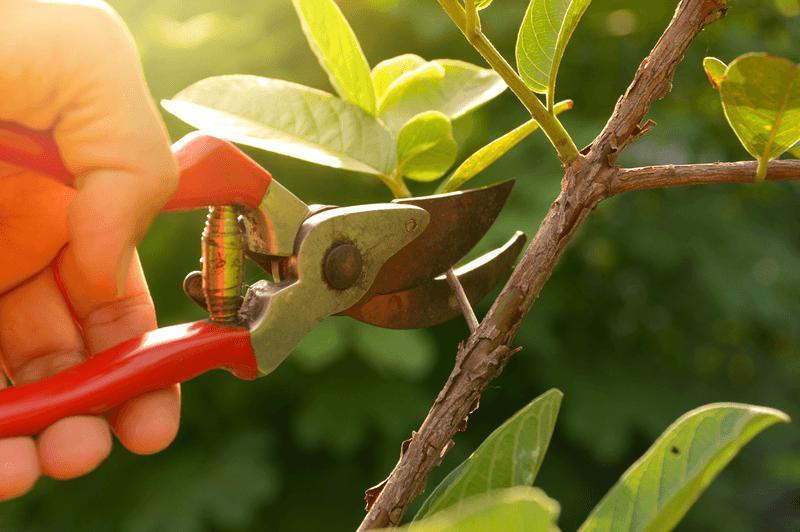
Pruning is essential to maintain tree health and fruit quality. Regularly remove dead or diseased branches to promote air circulation and sunlight penetration.
Focus on shaping the tree to support a strong structure and remove any crossing branches. Pruning encourages new growth and can enhance fruit production.
Did you know? Proper pruning can significantly increase your citrus yield. It helps in managing tree size and improving overall health, especially in South Carolina’s climate.
6. Pest and Disease Management
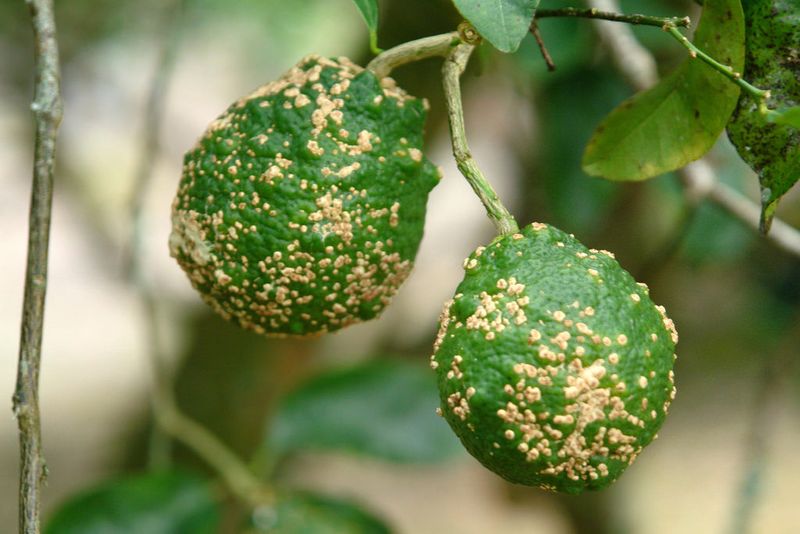
Pests and diseases are common challenges in citrus tree cultivation. Keep an eye out for common pests like aphids and scale insects, and use natural remedies or insecticides as needed.
Regular inspections help identify issues early, allowing for swift treatment. Understanding the local pest and disease landscape is vital for prevention.
Integrated pest management combines cultural, physical, and chemical tools to keep your trees healthy. This holistic approach ensures a pest-free orchard in the Palmetto State.
7. Adapting to South Carolina’s Climate
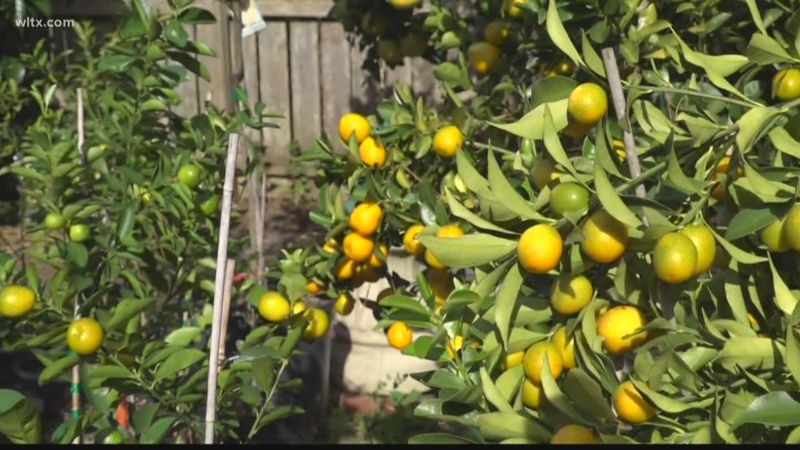
Adapting to South Carolina’s climate is key to growing citrus trees. Be prepared for cold snaps by using frost blankets or lights to protect sensitive trees during unexpected cold spells.
The state’s climate offers a mix of challenges and opportunities. Understanding how to leverage warm periods while protecting during colder months is essential.
Did you know? Meyer lemon trees are known for their resilience and can thrive despite temperature fluctuations. Choosing adaptable varieties can lead to a successful citrus garden.