
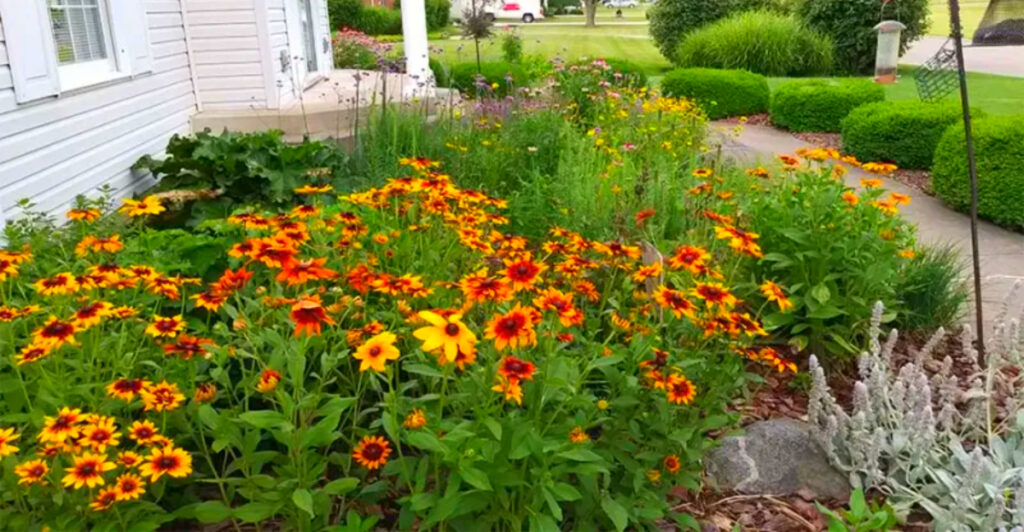
Illinois has become a leader in transforming cities and suburbs with beautiful gardens that celebrate the state’s natural heritage. From busy Chicago streets to quiet neighborhood yards, people are discovering how native prairie plants can create stunning green spaces that help wildlife and require less water. Communities across the Prairie State are proving that you don’t need perfect soil or endless hours to grow amazing gardens that make a real difference for both people and nature.
1. Native Prairie Grasses Transform City Landscapes
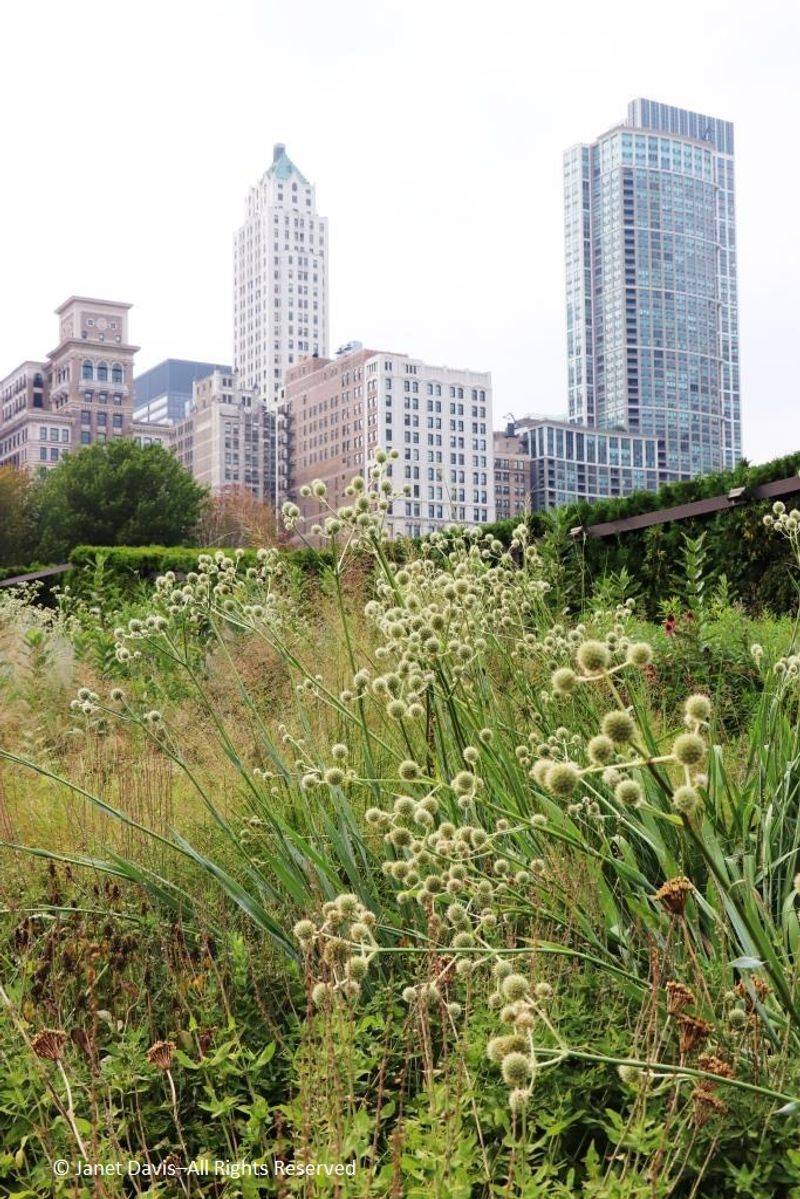
Big bluestem and little bluestem grasses are changing how Illinois cities look and feel. These tough native plants create beautiful golden waves that dance in the wind, even in downtown areas.
Unlike regular grass lawns, prairie grasses need very little water once they’re established. Their deep roots help prevent flooding during heavy rains, making them perfect for urban areas that struggle with storm water.
2. Lurie Garden Shows Prairie Beauty in Downtown Chicago
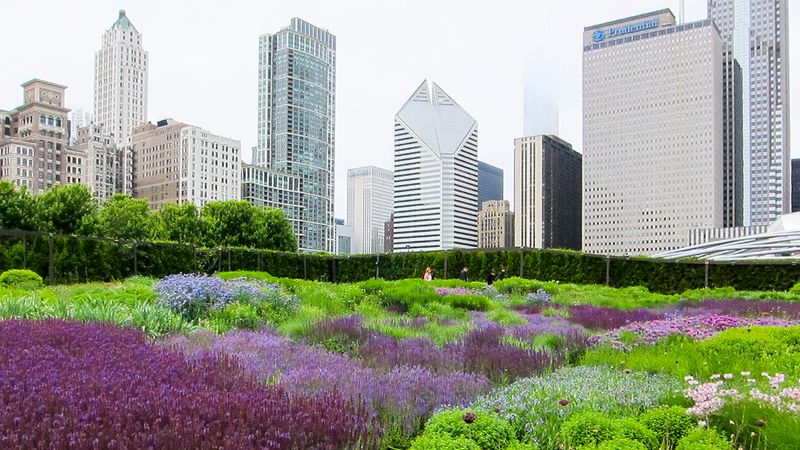
Right in the heart of Chicago’s Millennium Park, Lurie Garden proves that prairie plants belong in the city. This 2.5-acre garden combines native wildflowers with modern design to create a peaceful escape from busy streets.
Visitors can walk through two different sections that tell Chicago’s story through plants. The garden attracts butterflies and birds while teaching people about Illinois’s natural heritage in an unforgettable way.
3. Purple Coneflowers Bring Butterflies to Urban Gardens
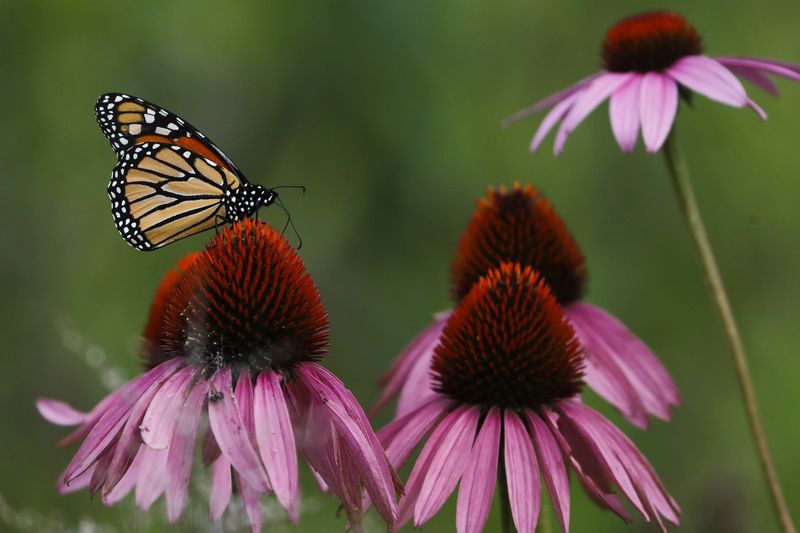
Nothing beats the sight of monarch butterflies landing on bright purple coneflowers in a city garden. These cheerful native wildflowers bloom all summer long, creating natural landing strips for pollinators.
Purple coneflowers are incredibly easy to grow and spread naturally to fill empty spaces. They’re perfect for beginners because they can handle hot summers and cold winters without any special care or expensive fertilizers.
4. Community Gardens Transform Vacant Lots into Food Oases
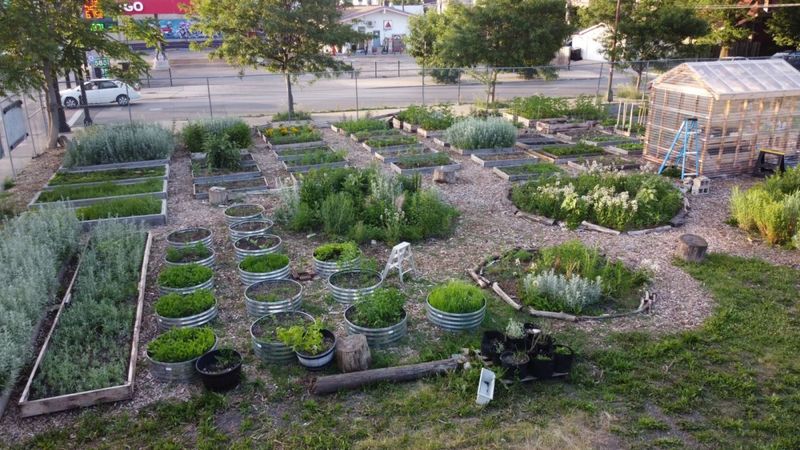
Empty lots in Chicago neighborhoods are becoming thriving community gardens that grow fresh vegetables and bring neighbors together. Organizations like Urban Growers Collective are leading this amazing transformation across the city.
These gardens provide healthy food in areas where grocery stores are far away. They also create jobs and teach kids about growing their own food while building stronger, healthier communities.
5. Wild Bergamot Creates Fragrant Pollinator Highways
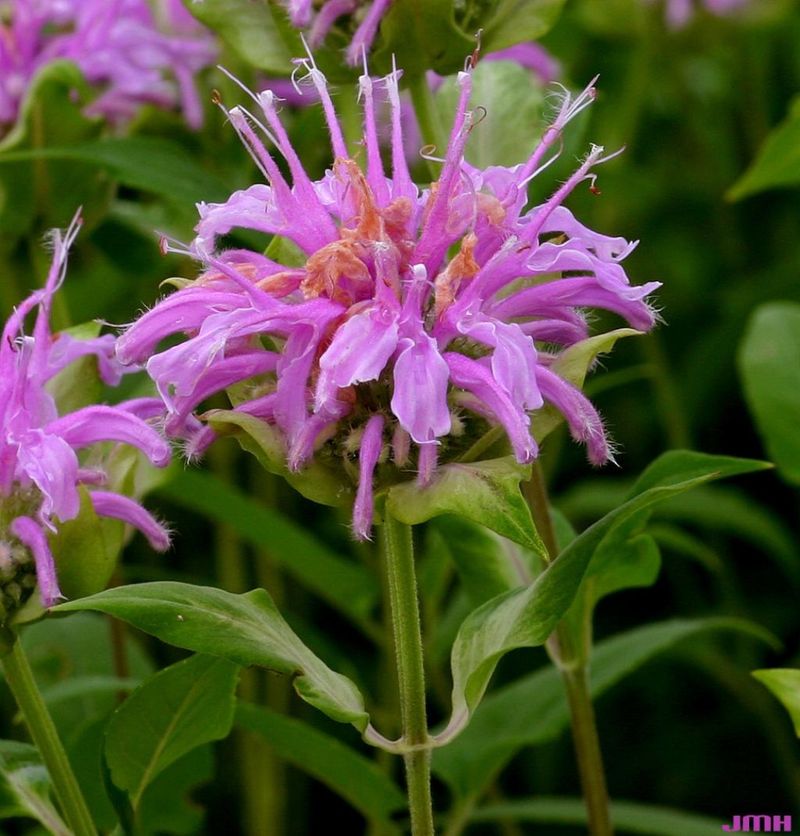
The sweet, minty smell of wild bergamot fills Illinois gardens from summer through fall. This native plant creates purple-pink flower clusters that bees absolutely love, making it essential for urban pollinator corridors.
Wild bergamot spreads easily and can handle both wet and dry conditions. It’s perfect for connecting green spaces across neighborhoods, creating highways that help bees and butterflies travel safely through the city.
6. Rooftop Gardens Maximize Limited Urban Space
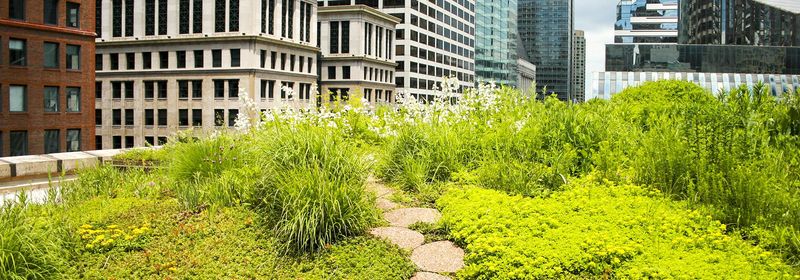
Chicago’s rooftops are becoming green gardens that help cool buildings and provide fresh air in crowded neighborhoods. These sky-high gardens use lightweight containers and drought-resistant native plants to create beautiful spaces above the city.
Rooftop gardens reduce energy costs by keeping buildings cooler in summer. They also capture rainwater and provide peaceful retreats where people can relax and connect with nature without leaving their building.
7. Black-Eyed Susans Brighten Suburban Neighborhoods
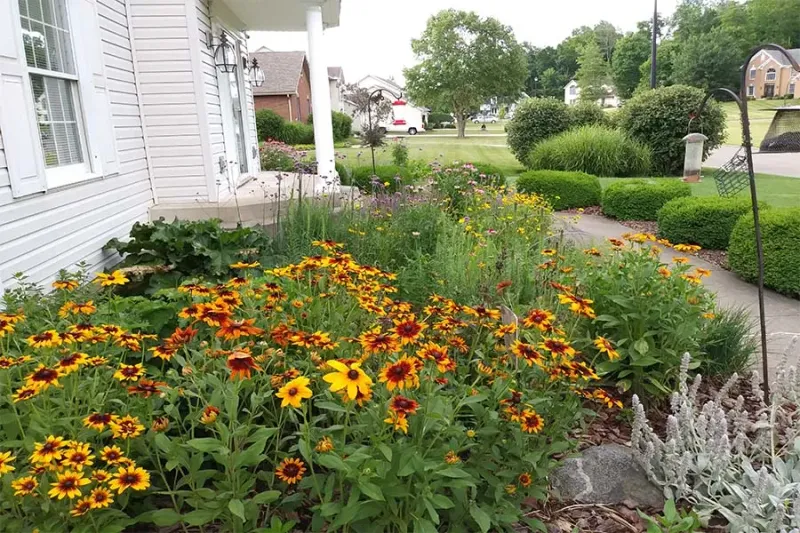
Sunny yellow black-eyed Susans are replacing traditional lawn areas in Illinois suburbs, creating cheerful displays that last from summer into fall. These hardy native flowers need almost no maintenance once they’re established.
Homeowners are discovering that replacing small lawn sections with black-eyed Susans saves time and money on mowing and watering. The bright flowers also attract goldfinches and other songbirds that add life and music to quiet neighborhoods.
8. School Gardens Teach Kids About Native Plants
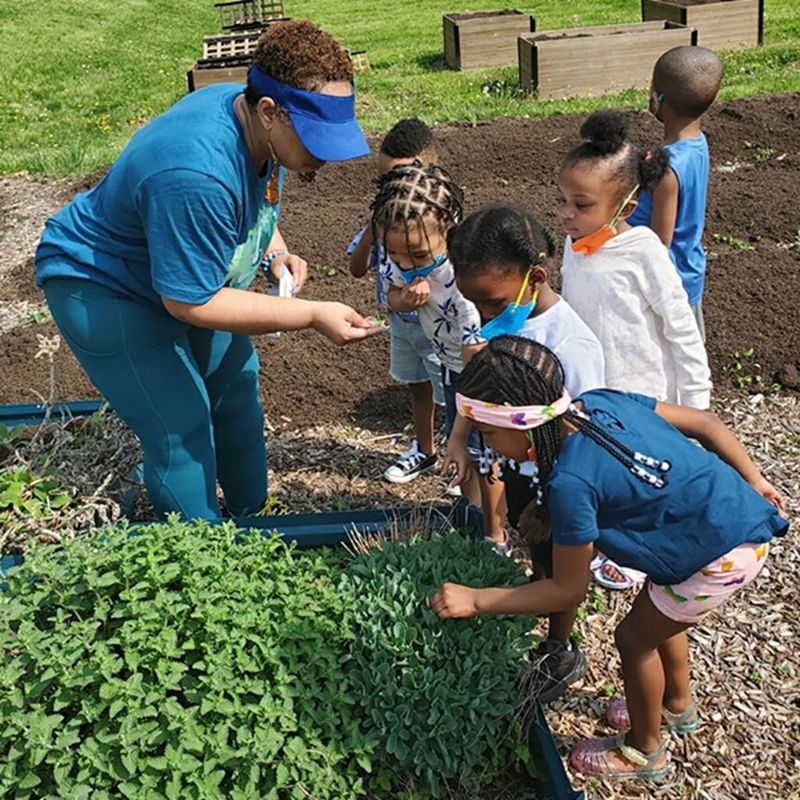
Illinois schools are creating outdoor classrooms where students learn science by growing native plants and vegetables. These hands-on gardens help kids understand how plants grow while connecting them to their state’s natural heritage.
Students get excited about learning when they can plant seeds and watch them grow into food or flowers. These garden classrooms also teach responsibility and teamwork while providing healthy snacks and beautiful spaces for outdoor learning.