
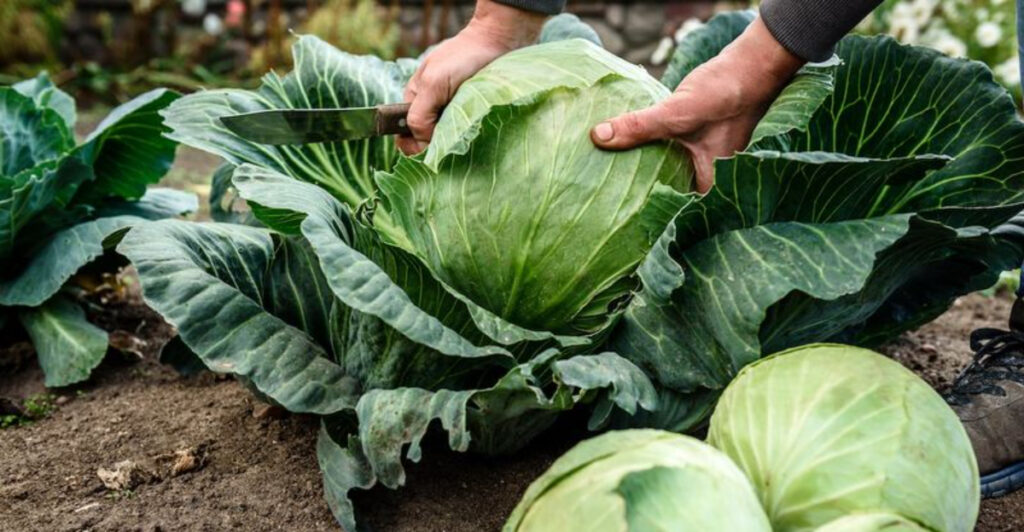
Montana’s challenging climate doesn’t have to stop you from growing your own delicious vegetables. With short growing seasons and unpredictable weather, choosing the right crops makes all the difference between garden success and disappointment. Smart vegetable selection focuses on hardy varieties that can handle cool temperatures and mature quickly. Your Montana garden can produce amazing harvests when you know which vegetables thrive in Big Sky Country’s unique conditions.
1. Potatoes
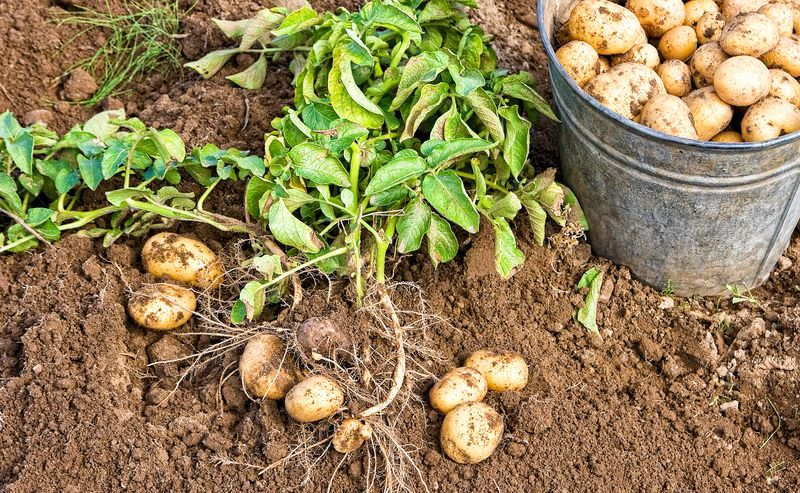
Nothing says Montana gardening success quite like a bumper crop of homegrown potatoes. Cold soil doesn’t scare these hardy tubers one bit, making them perfect for your mountain garden.
Plant them a week before your last frost date without worry. They’ll happily grow in cool conditions that would stress other vegetables.
From planting to harvest takes 80 to 140 days, giving you plenty of time for a satisfying crop that stores well through winter months.
2. Carrots
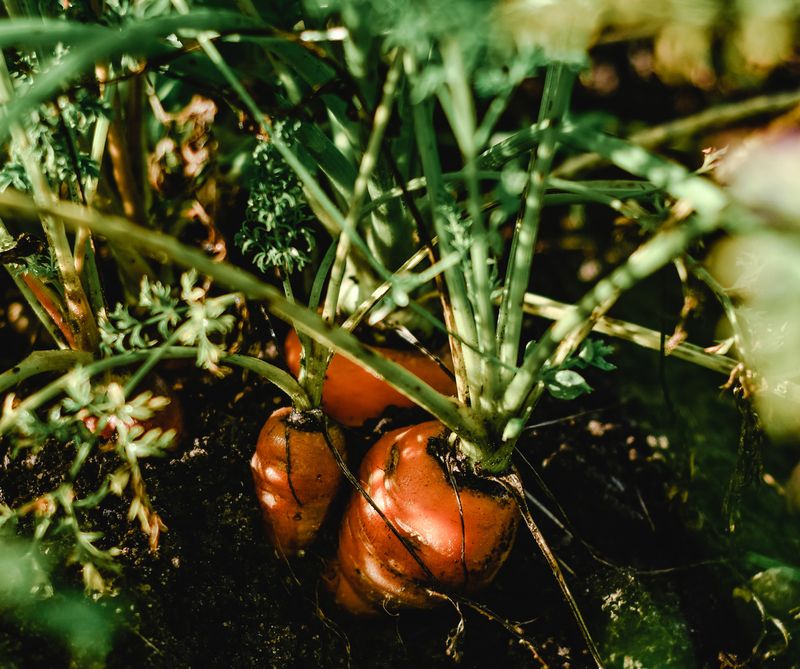
Sweet, crunchy carrots actually prefer Montana’s cooler temperatures over scorching summer heat. Your soil’s natural composition works wonderfully for growing straight, flavorful roots.
Spring planting gives you summer carrots, while late summer sowing rewards you with fall harvests. Cool weather makes them extra sweet and tender.
Ready to pull in just 60 to 80 days, carrots offer quick satisfaction for impatient gardeners wanting fresh vegetables on their dinner table.
3. Kale
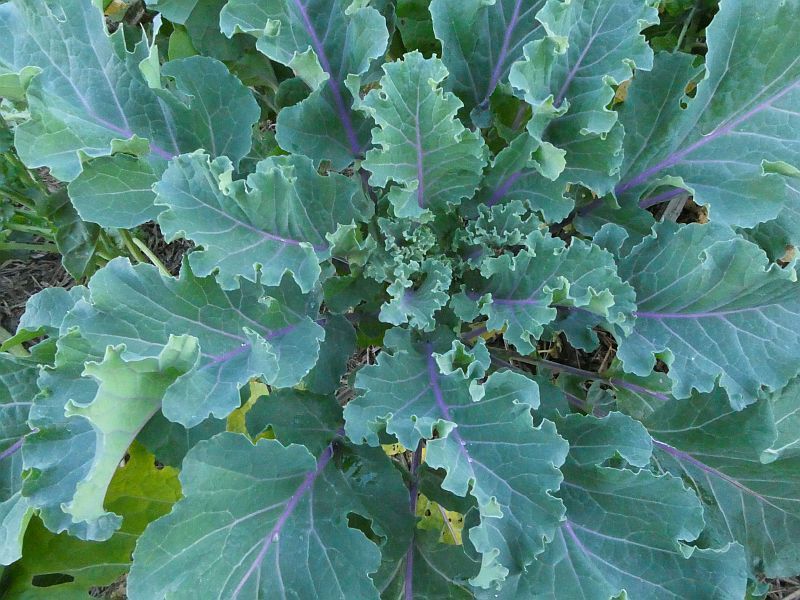
Forget fragile greens that wilt at the first cold snap – kale laughs in the face of Montana’s unpredictable weather. This superfood green actually tastes better after experiencing light frosts.
Harvest leaves continuously throughout the growing season without killing the plant. Cut what you need and watch new growth appear within days.
Fall harvests extend well into October and November, providing fresh nutrition when other vegetables have given up for the year.
4. Peas
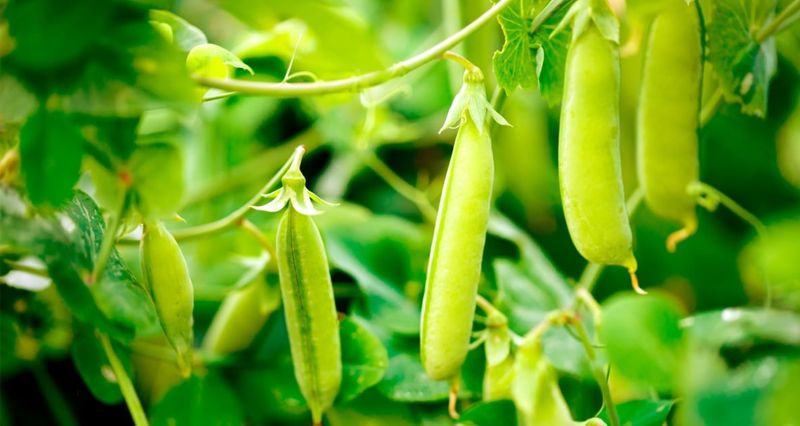
Early spring excitement builds when you can finally plant something in your Montana garden – and peas are ready for action. Frost doesn’t bother these cool-season champions at all.
Direct seed them into cold soil while other gardeners wait for warmer weather. They’ll germinate happily in conditions that would rot tender seeds.
Sweet pods appear in just 55 to 90 days, rewarding your patience with crisp, sugary treats straight from the vine to your mouth.
5. Radishes
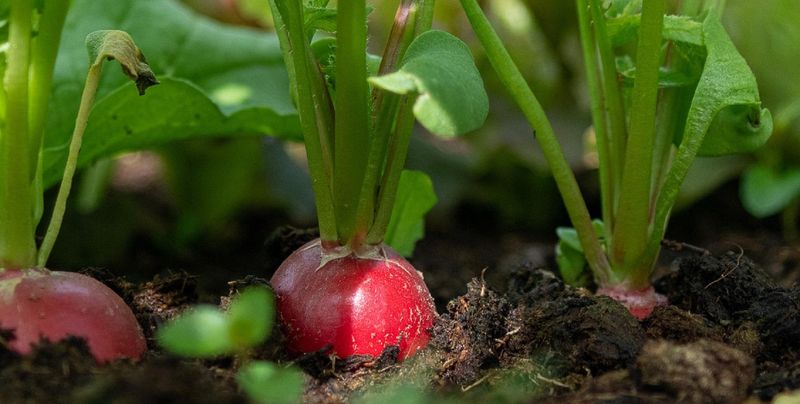
When you need instant garden gratification, radishes deliver faster than any other vegetable in your Montana plot. Three weeks from seed to salad seems almost magical.
Their speedy growth makes them perfect gap-fillers between slower crops. Plant them everywhere you have spare space for continuous harvests.
Crisp, peppery roots add zing to spring salads when fresh vegetables feel like distant memories. Multiple plantings ensure steady supplies all season long.
6. Broccoli
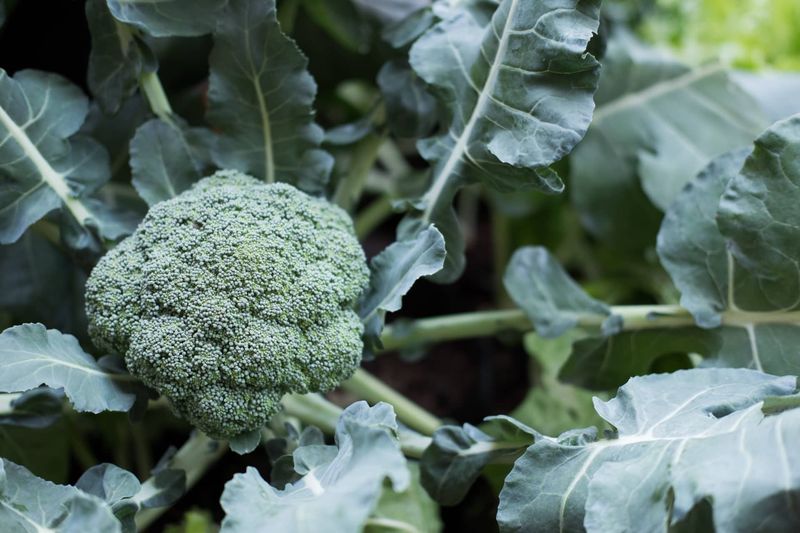
Montana’s naturally cool temperatures create perfect growing conditions for restaurant-quality broccoli heads. Hot climates make this vegetable bolt quickly, but yours will develop slowly and beautifully.
Five hours of daily sunlight keeps plants happy and productive. Start transplants indoors for best results in your shorter season.
Dense, flavorful heads form in 60 to 80 days after transplanting, providing nutritious harvests that taste infinitely better than store-bought versions.
7. Lettuce
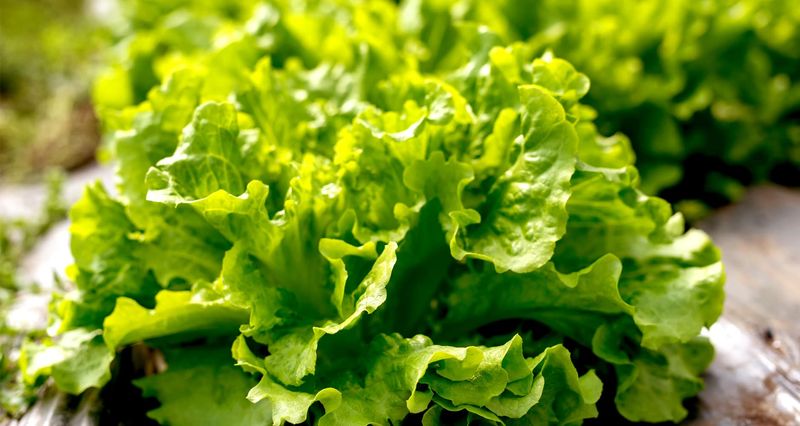
Crisp, fresh salads become a daily reality when you master lettuce growing in Montana’s ideal conditions. Hot weather makes lettuce bitter and tough, but your cool climate produces tender leaves.
Plant succession crops every two weeks for continuous harvests. Different varieties add color and texture to your salad bowl throughout the season.
From seed to salad takes just 40 to 60 days, making lettuce one of your most reliable and rewarding garden investments.
8. Cabbage
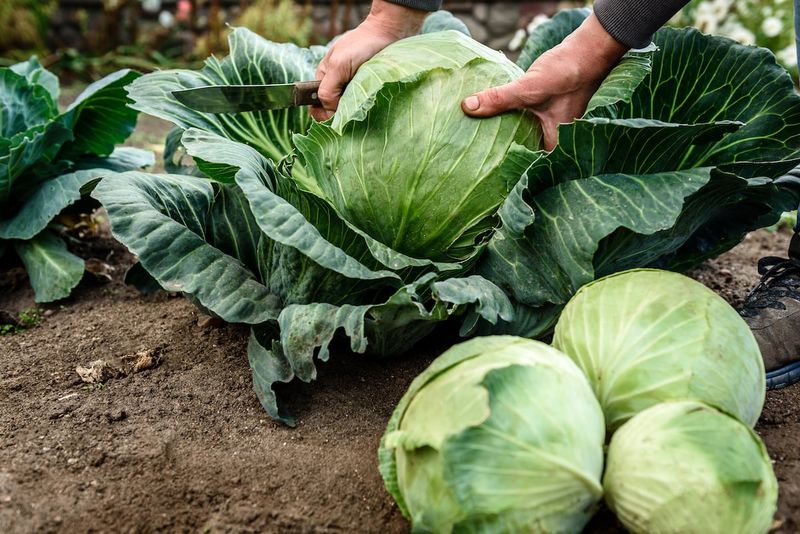
Solid, heavy cabbage heads develop beautifully in Montana’s extended cool periods. While southern gardeners struggle with heat stress, your cabbages grow steadily and sweetly.
Dense heads store exceptionally well, providing fresh vegetables deep into winter months. One good harvest feeds families for months.
From transplant to harvest requires 70 to 120 days of patience, but the reward of homegrown coleslaw and sauerkraut makes every day worthwhile.
9. Spinach
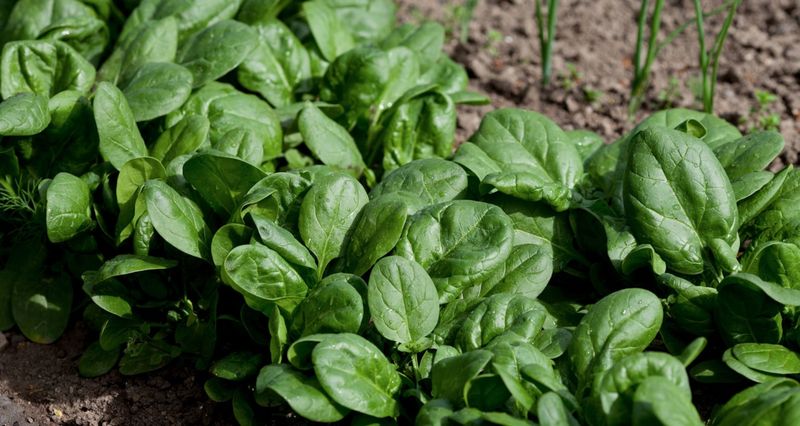
Nutritional powerhouse spinach absolutely thrives in Montana’s naturally cool growing conditions. This iron-rich green prefers your climate over hot, sunny locations that stress most plants.
Tender leaves develop quickly in cool soil that would slow other vegetables. Spring and fall plantings provide double harvests annually.
Ready to eat in just 40 to 50 days, spinach delivers fresh nutrition when your body craves healthy greens after long winter months indoors.
10. Beets
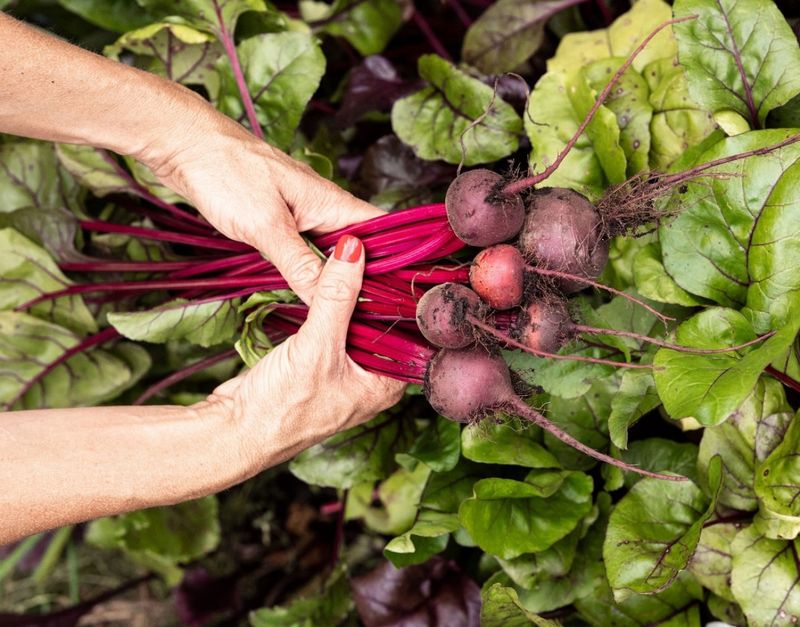
Earthy, sweet beets adapt perfectly to Montana’s soil conditions and variable weather patterns. Both roots and greens provide double harvests from single plantings.
Young beet greens taste delicious in salads, while mature roots store well for winter cooking. Nothing goes to waste with this versatile vegetable.
Harvest begins in 50 to 80 days, giving you flexibility in timing. Their natural hardiness handles temperature swings that challenge more sensitive crops.
11. Swiss Chard
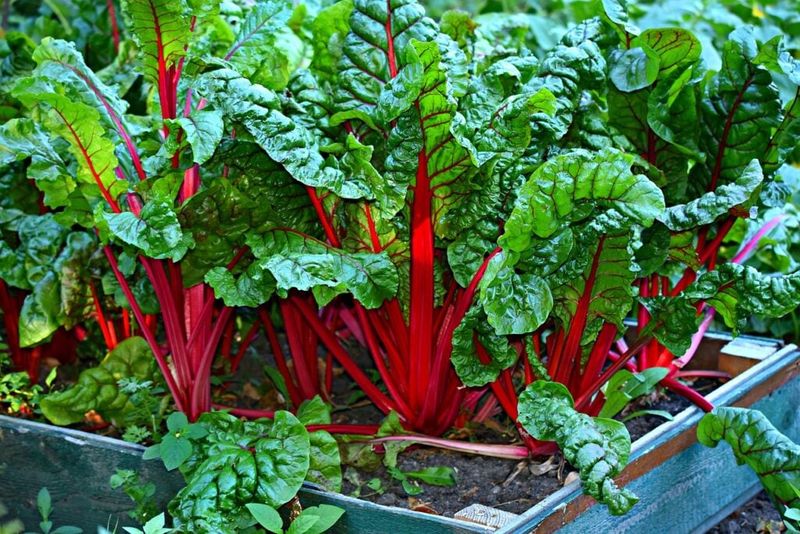
Colorful Swiss chard brings rainbow beauty to practical Montana vegetable gardens. Bright stems in red, yellow, and white create stunning displays while providing nutritious harvests.
Cut-and-come-again harvesting keeps plants producing all season long. Remove outer leaves and watch new growth appear from the center within days.
Heat-stressed chard turns bitter, but Montana’s cool conditions keep leaves tender and mild-flavored. One planting feeds you from spring through fall frosts.
12. Turnips
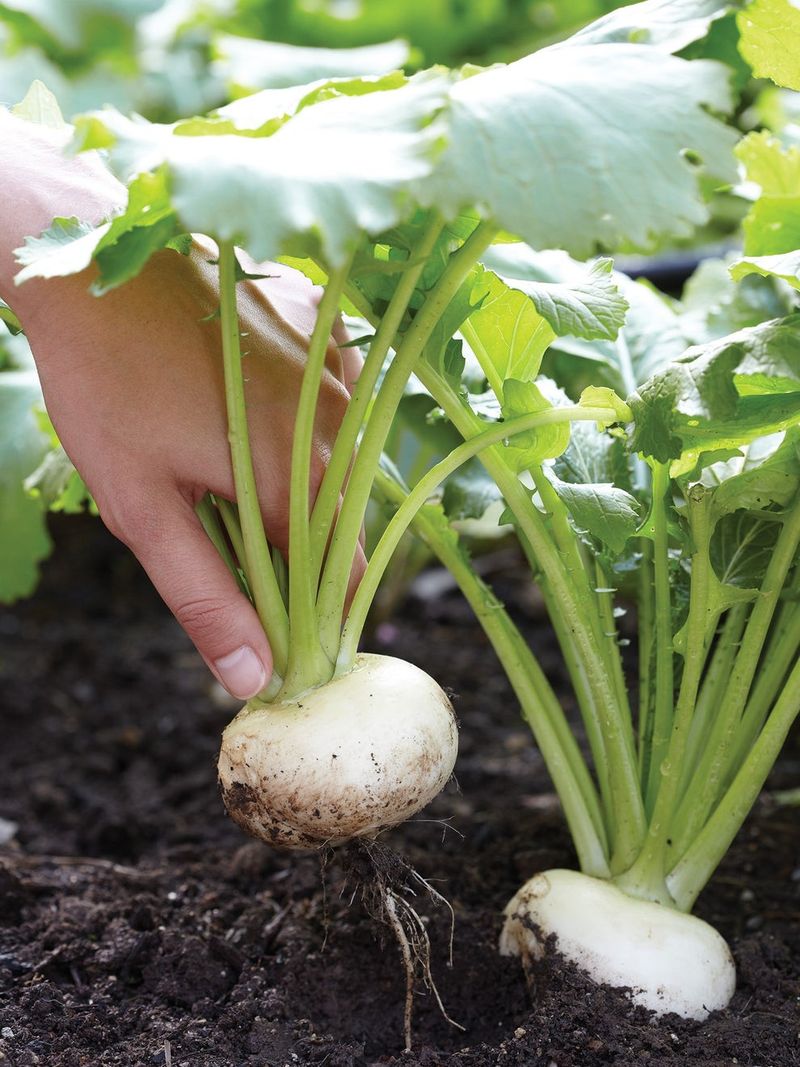
Old-fashioned turnips deserve modern Montana garden space for their cold-hardy reliability and dual-purpose nature. Roots and greens both provide excellent eating from single plants.
Fall frosts actually improve their flavor, making them sweeter and more tender. Store roots in cool cellars for winter meals.
Quick 50 to 60 day maturity fits perfectly into short growing seasons. Their toughness handles weather that defeats more finicky vegetables completely.