 Complete Gardening
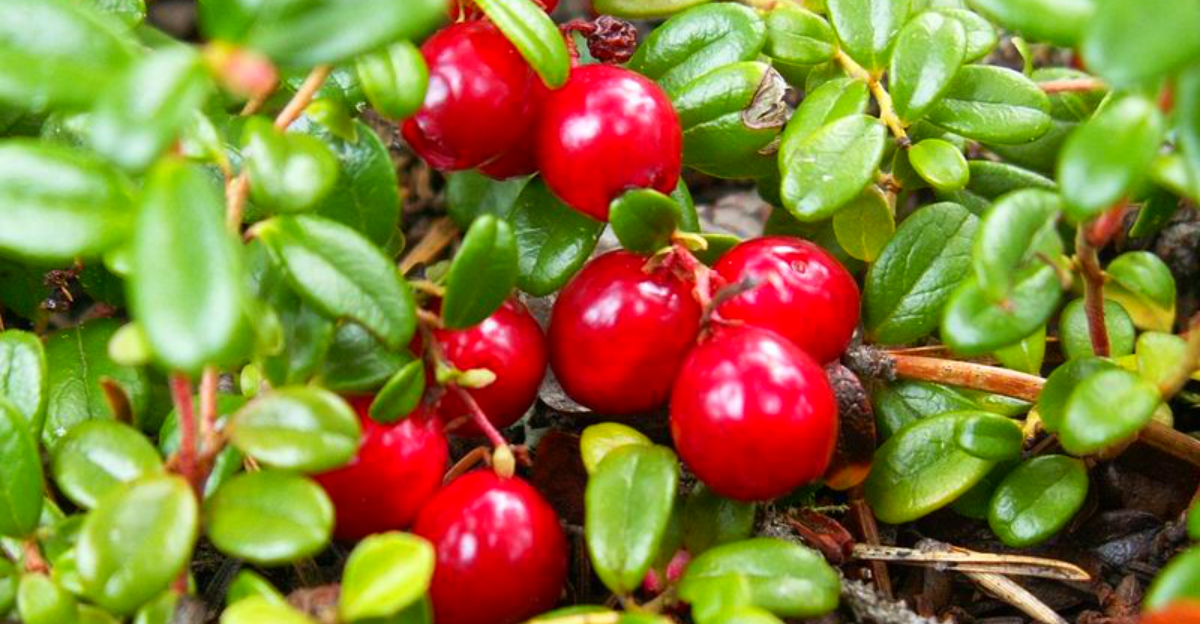
Massachusetts cranberries aren’t just for commercial bogs anymore. Home gardeners across the Bay State can grow these ruby-red gems right in their own backyards. With proper soil preparation and the right techniques, you’ll enjoy fresh, tart cranberries perfect for holiday recipes and healthy snacking.
1. Master the Art of Acidic Soil Creation
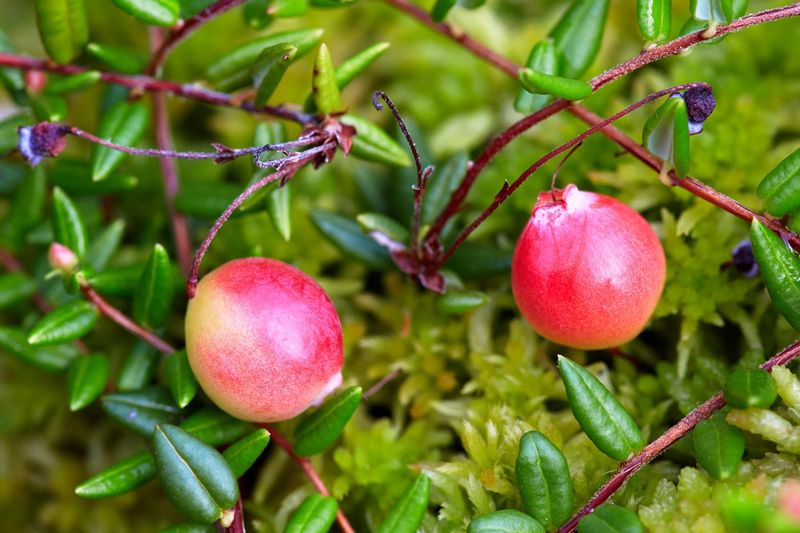
Cranberries crave super acidic conditions with pH levels between 4.0 and 5.5. Most Massachusetts soil runs too alkaline for these picky plants.
Mix generous amounts of peat moss, sulfur, or pine needles into your garden bed. Test your soil regularly with an inexpensive pH meter from any garden center.
Creating the perfect acidic environment takes patience, but your cranberries will reward you with plump, flavorful berries.
2. Choose Your Sunny Sweet Spot Wisely
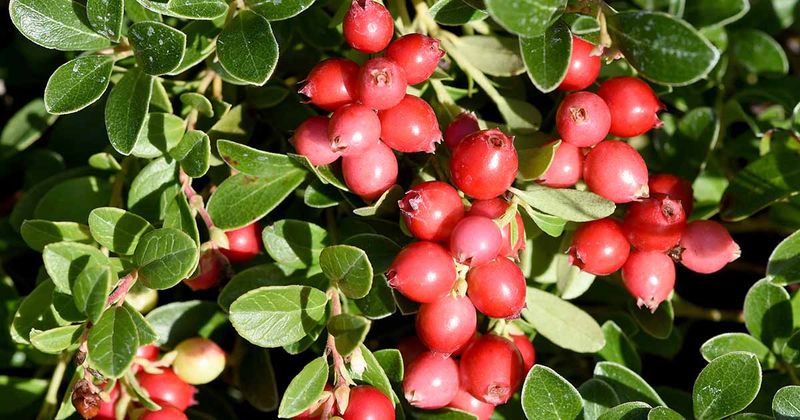
Location makes or breaks your cranberry harvest success. Full sunlight for at least six hours daily keeps vines healthy and productive.
Avoid shady corners or spots under large trees where morning dew lingers too long. Good air circulation prevents fungal problems that plague cranberry plants.
A south-facing slope with gentle drainage works perfectly for Massachusetts growing conditions and maximizes your berry production potential.
3. Build Raised Beds for Perfect Drainage
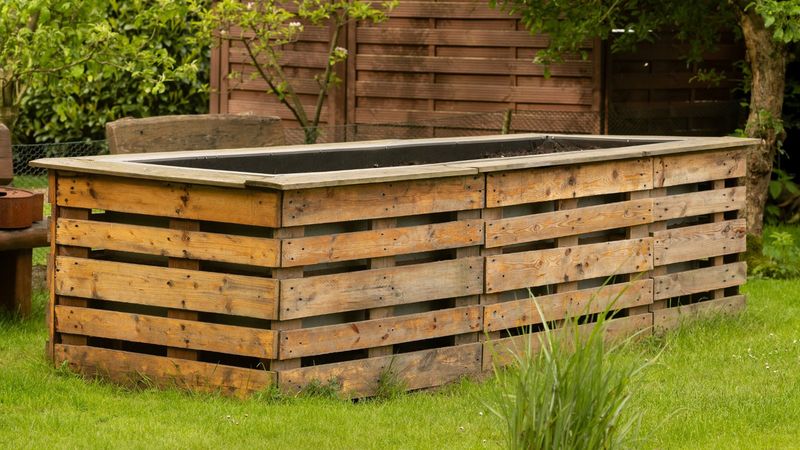
Waterlogged roots spell disaster for cranberry plants, despite their bog reputation. Raised beds solve Massachusetts clay soil drainage problems beautifully.
Construct beds 12-18 inches high using untreated lumber or stone borders. Fill with acidic soil mix and coarse sand for optimal water flow.
Proper drainage prevents root rot while maintaining the consistent moisture cranberries need during growing season.
4. Time Your Spring Planting Perfectly
Massachusetts spring weather can be tricky, but timing cranberry planting right ensures strong root establishment. Wait until after the final frost date in your area.
Late April through early May typically offers ideal conditions across most of the state. Plant rooted cuttings about one inch deep.
Space plants 18-24 inches apart to allow for spreading growth patterns and proper air circulation between developing vines.
5. Water Consistently Without Overdoing It
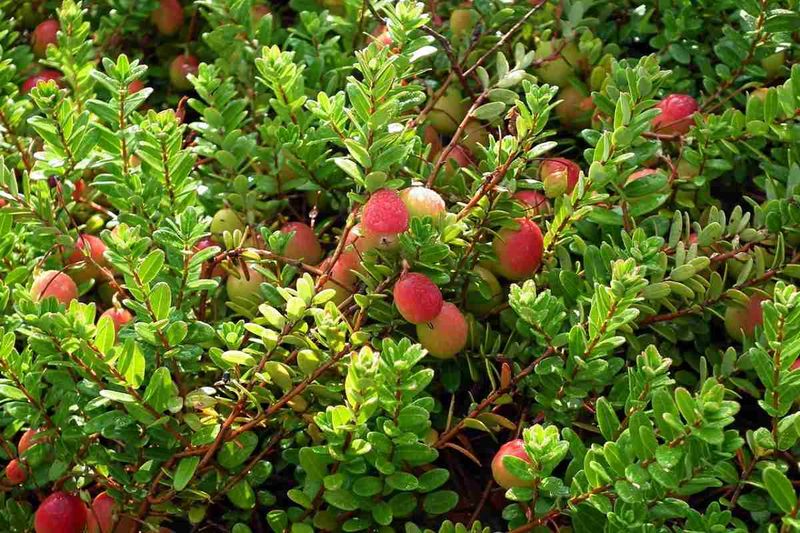
Cranberries demand steady moisture but hate soggy conditions. Aim for about one inch of water weekly during growing season.
Morning watering allows plants to dry before evening, reducing disease risks. Drip irrigation or soaker hoses work better than overhead sprinklers.
Monitor soil moisture regularly with your finger – it should feel like a wrung-out sponge, moist but not dripping wet.
6. Feed Plants with Acid-Loving Fertilizer
Regular fertilizers can harm cranberry plants by raising soil pH levels. Specialized acid-loving plant fertilizers keep your berries thriving beautifully.
Apply slow-release fertilizer twice yearly – once in early spring and again mid-summer. Follow package directions carefully to avoid overfeeding.
Organic options like cottonseed meal or fish emulsion work wonderfully while maintaining soil acidity levels your cranberries crave.
7. Mulch Smart with Sand and Sawdust
Traditional bark mulch raises soil pH, making it terrible for cranberries. Sand and sawdust maintain acidity while suppressing weeds effectively.
Apply a two-inch layer around plants, keeping mulch away from vine stems. Fresh sawdust works best, especially from pine or oak trees.
This specialized mulching approach retains moisture, moderates soil temperature, and creates the acidic environment cranberries absolutely love.
8. Harvest Ruby-Red Berries at Peak Ripeness
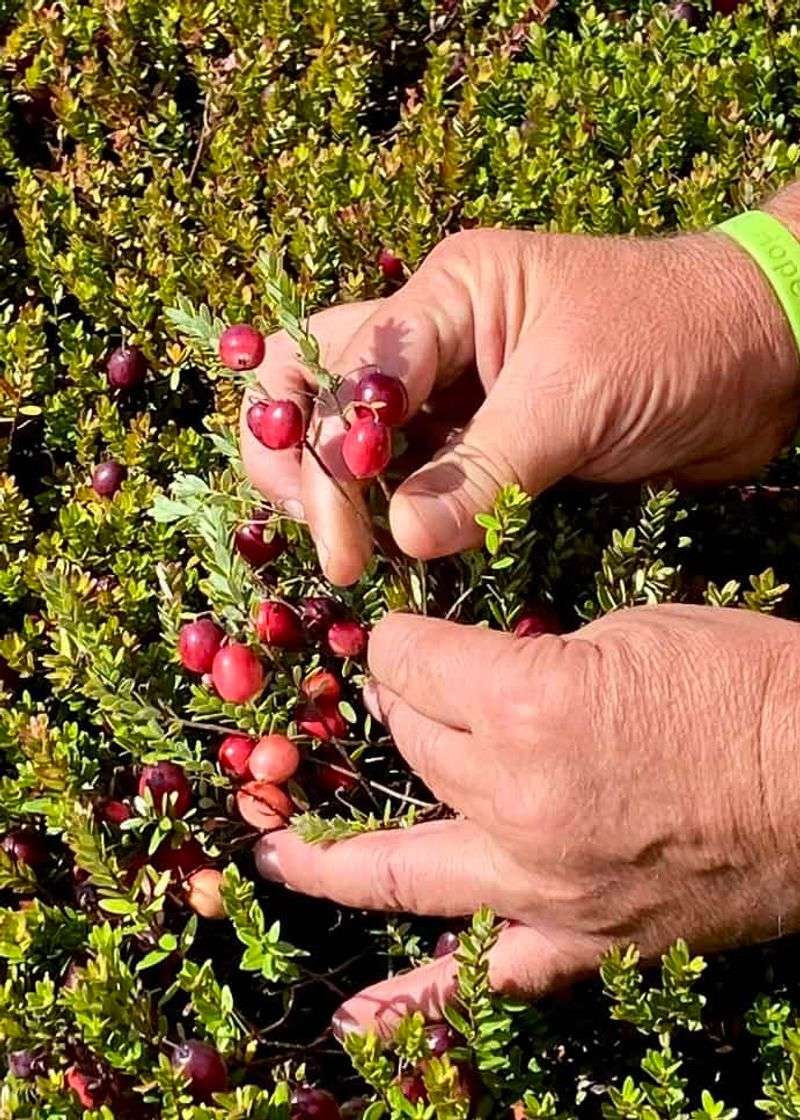
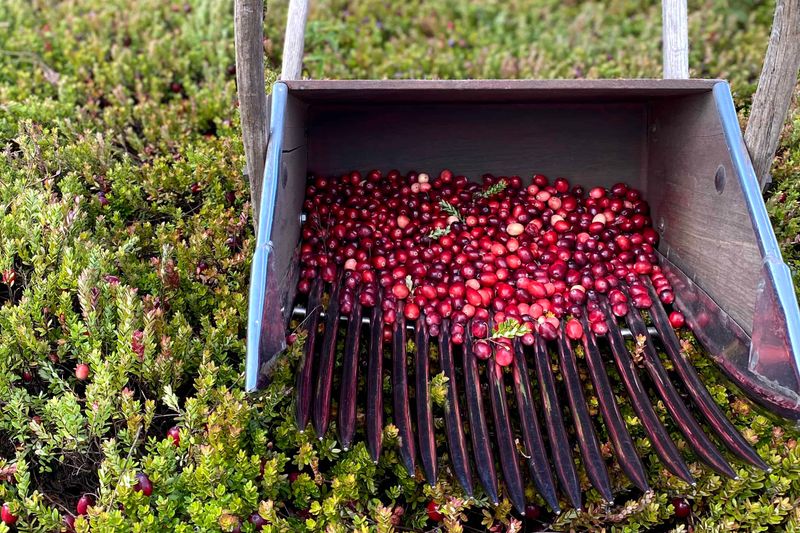
Massachusetts cranberries ripen between late September and November, turning deep crimson when ready. Ripe berries bounce when dropped – seriously!
Hand-pick gently to avoid damaging delicate vines for next year’s harvest. Morning picking works best when berries are cool and firm.
Fresh cranberries store for weeks in the refrigerator and freeze beautifully for year-round enjoyment in your favorite recipes.